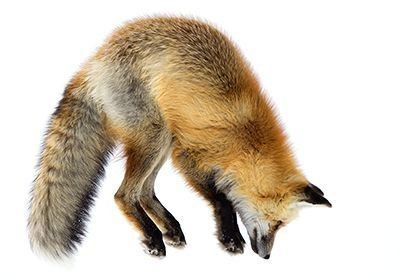

Taming Nature: Why Modern Society Seeks the Controlled Over the Wild
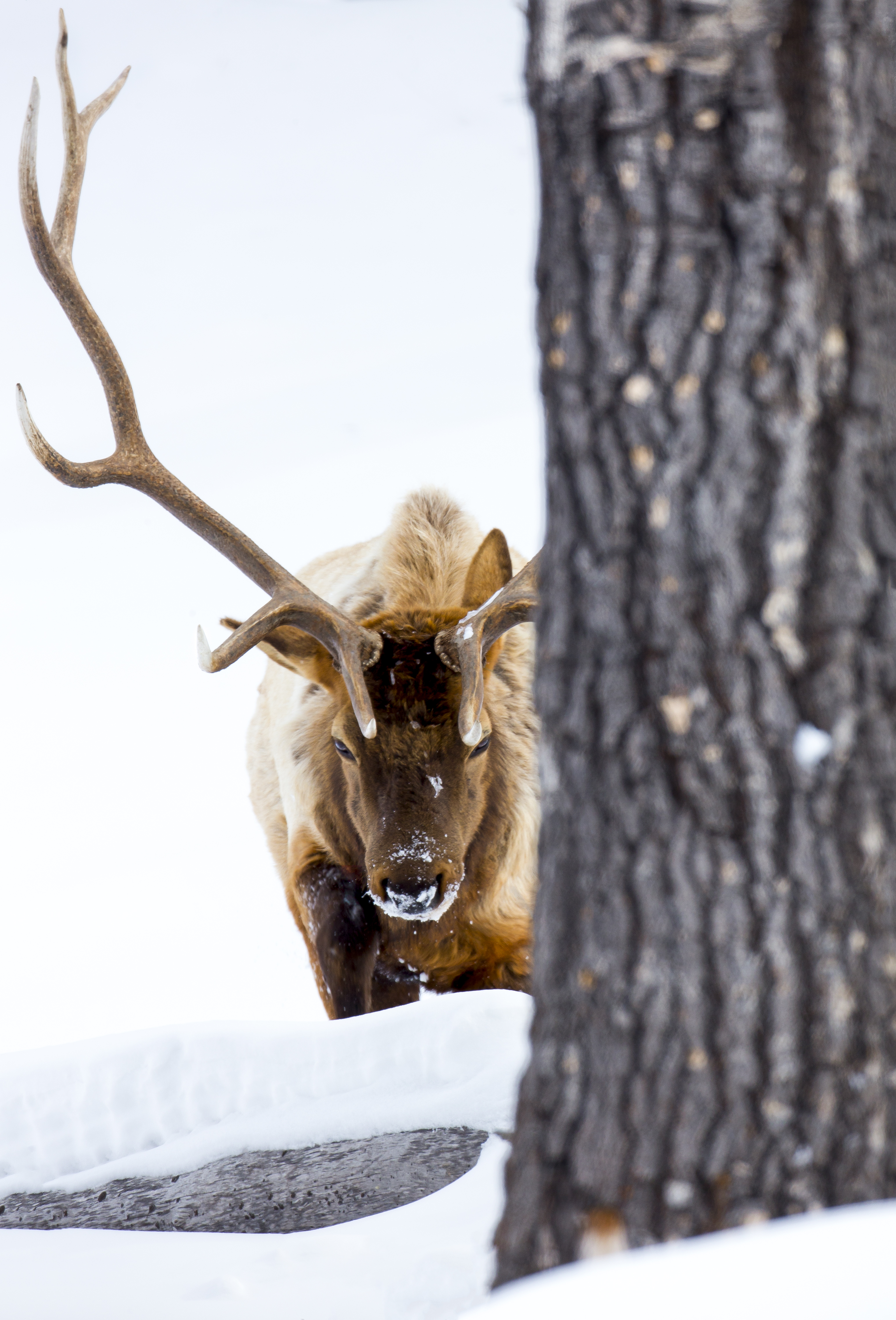
What This System Is — Wild Nature vs. Controlled Nature
This page is about a fundamental ecological and human system divide: the difference between wild nature and controlled nature. These are not just two types of places—they are two entirely different ways that life organizes, behaves, and teaches.
Wild nature is self-regulating. It operates through feedback loops, predator-prey dynamics, seasonal timing, resource constraints, and constant adaptation. Nothing is fixed. Nothing is guaranteed. Every movement—whether from a migrating bird, a hunting wolf, or shifting weather—ripples through the system.
Controlled nature, by contrast, is stabilized by human intervention. Trails are maintained, populations are monitored, risk is minimized, and access is designed. These spaces serve an important role—they introduce people to nature—but they are simplified versions of far more complex systems.
The difference matters because each system produces a different kind of understanding. In controlled environments, you observe nature. In wild systems, you participate in it. You adapt to terrain, weather, silence, uncertainty, and timing—the same forces shaping every species within that landscape.
This is why the distinction is not philosophical—it is ecological. When humans shift toward managed environments as their primary interface with nature, we begin to lose direct exposure to the very systems that define biodiversity, resilience, and survival.
Ecological Role — Why Wild Systems Matter
Wild nature is not just scenery. It is a living regulatory system. In intact landscapes, animals, plants, water, terrain, weather, and seasonal timing all interact through constant feedback. That is the foundation of wildlife behavior and ecology and why real ecosystems can only be understood as connected systems rather than isolated parts.
A predator affects prey movement. Prey movement changes grazing pressure. Grazing pressure changes vegetation structure. Vegetation structure affects songbirds, insects, water retention, and the visibility animals rely on for survival. This is exactly why pages like Ecosystems of North America and Food Webs & Ecological Relationships matter so much—they show that no species exists alone.
You can see that clearly across species groups. Large animals in Mammals of North America, raptors in Birds of Prey, and migrants in Waterfowl & Wetland Birds all depend on system integrity, not just habitat fragments. Their behavior only makes sense when viewed through movement, pressure, timing, and ecological role.
Wild systems also shape intelligence and resilience. They teach animals when to migrate, where to hide, how to hunt, when to breed, and how to conserve energy across seasons. These same ecological pressures are part of what adaptation and survival actually mean in the real world.
Humans evolved inside systems like these too. Our attention, caution, curiosity, and situational awareness were all shaped by reading landscapes and responding to uncertainty. When we lose contact with wild systems, we do not just simplify nature—we lose exposure to the very ecological processes that teach what biodiversity, behavior, and conservation actually are.
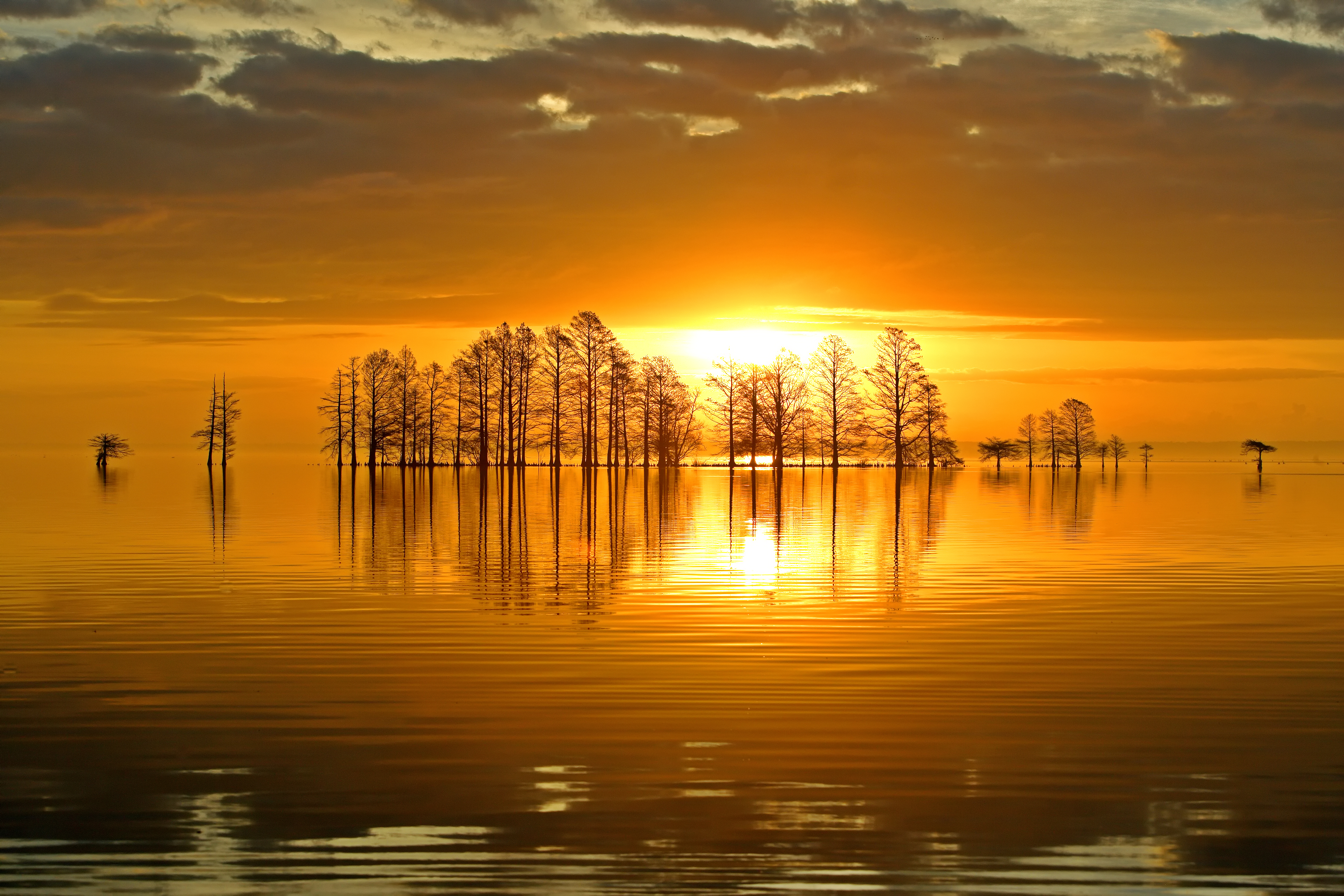
What Is Changing — From Wild Systems to Managed Experiences
The shift away from wild nature is not random. It is structural. Across many landscapes, ecosystems are becoming more segmented, more accessed, and more managed. What once functioned as large, continuous habitat is increasingly broken into human-shaped experience zones where access, comfort, and predictability take priority.
You can see this clearly in high-profile wildlife areas. In places like Yellowstone, Bosque del Apache, and Blackwater, wildlife movement, feeding patterns, and observation quality are all shaped by human timing, viewing pressure, access corridors, and seasonal concentration.
At the same time, people are becoming less familiar with ecological uncertainty. Trails are marked. Encounters are expected to be safe. Wildlife is often understood through designated overlooks, roadside access, or educational framing rather than direct field literacy. This changes not only how land is used, but how nature is mentally understood.
The result is a feedback loop. As people spend less time in truly wild environments, discomfort with unpredictability rises. As discomfort rises, demand for controlled environments increases. And as those controlled environments become the norm, truly wild systems feel more distant, more difficult, and less familiar.
That is the deeper change: we begin mistaking access for understanding. We think we know the wild because we can visit a version of it, while the full system—migration, predation, silence, scale, habitat tension, and seasonal timing—keeps operating beyond the edges of the managed experience.
Human Impact — How Our Systems Reshape the Wild
Human impact on wild systems is not limited to visible destruction. It is often structural—embedded in how we build, move, and interact with the land. Roads, developments, agriculture, and tourism corridors all fragment ecosystems, breaking continuous habitats into smaller, less resilient pieces.
In places like Yellowstone or coastal refuges, I’ve watched how even low-level pressure changes behavior. Wildlife avoids certain valleys during peak visitation. Feeding shifts to quieter hours. Movement becomes constrained—not by natural limits, but by human presence layered onto the system.
Agriculture alters soil systems. Development redirects water flow. Tourism concentrates activity into specific zones. Each action may seem isolated, but together they reshape how ecosystems function—changing not just where species live, but how they survive.
Even our well-intentioned spaces—parks, preserves, and wildlife centers—carry impact. They protect land, but they also define how humans experience it. When those experiences become the default, they quietly replace deeper engagement with fully wild systems.
The key point is this: humans are not outside the system—we are inside it. Every trail we build, every boundary we create, and every pattern of movement we establish becomes part of the ecological equation. The question is not whether we impact nature. The question is how consciously we participate in it.
Conservation Response — What Actually Protects the Wild
Conservation works best when it protects processes, not just parcels of land. Real protection means keeping migration routes open, preserving breeding habitat, maintaining predator-prey balance, reducing fragmentation, and allowing ecosystems enough room to regulate themselves. That broader view is central to Wildlife Conservation & Habitat.
Parks, refuges, and protected landscapes matter because they create space where ecological relationships can still function. But isolated protection is not enough. Species need connected movement across regions, seasons, and habitat types. That is why conservation increasingly depends on corridor thinking, seasonal timing, and landscape-scale connectivity rather than isolated scenic preservation.
Timing is especially important. A landscape may appear protected, but if animals cannot move through it when they need to, the system still breaks down. That is where tools and seasonal interpretation matter. Pages like the Seasonal Wildlife Calendar and Wildlife Migration & Seasonal Patterns help reveal that conservation is inseparable from time.
Restoration also matters when systems have already been simplified. Rebuilding wetlands, improving habitat structure, reducing pressure in key zones, and restoring keystone ecological relationships can help systems recover their own regulatory strength. The goal is not to engineer artificial stability. The goal is to restore the conditions under which nature can resume its own intelligence.
In the end, conservation succeeds when it aligns with how wild systems already work. The closer we stay to habitat continuity, seasonal movement, ecological role, and real system function, the stronger the protection becomes. Protecting the wild is not about making it easier for us to consume. It is about giving it enough integrity to remain alive on its own terms.
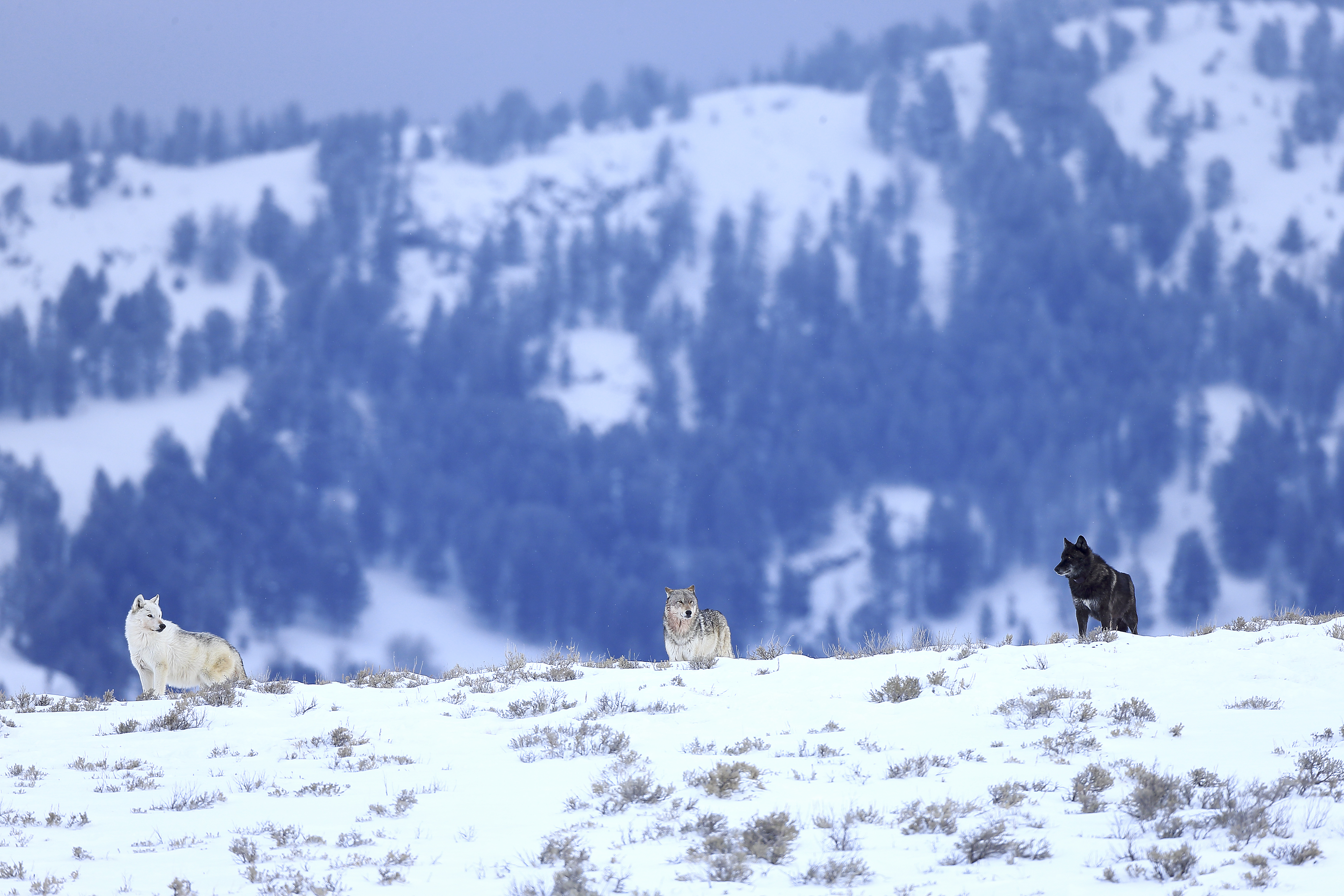
Field Observation — What the Wild Actually Teaches
When I’m in the field—whether it’s the Rocky Mountains, coastal marshes, or remote wildlife refuges—the difference between controlled and wild systems becomes obvious very quickly. In managed spaces, you move through the environment. In wild places, the environment moves through you.
I’ve watched elk adjust their position with subtle shifts in wind direction. I’ve seen predators disappear entirely from areas that look perfect on a map but carry just enough human pressure to alter behavior. These aren’t dramatic moments—they’re quiet adjustments that reveal how sensitive and responsive wild systems really are.
Photography forces patience, but more importantly, it forces alignment. You don’t create the moment—you wait for it. You learn timing, light, movement, and distance. Over time, you stop trying to control the scene and start reading it.
That’s where the real shift happens. The wild teaches you how little control you actually have—and how much awareness you can develop instead. It sharpens your senses. It slows your decisions. It places you back inside the system rather than above it.
This is why field experience matters. Without it, nature becomes something we talk about. With it, nature becomes something we understand—through observation, timing, and direct participation in the same conditions shaping every species out there.
Naturepedia Connection — How Wild Systems Actually Connect
Wild nature only makes sense when you see the full chain. Species, behavior, habitat, ecosystems, geography, and time all operate together. This is the structure behind Naturepedia—a system built to reflect how the natural world actually functions.
Species
Wildlife systems begin at the species level, where behavior, diet, and movement patterns define ecological roles.
Behavior
Behavior reveals how animals interact with pressure, resources, and seasonal timing across landscapes.
Habitat
Habitat defines where species live, move, and survive across forests, wetlands, mountains, and coastlines.
Ecosystem
Ecosystems show how species, habitat, and energy flow connect into functioning natural systems.
Geography
Real-world locations reveal how ecosystems operate under pressure, timing, and landscape structure.
Time
Wildlife systems are driven by seasonal timing, migration cycles, and environmental rhythms.
Conservation
Conservation protects not just land, but the ecological processes that keep systems functioning.
Reconnecting with wild nature means stepping back into this full system—not just observing it, but understanding how every layer interacts in real time.
Frequently Asked Questions — Wild vs. Controlled Nature
Why do people prefer controlled nature environments?
Controlled environments reduce uncertainty. They offer safety, accessibility, and predictable experiences, which align with how modern life is structured. However, they also limit exposure to real ecological dynamics.
What is the difference between wild nature and curated nature?
Wild nature is self-regulating and unpredictable, driven by ecological processes like migration, predation, and seasonal cycles. Curated nature is managed and stabilized, designed for human access and comfort.
Does spending time in parks still count as connecting with nature?
Yes—but it is often a first layer. Parks and preserves introduce people to nature, but deeper connection comes from experiencing less managed environments where ecological systems operate more fully.
Why is reconnecting with wild nature important?
Wild environments rebuild awareness, resilience, and ecological understanding. They expose you to real systems, which helps you understand what conservation actually protects.
Is it safe to explore wild environments?
Wild environments require preparation and awareness. Safety comes from understanding terrain, weather, and behavior—not from removing risk entirely. Respecting the system is what allows you to move through it responsibly.
How can I start reconnecting with wild nature?
Begin by stepping slightly beyond controlled environments—unpaved trails, quieter areas, longer observation time. Gradually build awareness, patience, and field skills rather than rushing deeper without experience.
Explore the Full System
Continue exploring how wild systems connect across species, ecosystems, and time:
Ecosystems • Behavior • Conservation • Where to Observe • Field Tools
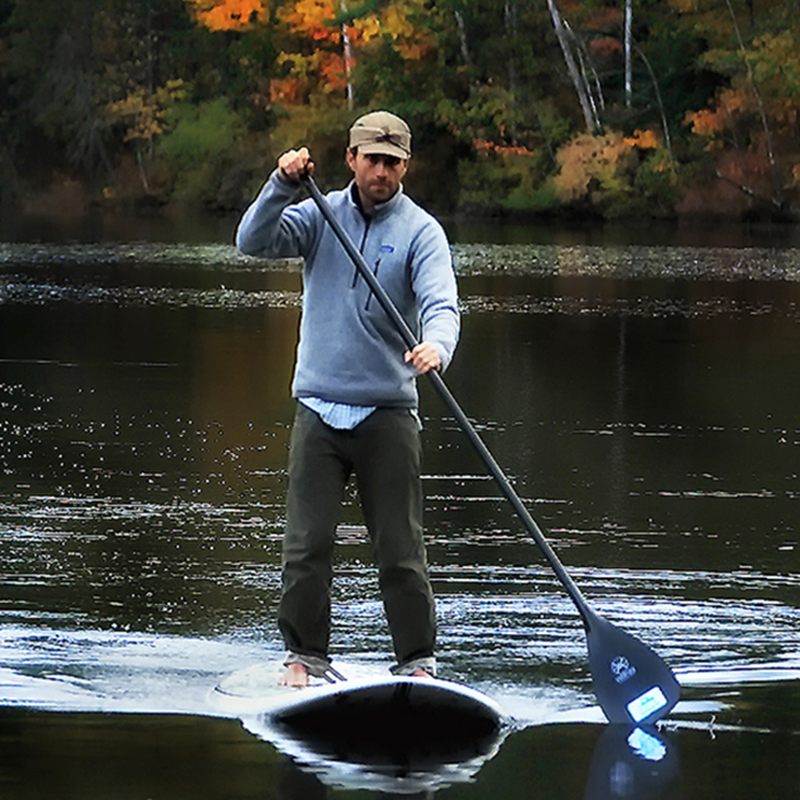
About Robbie George
Robbie George is a National Geographic–published nature photographer and the creator of Naturepedia, a structured wildlife knowledge system connecting species, behavior, ecosystems, geography, and time.
His work is rooted in field observation—spending time in real environments where wildlife behavior, habitat structure, and ecological relationships reveal themselves without interference. Through photography and writing, he translates those observations into systems-level understanding.
This approach goes beyond capturing images. It focuses on understanding how nature actually functions—how animals move through landscapes, how ecosystems regulate themselves, and how human presence reshapes those dynamics over time.
Explore more: Wildlife Photography • Naturepedia • Field Observation • Ecosystems
“The wild isn’t something you visit. It’s something you remember how to be part of.”