🌿 Waterfowl & Wetland Birds: Grace, Migration, and Life Across Marshes, Lakes, and Flyways
Waterfowl & Wetland Birds: Grace, Migration, and Life Across Marshes and Flyways
Waterfowl and wetland birds are among the most elegant and ecologically important species in North America. From the vibrant beauty of the wood duck to the vast migrations of snow geese and the towering presence of the trumpeter swan, these birds are deeply connected to marshes, lakes, rivers, and coastal wetlands.
Wetlands are among the most productive ecosystems on Earth. Healthy marshes, shallow lakes, and coastal estuaries support extraordinary biodiversity while providing essential stopover habitat for millions of migrating birds each year. The species featured here reveal the delicate balance between water, land, and seasonal migration.
Through wildlife photography, conservation storytelling, and natural history, this section explores the birds that animate North America’s wetlands — offering a deeper appreciation for migration, habitat protection, and the rhythms of life along the continent’s great flyways.
Field Observation
“Wetlands are never silent. Even when the water looks still, the sky above it is always moving.”
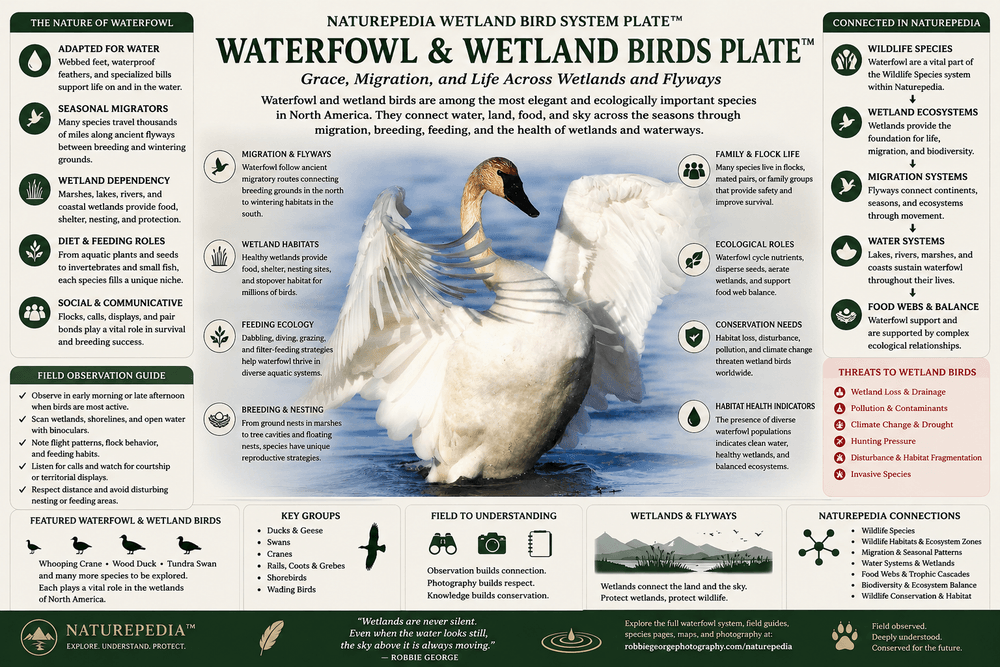
A visual compression of wetland birds as living water-system indicators within Naturepedia — connecting migration, flyways, wetland dependency, feeding ecology, breeding habitat, conservation pressure, and ecological balance.
Waterfowl & Wetland Birds Plate™ by Robbie George — a Naturepedia wetland bird systems node connecting waterfowl, cranes, swans, migration, wetlands, flyways, water systems, and conservation.
How to read this plate: waterfowl and wetland birds are living indicators of water, habitat, season, and migration. Ducks, swans, geese, cranes, shorebirds, and wading birds reveal the health of wetlands, rivers, lakes, marshes, flyways, and protected refuge systems.
Waterfowl and wetland birds are living water-system indicators. Ducks, swans, geese, cranes, shorebirds, and wading birds connect marshes, lakes, rivers, estuaries, migration flyways, seasonal timing, food webs, and conservation into one visible wetland intelligence layer.
🌊 Water Creates Habitat
Marshes, ponds, lakes, rivers, estuaries, and coastal wetlands provide food, shelter, nesting sites, migration stopovers, and protection for wetland birds.
🪽 Migration Connects Continents
Flyways connect Arctic breeding grounds, inland marshes, prairie potholes, coastal refuges, river corridors, and wintering wetlands across thousands of miles.
🌿 Wetlands Hold Biodiversity
Wetland birds feed, nest, migrate, graze, disperse seeds, cycle nutrients, and signal whether aquatic ecosystems are functioning in balance.
Still Water Is Never Still
A wetland may look quiet from a distance, but it is always moving. Swans graze underwater vegetation. Ducks filter seeds, insects, and aquatic plants. Cranes follow ancient flyways. Geese move between tundra, refuge, and agricultural fields. Every ripple, call, wingbeat, and seasonal arrival reveals a larger water system at work.
Field observation of wetland birds includes flock movement, feeding style, calls, wingbeats, water depth, shoreline use, nesting behavior, migration timing, and refuge conditions.
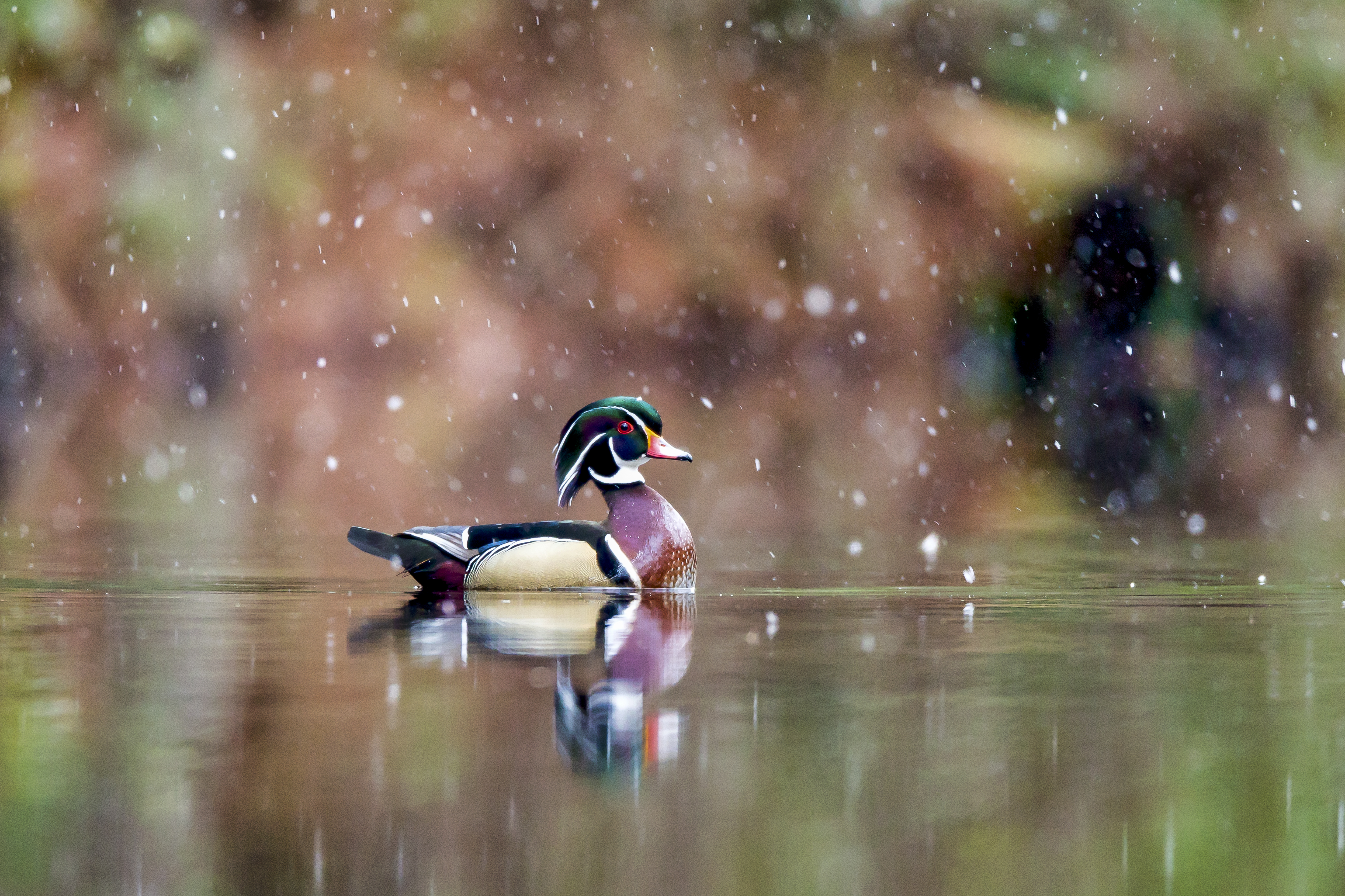
Scientific Name:Aix sponsa Habitat: Forested wetlands, wooded ponds, swamps, and slow rivers Diet: Seeds, acorns, aquatic plants, insects, and small invertebrates Wingspan: About 26–29 inches (66–74 cm) Ecological Role: Wetland seed disperser and indicator of healthy forested aquatic ecosystems
The wood duck is widely considered one of the most beautiful waterfowl species in North America. Males display an extraordinary palette of iridescent greens, deep chestnut, bold white stripes, and glowing red eyes, creating one of the most striking appearances in the bird world.
Unlike many ducks that nest on the ground, wood ducks often nest in tree cavities along forested wetlands and rivers. Shortly after hatching, ducklings leap bravely from their nest high in the tree to follow their mother to nearby water — one of the most remarkable behaviors in the bird world.
Once threatened by habitat loss and overhunting, wood ducks have become one of North America’s great conservation success stories thanks to wetland protection, nest box programs, and wildlife management efforts across the continent.
Where to observe: Wood ducks are often found in wooded swamps, quiet marshes, and forested wetland edges where shallow water and tree cover meet. One excellent place to explore wetland bird habitat is Lake Mattamuskeet, a rich wetland landscape known for migratory birds and waterfowl.
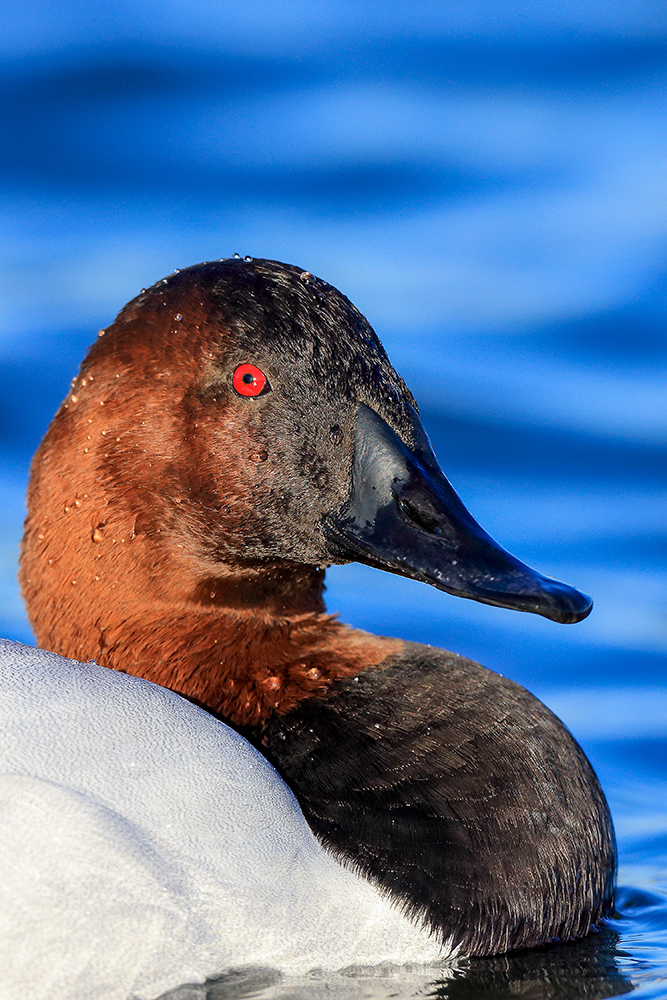
Scientific Name:Aythya valisineria Habitat: Large lakes, prairie marshes, coastal bays, and open wetlands Diet: Aquatic plants, tubers, seeds, and small aquatic invertebrates Wingspan: About 34–35 inches (86–89 cm) Ecological Role: Diving waterfowl that helps maintain aquatic plant balance in wetland ecosystems
The canvasback duck is one of the most recognizable diving ducks in North America. With its distinctive sloping forehead, chestnut-red head, and pale gray body, this elegant species is built for life on open water and deep wetland lakes.
Canvasbacks are powerful divers, often plunging beneath the surface to feed on aquatic plants and submerged vegetation. Historically they were closely associated with wild celery beds in Chesapeake Bay, where their feeding habits played an important role in shaping wetland plant communities.
During migration, canvasbacks travel along major North American flyways and gather in large flocks on lakes, reservoirs, and coastal estuaries. Their presence highlights the importance of protected wetlands and waterfowl habitat across the continent.
Where to observe: Canvasback ducks are best observed on large lakes, marshes, and coastal estuaries during migration and winter. Protected wetland systems featured in the National Parks & Wildlife Refuges Guide and seasonal movements highlighted in the Seasonal Wildlife Calendar offer strong starting points for viewing this elegant diving duck.
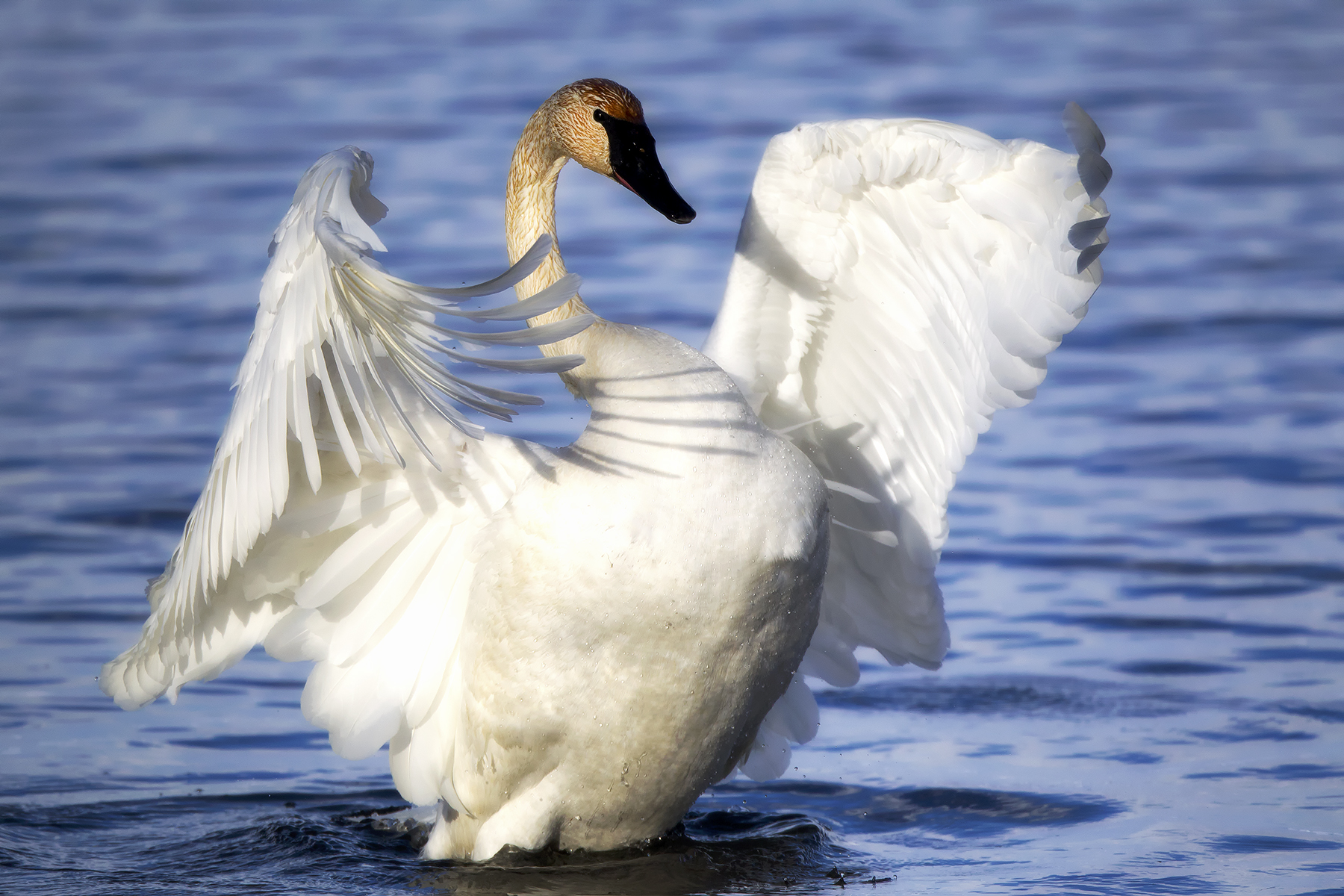
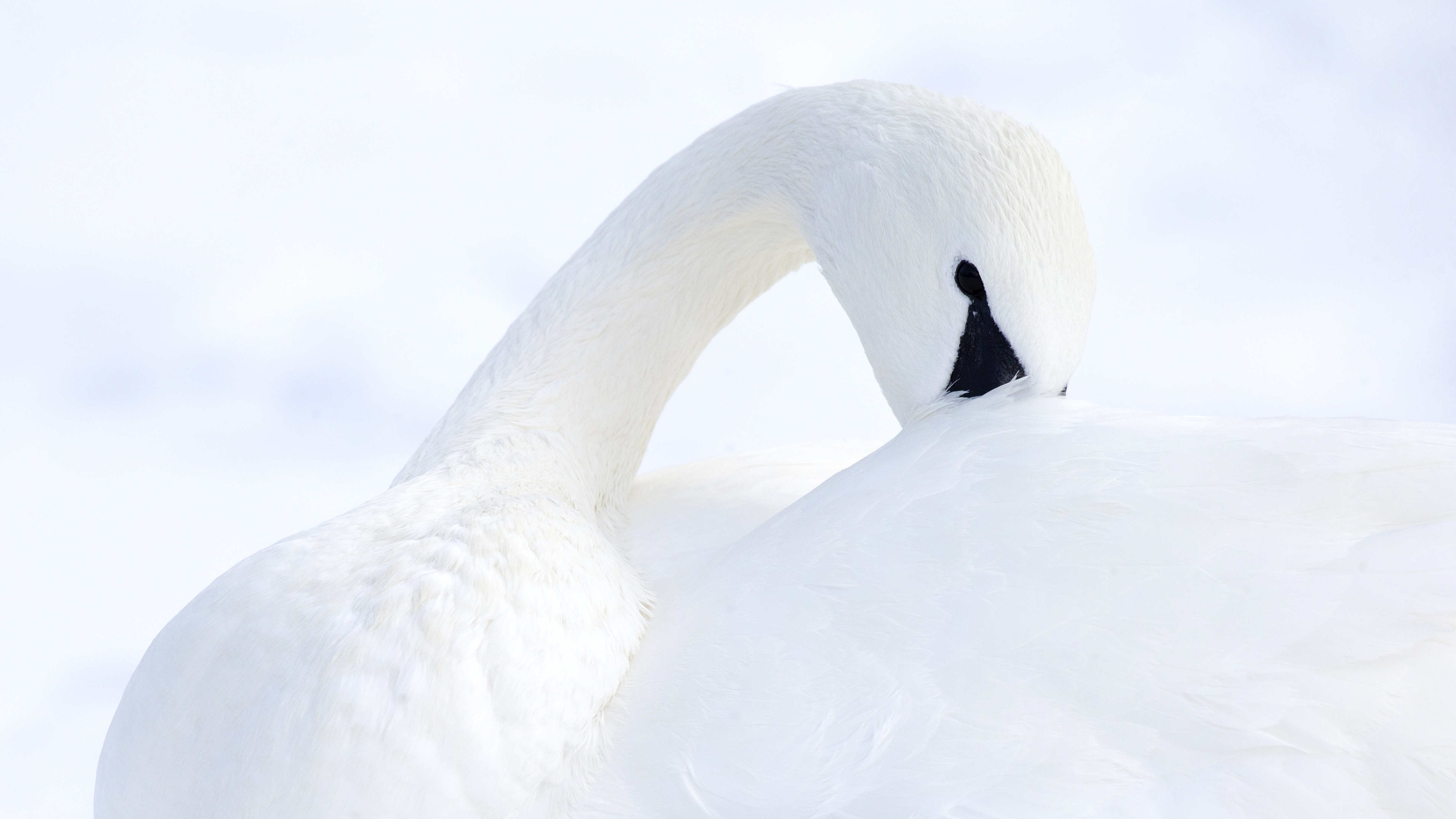
Scientific Name:Cygnus buccinator Habitat: Lakes, marshes, wetlands, and slow-moving rivers Diet: Aquatic plants, roots, tubers, and small aquatic invertebrates Wingspan: Up to 8 feet (2.4 m) Ecological Role: Keystone wetland species and indicator of healthy aquatic ecosystems
The trumpeter swan is the largest native waterfowl species in North America and one of the most majestic birds found in wetlands and northern lakes. With its brilliant white plumage, long neck, and powerful wings, this swan has long symbolized wild and undisturbed landscapes.
Once pushed to the brink of extinction due to hunting and habitat loss, trumpeter swans have made a remarkable recovery through conservation efforts, wildlife refuge protection, and wetland restoration across North America.
Today these elegant birds breed in northern wetlands and migrate across major flyways each year. Their presence reflects the health of lakes, marshes, and river ecosystems that support countless other species of birds and aquatic wildlife.
Where to observe: Trumpeter swans are most often seen on northern lakes, marshes, and protected wetlands during breeding and migration. Wetland-rich ecosystems and refuge landscapes featured in the National Parks & Wildlife Refuges Guide help connect this species to the broader network of North American waterbird habitat.
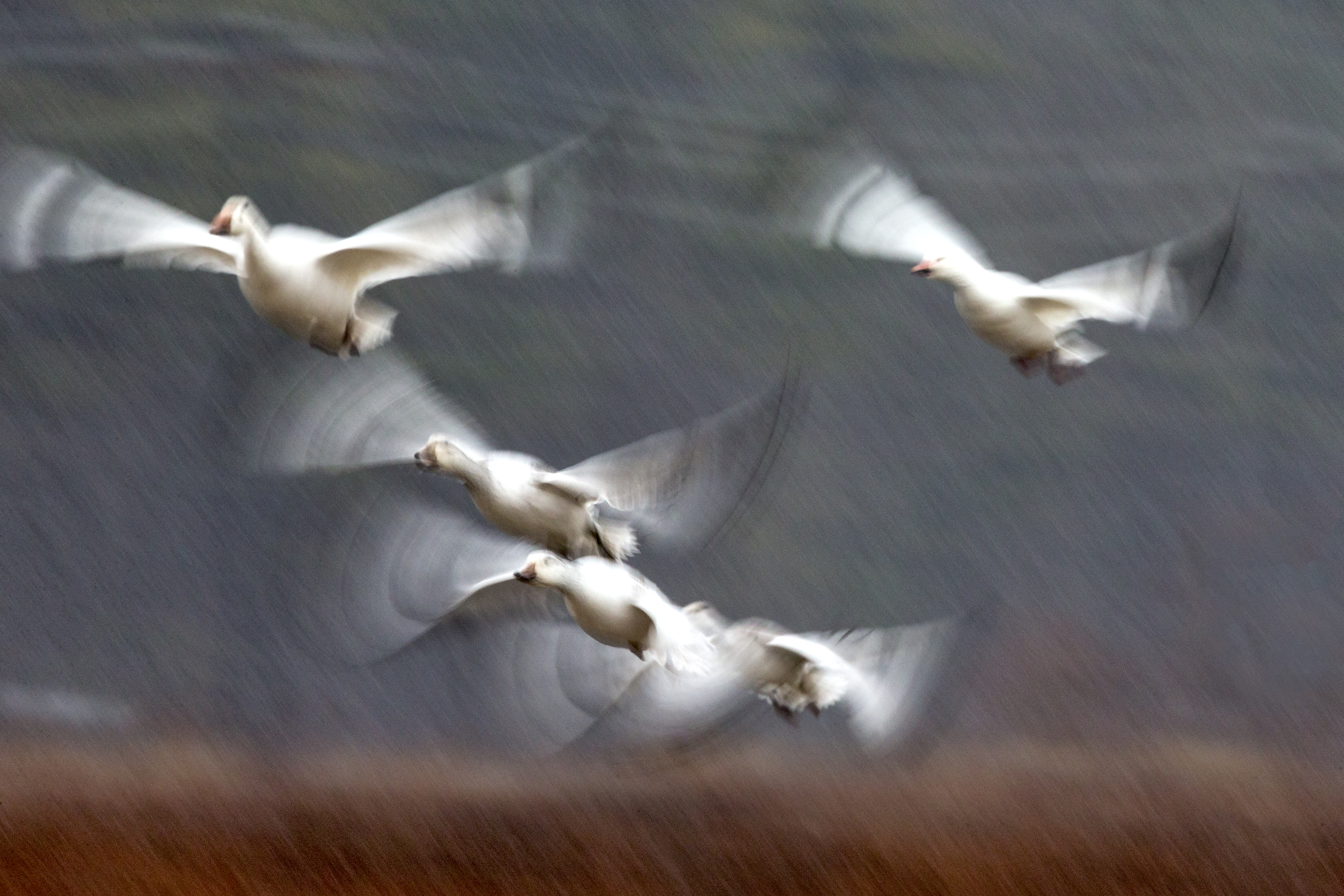
Scientific Name:Anser caerulescens Habitat: Arctic tundra breeding grounds, coastal marshes, wetlands, and agricultural fields during migration Diet: Grasses, roots, sedges, grains, and aquatic vegetation Wingspan: About 4.5 feet (1.4 m) Ecological Role: Migratory grazer influencing tundra and wetland plant communities
The snow goose is one of North America's most spectacular migratory birds. Each year millions travel vast distances between Arctic breeding grounds and southern wintering habitats, forming immense flocks that fill the sky with movement and sound.
Snow geese appear in two primary color morphs: the familiar white form with black wing tips and the darker blue morph. During migration they gather in massive concentrations along North America's major flyways, creating one of the continent’s most dramatic wildlife spectacles.
These long-distance travelers connect Arctic tundra ecosystems with wetlands, agricultural landscapes, and coastal marshes across the continent. Their migrations highlight the importance of protected habitats such as wildlife refuges that support waterfowl during seasonal movements.
Where to observe: Snow geese are best observed during migration and winter when large flocks gather in marshes, coastal wetlands, and open agricultural landscapes. One strong location for wetland bird observation is Blackwater National Wildlife Refuge, where seasonal bird movements bring waterfowl and other marsh birds into protected habitat along the Atlantic Flyway.
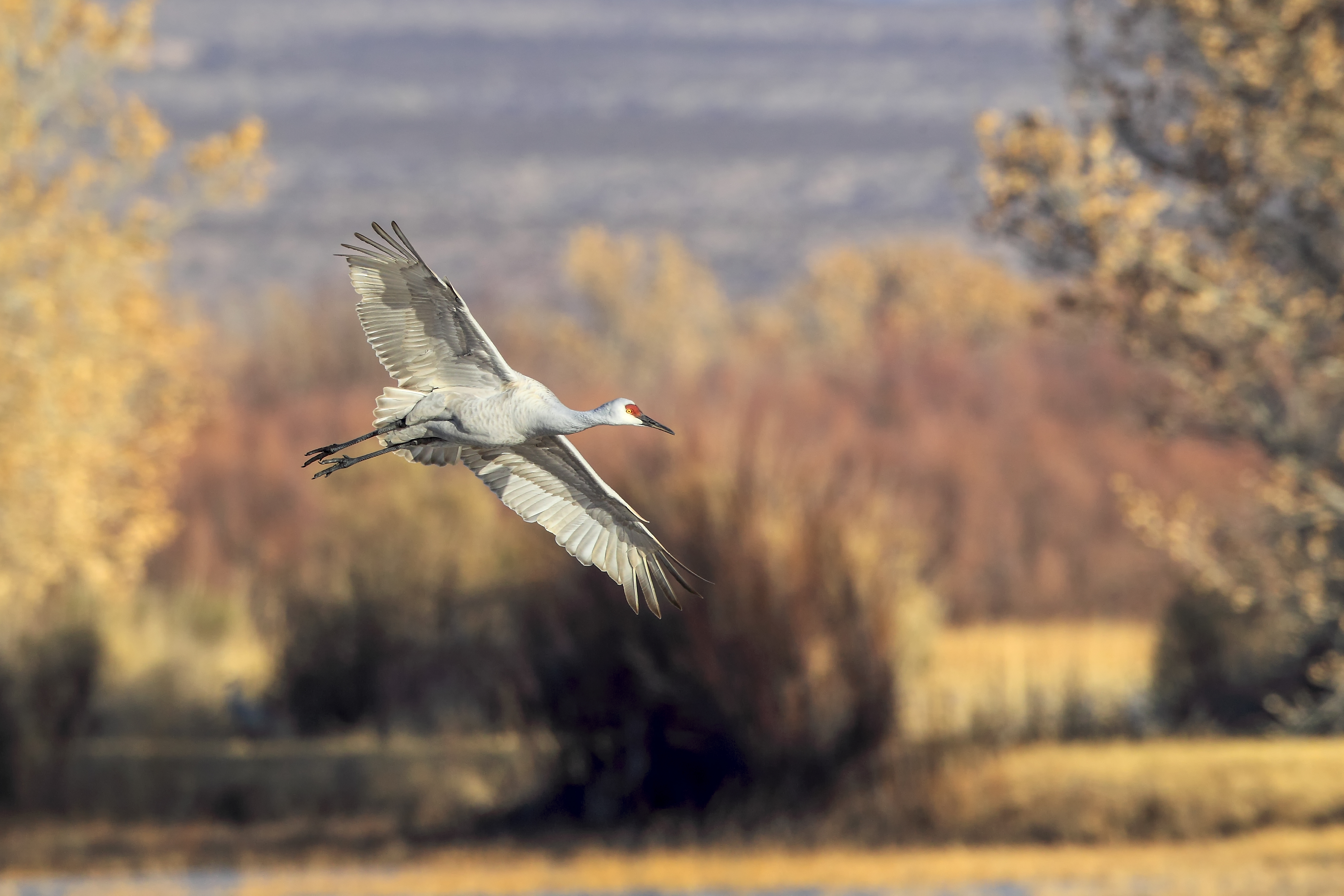
Scientific Name:Antigone canadensis Habitat: Wetlands, grasslands, marshes, and agricultural fields Diet: Seeds, grains, insects, small vertebrates, and aquatic plants Wingspan: About 6.5 feet (2 m) Ecological Role: Migratory wetland species helping cycle nutrients across ecosystems
The sandhill crane is one of the oldest living bird species on Earth, with fossil records dating back more than two million years. Recognized by its tall stature, gray plumage, and distinctive red crown, this elegant bird is famous for its resonant bugling calls and spectacular migratory gatherings.
Each year vast flocks of sandhill cranes migrate along North America's major flyways, stopping at wetlands and river valleys where they feed and rest before continuing their journey. These migrations are among the most dramatic wildlife events on the continent.
Protected wetlands and wildlife refuges play a crucial role in supporting these ancient travelers. Places such as Bosque del Apache National Wildlife Refuge provide critical habitat where thousands of cranes gather during migration.
Where to observe: Sandhill cranes are especially memorable during migration, when they gather in wetlands, river valleys, and refuge landscapes. One of the best-known viewing locations is Bosque del Apache National Wildlife Refuge, where thousands of cranes and waterfowl stop during seasonal movements.
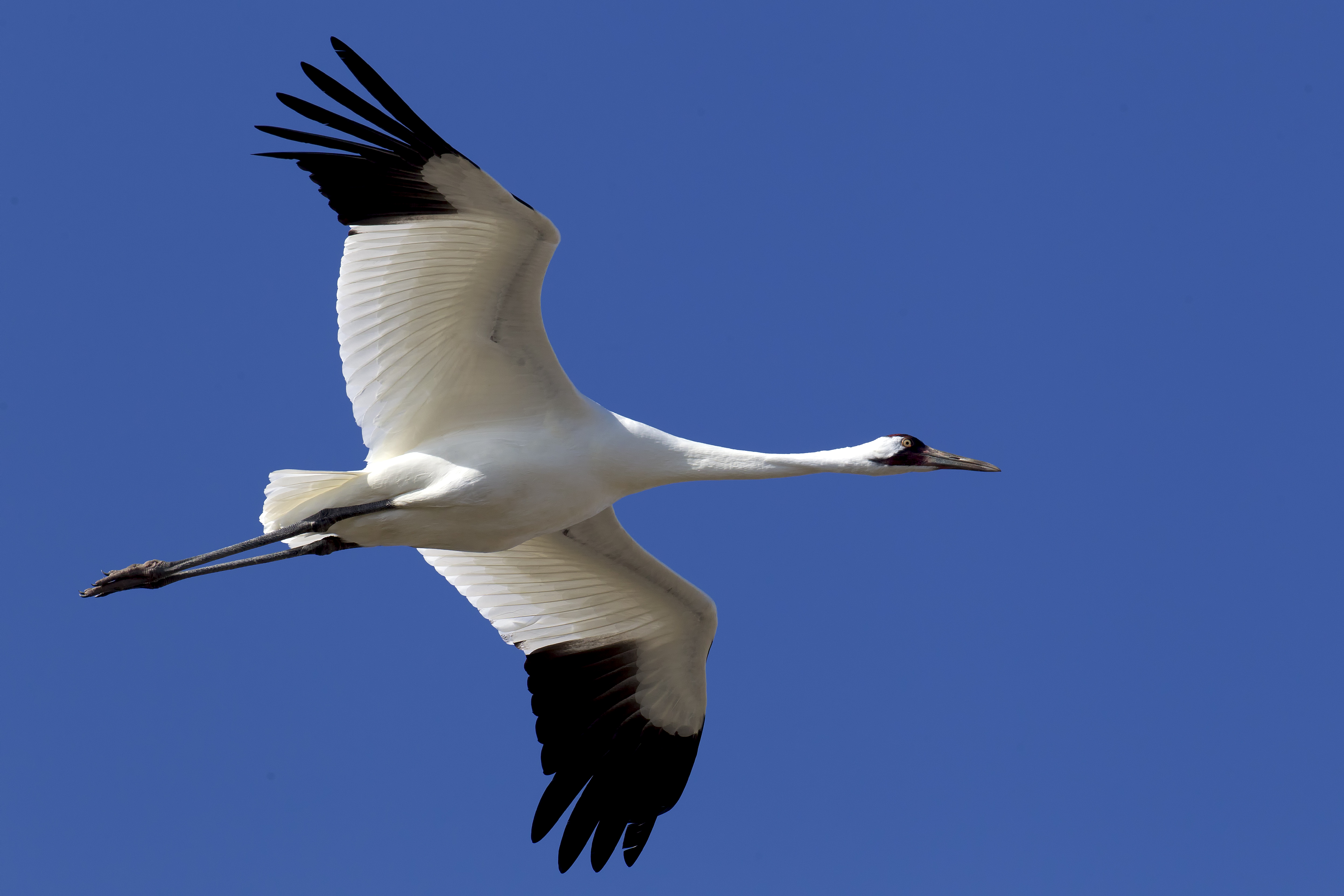
Scientific Name:Grus americana Habitat: Coastal marshes, wetlands, prairie potholes, and shallow freshwater marshes Diet: Crustaceans, insects, small fish, frogs, grains, and aquatic plants Wingspan: About 7.5 feet (2.3 m) Ecological Role: Endangered wetland species and powerful indicator of ecosystem health
The whooping crane is one of the rarest birds in North America and one of the continent's most inspiring conservation success stories. Standing nearly five feet tall with brilliant white plumage and black wing tips, these cranes are both striking and deeply symbolic of wetland preservation.
Once reduced to only a few dozen individuals in the wild during the early twentieth century, whooping cranes have slowly recovered thanks to decades of conservation work, habitat protection, and carefully managed breeding programs.
Today the primary migratory population travels between Canada's Wood Buffalo National Park and the wintering grounds of Aransas National Wildlife Refuge along the Texas Gulf Coast, where protected marshes provide essential habitat for this remarkable species.
Where to observe: The most famous place to observe whooping cranes in winter is Aransas National Wildlife Refuge, where protected coastal marshes along the Texas Gulf Coast provide critical habitat for the primary migratory population.
Waterfowl generally include ducks, geese, and swans — birds specially adapted for life on the water with features such as webbed feet, waterproof feathers, and strong migratory behavior.
Why are wetland birds important to ecosystems?
Wetland birds help maintain ecological balance by dispersing seeds, cycling nutrients, grazing aquatic vegetation, and serving as indicators of healthy marshes, lakes, and estuaries.
Where can waterfowl and wetland birds be found?
Waterfowl and wetland birds can be found in marshes, lakes, rivers, estuaries, coastal wetlands, prairie potholes, and protected wildlife refuges across North America.
Why do so many wetland birds migrate?
Many wetland birds migrate seasonally to reach breeding habitat, avoid frozen conditions, and find reliable food sources across different times of the year.
What are some iconic North American waterfowl and wetland birds?
Notable species include the wood duck, canvasback duck, trumpeter swan, snow goose, sandhill crane, and whooping crane.
About the Author
Robbie George is a National Geographic-published photographer, regenerative farmer, and nature philosopher. Through Naturepedia, Wildlife Species, and his Signature Series, he explores the beauty, intelligence, and interconnected systems of the natural world through wildlife photography, natural history, and conservation storytelling.
Robbie George’s wildlife photography has been featured by National Geographic in coverage of ecological changes affecting Yellowstone’s trumpeter swan populations.
The presence of this badge signifies that this business has officially registered with the Art Storefronts Organization and has an established track record of selling art.
It also means that buyers can trust that they are buying from a legitimate business. Art sellers that conduct fraudulent activity or that receive numerous complaints from buyers will have this badge revoked. If you would like to file a complaint about this seller, please do so here.
Verified Returns & Exchanges
The Art Storefronts Organization has verified that this business has provided a returns & exchanges policy for all art purchases.
Description of Policy from Merchant:
What is your Policy on Returns/Exchanges/Refunds?
I take great pride in my work and prints, and I want you to be completely happy with your investment in my nature art. If for any reason you are unsatisfied with your print, you may return it within 14 days of delivery, and/or exchange it for another print. Prints must be returned in new condition, packaged carefully in the original packaging if possible. Your refund will be issued as soon as I receive the returned print. Please contact me if you would like to arrange a return or exchange.
In the event that you receive a damaged or defective print, please let me know within 7 days of receipt, and I will arrange for a new print to be shipped to you at no additional cost.
Verified Secure Website with Safe Checkout
This website provides a secure checkout with SSL encryption.
Verified Archival Materials Used
The Art Storefronts Organization has verified that this Art Seller has published information about the archival materials used to create their products in an effort to provide transparency to buyers.
Description from Merchant:
Fine Art Prints are made with high-quality archival inks on fine art papers using a high-resolution large format inkjet printer. Our premium archival inks produce images with smooth tones and rich colors. Prints are made with care on your choice of exquisite Fine Art Papers using a high-resolution large format inkjet printer. https://www.graphikprintworks.com
Become a supporter of Robbie George Photography and be the first to receive new content and special promotions.
“Every image is a field. Every quote is a key. Welcome back to the rhythm.” ~Robbie
Cart
Your cart is currently empty.
Saved Successfully.
This is only visible to you because you are logged in and are authorized to manage this website. This message is not visible to other website visitors.
Import From Instagram
Click on any Image to continue
This Website Supports Augmented Reality to Live Preview Art
This means you can use the camera on your phone or tablet and superimpose any piece of nature art onto a wall inside of your home or business.
To use this feature, Just look for the "Live Preview AR" button when viewing any piece of nature art on this website!
Pounce Now—Save 20% on Your First Order
Join the collector list for your first-order discount, new wildlife releases, and occasional field notes.