


Scent of Resonance: Nature’s Olfactory Field — From Grizzly Trails to Pine Memory
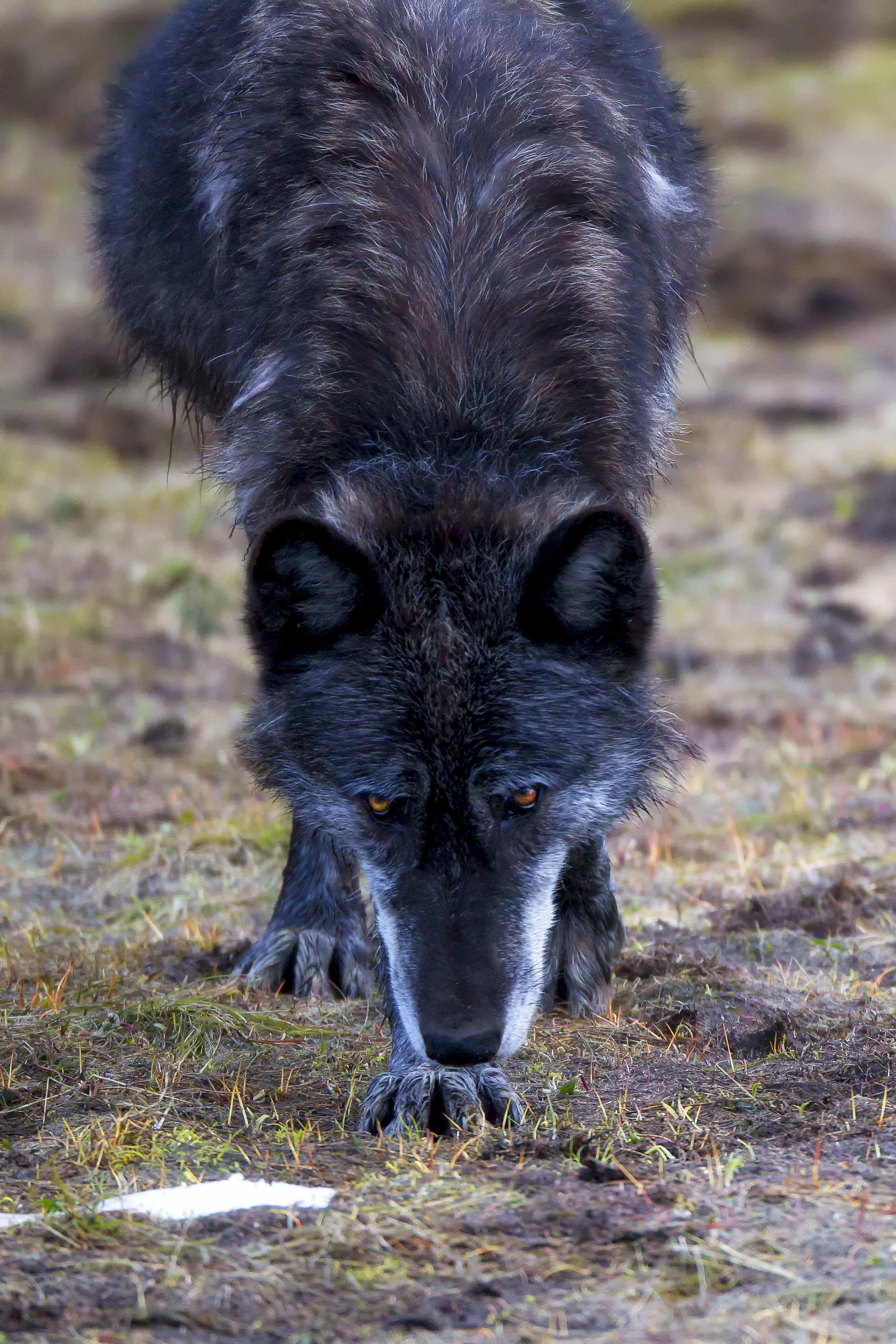
What We Mean by the “Olfactory Field”
In the Signature Series, scent occupies the middle band between light and sound—not merely a smell, but a field of molecular vibrations carried by air, humidity, and soil. Odorants mark who passed, where they moved, and when they were there, encoding time through decay and direction through wind. This turns the landscape into a live message bus. When we step outside, we’re not just seeing a scene; we’re entering a stream of packets the body can read alongside light-based cues explored in The Solar Soul Clock.
This is also how the nature update arrives. In Nature’s Healing Wisdom and Quantum Vitality, we frame health as resonance with the environment. Scent contributes a continuous telemetry feed: geosmin after rain signals active soil; pine phytoncides hint at forest immunity; floral volatiles announce pollinator hours. Coupled with my Unified Field Theory, the olfactory field becomes a practical interface where water, light, and biology meet to guide behavior in real time.
For fieldcraft and photography, reading scent is about context and ethics. Temperature inversions at dawn and dusk carry odor ribbons you can position across, not into; maps and timing tools like the Seasonal Wildlife Calendar and Nature & Wildlife Photography Maps help you arrive when the olfactory field is most legible. Then pair images with brief scent notes in your journal—a habit that deepens stories across your Wildlife and Landscape galleries, and anchors the update metaphor you expand in Mother Nature 3.0.
Grizzly 399 and the Olfactory Clock
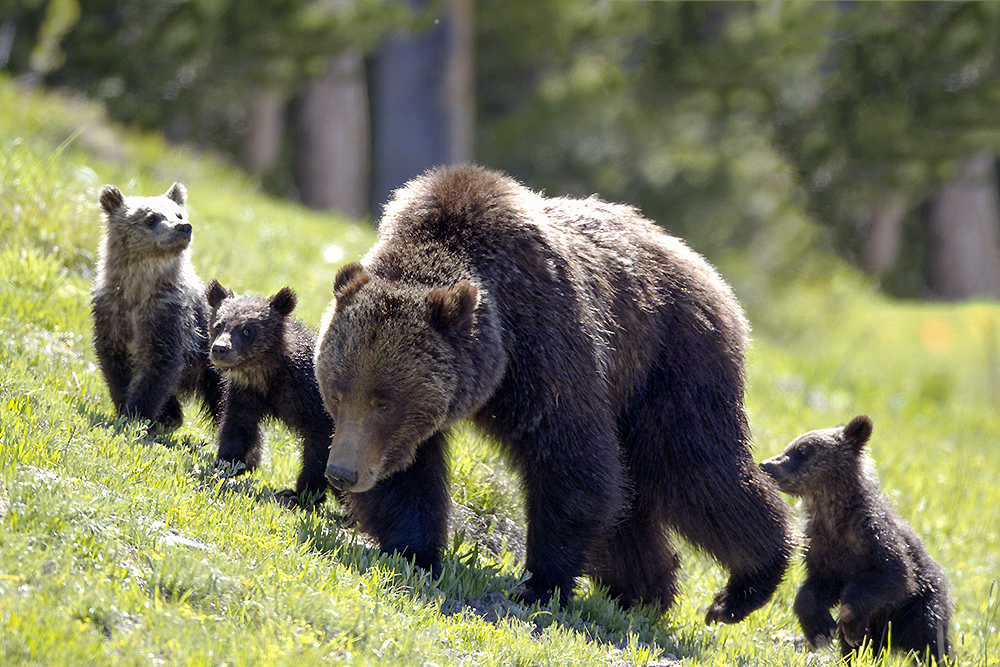
I’ve watched Grizzly 399 guide her cubs on a repeating loop that feels like moving around a clock face. Each waypoint is a lesson in scent and season—berry patches ripening by aspect, elk or bison sign along creek bends, carrion traces that fade with wind and sun. To a bear, the slope isn’t merely terrain; it’s a time-coded map where odor strength and character signal how long ago something happened and whether it’s worth the calories to investigate. The cubs learn to read this decay curve like music, synchronizing movement to what the field is broadcasting in the air.
Planning your own field days around this kind of timing helps you witness behavior without crowding it. Tools like the Seasonal Wildlife Calendar and Nature & Wildlife Photography Maps make it easier to arrive when scent ribbons and activity windows align. Pair those with your own notes on wind, humidity, and temperature inversions, and the landscape starts to reveal its “schedule.”
What the cubs inherit from 399 is more than waypoints—it’s a grammar. Paw-height sniffs along willow edges, pauses where thermals pool at dawn, cross-wind approaches to keep the nose informed without announcing presence. For readers wanting a deeper primer on bears and seasonal patterns, start with the Grizzly Bear overview, then browse the broader Wildlife Photography gallery to see how these scent-driven decisions shape images from a respectful distance.
In the language of the Living Code, this “olfactory clock” is a temporal resonance loop: scent intensity, spread, and freshness modulate behavior without a single word exchanged. It’s the wilderness equivalent of a system update—new information turns probabilities into possibilities, and a family of bears moves accordingly.
Cougar Scratch Codes: Direction, Freshness, Intent
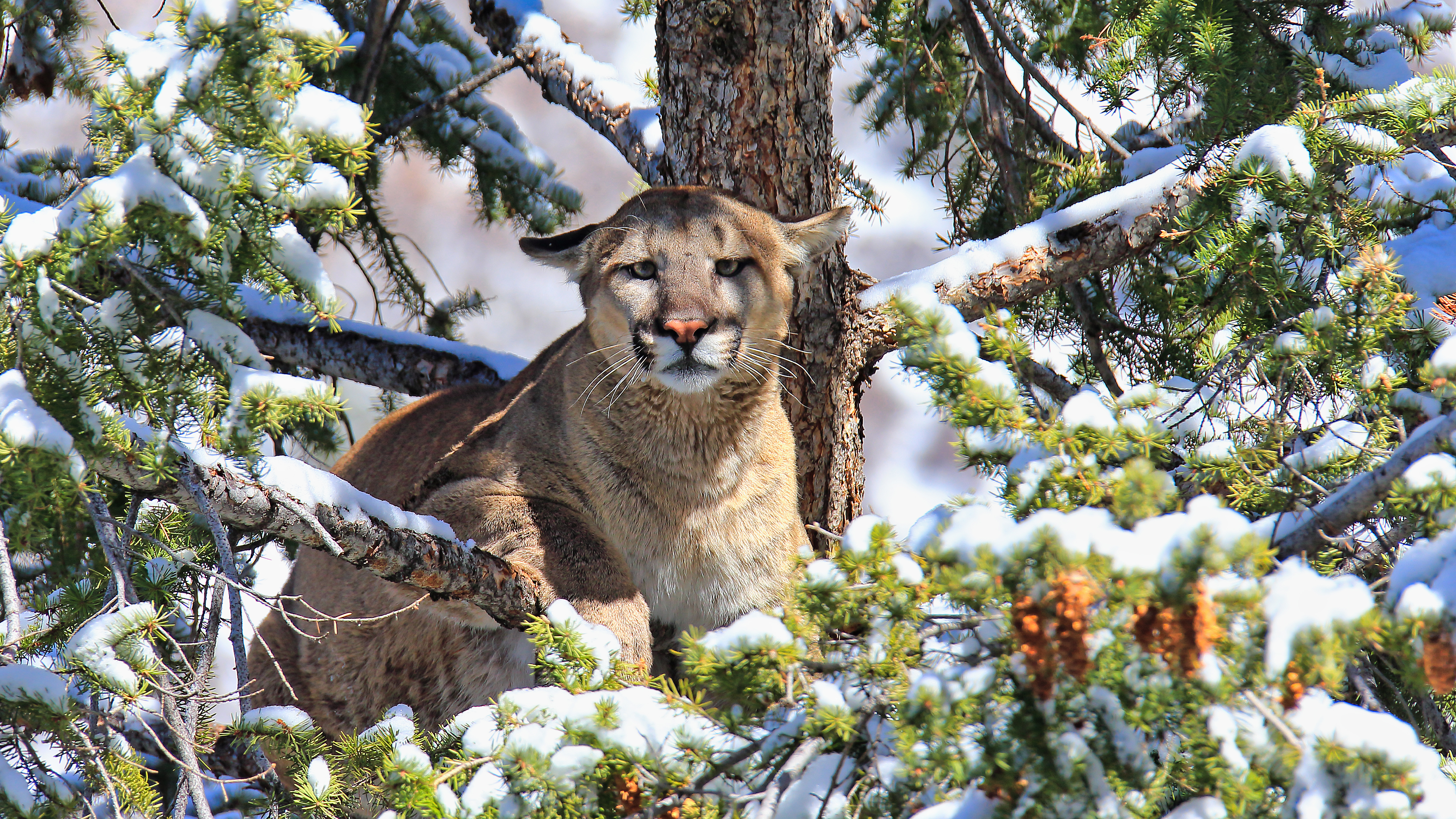
A mountain lion’s ground scratch is an energetic inscription—vector, amplitude, and time written into earth. The direction of the furrow points the way of travel; the depth hints at intensity and confidence; the decay of loosened soil and accompanying odor tell how long ago the cat passed. Often paired with urine or gland secretions, a single scratch becomes a multimodal message: boundary, status, and route breadcrumb. Read correctly, it’s a paragraph of field data left for any nose fluent enough to parse it.
For photographers and trackers, the practice is to let the scratch speak without crossing the line. Work cross-wind to avoid broadcasting your own scent, then map sign against time of day, humidity, and temperature inversions. Planning tools help stack the deck: the Seasonal Wildlife Calendar clarifies when cats are most active, while Nature & Wildlife Photography Maps anchor you to habitat corridors where sign reliably accumulates.
In Signature Series language, a scratch is a localized waveform: direction = vector, depth = amplitude, and weathering = temporal decay. When you encounter one, align it with larger field cues—prey trails, edges, water, thermals—and you’ll begin to feel how these signals integrate. That integrative reading mirrors the systems view you explore in Unified Field Theory, where information is carried across media (soil, air, water) and translated into behavior.
As always, ethics lead. Keep distance, avoid lingering on active sign, and let the cat hold the story. If you’re new to documenting sign, browse the broader Wildlife Photography gallery for examples of how a respectful approach still yields strong narratives—and revisit your practice with The Resonance Method to keep the field first.
The Aroma Palette of the Living Field
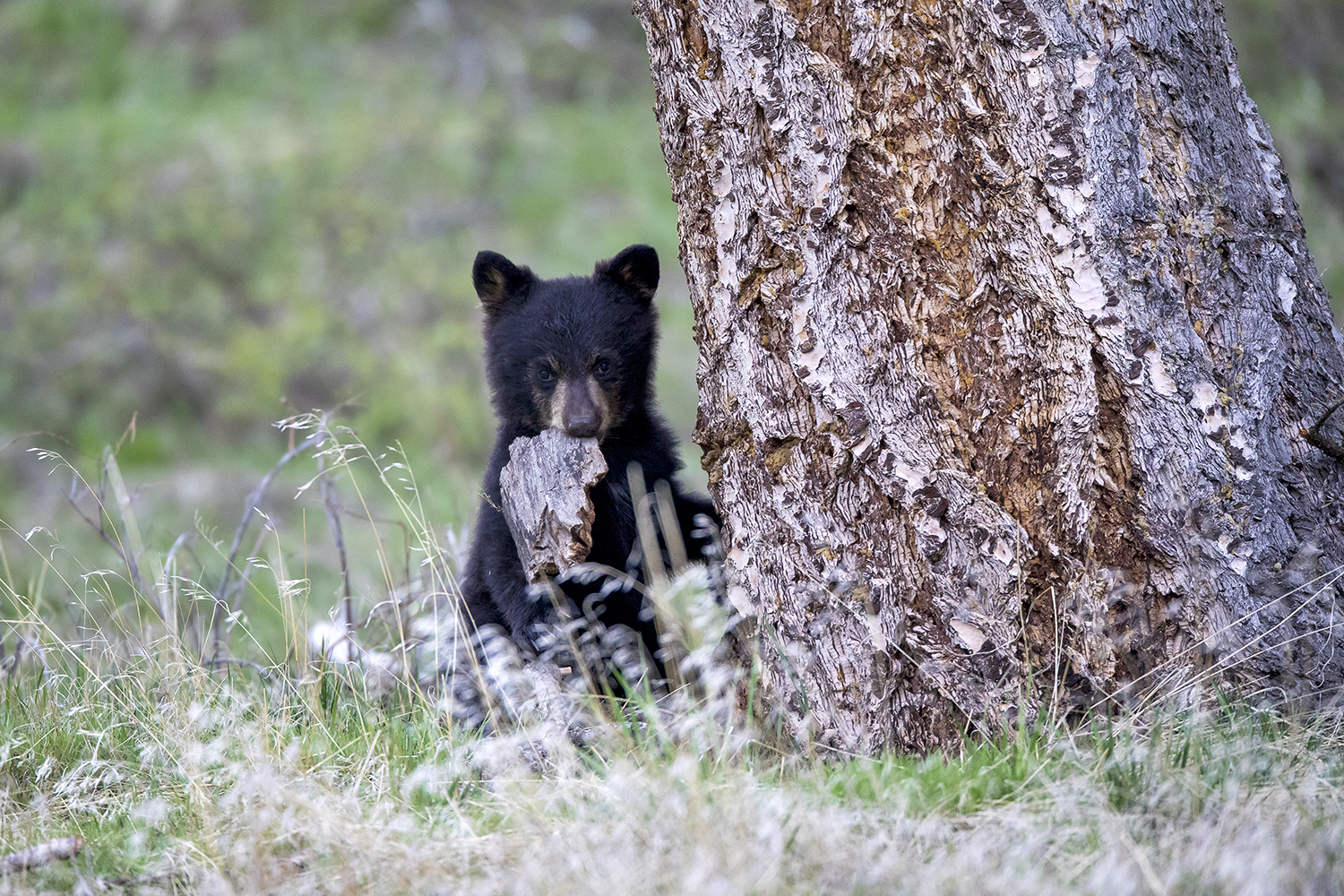
Every forest, meadow, and wetland has its own aromatic fingerprint—a molecular signature that changes with humidity, temperature, and decay. When a bear cub like this one lowers its nose to the earth, it is literally reading the code of the land. What we casually call “smell” is a symphony of geosmin, terpenes, and phytoncides—the biochemical poetry of decomposition and renewal. These volatile compounds are not just sensory; they are Living Code in action, revealing who’s active in the ecosystem and how energy is flowing between soil, roots, and sky.
When rain releases geosmin, it awakens microbial life in the soil and signals renewal—a scent you can sense even before a storm breaks. The sharpness of pine phytoncides boosts our own immunity while protecting trees from pathogens, forming a chemical dialogue between species. The sweetness of flower volatiles choreographs pollinators in the same way a metronome regulates rhythm, while the musky traces of animal scent marks record territory, identity, and time. As explored in Nature as the Ultimate Algorithm for Health and Happiness, each molecule carries instructions that help life recalibrate its position within the field.
To the human nose, these cues might seem faint or romantic—“the smell of autumn,” “fresh pine,” “rain on soil.” But for wildlife, they are coordinates in a three-dimensional data cloud. The air becomes a flowing archive, refreshed daily, encoding information as rich as the neural networks we build to simulate it. In Quantum Vitality and The Quantum Symphony, we learn that these molecular messages move not just through air, but through coherence—a resonance that connects species to place.
If you pause long enough, you’ll feel the same field updating you. A whiff of decomposing leaf matter signals the start of soil regeneration. Bark’s earthy perfume carries fungal undertones of mycelial exchange, echoing ideas explored in Completing E = mc². Every scent is a chapter of transformation—a molecular memory reminding us that the wilderness doesn’t just speak; it breathes, writes, and restores itself.
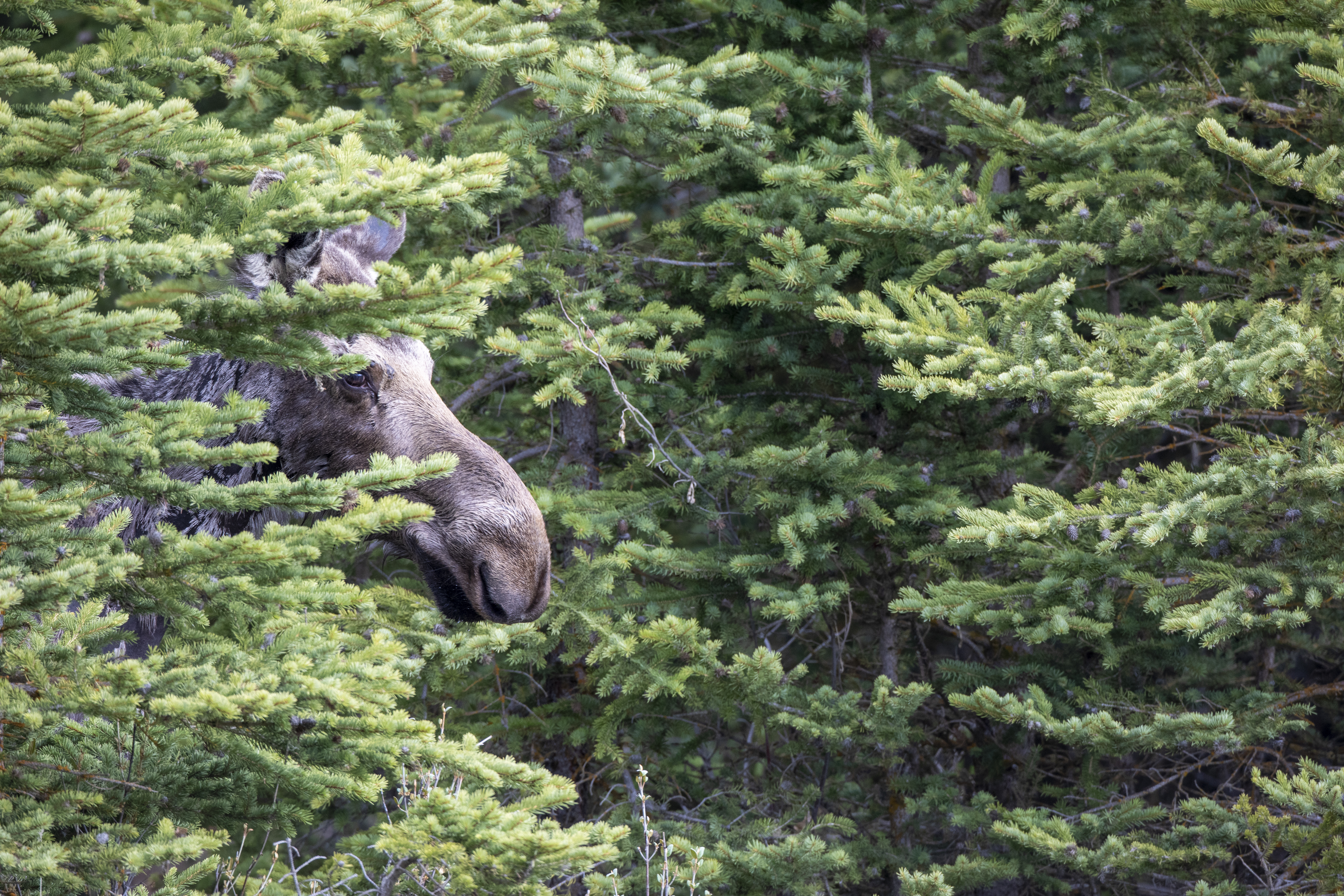
Pine Memory: Phytoncides and the Lung–Forest Dialogue
The air beneath pines is alive with quiet medicine. Each needle releases phytoncides—volatile organic compounds that defend the tree from fungi and insects while fortifying our own immune systems when we inhale them. As you breathe this living vapor, you are exchanging data with the forest: your lungs take in its defense code, and your nervous system responds with calm. In Fresh Air and Water’s Memory, I described how ionized air particles deliver coherence to our physiology. Here, that coherence arrives scented with pine—a natural language of healing that the Japanese call shinrin-yoku, or forest bathing.
As the morning sun warms a pine valley, terpenes rise like invisible light, mixing with dew and vapor. This blend becomes an aerosolized field—a thin chemical film that connects the needles to the nostrils of moose, birds, bears, and humans alike. In the framework of Quantum Vitality, this is not just air; it is structured information guiding emotion and physiology toward resonance. You can feel it when you pause beneath these trees: a slowing pulse, a release of tension, and a subtle awareness that you’ve entered a coherent zone of nature’s own design.
These volatile oils are the olfactory version of photons in Let There Be Light & Let There Be Life: they travel unseen yet convey structure, triggering responses that maintain balance across ecosystems. The scent of pine isn’t simply pleasant; it’s a biological handshake between your mitochondria and the chloroplasts that store the sun’s code. Each breath completes a feedback loop connecting the human lung to the ancient lung of the forest—the tree. That reciprocity is what keeps both breathing worlds in rhythm, a theme central to The Living Code.
Next time you walk through a pine stand, stop and record what you smell, what you feel, and how light behaves in that air. These are not idle details; they are measurable shifts in the electromagnetic and olfactory fields. You’re witnessing a dialogue between species built on scent and signal—a chemical conversation that has been refining itself since the first pine needle met the first breath of wind.
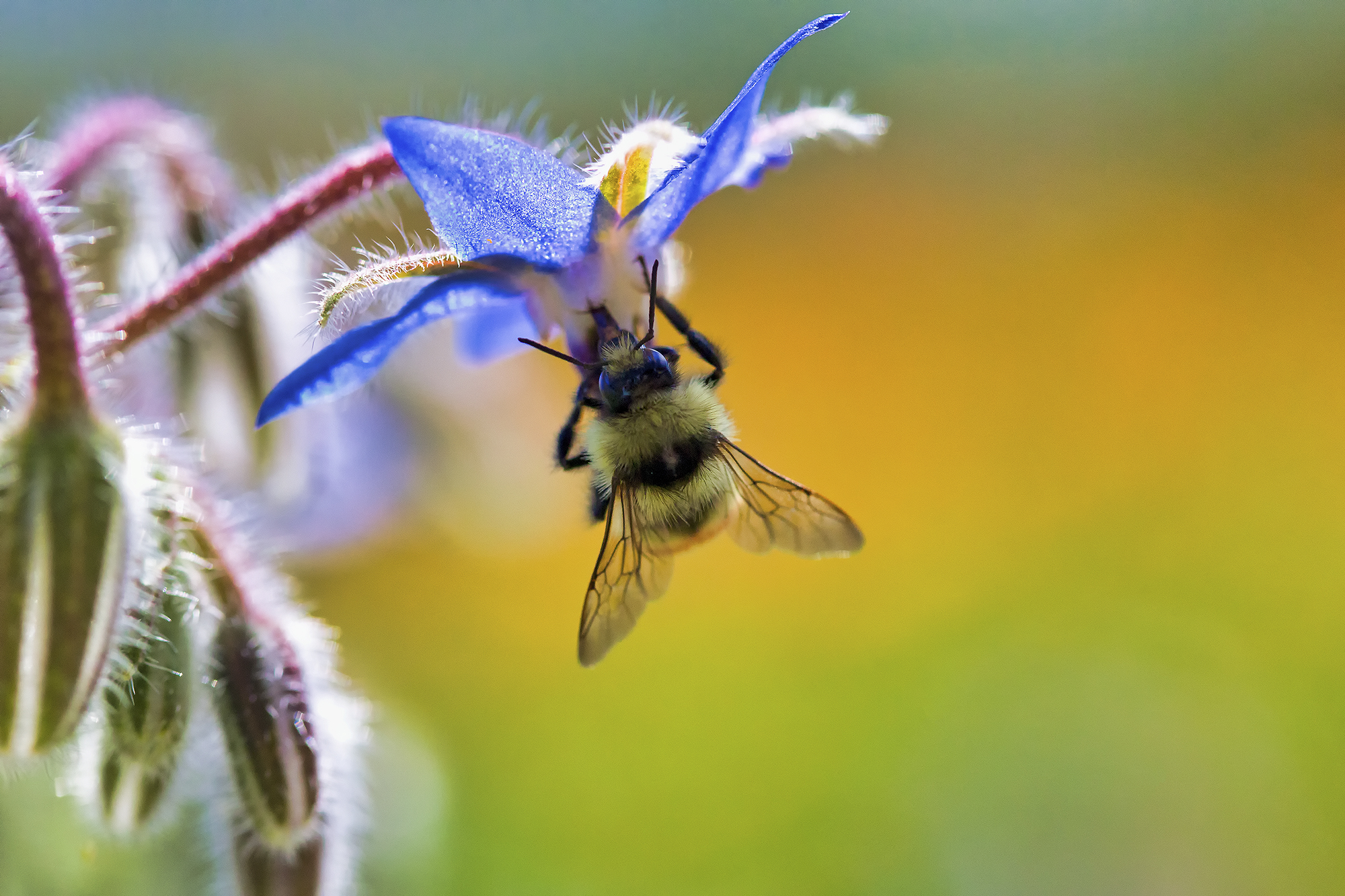
Flower Codes: Pollinator Timing & Scent Corridors
Flowers broadcast on a timetable. Their volatile compounds rise and fall with temperature, humidity, and light, creating windows when scent is most legible to bees, butterflies, and moths. To a pollinator, a meadow isn’t a random scatter of color; it’s a network of scent corridors that open and close across the day. In the Living Code frame, floral aroma is targeted messaging—precision beacons that synchronize behavior, coordinate movement, and keep the circuitry of nectar and seed flowing.
As the sun warms a bloom, terpenes and other volatiles unfurl like a soft tide, then ebb as evening cool returns. That rhythm is why timing your walks matters. Tools like the Golden Hour & Moon Phase Planner and the Seasonal Wildlife Calendar help you meet the meadow when its signals peak—often in the still air of early morning or in the warm boundary layer before dusk. Bring a small notebook and note the flower’s scent quality, wind direction, and pollinator species; over a few visits you’ll start to see the choreography emerge.
For photographers, the story isn’t just the bee-on-bloom; it’s the pattern the bee follows. Trace a corridor: where it enters the field edge, which species it favors first, how long it lingers, when it switches to shade-loving blossoms. Pair images with these scent and timing notes, then map them with your Nature & Wildlife Photography Maps. The resulting sequence reads like sheet music—notes of nectar and intervals of rest—transforming a single frame into a narrative of place.
Ethically, let the flowers and pollinators lead. Observe first, approach slowly, and avoid blocking flight paths or leaning on stems. If you’re building a gallery sequence, consider interleaving macro frames with habitat context from your Landscape work to show how wind, light, and canopy shape the corridor. The more you tune to these signals, the more the meadow reveals: scent becomes a guide, time becomes a partner, and the invisible network becomes visible in your images.
Bark & Memory: Rub Trees, Lichens, and Slow Chemistry
Tree bark is more than armor—it is a living ledger of time, touch, and chemistry. Each ridge, sap weep, and claw trace tells a story of interaction: elk antlers polishing trunks in rut, bears rubbing scent into resin, birds feeding on insects just beneath the cambium. In the olfactory field, these markings are not visual cues alone; they are molecular announcements, each resin molecule and fungal bloom carrying a signature that endures long after the visitor departs. Like film emulsion, bark records exposure—storing moments of encounter in texture and aroma.
Lichens and mosses add their own frequencies. Their earthy scents are slow releases of information, combining fungal and algal lineages that archive air quality, sunlight, and humidity. When a bear rubs against such a trunk, its fur catches these micro-compounds, extending the field of scent wherever it travels. This is an exchange of data across species and time—a continuity echoed in Completing E = mc²: Water, Mycelium, and the Living Coherence of Light, where I describe how mycelium and water distribute information through the soil web. Bark serves as the above-ground equivalent, translating ground resonance into airborne signal.
For those in the field, recognizing a rub tree is an act of humility. Step close enough to observe, but never to touch; scent is fragile, and oils from our skin can rewrite the record. Instead, document visually: note height, direction of rub, and nearby trails. Incorporate these details into your Nature & Wildlife Photography Maps and connect them to seasonal notes in the Seasonal Wildlife Calendar. Patterns soon emerge—certain trees becoming perennial waypoints in the communication network of the forest.
In the philosophy of the Signature Series, bark embodies slow chemistry—the patient half-life of scent. Where light offers instant recognition, bark gives us endurance. It bridges the temporal gap between passing motion and persistent memory, showing how even the stillest surfaces in nature continue to communicate, layer by layer, in scent, resin, and time.
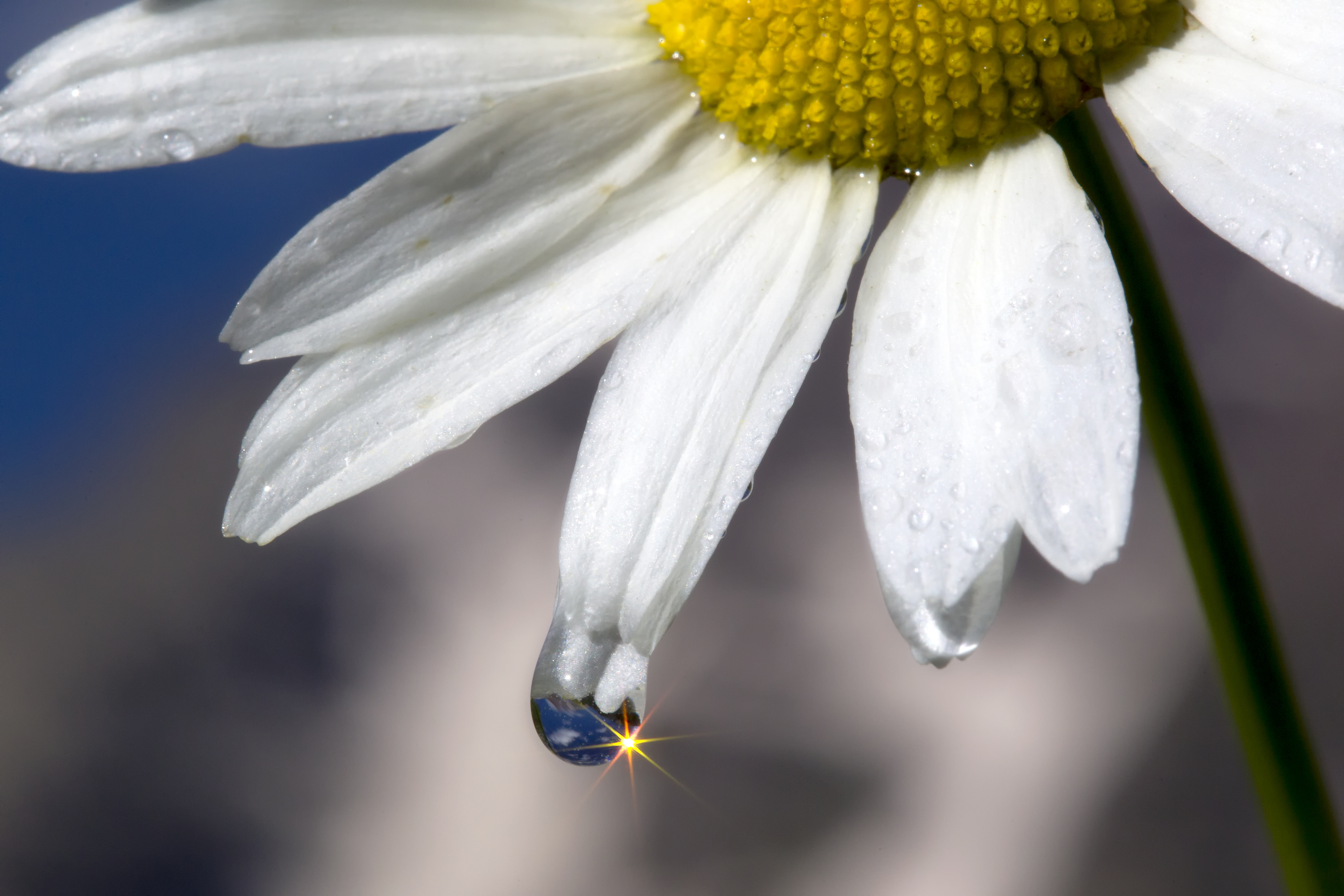
Water: The Olfactory Interface of Life
Water doesn’t just carry scent—it completes it. Every aromatic molecule needs a medium, and water provides that bridge between air and biology. A thin film of moisture lines your nasal passages, allowing odorants to dissolve and activate receptors. On a planetary scale, dew, humidity, and fog perform the same role for the landscape. They extend the reach of scent, amplifying it during the calm hours of dawn and dusk when the field is quiet and receptive. As shared in Water – The Great Informant of Nature, water acts as nature’s transmission line—an invisible network carrying vibrational data between species and systems.
The smell after rain—what we call petrichor—is a collaboration between water and earth. As raindrops strike dry soil, they release geosmin, a microbial signature that tells the ecosystem the drought is over. Frogs stir, worms rise, roots reopen. Even distant animals detect the change and recalibrate their behavior. Within the Unified Field Theory, this exchange exemplifies how one element (water) unlocks stored memory in another (soil), converting potential energy into movement and awareness—a natural form of resonance.
For wildlife photographers, understanding this interface sharpens intuition. After rainfall, scent carries further but diffuses faster; in dry conditions, it lingers near the ground. Animals adjust accordingly—deer browsing downwind, coyotes circling cross-breeze, owls descending through mist where scent and sound converge. Knowing how humidity and microclimate affect scent helps time your approach, letting nature guide your stillness instead of forcing an encounter. This awareness transforms fieldwork into dialogue—a concept echoed in Quantum Vitality and its focus on coherence as communication.
In truth, every breath you take outdoors is an act of translation. Through water, the landscape speaks in volatile syllables—soil, resin, pollen, and musk—decoded through your olfactory receptors. The same water molecules that once brushed a flower’s petal or lingered in a bear’s fur may now pass across your own sense of smell. Water is not just a conductor—it is the living archive of Earth’s memory, allowing scent to travel as story, connection, and continuity across the biosphere.
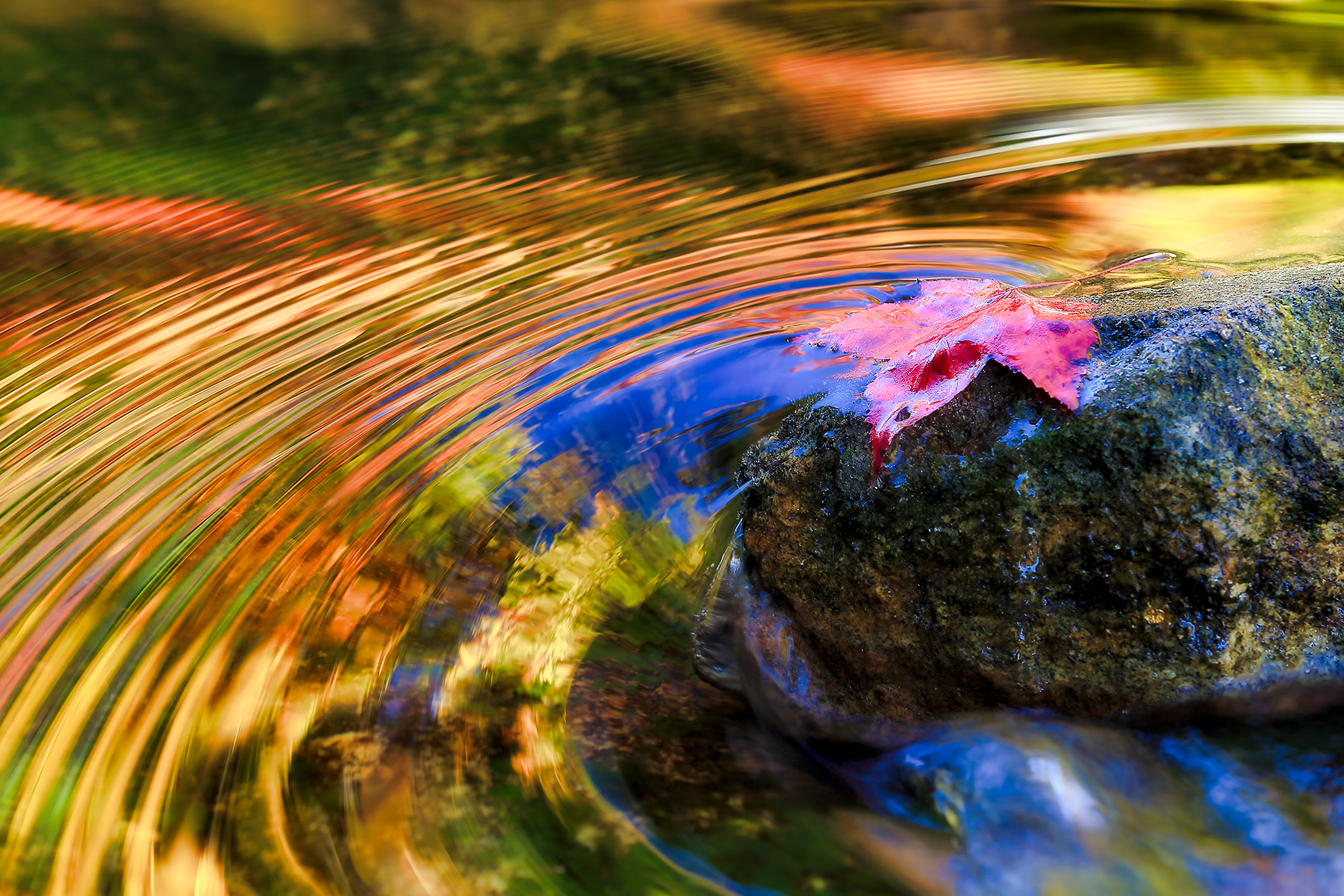
At the Edge: How Do Noses Know?
Olfaction clearly relies on chemistry and shape matching—odorants docking with receptors. But many field observations feel finer grained than shape alone. Some researchers have proposed that, in certain cases, receptors may also be sensitive to molecular vibrations, with electron transfer acting like a tiny gate that discriminates among similar-shaped molecules. We keep the frame conservative here: the everyday story is chemistry; at the margins, biology may leverage physics in surprisingly subtle ways—exactly the liminal territory explored across the Unified Field Theory.
In that lens, scent lives between the fast language of light and the steady rhythm of sound—an intermediate band where resonance matters. Odorants travel as moving packets through air, often riding thin films of moisture, then meet structured water in the nose before translating into perception—ideas I’ve been developing in The Quantum Symphony and Water – The Great Informant. Even without staking claims beyond current evidence, it’s fair to say: olfaction operates at scales where hydrogen bonds, water structuring, and ultra-small energies shape outcomes.
If photons set the clock of the day and sound keeps the forest’s tempo, scent is the ink that writes updates into the air. A drifting leaf signals season to your eyes; its terpenes whisper the same story to your nose. That dual channel is why the field can move us before we can explain it—vision and olfaction converging on a single perception of change. For readers mapping this convergence across disciplines, start with The Living Code and your photon essays, then revisit this block as the “middle frequency” that turns probabilities into choices.
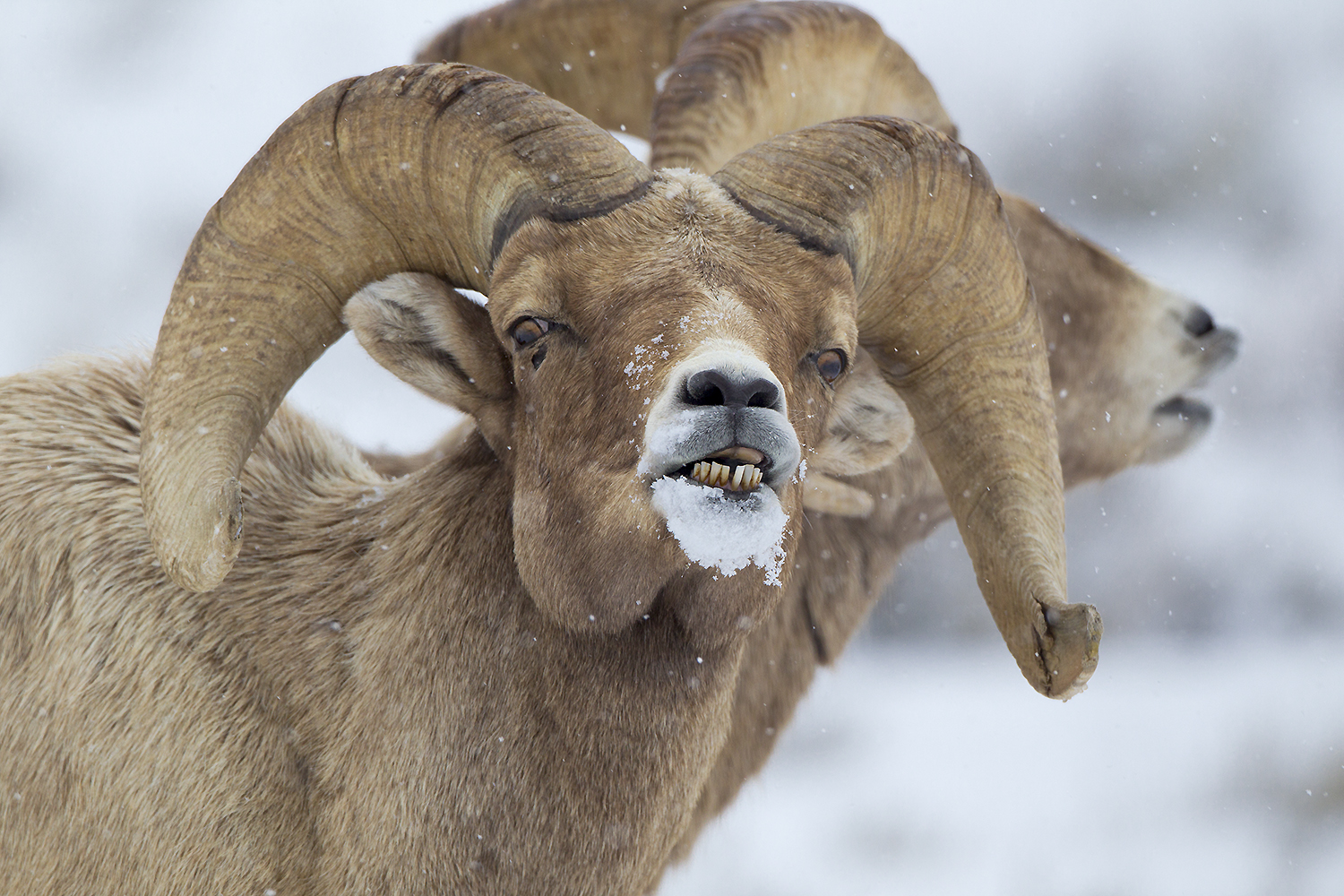
Bighorn Sheep & the Flehmen Response: Opening the Second Channel
Sometimes the field asks for a different doorway. When a bighorn ram curls his upper lip and seems to “grimace,” he’s performing the flehmen response—drawing pheromones toward a specialized organ in the palate to analyze social and reproductive cues. It’s a second sensing channel that complements ordinary smell, letting information about identity, readiness, and territory reach deeper layers of perception. In Signature Series terms, flehmen widens the bandwidth of the olfactory field.
Watch how timing and wind matter here: rams often test scent plumes along travel corridors and bedding zones, sampling at micro-eddies where information pools. This is scent as decision support—a real-time update that can alter route, speed, or social behavior. It’s the same probabilities → possibilities dynamic we observe in bears reading berry slopes or cougars parsing scratch codes, now tuned to the subtleties of herd ecology and rut.
For fieldcraft, give space and let the behavior unfold. Work cross-wind, observe first, and annotate what triggered the flehmen (fresh urine, cluster of tracks, a ewe moving through). Pair images with concise notes, then file them into your Nature & Wildlife Photography Maps alongside seasonal timing from the Seasonal Wildlife Calendar. Over time, the pattern emerges as a teachable map—another chapter in your Living Code of how the field communicates.
Fieldcraft: Rewild Your Sense of Smell
Your nose is a compass—one we’ve largely forgotten how to use. To rewild it, you must slow down enough to let the field speak before the mind interprets. The best training grounds are dawn and dusk, when air temperatures invert, and scent settles low across the land like a tide. Here, every breath becomes a form of mapping. Start by standing still, turning your head slightly cross-wind, and noting what enters first—soil, resin, pollen, or animal trace.
After rain, the world uploads fresh data. Step outside without headphones or agenda, and let the signature of geosmin reach you before you even see the puddles. As shared in Mother Nature 3.0, this is how your body receives an “update from the field.” Scent signals are living packets of information that recalibrate instinct, mood, and awareness. Try cataloging them in your notebook—pair each scent with time, temperature, and emotion. Over weeks, you’ll see cycles emerge: pine sharpens at sunrise, earth deepens after dusk, and decay sweetens with humidity. That pattern is nature’s olfactory code—your personal connection to what’s unfolding around you.
You can heighten this practice with what I call the “Four Breath Method.” First breath: orientation—where am I? Second: curiosity—what is present? Third: gratitude—what is this telling me? Fourth: resonance—how do I belong to it? Repeat this ritual in new biomes: the coast, the desert, the forest, the farm. Each landscape has its own bandwidth, from the saline breath of waves to the microbial whisper of compost. As noted in Nature’s Healing Wisdom, these olfactory inputs aren’t just sensory—they’re biological signals that restore rhythm to the nervous system.
Fieldcraft is ultimately about relationship, not technique. The more you notice, the more finely tuned your awareness becomes. With time, you’ll begin to smell direction, distance, and even emotion—the difference between the anticipation of rain and the relief after it. This is how you evolve from observer to participant, from tourist to translator of the living field. Let the wind teach you its language. Let your breath rejoin the wild conversation that never stopped speaking.
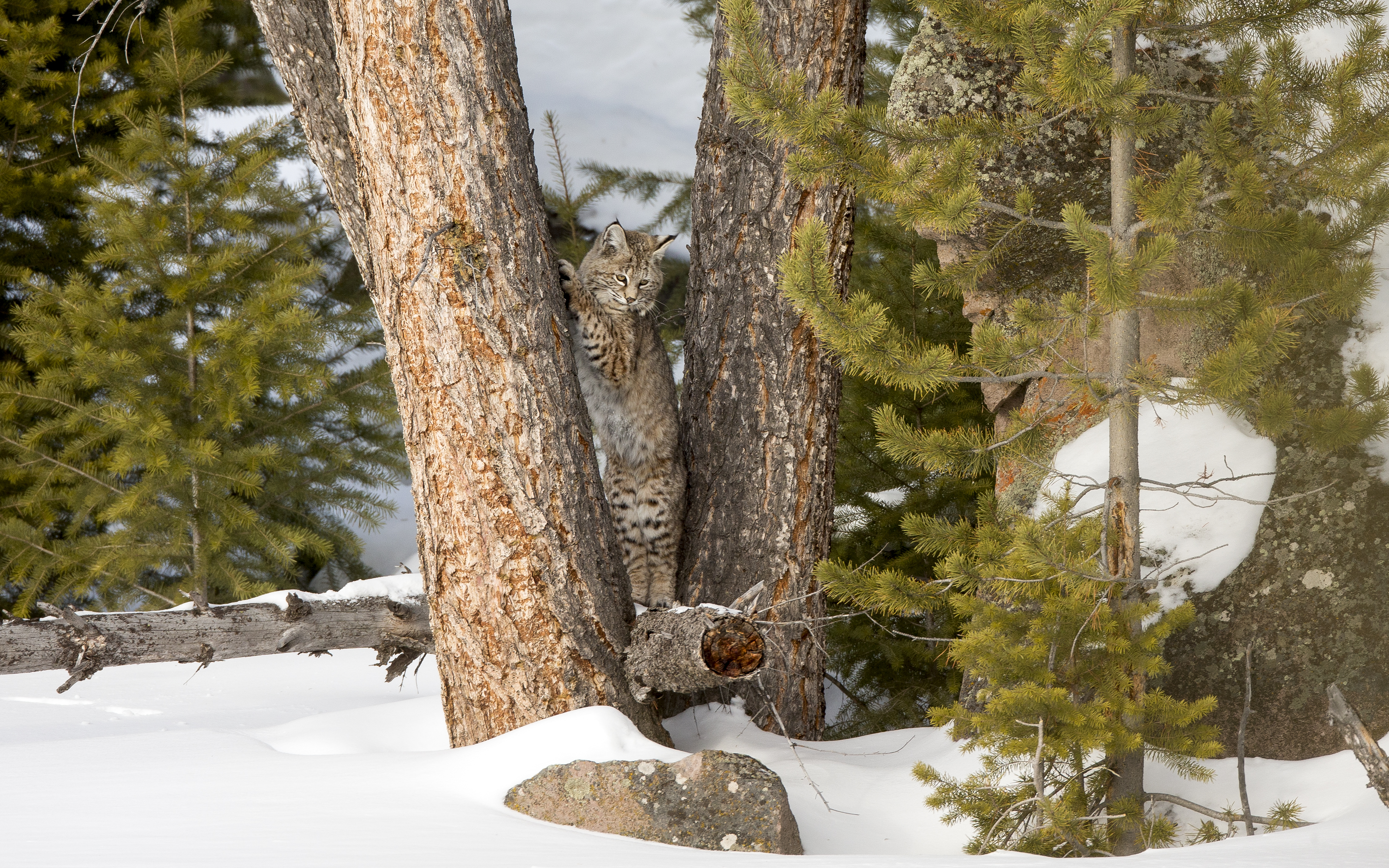
Photographing an Invisible Frequency
You can’t shoot scent—but you can photograph its effects. A bobcat’s vertical scratch, a rub-polished trunk, paw pad prints crossing a damp trail—these are visual proxies for an olfactory conversation. Build sequences that reveal cause and context: begin with the sign (scratch), step back to the habitat frame (edge, corridor, water), then close on the detail (resin flecks, lichen, hair). This triptych approach turns a single behavior into a coherent narrative you can weave through your Wildlife and Landscape galleries.
Treat each frame as field data. In your caption or notes, log wind direction, humidity, time of day, and a one-line scent description (“pine-resin sharp,” “earth after rain,” “musky trace”). Pair your images with tools that anchor timing, like the Seasonal Wildlife Calendar and Golden Hour & Moon Phase Planner, then pin GPS and behavior summaries into your Nature & Wildlife Photography Maps. Over weeks, your catalog becomes a scent-aware atlas of place.
Compositionally, let the wind guide where you stand. Work cross-wind so your presence doesn’t overwrite the record, and use the environment to imply the olfactory stream: grasses leaning, fog pooling, dew catching light. In mixed woodland, layer foreground texture (needles, bark, leaf litter) to hint at the molecules at play—phytoncides, geosmin, floral volatiles—connecting back to the themes of The Living Code and the update metaphor in Mother Nature 3.0.
Ethically, follow the attention first, image second path. If fresh sign suggests proximity, back out and return later; never touch rubs or scratches (skin oils rewrite the story). When a behavior unfolds—like this bobcat’s scratch—stay wide, breathe with the scene, and let the field finish its sentence. That restraint is the heart of Slow Knowledge: images that keep habitat first while still translating the invisible frequency into a visible, teachable story.
Safety & Ethics: Distance First, Habitat Always
The olfactory field is a language we can learn—without ever crossing a boundary. Read sign, but don’t rewrite it: never touch rubs, scrapes, or scratches; avoid standing in beds, wallows, or on game trails; and keep your scent out of the story by working cross-wind. In grizzly country, carry bear spray and give every animal the long lens it deserves. Our guiding ethic is simple and non-negotiable: distance first, habitat always. It’s the practical expression of Slow Knowledge—attention before image, respect before capture.
Replace intrusion with preparation. Scout edges, corridors, and vantage points using the Nature & Wildlife Photography Maps, then time your visits with the Seasonal Wildlife Calendar and Golden Hour & Moon Phase Planner. Know local regulations (closures, drone restrictions, buffer distances) and default to wider than required. If an animal changes behavior because of you—staring, huffing, false-feeding, altering route—you’re too close. Back out, reset the wind, and let the field continue unpressured.
Your presence leaves a trace—even when it’s only scent. Minimize it. Stay on durable surfaces, keep groups small and quiet, and avoid repeated passes through scent-sensitive locations (rubs, marking posts, den approaches). Choose telephoto perspectives and story sequences that highlight the effects of scent (tracks, bark, dew, pollen) rather than close-quarters encounters. This not only protects wildlife; it yields better narratives for your Wildlife and Landscape galleries—images that honor place as much as subject.
Finally, carry the ethic into publishing and prints. Caption honestly (no baiting, no calls, no staged scenes), credit the habitat, and educate viewers on coexistence. The Collectors who live with these images aren’t just acquiring art; they’re inviting a stewardship story into their homes. In the spirit of the Signature Series, let your work translate the invisible frequency of scent without disturbing the signal. The field was here first; our role is to listen—and leave it whole.
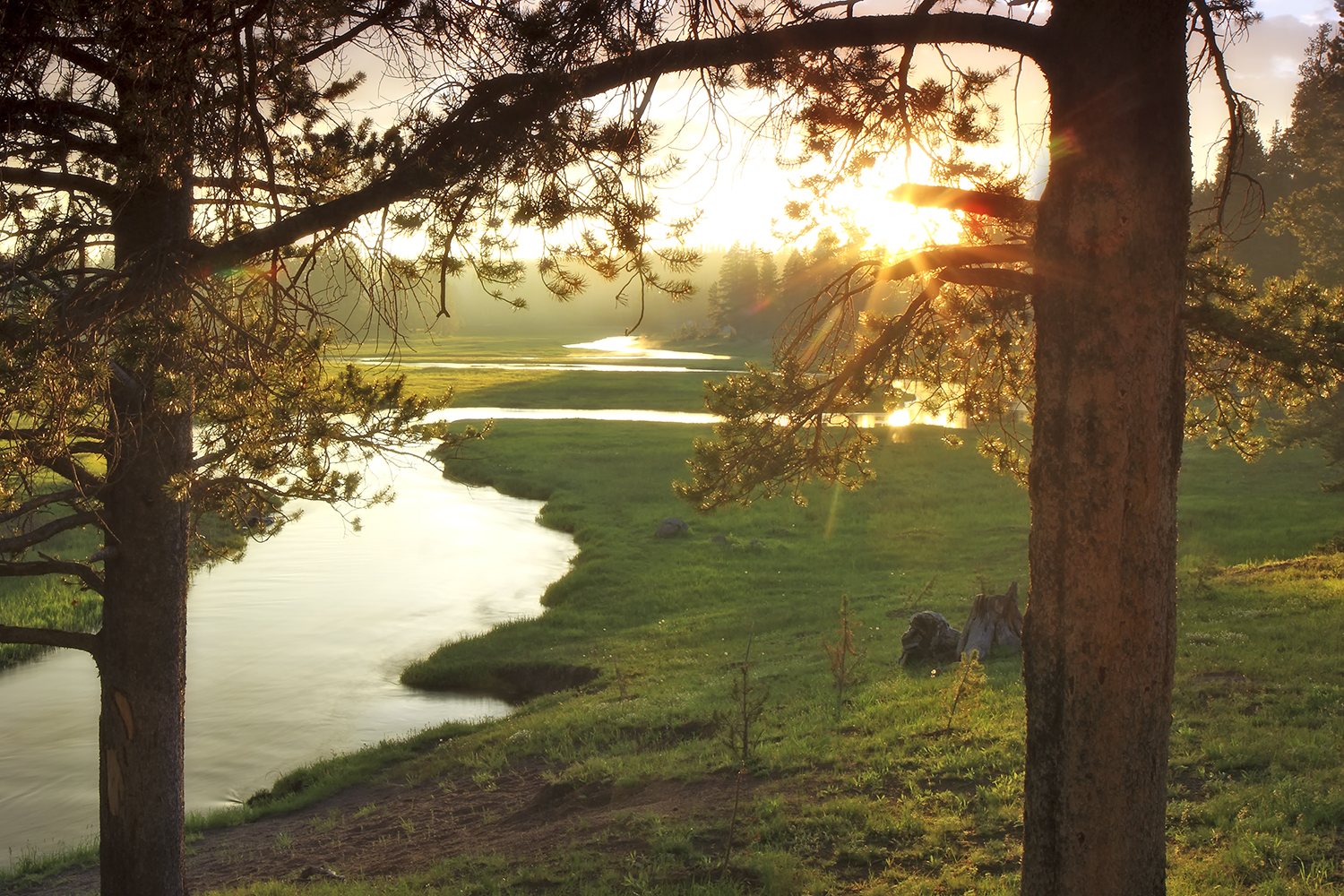
Smell the Update: Nature’s Living Software
Every scent you breathe outdoors is an update from the field—a sensory download that refreshes your biology and re-synchronizes you with the planet’s pulse. In Mother Nature 3.0, I wrote that sunlight, water, air, and soil act as firmware for the human body. Here, scent is the notification system. It tells you what’s changing before the mind can frame it—what’s blooming, decaying, ripening, or returning. When a new smell arrives on the breeze, it isn’t random; it’s an alert from the biosphere, signaling a shift in the living code around you.
Smell translates probability into possibility. A grizzly follows the faintest odor of carrion, a bee turns toward a hidden nectar source, a deer senses rain hours before clouds form. Each decision begins with an unseen molecule collapsing uncertainty into motion. The same holds true for us. When we breathe in forest air, we inhale instructions: slow down, recalibrate, remember you belong here. These are system updates delivered through water vapor and molecular resonance—an interface you explored deeply in Unified Field Theory: The Matrix Engine of Light, Breath & Resonance.
In that larger framework, scent acts like the “handshake protocol” between consciousness and environment. Each inhalation reestablishes coherence between your internal and external fields. It’s the same vibrational connection that ties light to water, water to soil, and soil to life. This is why a single breath of alpine air can reset your nervous system, and why the faint musk of autumn decay can stir memory and emotion simultaneously. The olfactory system is both biological and poetic—a meeting point where physics, biology, and feeling converge.
Smell is nature’s whisper reminding us that we’re still wired into the network. When you step outside today—into pine, sea, soil, or meadow—pause and let the update install. You’re not downloading new software; you’re reactivating ancient memory. That’s the essence of The Living Code: every molecule of scent is a message from the wild, restoring alignment between your breath and the biosphere. Light sets the clock. Sound keeps the beat. But scent—scent writes the memo that makes it all feel alive.
Smell the Update — Continue the Journey
The field is still speaking—through soil, pine, pollen, and rain. Keep exploring the sensory intelligence of nature through connected essays that expand the idea of resonance, coherence, and biological communication. Dive deeper into the science and soul of the natural world, where scent becomes signal, and every breath carries data from the living field.
Begin with Mother Nature 3.0 to rediscover nature as your ultimate operating system. Explore how light, water, and vibration converge in Unified Field Theory, or learn how resonance guides biology in The Living Code. Then let your senses lead you into the wild—not to take, but to listen.
Every inhale is an update. Every scent is an invitation to coherence. Step into the field, breathe with intention, and remember: nature’s original language is still being spoken through you.
“Light sets the clock. Sound keeps the beat. But scent writes the memo in the air.” ~ Robbie George
Explore Wildlife Fine-Art Prints
Discover calm, undisturbed behavior in the Wildlife Gallery and learn how we print, frame, and care for artwork on Print Knowledge and Collectors.
 Wildlife
  Landscapes
  Nature Quotes
About Robbie George
Robbie George is a National Geographic–published photographer. His wildlife ethic is simple—distance first, habitat always—and his work explores coherence across Signature Series themes.
Keep learning: Seasonal Wildlife Calendar • Photography Maps • Field Tools
Related reads: Elk Guide • Bighorn Sheep • Gray Wolf • Golden Eagle • Wildlife Refuge Conservation
“Photograph with patience and permission—the best behavior appears when you don’t disturb the story.”
Frequently Asked Questions: The Olfactory Field & Scent Intelligence
1. What exactly is the “olfactory field” in nature?
The olfactory field is the invisible layer of scent-based communication linking every living being. From the terpenes in pine forests to pheromones in wildlife, it’s a molecular network that carries identity, timing, and environmental updates across the landscape—nature’s own broadcast system.
2. How do animals like bears and mountain lions use scent differently than humans?
Animals perceive scent as their primary sense, not a secondary one. A grizzly’s nose can detect carrion miles away, while a mountain lion’s scratch marks and scent posts act as territorial text messages. These signals contain far more data—direction, age, health—than our limited human sense can decode.
3. What is the flehmen response, and why do animals do it?
The flehmen response—seen in species like bighorn sheep, horses, and big cats—is when an animal curls its upper lip to expose a specialized sensory organ that reads pheromones. It’s a way of opening a second olfactory channel, translating chemical cues about reproductive status, territory, and individual identity.
4. How does water enhance the ability to smell?
Water acts as the interface for scent—it dissolves and carries odor molecules through air and across tissues. Dew, fog, and humidity extend scent range, while the moisture inside your nasal passages helps translate those molecules into electrical signals for the brain. As explored in Water – The Great Informant of Nature, scent and water are inseparable in the field’s communication system.
5. Can improving our sense of smell really change our connection to nature?
Absolutely. Reawakening your sense of smell is one of the most direct ways to rebuild awareness of your surroundings. It tunes your nervous system to subtler environmental cues—changes in weather, soil moisture, or wildlife presence—and fosters empathy for the landscape itself. It’s a return to coherence, a concept explored deeply in The Living Code.





