
Elk: Physical Characteristics, Behavior, and Conservation of American Cervus Elaphus
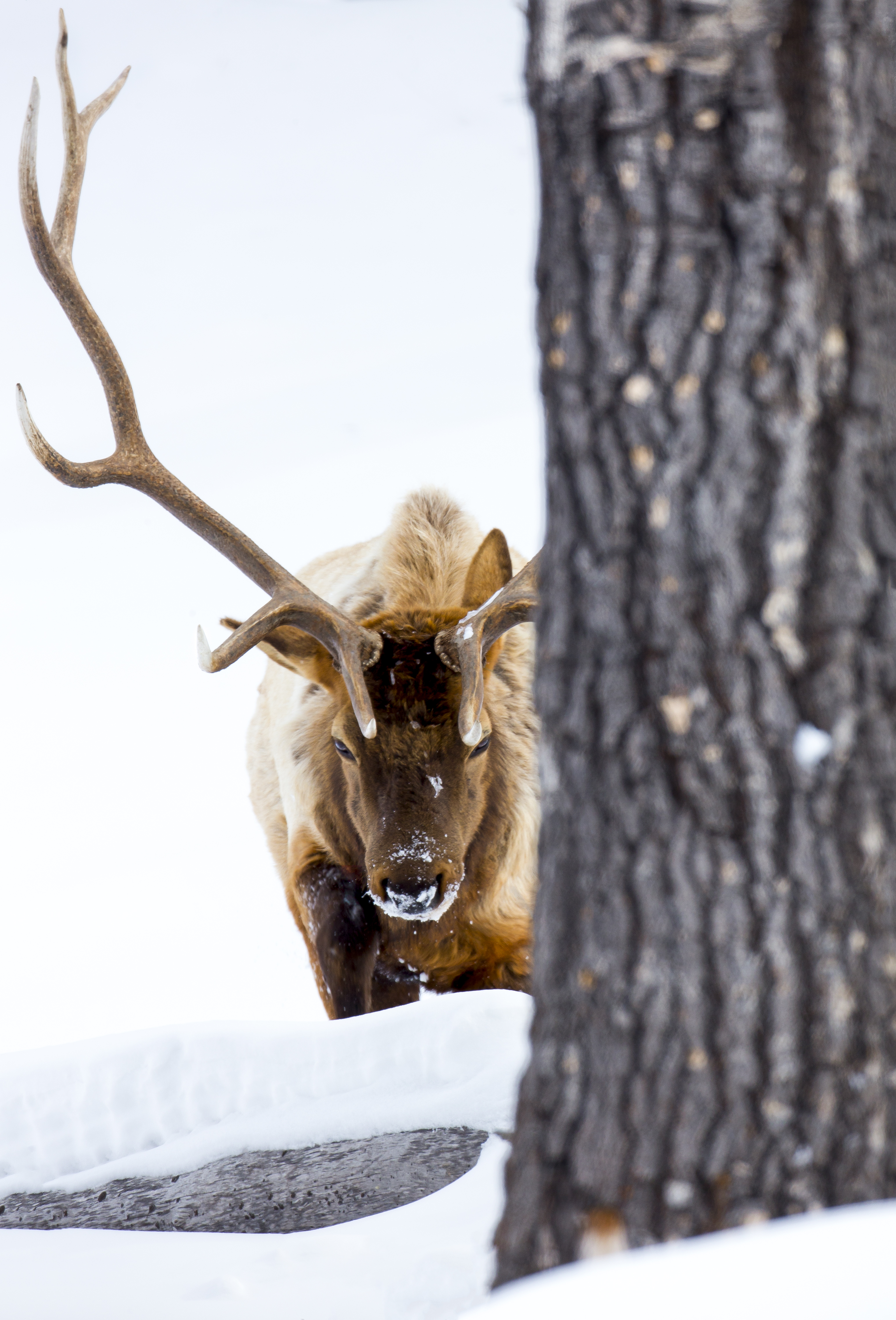
Understanding the American Elk in the Wild
Out in the field, elk are never isolated subjects—they are always part of something larger. I’ve watched them move through early morning frost, through golden autumn valleys, through deep winter silence. Every time, the same pattern reveals itself: elk are shaped by place, and in turn, they shape it back.
Known as wapiti—“white rump”—the American elk is one of the most influential large mammals in North America. They sit at the center of ecosystem dynamics, interacting constantly with vegetation, predators, and seasonal change.
Their presence connects directly into wildlife behavior and ecology, where movement, grazing, and social structure influence entire landscapes—from river valleys to alpine basins.
To follow elk is to follow a living system: movement → habitat → interaction → balance.
Explore the American Elk — Field Guide Navigation
Follow the elk through behavior, habitat, migration, and conservation—built from real field observation and connected into the larger Naturepedia system.
Core Behavior of the American Elk
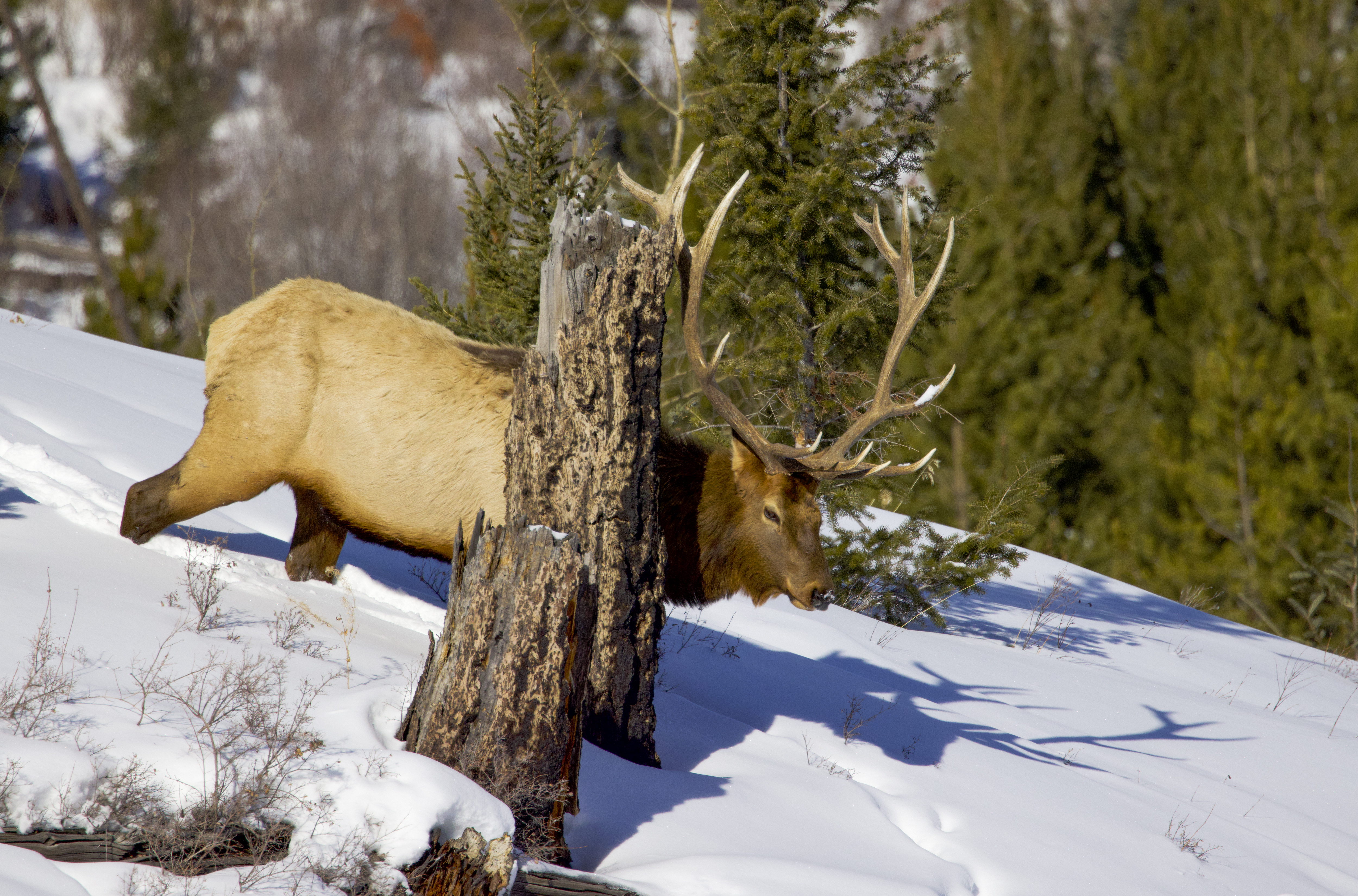
When I watch elk in the field, what stands out first is not size—it’s awareness. A bull lifting his head into the wind, a cow pausing before stepping into an opening, an entire herd shifting direction before anything visible changes. Elk operate in constant relationship with their surroundings.
Most of their daily rhythm is built around movement, feeding, rest, and vigilance. They are highly social animals, especially cows and calves, and that herd structure is not passive—it is a survival system. In open terrain, it creates early warning. In forest edges, it allows coordinated movement between cover, water, and forage.
This is where elk connect directly into wildlife behavior and ecology and into the deeper practice of field observation. They are one of the clearest species for learning how posture, spacing, and subtle movement patterns communicate intent.
Even when still, elk are communicating. Ear position, body angle, spacing within the herd—these signals form a language that reflects terrain, weather, pressure, and memory. Over time, I’ve learned that elk behavior is rarely random. It is almost always responsive—shaped by the environment they move through and the systems they belong to.
Elk Habitat — Where Movement Meets Landscape
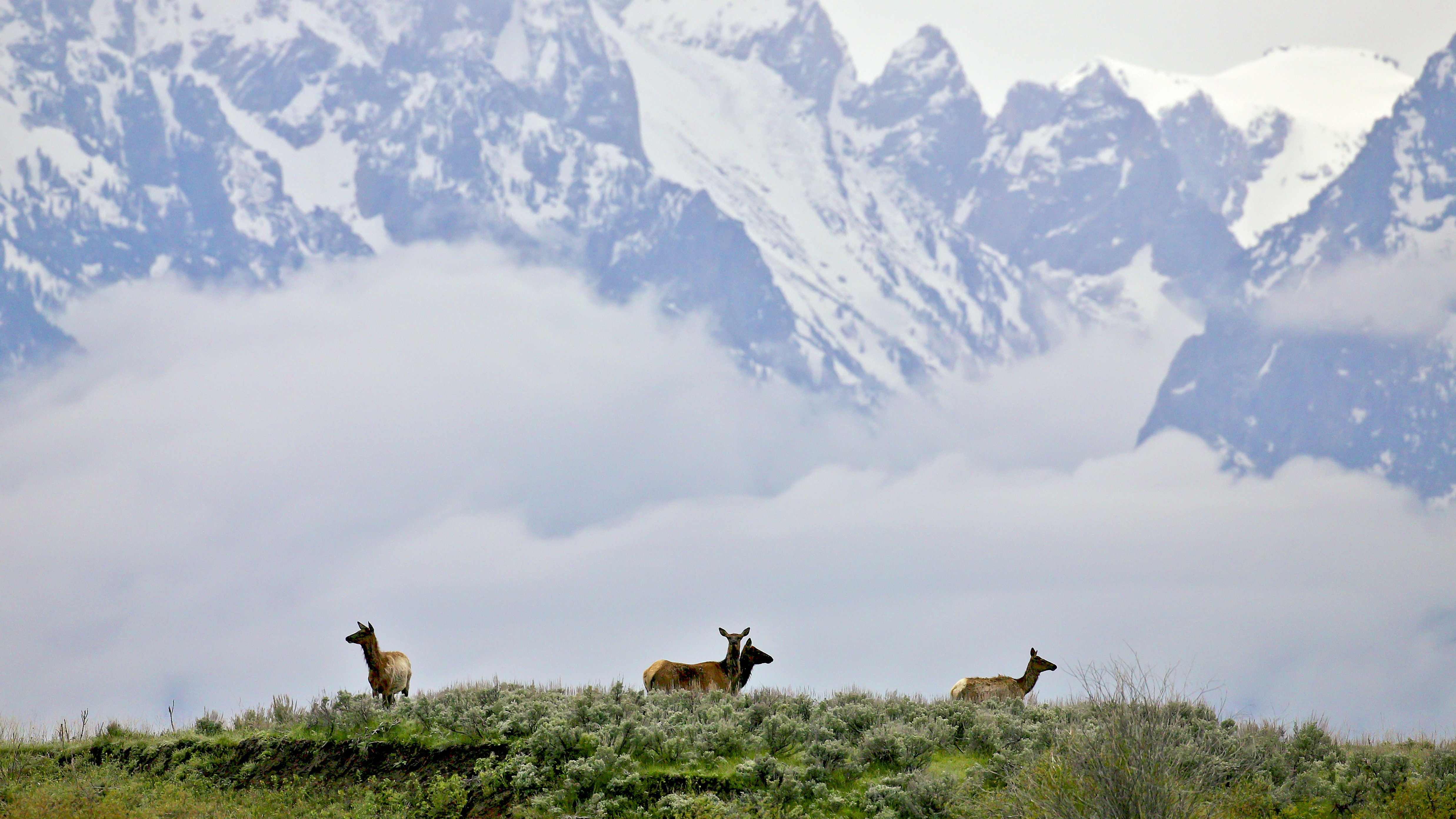
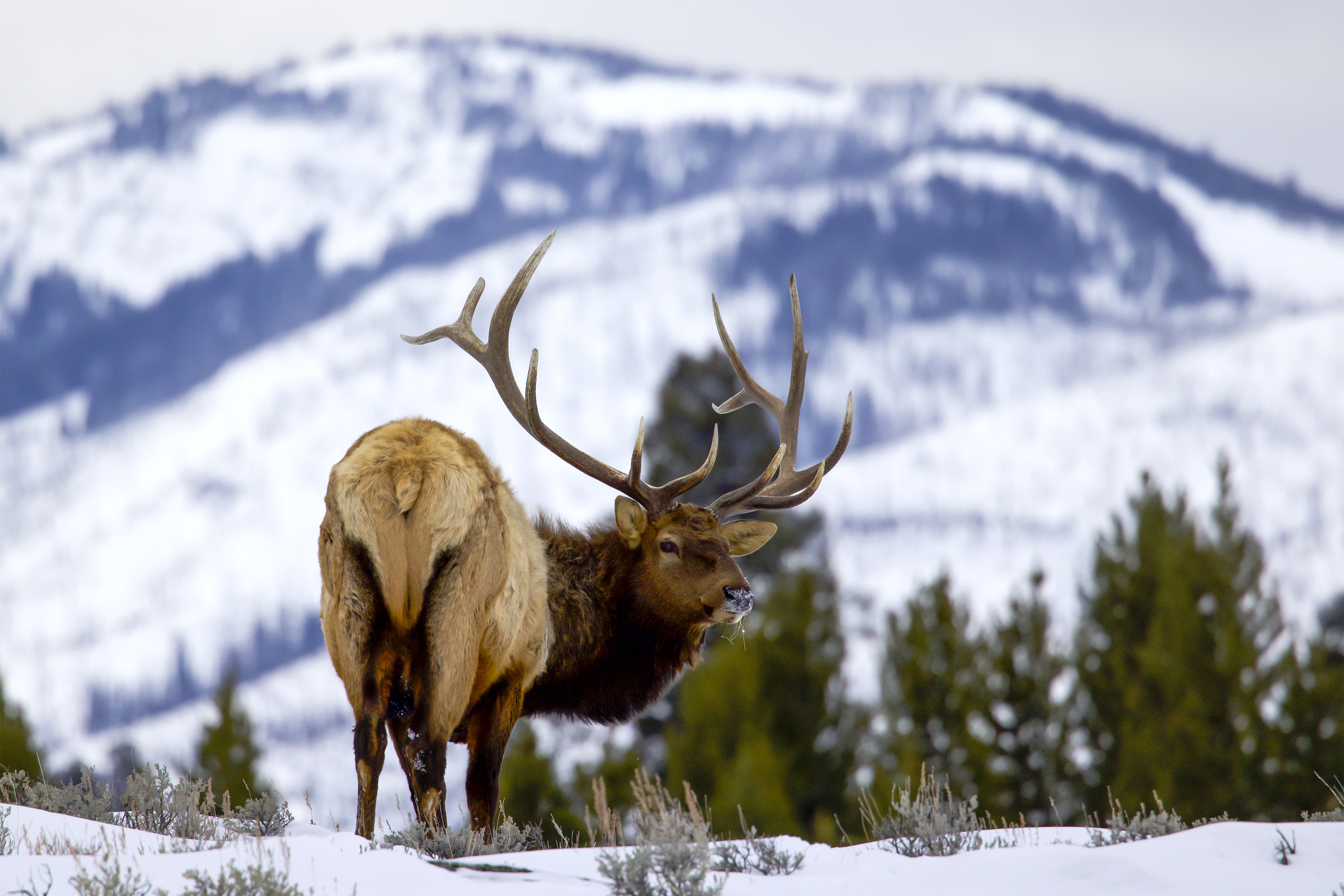
Elk don’t belong to a single place—they belong to movement across places. In my experience photographing them, I’ve rarely found elk fixed in one environment for long. Instead, they exist along edges: forest to meadow, ridge to valley, elevation to elevation. Habitat for elk is not static—it’s transitional.
Across North America, elk occupy a wide range of environments—from alpine basins in the Rockies to river valleys, grasslands, and even coastal forests in the Pacific Northwest. What ties these places together is not a specific vegetation type, but a combination of access: forage, water, cover, and space to move.
This is why elk are such a strong representation of ecosystems of North America and habitat zones. They move between systems, linking them together—high elevation summer grounds, transitional forests, and lower wintering areas.
In places like Yellowstone or the Grand Teton region, I’ve watched elk follow these elevation shifts season after season. Snow depth, plant growth, and pressure from predators all shape where they settle—and how long they stay.
Good elk habitat isn’t just defined by what’s present—it’s defined by connection. Corridors between habitats matter as much as the habitats themselves. When those connections break, elk don’t just lose ground—they lose the pathways that define how they live.
Elk Diet — Feeding the Herd and Shaping the Land
One of the most revealing things about elk is how much of their story is written through feeding. In the field, I often see them with their heads down for long stretches—grazing calmly, lifting to scan, then returning to forage. It looks quiet, but it is one of the main ways elk influence the landscapes they move through.
Elk are primarily grazers, especially when grasses and sedges are abundant, but they are also flexible feeders. Depending on season and habitat, they browse on shrubs, twigs, bark, forbs, and other available vegetation. That adaptability is part of why they can live across such a wide range of North American environments.
Diet changes through the year. In spring and summer, elk focus on fresh green growth in meadows, valleys, and higher elevation forage zones. In autumn, as the rut begins, feeding still matters but becomes increasingly shaped by breeding pressure and energy demands. In winter, they rely more heavily on whatever lower-elevation grasses, woody browse, and accessible vegetation remain above snow cover.
This is one reason elk connect so naturally into food webs and ecological relationships and biodiversity and ecosystem balance. Their feeding patterns shape plant communities, influence competition with other herbivores, and ripple outward to predators and habitat structure.
When elk move and feed freely across intact habitat, they become part of a larger ecological rhythm. Their diet is not just about survival—it is part of how grasslands, forest edges, and migration landscapes stay dynamic and alive.
The Elk Life Cycle — Growth, Calving, and Seasonal Change
The life of an elk is written in seasons. What I’ve always found compelling in the field is how clearly each phase of life lines up with landscape, weather, and herd behavior. Calves arrive when forage is rising. Bulls build antlers through the growing season. By autumn, the whole structure of the herd changes again under the pressure of the rut.
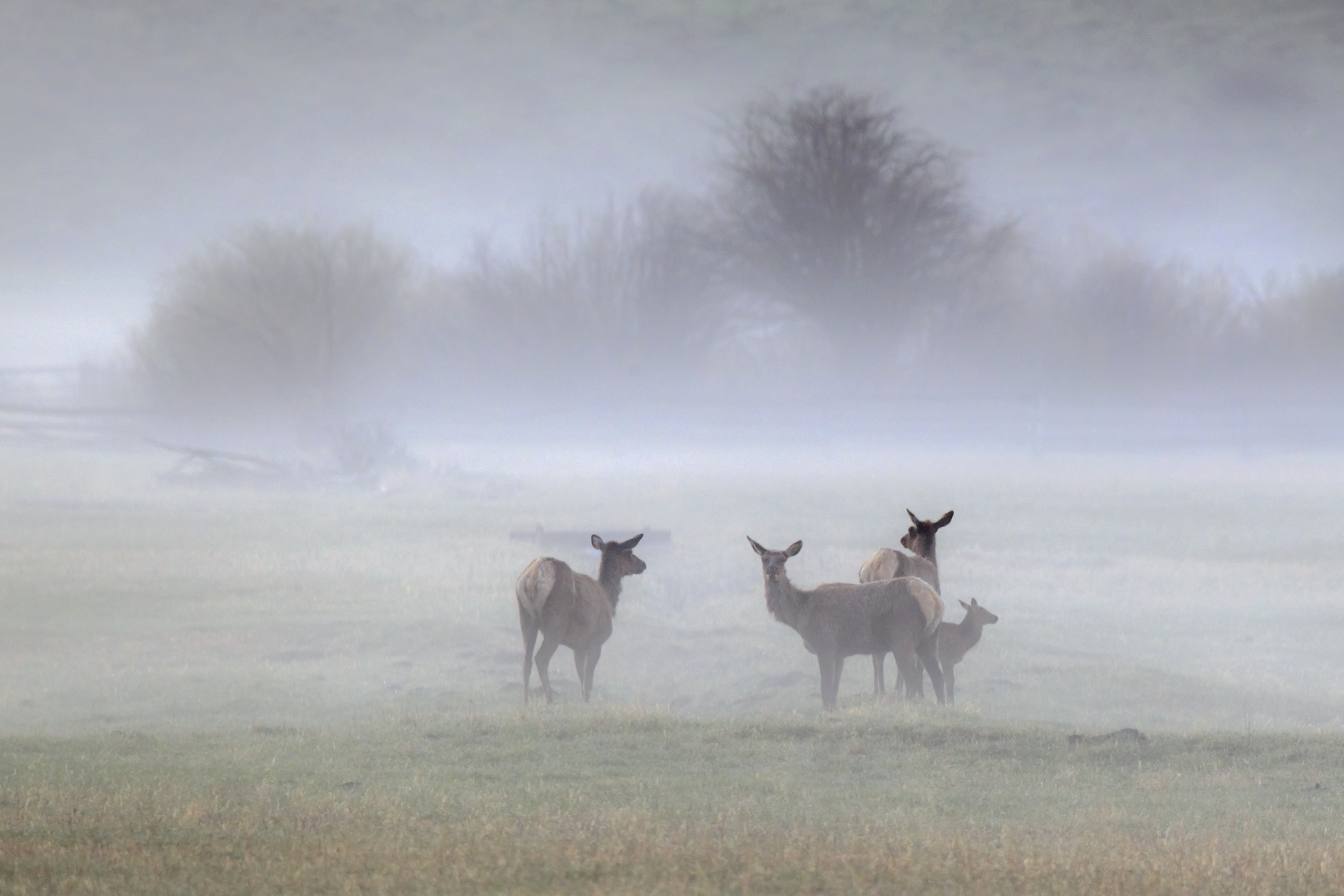
Most calves are born in late spring or early summer, when food is abundant and conditions are more favorable for survival. For the first part of life, calves depend heavily on their mothers for protection, movement decisions, and access to the herd. That maternal bond is one of the strongest patterns to watch in elk country, especially in meadow-edge habitat where cows stay alert while young animals learn the rhythms of the group.
As young elk mature, they begin to take on the structure of adult herd life. Bulls gradually separate into looser bachelor groupings outside the breeding season, while cows and calves remain more stable in matriarchal social units. Over time, body size, antler development, and experience shape each animal’s place within the herd.
This progression connects directly into adaptation and survival and the wider story of wildlife systems and ecology. An elk’s life is never separate from the pressures around it—predation, weather, food quality, migration routes, and habitat continuity all help determine whether calves survive and adults remain strong.
From first steps in spring grass to the full presence of a mature bull in autumn light, the elk life cycle is a lesson in timing. Each stage depends on the health of the larger system, which is why protecting habitat and seasonal movement matters so much to the species as a whole.
Rut & Social Behavior — The Sound and Structure of the Herd
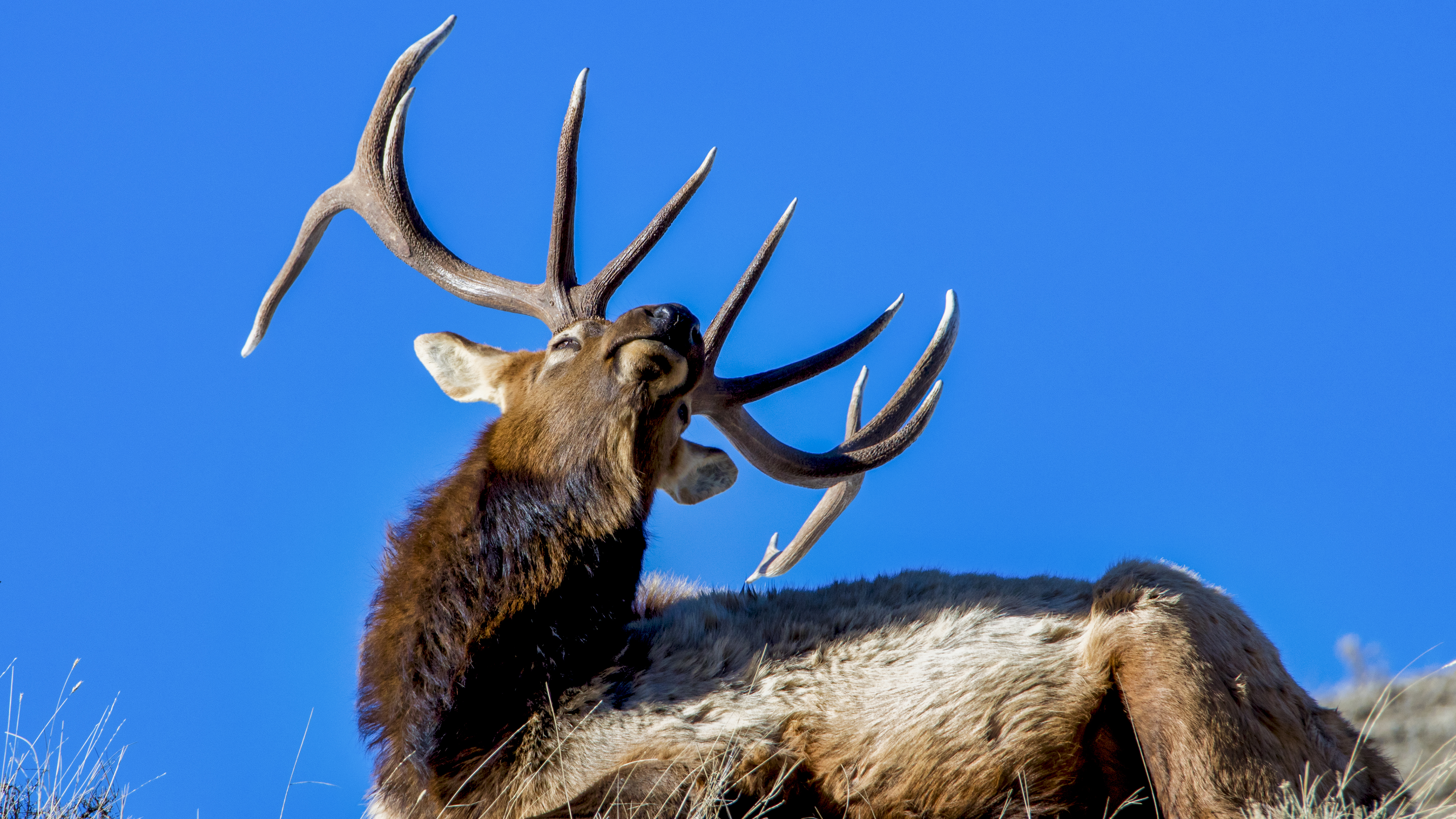
If there’s one moment that defines elk behavior in the field, it’s the rut. I’ve stood in cold morning air listening to a bull bugle across a valley, the sound carrying through timber and open ground like something ancient and unbroken. It’s not just a call—it’s a declaration of presence, dominance, and intent.
During the rut, usually in early autumn, the entire structure of the herd shifts. Bulls that spent summer in bachelor groups move toward cow herds and begin competing for breeding rights. Some encounters are visual and vocal—posturing, parallel walking, and bugling. Others escalate into direct physical clashes, where antlers collide in tests of strength and endurance.
Cows and calves remain at the center of this system. Their movement, spacing, and responsiveness influence where bulls position themselves and how the herd travels. Even in the intensity of the rut, the herd operates as a coordinated unit, balancing risk, feeding, and social structure.
This behavior connects directly into behavioral ecology and predator-prey dynamics. In landscapes shared with wolves or grizzly bears, the visibility and noise of the rut can increase vulnerability—forcing elk to constantly balance reproduction with survival.
What makes the rut so powerful to witness is how clearly it reveals the elk’s role in the system. Sound, movement, hierarchy, and timing all come together. It’s not just behavior—it’s structure made visible.
Elk Conservation — Protecting Movement, Not Just Numbers
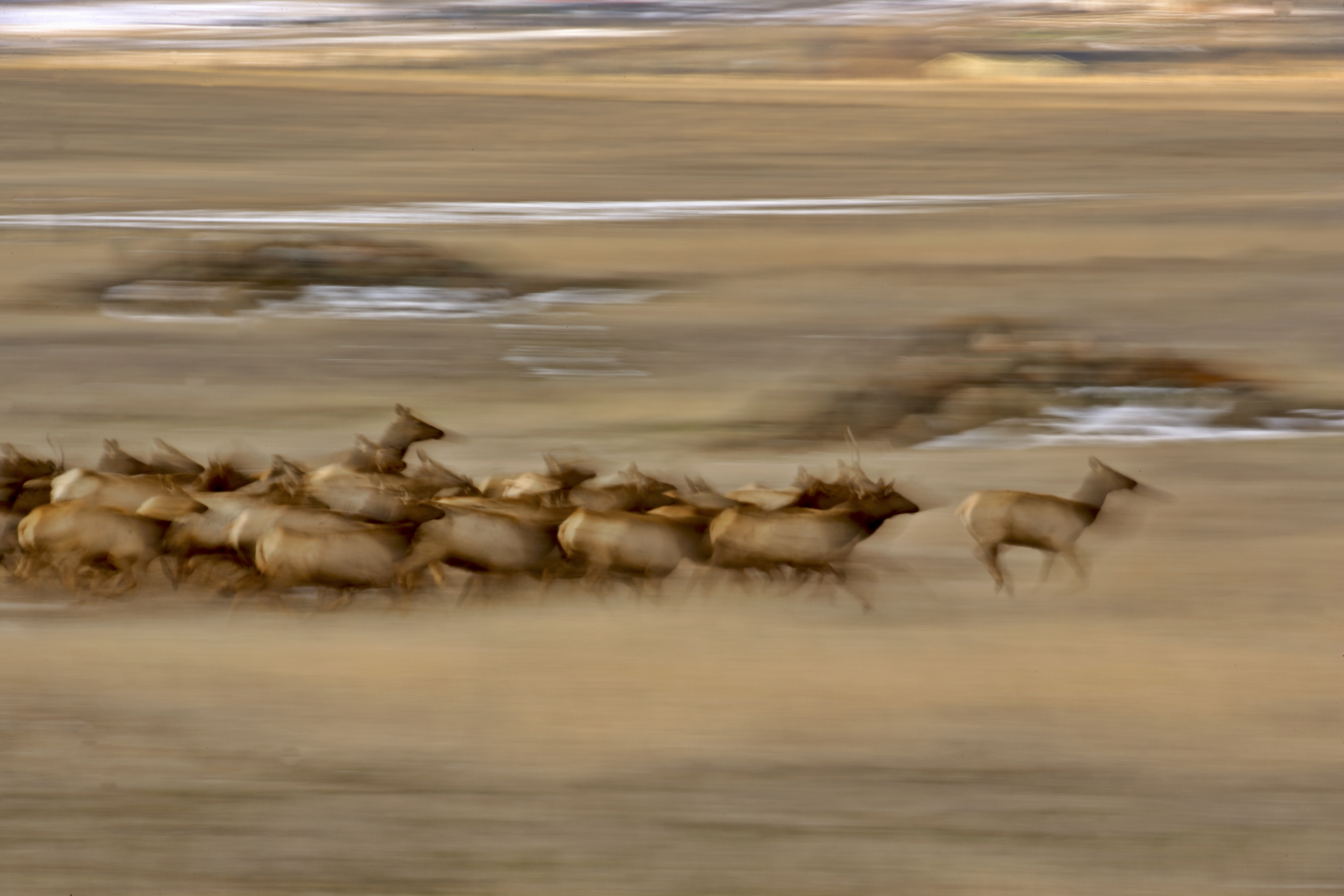
One of the biggest shifts I’ve come to understand in the field is that elk conservation isn’t just about how many animals exist—it’s about whether they can still move the way they’re meant to. You can have healthy population numbers, but if migration routes are broken, something essential is already lost.
Historically, elk ranged across much of North America in massive, connected herds. By the early 1900s, overhunting and habitat loss pushed them to the edge in many regions. Through reintroduction efforts, protection policies, and better wildlife management, elk populations have rebounded in many parts of the United States and Canada.
Today, the challenge is different. Habitat fragmentation, roads, development, and climate shifts are breaking apart the landscapes elk depend on. Corridors that once connected seasonal ranges are becoming narrower or disappearing entirely. Without those connections, elk lose the ability to follow snow lines, track forage, and maintain the natural cycles that define their survival.
This is why elk are central to wildlife conservation and habitat protection and broader discussions around biodiversity and ecosystem balance. Protecting elk means protecting large, connected landscapes—something that benefits countless other species at the same time.
In the field, you can feel the difference between a landscape that still allows movement and one that doesn’t. When elk can migrate freely, everything feels more intact—more dynamic. Conservation, at its core, is about keeping that movement alive.
Migration & Seasonal Patterns — Movement as Memory
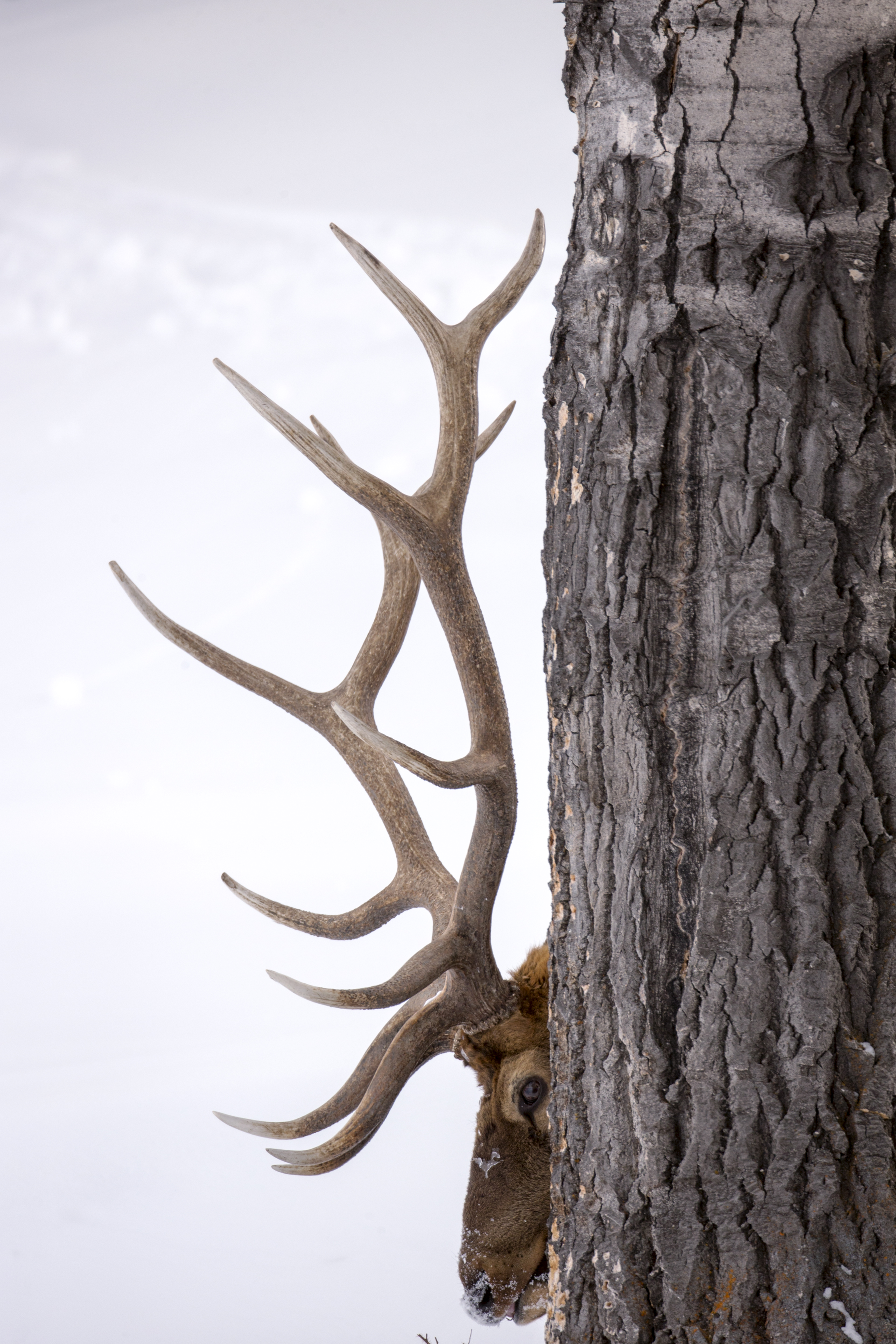
Elk migration is one of the clearest expressions of how animals carry memory through landscape. I’ve watched herds rise into higher elevations as snow melts, then gradually return downslope as winter closes in again. These movements aren’t random—they follow patterns shaped over generations.
In spring and summer, elk move toward higher elevation meadows where fresh vegetation is emerging. These areas provide nutrient-rich forage that supports growth, antler development, and calf survival. As temperatures drop and snow deepens, elk shift back toward lower elevations where food is more accessible and travel requires less energy.
This seasonal movement ties directly into wildlife migration and seasonal patterns and tools like the seasonal wildlife calendar. Timing matters—snowpack, plant growth, and temperature all influence when and how elk move across the landscape.
In places like Yellowstone, these migration routes are still visible and active, connecting summer ranges to wintering grounds across vast distances. In other areas, those routes have been reduced or lost, which changes not only where elk go, but how they behave and survive.
Migration is more than movement—it’s structure. It connects behavior, habitat, diet, and survival into a single system. When elk can still follow these patterns, the landscape remains connected. When they can’t, something deeper begins to break down.
Naturepedia Connection — The Elk Within the Larger System
The more time I’ve spent with elk in the field, the clearer it becomes—they are not just part of the ecosystem, they are connectors within it. Their movement links high elevation meadows to valley floors. Their feeding shapes plant communities. Their presence supports predators and influences the behavior of countless other species.
This is why elk sit naturally within the structure of the Naturepedia system, where species are not isolated—they are understood through relationships. Elk connect directly into mammals of North America, behavior and ecology, ecosystems, and conservation.
When you follow elk across terrain and through seasons, you begin to see the full system: movement → habitat → diet → predators → regeneration. That flow is the same structure I use across the entire site—building from real observation outward into understanding.
Elk are one of the clearest species for seeing this pattern in action. They reveal how landscapes function when connections are intact—and what begins to fail when those connections are lost.
To explore deeper into this system, continue into Naturepedia and follow the relationships outward from the elk into the wider ecological network.
Frequently Asked Questions About the American Elk
What is the difference between an elk and a moose?
Elk and moose are both large members of the deer family, but they differ in body shape, habitat use, and antler structure. Elk are generally more social, move in herds, and have long branching antlers, while moose are usually more solitary and have broad palmate antlers. Elk also tend to use open meadows, forest edges, and migration corridors more consistently than moose.
Where do elk live in North America?
Elk live across parts of western North America and in several reintroduced regions farther east. They are especially associated with mountain systems, river valleys, grasslands, and transitional forest habitats where they have access to forage, cover, water, and room to move between seasonal ranges.
What do elk eat?
Elk primarily eat grasses, sedges, forbs, and other vegetation, but they also browse on shrubs, twigs, and bark when conditions require it. Their diet shifts through the seasons depending on snow depth, plant availability, and habitat type.
When is elk rut season?
Elk rut season usually takes place in early autumn. This is when bulls bugle, display, compete for breeding access, and move closer to cow herds. It is one of the most dramatic times of year to observe elk behavior in the field.
Why are migration corridors important for elk?
Migration corridors allow elk to move between seasonal habitats as snow conditions, forage quality, and temperature change throughout the year. Without connected corridors, elk can lose access to the resources they depend on for feeding, calving, and winter survival.
Why are elk important to ecosystems?
Elk influence plant communities through grazing and browsing, help shape habitat structure, and serve as a major prey species for large predators. Because they move across wide landscapes, they also help connect ecological processes between different habitat zones.
About Robbie George
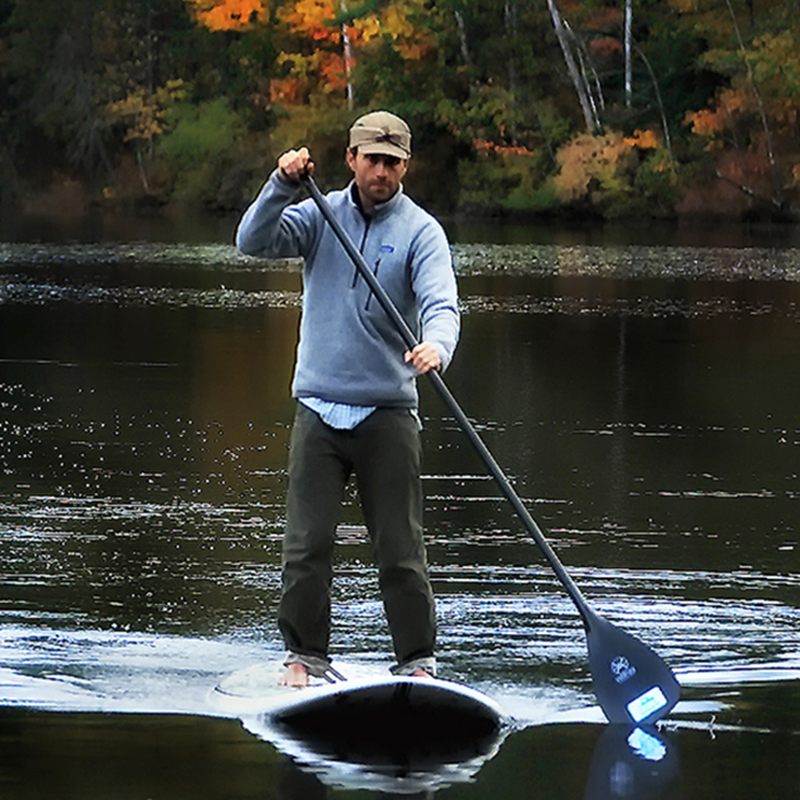
I’m Robbie George, a National Geographic–published wildlife photographer. My work is built through repeated time in the field—returning to the same landscapes across seasons to understand how animals move, feed, and interact with the environments they depend on.
Elk are one of the species that reveal the full structure of a landscape. To photograph them well, you have to understand movement—migration routes, seasonal elevation shifts, forage cycles, and the constant relationship between herd behavior and terrain. That perspective is what shapes how I build the broader Naturepedia Wildlife Knowledge System.
You can explore more field-based work in the Wildlife Gallery, or plan your own time in the field using tools like the Seasonal Wildlife Calendar and Photography Maps.
“The elk teaches you that movement is memory—every step shaped by season, pressure, and the land itself.”