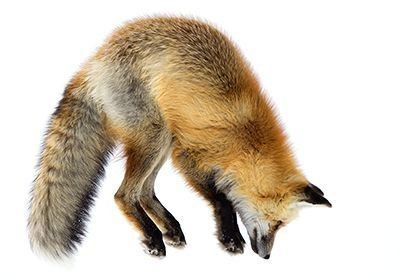

Grey Wolf: Species Overview, Habitat, Diet & More
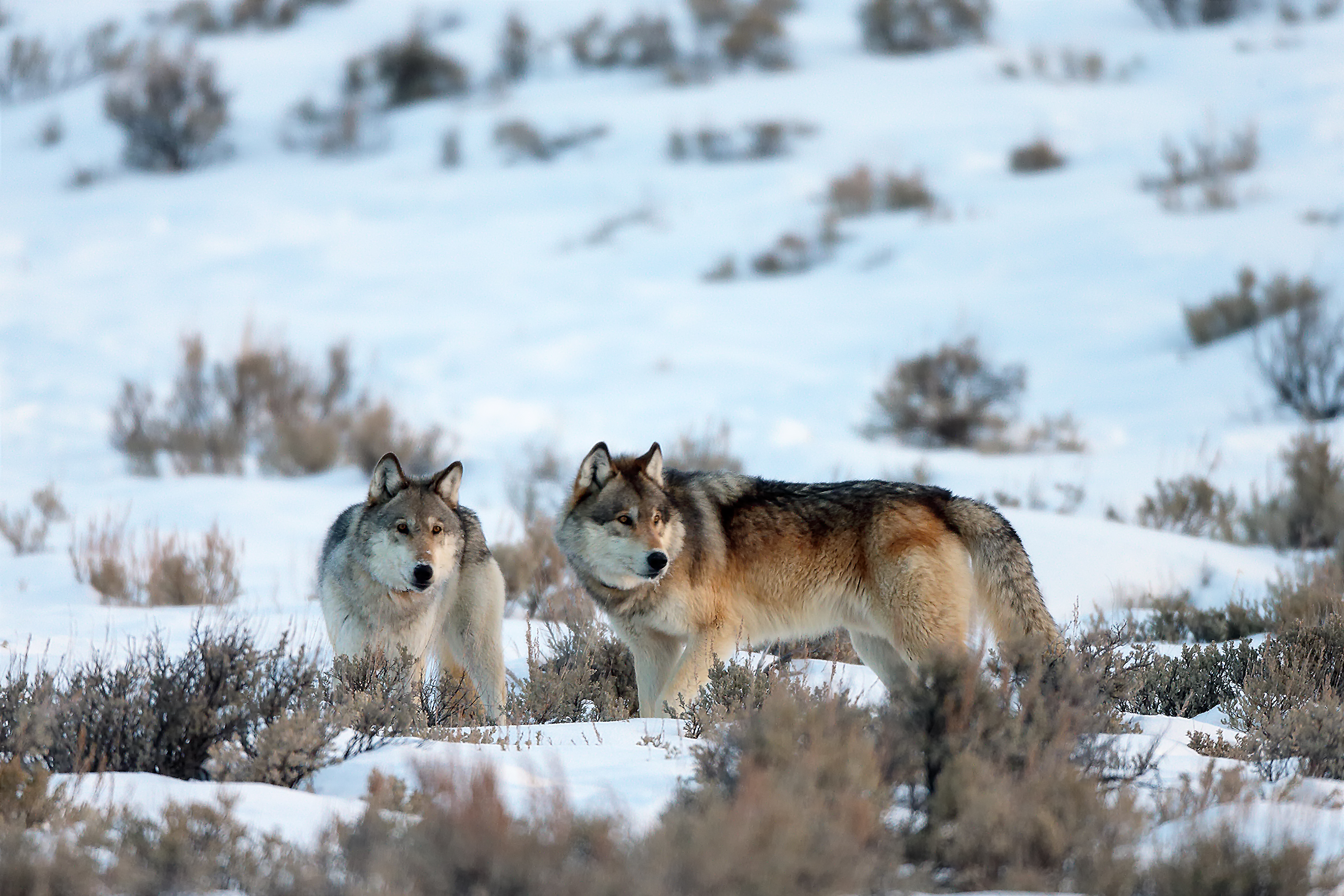
Apex Intelligence in Motion
When I observe wolves in the wild, what stands out isn’t just strength—it’s awareness. Every movement feels intentional. Every pause feels like listening. They move through the landscape as if they are part of it, not separate from it.
The grey wolf is one of the most important species in North America’s ecological system. As explored in keystone species and trophic cascades, wolves regulate prey populations like elk and deer, allowing vegetation, waterways, and entire ecosystems to recover.
Their return to landscapes like Yellowstone didn’t just bring back a species—it brought back balance. Riverbanks stabilized, plant life rebounded, and biodiversity increased. This is the power of a predator that operates within the system, not above it.
To understand wolves is to understand how nature maintains equilibrium. And that understanding connects directly into broader systems like wildlife behavior and ecology, ecosystems of North America, and conservation and habitat protection.
“In the presence of a wolf, you don’t feel dominance—you feel alignment.” — Robbie George
On This Page
Grey Wolf Behavior — Coordination, Awareness, and Pack Intelligence
In my experience, wolves are one of the clearest examples of how behavior and ecology are inseparable. A wolf is never acting alone from the landscape around it. Its movement, posture, pacing, and attention all reflect pressure from prey, weather, terrain, season, and the needs of the pack. What looks simple at first glance is actually highly organized behavior shaped by survival and relationship.
Grey wolves live through cooperation. They travel as social hunters, raise young within a family structure, defend territory, and communicate constantly through body language, scent, and vocalization. This is part of what makes them such an important species to study through the lens of wildlife behavior and ecology. Their success is not based on brute strength alone, but on timing, communication, memory, and coordinated decision-making.
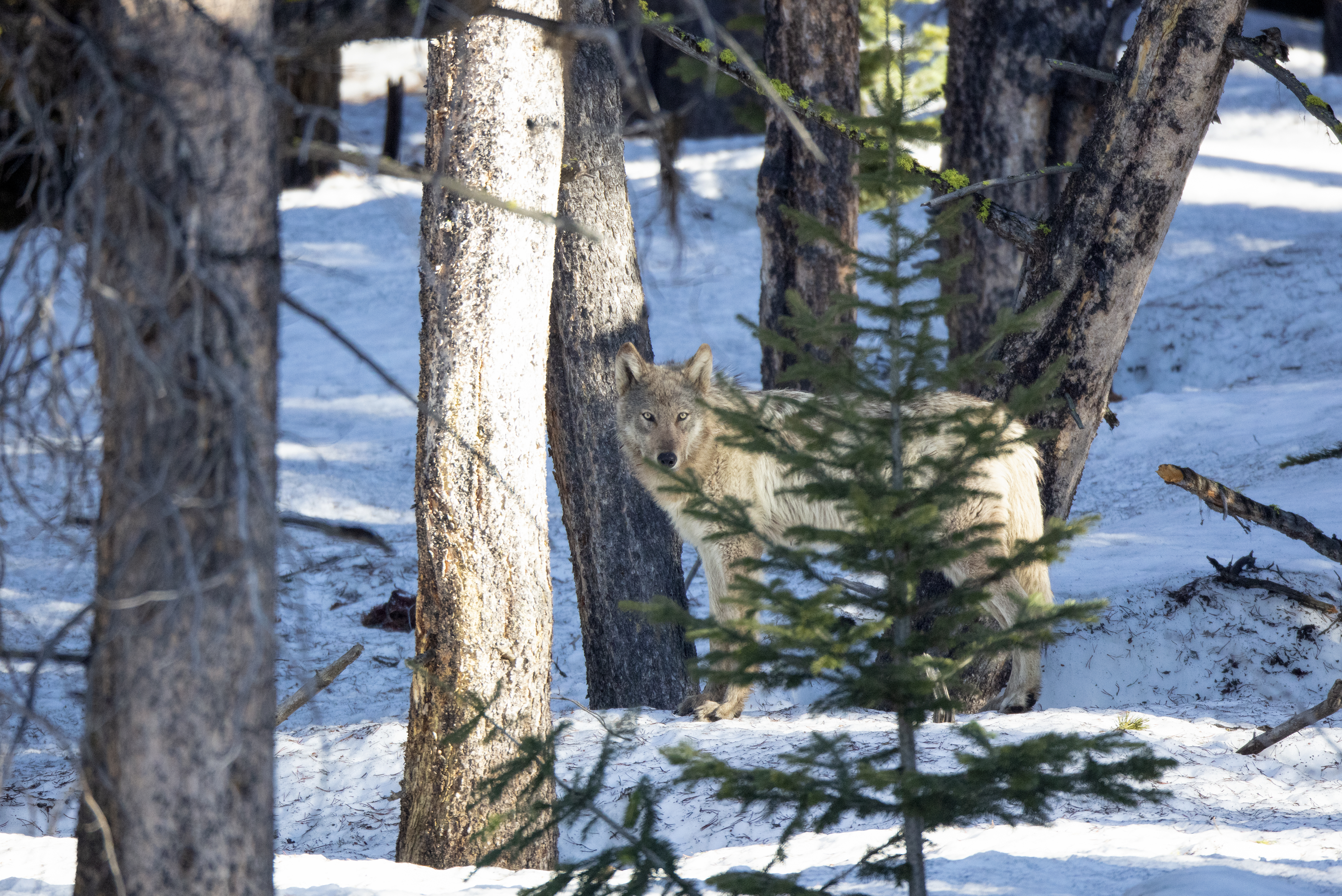
One of the most remarkable things about wolves is how efficiently they regulate energy. They do not move carelessly. They watch, test, circle, pause, and respond. In open country this can look like patient observation. In forests it may appear as silent travel along edges, game paths, and cover. In winter landscapes, every decision matters even more because deep snow, cold stress, and prey condition all affect the outcome of movement and hunting.
Pack behavior is central to the wolf’s ecological role. Wolves learn from one another. Younger animals watch adults. Roles can shift depending on the terrain, prey species, and condition of the group. This family-based intelligence is one reason wolves have such a profound influence on systems explored across keystone species and trophic cascades and food webs and ecological relationships. Their behavior shapes not only what they hunt, but how prey move across the land.
When wolves are present, elk, deer, and other prey species change how long they linger, where they feed, and which corridors they use. That behavioral pressure is one of the reasons wolves affect vegetation recovery, riverbank health, and biodiversity. It is why the grey wolf belongs not just on a species page, but in the larger story of North American ecosystems, conservation and habitat, and the living system gathered through Naturepedia.
Grey Wolf Habitat — Landscapes of Movement and Survival
From my time in the field, one thing becomes clear quickly—wolves are not tied to a single type of landscape. They are shaped by movement, not place. You can find them in boreal forests, mountain valleys, tundra, grasslands, and even desert edges. What matters most isn’t the scenery—it’s the structure of the ecosystem and the availability of prey.
In regions like Yellowstone and Grand Teton, I’ve watched wolves use terrain strategically—moving along ridgelines, cutting through valleys, and using forest edges as cover. Habitat for a wolf is not static. It’s a network of travel routes, hunting zones, den sites, and seasonal shifts that change throughout the year.
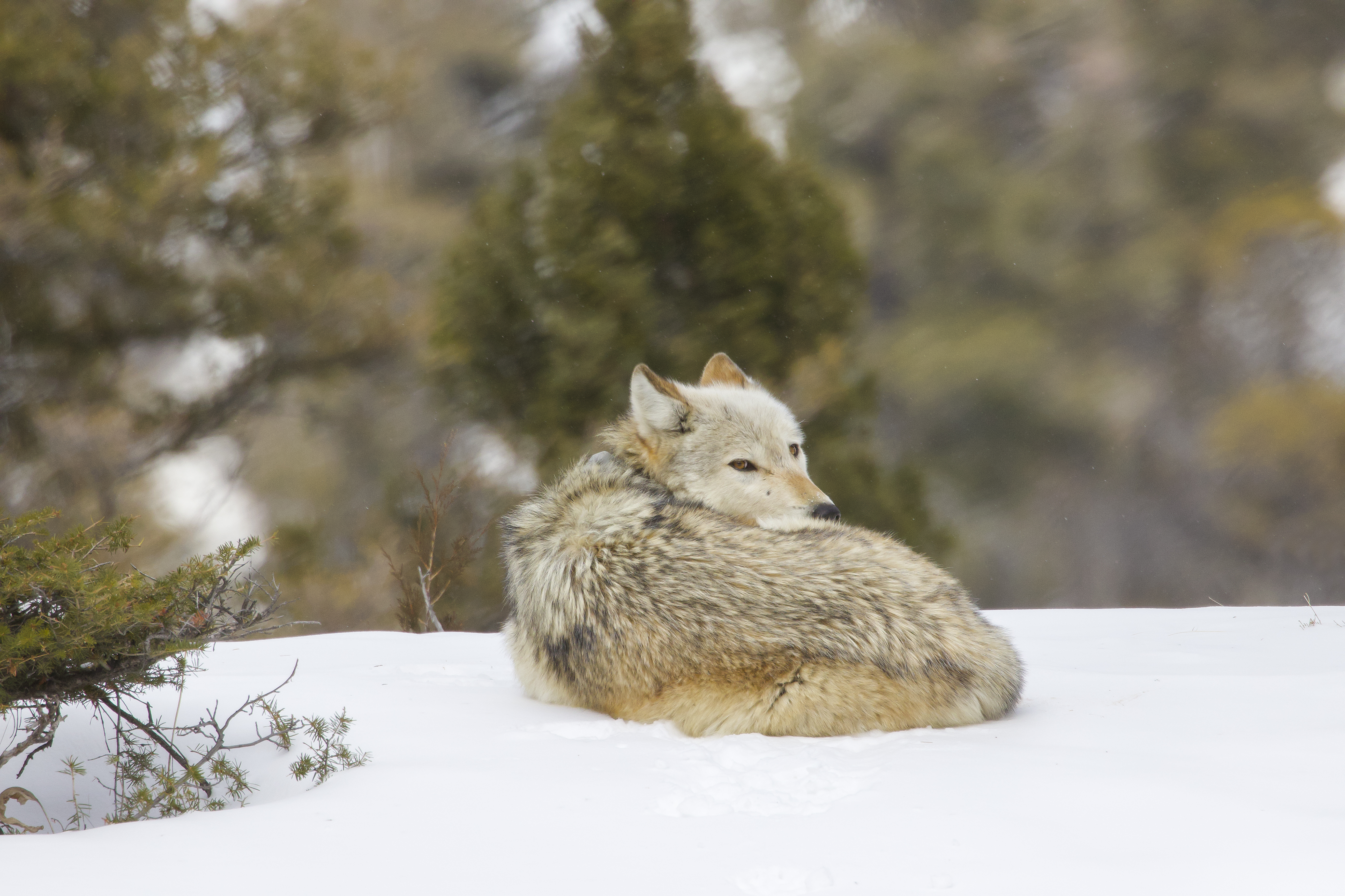
Territory size can vary dramatically depending on prey density and landscape conditions. In rich ecosystems, packs may operate within smaller ranges. In harsher environments, they may travel hundreds of miles. This adaptability is what allows wolves to occupy such a wide range across North America and beyond.
Habitat also connects directly to ecosystem function. When wolves return to a region, they don’t just occupy space—they reshape it. Their presence influences how prey species use open meadows, riverbanks, and forest edges. This relationship is a key part of wildlife habitats and ecosystem zones and how landscapes maintain balance over time.
To understand wolf habitat is to understand connectivity—how terrain, prey, water, and seasonal cycles interact. It’s why wolves are deeply tied to broader systems like migration and seasonal patterns and why protecting habitat is one of the most important parts of long-term wildlife conservation.
Grey Wolf Diet — Predation, Energy, and Ecological Balance
Watching wolves hunt in the wild changes how you think about predation. It’s not chaotic or reckless—it’s calculated, efficient, and deeply connected to energy conservation. Every movement has a cost, and wolves are constantly weighing effort against outcome.
Grey wolves primarily feed on large ungulates like elk, deer, and moose. In some regions, they will also take smaller mammals, carrion, and even seasonal food sources when needed. Their diet reflects what the landscape offers—it is always tied directly to the structure of the ecosystem.
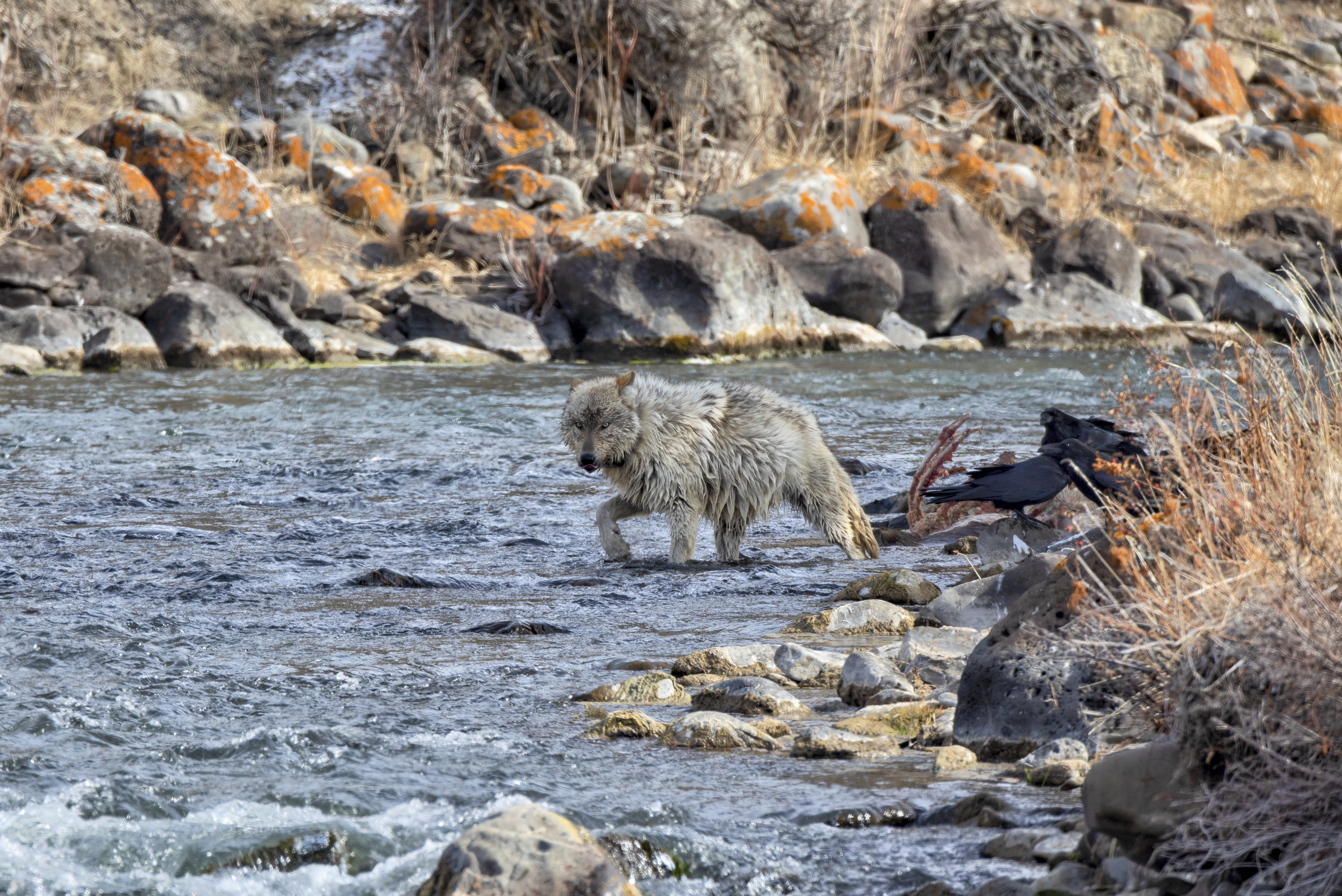
Hunting is rarely a solo effort. Wolves rely on coordination—flanking, testing, and isolating vulnerable individuals. They often target the old, weak, or injured, which is one of the reasons they are so critical to ecosystem health. By removing less fit animals, wolves strengthen prey populations over time.
This predator-prey relationship is central to how ecosystems function. It’s a key concept explored in food webs and ecological relationships and biodiversity and ecosystem balance. Wolves don’t just consume—they regulate. Their presence changes how prey behave, where they graze, and how long they remain in sensitive areas like riverbanks and meadows.
One of the most powerful examples of this is in Yellowstone, where wolf predation altered elk movement patterns. That shift allowed vegetation to recover, which in turn stabilized river systems and supported other species. This is the cascade effect that connects diet directly to landscape health—and why wolves are essential to long-term wildlife systems ecology.
Grey Wolf Life Cycle — Birth, Learning, and Survival
The life cycle of a wolf is something I’ve come to appreciate most through time and observation. It’s not just about growth—it’s about learning within a system. Every stage of a wolf’s life is tied to the pack, the season, and the landscape it’s born into.
Grey wolves typically breed once a year, with pups born in spring. Timing matters. Birth aligns with warming temperatures and increasing prey availability, which gives young wolves a better chance of survival. Dens are often located in protected areas—slopes, forest cover, or near water—places that offer both safety and access to food.
Pups are born blind and completely dependent. In the early weeks, the pack works together to protect and feed them. This is one of the clearest examples of cooperative survival in the wild. Adults will regurgitate food, guard the den, and rotate responsibilities—all without disruption to the overall function of the group.
As the pups grow, they begin to explore, play, and observe. Play is not random—it’s training. Chasing, wrestling, and testing boundaries all build the skills needed for hunting and communication later in life. By late summer and fall, young wolves begin to participate more actively in pack movement and hunting behavior.
The wolf life cycle is deeply tied to seasonal cycles and migration patterns. Survival depends on timing—when prey are vulnerable, when conditions shift, and when the pack must move. This is how wolves remain synchronized with the landscape rather than working against it.
Grey Wolf Social Behavior — Pack Structure and Communication
If there’s one thing that stands out most in the field, it’s that wolves are not individuals operating alone—they are part of a tightly connected social system. Every action is tied to the pack. Movement, hunting, resting, and even play all happen within a shared structure.
A wolf pack is typically a family unit, often led by a breeding pair and supported by offspring from previous years. What’s important is that this structure isn’t built on constant dominance—it’s built on stability. Roles shift depending on age, experience, and current conditions. That flexibility is one of the reasons wolves are so effective across different environments.
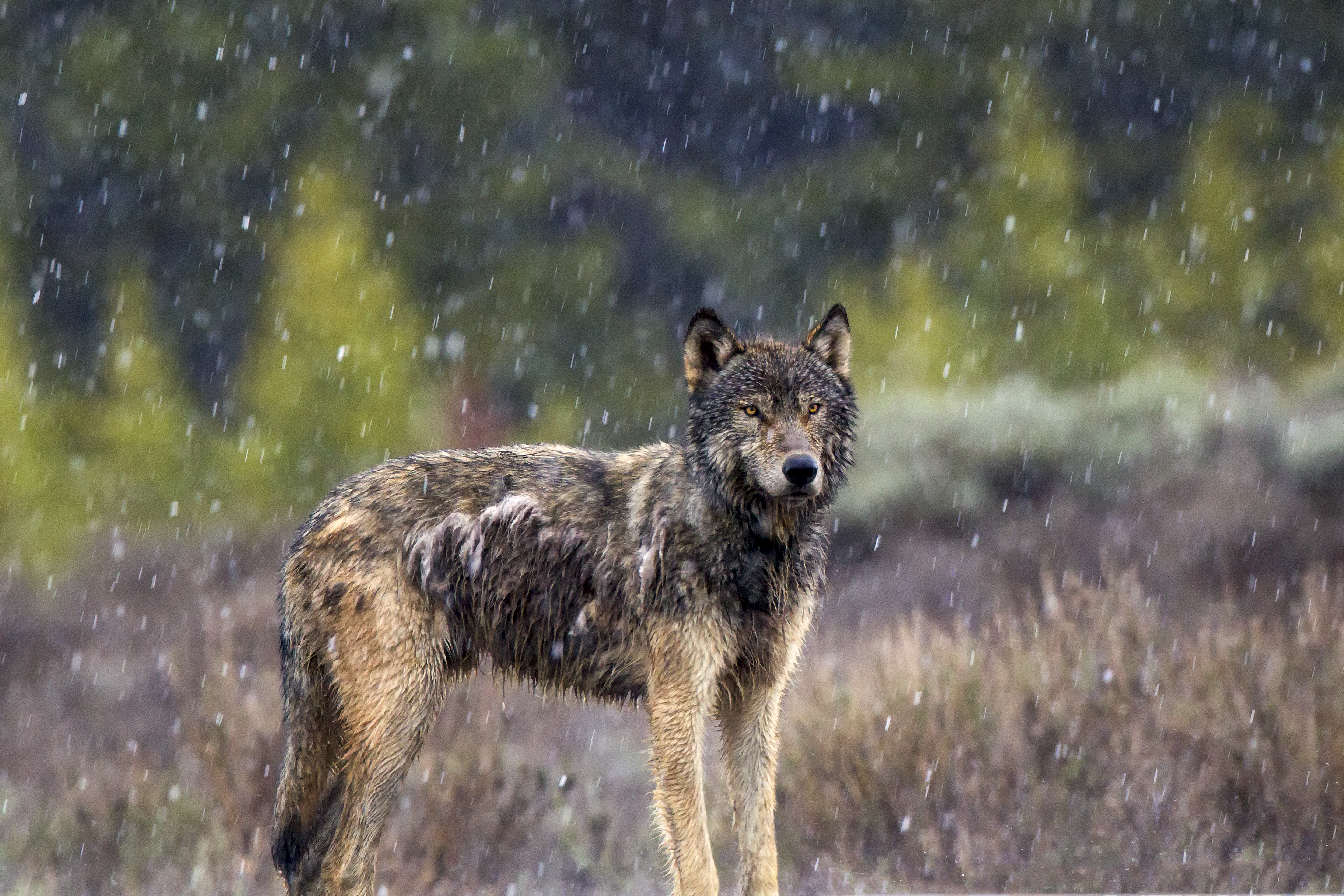
Communication within a pack is constant but often subtle. Wolves rely on body posture, eye contact, tail position, and movement to signal intent. A shift in stance can mean submission, leadership, curiosity, or warning. These signals allow the pack to function efficiently without unnecessary conflict.
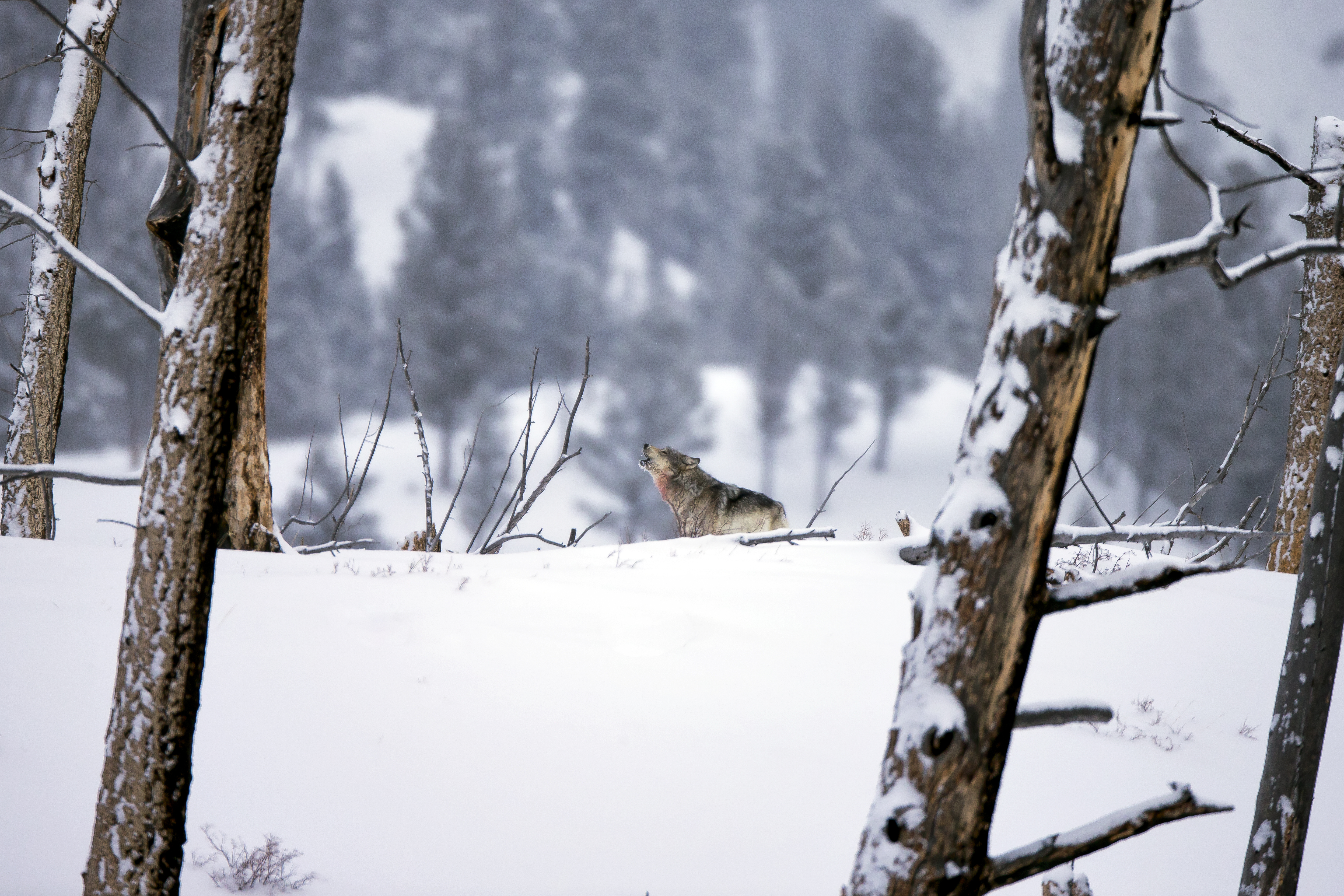
Vocal communication—especially howling—plays a different role. Howls help maintain contact across distance, reinforce territory boundaries, and synchronize the group. In open landscapes, I’ve heard howls carry for miles, connecting individuals that are out of sight but still operating as one unit.
This level of coordination is why wolves are such a powerful example within wildlife systems ecology and adaptation and survival. Their social structure isn’t separate from the ecosystem—it’s one of the mechanisms that allows the ecosystem to function.
Grey Wolf Conservation — Recovery, Conflict, and Coexistence
The story of the grey wolf is one of the most powerful examples of both loss and recovery in North American wildlife. Not long ago, wolves were nearly eliminated from much of their historic range due to hunting, habitat loss, and fear-driven policies. What I’ve come to understand in the field is that when wolves disappear, the effects ripple far beyond a single species.
The reintroduction of wolves into Yellowstone is one of the clearest demonstrations of why conservation matters. Their return helped restore balance—changing prey behavior, allowing vegetation to recover, and improving overall ecosystem health. This is a real-world example of how trophic cascades function.
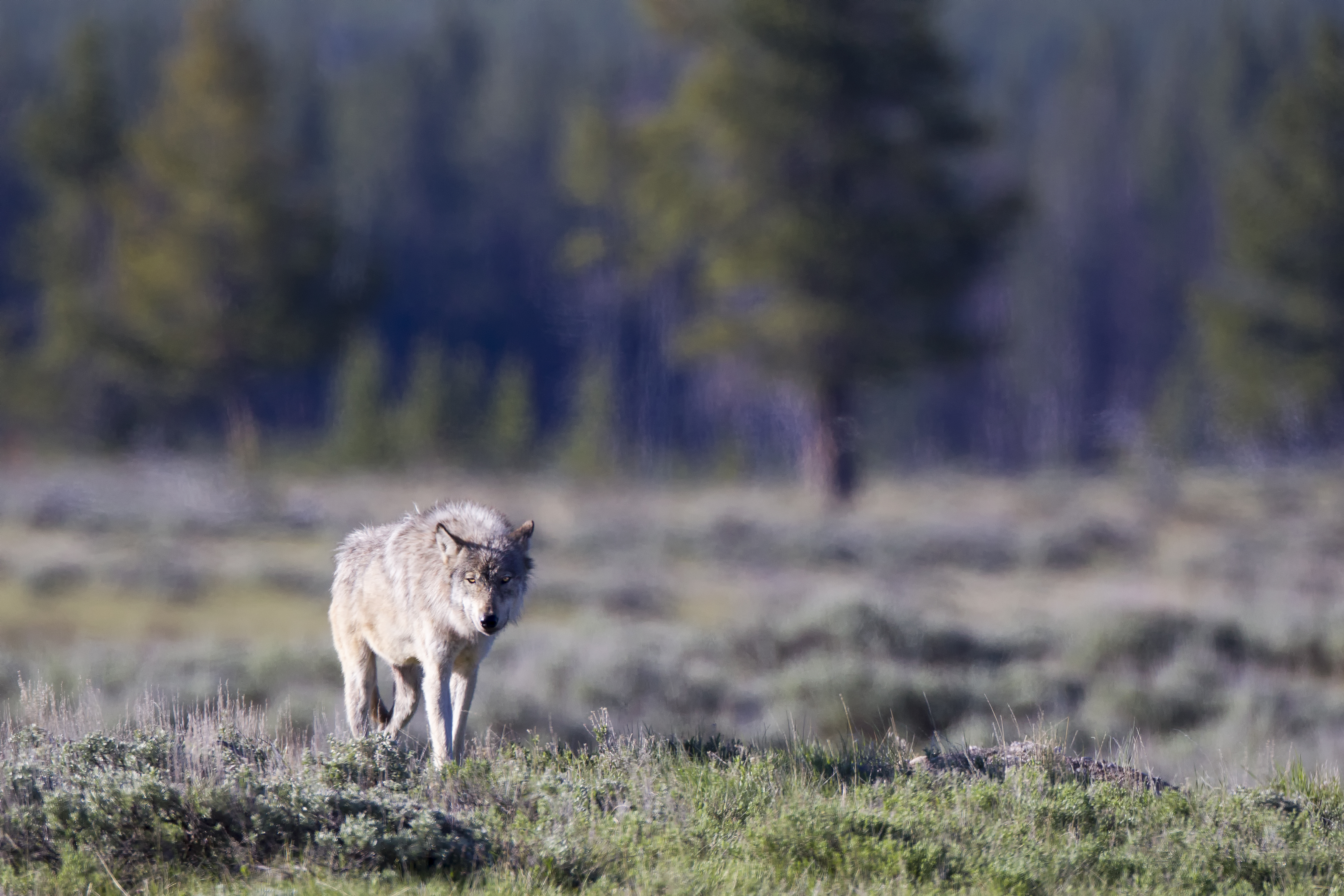
At the same time, wolf conservation is complex. As wolves return, they often share landscapes with human communities, agriculture, and development. This creates real challenges. Successful conservation today depends on coexistence strategies—non-lethal deterrents, better land management, and education that helps people understand the ecological role wolves play.
Protecting wolves is not just about protecting a predator. It’s about protecting the systems they support. Their presence stabilizes food webs, strengthens biodiversity, and maintains landscape resilience. This is why wolves are deeply connected to wildlife conservation and habitat protection and broader discussions around ecosystem balance.
From what I’ve seen, the future of wolves will depend on whether we can shift from control to understanding. The landscape already knows how to balance itself. Wolves are part of that system. Conservation is simply giving that system the space to function again.
Grey Wolf Seasonal Patterns — Movement, Survival, and Timing
Seasonality is one of the most important factors shaping wolf behavior. In the field, I’ve seen how dramatically conditions change across the year—and how closely wolves track those changes. Their movement, hunting patterns, and territory use are all tied to the seasonal rhythm of the landscape.
Winter is often when wolves are most visible. Snow reveals tracks, and prey species like elk and deer become more vulnerable. Wolves take advantage of this by traveling longer distances and focusing on efficiency. Deep snow can slow prey down, creating opportunities for coordinated hunts.
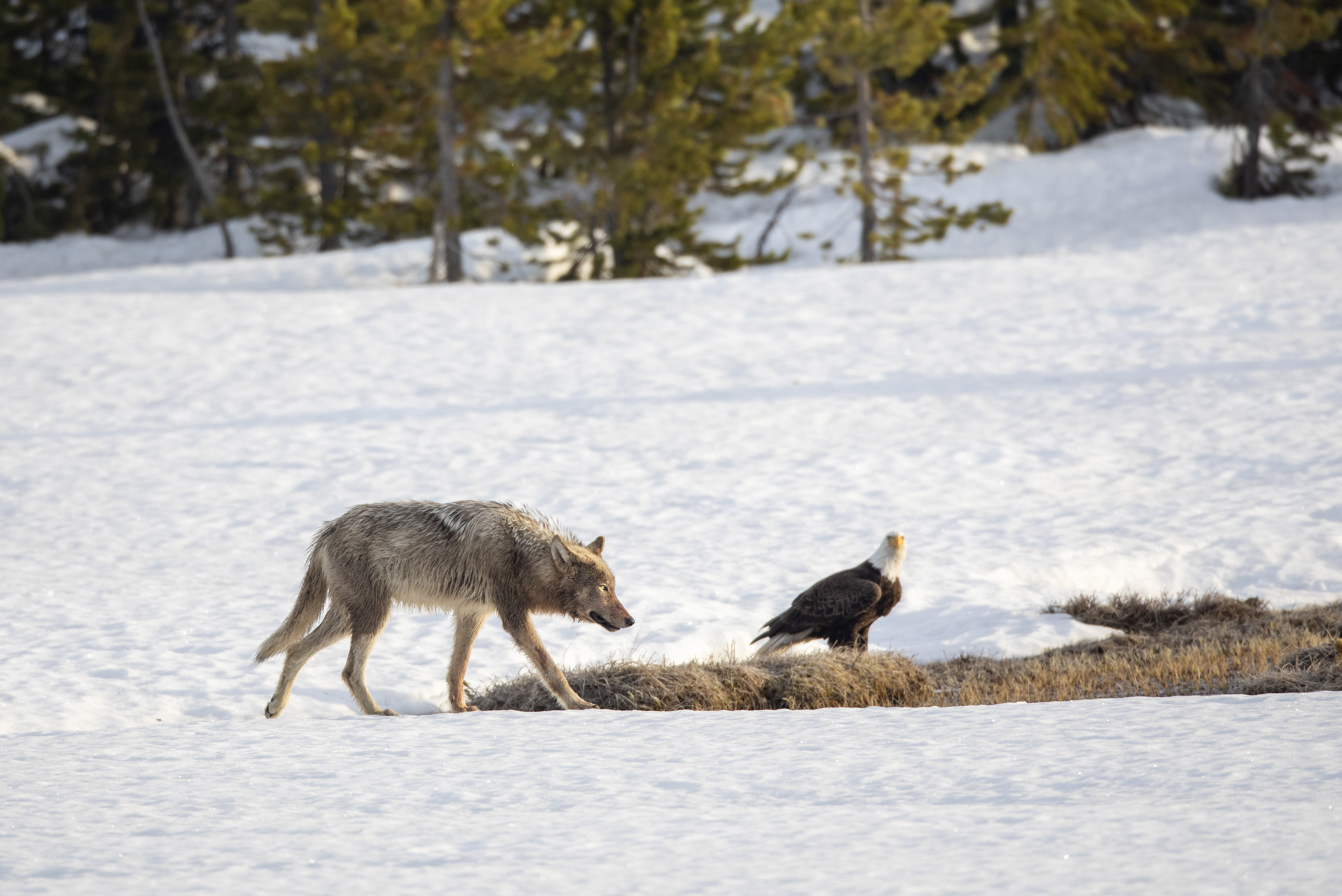
In spring, the focus shifts to denning and raising pups. Movement becomes more localized as packs protect young and return frequently to den sites. This is a more vulnerable time for wolves, where survival depends on stability, protection, and consistent access to food.
Summer brings expansion. Young wolves begin to explore, prey is more widely distributed, and packs may range farther depending on conditions. By fall, the pack is stronger, more mobile, and preparing for the demands of winter again.
These seasonal shifts are part of a larger system explored through Nature’s Seasons and seasonal wildlife patterns. Wolves don’t resist these cycles—they move with them. That alignment is one of the reasons they remain such a resilient and influential species across multiple ecosystems.
Naturepedia Connection — Understanding the Grey Wolf in the Larger System
The grey wolf is not just a species—it’s a system driver. Everything we’ve explored on this page—behavior, diet, habitat, and seasonal movement—connects directly into how ecosystems maintain balance. Wolves influence prey populations, which affects vegetation, which impacts soil, water, and biodiversity. This is the full ecological chain in motion.
Through my work, I’ve built this site to reflect those connections. A wolf isn’t isolated—it belongs within: mammals of North America, wildlife behavior and ecology, ecosystems, and conservation systems.
This is how Naturepedia is structured—linking species to behavior, behavior to habitat, habitat to geography, and all of it back into time and conservation. The grey wolf is one of the clearest examples of how a single species can influence an entire living system.
If you follow this path deeper, you’ll begin to see patterns repeat across species, landscapes, and seasons. That’s where observation turns into understanding.
Grey Wolf FAQ — Behavior, Habitat, and Ecology
What makes grey wolves a keystone species?
Grey wolves regulate prey populations such as deer and elk, which prevents overgrazing and allows vegetation to recover. This creates ripple effects throughout ecosystems, supporting biodiversity and stabilizing landscapes.
Where do grey wolves live?
Grey wolves are highly adaptable and can be found in forests, mountains, tundra, and grasslands across North America, Europe, and Asia. Their habitat depends more on prey availability and space than a specific terrain type.
How do wolves hunt?
Wolves hunt cooperatively in packs. They rely on communication, coordination, and endurance to isolate and pursue prey. They typically target vulnerable individuals, which helps maintain healthier prey populations.
How do wolves communicate with each other?
Wolves communicate through body language, scent marking, and vocalizations like howling. These signals help maintain pack structure, coordinate movement, and reinforce territory boundaries.
Why are wolves important to ecosystems?
Wolves influence prey behavior, which affects plant growth, water systems, and other species. Their presence helps maintain ecological balance and supports long-term ecosystem health.
Are grey wolves endangered?
Their conservation status varies by region. Some populations have recovered due to protection and reintroduction efforts, while others remain threatened by habitat loss and human conflict.
About the Author

I’m Robbie George, a National Geographic–published photographer whose work grows out of long hours in the field—watching animal behavior, learning landscapes through season and light, and building a deeper understanding of how species fit into the larger ecological whole.
My wildlife work is rooted in observation first. Through photography and writing, I connect species like the grey wolf to broader systems of behavior, ecosystems, conservation, and the larger structure of Naturepedia.
You can explore more of my field-based work through the Wildlife Gallery, plan seasonal wildlife travel through the Seasonal Wildlife Calendar, or go deeper into the philosophy behind my work through Slow Knowledge and the Signature Series.
“The longer I stay with a species in the field, the less it feels like I’m studying it and the more it feels like I’m being taught by it.”