


Bighorn Sheep: Insights into Rocky Mountain Bighorns
Understanding Bighorn Sheep in the Mountain System
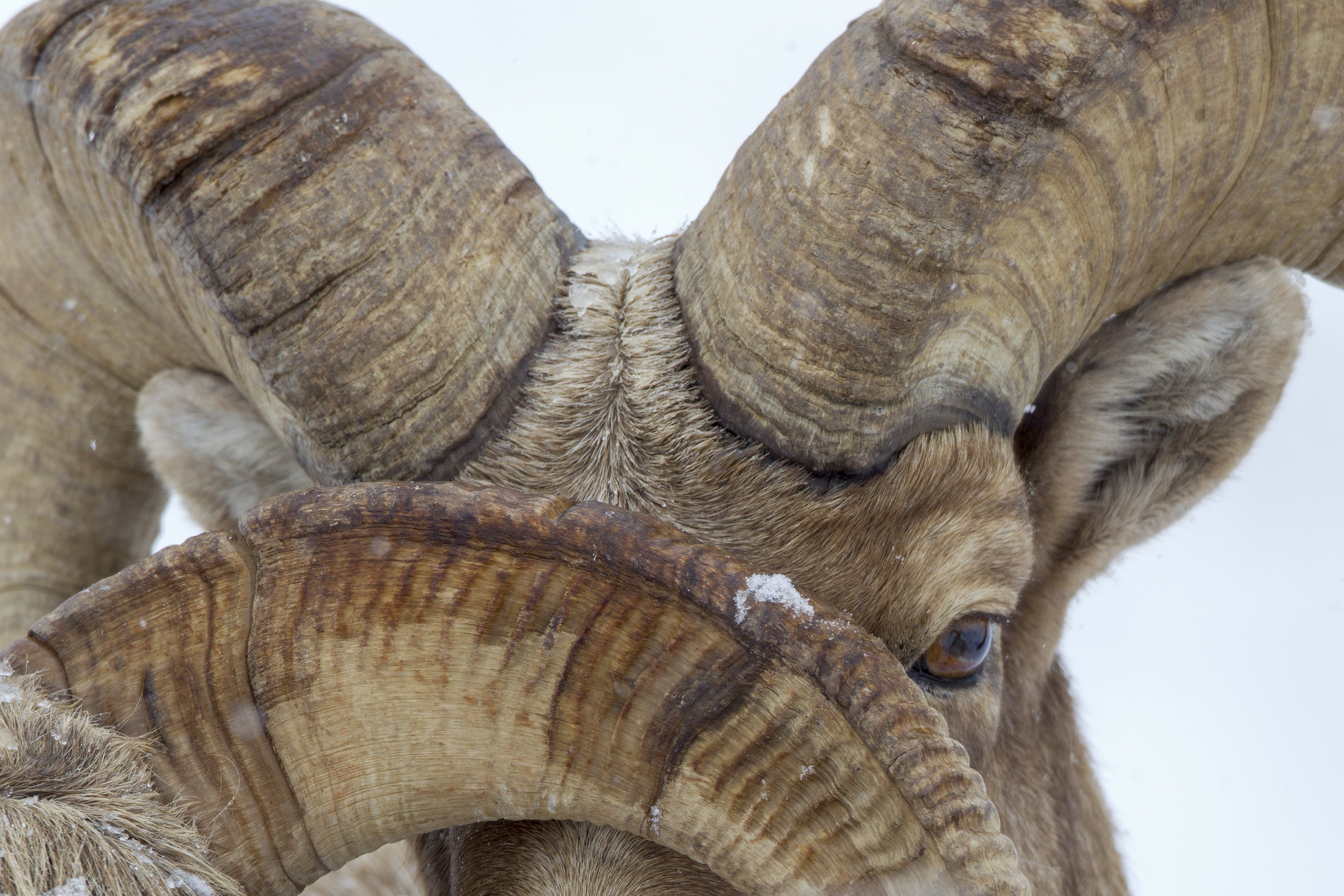
What draws me to bighorn sheep is how clearly they express the landscapes they come from. They are not animals that simply live in mountain environments—they are shaped by them at every level. Horn structure, muscle, footing, social spacing, and escape behavior all reflect a life built around cliffs, exposure, and constant elevation change.
Bighorn sheep belong naturally within the larger story of mammals of North America, but they also connect deeply into wildlife behavior and ecology, because their lives are built around terrain, herd structure, predators, and seasonal pressure.
In places where mountain habitat is still intact, bighorn sheep become one of the clearest living expressions of North American ecosystem function. They are grazers, prey animals, climbers, and indicators of high-country resilience all at once.
To follow bighorn sheep is to follow a mountain logic: terrain → movement → vigilance → survival. That is where this page begins.
Explore Bighorn Sheep — Field Guide Navigation
Follow bighorn sheep through mountain behavior, habitat, diet, herd structure, seasonal movement, and conservation—built from field observation and connected into the larger Naturepedia system.
Core Behavior of Bighorn Sheep
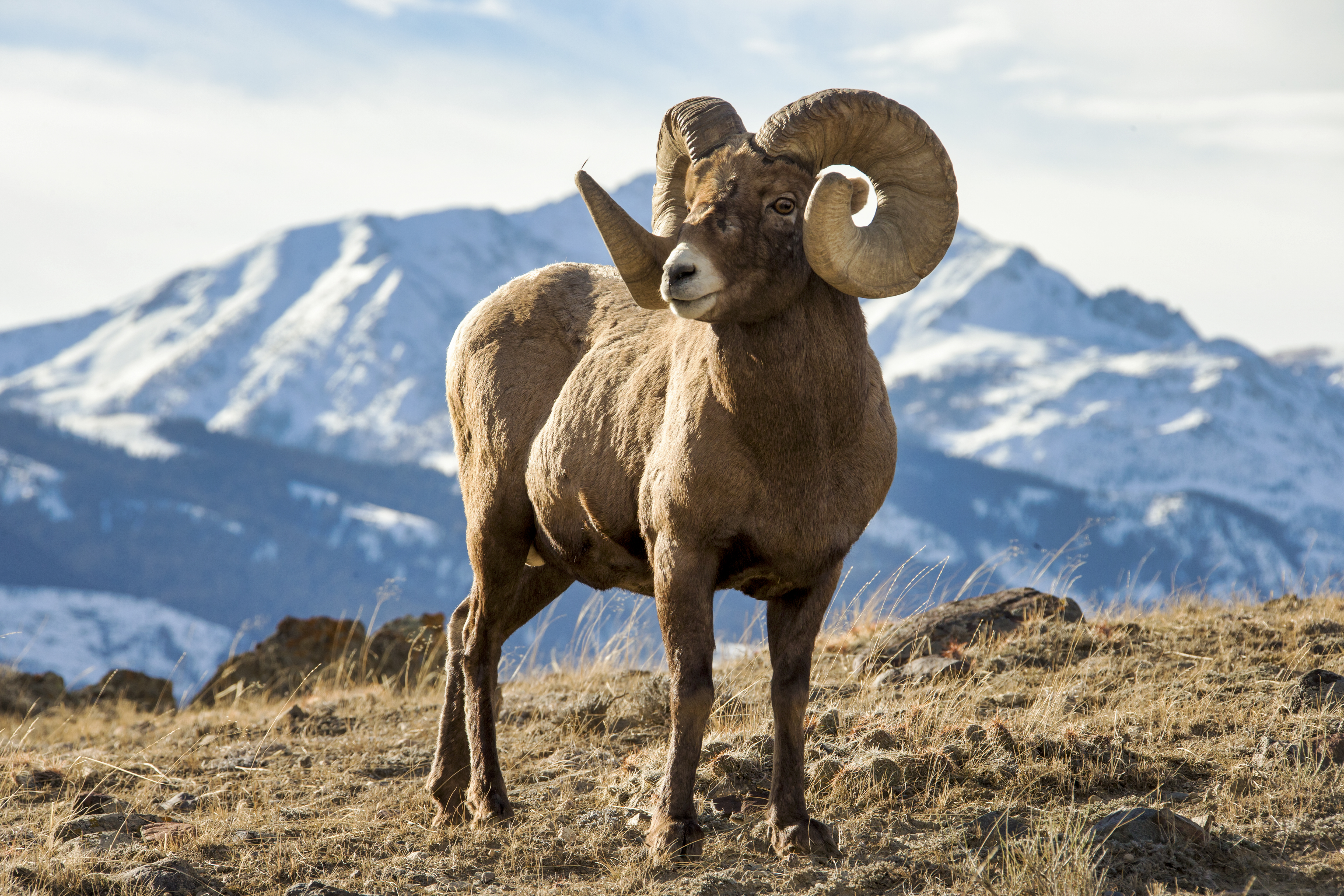
The first thing you notice watching bighorn sheep in the field is how comfortable they are where everything else feels unstable. Steep slopes, broken rock, narrow ledges—terrain that looks difficult to us is where they move with complete confidence. Their behavior is built around that advantage.
Bighorns rely heavily on visibility and positioning. They choose locations where they can see long distances and where predators have limited approach routes. When they move, it’s deliberate—short climbs, careful footing, constant awareness. That combination of movement and stillness is what allows them to survive in exposed environments.
They are also highly social animals. Ewes and lambs form stable groups, while rams often move in separate bands outside of breeding season. Within these groups, spacing, posture, and subtle shifts in position communicate awareness and intent—something that becomes clearer the longer you spend watching them.
This is where bighorn sheep connect directly into wildlife behavior and ecology and the practice of field observation. They are one of the clearest species for understanding how terrain, visibility, and group structure shape behavior in real time.
Everything about their behavior reflects a single principle: stay in terrain where you have the advantage. That’s the core of how bighorn sheep live.
Bighorn Sheep Habitat — Life on the Edge of Terrain
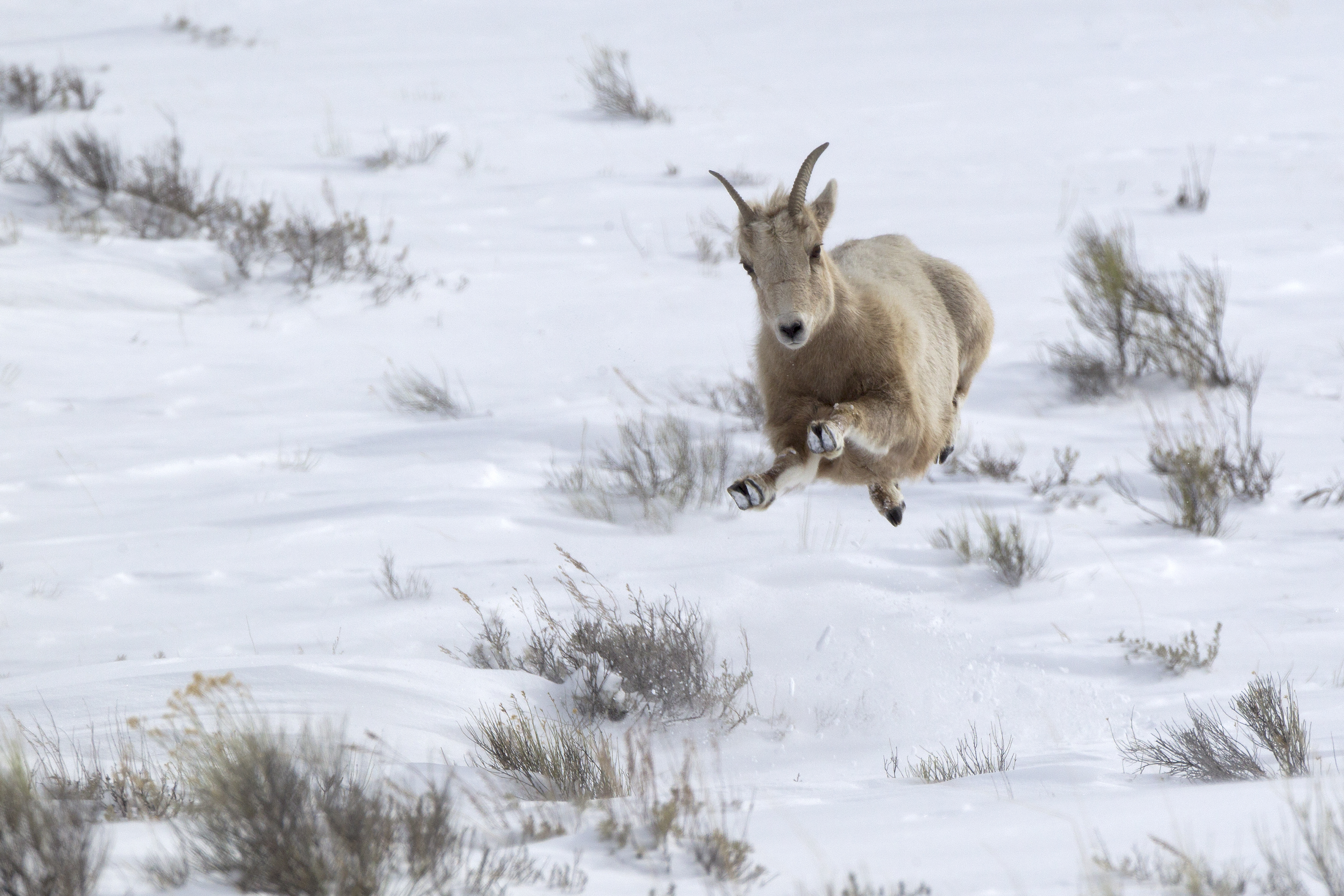
Bighorn sheep live in places where few other large animals can survive. In the field, I almost always find them tied to steep, broken terrain—cliffs, ridgelines, canyon walls, and open slopes where visibility is high and escape routes are immediate. Habitat for bighorns isn’t defined by vegetation first—it’s defined by terrain.
Across North America, their range spans mountain systems and canyon landscapes, from the Rocky Mountains to desert ranges farther south. Rocky Mountain bighorns tend to occupy higher elevation alpine and subalpine zones, while desert-adapted sheep live in more arid, rugged environments. Despite these differences, the requirement stays the same: steep escape terrain paired with nearby forage.
This is why bighorn sheep connect so strongly into ecosystems of North America and habitat zones. They move between feeding areas and escape terrain constantly, linking open grasslands, slopes, and cliff systems into a single functional habitat.
In areas like Grand Teton or across western mountain ranges, I’ve watched bighorns shift elevation depending on season, pressure, and forage availability. Snow depth, temperature, and predator presence all influence where they settle and how long they remain.
Good bighorn habitat isn’t just steep—it’s connected. Access to movement between seasonal ranges and feeding areas is just as important as the terrain itself. Without that connection, even the strongest habitat begins to break down.
Bighorn Sheep Diet — Feeding in Harsh Terrain
Watching bighorn sheep feed is a reminder of how survival is tied to efficiency. In environments where vegetation is sparse and conditions are harsh, they make the most of what’s available—moving steadily across slopes, pausing to graze, then lifting their heads to scan before continuing.
Bighorn sheep are primarily grazers, feeding on grasses, sedges, and forbs when available. In more arid or high-elevation environments, they also browse on shrubs and other hardy vegetation. Their digestive systems are adapted to extract nutrients from dry, fibrous plants—allowing them to survive in places where food quality is often limited.
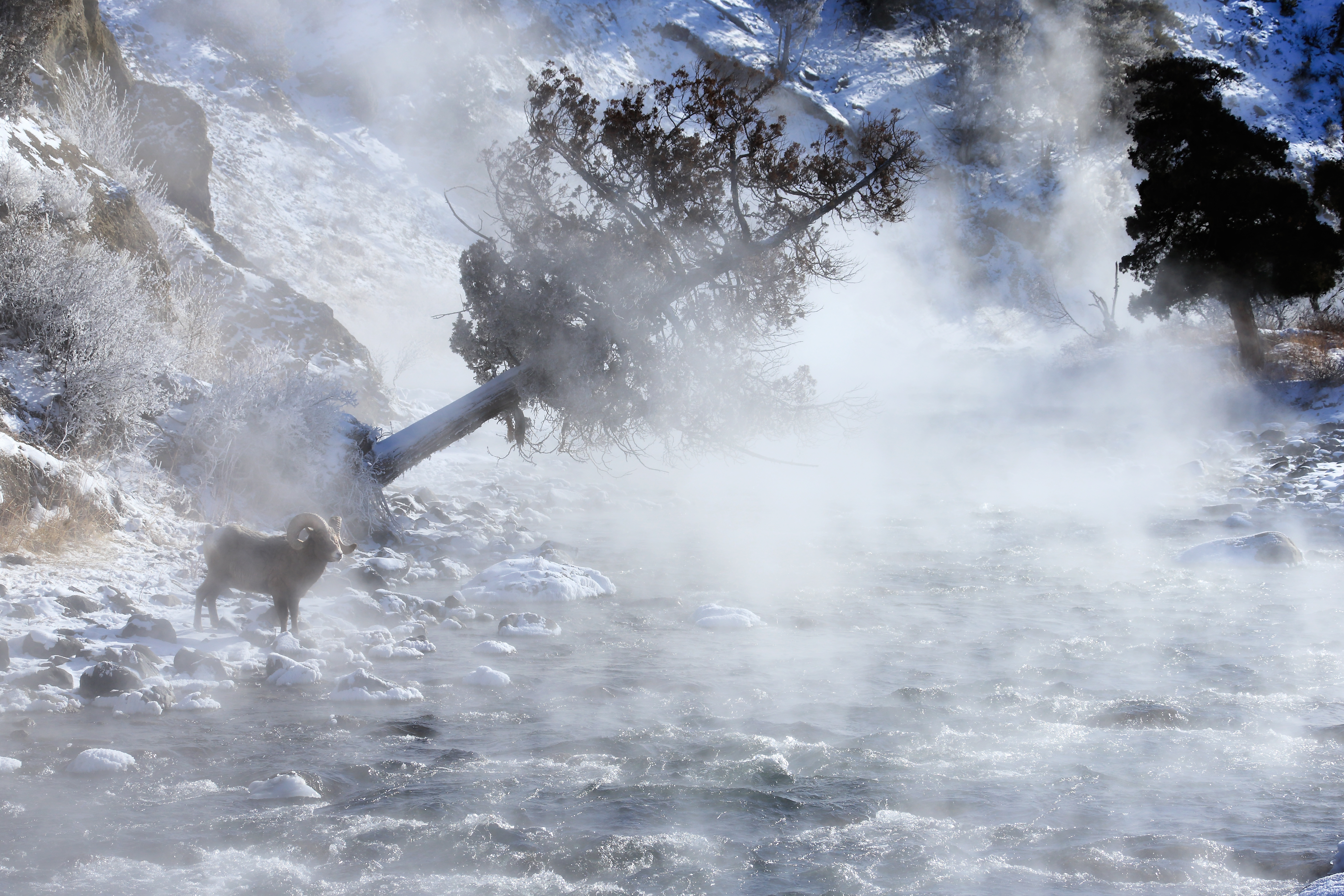
Season plays a major role in diet. Spring and summer bring more abundant and nutrient-rich forage, supporting growth and reproduction. In winter, when snow covers much of the landscape, bighorns rely on exposed vegetation on windswept slopes or descend to lower elevations where feeding is easier.
This feeding pattern connects directly into food webs and ecological relationships and ecosystem balance. Their grazing influences plant communities, while their presence supports predators that rely on them as prey.
Diet, for bighorn sheep, is not just about feeding—it’s part of how mountain ecosystems stay in balance, even in the most rugged conditions.
The Bighorn Sheep Life Cycle — Growth in Vertical Terrain
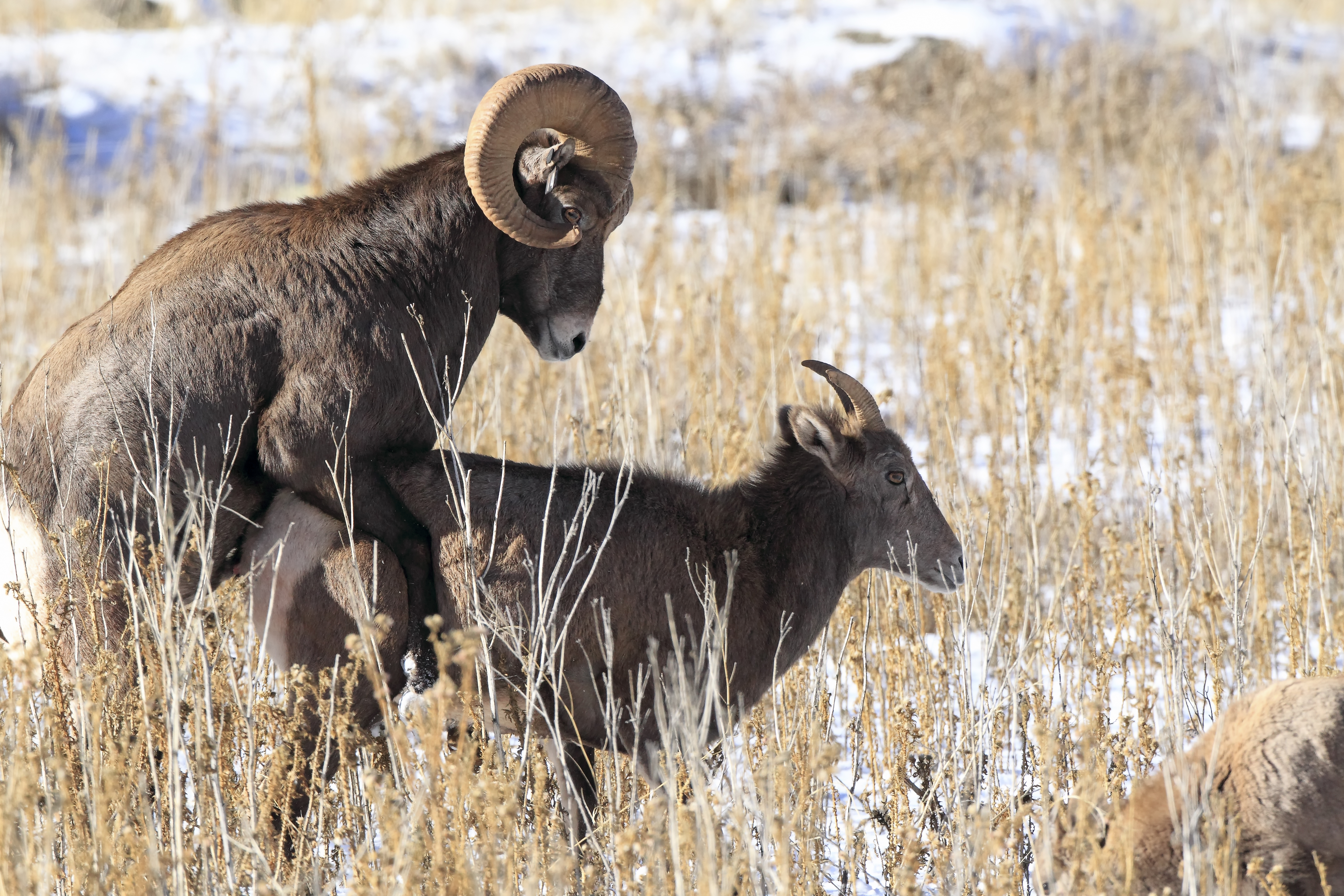
The life cycle of a bighorn sheep is tightly linked to the seasons and the demands of mountain terrain. What stands out most in the field is how early resilience begins—lambs are born into steep landscapes where footing, awareness, and movement are learned almost immediately.
Lambing typically occurs in late spring, when temperatures are milder and forage is improving. Ewes choose steep, rugged areas that offer protection from predators, and within hours of birth, lambs are able to stand and begin moving. Within days, they are navigating slopes that would challenge most animals, staying close to their mothers and learning the terrain step by step.
As they grow, young bighorns begin to integrate into the social structure of the herd. Ewes and lambs remain in stable groups, while young rams eventually move into bachelor bands where they develop strength and experience. Over time, horn growth, body size, and age determine their position within the hierarchy.
This progression ties directly into adaptation and survival and the broader wildlife systems and ecology. Every stage of life is shaped by terrain, predation pressure, and seasonal availability of resources.
From lambs learning balance on cliff edges to mature rams competing for dominance, the bighorn life cycle reflects a single pattern—growth through challenge. Survival here isn’t passive; it’s earned with every step.
Threats to Bighorn Sheep — Where the System Breaks Down
Bighorn sheep are built for harsh terrain, but many of the pressures they face today come from outside the natural systems they evolved within. In the field, the strongest populations are always tied to intact landscapes—places where movement, visibility, and habitat connections are still functioning.
One of the most significant threats is disease, particularly respiratory infections introduced through contact with domestic sheep. These outbreaks can move quickly through herds, causing sharp population declines and long-term recovery challenges. Unlike natural predation, disease can disrupt entire social structures at once.
Habitat fragmentation is another major pressure. Roads, development, and human expansion break apart the connected terrain that bighorns rely on. When movement corridors are disrupted, sheep lose access to seasonal ranges, feeding areas, and safe escape terrain—reducing their ability to respond to changing conditions.
Climate change adds another layer. Shifts in vegetation, water availability, and seasonal timing can alter where and how bighorn sheep survive. In environments already defined by limited resources, even small changes can have cascading effects.
These challenges connect directly into wildlife conservation and habitat protection. Protecting bighorn sheep means protecting connected terrain, reducing disease transmission, and maintaining the ecological balance that allows mountain systems to function.
Where those systems remain intact, bighorn sheep continue to thrive. Where they break, the effects show quickly.
Conservation of Bighorn Sheep — Restoring Balance in the Mountains
Bighorn sheep conservation is one of the clearest examples of how wildlife recovery depends on restoring entire systems—not just protecting a species in isolation. In the field, the strongest herds are always tied to landscapes where movement, habitat, and seasonal patterns are still intact.
Across North America, conservation efforts have focused on habitat restoration, population monitoring, and reducing disease transmission from domestic livestock. In some regions, reintroduction programs have successfully brought bighorn sheep back to areas where they had disappeared, rebuilding populations that were once in decline.
Protecting migration corridors and maintaining connected terrain is central to these efforts. Without access to seasonal ranges, even stable populations can begin to decline. Conservation today is less about isolated protection and more about preserving the flow between habitats.
This is why bighorn sheep are deeply connected to wildlife conservation and habitat systems and broader ecosystem balance. Protecting them helps protect the integrity of entire mountain environments.
When conservation works, it’s visible. Herds expand, movement patterns return, and the landscape begins to feel connected again. Bighorn sheep don’t just survive in these conditions—they define what a functioning mountain system looks like.
Seasonal Patterns — Movement Across Elevation and Time
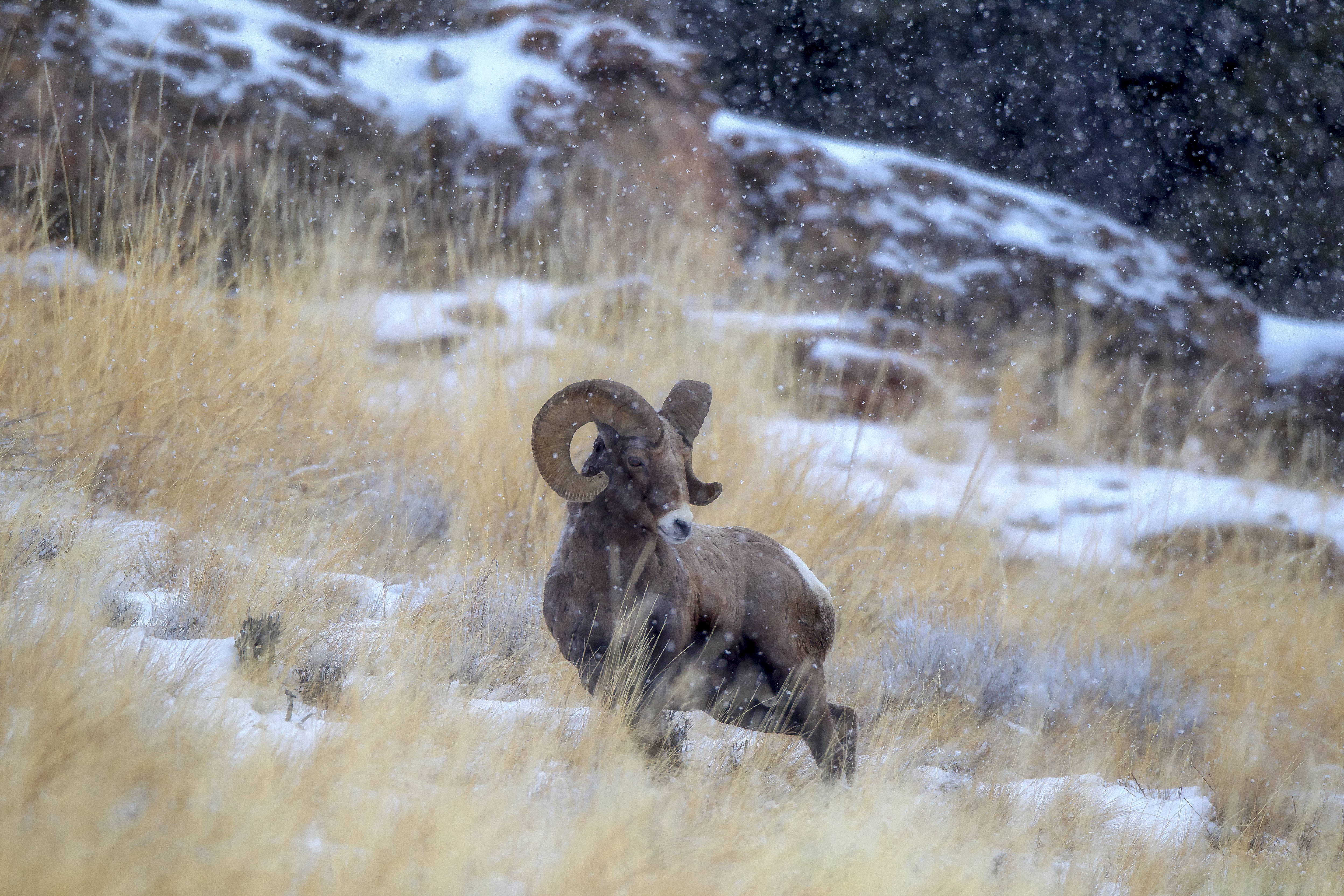
Bighorn sheep don’t migrate across vast distances like elk, but they move constantly within elevation. In the field, this is one of the clearest patterns to observe—small shifts up or down slope that follow changes in snow, temperature, and forage.
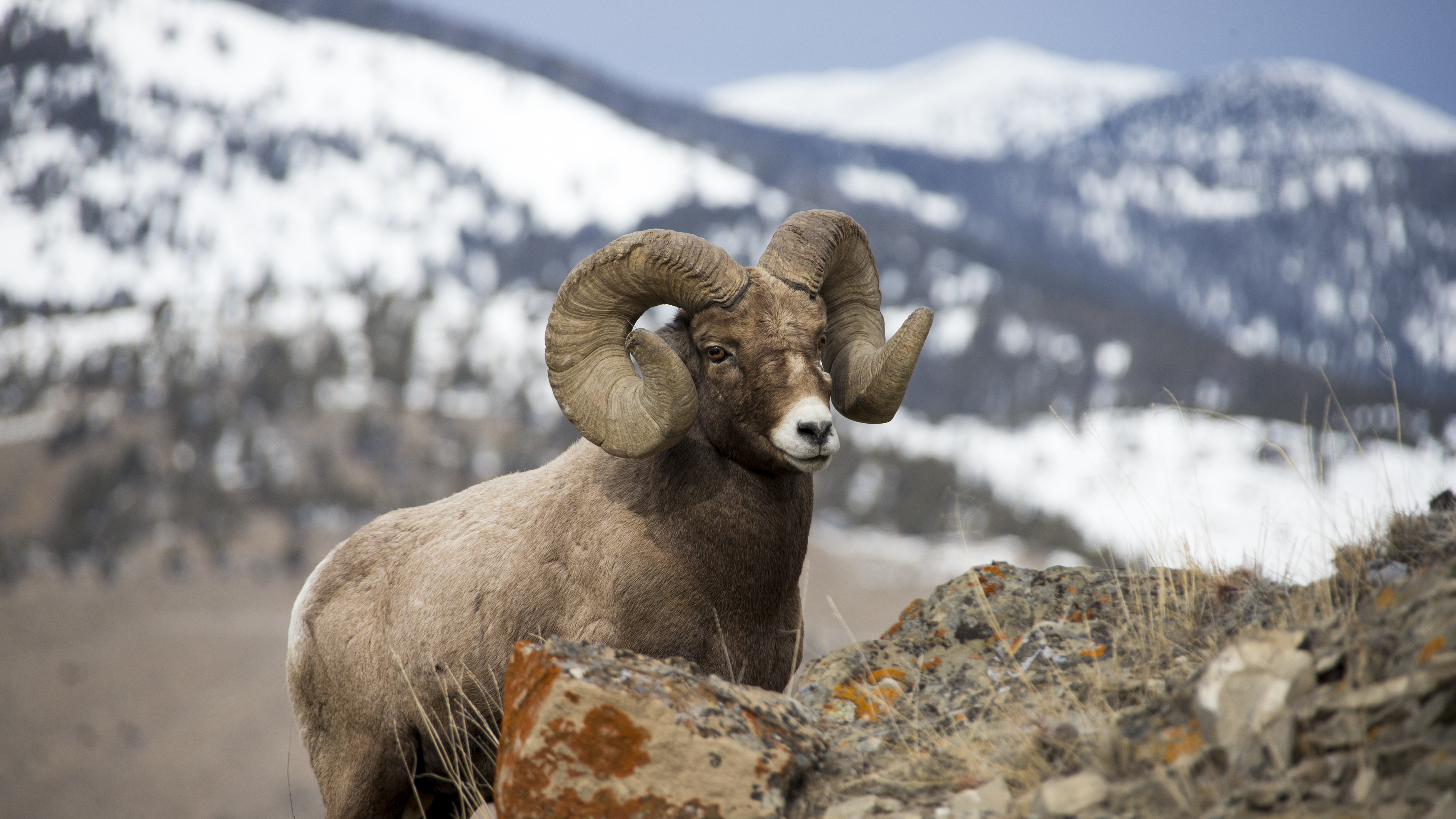
In spring and summer, bighorns tend to move higher, following emerging vegetation and using cooler temperatures to their advantage. These higher elevations provide access to fresh forage and open terrain where visibility remains strong. Lambing season also aligns with these conditions, offering both food and protection.
As winter approaches, they shift downward, seeking areas where snow is lighter and forage is more accessible. South-facing slopes, wind-exposed ridges, and lower elevation terrain become critical. Movement is not random—it’s a response to energy conservation and survival.
These patterns connect directly into wildlife migration and seasonal patterns and tools like the seasonal wildlife calendar. Even without long-distance migration, timing remains critical—linked to vegetation cycles, snowpack, and terrain conditions.
Seasonal movement in bighorn sheep is about efficiency. They don’t travel far—but they move exactly where they need to be. Elevation becomes their version of migration, and timing becomes their advantage.
Naturepedia Connection — Bighorn Sheep in the Mountain System
Bighorn sheep are one of the clearest examples of how species, terrain, and behavior are connected into a single system. Everything about them—movement, diet, social structure, and survival—is shaped by elevation, visibility, and access to rugged terrain.
Within the Naturepedia system, bighorn sheep connect directly into mammals of North America, behavior and ecology, ecosystems, and conservation.
Following bighorn sheep reveals a clear system flow: terrain → visibility → movement → survival. That structure is what defines mountain ecosystems and explains how species persist in extreme environments.
They also act as indicators of ecosystem health. When bighorn sheep populations are stable and moving naturally, it usually means that habitat connectivity, predator balance, and forage systems are still functioning.
To understand bighorn sheep is to understand how mountain systems work. Their presence is not just part of the landscape—it is a reflection of whether that landscape is still intact.
To explore deeper, continue into Naturepedia and follow how species connect across behavior, habitat, and ecological systems.
Frequently Asked Questions About Bighorn Sheep
What is the difference between Rocky Mountain bighorn sheep and desert bighorn sheep?
Rocky Mountain bighorn sheep are generally associated with higher elevation alpine and subalpine terrain, while desert bighorn sheep live in drier canyon and desert mountain systems. Both are adapted to steep escape terrain, but they differ in body size, habitat conditions, and the environments they navigate.
What do bighorn sheep eat?
Bighorn sheep primarily eat grasses, sedges, forbs, and other available mountain vegetation. In harsher conditions, they also browse on shrubs and hardy plants that can survive in rocky or dry terrain.
Why do bighorn sheep live on steep cliffs and rocky slopes?
Steep terrain gives bighorn sheep a survival advantage. Their specialized hooves, balance, and agility allow them to escape predators by moving through cliffs and slopes that are difficult for other animals to follow.
When is the best time to observe bighorn sheep?
Early morning and late afternoon are often the best times to observe bighorn sheep. Seasonal timing also matters, especially during the rut and during periods when herds shift elevation in response to snow and forage conditions.
What are the biggest threats to bighorn sheep?
Major threats include respiratory disease from contact with domestic sheep, habitat fragmentation, reduced movement corridors, and climate-related changes to forage and water availability.
Why are bighorn sheep important to mountain ecosystems?
Bighorn sheep help shape plant communities through grazing, serve as prey within mountain food webs, and reflect the health of connected mountain habitat. Their presence often indicates that terrain, forage, and ecological relationships are still functioning together.

About Robbie George
I’m Robbie George, a National Geographic–published wildlife photographer. My work is built through repeated time in the field—returning to landscapes across seasons to understand how animals move through terrain, respond to pressure, and live within the systems that shape them.
Bighorn sheep are one of the clearest species I’ve encountered for understanding terrain-driven behavior. To photograph them well, you have to read elevation, slope, visibility, and escape routes—because that’s exactly what they’re doing. Everything about their movement is tied to the structure of the mountain itself. That perspective directly informs how I build the Naturepedia Wildlife Knowledge System.
You can explore more field-based work in the Wildlife Gallery, or plan your own time in the field using tools like the Seasonal Wildlife Calendar and Photography Maps.
“The mountain teaches you quickly—either you read the terrain, or you don’t last long in it.”





Social Behavior — Structure, Hierarchy, and the Sound of the Mountains
Bighorn sheep live within a clear and structured social system, one that becomes most visible when you spend time watching how groups form, move, and respond to pressure. Ewes and lambs stay together in tight, coordinated groups, while rams move separately for much of the year, forming bachelor bands that operate on their own rhythm.
Within these groups, hierarchy is always present. It’s expressed through posture, spacing, and subtle behavioral cues long before it becomes physical. Older, more experienced animals often hold preferred positions, influencing movement and access to resources. This structure keeps the herd organized, especially in terrain where quick, coordinated responses are critical.
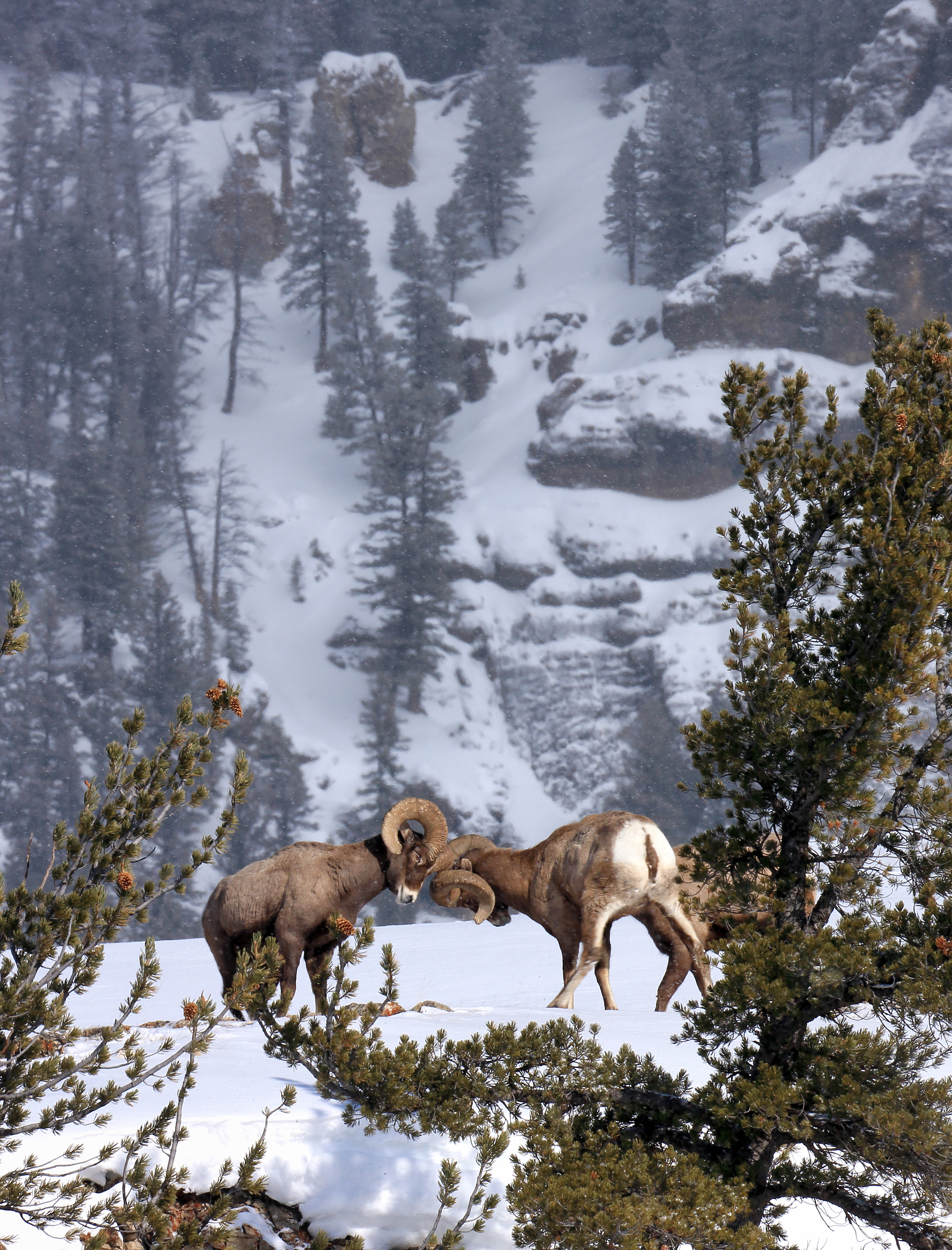
During the rut, that hierarchy becomes impossible to miss. Rams engage in ritualized headbutting contests—charging, colliding, and testing strength in a series of controlled battles. The sound carries across canyons, echoing through the landscape. These encounters determine dominance and breeding access, but they are rarely chaotic. They follow patterns, spacing, and rules that have been shaped over generations.
This behavior connects directly into behavioral ecology, where social structure, competition, and environment interact. Even in these intense moments, bighorn sheep are still responding to terrain, visibility, and risk.
What stands out most is how organized it all is. From quiet herd movement to the force of rams colliding, bighorn social behavior is not random—it’s structured, deliberate, and shaped by the demands of mountain life.