


Mastering the Art of Light in Landscape Photography: Capturing Nature's Beauty by Robbie George.
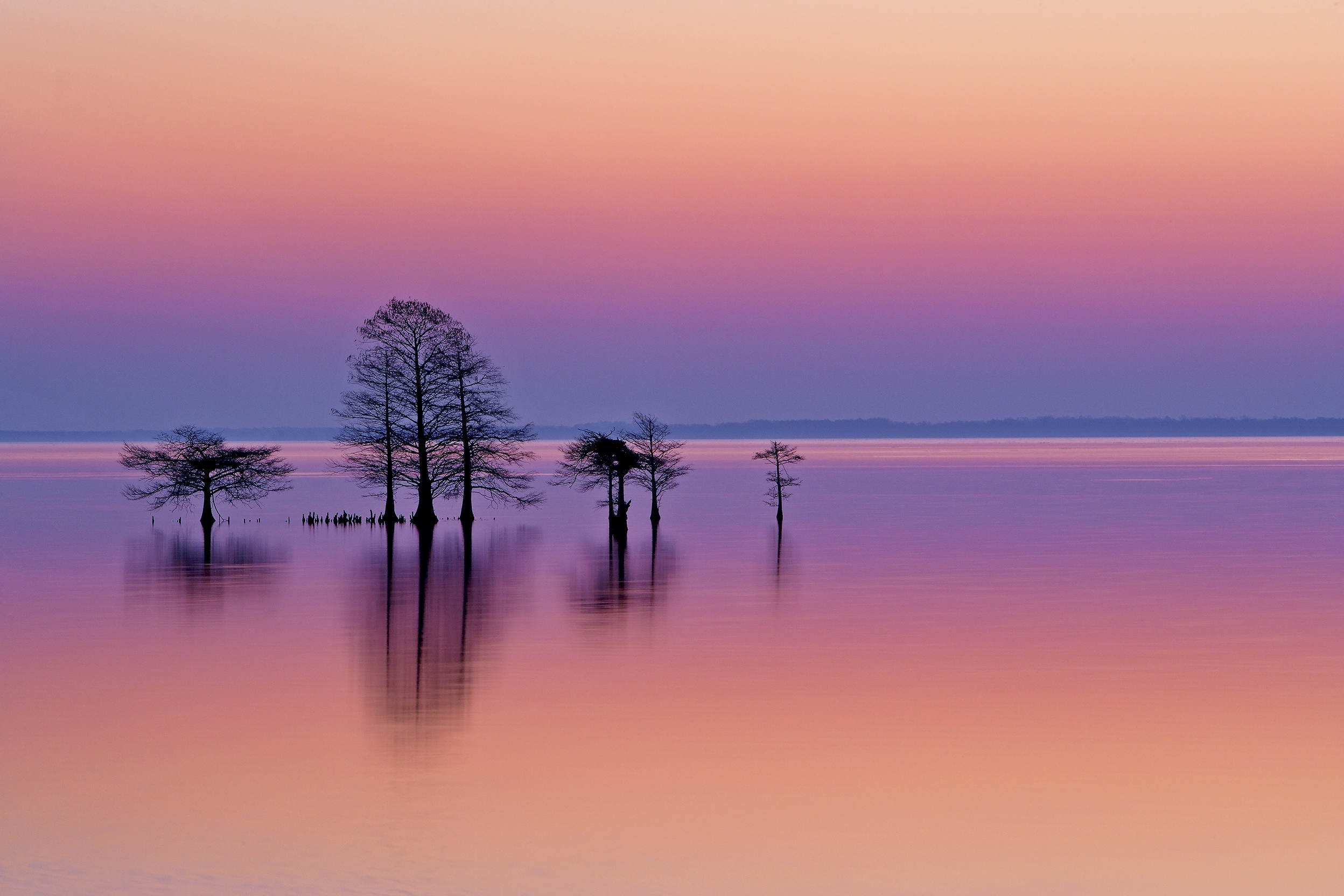
The Art of Light: A Journey Through Landscape Photography with Robbie George
Light has always been my compass. It’s what pulls me into the field before dawn and what keeps me lingering long after sunset. In the practice of landscape photography, light is not simply an element—it’s the protagonist of every frame. Through the way it dances across water, filters through fog, or ignites a hillside ablaze with autumn, light invites us to see nature not just as scenery, but as spirit.
My journey with the camera began not in search of the perfect shot, but with a longing to understand the subtle rhythms of the Earth. Over time, I learned that light is a sacred language—a frequency spoken by the landscape itself. The more I listen, the more I find myself aligned with nature’s quiet poetry, its whispers of harmony and memory. This is where the story begins: at the edge of stillness, where the sun rises not just over the land, but within us.
As you join me in this unfolding visual journal, I invite you to look beyond pixels and prints. Let this be a journey of resonance. Let it stir the part of you that remembers what it means to capture nature’s beauty not just through a lens, but through presence, patience, and reverence.
“Light is the spirit’s handwriting across the landscape—revealing, concealing, and always reminding us that nature is the original artist.” ~ Robbie George
Mastering Advanced Techniques in Landscape Photography
Light doesn’t just illuminate the scene—it reveals its soul. That’s why mastering the technical aspects of nature photography is a form of reverence. The deeper your relationship with the mechanics of your craft, the more fluent you become in the language of the land.
Two techniques have helped me translate the quiet movement of Earth into lasting imagery: long exposure photography and HDR (High Dynamic Range) photography. These tools, when used mindfully, allow us to see more than meets the eye—to extend time, balance extremes, and find harmony in contrast.
Long exposure slows the breath of the world, turning motion into meditation. HDR balances the sacred dance between shadow and illumination. Together, they open the veil between what we normally perceive and what nature is quietly offering underneath the surface.
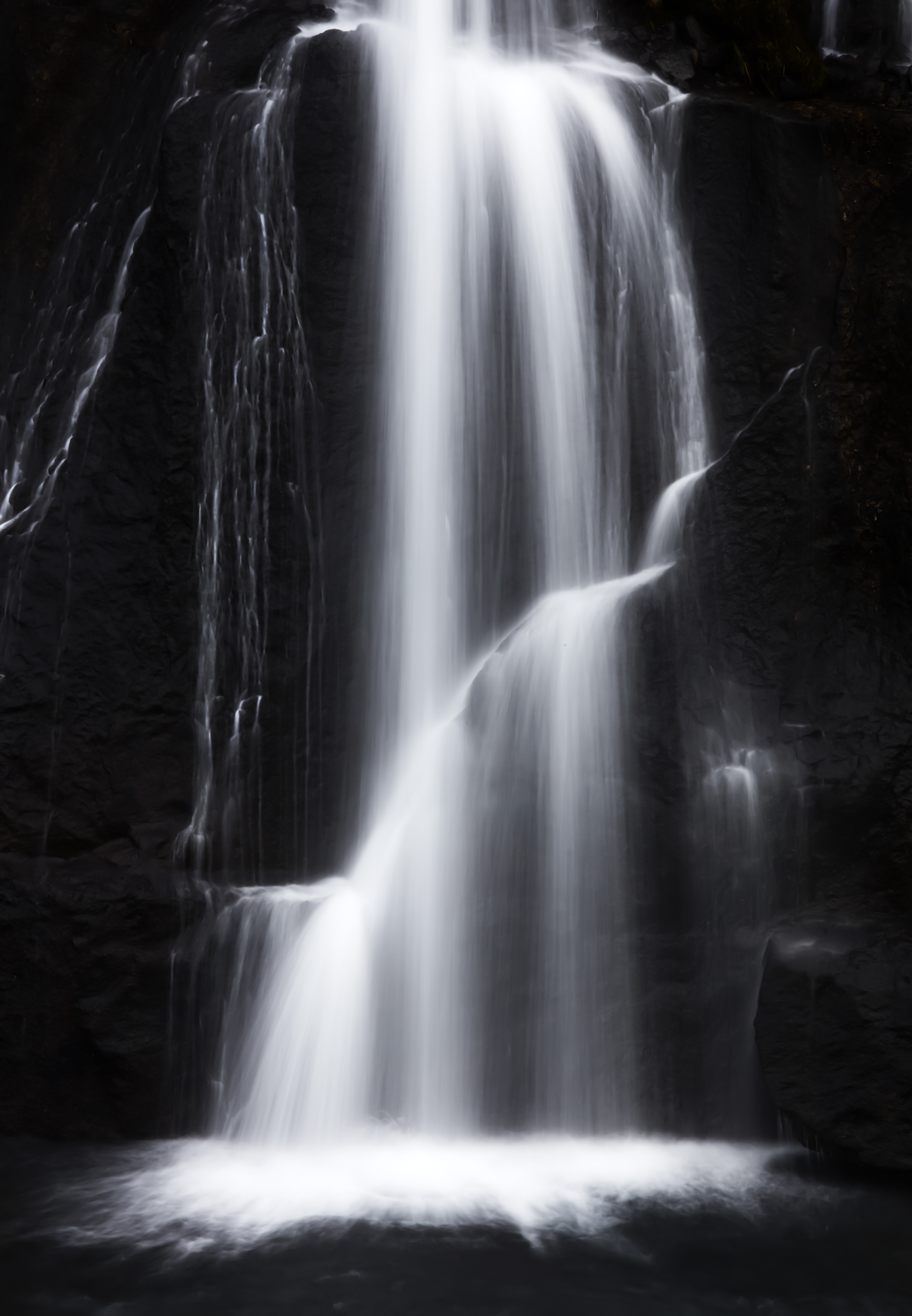
In these techniques, I’ve found a mirror of the natural world’s rhythm—its stillness, its flow, its contrasts. They are not shortcuts to dramatic results, but extensions of vision. They invite us to wait. To breathe. To trust that nature, given time, always reveals her most poetic self.
Long Exposure Photography: Capturing Time and Movement
In a world obsessed with speed, long exposure invites us to slow down—to witness what the hurried eye cannot see. A waterfall becomes a veil of silk. Clouds stretch like breath across the sky. A star's trail etches the memory of the cosmos into the present moment. This is where landscape photography becomes time sculpture—where the image reveals a rhythm the soul already knows.
At its core, long exposure photography is about surrendering to nature’s pace. I’ve stood for hours beside a river or cliff, waiting for the light, watching the wind, and listening to the hush that only comes when time slows down. These moments aren’t wasted—they’re essential. They are the still spaces where beauty reveals itself.
Techniques I use to capture nature’s slow breath:
- Use a sturdy tripod: Even the gentlest breeze can distort a long exposure. Stillness is your ally.
- Employ a Neutral Density (ND) filter: Especially during the day, this lets you extend exposure time without overexposing the image. Learn more.
- Start with shutter speeds of 1–5 seconds: Flowing water transforms at different intervals. Longer exposures (30 sec to minutes) reveal motion in clouds and celestial light.
- Use a remote shutter release: Avoid vibration and open the door to greater clarity.
- Post-process gently: I use Adobe Lightroom to refine what nature already gave me—never to replace it.
Long exposure is not just about technique—it’s about tuning into the slow pulse of Earth. It teaches us that beauty isn’t always in the instant. Sometimes, it’s in the unfolding. Sometimes, it’s in the wait. And when we’re quiet enough to listen, nature sings back in light.
HDR Photography: Balancing Light and Shadow
There are times when a single exposure cannot hold all that a moment offers—the brilliance of the sky, the whisper of shadows in a canyon, the glowing warmth of a riverbank at dusk. This is where HDR photography becomes a bridge between extremes, allowing us to reveal the full spectrum of emotion hidden in the landscape.
Rather than forcing the eye to choose between dark and light, HDR invites us to embrace both. It honors the sky without sacrificing the earth. It tells the truth of contrast—not by eliminating it, but by weaving it into harmony. I’ve often stood at the edge of a scene thinking, “There’s more here than the sensor can see.” That’s when HDR becomes a spiritual tool as much as a technical one.
To create an HDR image that feels natural and alive:
- Bracket your exposures: Take three or more shots of the same scene—underexposed, correctly exposed, and overexposed. This captures the full dynamic range.
- Stabilize your setup: Use a tripod and shutter release to ensure perfect alignment across frames.
- Edit with subtlety: Use Adobe Lightroom or Photomatix to merge exposures. Don’t push it—let the story unfold naturally.
- Preserve the mood: Allow shadows to linger if they serve the emotion of the image. HDR is a dialogue, not domination.
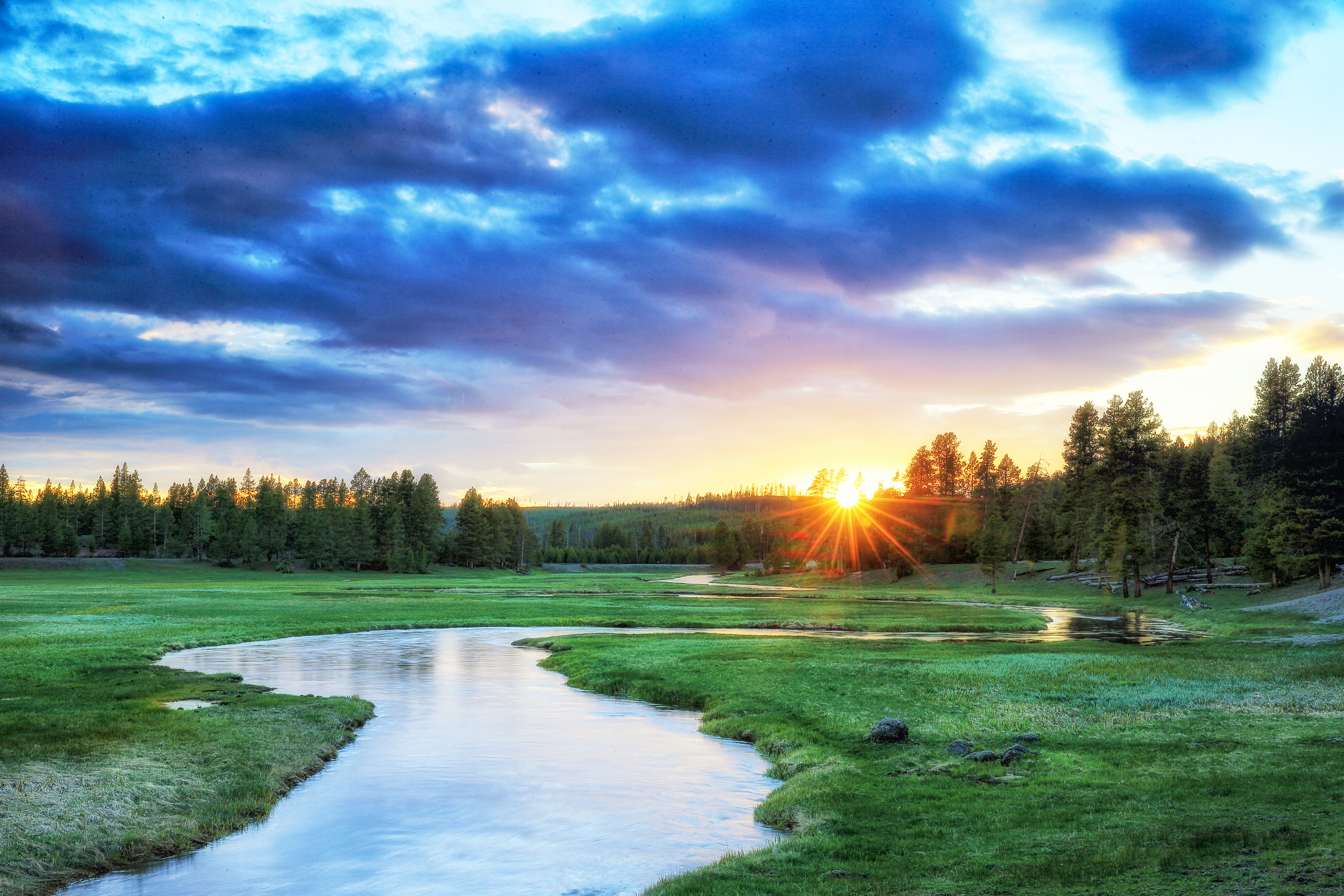
HDR, to me, is not about pushing pixels—it’s about capturing presence. It’s the spiritual discipline of honoring every nuance of light. In the wild, we are asked to see both the brilliance and the shadow. Through HDR photography, we accept the invitation and reflect the full truth of the moment.
Using Filters: Controlling Light and Enhancing Detail
In the field, light is both your collaborator and your challenge. Filters act like musical instruments that tune the tones of the Earth, clarifying the sky, softening the water, and deepening the soul of a scene. They don’t just control light—they refine it. Through filters, we speak the language of clarity.
There are two types of filters I rely on most when composing landscape photographs: polarizing filters and neutral density (ND) filters. Each one shapes light differently—either by reducing glare or by slowing time itself. Knowing when to use which is key to elevating a good image into a resonant one.
Polarizing Filters: Purifying Reflection and Color
- Eliminate glare: Use polarizers to cut reflections on water, wet rocks, or glassy leaves.
- Enhance color: Rotate the filter to bring depth to skies and vividness to foliage.
- Reduce haze: Ideal for mountain vistas or coastal horizons, bringing distant details into focus.
ND Filters: Slowing the Shutter, Capturing Flow
- Control exposure: ND filters darken the scene, letting you use slower shutter speeds even in bright daylight.
- Create motion: They allow flowing rivers to blur and clouds to streak, turning chaos into visual poetry.
- Work in layers: Combine ND filters with HDR or long exposure for nuanced results full of feeling.
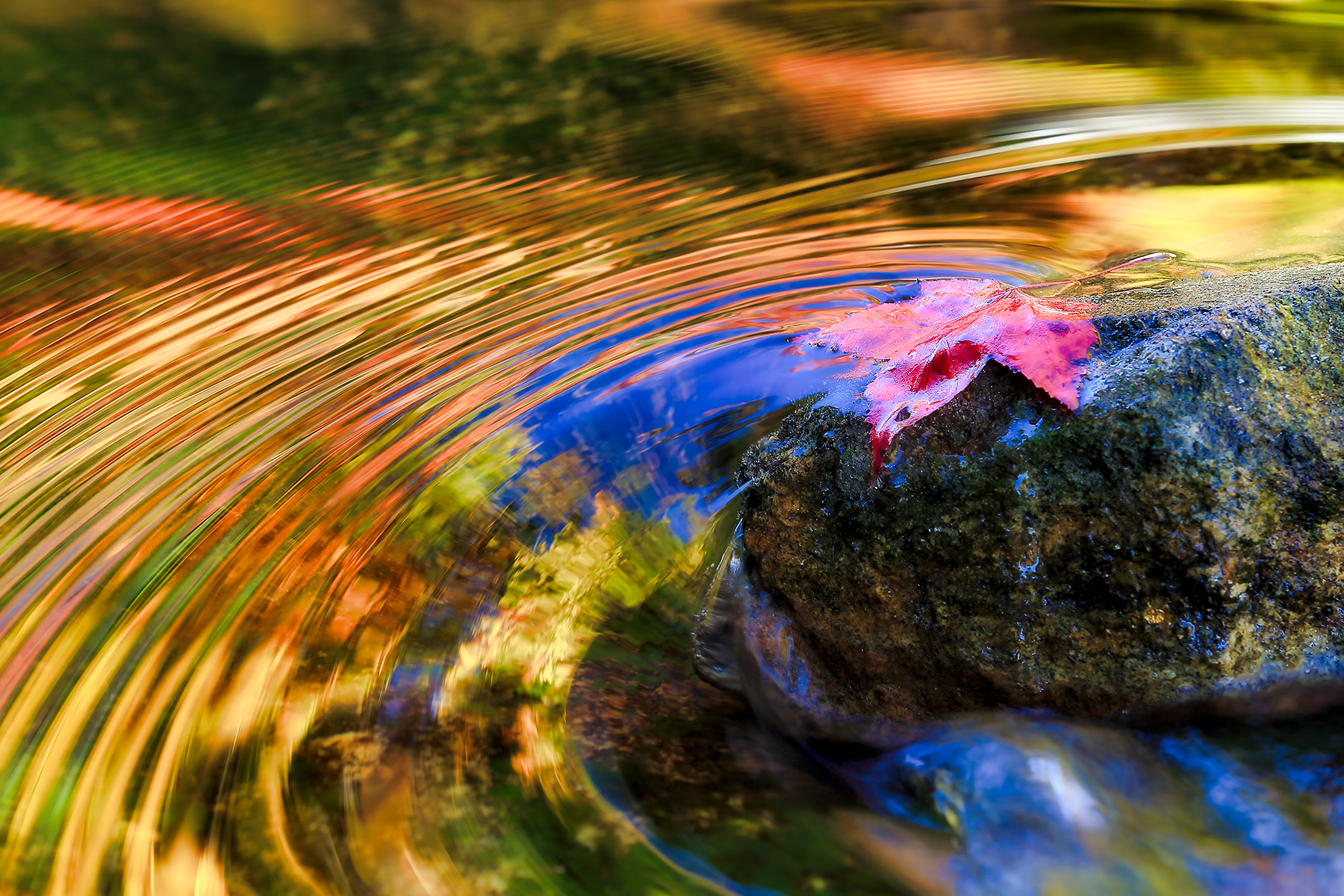
Every filter I use is a conscious choice—an alignment of mood, light, and message. Whether I’m calming a reflective lake or softening the harsh light on autumn leaves, filters help me listen to what the landscape is asking to become. It’s not about imposing control—it’s about honoring the truth already present in the light.
The Role of Color in Landscape Photography
Color is the unspoken language of the landscape. It’s what moves the heart before the mind has a chance to interpret. Whether we’re witnessing the gentle blues of a twilight lake or the bold oranges of a desert sunrise, each hue tells a story. In my photography, color is never an afterthought—it’s a sacred cue from the Earth itself.
Knowing how to read the color palette of nature—how it shifts with time, season, and weather—is essential. It’s not just about capturing what you see. It’s about translating how it felt to stand there. That’s why color plays such a vital role in my landscape photography.
Cool Colors: Calm and Serenity
Blues and greens are nature’s lullabies. Found in misty forests, alpine lakes, and early dawn reflections, these cooler tones evoke a deep sense of peace and introspection. I often seek them when I want to portray solitude or renewal—the soft inhale of the wilderness.
- Golden hour shade: Use shaded areas during golden hour to pull out silvery greens and soft blues.
- Overcast skies: Cloudy light enhances subtle cool tones and reduces visual noise.
- Reflections: Cool tones are enhanced when mirrored in calm lakes and rivers.
Warm Colors: Energy and Passion
Warm colors ignite. They pulse with life—sunsets, autumn leaves, golden deserts. These hues stir awe, joy, and reverence. During my shoots in places like Acadia or the Southwest, I wait for that moment when light sets the horizon ablaze. It’s not just a photograph—it’s a heartbeat.
- Sunrise and sunset: Prime times for rich reds, burnt oranges, and golds that cast drama and warmth.
- Foreground contrast: Balance warm skies with darker landforms or cooler elements to add tension and harmony.
- Use of fall foliage: Trees in transformation are some of nature’s boldest color storytellers.
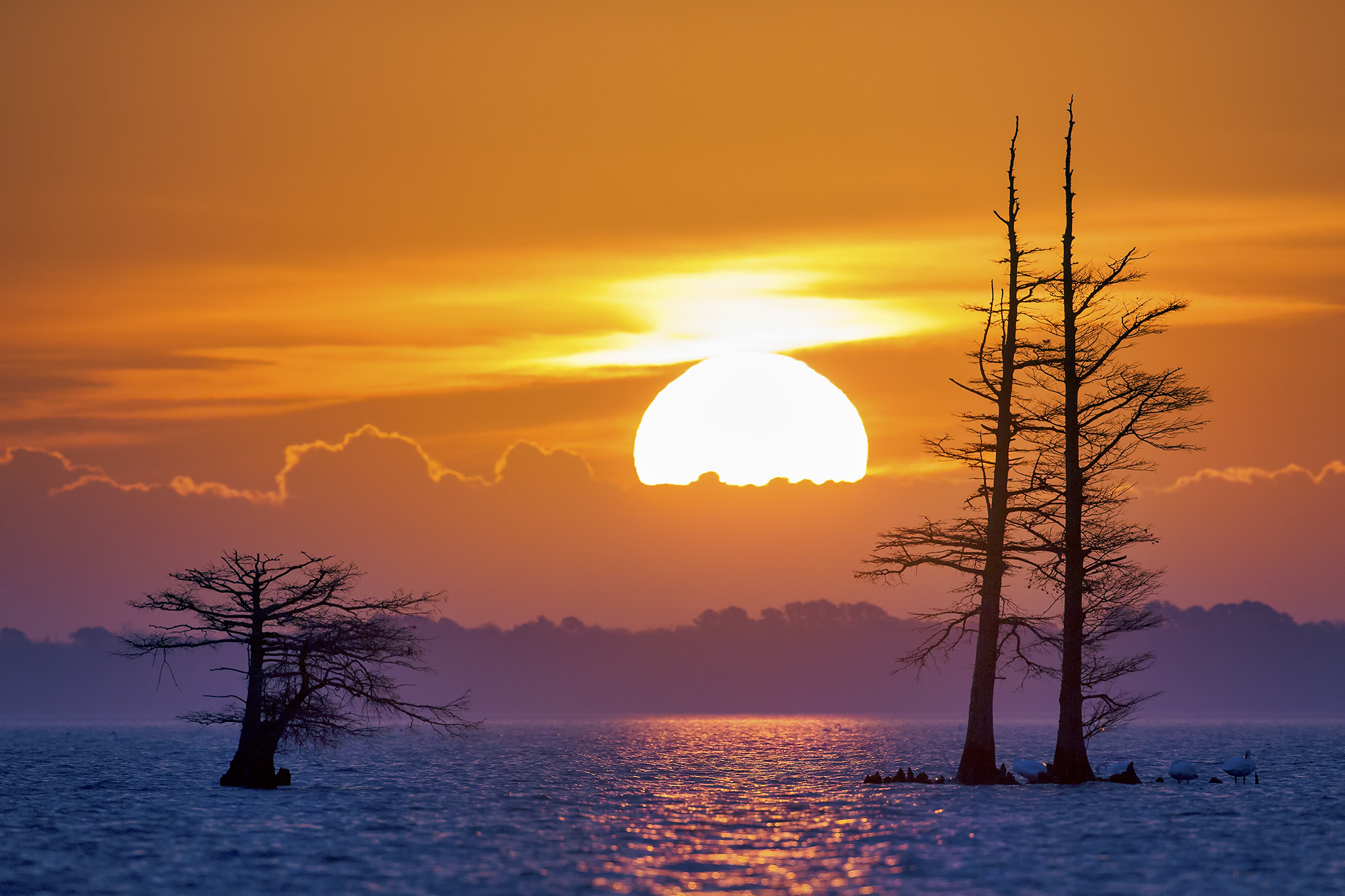
Color is memory. It’s vibration. It’s the atmosphere of a moment sealed into light. I invite viewers not just to see a photograph, but to feel the color palette within their body—just as I did when I stood there. Because when color harmonizes with light, the landscape becomes a living song.
The Emotional Language of Landscape Photography
Photography isn’t just about light and lenses—it’s about emotion. It’s about feeling the soul of a place, then finding the patience and perspective to translate it into an image. Landscape photography is my way of composing a love letter to the Earth. Each image is a line of poetry written in sunlight and shadow.
The terrain may be quiet, but its emotional current runs deep. Through light, composition, and timing, we as photographers channel the emotional resonance of the land. The art of landscape photography is not just visual—it’s visceral.
Using Light to Evoke Emotion
Light is emotional intelligence in motion. The soft glow of morning light speaks of renewal, while golden hour carries nostalgia and peace. Harsh midday light may lend strength or drama. In every scene, I ask myself: What emotion is the light offering me? And how do I honor it?
- Golden hour: Ideal for calm, contemplative moods—perfect for seascapes and still forests.
- Backlighting: Use to capture silhouettes or lens flare that adds warmth and soul to a scene.
- Stormlight: Embrace contrast and intensity—these moments deliver raw emotion and awe.
Composing with Feeling
Composition isn’t just geometry—it’s feeling. When I frame a shot, I’m thinking about how the viewer will travel through it. Am I guiding them to serenity? To wonder? To a sense of belonging? The emotional arc begins with how the eye enters, lingers, and leaves the image.
- Leading lines: Guide the heart with paths, rivers, and ridgelines—pull the viewer into the journey.
- Negative space: Use emptiness to evoke solitude or spiritual reflection.
- Framing: Natural arches, trees, and shadows can create intimacy and focus.
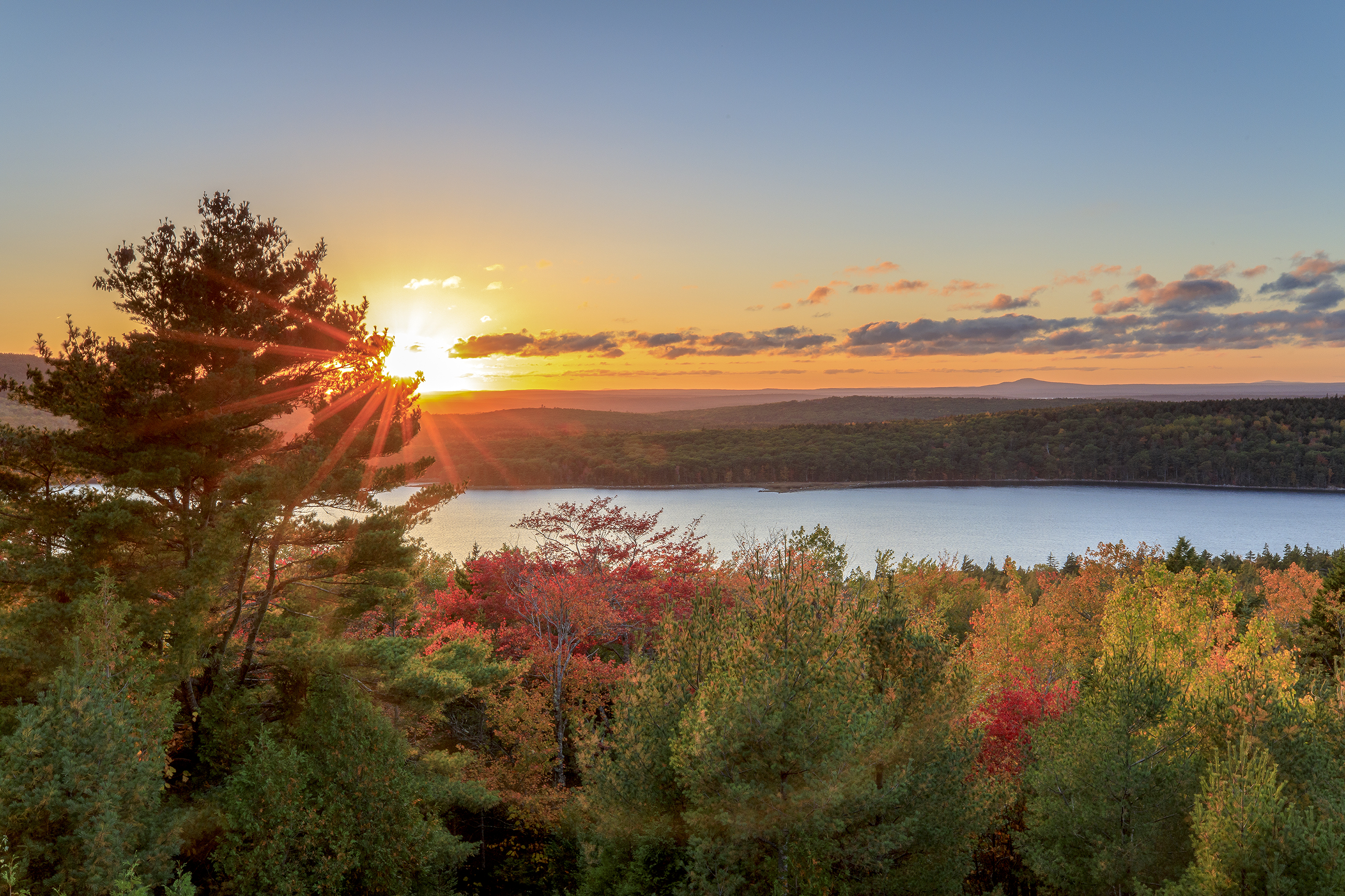
My greatest hope is that someone viewing my work will not just see a place—but feel it. That the warmth of the sun, the cool breath of morning mist, and the gravity of the mountains can somehow be carried through pixels and prints into the heart of another human being. Because in the end, emotion is what lingers long after the light fades.
Mastering Technique and the Art of Seeing
Technique is a compass, but seeing is the soul of photography. Anyone can learn the technical side—apertures, shutter speeds, histograms—but the real magic comes when we see with the heart. That’s when the camera becomes a tuning fork, resonating with the rhythm of nature.
As a nature photographer, I’ve come to understand that the most impactful images emerge not from gear, but from presence. The more time you spend attuning yourself to the land—its sounds, patterns, and subtle changes—the more you begin to anticipate its stories. That’s where mastery lives.
Techniques to Deepen Vision
- Rule of Thirds: Place subjects off-center to let the landscape breathe and invite contemplation.
- Depth of Field: Use wide apertures to isolate, or narrow ones to reveal layers of meaning in the scene.
- Fractal Awareness: Nature follows sacred geometry. Notice how rivers mirror roots, how clouds echo mountains.
- Wait for the Light: Sometimes the best shot is the one that arrives after an hour of silence. Trust it.
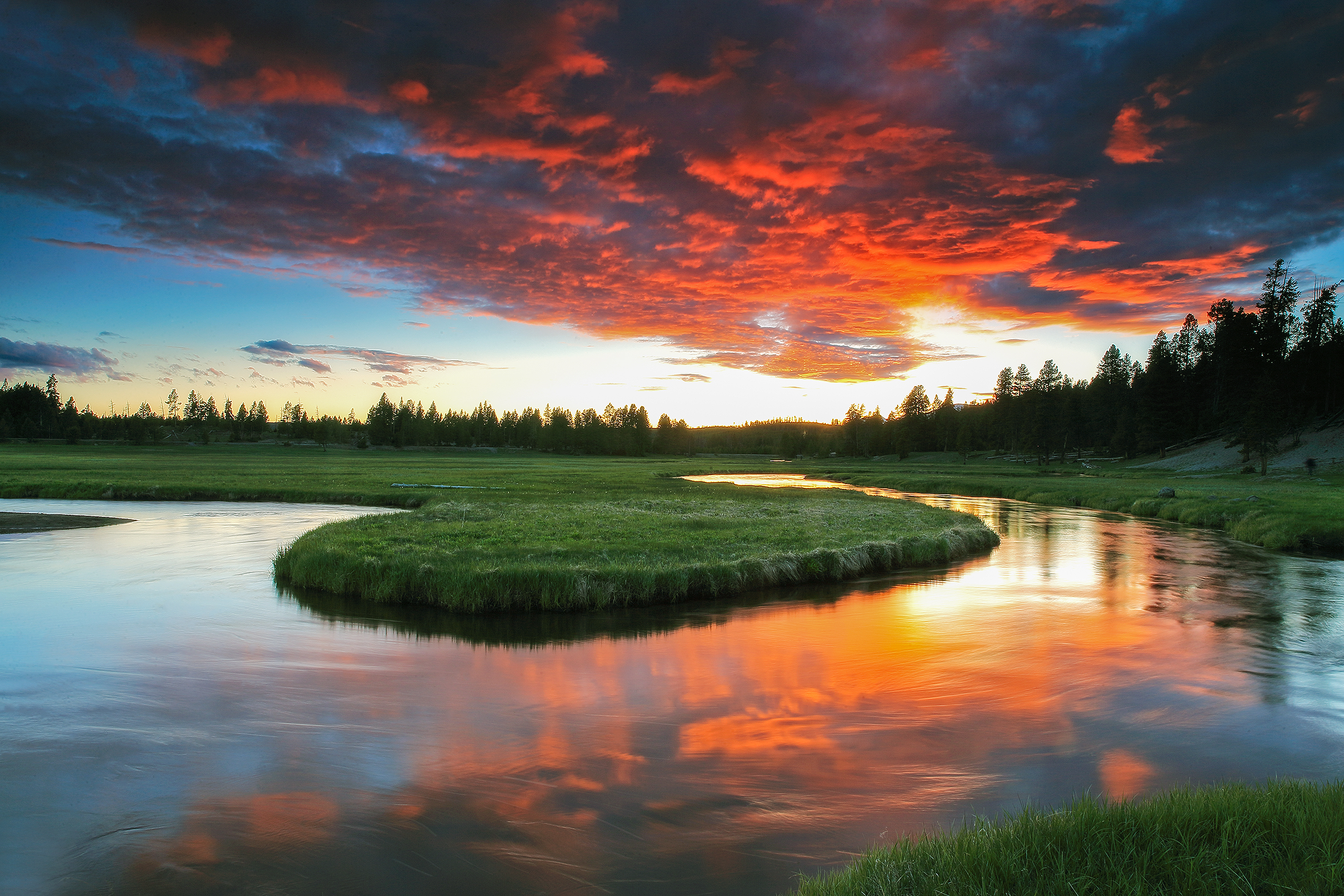
In the quiet practice of “seeing,” the veil between the visible and the sacred grows thin. A photograph becomes more than a visual record—it becomes a mirror of the photographer’s attention, intuition, and reverence. Let the technique be your scaffold, but let presence be your teacher. From there, the art unfolds on its own.
Learning to Read and Anticipate Nature
Nature is always speaking. She whispers in shifting winds, murmurs in the ripple of water, and pauses just before something sacred emerges. To photograph her well, you must first learn her language—not through words, but through resonance and rhythm.
In my journey as a nature photographer, I’ve learned that anticipation is not about prediction—it’s about presence. You watch the clouds gathering behind a ridge. You notice when the birds fall silent. You begin to feel when the light is about to break in just the right way. It’s a quiet intuition born from experience and stillness.
Tools Beyond the Camera
- Weather Awareness: Learn to track fronts and cloud systems. Magic often arrives just before or after a storm.
- Sun Path Tracking: Apps like PhotoPills or The Photographer’s Ephemeris help you understand where light will fall and when.
- Seasonal Patterns: Tune into the yearly rhythms—when rivers swell, when fog lingers, when leaves ignite in autumn fire.
- Stillness: Sometimes, your breath must quiet before the forest reveals herself. Listen more than you shoot.
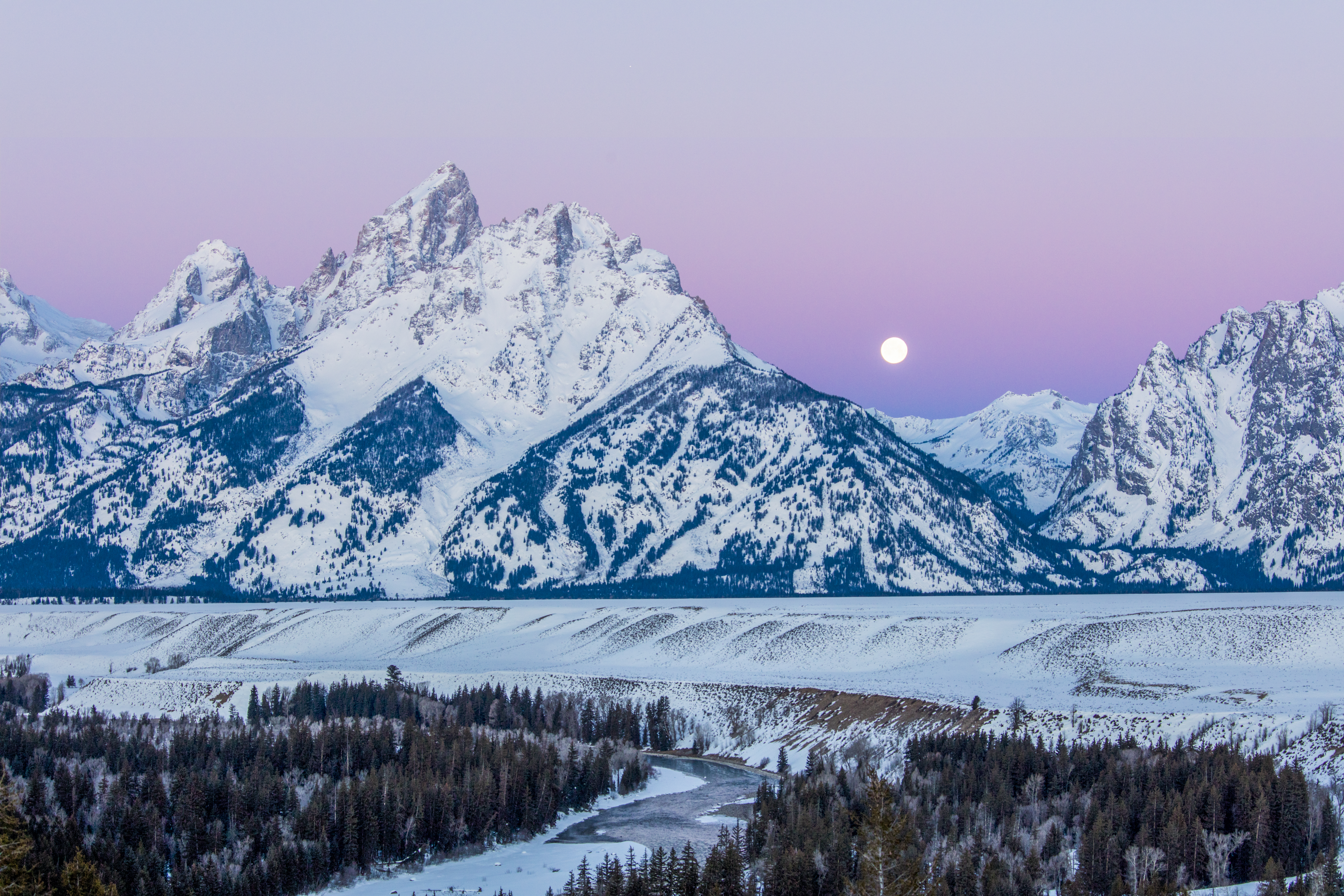
This awareness deepens over time, shaped by patience and love. In the eternal flow of nature’s cycles, everything has its time. My role is to honor that timing—to meet the moment, not manipulate it.
To read nature is to remember how to belong to her. As we become fluent in her language of light, temperature, and tone, we begin to feel what’s coming—not because we control it, but because we are finally listening.
The Role of Color Palettes and Natural Light in Photography
Every color in nature carries frequency, emotion, and story. Whether it’s the cobalt hush of predawn lakes or the fiery whisper of a sunset sky, each palette speaks a spiritual language. When paired with natural light, color becomes the soul of the photograph—resonating not only with the land but with the viewer’s own inner landscape.
As I travel and photograph, I pay close attention to how the earth’s palette shifts with light. Color is never static—it breathes and transforms based on time of day, season, humidity, and the unseen moods of the terrain. And when light passes through it just right, it’s like witnessing the voice of nature singing in color.
Nature’s Palette Through the Seasons
In my post on The Colors of Nature Through the Seasons, I reflect on how nature moves from the vibrant greens of summer to the muted tones of winter, each season with its own emotional resonance. The key is to photograph these transitions not just with your camera—but with your spirit awake.
Lighting Conditions That Shape Emotional Color
- Golden Hour: Rich with amber tones, this soft light stirs warmth, nostalgia, and calm. Ideal for storytelling.
- Blue Hour: Just before sunrise or after sunset, deep blues and purples evoke quiet introspection and mystery.
- Overcast Days: Clouds diffuse harsh light, making colors more true and evenly balanced—especially greens and browns in forest scenes.
- Winter Light: Crisp, silvery lighting in snowy environments creates contrasts that reflect clarity and solitude.
To truly harness the spirit of natural color, I often rely on what I call a “soul-based light meter”—my own intuition and resonance with the scene. This mirrors my broader work in spiritual nature photography, where the goal is to tune into the feeling behind the frame.
In the end, color isn’t just visual—it’s vibrational. It moves us, speaks to us, and draws us inward. When we pair it with the right light, landscape photography becomes more than a picture. It becomes a portal.
The Emotional Language of Landscape Photography
Landscape photography is more than light and technique—it’s a mirror. A mirror that reflects both the essence of the land and the emotion of the soul behind the lens. When I press the shutter, I’m not just capturing a view. I’m recording a feeling. The hush before sunrise, the wild rush of a wind-swept canyon, the stillness that lingers after snowfall—these become visual emotions sealed in light.
My goal has never been to take “pretty pictures.” My goal is to transmit the moment. The awe. The reverence. That’s why I always say: I don’t just photograph landscapes—I translate the energy of a place.
Crafting Emotion Through Light and Composition
As I share in my reflections on nature’s cycles and light, every element—light, shadow, form, space—is a language of emotion. A backlit mist can stir serenity. A storm-lit ridge can rouse awe. And a solitary tree in an open field can speak to the universal feeling of longing or presence.
If you’ve explored my landscape gallery, you’ll notice that each image has its own temperament. Some whisper. Others roar. That’s the emotional palette I work with—not just red and blue, but wonder and grief, joy and stillness. All of these rise out of a moment deeply lived.
Landscape photography is, at its best, a form of empathy. When we connect with the land through emotion, we begin to understand that we are not separate from it. We are part of the scene. Part of the feeling. Part of the story being written in light.
Mastering Technique and the Art of Seeing
Technique is essential—but it’s never enough on its own. The art of landscape photography begins when technical mastery meets the invisible: intuition, resonance, and presence. In my own journey, learning how to use a tripod or balance exposure was just the start. The real growth came when I began to “see” the energy of a place, not just its form.
You might say the camera became a tuning fork—something that harmonized with the frequencies of the forest, the tide, the mountain wind. When I allowed myself to feel the scene as much as frame it, something changed. The photos deepened. The moments lasted longer.
Merging Precision with Presence
In my post on color and seasonal rhythm, I talk about how light and time change everything. But to track these changes, you need to be grounded in your technical craft. Whether it’s setting your white balance manually or knowing when to switch to a wide-angle lens, technical choices shape the container through which the spirit of a scene flows.
Composition: The Geometry of Feeling
Good composition isn’t about rules—it’s about resonance. When you place a tree off-center or align a mountain ridge with a cloud break, you’re not just organizing space. You’re arranging meaning. Sometimes I’ll reframe a scene not because it’s more “balanced,” but because it feels more true. That’s where the real art lives: at the crossroads of geometry and gut feeling.
As I often say in my Signature Series, the greatest tool you have isn’t your lens—it’s your attention. By cultivating that attention, you begin to “see” what’s always been there: the quiet symmetries, the sacred curves, the fleeting alignments of cloud and color. And when you see with that kind of awareness, every photo becomes a prayer of presence.
Learning to Read and Anticipate Nature
Nature has its own language—one written in cloud movement, water flow, migrating shadows, and seasonal arcs. To create truly meaningful landscape photography, you must become fluent in that language. The land will always tell you when it’s ready to be photographed. But first, you must learn how to listen.
I often think of photography as a form of reading—where the terrain is the text and the light is the punctuation. It’s not about predicting, but about attuning. When I spend time in the field, I’m not just scouting; I’m syncing. Observing the light’s trajectory. Feeling the humidity shift. Noticing how wind ripples the surface of a lake. These signals are subtle but constant—and they guide me toward the moment when everything aligns.
The Art of Timing and Seasonal Rhythm
As I explore in my reflections on nature’s flow of time, every landscape is part of a larger cycle. Spring reveals energy rising. Summer bursts with expression. Autumn recedes. Winter teaches stillness. These aren’t just seasonal changes—they’re spiritual cues. I photograph not by the calendar, but by the character of the moment.
Photography becomes transformative when you stop chasing the light—and start recognizing the moment it reveals itself. Whether I’m waiting for fog to lift in the Tetons or for autumn color to peak in Acadia, I trust that the land will guide me. It’s not about control. It’s about resonance. And when you feel that shift—that hush before the light breaks—you know it’s time.
The Role of Color Palettes and Natural Light in Photography
If light is the soul of photography, then color is its voice. Each landscape sings its own color story—subtle, sweeping, ancient. From the mineral blues of mountain lakes to the golden whispers of autumn, nature speaks in hue and frequency. The key is learning how to receive and reflect that message with integrity.
Light doesn’t just illuminate the scene—it shapes emotion, reveals texture, and guides feeling. In my own work, I often return to what I call the seasonal color map—a way of tuning into nature’s palette as it changes with the rhythm of time. Blue is not just blue; it’s calm before a storm. Gold is not just gold; it’s reverence wrapped in sun.
Color as Emotional Resonance
Each color vibration has a story to tell. Cool hues—deep greens, twilight blues, fog-soft grays—evoke tranquility and stillness. Warm tones—crimson leaves, fiery sunsets, golden meadows—spark energy, nostalgia, and awe. I don’t just photograph color. I feel it. And I aim for you to feel it too.
Understanding Natural Light Cycles
I often say the best photographs are made—not just taken—when we harmonize with natural light. The golden hour invites warmth and serenity. The blue hour invites mysticism. Midday can reveal contrast and power. Overcast light? That’s nature’s softbox, perfect for forests and waterfalls.
This relationship between light and color isn’t technical—it’s sacred. As I teach in my Signature Series, it’s the light that decides when a scene is ready to be remembered.
Let your eye follow the light, but let your heart follow the color. That’s where the deepest resonance lives—in the vibrational bridge between what we see and what we feel. When these align, the photograph becomes more than an image—it becomes memory, message, and meaning.
The Emotional Language of Landscape Photography
Landscape photography is more than capturing what the eye can see—it's a way to express what the heart can feel. Emotion is the hidden lens behind every shot, guiding composition, color, and light toward something deeper. When I'm in the field, I don’t just compose an image—I enter into a conversation with the land. And the most powerful images are those that speak back.
Light and composition are the language. But the message? That’s emotional resonance. When these elements harmonize, the viewer doesn’t just admire the scene—they feel it. They experience the same sense of awe, stillness, or expansion that I felt when I pressed the shutter.
Evoking Wonder, Peace, and Presence
In the Signature Series, I often explore how emotion and landscape mirror each other. A mist-covered valley evokes contemplation. A radiant coastline stirs inspiration. A lone tree in snow becomes a metaphor for solitude and resilience. These aren’t just scenes—they are soul states.
When Composition Becomes Poetry
Composition is more than rule of thirds or leading lines—it’s about energetic flow. How do your eyes move through the frame? Where does your heart pause? A well-framed landscape is like a poem: deliberate in structure, but alive with spirit.
My process often includes walking the scene in silence, observing how the elements speak to each other. The tree is not separate from the rock. The light is not separate from the water. It’s all one continuous sentence, unfolding in visual rhythm.
Seeing With Feeling
Great landscape photography happens when seeing meets feeling. When we quiet the analytical mind and let our inner field interpret the outer one, something opens. This is where the art lives—not in perfection, but in presence. When I create from that space, the image becomes more than a memory. It becomes a mirror.
Using Light to Evoke Emotion
Light is the emotional current of a photograph. It doesn't just illuminate—it shapes how we feel. Whether it’s the golden warmth of dawn or the moody hush of twilight, every quality of light has a vibrational imprint. As a photographer, learning to read and work with that energy is like learning to speak the secret language of the Earth.
Through the lens of landscape photography, I’ve come to understand that each lighting condition offers a different kind of presence. And when matched with intentional composition, it can stir deep responses within the viewer—peace, wonder, solitude, even joy.
Soft, Diffused Light: A Gentle Invitation to Stillness
Diffused light—found during overcast skies or in the golden hour—softens harsh edges and draws the viewer inward. It’s perfect for scenes that whisper instead of shout. Mist, fog, and dew all thrive in this kind of light, inviting a contemplative mood that mirrors our own interior quiet.
High-Contrast Light: Channeling Power and Presence
Midday sun and storm-lit skies bring drama. High contrast lighting accentuates texture, form, and strength. It can feel wild, intense, and full of primal energy—just like the landscapes themselves. I often turn to this light when photographing arid terrains, granite cliffs, or thunderstorm horizons. It reminds us that nature is not always gentle—she is also fierce.
The Sacred Timing of Light: Golden Hour & Blue Hour
I’ve learned to plan my entire photographic rhythm around these sacred windows of time. The golden hour—right after sunrise or before sunset—casts a forgiving light that cradles the landscape in warmth. The blue hour, just before dawn or after dusk, veils everything in a soulful, dreamlike hue. These aren’t just lighting conditions—they are doorways into another dimension of emotion and memory.
In my post “The Eternal Flow of Time”, I explore how natural light mirrors time’s movement—not in hours, but in feeling. That insight continues to guide every frame I compose.
Composition Techniques for Emotional Impact
If light is the soul of the image, composition is the heartbeat. It guides the viewer through the landscape—sometimes gently, sometimes dramatically—but always with intention. Emotional impact arises when the photograph’s structure aligns with nature’s rhythm, not just geometry. These are not rules—they are resonances.
Over years of wandering wild terrain, I’ve learned that emotional compositions emerge when I tune into the field—not just the foreground. Whether it’s a single tree on the edge of silence or a river that leads the eye into mystery, what matters most is the emotional architecture of the scene.
The Rule of Thirds as a Guiding Framework
The classic Rule of Thirds is more than a technical tip—it’s a harmonic principle that echoes throughout nature. By placing the subject, horizon, or light source along the invisible thirds of your frame, you create balance that feels right in the body, not just the eye. It’s the visual equivalent of a steady breath.
Leading Lines: Visual Pathways into Emotion
A trail curving through forest. A river carving its path to sea. These aren’t just compositional devices—they are emotional invitations. Leading lines guide the eye and the heart, drawing the viewer into the story. When I photograph a landscape with strong directional flow, I imagine it like writing a sentence with punctuation, pause, and crescendo.
Natural Framing: Creating Sacred Space Within the Frame
When I use tree limbs, canyon walls, or natural arches to frame a subject, I’m not just isolating an element—I’m creating a sacred doorway. This technique mirrors how nature presents herself: not all at once, but in thresholds. Framing pulls the viewer inward, focusing attention and reverence on what lies within.
Negative Space: Allowing the Silence to Speak
Sometimes the most powerful parts of an image are the spaces where nothing happens. Snowfields. Sky. Still water. These spaces aren’t empty—they are receptive. They allow breath, rest, and interpretation. When used intentionally, negative space becomes a field of emotion that amplifies the subject with grace.
For deeper insights into emotional storytelling through visual rhythm, visit my reflective post: Nature’s Reflection in Art .
Mastering Technique and the Art of Seeing
Every tool in photography—shutter speed, aperture, ISO, filters—is just that: a tool. But true mastery begins when you learn to see. When you no longer look through the viewfinder for what’s obvious but begin to sense what wants to be revealed. That’s when photography becomes a dance with light, presence, and field resonance.
Technical proficiency sets the foundation, but intuition fills the frame. I’ve found that the most powerful images don’t come from perfect settings. They arise when I enter stillness and let nature guide me to what needs to be seen. As with my work in The Living Code, it’s about tuning into nature’s patterns—her fractals, her shadows, her cyclical breath.
Let the Land Teach You How to See
I often spend hours in one location—not waiting for something to happen, but learning how to see what’s already there. The way mist rises over water. The soft rhythm of reeds swaying in unison. These are whispers that most pass by. But if you stop, breathe, and listen, the photograph reveals itself to you.
Technique as a Channel, Not a Crutch
From Edward Weston to modern visionaries, many have emphasized that technique alone is not enough. It’s the energy behind the technique that speaks through the image. Long exposure, HDR, or shallow depth of field—when used with awareness—can bring soul into form.
My camera becomes an extension of that process—not a device, but a translator. It interprets what I’ve felt, what the field has shown me, and what the light has chosen to illuminate. This is why I always return to the same places. Not to replicate a shot, but to discover how my own way of seeing has evolved.
For more on this creative state of presence, I invite you to read my meditation on visual intuition in Nature’s Reflection in Art .
Learning to Read and Anticipate Nature
Nature has its own rhythm—one that pulses beneath the surface and reveals itself only to those who take the time to listen. As a landscape photographer, my job isn’t to impose a vision onto the wild, but to become attuned to its patterns. Whether it’s the arc of the sun across the sky, the timing of fog rising from a valley, or the sudden hush before a bird takes flight—nature always whispers first.
Anticipation Begins with Immersion
I often return to familiar landscapes at different times of the year, not to repeat a shot, but to understand how light, seasons, and energy shift the mood. As I walk through these places, I look for subtle signs—how the wind bends the grass, how light pools in low areas, how clouds swell just before sunset. Over time, I’ve learned to anticipate these moments, not through calculation, but through presence.
This is why I often refer to light and pattern as nature’s language. If we slow down long enough, we begin to see how the cycles of time reveal a choreography far more intricate than we could ever script ourselves.
Anticipation, then, is not a skill you develop in haste. It’s a sensitivity cultivated in stillness—an intuitive resonance with place, season, and soul. And when all these align, that’s when the shutter clicks.
The Role of Color Palettes and Natural Light in Photography
Nature’s palette isn’t random—it’s orchestrated by the position of the sun, the tilt of the Earth, and the unseen harmonics we feel in our bones. When I photograph a sunrise over a frost-covered meadow or a canyon lit by autumn fire, I’m not just capturing color—I’m capturing a vibration. Each hue tells a story. Each light source acts like a brushstroke in the painting that nature composes.
Color as Emotion, Light as Language
The cool tones of blue hour often evoke solitude and stillness, while the warm radiance of golden hour brings a sense of comfort and renewal. When you understand how these natural palettes shift throughout the day—and the year—you begin to recognize that nature is speaking in color. My role is to listen, to interpret, and to frame that moment for others to feel.
In my post on The Colors of Nature Through the Seasons, I explored how each time of year carries a distinct energetic mood. Spring sings in pastels. Summer speaks in vibrant greens and golds. Autumn whispers in crimson and rust. And winter—my personal favorite—paints in whispers of blue and silver, offering us a portrait of peace.
Pairing these natural colors with the right light is what gives a photograph emotional depth. It’s not just about what you see—it’s about what you feel when you see it. Whether you’re capturing the fire of sunset or the hush of snowfall, color and light are your spiritual collaborators in the field.
The Emotional Language of Landscape Photography
Landscape photography isn’t just about capturing what’s in front of the lens—it’s about expressing what’s within the heart. Each image I create is an invitation into a feeling, a moment, a sacred pause. Light is my ink, nature is my script, and emotion is the message I try to convey in every composition.
From Serenity to Awe: Photographing the Feeling
Some photos are gentle lullabies—like a mist-covered lake at dawn. Others are symphonies of power—a thunderhead boiling over the Tetons. I ask myself not only what the landscape looks like, but what it feels like. When I sense stillness, I seek balance and soft edges. When I feel grandeur, I frame wide and let the light carve drama into every ridge and cloud.
This process isn’t technical—it’s intuitive. A lot like what I describe in Photography and Emotion: How Nature Images Move Us, the energy of the land finds its way into the energy of the image. You don't take the photo—you feel it, then release the shutter as a form of translation.
Emotional language in photography is subtle, but profound. It's in the direction of light, the choice of color, the decision to center or off-center a subject. These nuances speak to the viewer’s soul more than their eye. And when it works—when the photo stirs something wordless in another person—you know the image has become more than a scene. It’s become a feeling made visible.
Mastering Technique and the Art of Seeing
Every landscape photograph I take begins not with a shutter click—but with a shift in perception. Long before technique enters the frame, I begin by simply seeing. Noticing. Listening. Feeling. Mastering the camera is important, yes, but the true art lies in learning how to receive what the land is already offering.
Over the years, I’ve come to understand that landscape photography is less about control and more about alignment. When I align my vision with nature’s rhythms, compositions reveal themselves. The wind whispers where to point the lens. The shadows carve out forms I would have missed in haste. The dance of light teaches me to wait—to trust that the right moment always arrives, just like the golden hour that greets those who rise early enough to meet it.
Seeing with More Than the Eyes
True seeing comes from presence. From being fully there—with all your senses open. I’ve written about this in the Nature Deficit Disorder post—how we’ve lost the art of seeing because we rarely slow down long enough to truly notice. But photography has taught me to tune back in. When I'm in the field, I often pause, breathe, and listen. That act alone changes everything.
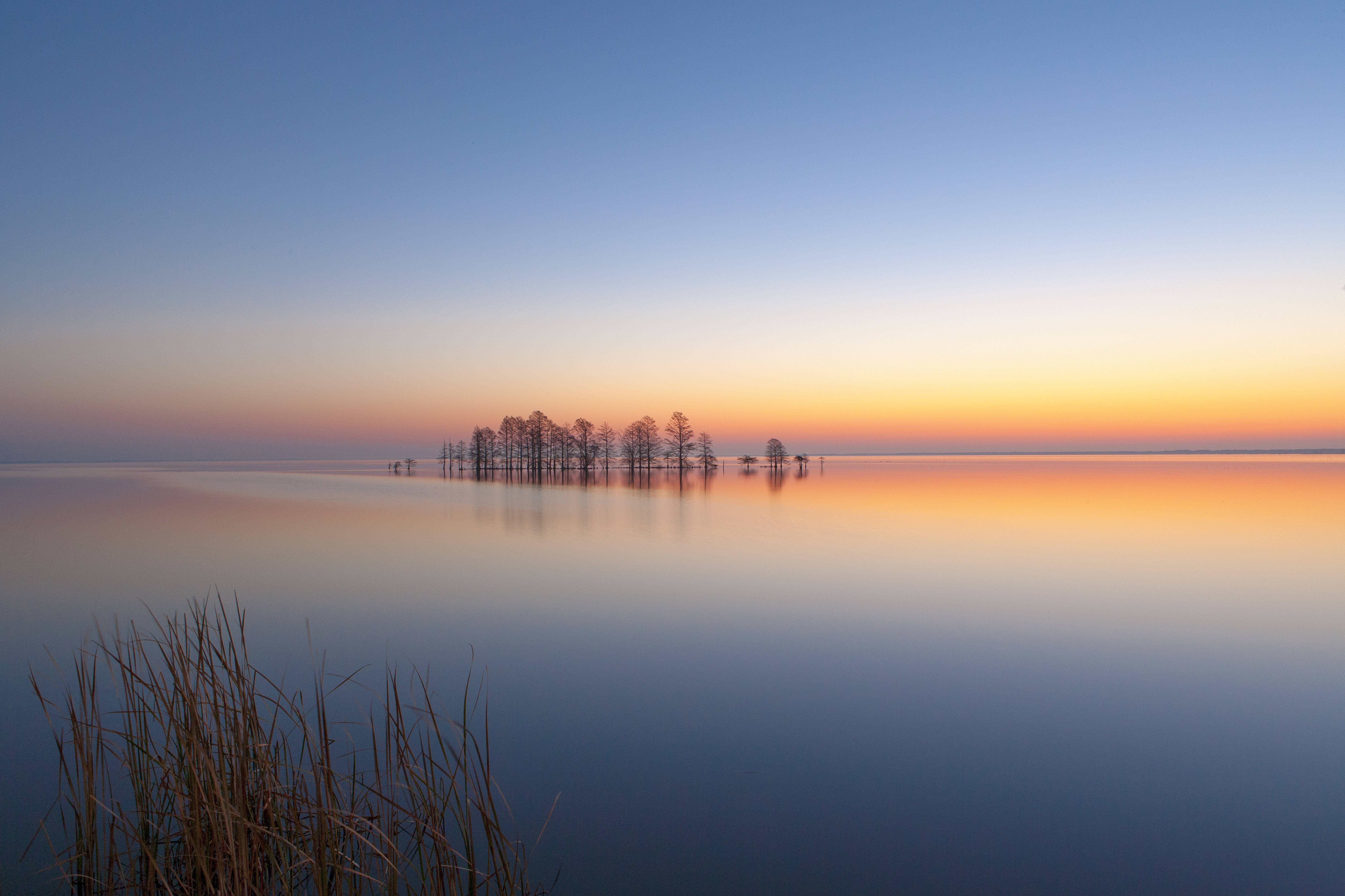
Whether I’m hiking deep into Grand Teton backcountry or waiting for fog to rise over New England hills, the art of seeing allows me to frame the world not just as it is—but as it feels. That’s when the magic happens. That’s when photography transcends technique and becomes poetry.
Learning to Read and Anticipate Nature
Over time, nature teaches you its language. It begins with simple observations—shadows stretching long in the morning, wind shifting direction before a storm, or birds going silent just before sunrise. These moments become signals. In landscape photography, the ability to read these natural cues is what separates a good image from a moment of real magic.
I often return to the same locations in different seasons, light conditions, and weather cycles. What I’ve learned is that nature never shows the same face twice. Each visit reveals a new expression—softened by mist, sharpened by wind, or bathed in morning glow. The land is alive, changing not just by the hour but by its own rhythm. And if you spend enough time with it, you start to know what it's saying.
Intuition Rooted in Observation
My field notes are filled with reminders like “return to this ridge after snowmelt” or “watch how clouds build over the lake just before dusk.” Reading nature means paying attention to cycles—not just celestial ones, but the small, repeating rhythms that make a place feel whole. This is where intuition and ecology meet.
Just as I described in The Eternal Flow of Time, I don’t chase the perfect moment—I position myself within it. By attuning to nature’s subtle cues, I allow each photograph to unfold rather than be forced.
The Spiritual Connection to Nature
Landscape photography, at its deepest level, is not just a visual craft—it's a spiritual communion. When I enter a wild space, I’m not simply looking for a scene to capture; I’m listening for something ancient. Something sacred. There’s a presence in nature that mirrors our own inner stillness, and through photography, I try to make that felt.
Each time I witness light breaking over a mountain ridge or mist curling through a valley, I feel as if the Earth is revealing one of its oldest prayers. This is more than a fleeting aesthetic—it’s an invitation to connect. I’ve written about this in The Spiritual Essence of Nature, where I shared how each image becomes a mirror of our soul’s longing to belong—to something pure, untouched, and eternal.
More Than a View—A Vibration
Nature vibrates with frequencies we’ve forgotten how to hear. The way sunlight moves across a canyon wall… the way wind dances through prairie grasses… these are songs. And when I photograph them, I feel like I’m capturing the faint echo of that original vibration—the one that stirred life into being.
That’s the hidden truth I hope each viewer feels when they encounter my work—not just beauty, but remembrance. A gentle nudge back to the spiritual contract we once had with the Earth. Because in the end, every photograph is a humble offering. A way of saying, “I see you. I feel you. I remember.”
Connecting with Nature as a Spiritual Practice
When I photograph nature, I’m not just documenting a place—I’m engaging in a practice of reverence. To me, the forest is a cathedral. The canyon, a prayer. Each image becomes a record of spiritual presence, a trace of where the veil between the human and the wild has grown thin. And in that thinning, something ancient reaches through.
I’ve spoken often about The Resonance Method, a way of seeing that invites us to tune in—not just with our eyes, but with our entire being. To walk into the wild with openness, with listening, and with stillness. It’s not just about finding the perfect shot—it’s about letting the land speak first.
Tuning to Nature’s Frequencies
In nature, we remember who we are. When I step into the landscape, I feel the Schumann Resonance beneath my feet. The pulse of the Earth syncing with my own heartbeat. It’s here that I find peace. My breath slows. My senses awaken. The camera becomes a tuning fork—a way of translating unseen vibrations into visible form. This is not about performance. This is about presence.
This practice—this sacred rhythm of observation, waiting, feeling—is what gives my work its pulse. It’s not just light I’m chasing. It’s alignment. Between soul and soil. Between breath and breeze. Through photography, we’re not just capturing nature—we’re remembering we are nature.
Discovering Unexpected Beauty
Some of the most profound images I’ve ever captured weren’t the ones I set out to find. They were the quiet gifts that emerged when I slowed down and surrendered to the rhythm of the land. A shaft of light filtering through leaves, the reflection of clouds dancing across a pond, a fox silently watching from the underbrush—these moments weren’t planned. They were discovered.
The wilderness rewards those who are willing to see with more than their eyes. As I shared in The Eternal Flow of Time, nature reveals her secrets in cycles, not on command. Patience becomes the lens through which the invisible is made visible. Beauty isn’t always grand. Sometimes, it’s subtle. Sometimes, it whispers.
In these quiet encounters, I’m reminded that nature is always speaking—we simply need to listen. The flicker of a leaf, the shimmer of dew, the warm glow before the light fades—these are invitations to presence. Every click of the shutter is a thank you. A way of honoring what revealed itself when I stopped trying to control the outcome and started allowing myself to be surprised.
Deepening the Meaning of Each Photograph
Every photograph I take is more than a visual impression—it's a record of reverence. A frame within which time paused, light spoke, and something sacred crossed over into visibility. I don’t just take pictures. I receive them. And in doing so, I leave space for the viewer to enter the image and encounter their own reflection within it.
As I’ve explored in The Eternal Flow of Time and The Nature Code, nature’s messages often arrive encoded in symbols—through shadow and light, through the fractal language of rivers and trees. When I photograph, I feel like I’m participating in a deeper dialogue. Each image becomes a glyph of stillness, a bridge between worlds, a living story remembered in light.
In this way, photography becomes a kind of remembering. A practice of slowing down and honoring the mystery, even when it can’t be explained. A way to share not just what I saw—but what I felt, what I heard beneath the silence, what I understood without needing words. That is the deeper meaning I hope lives inside every image I offer.
The Impact of Light in Landscape Photography
Light is the soul of every landscape photograph. It sculpts form, evokes emotion, and invites wonder. The same scene, bathed in different light, tells entirely different stories—from the hush of morning mist to the bold flame of sunset. In my practice, light is more than a technical factor; it’s a spiritual language that reveals nature’s essence.
As explored in Autumn’s Golden Gift, sunlight carries more than photons—it holds memory, motion, and emotion. In each landscape I photograph, I look for the moment when light becomes story. When it kisses the earth just so, whispering a message only the soul can translate. That’s the moment I wait for. That’s when I press the shutter.
Every photograph is a study in illumination. A canvas painted by shifting skies, refracted angles, or subtle hues glancing off stone and water. It’s not just about when light touches the landscape—it’s about how it moves through it. That’s what I strive to capture: not just the light itself, but the way it animates the story of the wild. This is the art of resonance. This is the living code of nature.
Light as a Storytelling Tool
Light doesn’t just reveal the landscape—it writes its story. With every shift of shadow and glow, nature speaks in mood, emotion, and rhythm. In landscape photography, light guides the eye, punctuates form, and breathes movement into stillness. It is the invisible narrator behind every powerful image.
A sunbeam breaking through clouds tells a different story than soft, overcast light diffused through fog. One evokes hope; the other whispers stillness. By observing how light wraps around the contours of the land, I follow the emotional pulse of the scene. When I shoot at golden hour, I’m not just chasing color—I’m listening for a message only the light can carry.
In my Signature Series, especially The Living Code, I describe light as a universal signature—its patterns echo the breath of the cosmos. That’s why I treat it as a living presence. Not something to control, but something to follow. When I let light lead the way, the story reveals itself naturally, with honesty and grace.
The Interplay of Light and Shadow
If light is the storyteller, then shadow is the poet. The dance between the two is what gives a landscape its shape, its mystery, and its soul. It is in the quiet contrast between sun and shade that meaning is revealed—texture becomes tactile, mountains become monumental, and silence becomes sacred.
In If a Tree Falls, I explored the profound weight of unseen moments. Likewise, in photography, shadow gives form to what would otherwise be formless. When photographing canyons, forests, or peaks, it’s the shadows that offer emotional depth. They create questions in the mind—what lies beyond, what has passed, what may emerge next.
I wait for those moments when light grazes the edge of shadow, when a ridge is half-illuminated, or when golden rays thread through a grove of trees. That threshold is where the photograph lives. It’s the edge between known and unknown. In that liminal zone, you don’t just see the landscape—you feel it. That’s the gift of shadow: it doesn’t obscure; it reveals a different kind of truth.
Types of Natural Light
Not all light is created equal. In landscape photography, understanding the character of natural light—its mood, tempo, and angle—is what transforms a good shot into a timeless image. Each type of light tells a different story. Each speaks in a different tone. When we listen closely, we begin to see not just a landscape, but its emotional weather.
The golden hour whispers with warmth and invitation. It’s my favorite time to photograph because the sun bends low and breathes softness across the earth. Blue hour, by contrast, feels like the pause between breaths—its quiet tones echo in the spirit like a memory. Midday light can be harsh and revealing, ideal for bold compositions and desert drama. And then there’s overcast light—nature’s built-in softbox—perfect for forests, waterfalls, and intimate close-ups.
Every image in my landscape photography gallery begins with this awareness: what kind of light is speaking today? I don’t rush the scene. I walk it. I watch how light lands. I wait for its unique dialect to reveal the story it wants to tell—whether it’s bold, ethereal, reflective, or mysterious. The more fluent we become in nature’s light language, the more powerful our images will be.
Advanced Lighting Techniques
Mastering light in landscape photography is like learning to play an ancient instrument—one that shifts in key with the seasons, clouds, and terrain. At first, light seems like a constant, but with experience, you begin to recognize how subtle shifts in angle, diffusion, and timing create entirely different emotional effects. These advanced techniques don’t just capture a moment—they compose it.
Backlighting is one of my favorite approaches. When used intentionally, it can create halos around leaves, misty silhouettes of trees, or glowing edges on mountain ridges. Side lighting is another powerful tool—it sculpts texture into the land and brings out the three-dimensional shape of ridges, grasses, and canyons. And then there’s diffused light—softened by cloud cover or early morning haze—which helps reveal the delicate interplay of texture and tone without harsh contrast.
In my Autumn’s Golden Gift post, I shared how sunlight catalyzes the transformation of leaves—yet that same principle applies to every photograph I take. Light isn’t just a tool; it’s a co-creator. Whether filtering through fog, bouncing off snow, or casting long shadows over sagebrush, each ray is an artist in its own right. When you learn to anticipate these effects, and wait patiently, the landscape begins to reveal its full spectrum of spirit.
Tips for Mastering Light in Landscape Photography
Light is the breath of every landscape image. It’s not just what illuminates a scene—it’s what gives it life. The way you approach light can transform your photography from documentation to revelation. Here are a few grounded yet poetic strategies that have shaped my fieldwork over the years.
🌞 Scout Locations in Advance
Before the sun rises, I already know where she’ll land. Using tools like PhotoPills or The Photographer’s Ephemeris, I chart solar angles, moon phases, and golden hour windows. This isn’t just logistics—it’s choreography with nature. Every step you take should feel like a dance with time and terrain.
⛅ Watch the Weather Like a Poet
Don’t fear clouds. Embrace their mystery. Storms add drama. Mist adds softness. An overcast day can bring out subtleties in texture and shadow you might miss under blue skies. Some of my most spiritual photos emerged in unpredictable weather. Weather isn’t an obstacle—it’s a collaborator.
📸 Experiment with Angles
Light behaves differently depending on where you kneel, where you climb, or where you wait. Try shooting into the light for silhouettes. Use side light to emphasize texture. Find shadows and let them guide your storytelling. Nature is never flat—it’s layered, like emotion—and light reveals those layers if we listen with our lens.
Light is more than a setting. It’s a signal from the Earth. When I photograph sunrise in places like Acadia or the snow-kissed peaks of the Tetons, I’m not just documenting a scene—I’m receiving a transmission. And in that moment, I become part of the landscape’s unfolding story. You can too.
Conclusion: Embrace the Journey into Landscape Photography
In the end, landscape photography isn’t just about f-stops or shutter speeds—it’s about your relationship with the Earth. It’s a daily invitation to slow down, to pay attention, and to let light guide your awareness. Every image becomes a conversation between your soul and the land itself. If you listen closely, you’ll hear nature whisper, not in words, but in color, texture, silence, and resonance.
Whether you're chasing the glow of golden hour, embracing the calm of misty mornings, or standing in stillness beneath a darkening sky, remember—photography is a devotional act. It’s a prayer made visible. And it’s a way to say thank you to the world that continues to give without asking for anything but your attention in return.
I invite you to join me in this ongoing journey—a sacred dialogue between light and land. Let’s keep walking the wilderness, one frame at a time. Together, we honor the rhythms of the Earth, and perhaps in doing so, we rediscover a part of ourselves that was never lost, only waiting to be illuminated.
Let light be your teacher. Let nature be your mirror. Let the journey be your reward.
Continue Your Journey with Robbie George
If this exploration of light and landscape spoke to you, I invite you to keep walking with me. Every photograph, every blog post, every moment in the field is part of a greater story—a story written in sunbeams, snowfall, and the timeless rhythm of Earth’s breath.
🌄 Explore the Landscape Gallery
🌱 Read: The Spiritual Essence of Nature in Photography
💧 Explore: Nature’s Cycles and the Role of Water in Time
Explore Fine-Art Prints
Bring the season home—browse Wildlife, Landscapes, and Seascapes by National Geographic–published photographer Robbie George. See framing, editions, and care on the Collectors page.
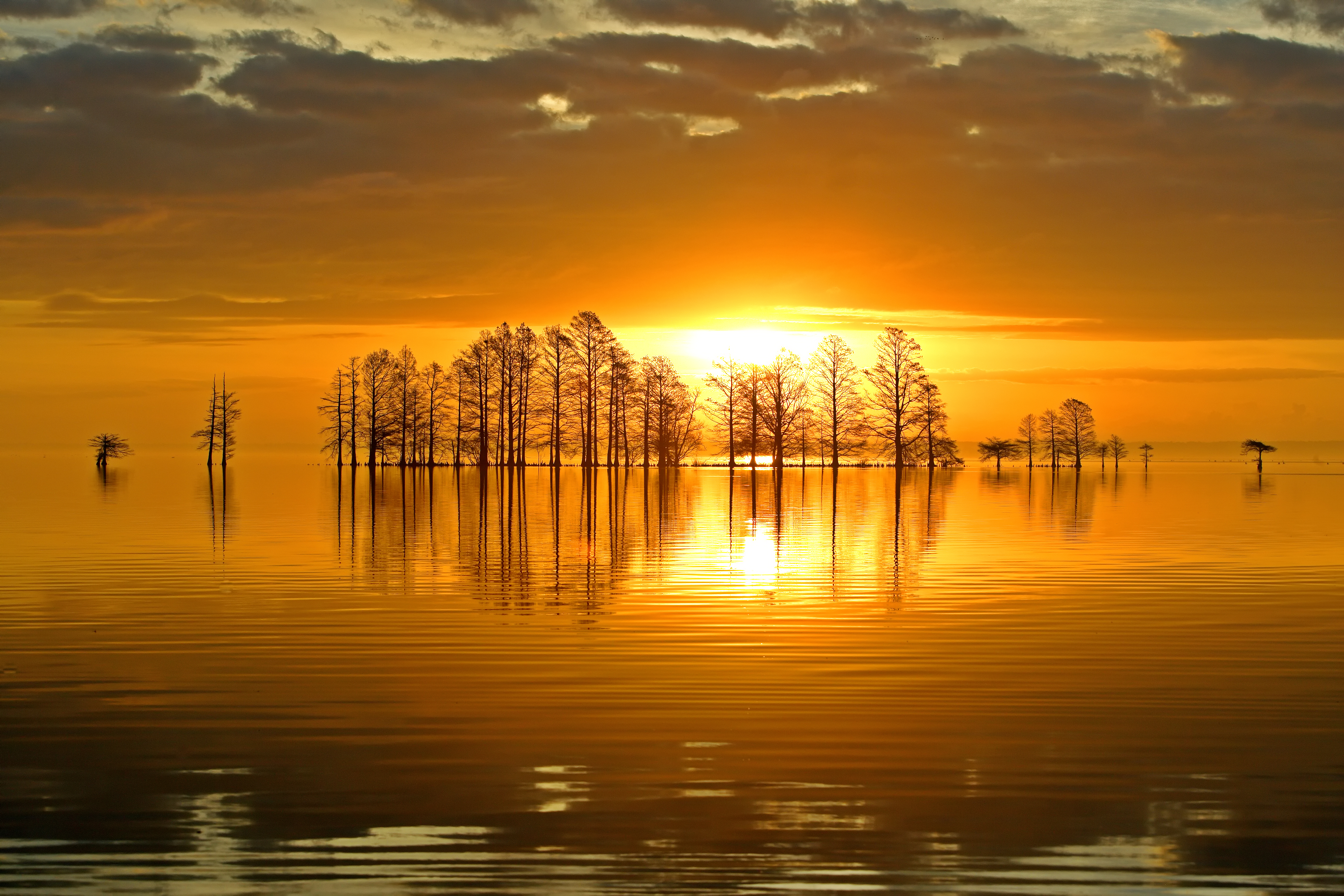 Landscape
 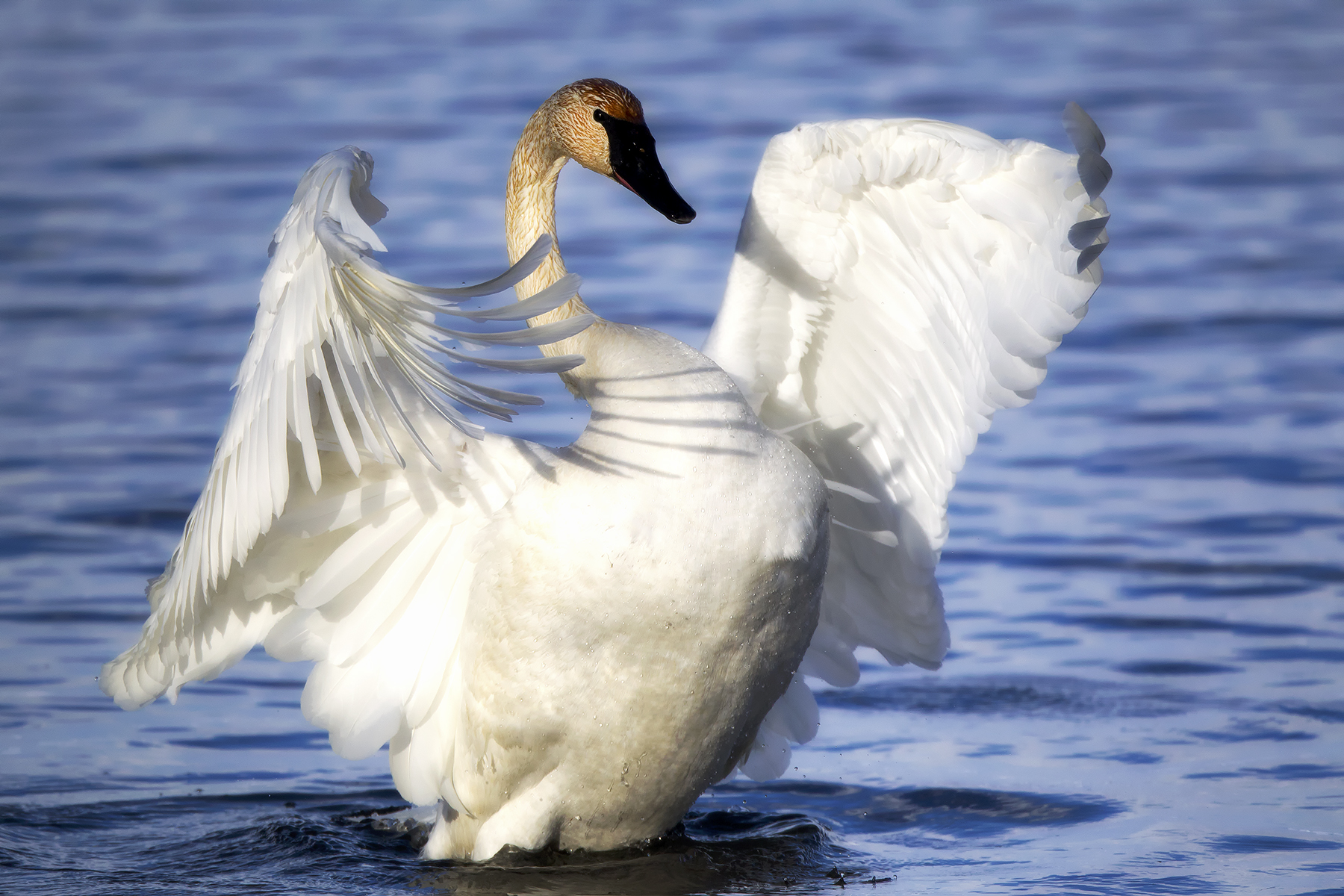 Wildlife
 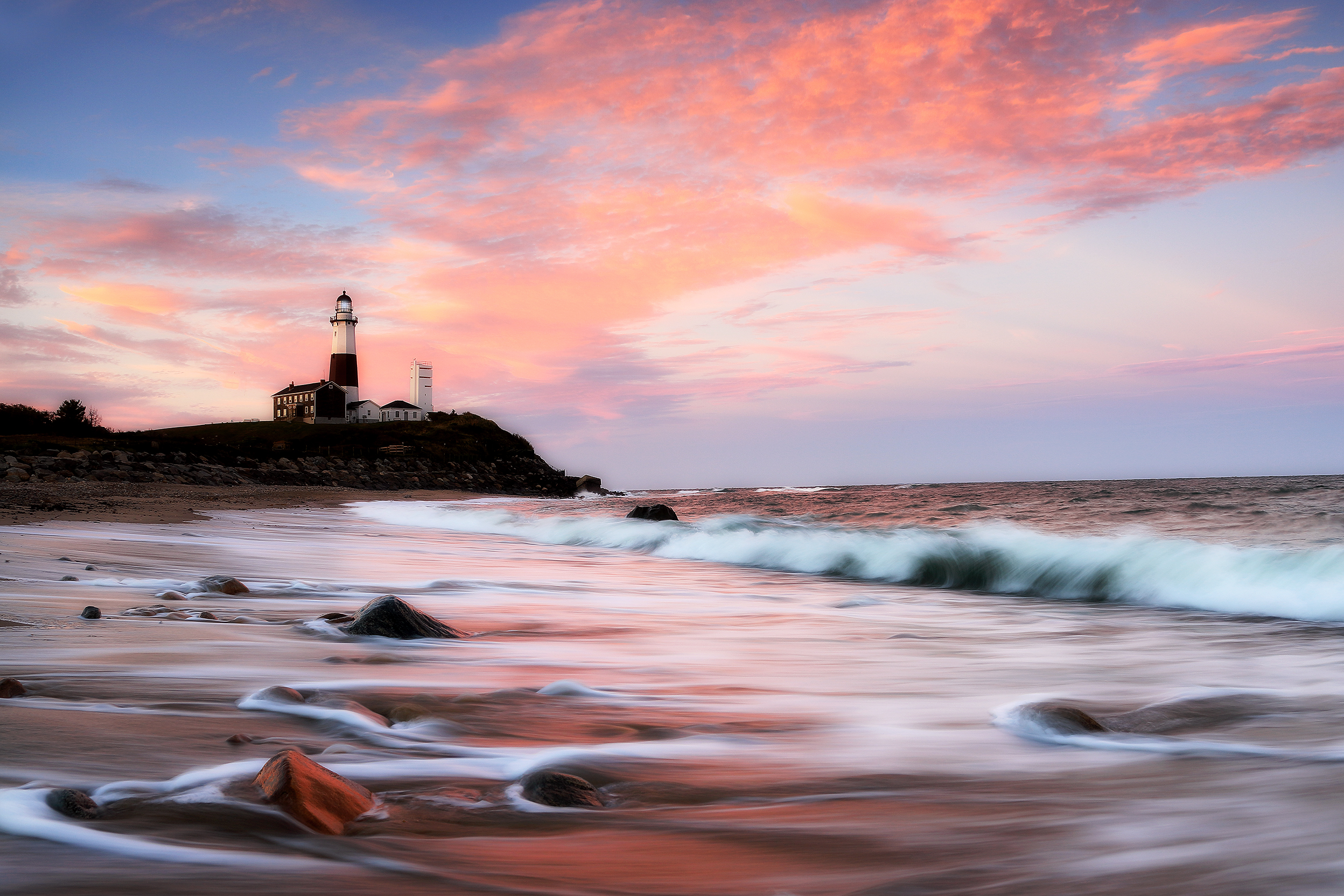 Seascapes
About Robbie George
Robbie George is a National Geographic–published photographer and resonant naturalist. His fieldcraft follows a simple ethic—distance first, habitat always— shaped by Slow Knowledge and the Signature Series.
Explore calm, undisturbed behavior in the Wildlife Gallery or plan your next trip with the Seasonal Wildlife Calendar, Golden Hour & Moon, and Photography Maps.
“Attention first, image second. The shutter is the period at the end of a sentence you learned by walking.”
FAQs: The Art of Light in Landscape Photography
1. What are the most important techniques for mastering landscape photography?
Some of the most important techniques include long exposure to create motion, HDR to balance shadow and light, and mastering the golden hour for optimal lighting. Composition techniques like the rule of thirds, leading lines, and negative space are also essential to evoke emotion and structure your scene naturally.
2. How can I use light to evoke emotion in landscape photography?
Light is your emotional paintbrush. Soft light evokes calm, warm light evokes nostalgia, and harsh light can add drama. Learn to anticipate the golden and blue hours, and use directional light to enhance depth, texture, and atmosphere.
3. What filters should I use in landscape photography?
Polarizing filters help reduce glare and enhance sky and foliage colors, while neutral density (ND) filters allow for longer exposures in daylight. Both are essential tools for controlling light and achieving your creative vision in natural environments.
4. How do I create a spiritual connection with nature through photography?
Move slowly, with intention. Tune into the rhythms of nature—light, sound, silence, weather. Let the landscape guide you. Photography becomes spiritual when you pause, feel, and let the soul of the scene speak through your lens.
5. Where can I view or purchase prints from Robbie George’s landscape photography?
You can explore and purchase fine art landscape prints in the Landscape Photography Gallery, where each piece reflects the awe and stillness of nature’s design.





