
Black Bear Cubs: Wilderness Exploration with Robbie George
Black Bear Cubs: Wilderness Exploration with Robbie George
In the early green hush of spring, the forest stirs with delicate footsteps. Black bear cubs, just months into their wild awakening, begin their sacred apprenticeship beneath the canopy. Every branch climbed, every tumble in the moss, is a lesson in survival—a choreography taught not by books, but by the rhythm of the land and the love of their mothers.
As a nature photographer, I’ve found few scenes as endearing or humbling as watching cubs explore their world. They remind us that all life begins with curiosity, courage, and kinship. Through this journey, I invite you into the heart of the wild to witness the spirit of these creatures not as symbols, but as beings—with stories, instincts, and wisdom of their own.
“In every black bear cub, the forest plays out its next verse—curious, clumsy, and destined to remember the path their paws now trace.” ~ Robbie George
The Tree-Climbing Cubs
In the early stages of life, black bear cubs rely on a sacred instinct: climb. Trees become both refuge and realm of discovery, a leafy cathedral where courage is practiced with every pawstep upward. When danger prowls below, a tree is more than shelter—it is a lifeline, a school, and a sanctuary of survival.
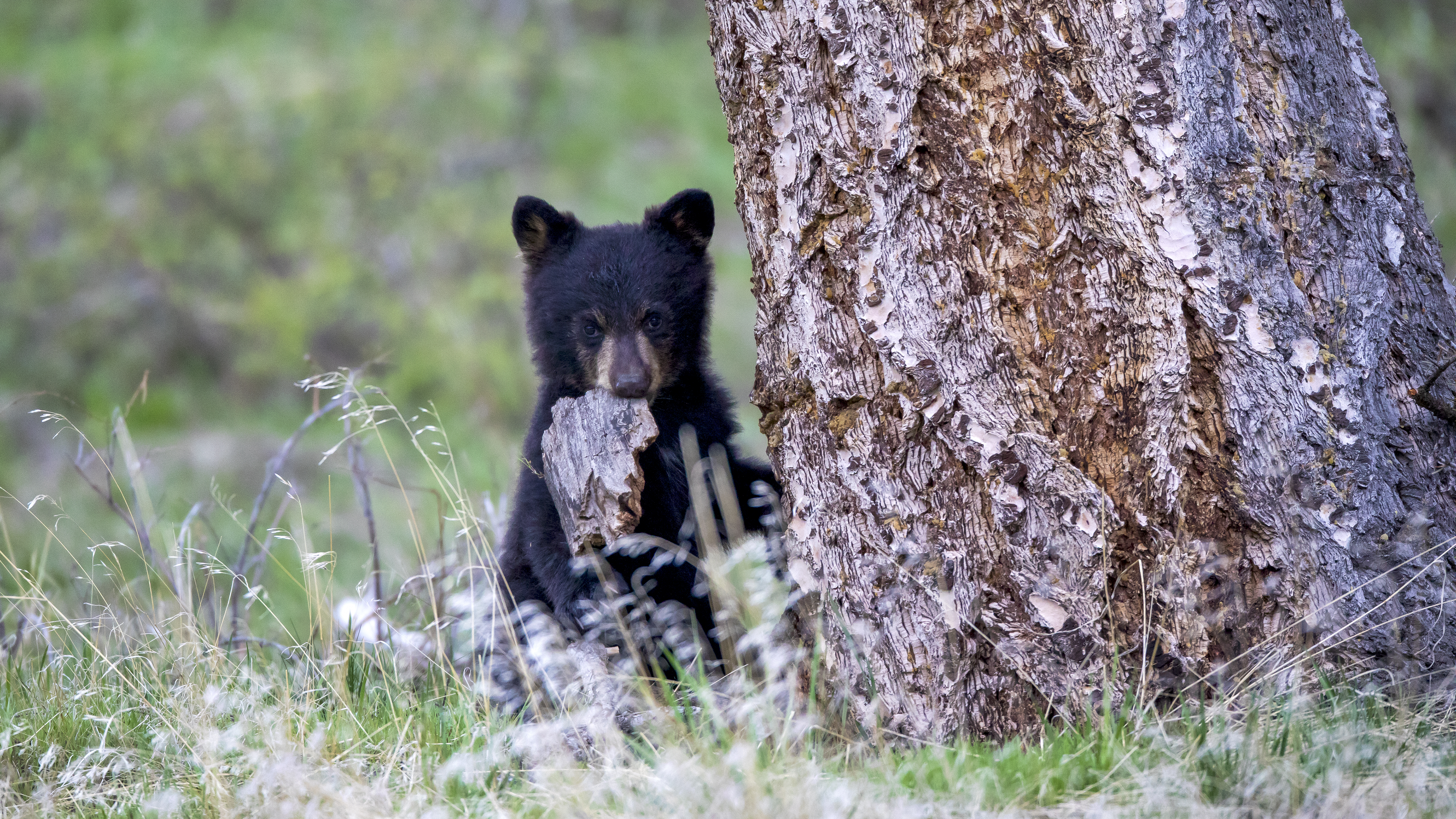
One of my favorite captures from this journey, titled “Arboreal Haven”, features a curious cub peering from the crook of a tall pine. Its eyes mirror a mixture of wonder and wildness—both student and sentinel of the forest. This moment is not merely cute; it’s coded with ancestral resilience.
Nature has wired these beings to ascend toward safety, just as it wires us to rise toward understanding. As they explore branches and brave the vertical, we’re reminded that life’s first adventures often begin with the courage to climb.
The Protective Mama Bear
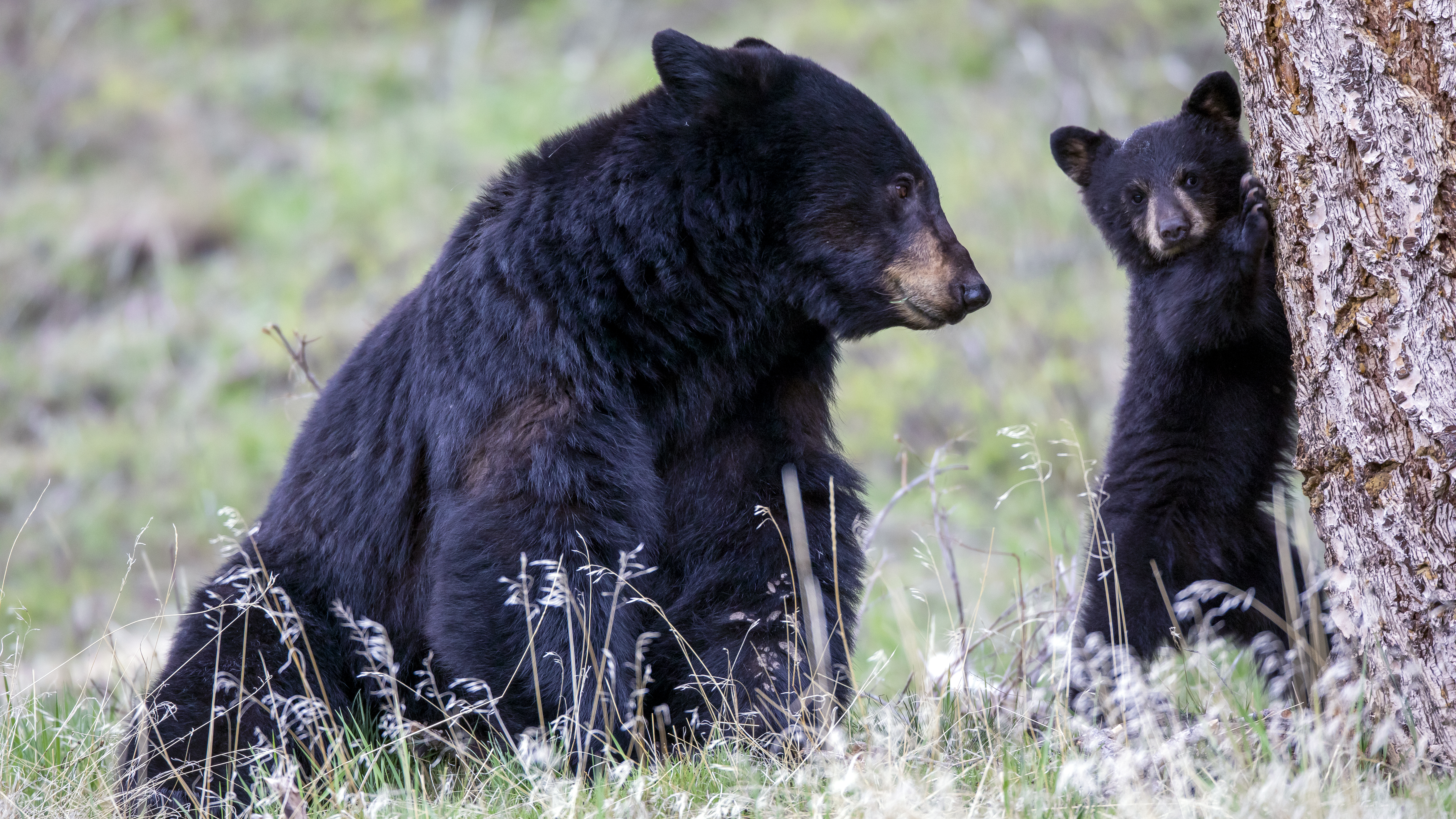
The forest may be wild and unpredictable, but to a black bear cub, it is home—because of one reason: mama bear. Her presence is both shield and compass. In my encounters with bear families, I’ve seen how her silent stance and cautious gaze shape the cub’s world. She doesn’t just guard them from predators—she teaches them how to read the forest.
In this image titled “Bravest Journey”, a young cub stands under the soft shadow of its mother, mimicking her alert posture. This isn't merely a moment of stillness—it's the transmission of ancestral knowledge. The mother's patience is deep time embodied; the cub learns through osmosis.
Through the resonance of maternal energy, we witness a universal truth: all wild things thrive not through independence, but through sacred bonds. In the echo of their footsteps is the rhythm of legacy.
Learning the Art of Hunting
Beneath the rustling leaves of the spring forest, a silent education unfolds. The mother bear becomes the wilderness schoolteacher, guiding her cubs not only in climbing and play, but in the art of survival. From overturning rocks for insects to scanning streams for the silver flicker of fish, these first lessons form the foundation of a lifetime.
Through the lens of wildlife photography, I witness and document this sacred transmission. The cub watches her mother pause, sniff the air, and swipe at the earth—not with words, but with presence and precision. In time, she will mirror this rhythm. It’s in this way that generations of black bears remember how to thrive.
As part of their seasonal growth, these young cubs also begin to learn the timing of cycles—when berries are ripest, where fish run strongest, how winter demands rest. This sacred learning through resonance mirrors the rhythm of nature itself.
Playful Sibling Bonds
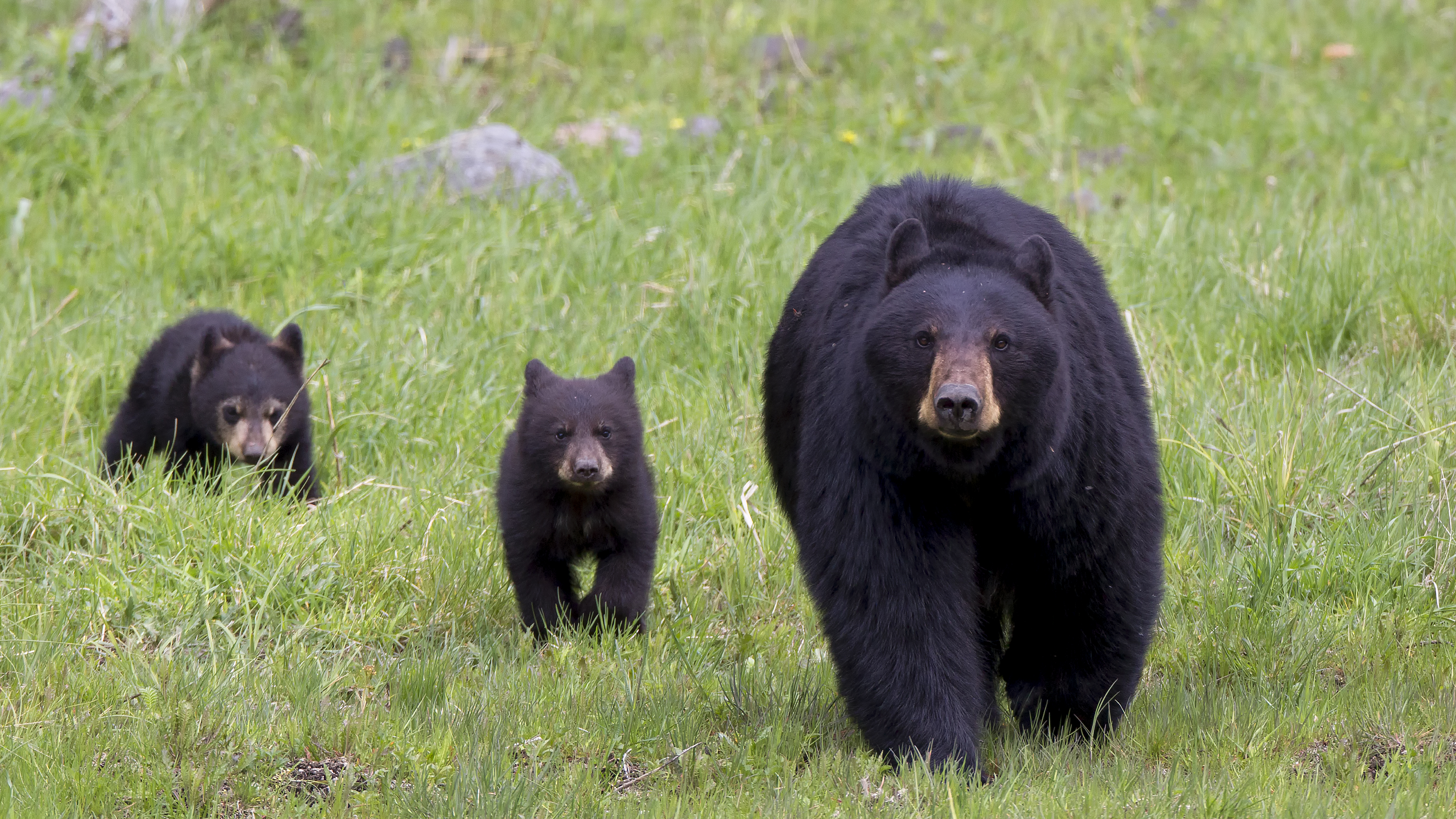
In the forest’s classroom, black bear cubs learn the language of life through play. Wrestling, chasing, and tumbling with their siblings, these vibrant interactions build more than muscle—they shape character, foster confidence, and reinforce emotional bonds. Such playful behavior isn’t random; it’s a training ground for future challenges.
Just as we see in grizzly bear cubs and other wild kin, sibling dynamics provide opportunities to establish hierarchy, test boundaries, and deepen trust. These lessons, passed between paws and fur, are essential for later independence.
I often reflect on how these playful rituals mirror our own childhood games—each tug, each tumble infused with deeper purpose. These bonds become an anchor for cubs as they step into the unknown, just as nature has intended in its own beautifully orchestrated rhythm.
A Glimpse into Cub-hood
In every black bear cub is a story of the wild unfolding. Their earliest months are rich with wonder—climbing low branches, sniffing the wind, or curiously pawing at moss-covered stones. These quiet discoveries are where instinct meets experience, and where the roots of survival are grown in play.
I often reflect on how these tender moments echo scenes from other bear species I've documented, from curious brown cubs in Yellowstone to grizzlies learning their way through the snow. Cubhood is more than an age—it’s a sacred initiation into the rhythm of the wild.
As we witness their progression from timid explorers to confident climbers, we’re reminded that growth in nature doesn’t follow a clock. It follows the sun, the scent, the sounds of the forest. And every moment is a lesson passed quietly through the paws of time.
Conclusion: The Enduring Spirit of the Cubs
From playful beginnings in the canopy to the teachings of a vigilant mother, black bear cubs offer us more than just charming photo opportunities—they reveal the architecture of wilderness growth. Their journey is both physical and spiritual, shaped by instinct, curiosity, and the gentle ferocity of love.
Through further studies of bear behavior and my own time in the field, I've come to see these cubs as mirrors of resilience. Every paw print is a step toward independence, every sibling wrestle an act of preparation. As we bear witness, we reconnect with the wilderness within ourselves.
Thank you for walking this path with me. May these glimpses into the world of black bears and their cubs spark both wonder and a deeper responsibility to protect their sacred spaces.
“In every climb, chase, and moment of stillness, the cubs teach us to trust nature’s pace—to grow slow, wild, and wise.”
~ Robbie George
Explore More Wildlife Wonders
If the spirit of the black bear cubs moved you, you’ll love exploring our full Wild Eyes in the Wilderness gallery. Every print captures a soul-deep connection with the natural world—untamed, unfiltered, unforgettable.
Don’t miss these related stories and fine art prints:
- 🐾 Black Bear: Species Overview – Habitat, Diet, Behavior & More
- 🖼️ Fine Art Print – “Arboreal Haven” Black Bear Cub Climbing Tree
- 🐻 Bear Facts: A Guide to the World's Most Fascinating Mammals
- 🌲 Spirit Wild – Grizzly Bear and Cub in Wyoming
For more photography and stories from the wild, visit our full blog archive or follow us on Instagram.
Naturepedia Connections
This story of black bear cubs is part of the broader Naturepedia system—where mammal behavior, maternal learning, seasonal change, forest habitat, and field observation connect across a larger wildlife knowledge network.
- Black Bear: Species Overview — Habitat, Diet, Behavior & More — The wider ecology and life history behind cub behavior
- Mammals of North America — Place black bears within the larger mammal knowledge system
- Wildlife Behavior & Ecology — Maternal care, play behavior, foraging lessons, and survival patterns
- Ecosystems of North America — Forest habitat, food cycles, and the living environments cubs grow within
- Wildlife Conservation & Habitat — Why protected habitat matters for mothers, cubs, and safe movement corridors
- Seasonal Wildlife Calendar — Follow the seasonal timing of spring emergence and wildlife activity
- Explore Naturepedia — Enter the full wildlife, ecology, and observation knowledge system
Explore Fine-Art Prints
Bring the season home—browse Wildlife, Landscapes, and Seascapes by National Geographic–published photographer Robbie George. See framing, editions, and care on the Collectors page.
 Landscape
  Wildlife
  Seascapes
About Robbie George
Robbie George is a National Geographic–published photographer and resonant naturalist. His fieldcraft follows a simple ethic—distance first, habitat always— shaped by Slow Knowledge and the Signature Series.
Explore calm, undisturbed behavior in the Wildlife Gallery or plan your next trip with the Seasonal Wildlife Calendar, Golden Hour & Moon, and Photography Maps.
“Attention first, image second. The shutter is the period at the end of a sentence you learned by walking.”
Frequently Asked Questions About Black Bear Cubs
- How big are black bear cubs when they are born?
Black bear cubs are tiny at birth, usually weighing less than a pound. By the time they emerge from the den in spring, they have grown quickly through nursing and maternal care and are much more active, mobile, and alert.
- How long do black bear cubs stay with their mother?
Black bear cubs usually stay with their mother for about a year and a half. During that time, they learn how to climb, forage, avoid danger, read the forest, and move through their habitat with growing independence.
- Why do black bear cubs climb trees so often?
Tree climbing is one of the cubs’ earliest and most important survival skills. Trees offer safety, rest, perspective, and protection, especially when the mother senses danger or needs the cubs to stay secure.
- What do black bear cubs eat?
Young cubs begin life nursing from their mother, then gradually transition into an omnivorous diet that can include berries, roots, insects, vegetation, and other seasonal food sources they learn to recognize in the wild.
- Do black bear cubs stay with their siblings?
Yes. Siblings spend a great deal of time together while they are young. Their wrestling, chasing, climbing, and play help build strength, coordination, confidence, and social awareness during early development.
- When are black bear cubs most often seen?
Black bear cubs are often easiest to observe in spring and early summer, when they begin spending more time outside the den with their mother. Early morning and evening are often the best times for wildlife observation and photography.
- Are black bear cubs dangerous?
Black bear cubs themselves are not usually the danger. The real concern is the protective mother nearby. If you see cubs in the wild, keep your distance, do not approach, and never place yourself between a mother bear and her young.
- What threats do black bear cubs face in the wild?
Black bear cubs face risks from habitat loss, human disturbance, road crossings, food-conditioning near developed areas, and natural predators. Protecting habitat and reducing human-bear conflict are important parts of long-term bear conservation.