
Canvasback Duck – The Elegant Diver of North America
Canvasback Duck — A Sleek Diver Shaped by Water, Wetlands, and Migration
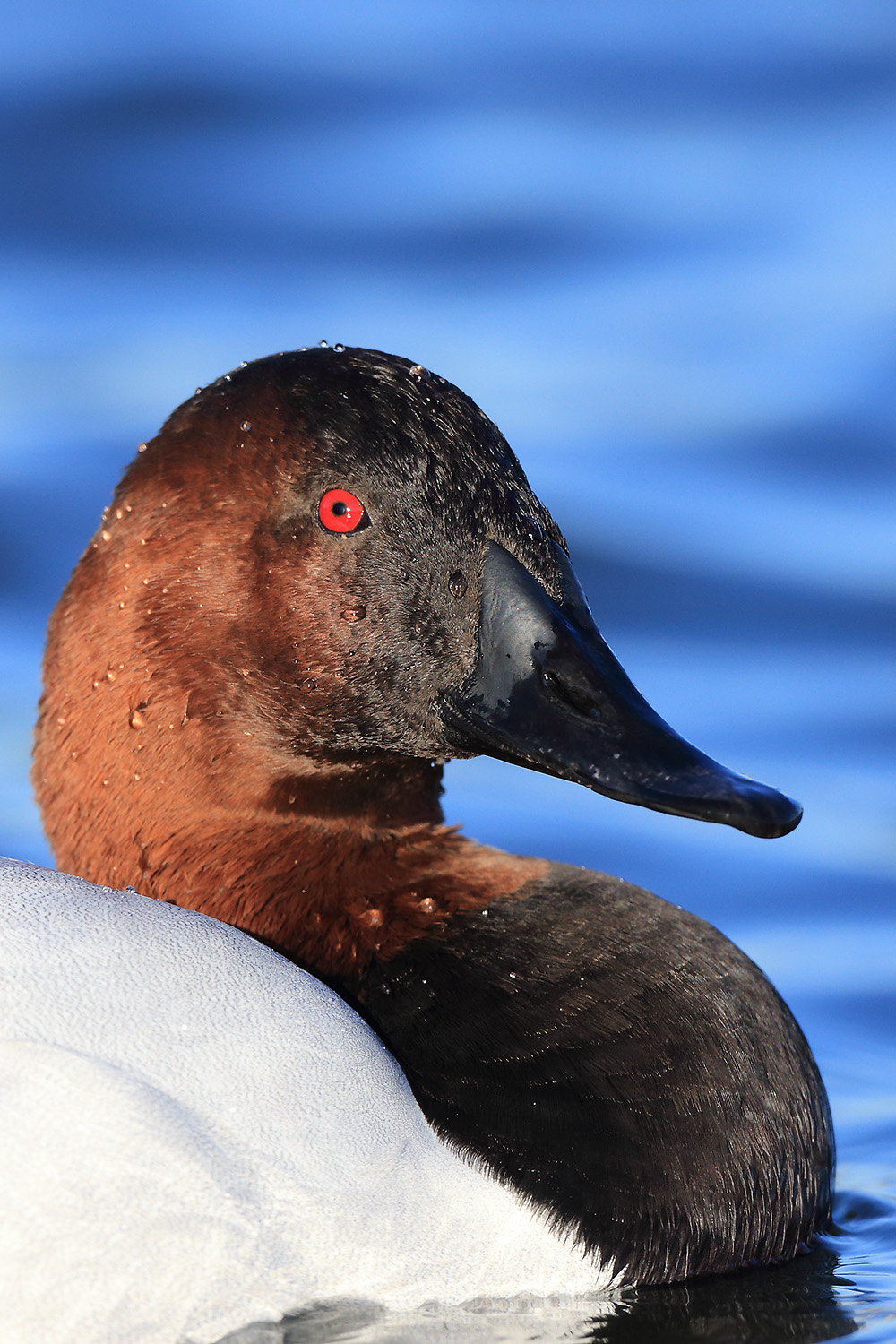
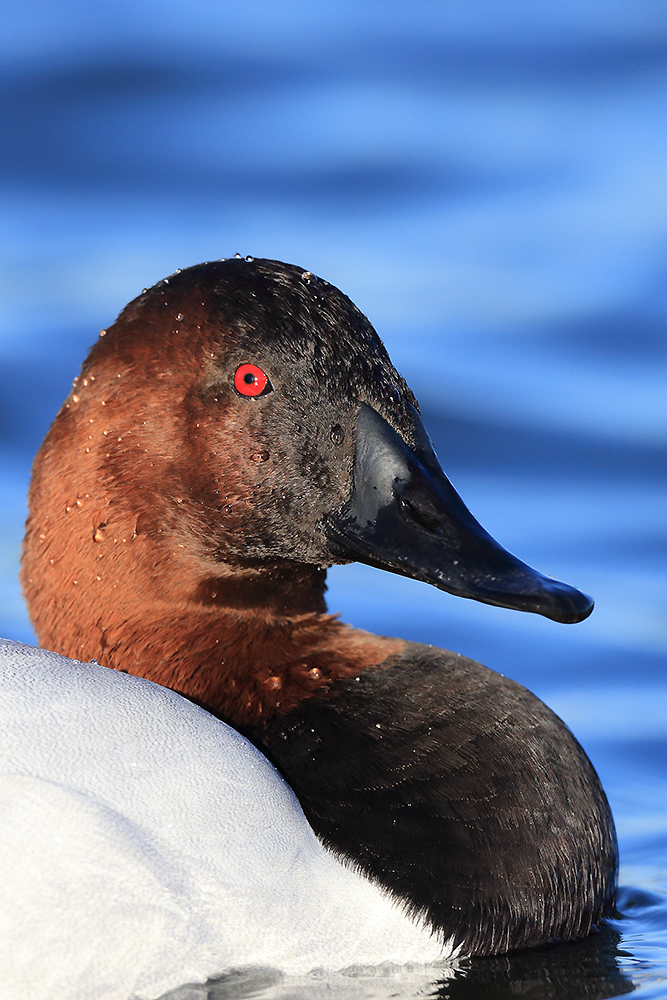
Few North American ducks carry the same clean profile and quiet presence as the Canvasback (Aythya valisineria). On calm water, its long sloping head, dark bill, and low floating posture immediately set it apart from other ducks. In the field, it feels refined and purposeful — a bird built not for surface dabbling, but for deeper water, submerged plants, and long seasonal movement across the continent.
The Canvasback is one of the defining birds of marshes, lakes, estuaries, and migration corridors tied to healthy wetland systems. Its story is inseparable from aquatic vegetation, open water, and the seasonal rhythm of breeding grounds, stopovers, and wintering habitat. That makes it a natural fit within your broader pages on waterfowl and wetland birds, wildlife migration and seasonal patterns, wildlife behavior and ecology, and wildlife conservation and habitat.
In this guide, the focus stays field-first: how to recognize a Canvasback, where it lives, what it eats, how it behaves in flocks and on migration, and why wetland conservation matters so much to its future. From there, the page can connect outward into the larger Naturepedia Wildlife Knowledge System, where species, habitat, place, season, and observation all strengthen one another.
“The Canvasback carries the elegance of open water and the quiet precision of a bird shaped by depth, distance, and wetland light.”
— Robbie George
On This Page
Diving Behavior — Built for Life Below the Surface
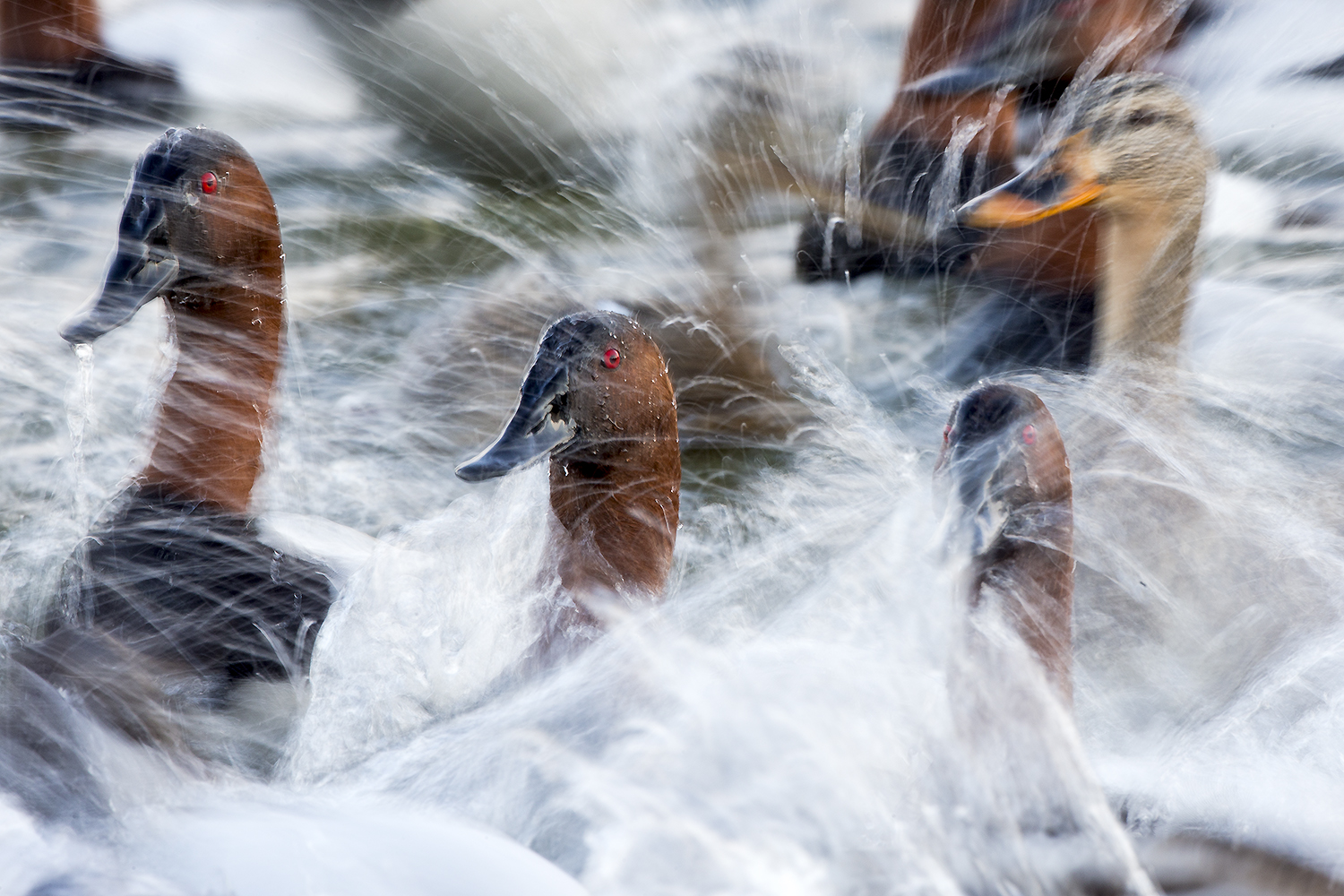
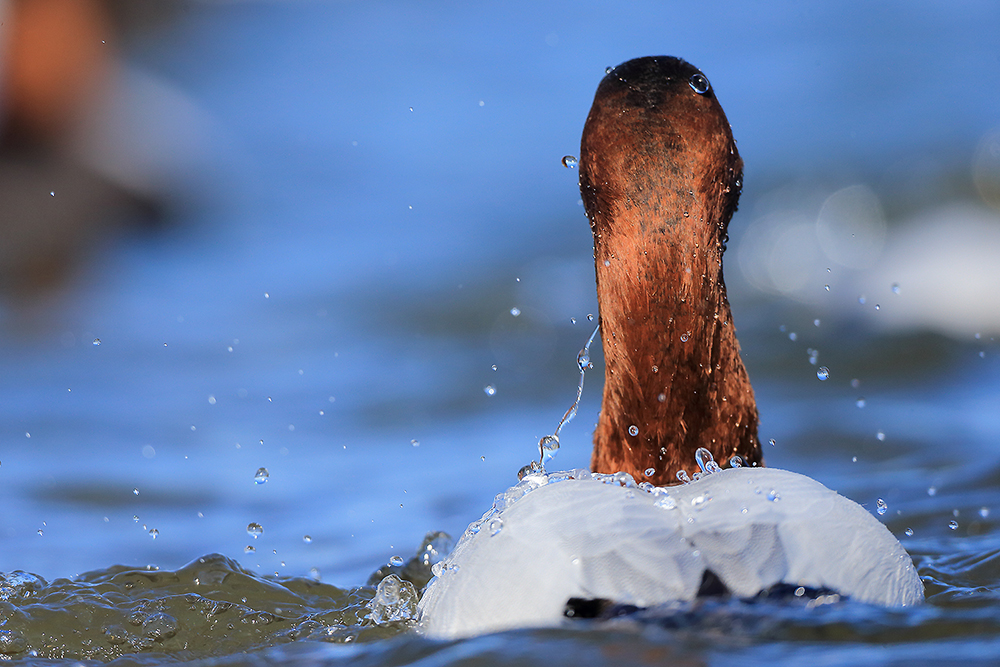
In the field, I don’t think of the Canvasback as a surface duck at all. It’s a bird defined by what happens below the water. While many ducks tip forward and feed at the surface, Canvasbacks disappear completely — slipping under with almost no disturbance and reappearing seconds later somewhere new.
Their entire structure reflects this behavior. The body sits low in the water, the legs are positioned far back for propulsion, and the movement is efficient rather than explosive. When I watch them feed, it’s a rhythm: dive, surface, reset, dive again. Over time, you realize they are working a specific patch — not randomly, but methodically following submerged vegetation.
This is what separates them from dabbling ducks and places them firmly within the category of specialized divers. Their behavior connects directly into the broader patterns I outline in waterfowl and wetland birds and even more specifically into wildlife behavior and ecology, where movement, energy, and environment are always connected.
What they’re targeting is just as important as how they move. Canvasbacks are one of the few ducks strongly tied to submerged aquatic plants — especially wild celery. That relationship makes their diving behavior ecological, not just physical. They aren’t just feeding — they’re interacting with the structure of the wetland itself.
When wetlands are healthy, this behavior looks effortless. When vegetation declines, their feeding patterns change. That’s why watching a Canvasback dive is more than observation — it’s a direct signal of how the system underneath the water is functioning.
Habitat — Open Water, Marsh Edges, and Vegetation Below the Surface
Canvasbacks are tied to wetlands in a very specific way. I usually think of them as birds of open water with a strong dependence on what grows underneath it. They are most at home on deeper marshes, lakes, estuaries, and broad wetland systems where they have room to dive and where submerged vegetation is still abundant enough to support regular feeding.
That habitat preference is one of the reasons they stand apart from many other ducks. They are not simply using shoreline edges or surface water. They need aquatic systems with depth, clarity, and plant productivity. Wild celery, pondweed, and other submerged vegetation are not just food sources — they are part of the habitat structure that makes a place usable for Canvasbacks in the first place.
During breeding season, Canvasbacks are strongly associated with the Prairie Pothole Region of Canada and the northern United States, where shallow wetlands and dense marsh vegetation provide nesting cover and nearby feeding water. Outside the breeding season, they shift into larger migration and wintering habitats such as the Chesapeake Bay, Gulf Coast marshes, and parts of California’s Central Valley. Those movements connect this species naturally to my broader pages on wildlife habitats and ecosystem zones, ecosystems of North America, and wildlife observation locations.
In the field, habitat quality often shows up in behavior before anything else. When food is plentiful and disturbance is low, Canvasbacks settle into a wetland with confidence — diving, resting, and moving in loose groups. When water levels shift, vegetation declines, or pressure increases, that use changes quickly. That is why habitat for this species has to be understood as a living system, not just a place on a map.
The more I build these pages, the more important this connection becomes: a Canvasback is not separate from the wetland. Its shape, movement, seasonal timing, and presence all make the most sense when viewed through habitat first.
Diet — A Duck Shaped by Submerged Plant Life
The diet of a Canvasback explains a great deal about the bird itself. This is not a generalist feeding at the surface wherever food happens to be available. It is a species strongly tied to submerged aquatic vegetation, especially in wetlands where plant growth remains healthy below the waterline. In my work, that connection is one of the clearest examples of how species behavior, habitat quality, and ecology all come together in one place.
Wild celery is the food most closely associated with Canvasbacks, and it is so central to the species that it helped shape the bird’s scientific name. These ducks dive for tubers, roots, shoots, and other plant material growing beneath calm water, often returning repeatedly to the same feeding area. Their body design, feeding rhythm, and habitat preference all point back to this underwater food system.
That does not mean they eat only vegetation. Depending on season and availability, Canvasbacks also take aquatic invertebrates, small mollusks, and other protein-rich foods, especially when breeding demands are higher. This seasonal shift matters because it shows the species is specialized, but not rigid. The core pattern remains the same: plant-rich wetlands support the most characteristic Canvasback feeding behavior, while supplemental foods help meet changing energy needs through the year.
This makes the Canvasback a strong fit for my broader food webs and ecological relationships page, because its feeding tells a larger story about wetland productivity. When submerged vegetation declines, the effects do not stay hidden underwater. They rise into the visible behavior, condition, and distribution of the birds themselves.
In that sense, diet is never just about what a Canvasback eats. It is also about what a wetland can still provide.
Life Cycle — Courtship, Nesting, and Early Development on the Marsh
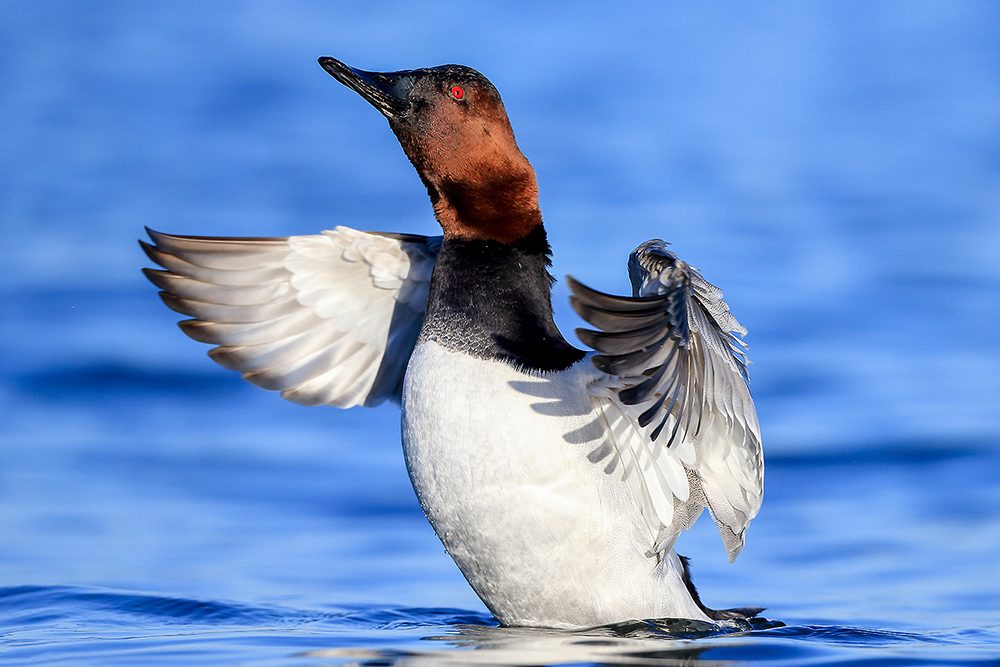
The life cycle of a Canvasback begins with pair formation and courtship on the water. In late winter and early spring, males become more animated — posturing, head-bobbing, and using low vocal sounds to reinforce pair bonds before the move into breeding habitat. Even before nesting begins, the seasonal shift is visible in body language, spacing, and attention between birds.
Once on the breeding grounds, females select nest sites in dense marsh vegetation where cover, water depth, and nearby feeding habitat all matter. Canvasbacks often build floating nests anchored to emergent plants, using cattails, reeds, bulrushes, and sedges to create a platform that can move with changing water levels. The female then lines the nest with down, creating insulation around the eggs and protection during cool spring conditions.
A typical clutch contains around 8 to 11 eggs, and incubation usually lasts about 24 to 29 days. After hatching, the ducklings leave the nest quickly and enter the water while still very young. Like many waterfowl, they are precocial — active early, able to swim almost immediately, and already beginning to navigate the structure of marsh habitat under the female’s guidance.
As the young develop, the life cycle becomes a progression from concealment to independence. Juveniles begin with muted coloration and immature proportions, then gradually shift toward adult structure and plumage. That developmental arc connects directly to my broader pages on wildlife behavior and ecology and ecosystems of North America, because every stage depends on marsh function, seasonal timing, and protection from disturbance.
What stands out to me is how closely the entire cycle is tied to wetland stability. Courtship, nesting success, brood survival, and eventual maturity all depend on habitat holding together long enough for the season to unfold.
Behavior — Flocking, Movement, and the Quiet Patterns of Open Water
Beyond feeding, Canvasbacks carry a behavior pattern that always feels disciplined to me in the field. They often hold themselves in loose groups on open water, maintaining space without looking scattered. Even when the flock is large, there is usually a sense of order to how they drift, re-form, and respond to movement around them.
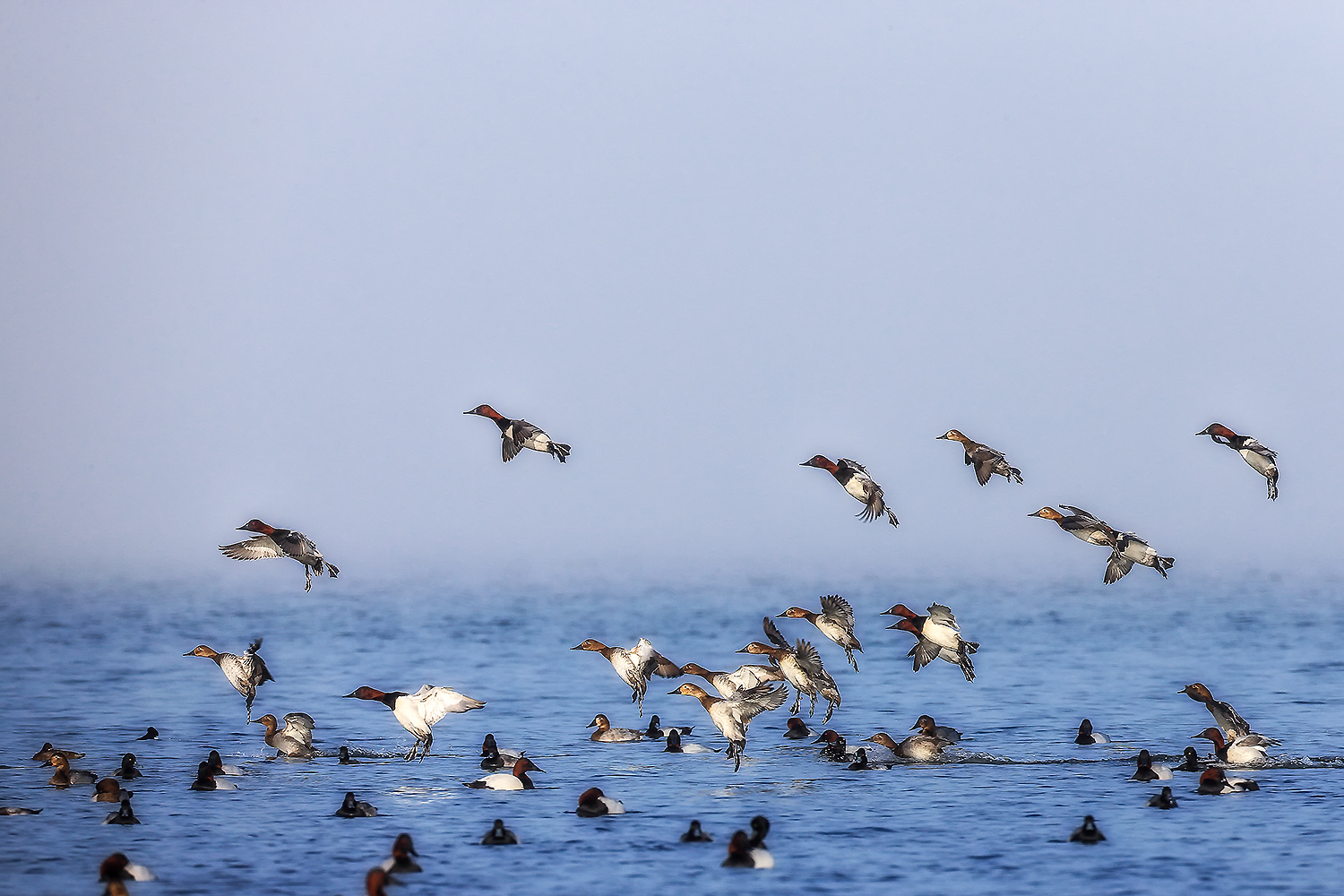
During migration and winter, that social side becomes even more visible. Canvasbacks gather in flocks that can number into the hundreds or more, often mixing with other diving ducks in productive wetlands and estuarine systems. Those groupings help with vigilance and efficiency, but they also reveal how strongly the species is tied to place. Good habitat does not attract a single bird for long — it often gathers many.
In the field, I often notice how understated their communication seems compared with more vocal species. Canvasbacks rely on subtle grunts, posture shifts, head movement, and synchronized responses within the flock. The behavior is quiet, but it is not passive. Their coordination shows up in how they lift, settle, dive, and redistribute themselves across open water.
Another important pattern is site fidelity. Canvasbacks regularly return to familiar breeding and wintering areas, and that repeated use gives the species a strong seasonal rhythm. It also means behavior is deeply connected to memory of habitat — not abstractly, but through repeated success in the same places over time.
That is why this block fits naturally with my broader pages on wildlife behavior and ecology, wildlife adaptation and survival, and waterfowl and wetland birds. The more I watch Canvasbacks, the more it becomes clear that their behavior is really a reflection of wetland structure, seasonal timing, and the confidence that comes from using the right water in the right season.
Conservation — A Species That Reflects Wetland Health
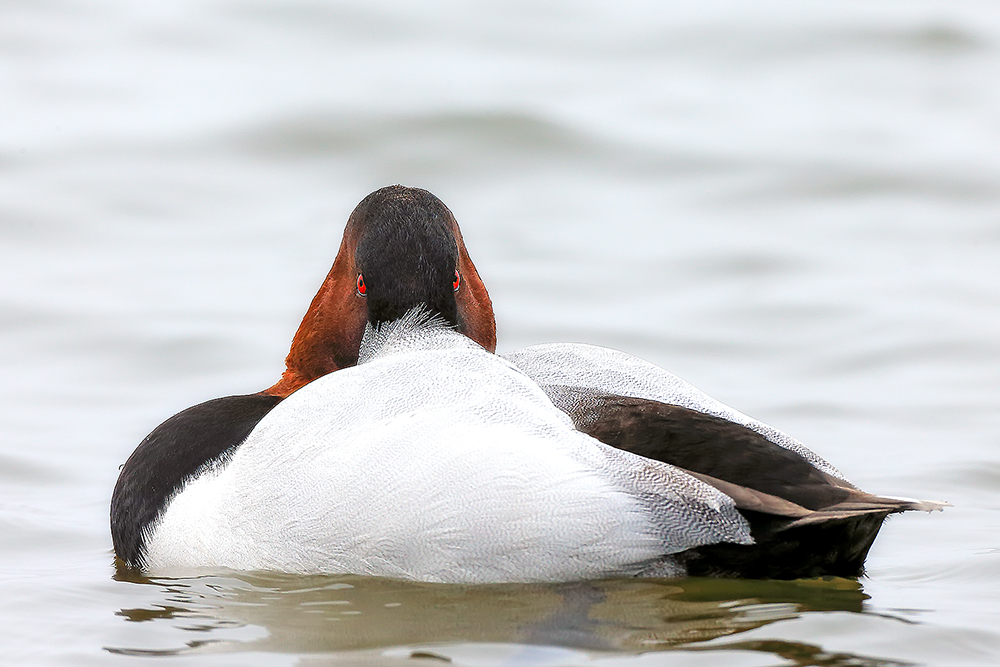
The story of the Canvasback is closely tied to the story of wetlands in North America. At one time, populations declined significantly due to overhunting and widespread habitat loss. Large-scale drainage, agricultural expansion, and changes to water systems reduced the availability of the very environments these birds depend on.
Over time, conservation efforts began to shift that trajectory. Legislation, habitat restoration, and coordinated waterfowl management brought stability back to many populations. Today, Canvasbacks are generally considered stable, but that stability is not permanent — it depends on the continued health of wetlands across their range.
The primary threats have not disappeared. Wetland loss remains one of the most significant pressures, along with water pollution and changes in hydrology that affect submerged vegetation. Climate shifts can also alter migration timing, water levels, and plant growth cycles, all of which directly influence how and where Canvasbacks can feed.
What makes this species especially important is how clearly it reflects environmental conditions. Because Canvasbacks depend so heavily on underwater plant systems, changes in water quality and vegetation often show up quickly in their behavior and distribution. In that sense, they function as a visible indicator of wetland health.
This connection places them directly within the larger framework of wildlife conservation and habitat and biodiversity and ecosystem balance. Protecting wetlands for Canvasbacks also protects water quality, plant diversity, and the many species that share the same system.
When I see Canvasbacks using a wetland consistently, it usually tells me something important — that the system is still functioning well enough to support them. And when that pattern changes, it’s often one of the first signs that something beneath the surface is shifting.
Migration — Seasonal Movement Across Water Systems
In the field, Canvasback movement is something I notice more through timing than distance. They don’t just appear randomly — they arrive when water conditions, food availability, and seasonal shifts line up. That pattern becomes more predictable the more time you spend in the same wetlands across different parts of the year.
Canvasbacks are long-distance migrants. They breed in the Prairie Pothole Region of Canada and the northern United States, then move south into larger water systems as temperatures drop. By late fall and winter, they concentrate in areas like the Chesapeake Bay, Gulf Coast marshes, and other estuarine environments where food remains accessible.
What stands out is how closely their migration follows water and vegetation, not just geography. If conditions shift — whether from drought, flooding, or vegetation loss — their distribution shifts with it. That flexibility is part of their survival, but it also makes them sensitive to changes in wetland systems across the continent.
In my work, I connect this movement directly into wildlife migration and seasonal patterns and the seasonal wildlife calendar, because timing is just as important as location. Knowing when birds move is often more useful than knowing where they exist on a map.
Some of the most consistent patterns I’ve seen come from repeat locations — wetlands that hold birds year after year during migration or winter. That ties back to site fidelity, where individuals return to the same areas if conditions remain favorable. It also reinforces how important specific locations are within the larger migration system.
Watching Canvasbacks through the seasons turns migration into something tangible. It’s not just a concept — it’s a sequence of arrivals, departures, and shifting use of water that connects one wetland to another across the year.
From Field Observation to the Larger Canvasback System
Spending time with Canvasbacks has always reinforced the same pattern for me — this is a species that only fully makes sense when you look at the system around it. Their diving behavior, their dependence on submerged vegetation, and their seasonal movement all point back to one thing: the condition of the wetland itself.
That is exactly how I’ve built my site. I don’t treat species as isolated subjects. I connect them to waterfowl and wetland birds, to behavior and ecology, to ecosystems, and to conservation and habitat. The more you connect those layers, the more clearly the species reveals itself.
Canvasbacks are a perfect example of this approach. Their presence depends on water quality, plant growth, seasonal timing, and geography. When those elements align, the species thrives. When they begin to break down, the changes show up quickly in how and where the birds behave.
That’s why this page is just one entry point. The deeper understanding comes from seeing how this species fits into the broader Naturepedia system — where observation, habitat, time, and ecology all connect into one continuous structure.
Frequently Asked Questions About Canvasback Ducks
What do Canvasback Ducks eat?
Canvasbacks feed primarily on submerged aquatic vegetation, especially wild celery, along with tubers, roots, and shoots from other wetland plants. They also eat aquatic invertebrates, mollusks, and other protein-rich foods when seasonal needs shift, particularly during breeding.
Where do Canvasback Ducks live?
Canvasbacks live in marshes, lakes, estuaries, and other open-water wetlands across North America. They breed mainly in the Prairie Pothole Region and winter in larger water systems such as the Chesapeake Bay, Gulf Coast marshes, and other food-rich wetland habitats.
Do Canvasback Ducks migrate?
Yes. Canvasbacks are long-distance migrants that move between northern breeding wetlands and southern wintering waters. Their seasonal movement follows wetland conditions, food availability, and open water, making migration closely tied to habitat quality across the year.
How do Canvasback Ducks nest and raise their young?
Females build floating nests anchored in dense marsh vegetation using reeds, sedges, and other plant material. After laying a typical clutch of 8 to 11 eggs, they incubate them for about 24 to 29 days. Once hatched, the ducklings enter the water quickly and begin developing in the shelter of marsh habitat.
How can I identify a Canvasback Duck?
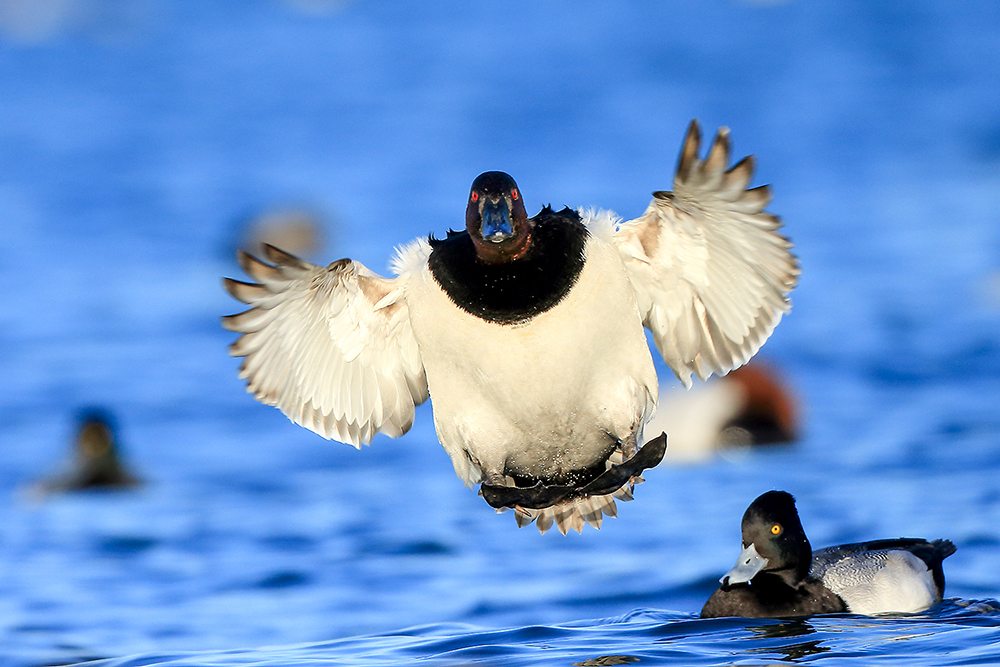
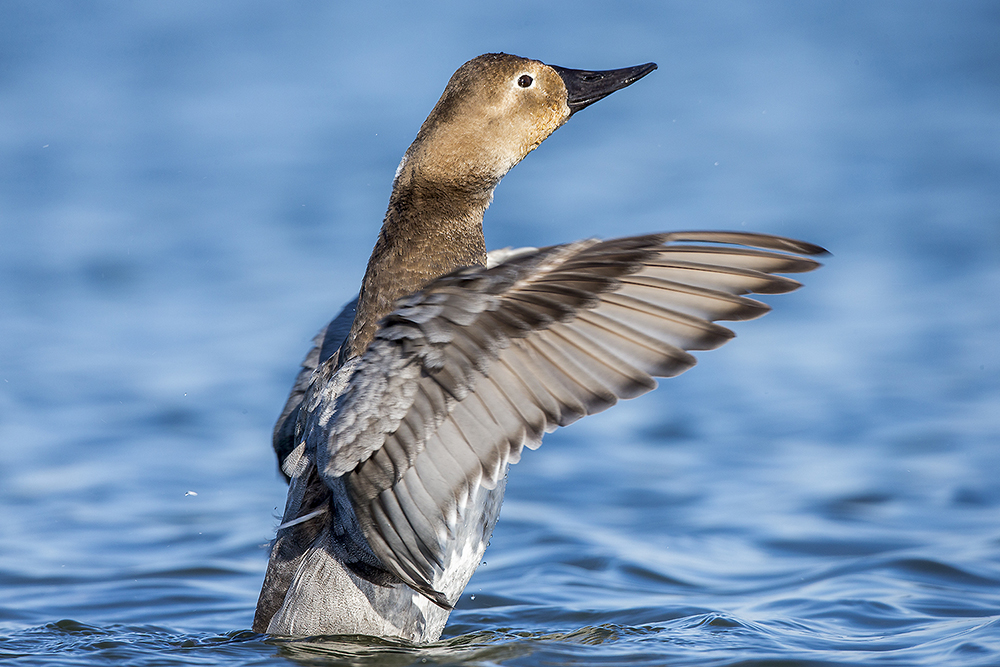
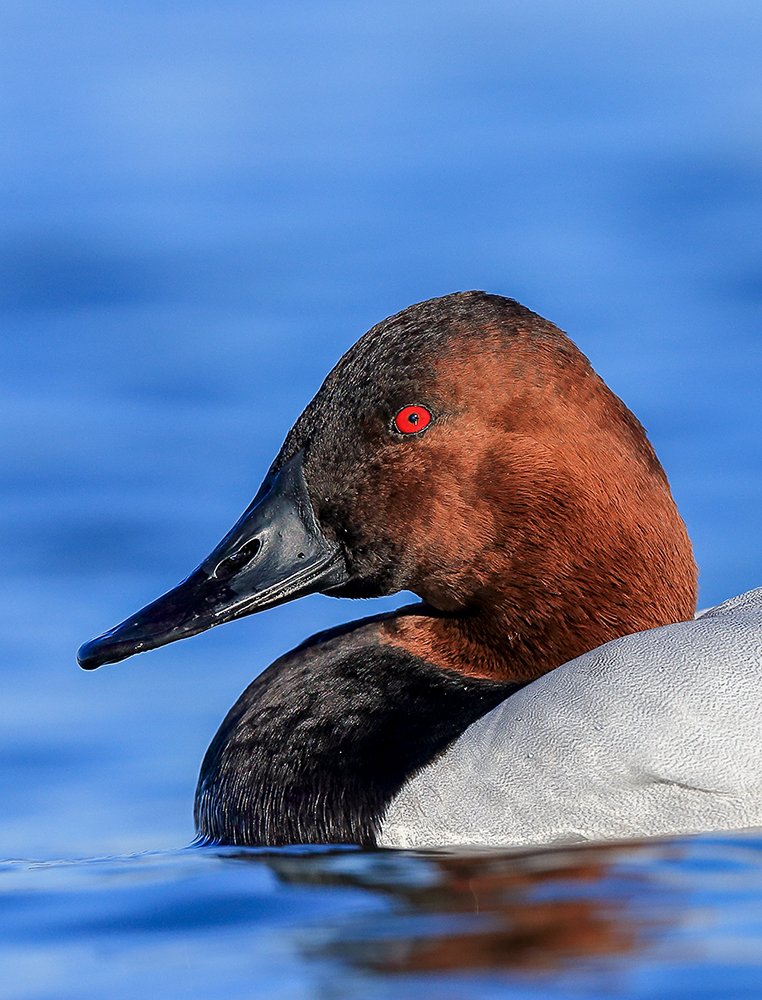
The best field mark is the Canvasback’s long, sloping forehead and dark wedge-shaped bill. Males in breeding plumage show a chestnut-red head, black chest, pale body, and red eye, while females are softer brown-gray but keep the same elegant profile.
Why are Canvasback Ducks important for wetland conservation?
Canvasbacks are strongly tied to healthy wetland plant communities, especially submerged vegetation. Because their feeding and seasonal use depend so much on water quality and habitat condition, they help reveal how well a wetland system is functioning beneath the surface.
About the Photographer
I’m Robbie George, a National Geographic–published wildlife photographer. My work is built through time in the field — returning to wetlands, coastlines, and wild places across seasons, watching how light, behavior, and habitat come together in real moments.
Species like the Canvasback are a big part of that experience for me. They’re not just visually striking — they’re deeply tied to the condition of the wetlands they depend on. When I photograph them, I’m not just capturing a bird on the water. I’m documenting a system — the vegetation below the surface, the seasonal timing, and the balance that allows them to be there in the first place.
That perspective is exactly how I’ve built this site. Each species connects outward — into Naturepedia, into ecosystems, behavior, migration, and conservation. My goal is to make what I see in the field easier to understand as a connected system, not just individual sightings.