


Grizzly Bear: Exploring Ursus Arctos Horribilis
Understanding the Grizzly Bear in the Wild
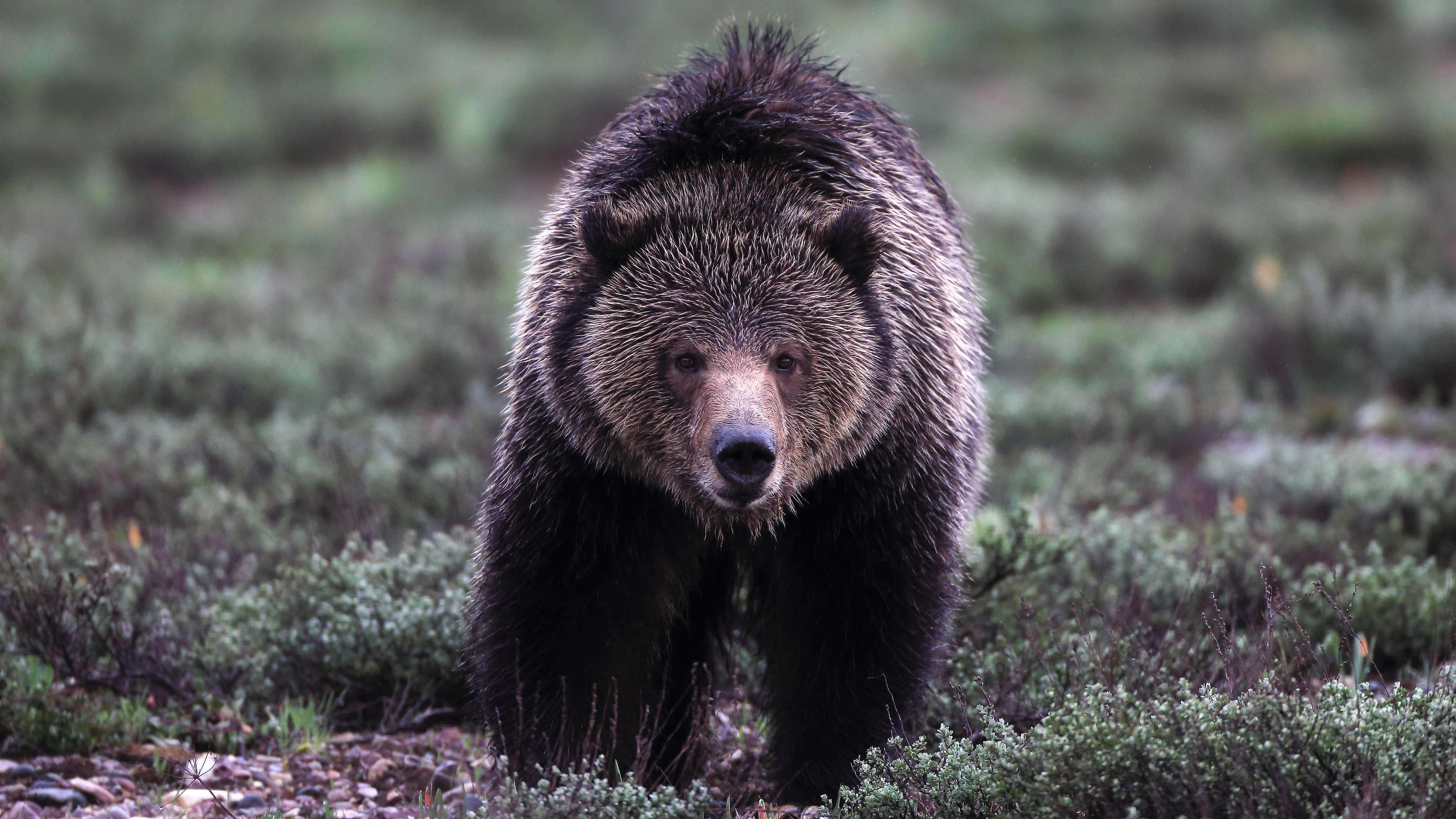
When I’m photographing grizzlies, the first thing I notice isn’t their size — it’s their awareness. Every movement is deliberate. Every pause has purpose. These bears are constantly reading the landscape — wind direction, scent trails, sound, and movement — long before we ever notice them.
The grizzly is a subspecies of the brown bear, but in North America, it represents something more — a living indicator of wilderness integrity. Where grizzlies still roam, the system is still intact. You see it clearly in places like Yellowstone, where predator-prey dynamics, seasonal food cycles, and habitat diversity all remain connected.
Physically, they’re built for survival — powerful shoulder muscles for digging, long claws for foraging, and a sense of smell that can detect food miles away. But what stands out most in the field is not just their strength — it’s how precisely they use it.
This is where understanding behavior becomes critical. To truly see a grizzly bear, you have to go beyond identification — into how it moves through habitat, how it feeds, and how it fits into the larger ecological food web.
On This Page
Explore the grizzly bear through field observation, habitat, feeding ecology, seasonal behavior, conservation, and its place in the larger Naturepedia system.
Core Behavior — How Grizzlies Move Through the World
What stands out to me most about grizzlies in the field is how intentional they are. They may look immense and heavy, but their behavior is rarely careless. A grizzly is constantly assessing — scenting the air, listening, watching terrain, and reading the movement of everything around it. Even when a bear appears relaxed, it is still tuned into the landscape in a way that reminds you this animal belongs fully to the wild.
Most grizzlies live as solitary animals, moving independently across large territories shaped by food, season, and pressure. That solitude is part of their ecology. It reduces competition, allows wide-ranging foraging, and gives each bear the flexibility to respond to changing conditions. At rich food sources — such as salmon streams, carcasses, or seasonal berry patches — that spacing can temporarily collapse, and behavior becomes more layered. Dominance, caution, tolerance, and tension all become visible at once.
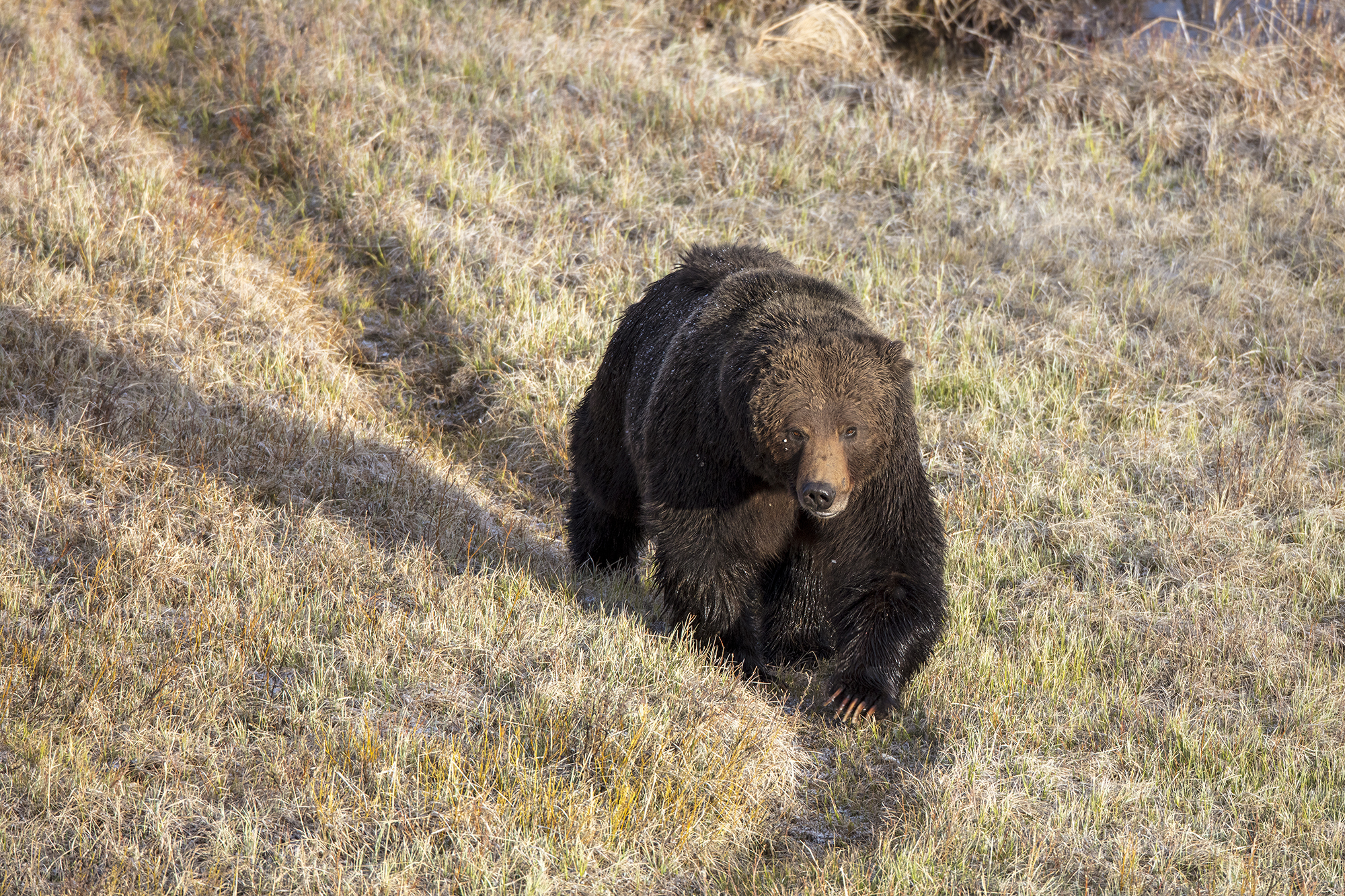
Their body language is one of the most important things to understand. The pace of movement, head position, ear posture, and how directly a bear is traveling all tell a story. A feeding bear behaves differently from a traveling bear. A sow with cubs reads the world differently from a boar. Learning to observe those distinctions is essential not just for photography, but for respectful and safe field presence.
Grizzlies also shape the behavior of other animals around them. Their presence can alter how ungulates use meadows, how scavengers gather, and how space is shared across the food web. That is why I see them as more than large mammals. They are part of a larger living system of pressure, movement, and response — exactly the kind of relationship I explore across Mammals of North America and Wildlife Behavior & Ecology.
In places like Yellowstone, you can see these patterns clearly. A grizzly is never just passing through a scene. It is influencing the scene — through presence, feeding, movement, and memory written into the landscape.
Habitat — Where Grizzlies Live and Why It Matters
In my experience, grizzly habitat is less about a single place and more about a range of connected environments. A bear doesn’t live in one ecosystem — it moves through many. Open valleys, dense forests, alpine slopes, river corridors — all of these become part of a single living territory shaped by food, season, and access.
In places like the Greater Yellowstone Ecosystem, I’ve watched grizzlies move from spring grasslands to summer forests and then into high-elevation berry fields as the seasons shift. These movements aren’t random — they follow the timing of food across the landscape. That’s why habitat connectivity is everything. Without it, the system breaks.
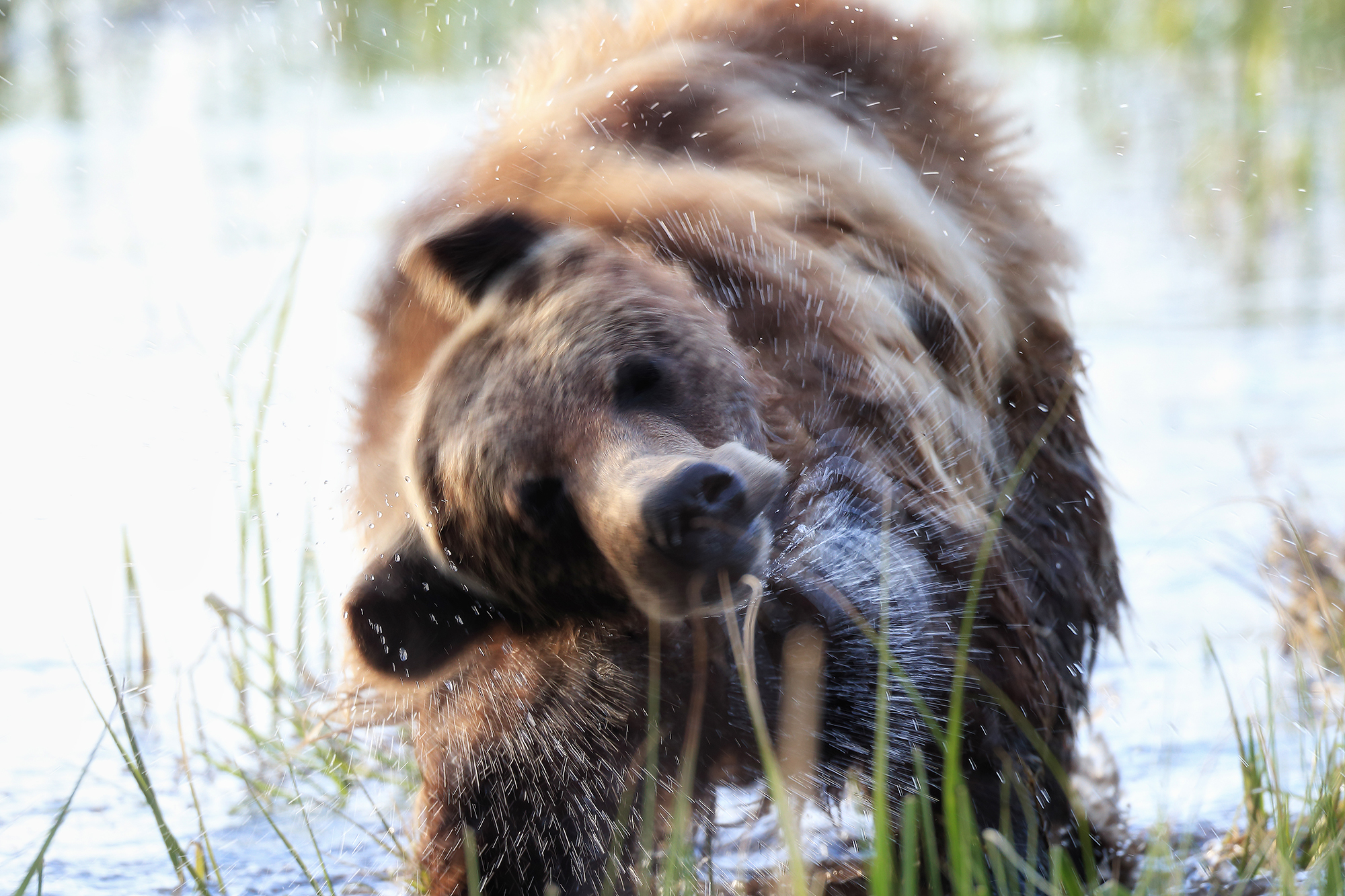
A healthy grizzly landscape includes:
- River systems for fish and seasonal movement
- Forested cover for security and denning
- Open meadows for grazing and visibility
- Mountain terrain for seasonal food shifts and isolation
This is why grizzlies are often considered a keystone species. Protecting them means protecting vast, intact landscapes. When those landscapes remain connected, biodiversity follows.
Today, much of their historic range has been reduced or fragmented. Roads, development, and human expansion create barriers that interrupt natural movement patterns. That fragmentation doesn’t just affect bears — it affects entire ecosystems. You can see the difference clearly when comparing protected systems like Grand Teton or Yellowstone to more developed landscapes.
Understanding grizzly habitat means understanding how ecosystems function as connected systems — something I continue to build out across Ecosystems of North America and Wildlife Habitats & Ecosystem Zones.
Diet — What Grizzlies Eat and How They Shape the System
One of the biggest misconceptions I see is that grizzlies are primarily predators. In reality, most of their life is spent foraging. They are opportunistic omnivores, constantly adjusting their diet based on season, location, and availability. What they eat is less about preference and more about timing and efficiency.
In the spring, I often see them feeding on emerging grasses and scavenging winterkill. As summer builds, their diet expands — roots, insects, berries, and in some regions, fish like salmon become critical. By fall, everything changes. This is hyperphagia — a period where feeding becomes almost constant, driven by the need to build fat reserves before winter.
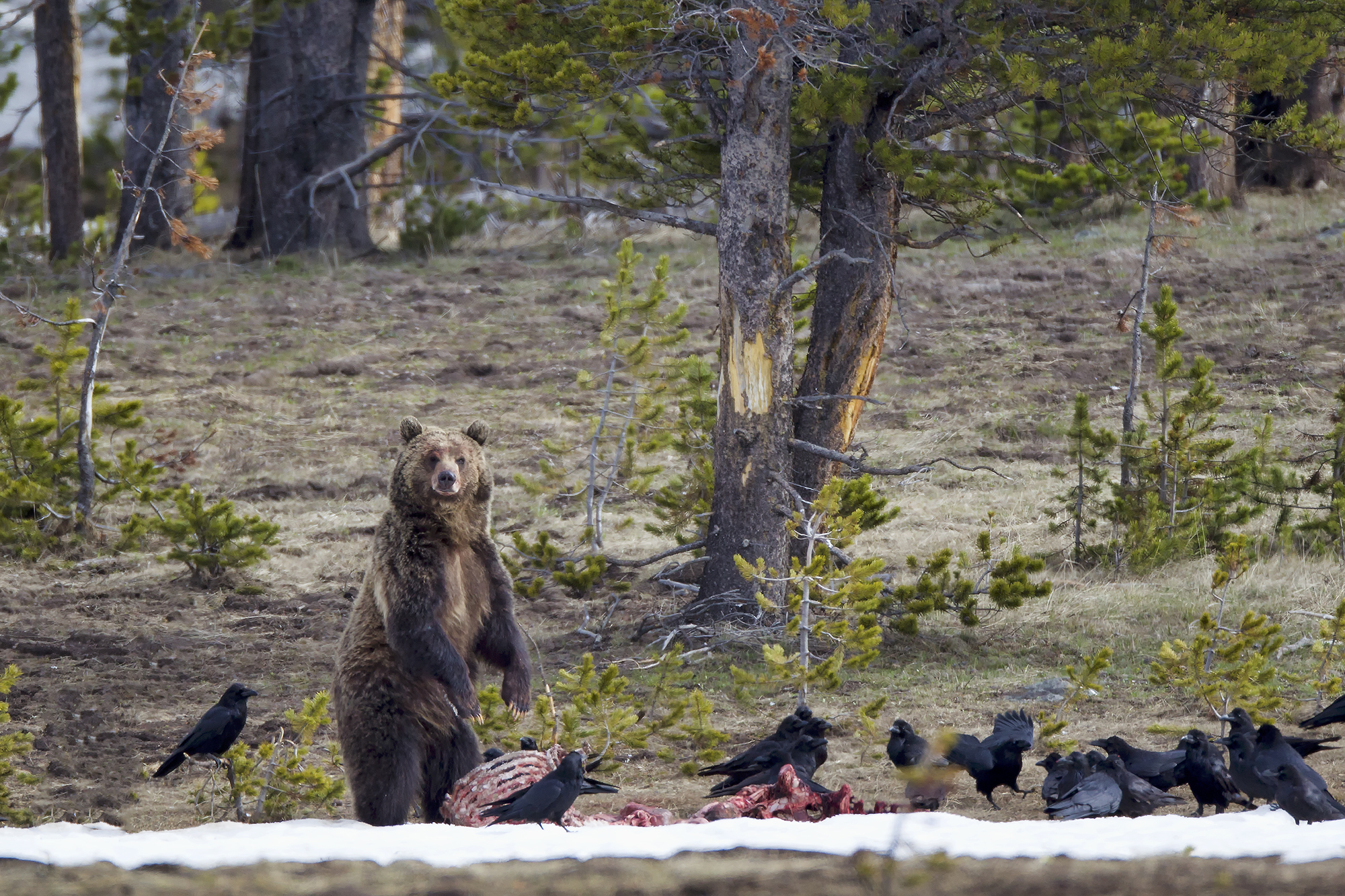
A typical grizzly diet can include:
- Plant matter: grasses, roots, berries, nuts
- Insects: ants, grubs, and larvae found in logs or soil
- Fish: especially salmon during spawning runs
- Mammals: small rodents to large prey like elk calves
- Carrion: scavenged remains from other predators
What’s fascinating is how their feeding behavior affects everything else. When a grizzly drags a carcass into the forest, nutrients are redistributed. When they eat berries, seeds pass through and get spread across the landscape. Even their digging aerates soil and creates microhabitats. Their diet is directly tied to biodiversity and ecosystem balance.
In ecosystems like Yellowstone, I’ve seen how grizzlies interact with other predators — especially wolves. They may compete, scavenge, or displace each other, creating a dynamic system of energy transfer across the food web. This is where diet becomes more than feeding — it becomes ecology in motion.
Life Cycle — From Den to Independence
One of the most powerful things I’ve witnessed in the field is the contrast between a full-grown grizzly and a newborn cub. Cubs enter the world in complete vulnerability — born deep in winter dens, blind, nearly hairless, and weighing barely a pound. Yet within a few seasons, they become capable, aware, and fully tuned into the landscape around them.
Everything about a grizzly’s life cycle is tied to survival timing. Birth happens during hibernation, usually between January and February, when the mother is protected in the den. By spring, cubs emerge into a completely different world — one filled with movement, food scarcity, and constant learning.
For the next two to three years, cubs stay with their mother. This is where the real learning happens. I’ve watched sows guide cubs across rivers, teach them where to feed, and show them how to respond to danger. These aren’t instinct alone — they are learned behaviors passed through direct experience in the landscape.
Key stages of the grizzly life cycle include:
- Denning and birth: Winter protection and early development
- Cub dependency: Learning movement, feeding, and awareness
- Subadult stage: Separation and territory exploration
- Adulthood: Establishing range and reproductive maturity
Grizzlies also use a remarkable strategy called delayed implantation. After mating in late spring or early summer, the fertilized egg does not immediately develop. Instead, it implants later in the year only if the female has gained enough fat reserves. This ensures that cubs are born only when conditions support survival.
When you step back and look at it, the entire life cycle is synchronized with seasonal cycles — food availability, climate, and habitat conditions all working together. This is the same pattern I track across the Seasonal Wildlife Calendar, where life, behavior, and time are always connected.
Seasonal Behavior — How Grizzlies Follow Time and Energy
If there’s one thing I’ve learned watching grizzlies over time, it’s that their behavior is not random — it’s rhythmic. Everything they do is tied to the flow of energy through the landscape. Food availability, temperature, daylight, and pressure all shape how a bear moves and behaves throughout the year.
In early spring, bears emerge from dens into a lean landscape. This is a time of caution and conservation. Movement is slower, feeding is focused, and energy is carefully managed. As vegetation begins to grow, their range expands and activity increases.
By summer, behavior shifts again. Bears become more mobile, following food sources across elevation and terrain. In regions with salmon runs, rivers become central gathering points. In other areas, berry fields and insect-rich zones drive movement patterns.
Fall is the most intense phase — hyperphagia. I’ve watched bears feed almost continuously during this period, consuming massive amounts of calories each day. Their movement becomes highly focused on high-energy food sources. This is not just feeding — it’s preparation for survival through winter.
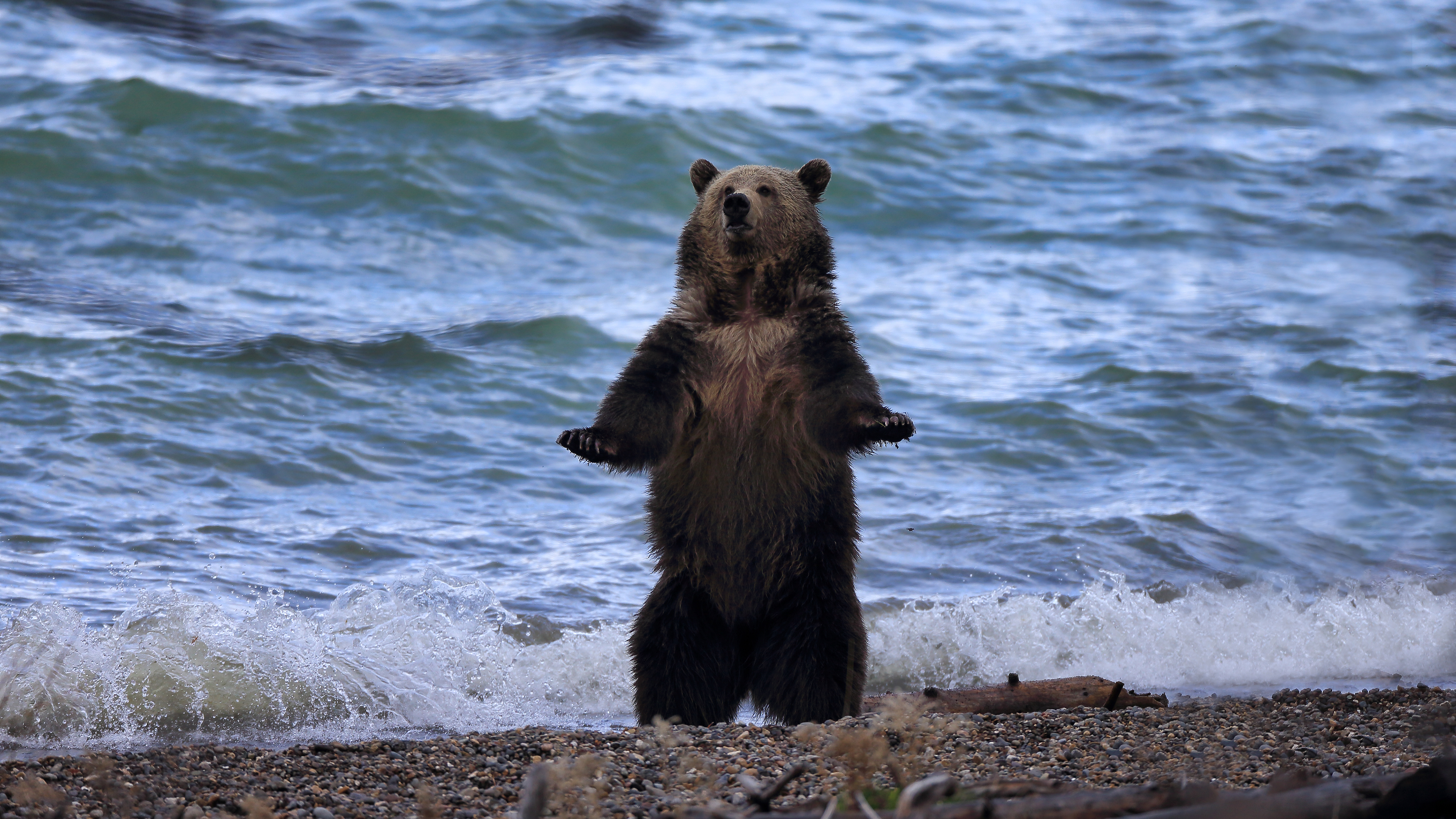
As winter approaches, movement contracts. Bears begin selecting den sites — often on north-facing slopes or areas with deep snow accumulation for insulation. Once in the den, their metabolism shifts dramatically. They are not fully asleep, but they enter a state of reduced activity that allows them to survive months without eating or drinking.
When you track these patterns across the year, you start to see the bigger picture — grizzlies are following time itself. Their behavior is an expression of seasonal wildlife patterns and ecological timing. This is where species, place, and time intersect — and where the system becomes visible.
Conservation — Protecting the Space Grizzlies Need
Every time I see a grizzly in the wild, I’m reminded that its presence depends on something much larger than the animal itself. It depends on space — intact, connected, functioning landscape. Conservation for grizzlies isn’t about isolated protection. It’s about preserving entire systems.
Historically, grizzlies ranged across much of North America. Today, that range has been reduced and fragmented. Roads, development, and expanding human activity create barriers that limit movement, isolate populations, and increase conflict. When a grizzly loses access to its natural range, the effects ripple outward across the ecosystem.
The biggest conservation challenges I’ve seen and studied include:
- Habitat fragmentation: breaking up movement corridors and isolating populations
- Human-bear conflict: encounters driven by food access and overlapping territory
- Climate shifts: altering the timing and availability of key food sources
- Reduced genetic connectivity: limiting long-term population resilience
What’s encouraging is that conservation efforts are increasingly focused on connectivity — protecting corridors, restoring habitat, and reducing conflict. When landscapes remain connected, grizzlies can move, feed, reproduce, and adapt naturally.
In places like Yellowstone and the Northern Rockies, recovery efforts have shown that when the system is protected, grizzlies respond. Populations stabilize, ecosystems strengthen, and biodiversity increases.
This is why I always come back to the same idea — protecting grizzlies means protecting the entire wildlife conservation and habitat system. The bear is not separate from the land. It is a reflection of whether that land is still whole.
Naturepedia Connection — Understanding the Grizzly Bear in the Larger System
When I step back from a single encounter with a grizzly, what becomes clear is that the bear is not the story — the system is. The grizzly is an expression of a functioning ecosystem. Its movement reflects habitat connectivity. Its diet reflects seasonal energy flow. Its behavior reflects pressure, balance, and opportunity across the landscape.
Everything we’ve looked at — from foraging patterns to denning behavior — connects directly into larger ecological relationships. Grizzlies redistribute nutrients, influence prey behavior, and shape the structure of the food web. They are part of a system where nothing operates in isolation.
This is exactly how I’ve built my site — connecting species into a larger framework of understanding: species category, behavior and ecology, ecosystems, and conservation.
Once you begin to see it this way, a grizzly bear is no longer just an animal you observe — it becomes a signal. A signal of whether the system is intact, connected, and functioning the way it should.
To go deeper into this way of understanding wildlife — beyond species and into systems — continue into the Naturepedia framework.
Frequently Asked Questions — Grizzly Bears
What is the scientific name of a grizzly bear?
The grizzly bear is scientifically known as Ursus arctos horribilis. It is a North American subspecies of the brown bear, adapted to a wide range of environments from coastal ecosystems to alpine regions.
Where do grizzly bears live?
Grizzlies are primarily found in Alaska, western Canada, and parts of the northern United States, including the Greater Yellowstone Ecosystem and the Northern Rockies. Their survival depends on large, connected landscapes, which you can explore further through ecosystem-level habitats.
What do grizzly bears eat?
Grizzly bears are omnivores. Their diet includes grasses, roots, berries, insects, fish, and mammals. Their feeding habits change seasonally and play a major role in nutrient cycling and ecosystem balance.
Are grizzly bears dangerous?
Grizzlies are powerful wild animals and should always be respected. Most conflicts occur when bears are surprised or protecting cubs. Understanding behavior and maintaining distance are critical — something I always emphasize through wildlife observation techniques.
Why are grizzly bears important to ecosystems?
Grizzlies are considered a keystone species. They influence prey populations, redistribute nutrients, and shape the structure of ecosystems. Their presence is a strong indicator of a healthy, functioning wilderness system.
How are grizzly bears being protected?
Conservation efforts focus on protecting habitat, reducing human-bear conflict, and maintaining wildlife corridors. These efforts are part of a broader conservation and habitat strategy that supports entire ecosystems — not just a single species.
About the Photographer
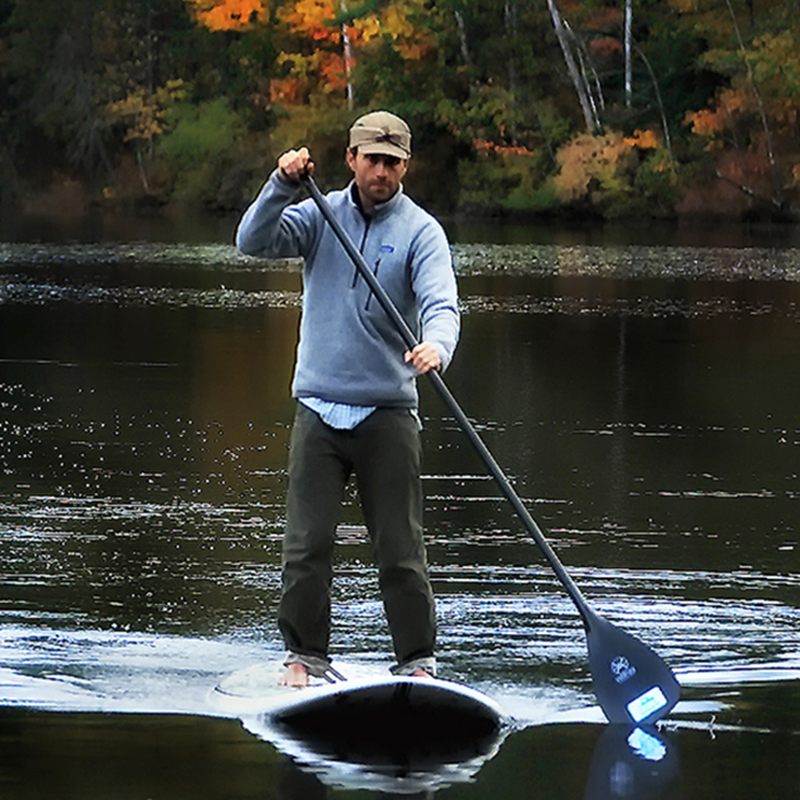
I’m Robbie George, a National Geographic–published nature photographer whose work is rooted in time spent observing wild places closely, patiently, and respectfully. My photography grows out of field experience — learning how animals move, how habitats change through the seasons, and how behavior reveals the deeper structure of an ecosystem.
Grizzly bears are one of the clearest examples of why that field-first approach matters. To photograph them well, you have to understand more than the animal itself. You have to understand distance, terrain, food patterns, body language, and the larger wilderness system they depend on. That way of seeing continues throughout my work across wildlife photography, Naturepedia, and my broader ecological knowledge system.
You can explore more field-based wildlife work in the Mammals of North America section, continue into Wildlife Behavior & Ecology, or browse fine-art images in the Wildlife Gallery.
“The more time you spend watching wildlife honestly, the more the landscape begins to explain the animal.”





