


Top National Parks for Nature Photography in Each Region of the U.S.
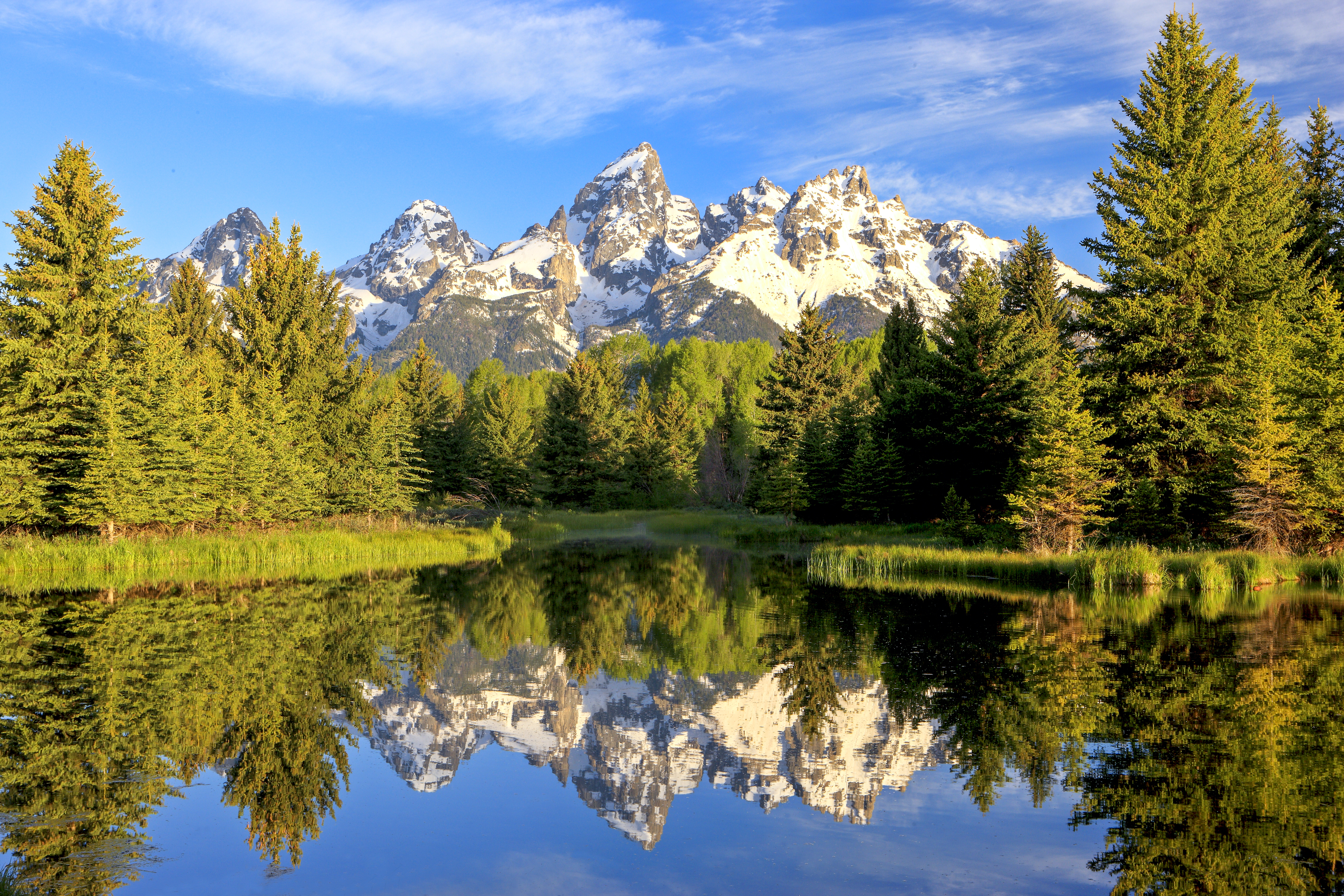
What It Feels Like to Photograph National Parks in the Field
The first thing you notice isn’t the view — it’s the timing. Light arrives differently in every park. In some places it spills slowly over ridgelines. In others it reflects upward from water, fog, or canyon walls before you even see the sun.
Photographing national parks means learning patterns:
- Where light first touches the landscape
- How terrain shapes shadow and reflection
- Where wildlife enters open space
- How season changes everything
In places like Yellowstone, Grand Teton, and ecosystems across North America, photography is not about chasing scenes — it’s about understanding systems.
When those systems align — landscape, light, behavior, and timing — the photograph appears on its own.
Explore National Parks by Region, Landscape, and Light
This guide moves across the United States by region, but more importantly by system — showing how landscape, light, wildlife, and season shape photography in each national park.
Northeast — Acadia National Park: Where Light Meets the Atlantic Edge
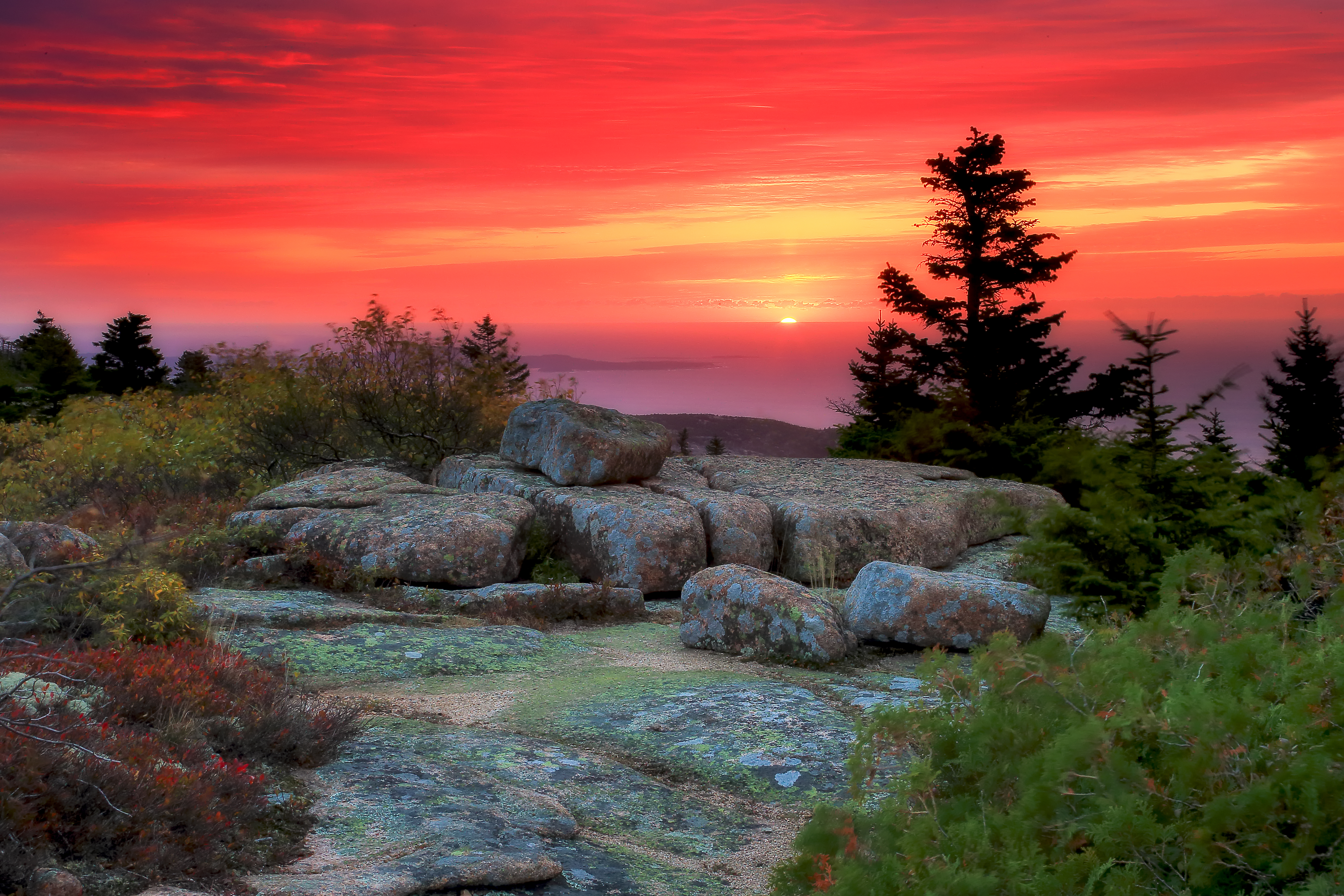
Fine Art Print: Cadillac Mountain Sunrise
Acadia is defined by edge — where ocean meets land, where granite meets atmosphere, where first light meets the continent. Photographing here is less about chasing compositions and more about understanding how coastal systems shape light.
On mornings at Cadillac Mountain, light doesn’t just rise — it moves across layers. It reflects off the Atlantic, diffuses through moisture in the air, and then settles onto rock and forest. That sequence creates a softness and depth that is unique to coastal elevation systems.
Why Acadia Works for Photography
- Coastal light interaction: Ocean reflection softens sunrise and extends usable light.
- Granite structure: Clean lines and elevation create strong compositions.
- Fog and atmosphere: Moisture adds depth, layering, and mood.
- Compact geography: Multiple ecosystems (coast, forest, summit) within short distances.
This is why Acadia connects directly into your broader system pages on ecosystems of North America and habitat zones. It is a convergence zone — ocean, forest, and elevation all shaping how light behaves.
For a deeper field breakdown, see my guide to photographing Acadia National Park and my detailed walkthrough of Cadillac Mountain sunrise.
“In Acadia, light doesn’t arrive all at once — it builds, layer by layer, across water, air, and stone.”
~ Robbie George
Southeast — Everglades National Park: Light, Water, and the Slow Breath of the Marsh
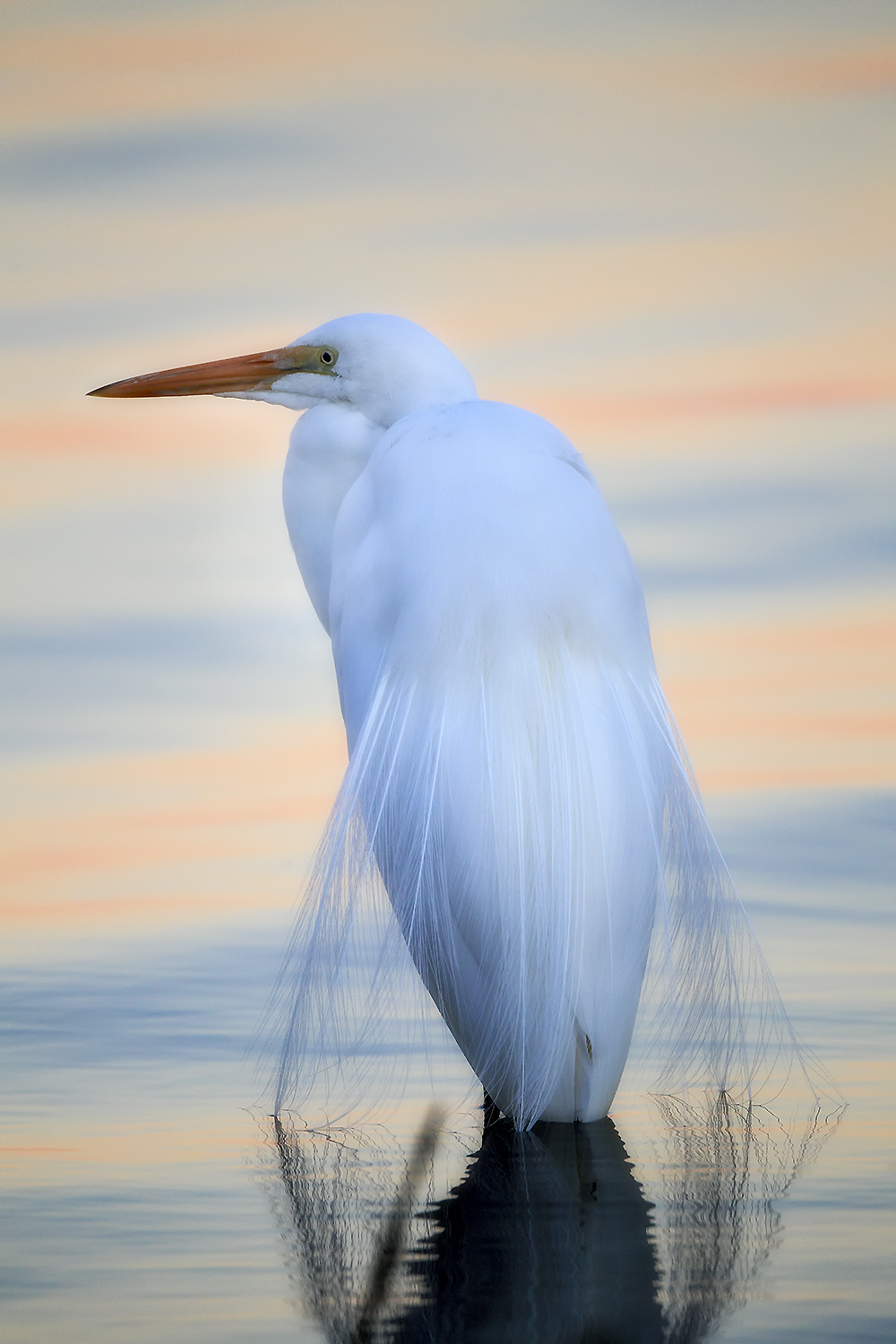
Fine Art Print: Great Egret at Sunrise
The Everglades is a place where photography slows down. This is not a mountain system built around elevation and distance. It is a water system built around reflection, subtle movement, and shallow layers of habitat. To work here well, I have to stop looking for grand scale and start watching how light moves across water, reeds, birds, and open marsh.
That is what makes Everglades photography so distinctive. The landscape is low, horizontal, and atmospheric. Small changes matter — a shift in breeze, a ripple in the surface, a bird stepping from shadow into reflected sky. In those moments, the wetland stops feeling flat and starts revealing depth.
Why the Everglades Works for Photography
- Reflective surfaces: Water doubles light and can simplify compositions into shape, tone, and symmetry.
- Shallow habitat structure: Birds and other wildlife remain visible in open feeding zones.
- Low-angle light: Sunrise and sunset travel cleanly across the marsh, creating soft highlights and layered color.
- Behavior-rich subjects: Wading birds, alligators, and wetland transitions make stillness feel active rather than empty.
The Everglades also connects naturally into your broader system pages on ecosystems of North America, habitats and ecosystem zones, and even water-centered pages like Water Memory. Wetlands are one of the clearest places to see how water structures behavior, visibility, and mood all at once.
For photographers who are drawn to wetland wildlife and bird movement, this block also connects well with your guides to Aransas National Wildlife Refuge and your broader waterfowl and wetland birds system.
“In the Everglades, light is carried by water first — and only then by air.”
~ Robbie George
Midwest — Badlands National Park: Geology, Distance, and the Open Plains
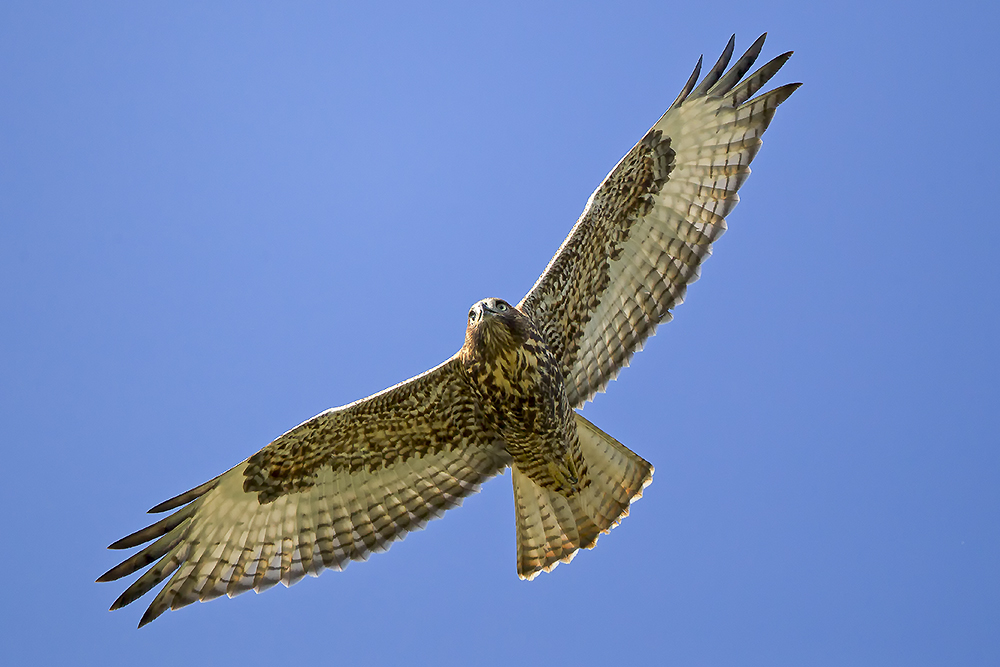
Image captured in the high plains ecosystem — visually aligned with the Badlands landscape system
The Badlands works differently than forest, mountain, or wetland systems. Here, the landscape opens up and strips things down. Shape, distance, erosion, sky, and animal presence become the main visual language. Photographing this kind of place means learning how to work with exposed terrain rather than trying to fill the frame too quickly.
What makes the Badlands powerful for photography is the combination of geologic structure and open prairie life. The ridges, buttes, and eroded layers create strong directional forms, while the surrounding plains restore a sense of scale. Wildlife, weather, and light all feel more exposed here. Nothing hides for long, but nothing feels close either.
Why the Badlands Works for Photography
- Geologic layering: Eroded formations create natural depth, line, and tonal contrast.
- Open visibility: Wildlife and weather can be read at distance, which helps composition and anticipation.
- Big-sky atmosphere: Clouds, storms, and shifting light become part of the image, not just the background.
- Prairie context: The surrounding grassland keeps the park connected to the larger plains ecosystem rather than isolating it as rock alone.
This is one of the clearest places to connect photography back into your broader pages on ecosystems of North America, habitat zones, and biodiversity and ecosystem balance. The Badlands is not just stone. It is an interface between geology, prairie ecology, grazing wildlife, and weather exposure.
Because bison remain such a strong visual anchor in plains photography, this section also connects naturally to your species work on American bison and to the larger wildlife system built across your site.
“In the Badlands, distance is part of the subject. The land teaches you to compose with space.”
~ Robbie George
Southwest — Zion National Park: Vertical Light and Canyon Geometry
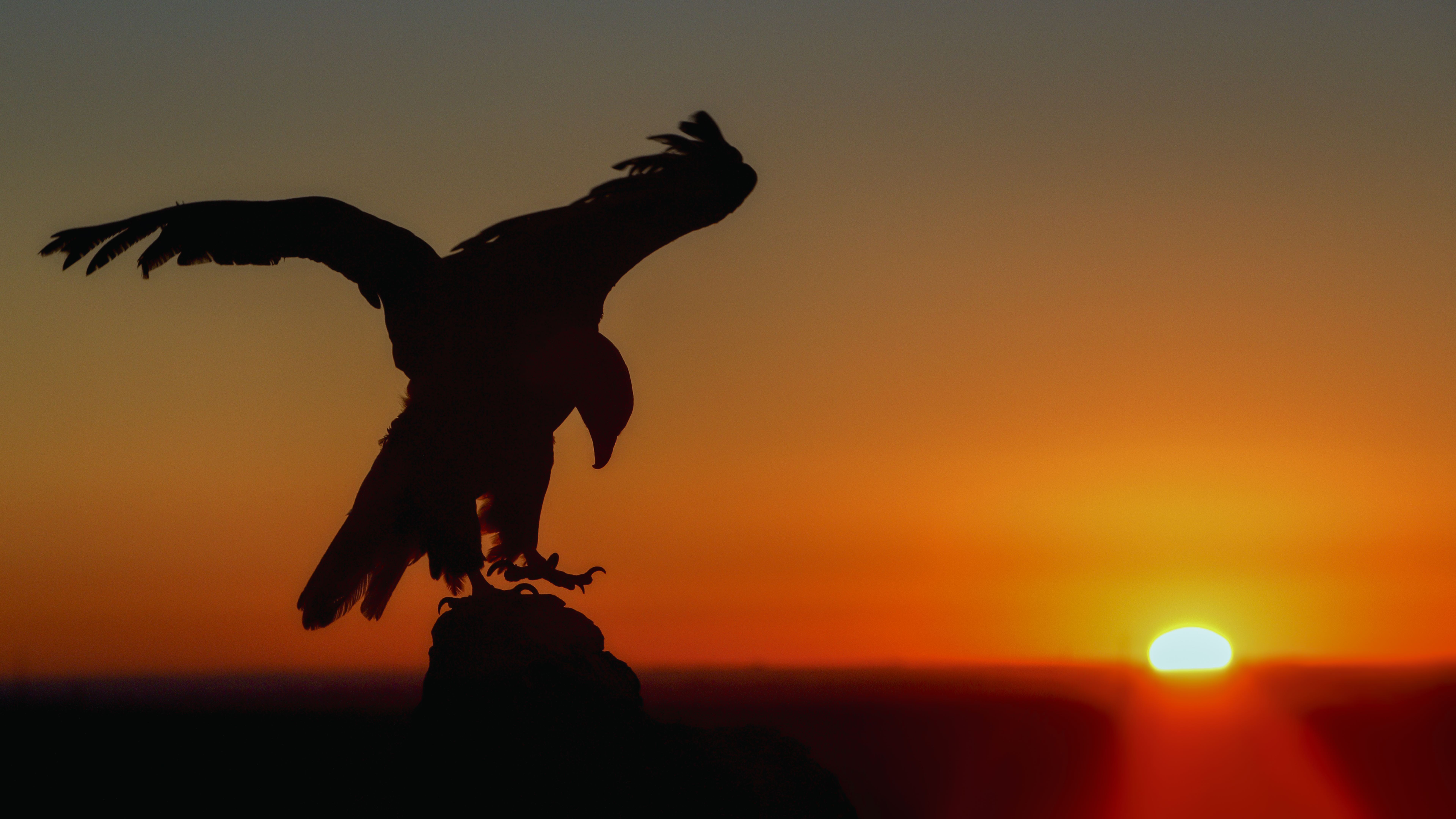
Fine Art Print: Bald Eagle at Sunrise
Zion is a vertical system. Light doesn’t spread evenly here — it drops, reflects, and bounces between canyon walls. That changes how you photograph it. Instead of wide-open composition, you’re working with direction, shadow, and timing inside confined space.
In canyon environments, light often arrives indirectly. It reflects off sandstone, travels down walls, and builds gradually before reaching the canyon floor. This creates soft illumination even after sunrise — one of the key differences between desert canyon systems and open landscapes.
Why Zion Works for Photography
- Vertical terrain: Cliffs and canyon walls create natural framing and compression.
- Reflected light: Sandstone surfaces bounce warm tones into shadowed areas.
- Directional shooting: Narrow corridors force intentional composition.
- Layered depth: Foreground, midground, and background stack naturally within canyon space.
Zion fits directly into your broader system pages on ecosystems of North America and habitat zones, especially within desert and canyon environments. It is a place where geology dictates both movement and light behavior.
While this eagle image was captured outside Zion, it reflects an important part of photographing canyon systems — working with open air above confined terrain. In places like Zion, wildlife, light, and vertical space intersect in ways that are very different from forests or plains.
For deeper connections into your system, this block also links into your birds of prey category and your broader wildlife system, where aerial movement and landscape interaction become part of the photographic equation.
“In canyon country, light doesn’t just arrive — it reflects, bends, and settles into the stone.”
~ Robbie George
Rockies — Rocky Mountain National Park: Forest Pattern, Elevation, and Light Through Aspen
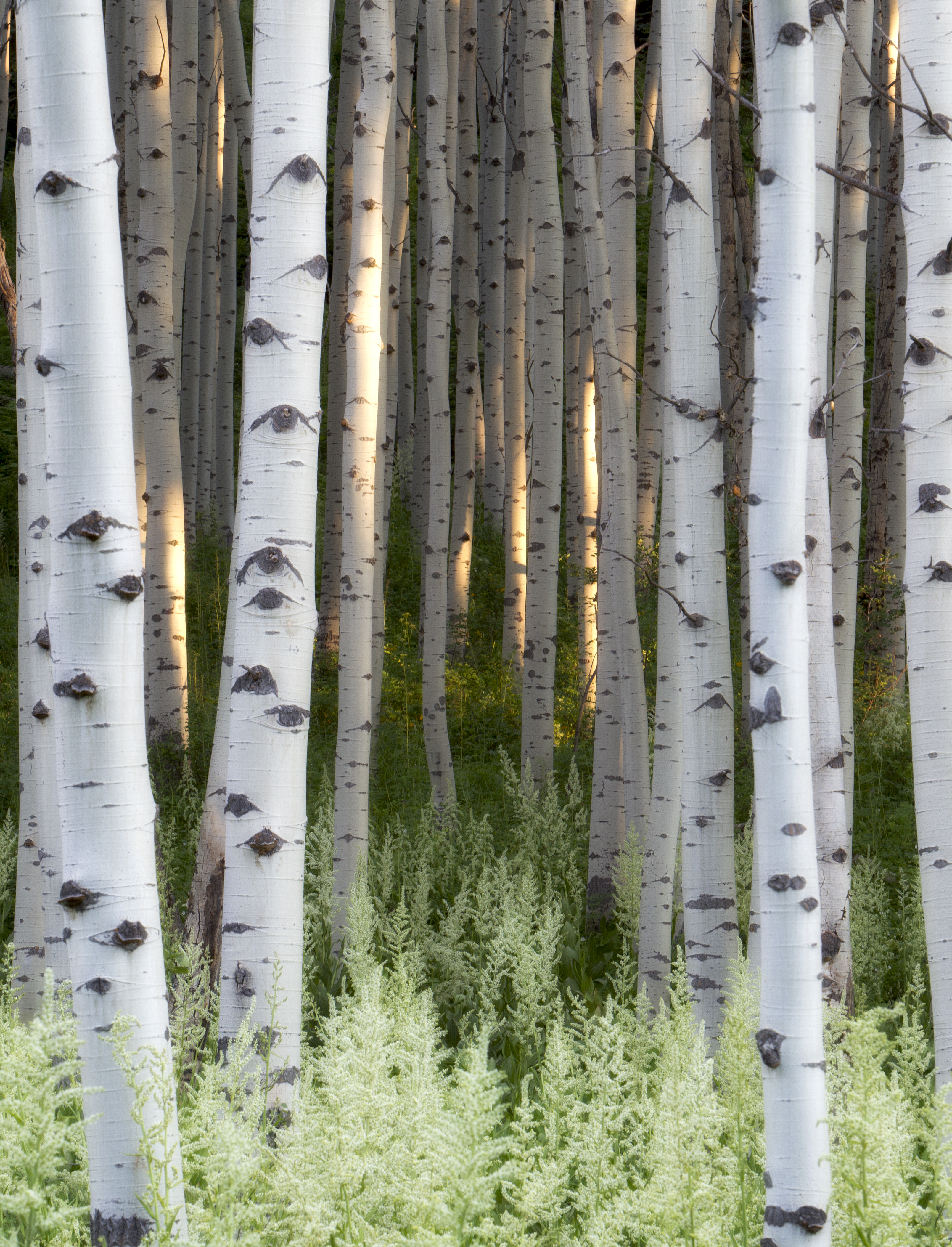
Fine Art Print: Light Through the Forest
Rocky Mountain National Park is not just a landscape — it’s an elevation system. As you move upward, everything changes: vegetation, light angle, air clarity, and spacing between subjects. Aspen forests sit within that transition zone, where light, season, and structure align in a way that is highly photographic.
Aspens don’t work as isolated subjects. They work as a pattern. Vertical trunks repeat across the frame, creating rhythm and spacing. What matters is not one tree, but the relationship between many — how light moves through them, how spacing creates depth, and how subtle variation breaks uniformity.
Why Rocky Mountain National Park Works for Photography
- Elevation gradients: Rapid transitions between meadow, forest, and alpine terrain create diverse shooting environments.
- Aspen pattern systems: Repeating trunks create natural rhythm and layered composition.
- Seasonal color shift: Autumn transforms structure into contrast — white trunks against gold leaves.
- Clean mountain light: Higher elevation reduces haze, increasing clarity and tonal separation.
This is one of the strongest connections to your broader system pages on ecosystems of North America, habitat zones, and even mycelial networks, since aspen stands function as interconnected systems rather than individual trees.
For a deeper field perspective, see my article on aspen ecology and structure, and extend the mountain system further into Yellowstone and Grand Teton.
“In the aspen grove, the subject isn’t the tree — it’s the pattern the forest creates.”
~ Robbie George
Alaska — Denali National Park: Scale, Stillness, and the Unpredictable North
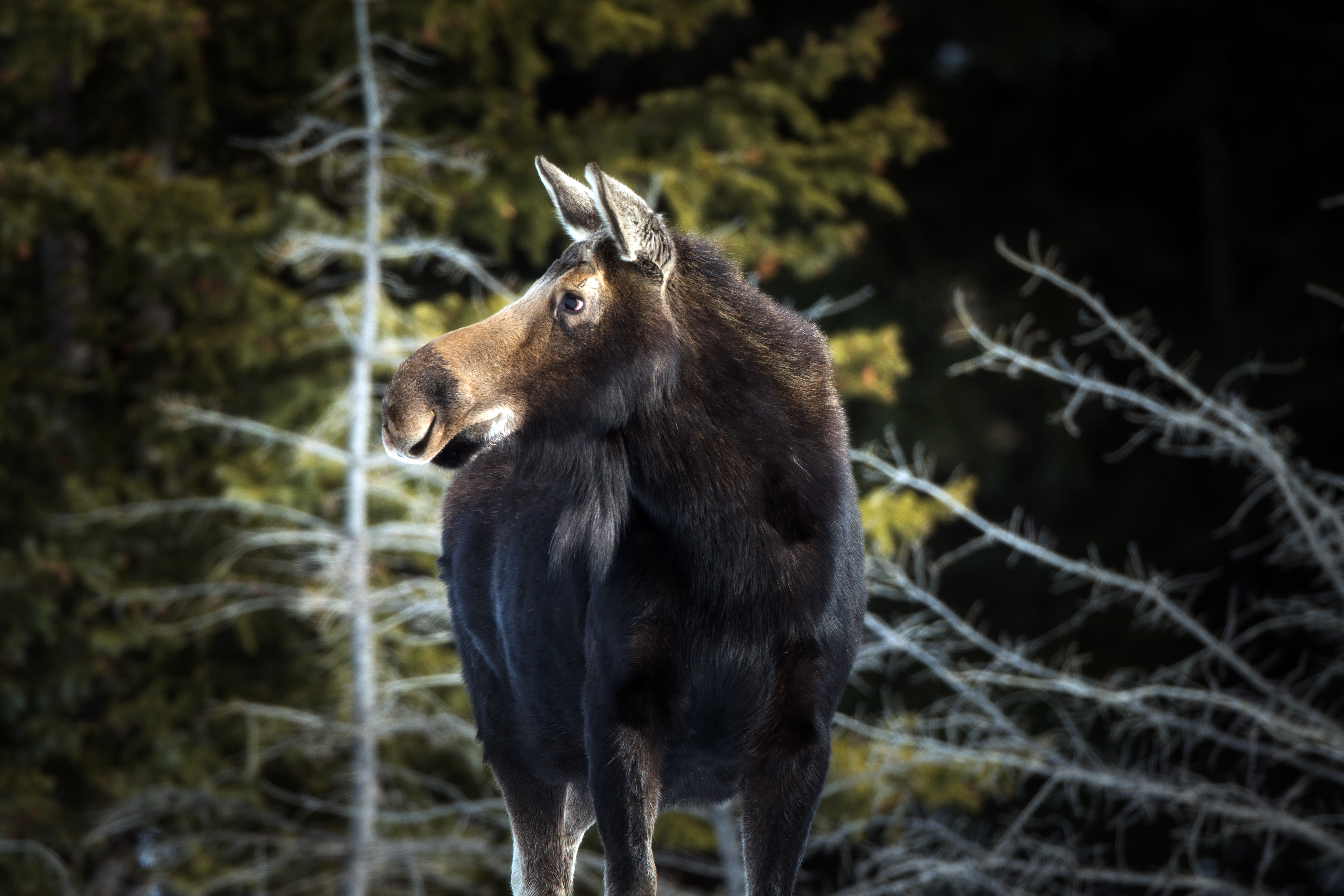
Fine Art Print: Moose in the Northern Wild
Denali is a scale system. Everything feels farther away, less controlled, and less willing to reveal itself on command. That is what makes it powerful for photography. You are not just composing a scene here — you are working inside a landscape where weather, distance, and wildlife movement remain in charge.
In Denali, visibility is never guaranteed. Mountains can disappear behind cloud for days. Wildlife may emerge for a minute and then vanish into brush, tundra, or shadow. That unpredictability is part of the experience. The photographs that come from places like this carry a different kind of weight because they cannot be forced.
Why Denali Works for Photography
- Immense scale: Wildlife and landscape can be photographed together without losing the feeling of wilderness.
- Low human imprint: Scenes retain a rare sense of ecological integrity and distance.
- Northern light: Light often feels softer, lower, and more prolonged than in lower latitudes.
- Wildlife emergence: Moose, bears, caribou, and other animals appear as part of the landscape rather than separate from it.
Denali connects naturally into your broader pages on ecosystems of North America, wildlife observation locations, and wildlife behavior and ecology. It is one of the clearest examples of a place where photography depends on patience, respect, and a willingness to let the land set the terms.
This block also connects well with your moose and bear species work, including moose habitat and behavior and grizzly bear ecology, where northern wildlife is understood as part of vast living systems rather than isolated photographic subjects.
“In Denali, the land stays larger than the photographer — and that is exactly why the image matters.”
~ Robbie George
Planning & Field Ethics — Working With the Landscape, Not Against It
Across all national parks, the same principle applies: the photograph improves when you interfere less. Whether you are in a crowded canyon, a coastal ridge, or a remote tundra system, your role is not to control the scene — it is to position yourself correctly within it.
Planning matters because national parks are dynamic systems. Light shifts quickly, wildlife moves on its own terms, and terrain often limits access. The more you prepare before entering the field, the less you need to react impulsively once you are there.
Positioning, Timing, and Movement
- Arrive early: Let the landscape settle before the best light arrives.
- Work with direction: Understand where light enters the scene — especially in canyon and mountain systems.
- Move less: Small position changes often outperform large movements.
- Watch transitions: Wildlife and light both change most at edges — dawn, dusk, and habitat boundaries.
Wildlife Ethics in National Parks
- Maintain distance: Use long lenses. Let animals remain unaware of your presence.
- Do not alter behavior: If wildlife changes movement, posture, or direction because of you, you are too close.
- Respect habitat: Stay on designated trails where required and avoid sensitive zones.
- Never feed or attract wildlife: Natural behavior is the foundation of authentic photography.
These principles connect directly into your wildlife conservation and habitat and adaptation and survival systems. Every interaction in the field has consequences — both for the photograph and for the ecosystem itself.
Preparation Tools That Matter
- Light planning: Use tools like the golden hour planner.
- Location mapping: Study terrain with wildlife photography maps.
- Seasonal awareness: Align trips with your seasonal wildlife calendar.
- Field readiness: Weather, elevation, and access conditions should always shape your plan.
Across all parks — from Acadia to Denali — the same pattern holds true: the best photographs come from patience, positioning, and respect for the system you are working inside.
“The less you try to control the landscape, the more it reveals.”
~ Robbie George
Naturepedia Connection — National Parks as Living Systems
National parks are not just protected landscapes — they are working ecological systems. Each park in this guide represents a different combination of habitat, light behavior, wildlife interaction, and seasonal movement. Understanding those connections is what turns photography into observation rather than capture.
Across your Naturepedia system, these parks sit at the intersection of multiple layers:
- Habitat: Coastal systems, wetlands, plains, deserts, forests, and tundra — all explored through habitat zones.
- Behavior: Wildlife movement, feeding patterns, and seasonal changes reflected in behavior and ecology.
- Season: Light, migration, and environmental shifts connected through seasonal patterns and your wildlife calendar.
- Ecosystem structure: Interactions between geology, vegetation, and wildlife described in ecosystems of North America.
- Conservation: Protected land, biodiversity, and long-term ecological balance tied to conservation and habitat.
Seen together, these parks form a network rather than a list. Each one reveals a different part of the same system — how land, light, and life interact across North America.
Landscape → Light → Behavior → Season → Ecology → Conservation
This is why photographing national parks becomes more than documenting scenery. It becomes a way of understanding how natural systems function — and how each location fits into a larger ecological network.
“A national park is not a place on a map — it is a system in motion.”
~ Robbie George
National Park Photography FAQ
What is the best time of year to photograph national parks?
It depends on the region. Autumn offers strong color and wildlife activity in the Rockies and Northeast, winter simplifies scenes with snow, spring brings renewal, and summer expands access to higher elevations.
Which national park is best for wildlife photography?
Yellowstone offers the most consistent large wildlife opportunities, including bison, elk, bears, and wolves. Denali, Everglades, and Grand Teton also provide strong wildlife photography conditions.
Do I need a permit for photography in national parks?
Personal photography usually does not require a permit. Commercial work, workshops, or filming may require a special use permit depending on the park.
Is sunrise or sunset better for photography?
Sunrise often provides cleaner air, softer light, and fewer people. Sunset offers warmer tones and dramatic skies. Both are valuable depending on location and conditions.
How do I plan photography in unfamiliar parks?
Study terrain, understand light direction, and use tools like the golden hour planner and wildlife maps before entering the field.
What is the most important rule for photographing wildlife in parks?
Do not alter behavior. Maintain distance, avoid approaching animals, and allow natural movement to unfold without interference.
What makes national parks different from other photography locations?
They preserve large-scale ecosystems where habitat, wildlife, and seasonal patterns remain intact. This allows photography that reflects natural systems rather than isolated scenes.
About Robbie George
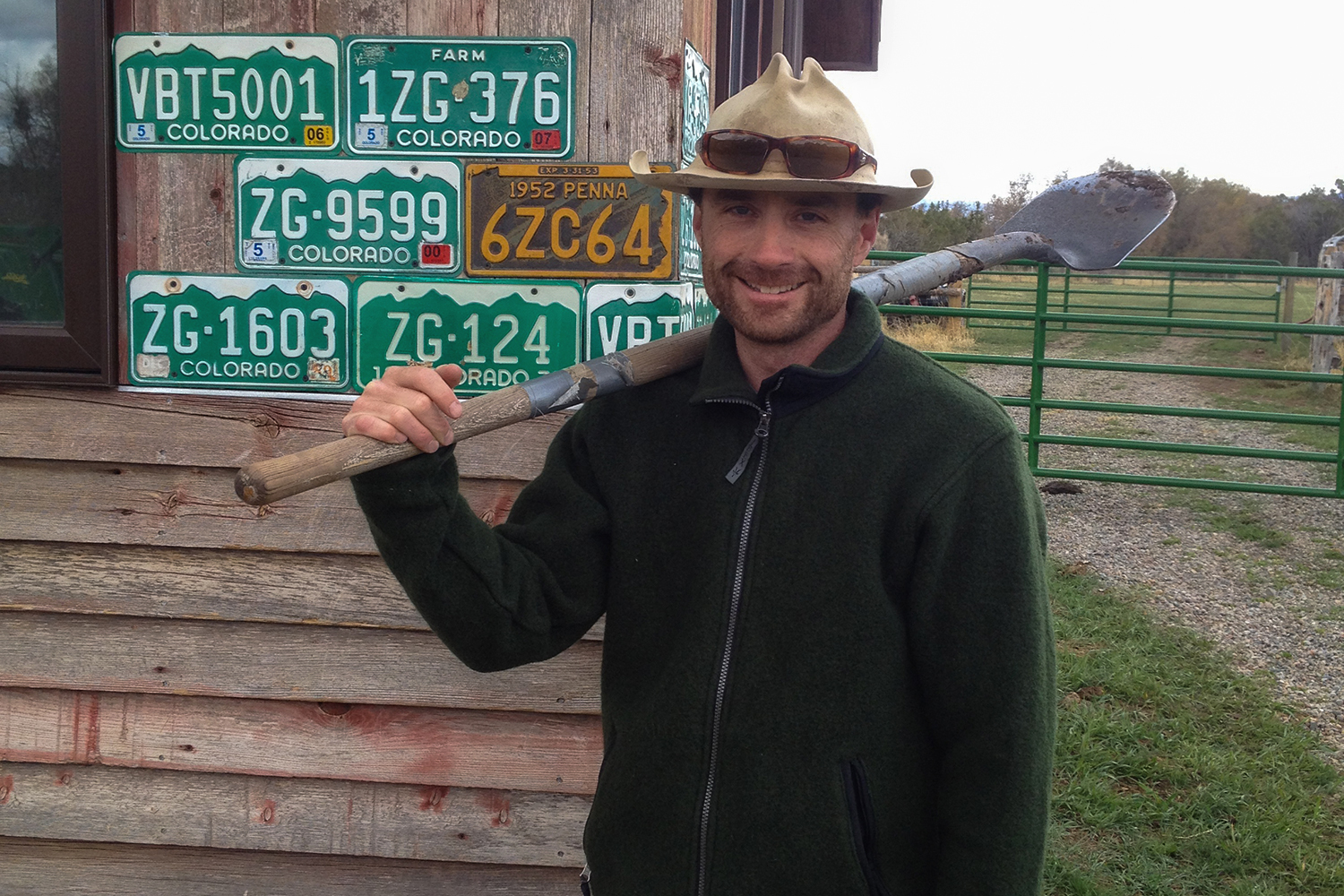
I’m Robbie George, a National Geographic–published nature photographer whose work is grounded in repeated field observation — returning to landscapes in different weather, light, and season to understand how place shapes what can be seen.
National parks matter to me because they preserve complete systems. They hold the relationships between geology, habitat, wildlife behavior, and seasonal timing in a way that allows photography to become more than image-making. In these places, the photograph becomes a record of how the land actually functions.
That field-first approach is part of the larger Naturepedia knowledge system I’m building — connecting species, ecosystems, geography, behavior, seasonal timing, and observation into a structured way of reading nature.
You can explore more through my wildlife photography gallery, browse wildlife observation locations, or use my field tools and seasonal planning resources to prepare for your own time in the field.





