
Nature Photography Mastery: Essential Techniques for Stunning Images
Reading the Scene Before the Camera Comes Up
The first thing I look for is stability versus change. Is the light shifting quickly? Are clouds moving? Is the color building or fading? In this moment, everything is slow. That tells me I don’t need to rush. I can observe, refine my position, and let the scene develop.
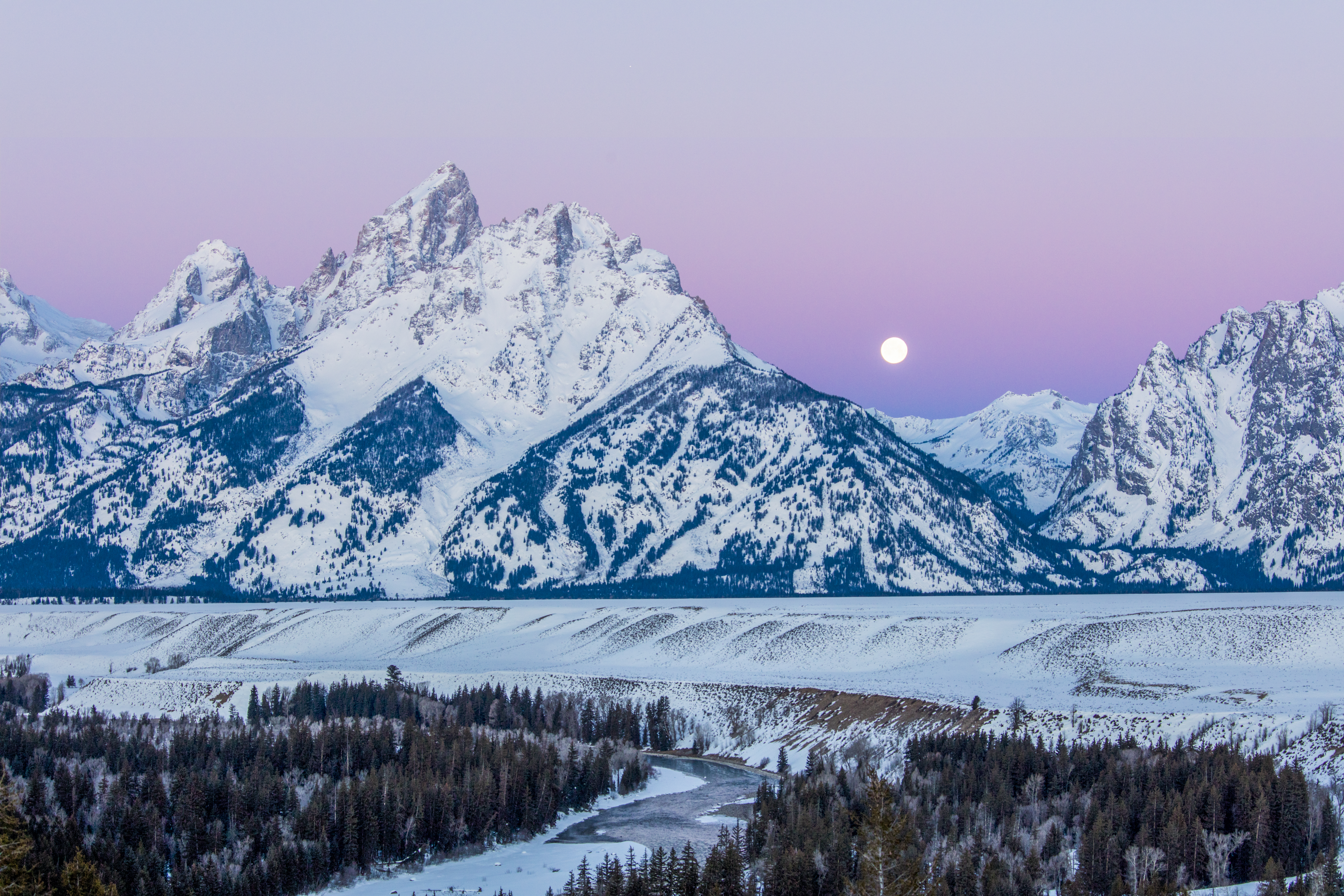
What I see is soft directional light moving across the Tetons with clean separation between peaks and sky. There’s no harsh contrast, no blown highlights, and no collapsing shadows. That means the scene is in balance — and balanced scenes reward patience.
What it means is I don’t need to chase anything. I don’t need to force composition. The conditions are already working. My job is to position myself where the light, foreground, and background align — without breaking the natural structure of the scene.
What I do next is simple: I slow down. I watch how the light advances across the peaks. I track where the brightest edge will land. And I prepare for that moment instead of reacting to the one already passing.
“The image is already forming before you lift the camera. You just have to recognize it.”
Reading Light and Timing
Light is the first behavior I read in nature photography. Before I think about framing, I need to understand what the light is doing, how fast it is changing, and whether the scene is building toward clarity or already beginning to fade. Good timing comes from recognizing that movement early.
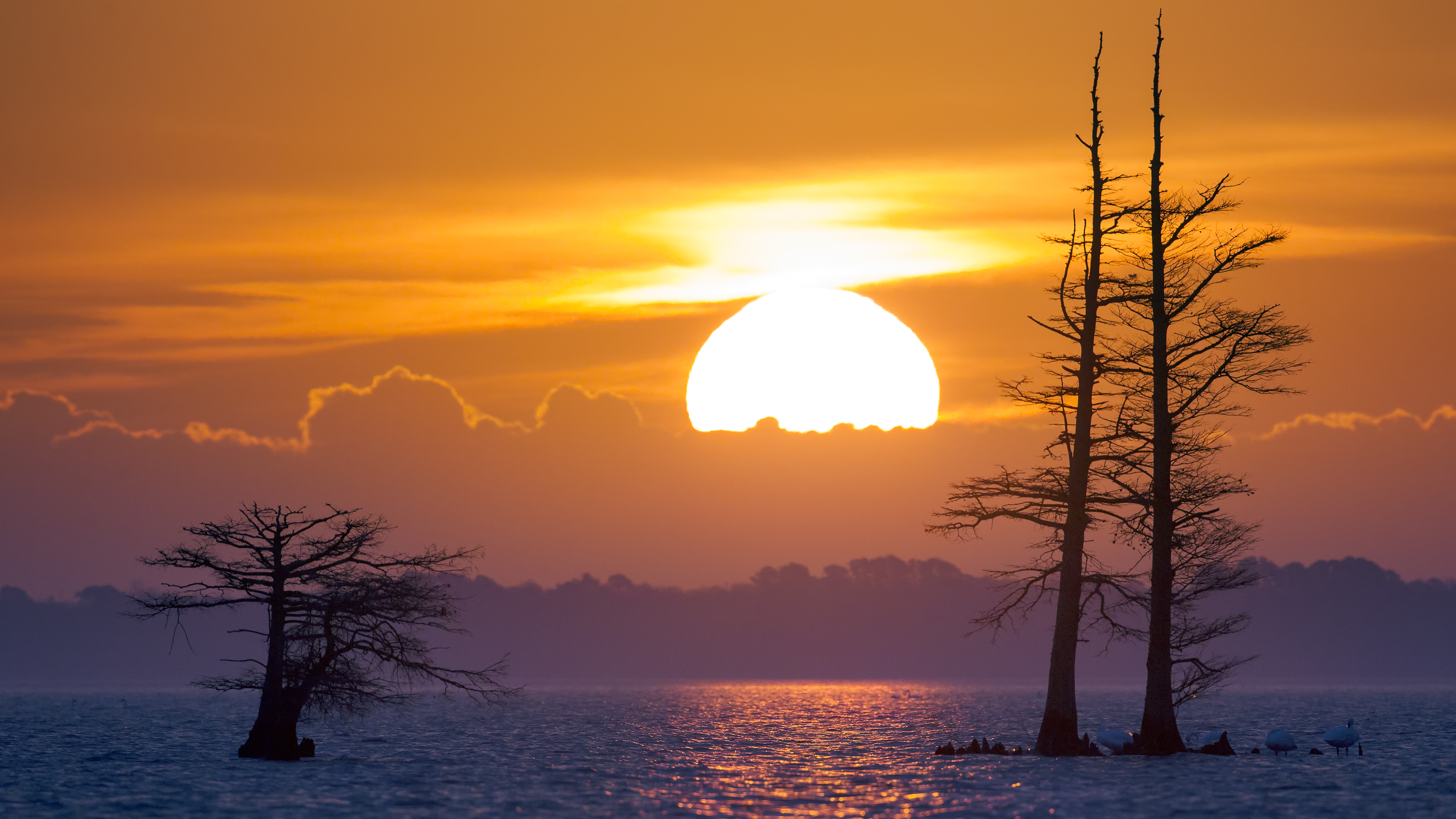
In a sunrise scene like this, the light is still low and directional. That matters because low-angle light reveals form without flattening it. It brings texture into the land, creates separation across water, and lets contrast rise slowly enough that I can work with it instead of fighting it. When the light is still this gentle, the landscape has room to breathe.
What I watch for are transitions. Where is the first edge of brightness landing? Is reflection strengthening or breaking apart? Are clouds catching light in a way that adds structure, or are they about to overpower the frame? These changes tell me whether to wait, refine, or prepare for a short window that will disappear quickly.
Timing in nature photography is rarely about speed by itself. It is about alignment. Light, atmosphere, and subject matter need to come together at the same time. If the scene is stable, I slow down. If the light is advancing fast, I simplify and prepare. The more accurately I read the pace of the scene, the less I have to force the photograph.
This is why golden hour matters, but not in the generic way people often describe it. The real value is not just warm color. It is the fact that the light reveals structure gently. It gives me time to observe relationships in the frame and make decisions without losing the atmosphere that made the scene worth photographing in the first place.
“The best light does not rush the landscape. It reveals it.”
Decision Making in the Field
Once I understand the light and the pace of the scene, everything comes down to decisions. Not camera decisions — field decisions. Where I stand, whether I move, how long I wait, and when I stop. These choices determine whether the photograph develops naturally or falls apart.
In a stable sunrise like this, the correct decision is usually to stay. The light is building gradually, the structure of the scene is holding, and nothing is forcing urgency. Moving too quickly at this stage often breaks alignment — shifting perspective before the light has finished shaping the landscape.
There are moments when I adjust, but those movements are deliberate and minimal. A small step to improve foreground alignment or to clean up a horizon line can strengthen the image, but only if it doesn’t interrupt the timing of the light. If the adjustment costs me the moment, it was the wrong move.
Waiting is often the most powerful decision available. When light is still evolving, patience allows the scene to reach its natural peak. Color deepens, reflections stabilize, and contrast finds balance. The best images rarely happen at first light — they happen just after the scene settles into itself.
And just as important is knowing when not to act. I don’t chase every variation in light. I don’t constantly reposition. I don’t force a composition because I feel like I should be doing something. The strongest field decision is often restraint.
Good photography in nature is built on a simple sequence: observe, understand, decide, then act — in that order. If I skip one of those steps, the image usually shows it.
“The photograph is the result of the decision, not the other way around.”
Field Technique and Positioning
Field technique is how I translate observation into position. It’s not about camera settings — it’s about where I stand in relation to light, terrain, and the natural flow of the scene. Good positioning allows the image to form without forcing it.
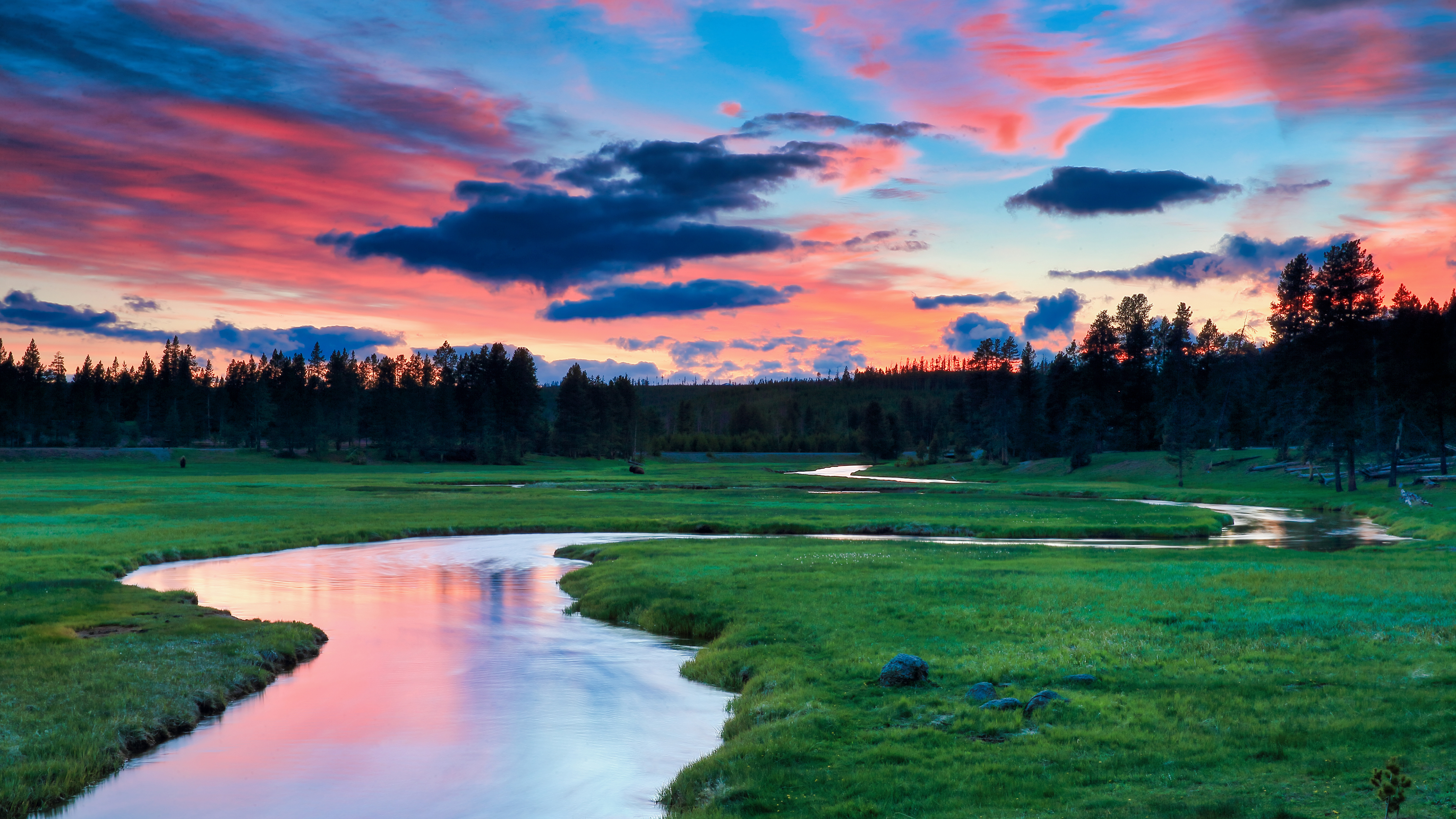
With a landscape like this, I start by reading the direction of movement in the scene. Water creates natural lines. Light creates depth. The terrain creates structure. My job is to align those elements so they work together instead of competing with each other.
I position so the river leads into the frame rather than cutting across it. I adjust my height and angle to control how much foreground enters the composition. Small shifts in position can completely change how depth is perceived — especially in moving elements like water.
Light direction shapes every decision. I don’t just face the subject — I work with the angle of light. Side light reveals texture. Backlight creates separation. Front light flattens the scene. Knowing which one I’m working with determines where I stand before I ever raise the camera.
Terrain also matters more than most people expect. Rocks, river bends, elevation changes, and vegetation all influence how the image builds. I use these elements as anchors — not decorations. If something doesn’t support the structure of the scene, I remove it by repositioning rather than trying to fix it later.
The goal is simple: place myself where the scene organizes itself naturally. When position is correct, composition becomes obvious. When position is wrong, no amount of adjustment will fix it.
“Where you stand determines what the photograph can become.”
Composition and the Moment the Image Comes Together
Composition is not something I impose on the scene. It’s something I recognize once light, position, and timing align. By the time I reach this stage, most of the work is already done. The scene has structure. My job is to not disrupt it.
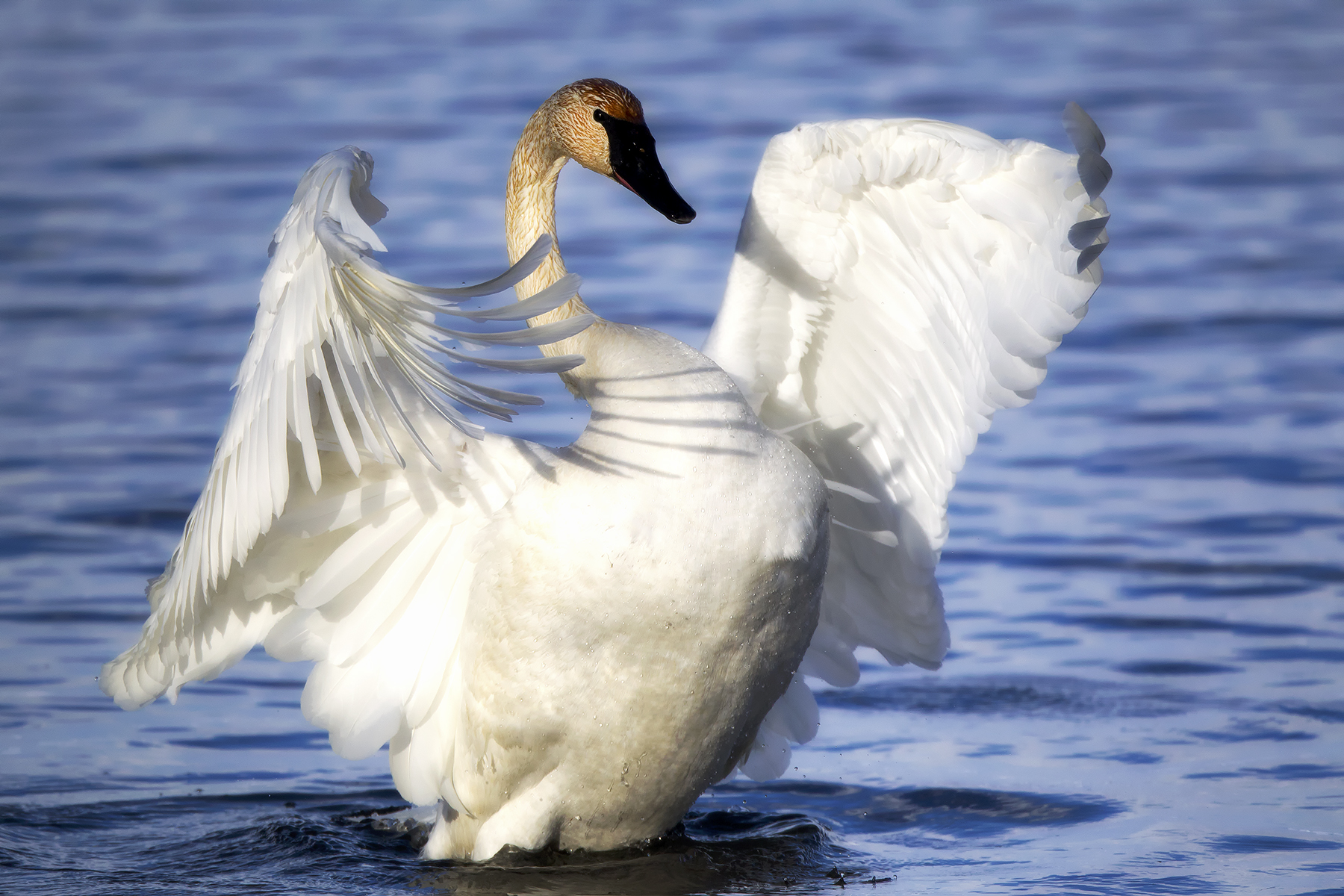
With a subject like this swan, I’m paying attention to balance and direction. Where is the movement going? Is there space in front of the subject? Is the reflection clean or broken? These are not stylistic decisions — they are structural ones. They determine whether the image feels stable or disconnected.
I’m also watching for alignment between subject and environment. The wings, the water, and the light all need to work together. If one element dominates or distracts, the image loses clarity. Strong composition happens when everything in the frame supports the same visual direction.
Timing at this stage is precise but quiet. I’m not shooting continuously. I’m waiting for the moment when posture, light, and spacing align into something complete. That moment is usually brief, but it is also unmistakable when it arrives.
What matters most is that nothing in the frame feels forced. The subject is still behaving naturally. The environment is intact. The photograph reflects the scene as it existed — not something shaped by interference.
“Composition isn’t created. It’s revealed when everything else is done right.”
Ethics and Boundaries in Nature Photography
Every scene has a boundary. The environment sets it, and the subject confirms it. My responsibility is to recognize that boundary early and never push past it for the sake of an image.
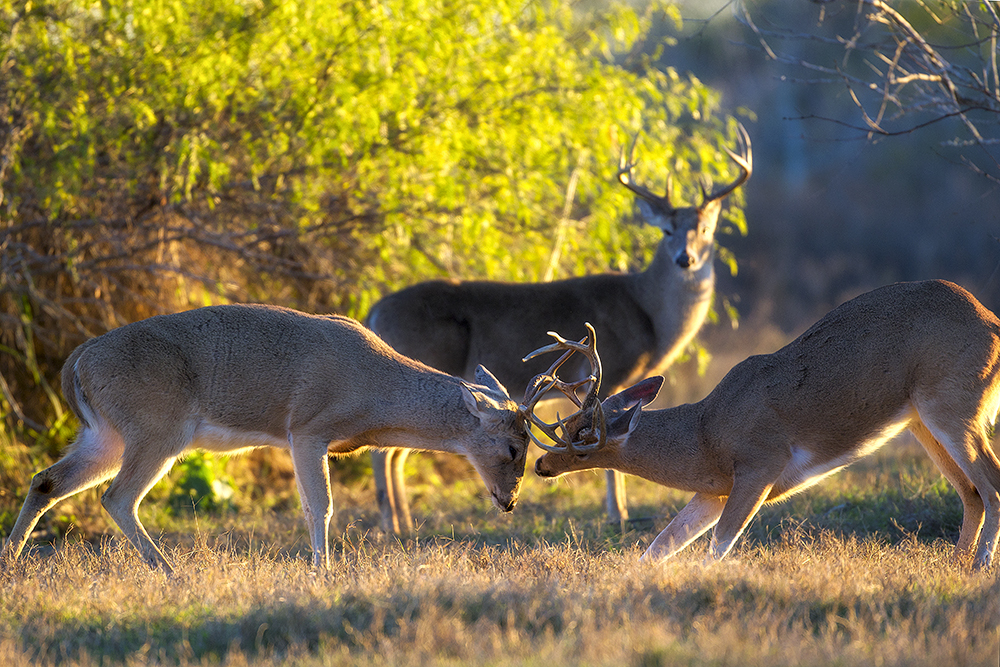
With wildlife especially, the signals are clear if you know how to read them. A shift in posture, increased distance, repeated scanning, or a change in movement pattern all indicate that pressure is building. Those signals are not part of the photograph — they are warnings that the interaction is no longer natural.
Distance is the foundation of ethical photography. I don’t move closer to create the image. I position myself so the image can happen without intrusion. Long lenses, careful movement, and awareness of approach angles allow the subject to remain undisturbed.
Pressure is not always immediate. An animal may tolerate presence before adjusting its behavior. That delay is where most mistakes happen. Just because the subject remains in place does not mean it is unaffected. Ethical fieldcraft requires anticipating that response before it happens.
I also consider timing beyond the moment. Seasonal sensitivity matters. Breeding periods, nesting behavior, and early life stages all reduce tolerance for disturbance. The same approach that works in one season can be harmful in another.
There are actions I simply do not take. I don’t bait. I don’t call animals in. I don’t block movement paths. And I don’t stay once behavior begins to change. The photograph is never more important than the integrity of the subject or the habitat.
The goal is not just to create an image, but to leave the scene unchanged. If the subject continues its natural behavior after I leave, then I made the right decisions.
“If the scene changes because of you, the photograph has already been lost.”
Naturepedia Connection — Light, Landscape, and Living Systems
This scene is not just a photograph. It is part of a larger system where light, terrain, timing, and atmosphere work together. What appears as a single moment is actually the result of multiple layers aligning at once.
Light Behavior
Low-angle light reveals structure gradually. It creates depth, enhances texture, and allows the landscape to form without harsh contrast.
→ Naturepedia: PhotonsLandscape Structure
Mountains, rivers, and terrain create natural lines and depth. These elements define composition before the camera is ever used.
→ Ecosystems of North AmericaGeography
Location shapes light behavior, weather patterns, and terrain relationships. Every image is influenced by where it is made.
→ Observation LocationsSeasonal Timing
Time of year influences sun angle, atmosphere, and environmental conditions. Timing determines how the scene reveals itself.
→ Seasonal Wildlife CalendarField Observation
Observation connects all elements together. Reading light, terrain, and timing allows the scene to be understood before it is photographed.
→ Field TechniquesConservation
Respect for land and environment ensures these moments continue to exist. Ethical photography protects the systems it depends on.
→ Conservation & HabitatExplore the full system: Naturepedia
Frequently Asked Questions
What matters most in nature photography?
Observation matters most. Before composition or settings, I need to understand what the light is doing, how the terrain is shaping the scene, and whether the moment is stable enough to photograph honestly.
Why is early light so important?
Early light reveals structure gently. It gives landscapes depth, brings out texture, and allows the scene to develop without harsh contrast. It also gives me more time to observe and make careful decisions.
How do you know when to take the photograph?
I take the photograph when light, position, and structure align. That usually means the scene feels complete rather than busy. If I am reacting too fast, I am probably early.
What role does composition play?
Composition gives structure to what the light reveals. It helps guide the eye through the frame, but it works best when it follows the natural lines already present in the scene rather than forcing them.
Do you rely more on gear or field awareness?
Field awareness matters more. Good gear helps, but it cannot replace timing, positioning, patience, or the ability to read how a scene is changing.
What makes a nature photograph feel honest?
An honest nature photograph comes from alignment rather than force. The scene remains true to itself, the light is allowed to do its work, and nothing in the image depends on disturbance or manipulation.
About Robbie George
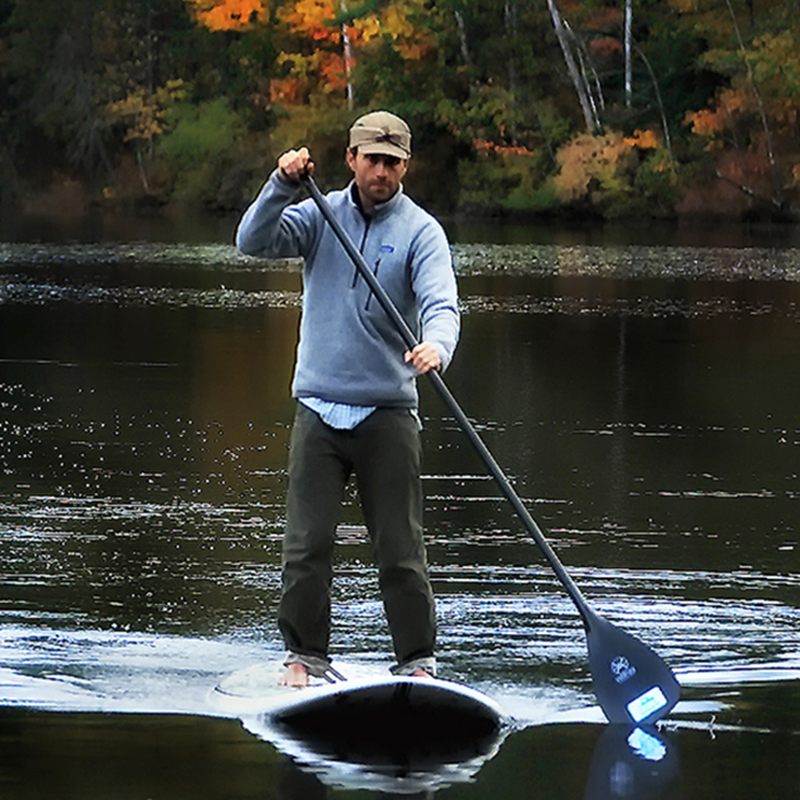
I’m Robbie George, a National Geographic–published photographer whose work is grounded in observation, timing, and field-based awareness. Whether I’m photographing mountains, rivers, wildlife, or seasonal transitions, my process begins by reading the scene before I ever raise the camera.
Over time, that practice has grown into a larger system across my site — connecting Naturepedia, field observation, seasonal timing, photography tools, and the larger relationships between light, habitat, geography, and ecological awareness. I approach nature photography as both a visual craft and a way of learning how the living world reveals itself.
My method is simple: attention first, image second. I don’t try to force moments. I work by recognizing when light, structure, and timing are already aligning — and then placing myself carefully enough to let the scene stay true to itself.
Explore more through Nature Photography, Wildlife Photography, the Seasonal Wildlife Calendar, Photography Maps, and the broader Signature Series.
“Attention first, image second. The photograph only becomes possible when the scene has already spoken.”