Exploring Autumn and Fall Colors in Nature Photography
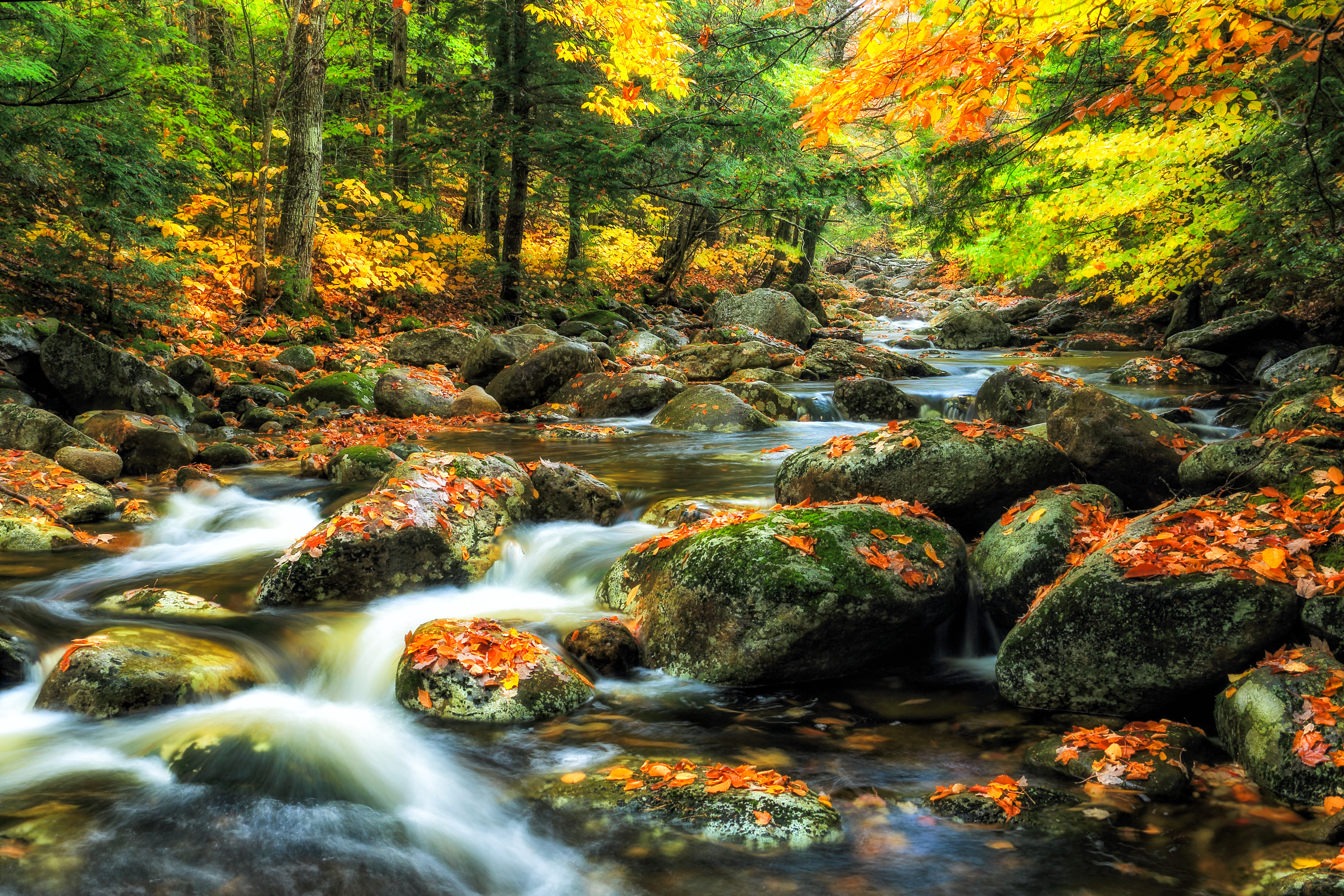
Reading the Season — When the Landscape Begins to Change
When I’m in the field during early autumn, I’m not looking for color first — I’m watching for change. The angle of the sun drops. Mornings hold longer moisture. Air carries differently through the trees. These are the first signals. The color comes later.
As the season progresses, that change accelerates. Aspen groves begin to turn almost all at once. Maples respond more variably, shifting with temperature swings and moisture patterns. In places like autumn photography locations across the U.S., you can watch this progression move across elevation and latitude — a living gradient of time moving through the landscape.
This is why autumn matters as a field season. It’s not just visual — it’s transitional. Wildlife shifts feeding patterns. Water levels change reflection and access. Habitat edges become more visible. And for a brief window, the system reveals itself more clearly than at almost any other time of year.
“Autumn isn’t color first — it’s change made visible.”
Explore This Seasonal Field Guide
Seasonal Patterns — How Autumn Moves Through the Landscape
Autumn isn’t a moment — it’s a progression. In the field, you can watch it move across elevation, latitude, and moisture zones. High elevations turn first. Northern forests follow. Valleys and coastal systems lag behind. What looks like a single “season” is actually a rolling transition across space and time.
The trigger is light. As day length shortens, trees begin shutting down photosynthesis. Chlorophyll breaks down, and what was hidden beneath it — carotenoids and anthocyanins — becomes visible. But what determines how strong that color becomes isn’t just biology — it’s timing between light, temperature, and water.
Cool nights and clear days intensify reds. Stable moisture supports longer color windows. Sudden frost or wind can collapse the entire system in a matter of days. That’s why no two autumns are the same — the pattern is consistent, but the expression is always shifting.
If you follow this progression across regions like ecosystems of North America, you begin to see autumn not as color, but as a moving ecological wave — one that compresses energy, prepares landscapes for winter, and reveals structure across forests, wetlands, and mountain systems.
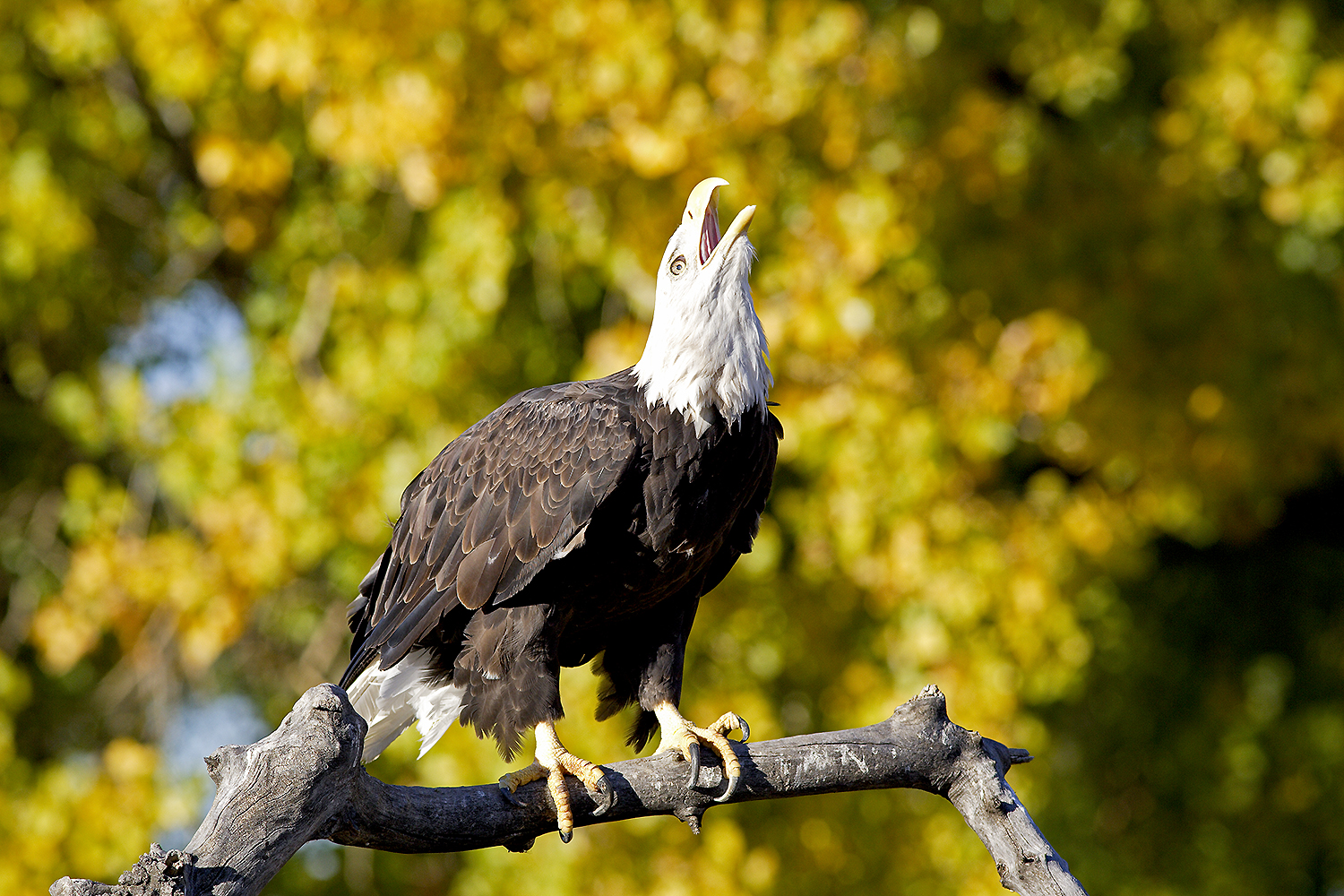
Wildlife Timing — When Behavior Peaks With the Season
Autumn is one of the most behavior-driven seasons in the field. It’s not just that animals are more visible — it’s that timing compresses movement into shorter, more intense windows where patterns become easier to recognize.
One of the clearest examples is the elk rut. As daylight shortens and temperatures drop, bull elk move into open meadows and valley floors, vocalizing, competing, and gathering harems. Behavior that is rarely visible in summer becomes central to the landscape in autumn. Sound carries farther. Movement increases. The entire system becomes active at once.
This same timing pattern shows up across species. Moose move along wetland edges. Deer shift feeding patterns toward remaining forage. Birds begin staging for migration, concentrating in areas where food and water are still reliable. Across habitats, the signal is the same: prepare, feed, move, transition.
Habitat also changes in ways that support visibility. Leaves thin. Grasses collapse. Edges sharpen. What was hidden in summer becomes readable in fall — not because wildlife appears suddenly, but because the structure of the landscape reveals it.
You can follow these patterns deeper through Wildlife Behavior & Ecology and Migration & Seasonal Patterns, where seasonal timing becomes the driver behind nearly every movement observed in the field.
Field Observation Windows — When Autumn Becomes Readable
One of the things autumn does better than almost any other season is reveal timing. In the field, there are short periods when light, weather, water, and behavior align and the landscape becomes easier to read. These are the windows I pay attention to most.
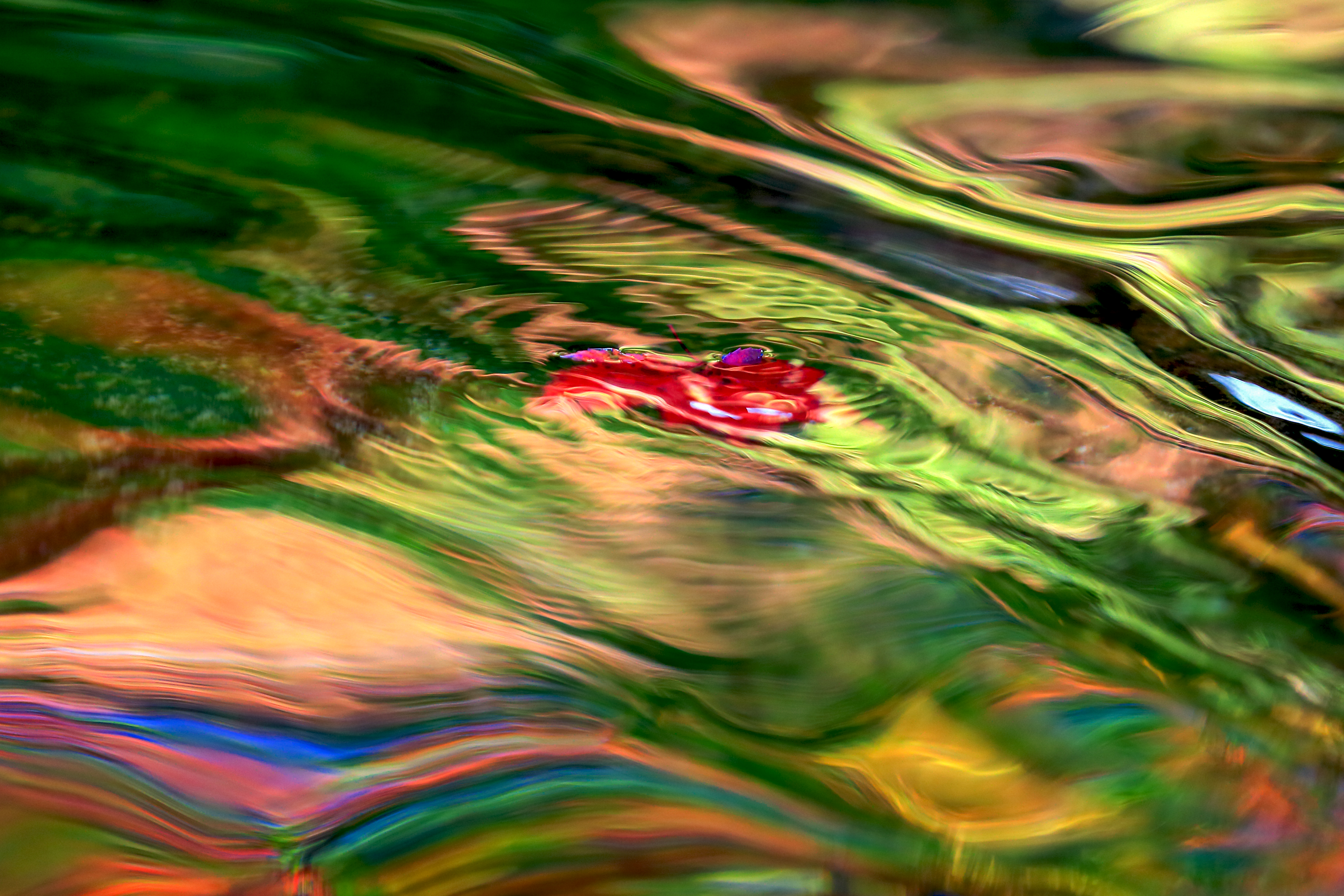
Early morning is often the clearest example. Cool air holds mist in valleys and over ponds, winds are lighter, and reflections stay intact longer. If color has reached its peak and overnight temperatures stay stable, the first hour of light can carry more structure, depth, and atmosphere than the rest of the day combined.
Autumn also improves visibility in another way: foliage thins, grasses flatten, and habitat edges become easier to scan. In wetlands, feeding concentrations become more obvious. In mountain valleys, movement corridors begin to stand out. In forest systems, openings that were hidden in summer start to emerge.
These windows are narrow. Wind can erase reflections. Heavy frost can collapse color. Rain can either deepen saturation or close access altogether. That’s why seasonal field planning matters. Pages like Seasonal Wildlife Calendar, Golden Hour & Moon Phase Planner, and Nature & Wildlife Photography Maps help connect timing to place instead of treating the season as a vague backdrop.
Autumn is brief, but it is legible. When you learn how to read its observation windows, the season stops being just scenic and starts becoming structured.
Seasonal Photography — What Autumn Changes in the Image
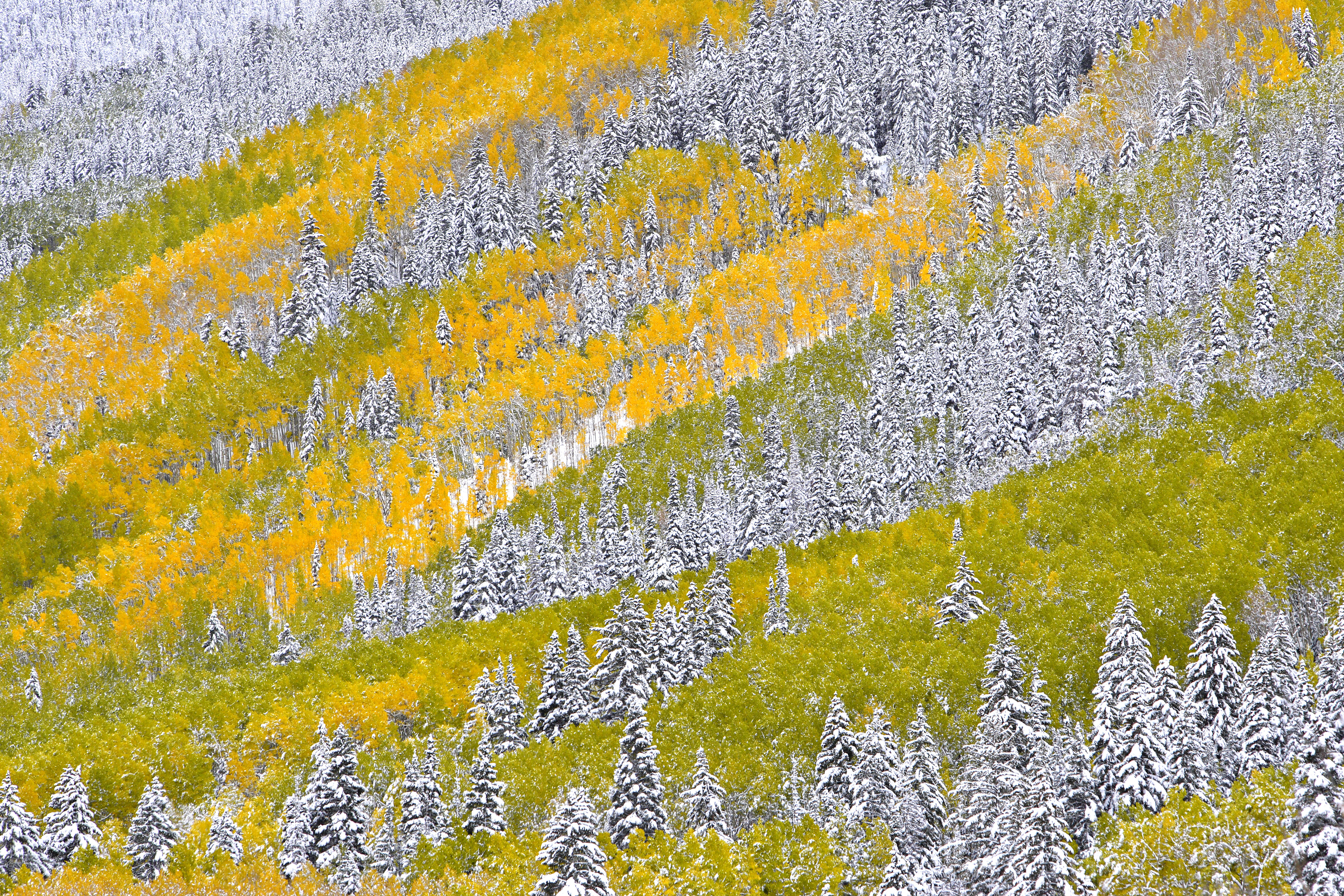
Autumn changes photography because it changes contrast in the field. Color separates more clearly. Light travels lower across the land. Atmosphere lingers longer at dawn. And as vegetation begins to open up, the structure of a place becomes more visible inside the frame.
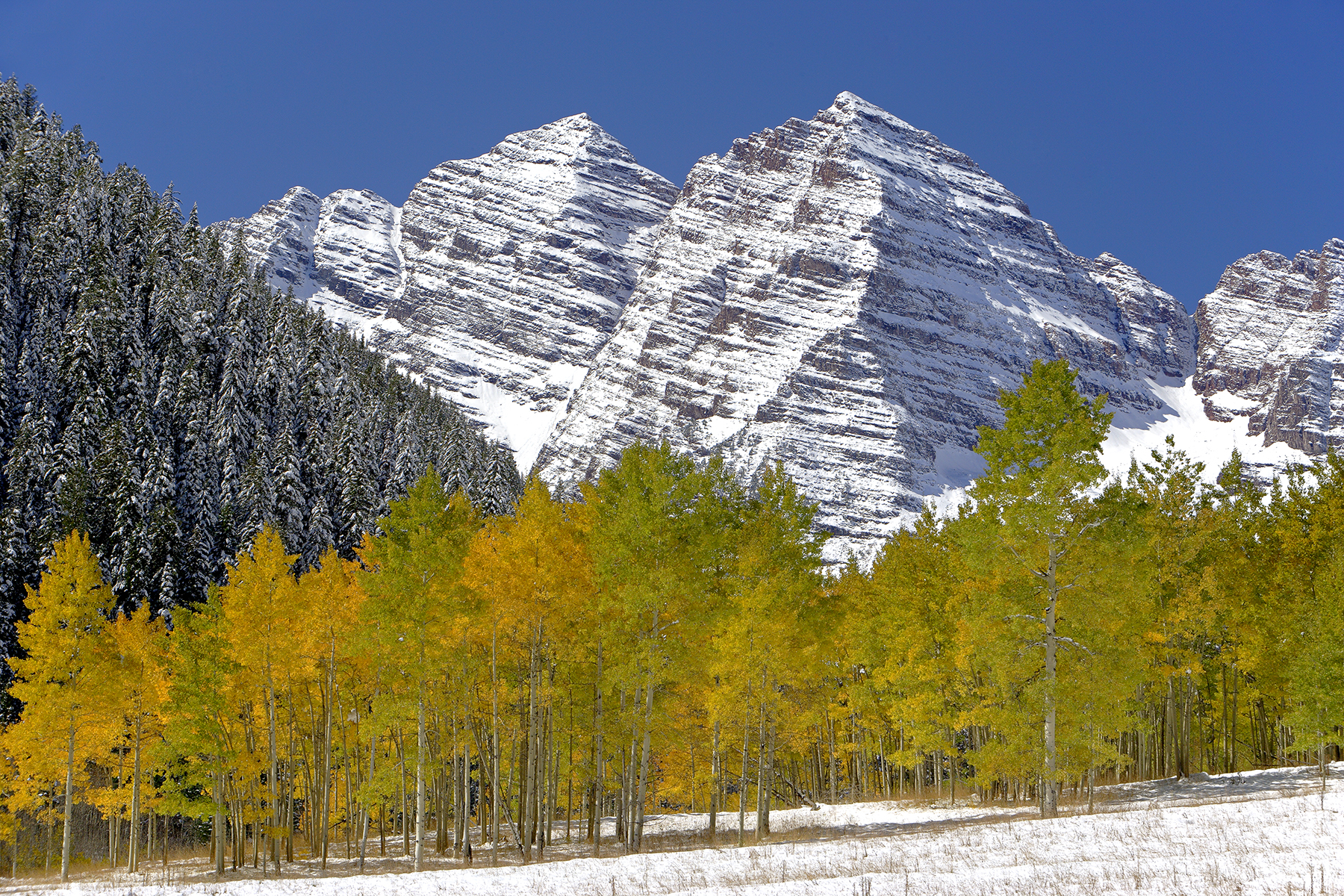
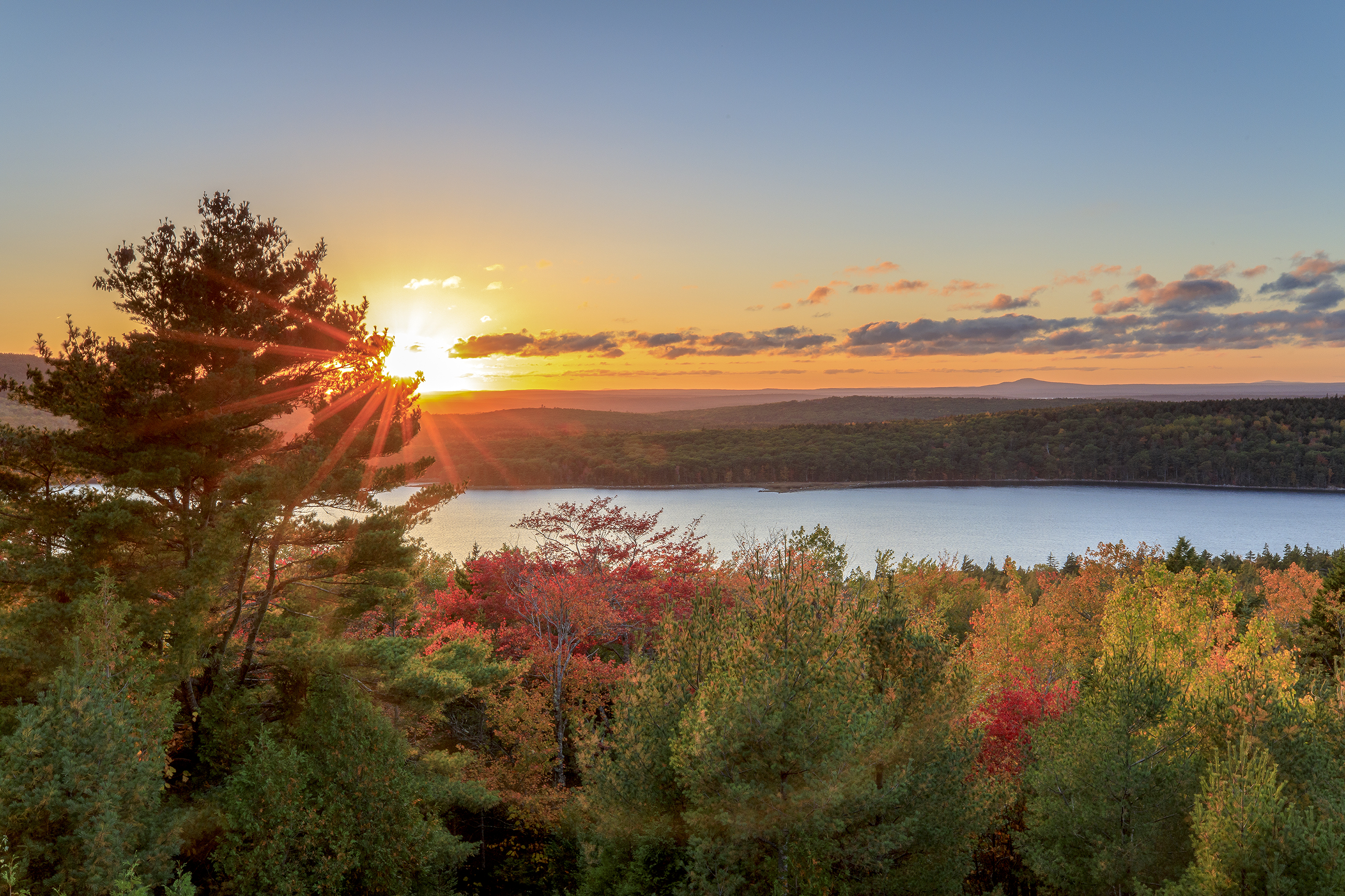
In mountain landscapes, that often means gold against dark conifers, bright groves against shadowed slopes, or reflected color against cold water. In coastal and eastern forests, the effect is different — more layered, more saturated, often more dependent on moisture and subdued sky. The season does not produce one look. It produces a family of conditions.
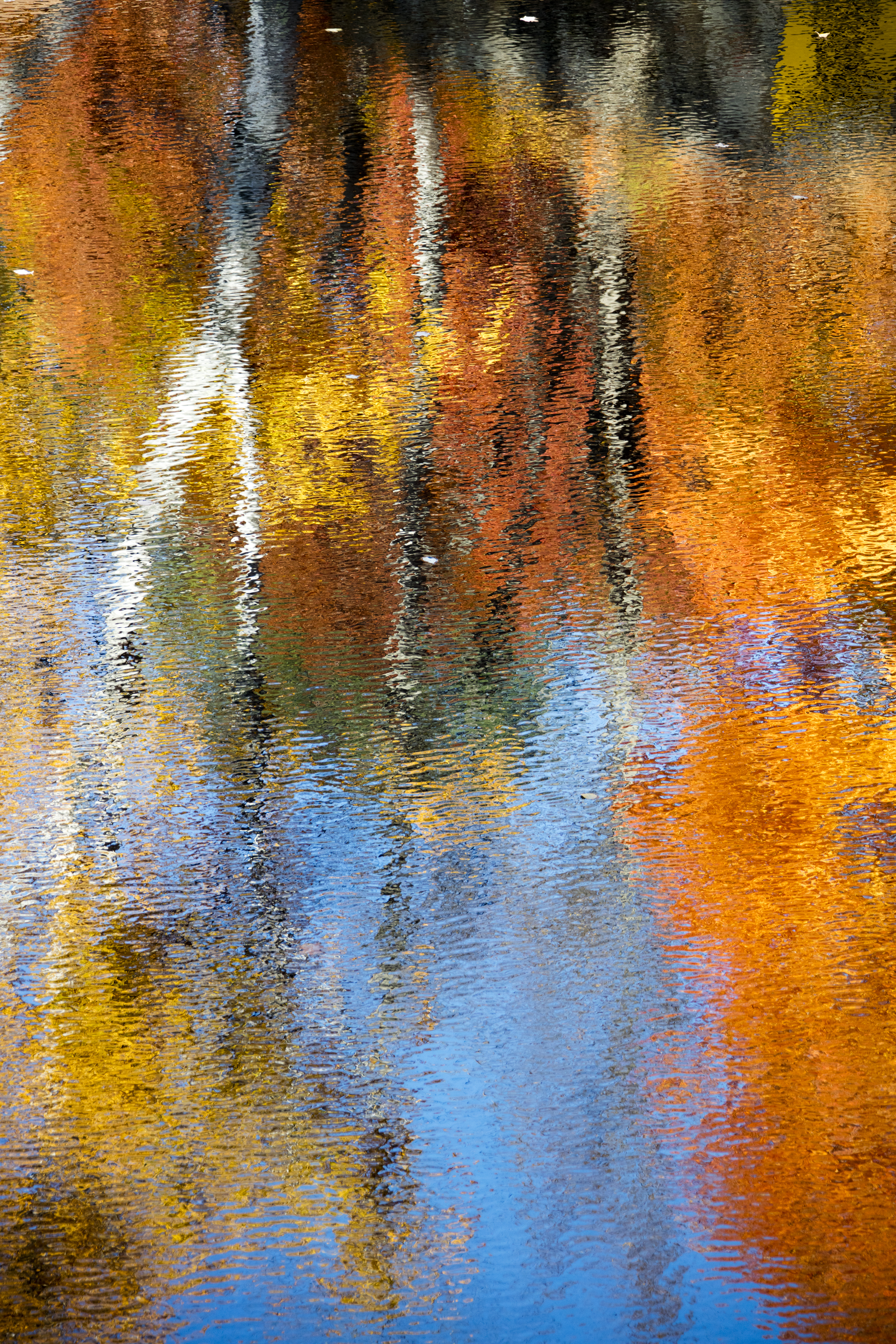
What matters most to me is not forcing color, but placing it in relationship to the larger field. A patch of aspens matters more when the mountain behind it carries weight. Reflections matter more when the water is still enough to hold the full shape of the season. A line of turning trees matters more when it reveals how elevation, weather, or drainage is influencing the landscape.
That is why autumn photography belongs inside a larger system of Nature’s Seasons, Wildlife Observation & Field Techniques, and Ecosystems of North America. The strongest autumn images usually come from understanding the transition, not just admiring it.
In that sense, photography becomes a way of tracking the season. Not just color for its own sake, but evidence of timing, place, moisture, structure, and the living rhythm of change.
Planning & Seasonal Ethics — Moving With the Season, Not Against It
Autumn creates urgency in the field. Color peaks quickly. Wildlife movement intensifies. Conditions can shift in a matter of days. But this is also when restraint matters most.
During this season, many species are preparing for winter — feeding heavily, conserving energy, or entering breeding cycles like the elk rut. Pressure from human presence, especially in high-traffic locations, can disrupt these patterns at the exact moment animals are most dependent on stability.
Distance becomes critical. Let behavior unfold naturally. If movement changes because of your presence, you’re too close. In fragile habitats — wetlands, alpine zones, forest edges — even small disturbances can have outsized effects during seasonal transition.
Planning also means timing your access responsibly. Wet ground, frost conditions, and early snow can make certain areas vulnerable to damage. Staying on durable surfaces and respecting seasonal closures protects both habitat and future observation opportunities.
These principles are part of a larger framework explored in Wildlife Conservation & Habitat and Wildlife Observation & Field Techniques — where the goal isn’t just seeing more, but seeing responsibly within the rhythm of the season.
Naturepedia Connection — Autumn as a Living System
Autumn is not just a visual season — it is a system-level transition. Across forests, wetlands, and mountain ecosystems, energy begins to compress. Growth slows. Movement shifts. Storage replaces expansion.
At the habitat level, this means leaf drop, water temperature change, and shifting plant chemistry. At the wildlife level, it means migration staging, feeding concentration, breeding cycles, and preparation for winter survival. At the landscape level, it reveals structure — edges, corridors, and relationships that are harder to see in peak summer.
This is why autumn connects directly into the broader Naturepedia system — linking season to behavior, behavior to habitat, and habitat to ecosystem function.
To explore this deeper, continue through:
→ Wildlife Systems & Ecology
→ Ecosystems of North America
→ Migration & Seasonal Patterns
→ Seasonal Wildlife Calendar
Autumn becomes easier to understand when it’s seen not as a moment of color, but as a coordinated shift across time, life, and landscape — a living system moving toward winter.
Frequently Asked Questions About Autumn in the Field
When is the best time to observe autumn color in the field?
The best window depends on elevation, latitude, moisture, and recent temperature swings. High elevations usually turn first, with valleys and coastal regions following later.
Why does wildlife often feel more visible in autumn?
Autumn compresses behavior into shorter windows. Migration staging, feeding activity, breeding behavior, and thinning vegetation all make movement easier to read.
What makes an autumn observation window especially strong?
Stable weather, low wind, good overnight cooling, and early light often create the best windows. Calm water, mist, and clean directional light can make the landscape far more legible.
How does autumn change photography in the field?
It increases color separation, reveals more habitat structure, and often creates lower-angle light with stronger atmospheric depth. The season changes not only the palette, but the readability of place.
What are the most important autumn field ethics?
Keep distance, avoid disrupting feeding or breeding behavior, respect fragile seasonal habitat conditions, and let the landscape set the terms of the encounter.
How does this page connect to the larger system?
This page connects autumn to Naturepedia, migration timing, field planning, wildlife behavior, ecosystems, and seasonal observation logic across the year.
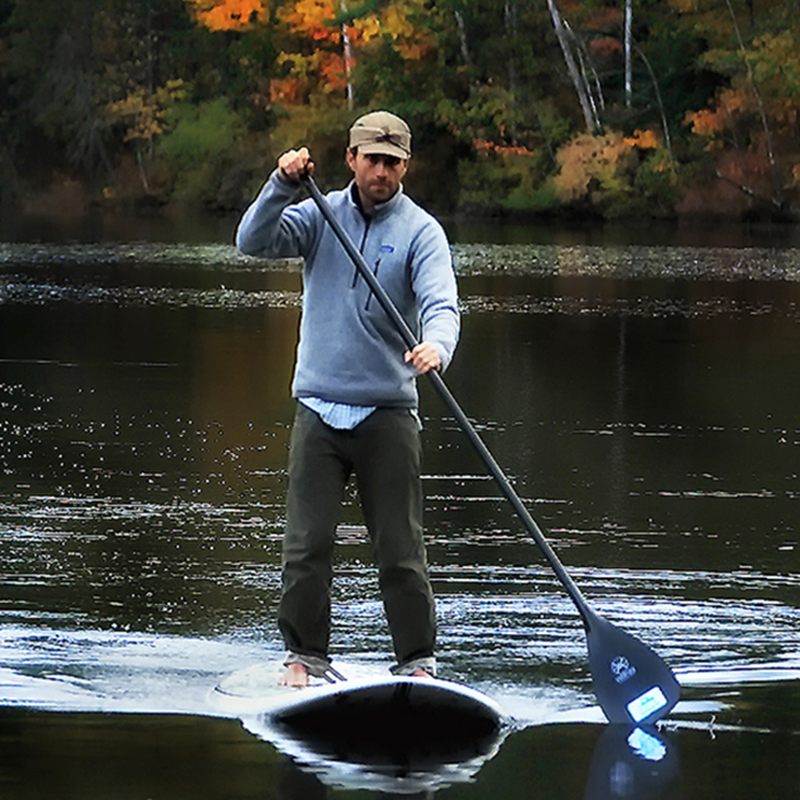
About Robbie George
I’m Robbie George, a National Geographic–published nature photographer whose work grows out of field observation, timing, and repeated return to place. Autumn has always mattered to me because it reveals transition so clearly — not only in color, but in light, structure, movement, and the changing behavior of the living world.
Through Naturepedia, Nature’s Seasons, and my Wildlife Photography and Landscape Photography galleries, I try to build pages that help readers understand how time changes habitat, how habitat shapes behavior, and how the field becomes more readable when you learn to watch closely.
For seasonal planning, explore the Seasonal Wildlife Calendar, Golden Hour & Moon Phase Planner, and Nature & Wildlife Photography Maps.