
Wildlife Photography Mastery: Tips & Insights from Robbie George
Field Context — What the Bird Is Doing Before the Photograph Exists
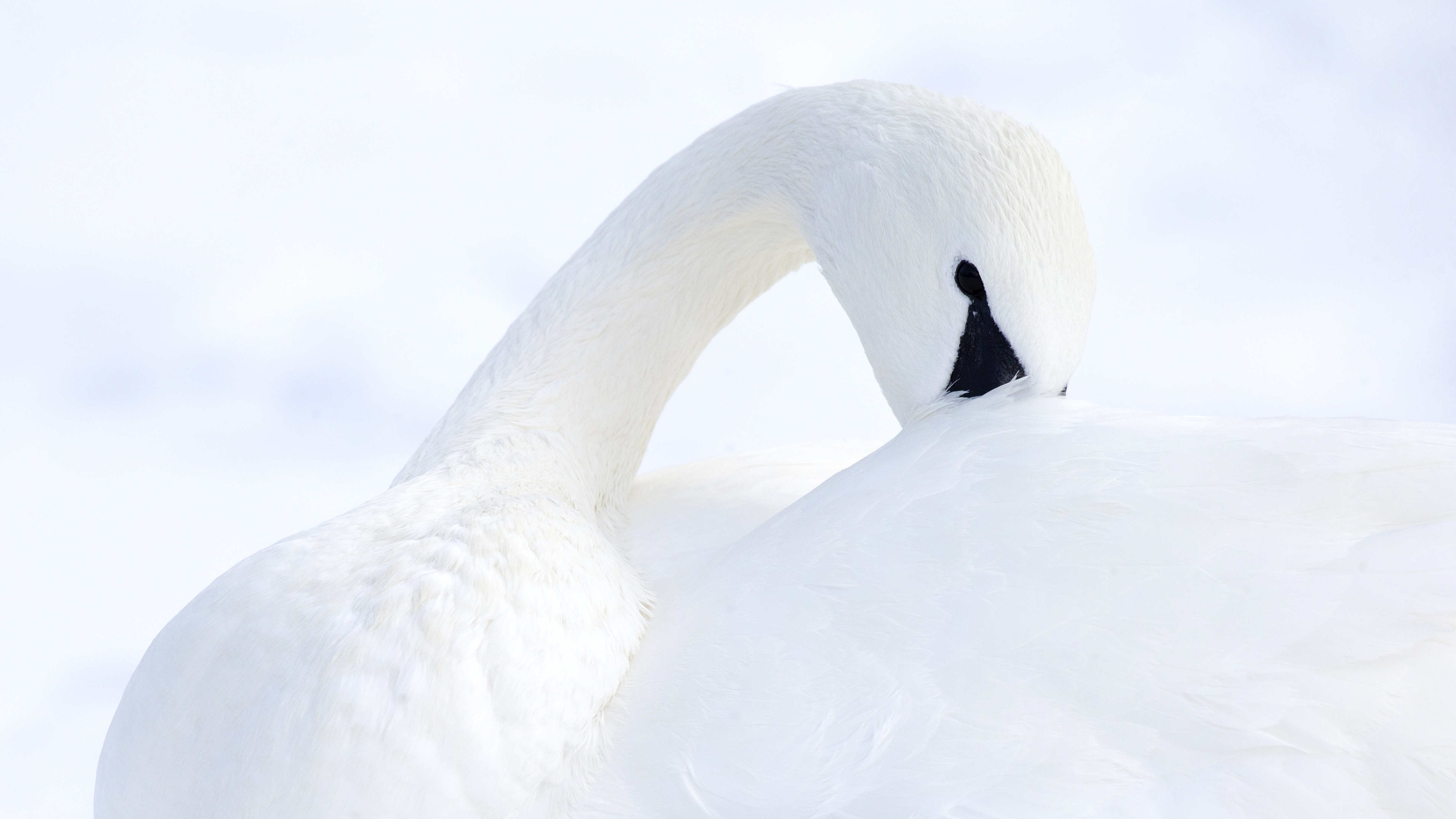
I’m not starting with settings or composition. I’m starting with the bird. The swan is settled on open water, but not fully at rest. The body is smooth, yet slightly engaged. The neck has lowered just enough to suggest transition. This is not a static portrait moment. It is a behavioral threshold.
What matters here is that the swan still belongs to its own rhythm. It is not reacting to me. It is responding to water, temperature, space, and whatever it has already decided to do next. That tells me I still have the most important thing a wildlife photographer can have in the field: an undisturbed moment.
This is where field context becomes everything. Waterfowl are often read too casually because they appear calm from a distance. But calm and transitional are not the same. A swan can move from drift to alertness very quickly. If I mistake readiness for relaxation, I move at the wrong time and lose the scene before it fully forms.
So I stay still and let the posture keep speaking. The body line, the angle of the neck, the pace of drift, the direction of attention—those are the real opening signals. Before I decide how to photograph the swan, I need to understand what phase of behavior I’m actually watching.
“The photograph begins when the animal’s behavior becomes clear enough that your next move matters.”
On This Page
Reading Behavior — What the Body Reveals Before the Moment Happens
When behavior becomes readable, timing stops being guesswork. I’m not waiting for action—I’m watching for the signals that come just before it. With birds, especially raptors, those signals are precise. Posture tightens. Wings adjust slightly. Attention narrows. The body organizes itself before committing to movement.
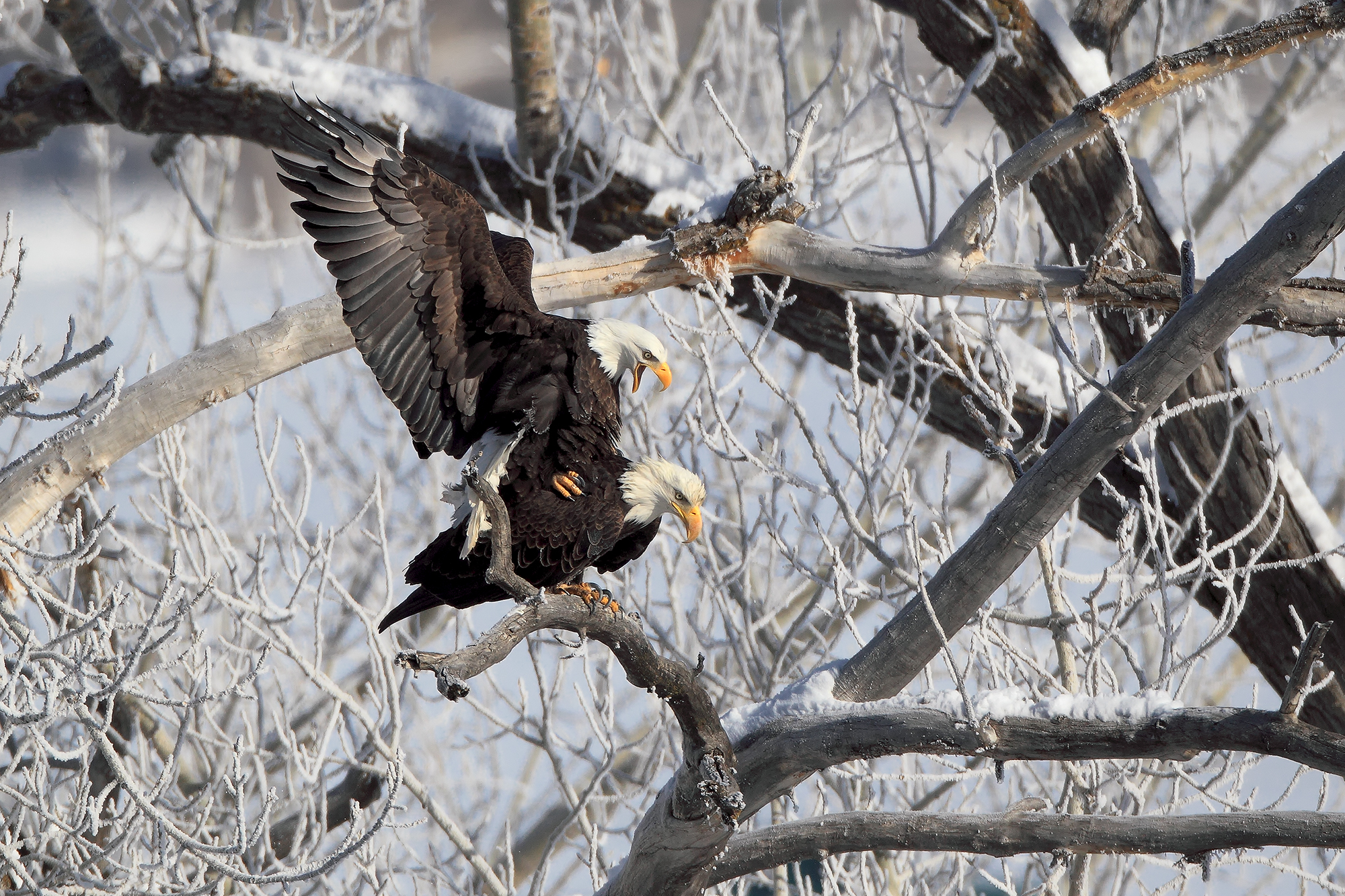
In a moment like this—two eagles engaged in mating behavior—the interaction is not random or chaotic. It’s structured. Each bird is responding to the other’s position, timing, and energy. Their spacing is intentional. Their movement is synchronized. If I only react to the peak moment, I’m already late. The photograph exists in the buildup.
I focus on four primary signals: posture, orientation, spacing, and sequence. Posture tells me tension level. Orientation tells me direction of intent. Spacing tells me relationship—between animals, and between animal and environment. Sequence tells me where I am in the behavior cycle: before, during, or after the action.
Most missed wildlife images aren’t missed because of camera settings. They’re missed because the photographer didn’t recognize the sequence in time. Behavior always gives a preview—it just doesn’t announce it loudly.
What I’m asking in every situation is simple: Is this building toward something, or resolving from something? That answer determines whether I hold, prepare, or step back entirely.
“The moment is never sudden—it is assembled, piece by piece, in the body long before it is visible.”
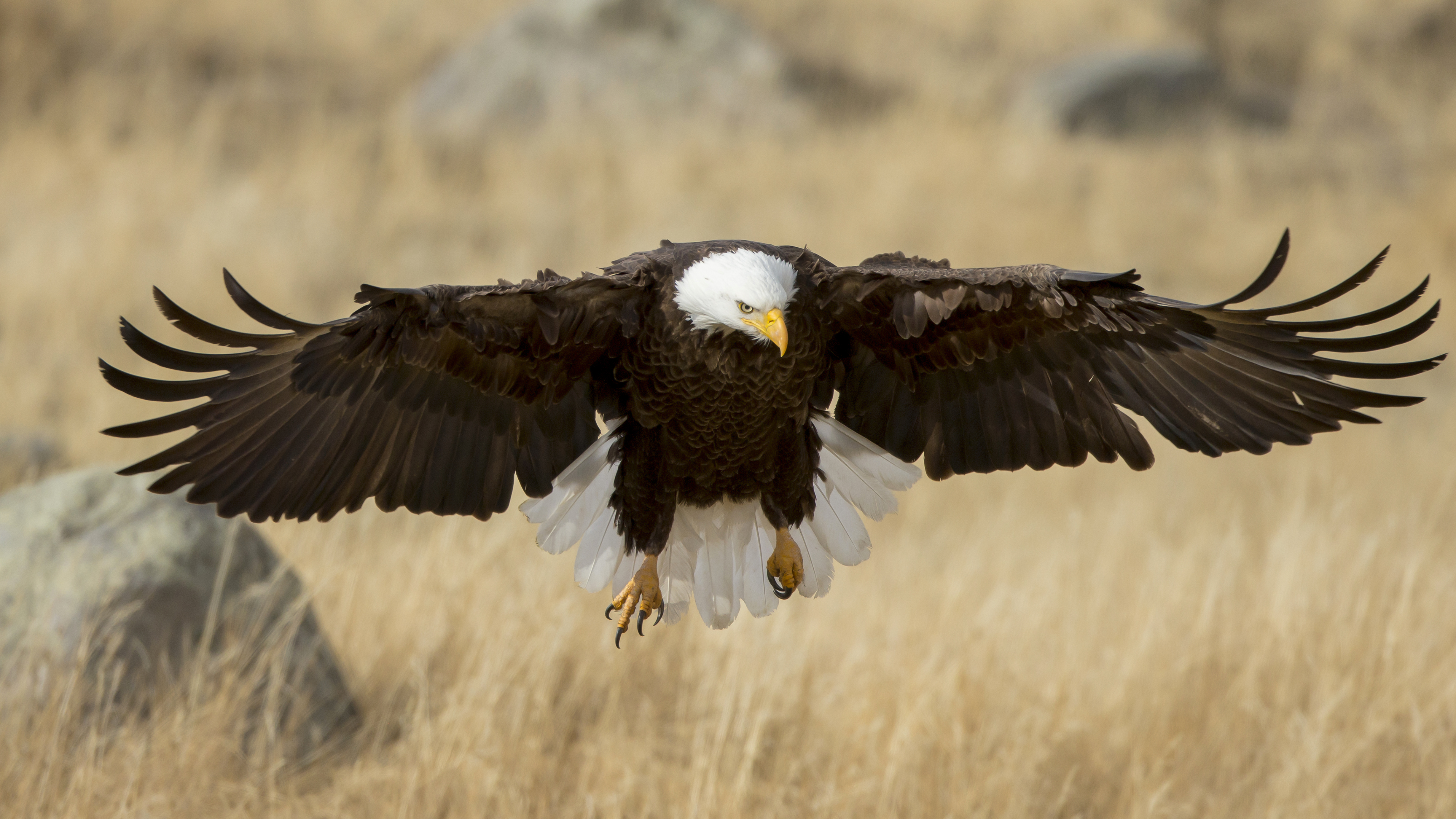
Decision Making — Stay, Adjust, or Let the Moment Go
Once I understand the behavior, the next step is decision—not reaction. This is where wildlife photography actually happens. Not at the shutter, but in the choice: do I stay where I am, reposition, or step out of the situation entirely?
With a perched eagle like this, the decision window is narrow. The body is engaged. The gaze is fixed. The bird is not resting—it’s preparing. If I move now, even slightly, I risk interrupting the sequence. If I stay still, I allow the behavior to complete itself naturally.
So I hold position. No adjustments. No fine-tuning. The decision has already been made before this moment: I placed myself correctly earlier. Now the correct move is restraint.
There are three decisions I cycle through constantly:
Stay — when behavior is natural and uninterrupted
Adjust — when position can improve without adding pressure
Leave — when my presence begins to influence the animal
Most mistakes happen when photographers skip this step and default to “get closer” or “fix the angle.” But once behavior is active, movement from the photographer often becomes the disruption. The better the behavior, the less I move.
The goal is not to control the outcome—it’s to protect the sequence. If the animal completes its behavior without accounting for me, I’ve made the right decision, regardless of whether I captured the image.
“The right decision in the field is the one that allows the behavior to finish without you in it.”
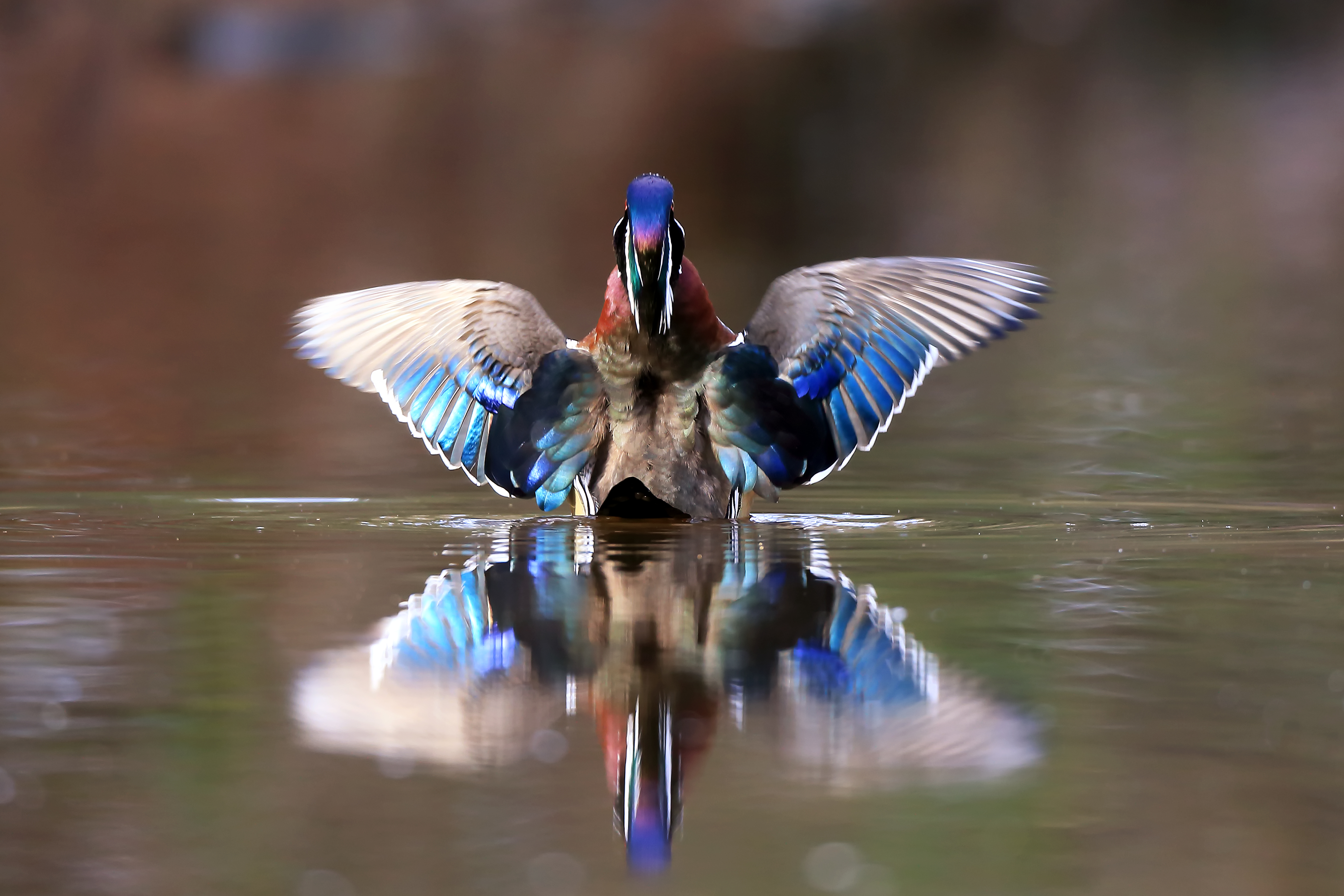
Field Technique — Positioning Without Disturbance
Field technique is not about how I hold the camera—it’s about how I exist in the environment. Where I place myself determines whether behavior continues naturally or shifts because of me.
With waterfowl like this wood duck, distance and angle matter more than anything else. Approaching directly compresses space and creates pressure. Instead, I position off-axis, allowing the bird to move through its natural path without having to account for my presence.
I use the environment as part of the technique. Shorelines, reeds, reflections, and light transitions all help reduce my visual impact. I’m not hiding—I’m blending into the structure that already exists. If I’m noticeable, I’ve positioned incorrectly.
Movement is controlled early, not late. I make any necessary adjustments before the animal enters a sensitive phase of behavior. Once the moment begins to build, I stop moving entirely. Stillness becomes the technique.
Light is also part of positioning. I don’t chase light—I align with it. Reflections, low-angle illumination, and soft backgrounds help reveal posture and form without forcing the scene. The goal is not to create something new, but to let what already exists become visible.
“The best field technique is the one that allows the animal to behave as if you were never there.”
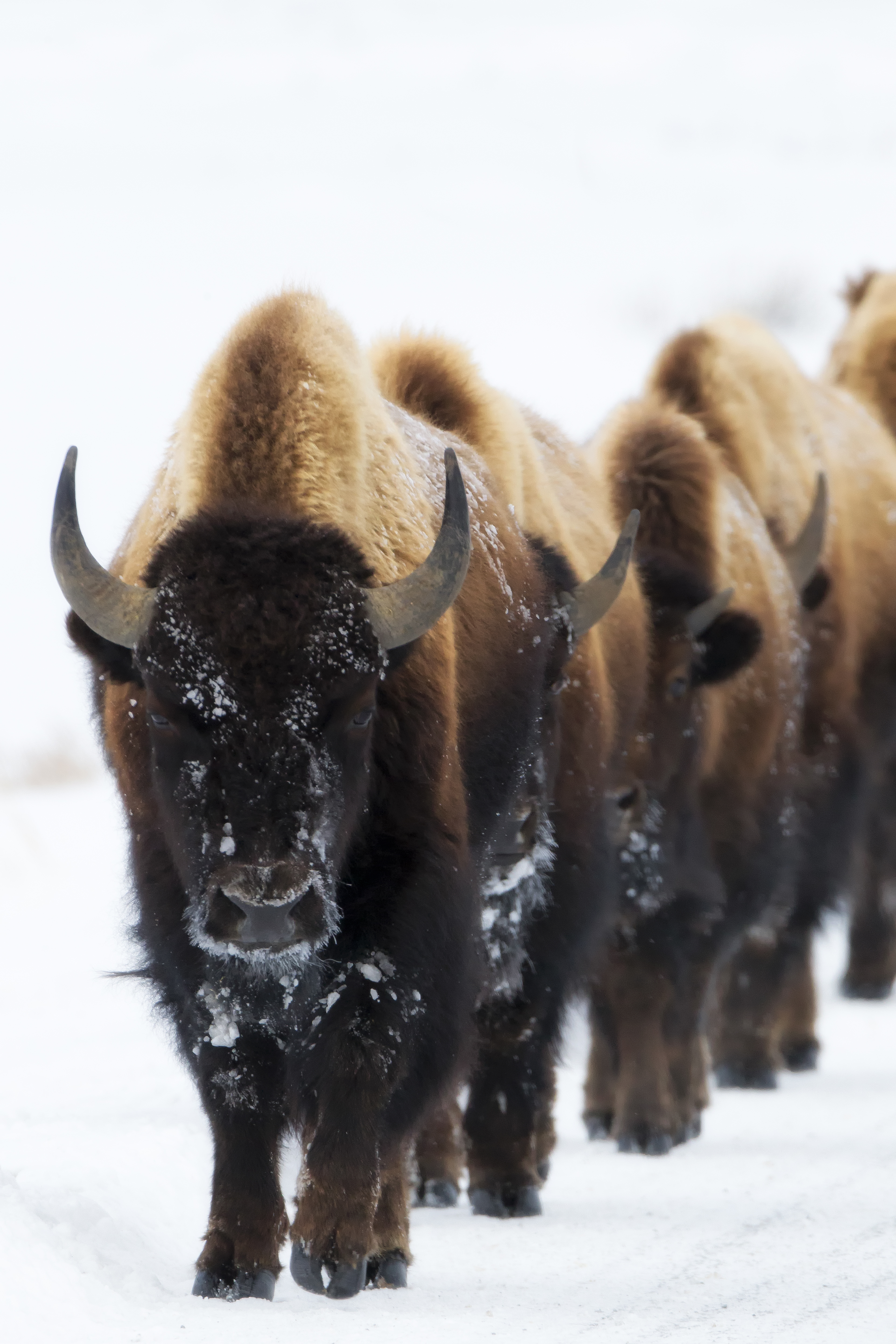
Photography Layer — Letting the Image Emerge From Behavior
By the time I’m thinking about the photograph, the hardest work is already done. I’ve read the behavior. I’ve made the decision. I’ve positioned correctly. Now the image isn’t something I create—it’s something I recognize.
With a subject like this bison, there’s no dramatic movement to rely on. The power is in presence. The stillness, the breath, the weight of the animal in its environment—those become the structure of the image. If I try to force action, I lose what makes the moment real.
Composition follows behavior. If the animal is grounded, I keep the frame stable. If the posture is heavy and centered, I don’t overcomplicate the scene. If the moment is quiet, I don’t try to make it loud. The photograph should feel like a continuation of what the animal is already doing.
Light becomes the final layer. Here, it defines breath, shape, and separation from the background. I’m not adjusting for technical perfection—I’m watching how light interacts with the body. That interaction tells me when the image is ready.
When everything aligns—behavior, position, light, and timing—the shutter becomes simple. It’s no longer a reaction. It’s a confirmation.
“The photograph is not made in the camera—it’s revealed when behavior, light, and presence align.”
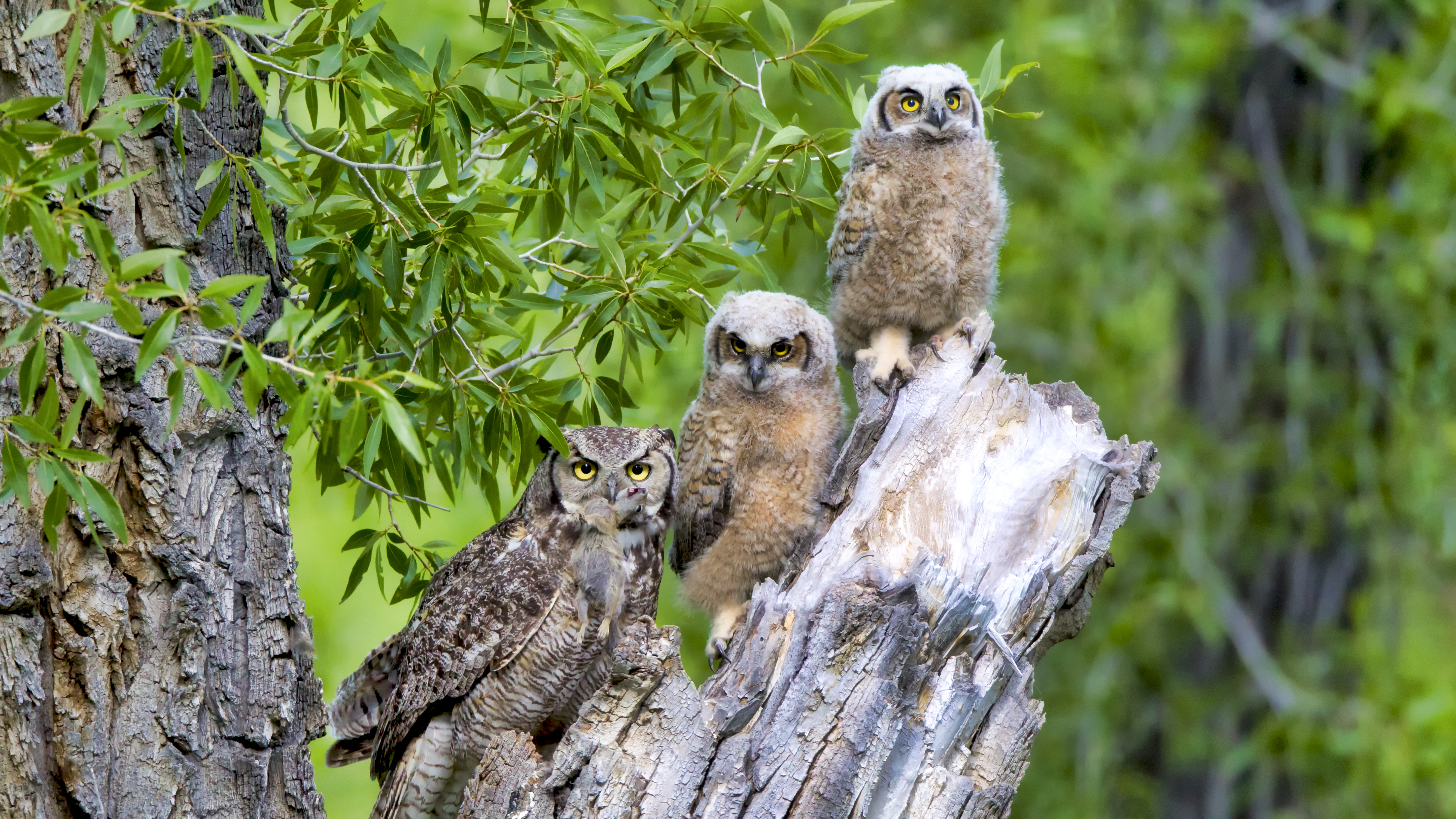
Ethics & Boundaries — Protecting the Moment, Not Just Capturing It
Every wildlife encounter carries a line you cannot see but must learn to feel. It’s the point where observation turns into influence. Once crossed, the behavior is no longer fully natural, even if the animal remains in place.
With species like these owls, stillness can be deceptive. They may remain perched even when aware of your presence. But awareness changes behavior, even if it’s subtle. A shift in posture, a tightened gaze, a delayed movement—these are signs the animal is now accounting for you.
Ethical photography means recognizing that shift early. If the animal is adjusting because of me, I reduce pressure immediately. That might mean stepping back, lowering my profile, or ending the encounter altogether. The goal is not proximity—it’s preservation of natural behavior.
Seasonal context matters just as much as distance. Nesting birds, denning mammals, winter-stressed animals—these situations require more space, more awareness, and often less photography. Not every moment should be captured.
The strongest images come from undisturbed behavior. If I have to push the situation to get the photograph, I’ve already lost what made it valuable.
“Ethics in the field is measured by what the animal never had to change because you were there.”
Naturepedia Connection — Behavior Within the Living System
What I’m reading in the field is never just about a single animal. Every behavior is connected to a larger system—habitat, season, energy flow, and ecological pressure. Without that context, body language becomes guesswork. With it, behavior becomes readable.
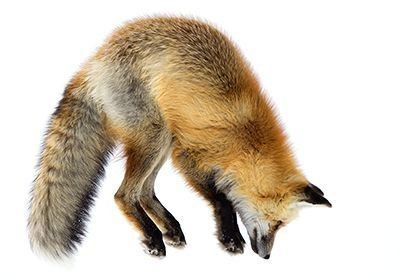
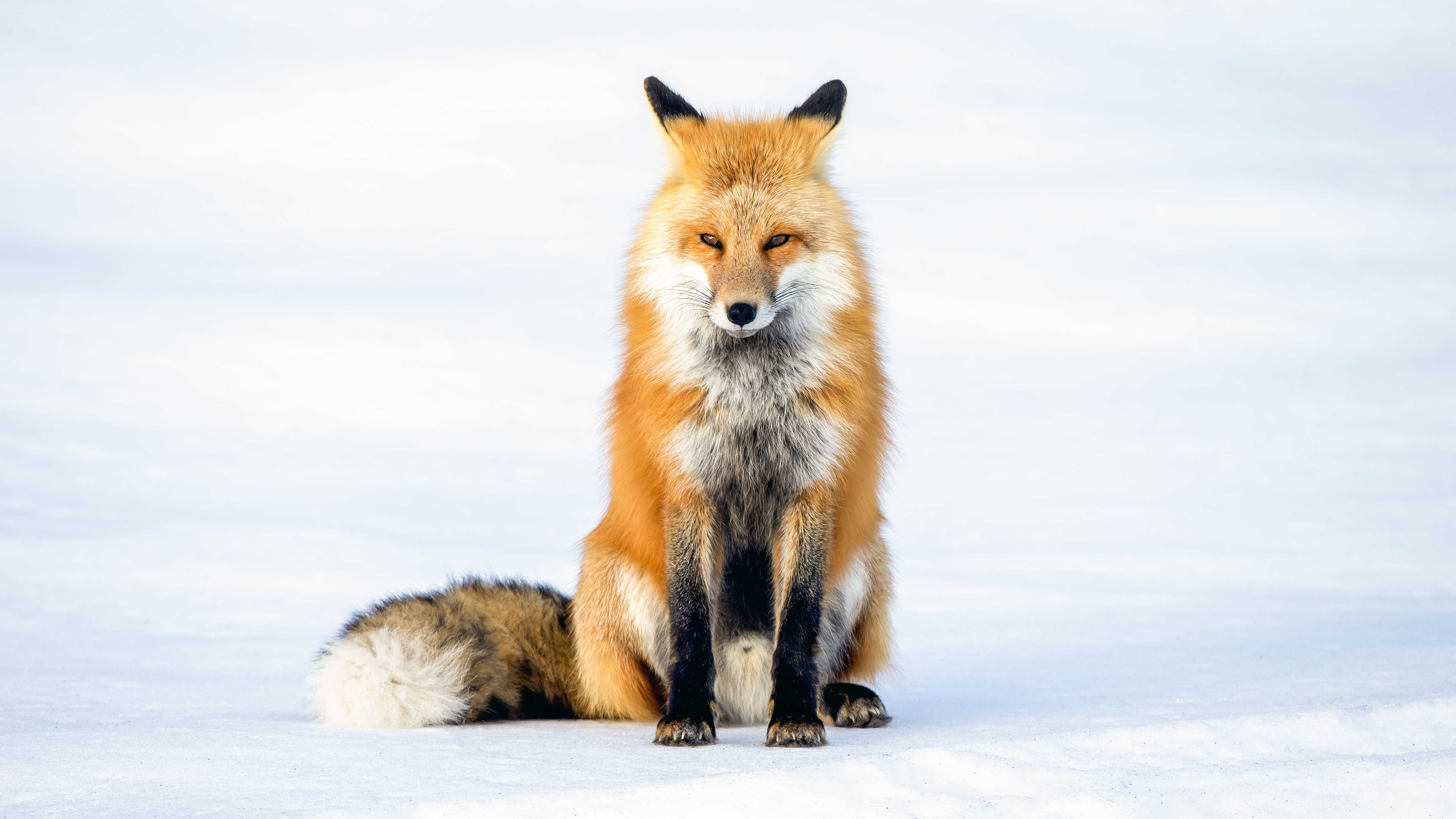
A red fox like this is not simply “alert.” That posture is shaped by temperature, prey movement, snow depth, and sound travel through the landscape. The angle of the head, the stillness of the body, the focus of the gaze—all of it is tied to survival within that exact environment.
This is why field reading follows a consistent chain:
Species → Behavior → Habitat → Geography → Seasonal Timing → Conservation
A fox hunting in winter behaves differently than one in summer. A predator in open terrain moves differently than one in dense forest. A bird during migration carries a different urgency than one on territory. Remove any of those layers, and the behavior loses meaning.
To deepen this understanding, explore:
→ Wildlife Behavior & Ecology
→ Field Observation Techniques
→ Conservation & Habitat
→ Seasonal Wildlife Timing
When you start connecting these layers, wildlife photography shifts from reaction to understanding. The field stops being unpredictable—it becomes structured, readable, and navigable through awareness.
“Behavior is not a moment—it is the visible edge of an entire living system.”
Frequently Asked Questions
What is the most important skill in wildlife photography?
Reading behavior. If you understand posture, spacing, and timing, everything else—position, composition, and the photograph itself—falls into place.
How do I know when I’m too close to an animal?
When the animal changes behavior because of you. That can be obvious or subtle—head turns, pauses, altered movement, or increased alertness. If you see those signs, you’re too close.
Why do I keep missing the moment?
Because the moment starts before the visible action. Most wildlife behavior builds gradually. If you’re waiting for movement instead of reading the buildup, you’re reacting too late.
Should I move to improve composition once the animal is in position?
Usually no. Once behavior is active, movement from you often disrupts it. The better approach is to position correctly before the moment begins and then stay still.
What’s the biggest mistake wildlife photographers make?
Prioritizing the image over the behavior. When the goal becomes getting the shot, decisions often start to influence the animal instead of respecting its natural state.
How do I improve without more gear?
Spend more time observing without shooting. Watch how animals move, pause, and respond to their environment. Field awareness improves faster than equipment ever will.
About the Photographer
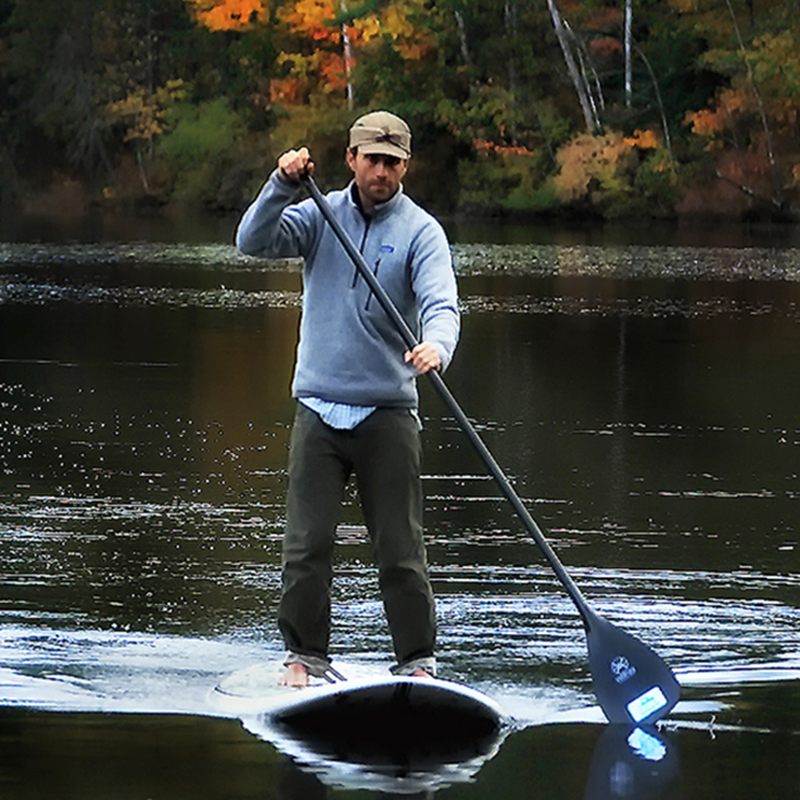
I’m Robbie George, a nature photographer whose work is built on time in the field—returning to landscapes across seasons, light, and conditions to understand how animals move, behave, and interact with their environment.
My approach begins with behavior, not the camera. I study posture, spacing, tension, and movement before ever thinking about the photograph. Every image is the result of reading the moment correctly—knowing when to stay still, when to step back, and when to let the scene unfold without interference.
Over decades of fieldwork in places like Yellowstone, Grand Teton, Bosque del Apache, and coastal refuges, I’ve developed a fieldcraft approach that connects behavior, habitat, timing, and restraint. The goal is simple: allow the wild to remain undisturbed—and be ready when the moment reveals itself.
This work extends into Naturepedia, where species, ecosystems, and field observation connect into a larger system. Photography becomes more than an image—it becomes understanding.
“The camera follows the field. If you understand the behavior, the image takes care of itself.”