
Red Wolf | Canis Rufus Guide: Everything You Need to Know
A Species on the Edge of Disappearance
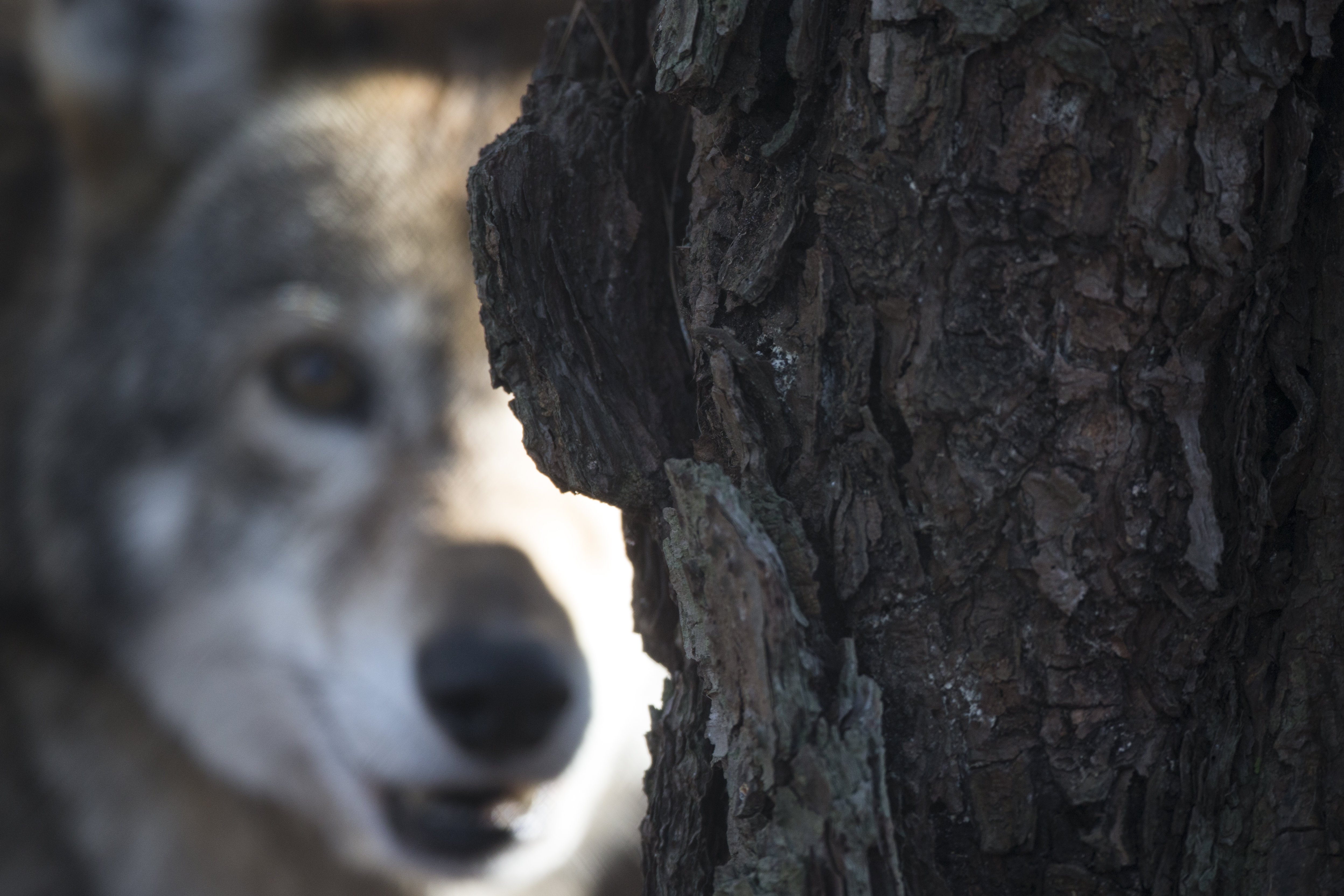
The red wolf is one of the clearest examples of how quickly a species can move from widespread to nearly gone. By the late 20th century, it had been declared extinct in the wild. What remained were only a handful of individuals in captivity.
Unlike the grey wolf, which still occupies large portions of North America, the red wolf’s range collapsed almost entirely. Its decline was driven by habitat loss, predator control programs, and hybridization with coyotes.
What followed was one of the most intensive recovery efforts in U.S. wildlife history. Reintroduction began in eastern North Carolina, where small populations were released back into the wild. Today, that effort continues, but the species remains critically endangered.
This is not just a species story—it’s a system story. The red wolf’s survival connects directly to biodiversity, habitat continuity, and how we choose to manage landscapes where wildlife and human systems overlap.
“The red wolf isn’t just surviving—it’s testing whether we are willing to let the wild remain.” — Robbie George
On This Page
History of the Red Wolf — Collapse, Captivity, and Return
The history of the red wolf is one of the starkest wildlife stories in North America. This species once moved across much of the Southeastern United States, occupying forests, wetlands, coastal plains, and open country from Texas to the Atlantic. It was part of the ecological fabric of the region.
That changed quickly. Predator control campaigns, habitat loss, and expanding human development pushed red wolves toward extinction. By the late 20th century, they had disappeared from the wild. What remained were only a small number of individuals captured for a last attempt at saving the species.
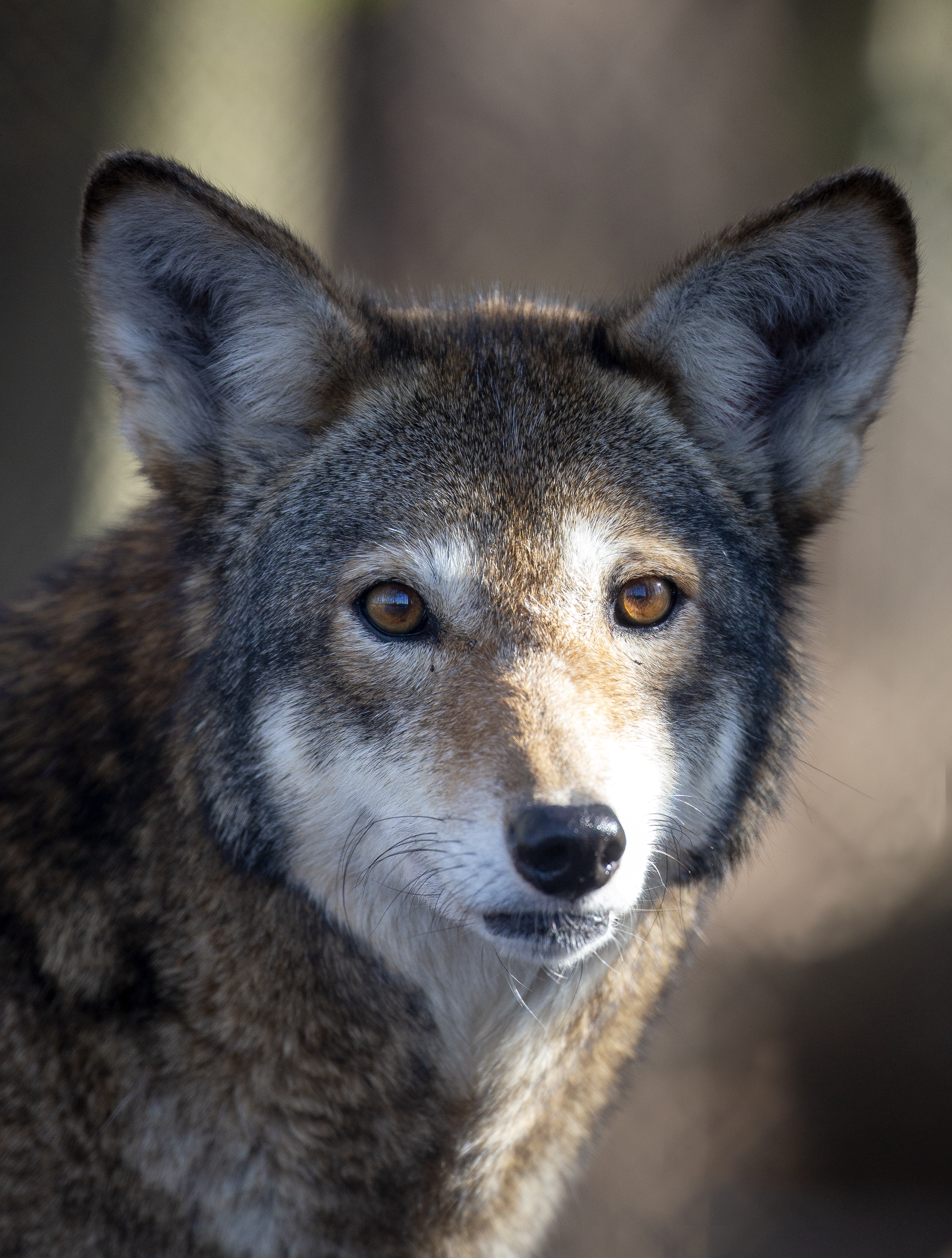
What followed was one of the most ambitious carnivore recovery efforts in U.S. history. Captive breeding programs preserved the remaining genetic line, and reintroduction efforts later focused on eastern North Carolina. The fact that the red wolf still exists at all is the result of direct human intervention through conservation.
But this history is not just about saving a species in numbers. It is about trying to restore a missing predator to a fragmented landscape that no longer functions the way it once did. That is why the red wolf connects so strongly to wildlife conservation, biodiversity and ecosystem balance, and the larger challenge of recovering ecological relationships after they have been broken.
From my perspective, the red wolf stands as both warning and test. It reminds us how quickly a species can be pushed out—and how much work it takes to bring even a fragment of it back. That makes this page more than a species profile. It makes it a record of what recovery really means.
Scientific Classification — A Distinct Line Within the Canid Family
The red wolf (Canis rufus) occupies a unique position within the canid family. It is often described as sitting between the grey wolf and the coyote, but it is not simply a hybrid—it represents its own evolutionary lineage shaped by the ecosystems of the Southeastern United States.
Taxonomically, the red wolf is classified as:
- Kingdom: Animalia
- Phylum: Chordata
- Class: Mammalia
- Order: Carnivora
- Family: Canidae
- Genus: Canis
- Species: rufus
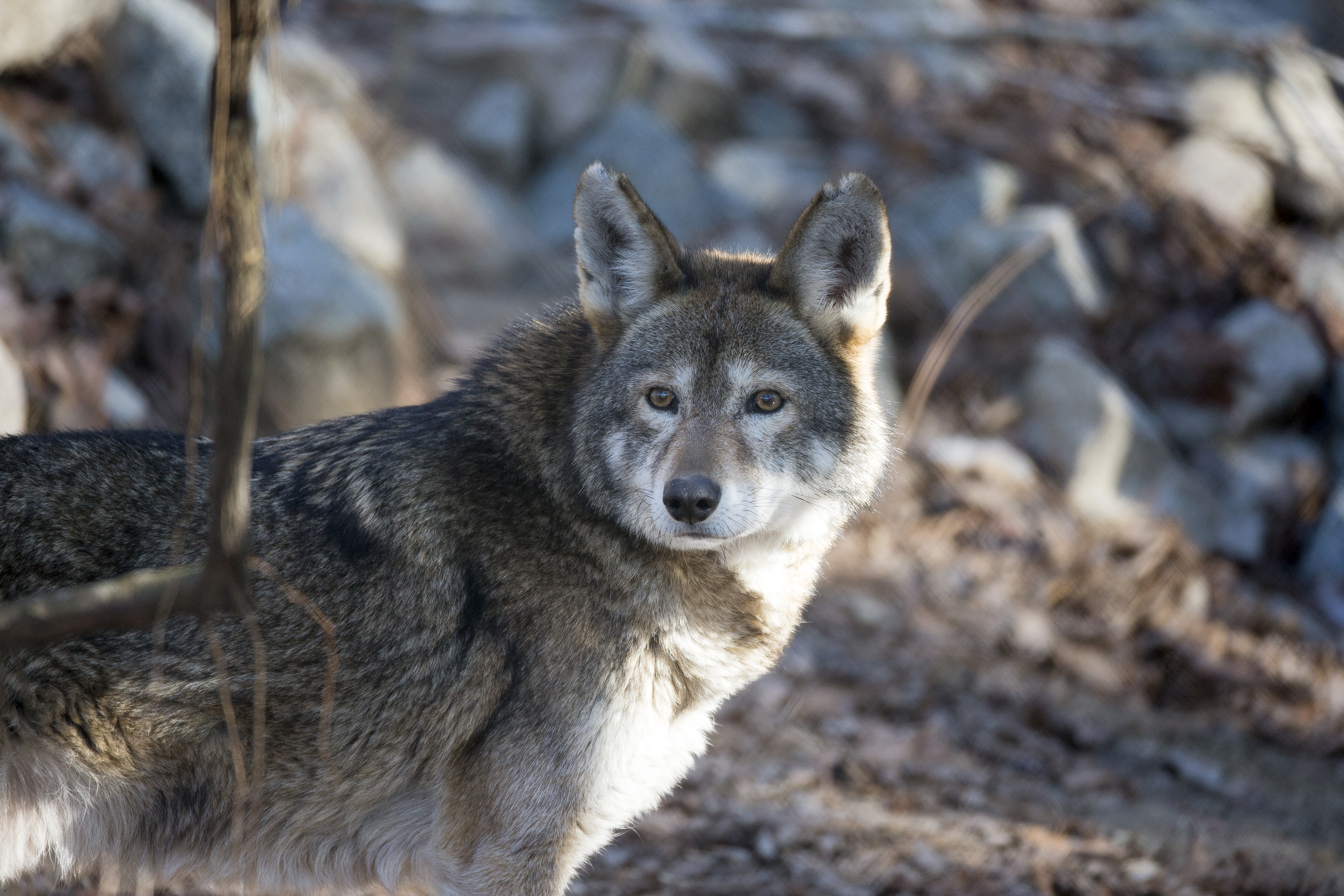
What makes the red wolf especially important from a classification standpoint is its genetic identity. Ongoing research continues to explore its relationship to other canids, particularly in the context of hybridization with coyotes. This has become one of the central challenges in its conservation.
Classification, in this case, is not just about naming a species—it directly influences how it is protected. Recognizing the red wolf as a distinct species is critical for legal protection, recovery planning, and long-term survival. This ties directly into broader systems of conservation and how we define and protect biodiversity within Naturepedia.
Physical Traits — Form Shaped by Environment
In the field, the red wolf stands out immediately—not because of size, but because of its balance. It carries traits of both the grey wolf and the coyote, yet moves with its own distinct presence. It is built for the southeastern landscape—light, adaptable, and efficient.
Adult red wolves typically weigh between 45 and 80 pounds, placing them between larger grey wolves and smaller coyotes. Their bodies are lean, with long legs and narrow frames that allow them to move easily through dense vegetation, wetlands, and coastal terrain.
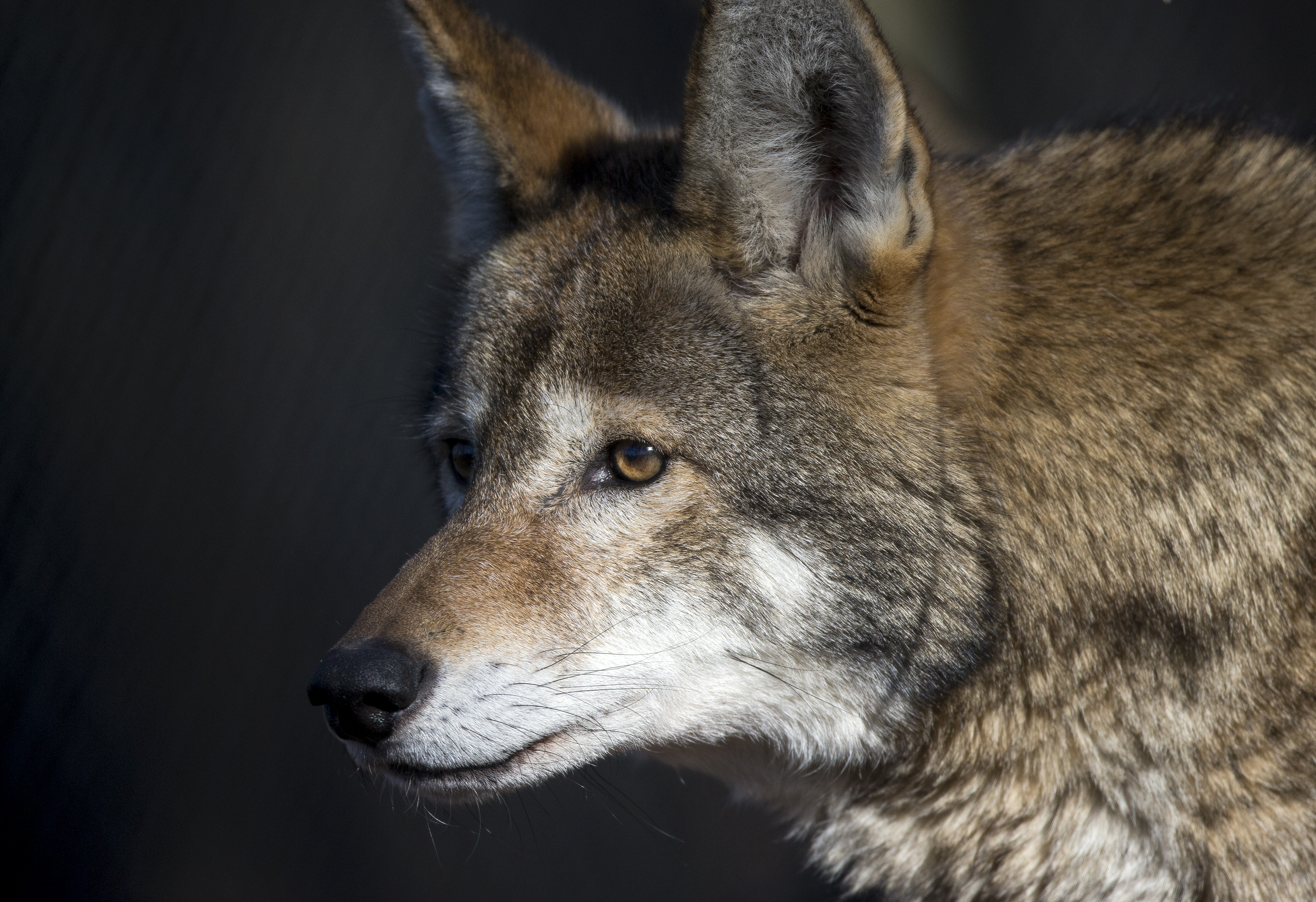
Their coloration is one of their most recognizable features. A mix of reddish, brown, gray, and black tones helps them blend into forest floors and coastal plains. The reddish hues, often most visible on the ears, muzzle, and legs, give the species its name.
Compared to grey wolves, red wolves have longer legs and a more slender build. Compared to coyotes, they appear larger and more robust. These differences are subtle but important, especially in regions where hybridization complicates identification.
These physical traits are not just aesthetic—they are functional. They reflect the environments the red wolf evolved in and connect directly to adaptation and survival within specific ecosystems. The form of the red wolf is a direct response to the landscape it inhabits.
Behavior and Lifestyle — Family Structure, Territory, and Survival
Red wolves are highly social animals, but their social structure tends to be tighter and smaller than that of many grey wolf populations. In the wild, they usually live in family groups built around a breeding pair and their offspring. This smaller pack size reflects both their environment and prey base.
What stands out most is how deliberate their behavior feels. Red wolves move carefully, often using cover and edge habitat to stay concealed. In fragmented landscapes, this caution is essential. They have adapted not just to prey and habitat, but to the constant presence of human pressure around them.
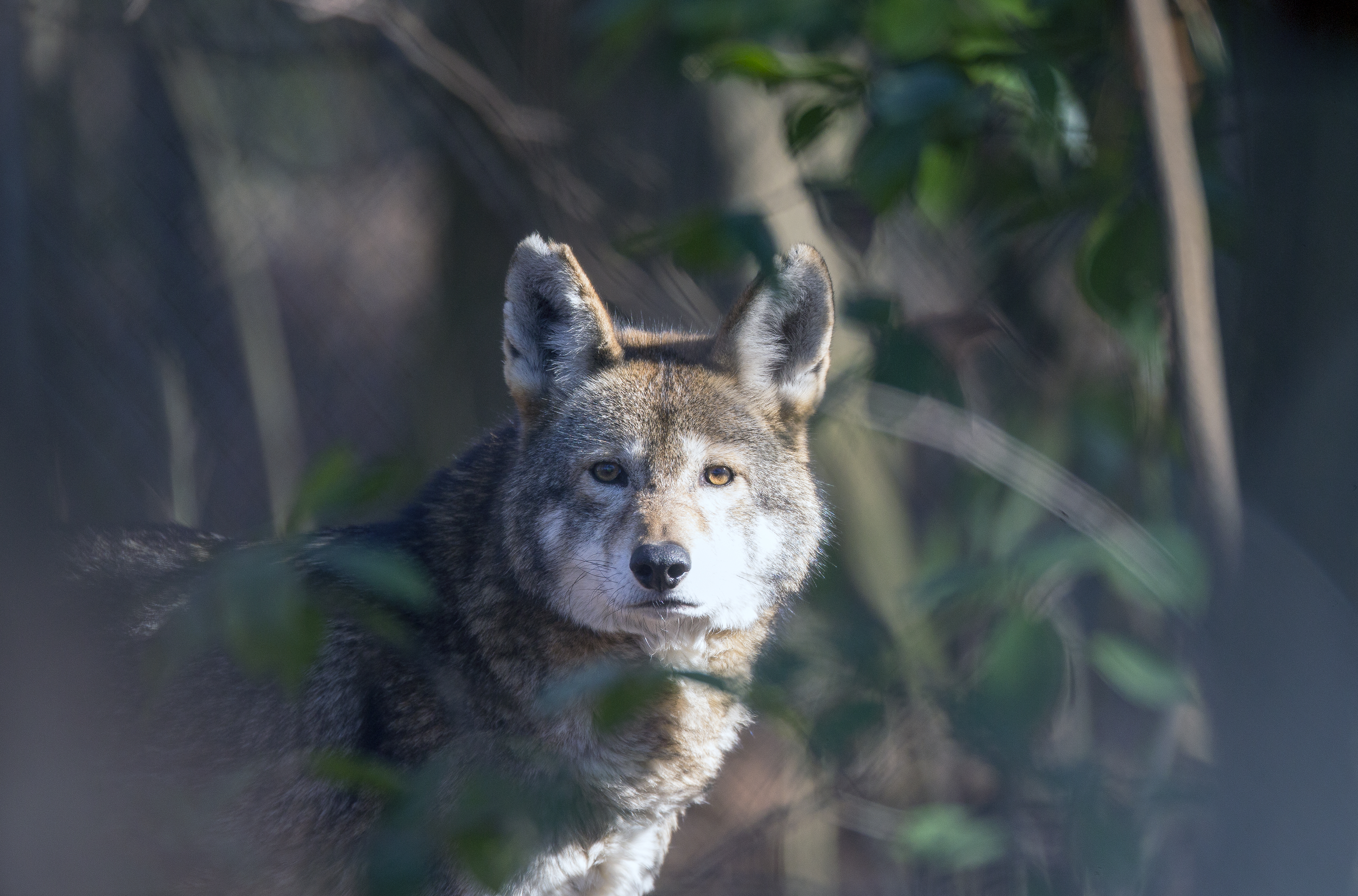
Communication happens through body posture, scent marking, and vocalization. Their howl is often described as distinct from both coyotes and grey wolves, helping packs maintain territory and cohesion. These communication patterns are part of what links the species to the broader system of wildlife behavior and ecology.
Territory is critical to their survival. Red wolves defend space not only for hunting, but for breeding and pup rearing. When territory is lost or fragmented, the entire structure of the pack can be disrupted. That is one reason habitat continuity matters so much in their recovery.
Their lifestyle reflects a species that survives through coordination, restraint, and adaptability. The red wolf is not a dominant presence in the landscape in the way many people imagine wolves. It is a careful one—operating through family structure and ecological fit, which is exactly what makes its survival so precarious and so important.
Behavior and Lifestyle — Family Structure, Territory, and Survival
Red wolves are highly social animals, but their social structure tends to be tighter and smaller than that of many grey wolf populations. In the wild, they usually live in family groups built around a breeding pair and their offspring. This smaller pack size reflects both their environment and prey base.
What stands out most is how deliberate their behavior feels. Red wolves move carefully, often using cover and edge habitat to stay concealed. In fragmented landscapes, this caution is essential. They have adapted not just to prey and habitat, but to the constant presence of human pressure around them.
Communication happens through body posture, scent marking, and vocalization. Their howl is often described as distinct from both coyotes and grey wolves, helping packs maintain territory and cohesion. These communication patterns are part of what links the species to the broader system of wildlife behavior and ecology.
Territory is critical to their survival. Red wolves defend space not only for hunting, but for breeding and pup rearing. When territory is lost or fragmented, the entire structure of the pack can be disrupted. That is one reason habitat continuity matters so much in their recovery.
Their lifestyle reflects a species that survives through coordination, restraint, and adaptability. The red wolf is not a dominant presence in the landscape in the way many people imagine wolves. It is a careful one—operating through family structure and ecological fit, which is exactly what makes its survival so precarious and so important.
Habitat and Distribution — Fragmented Landscapes and Limited Range
Historically, red wolves occupied a wide range across the Southeastern United States. They moved through forests, wetlands, coastal plains, and open fields—adapting to a variety of environments connected by continuous habitat.
Today, that range has been reduced dramatically. The only known wild population exists in eastern North Carolina, primarily within and around the Albemarle Peninsula. This limited distribution is one of the defining challenges of red wolf conservation.
Red wolves rely on dense vegetation for cover, access to water, and sufficient prey populations. They tend to use a mix of habitat types—moving between forest edges, wetlands, and open terrain depending on conditions. This flexibility helps them survive, but only when those habitats remain connected.
Habitat fragmentation is one of the biggest threats they face. Roads, development, and land-use changes break up territory, making it harder for wolves to hunt, breed, and maintain stable pack structures. These disruptions increase conflict and reduce long-term survival chances.
Understanding red wolf habitat connects directly to broader systems like habitats and ecosystem zones, conservation, and biodiversity. For the red wolf, survival depends not just on protection, but on restoring the continuity of the landscape it depends on.
Conservation Efforts — Recovery, Protection, and Uncertainty
The red wolf represents one of the most intensive conservation efforts in North America. Without direct human intervention, the species would likely not exist today. Its survival depends on a combination of captive breeding, reintroduction, habitat protection, and ongoing monitoring.
The primary recovery effort is centered in eastern North Carolina, where wolves have been reintroduced into managed wild populations. This work is supported by federal protection under the Endangered Species Act and coordinated through programs like the U.S. Fish and Wildlife Service’s Red Wolf Recovery Program.
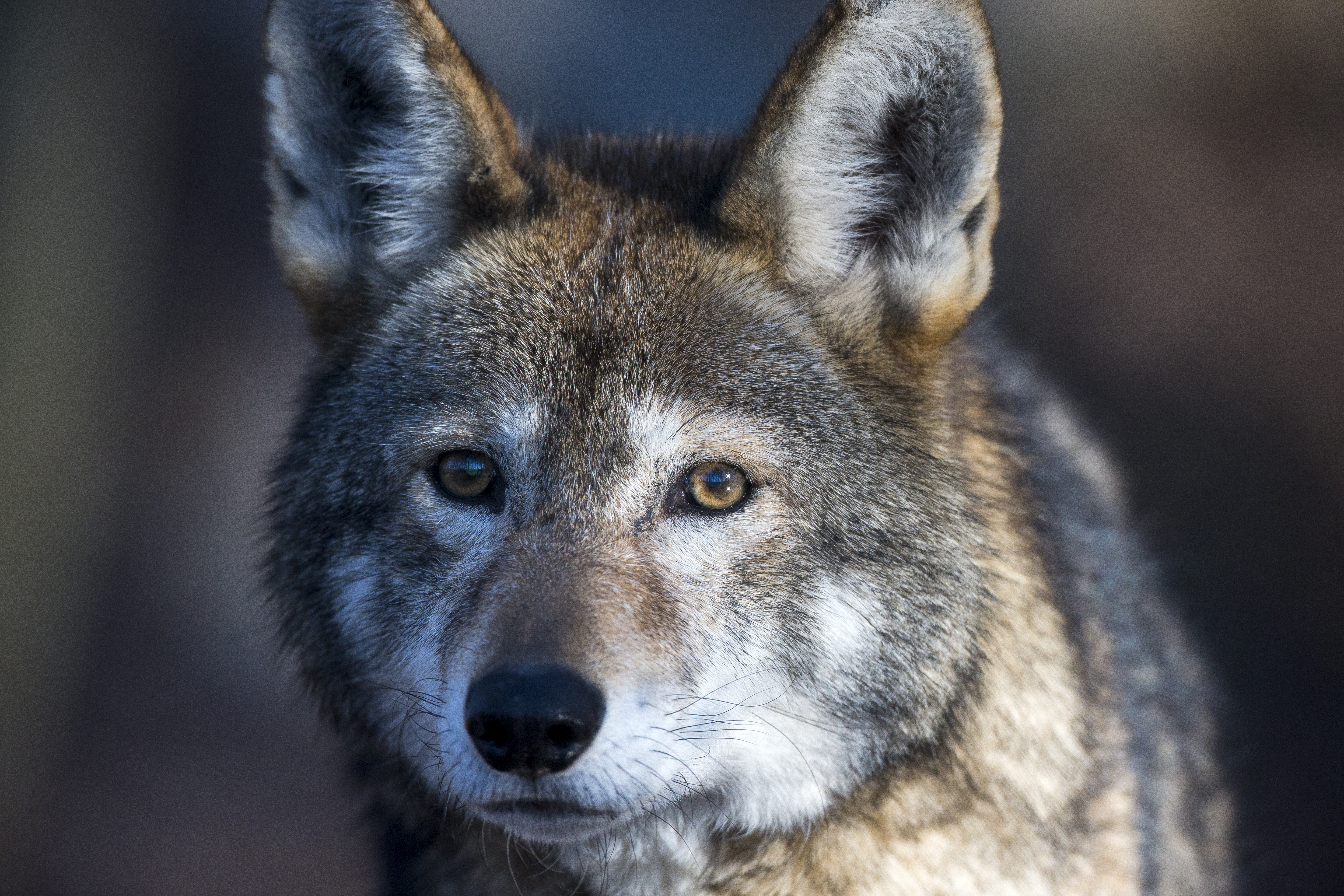
Captive breeding programs play a critical role by maintaining genetic diversity and providing individuals for reintroduction. These programs are carefully managed to ensure that the remaining population retains the genetic traits needed for long-term survival.
Despite these efforts, the red wolf remains critically endangered. Population numbers in the wild are extremely low, and recovery is fragile. Success depends on continued protection, public support, and the ability to maintain suitable habitat.
This is where conservation becomes more than a scientific effort—it becomes a systems challenge. The red wolf’s recovery connects directly to conservation and habitat management, policy decisions, and how we balance human land use with ecological needs. It is one of the clearest examples of how difficult it is to rebuild a species once its system has been disrupted.
Cultural Role — Symbolism, Perception, and Meaning
The red wolf exists not only within ecosystems, but within culture. Across the Southeastern United States, it has long been part of the human story—appearing in indigenous traditions, early settler accounts, and modern conservation narratives.
In many indigenous cultures, wolves are seen as symbols of loyalty, awareness, and connection to the land. These interpretations align closely with what we now understand about wolf behavior—family structure, communication, and cooperation within a group.
At the same time, wolves have often been misunderstood. In some historical narratives, they were viewed as threats, leading to widespread eradication efforts. That perception has had lasting impacts on how wolves are managed and protected today.
The red wolf, in particular, has become a symbol of conservation itself. Its story—decline, near extinction, and attempted recovery—reflects broader questions about how society values wildlife and the natural world.
Understanding the cultural role of the red wolf is part of understanding its future. Conservation is influenced as much by perception as by science. When a species is understood as part of a larger system rather than a threat, the path toward protection becomes clearer.
Threats — Hybridization, Habitat Loss, and Human Pressure
The red wolf faces a combination of challenges that make its recovery especially difficult. Unlike species that declined due to a single factor, the red wolf is impacted by multiple pressures operating at the same time—each one affecting its ability to survive and reproduce.
One of the most significant threats is hybridization with coyotes. As red wolf populations shrink, individuals have fewer opportunities to find genetically compatible mates. This leads to interbreeding, which can dilute the distinct genetic identity of the species over time.
Habitat loss and fragmentation are also critical factors. Development, roads, and land-use changes break up the continuous landscapes red wolves depend on. These disruptions reduce available territory, limit prey access, and increase the likelihood of conflict with humans.
Human-wildlife conflict adds another layer. Red wolves are sometimes mistaken for coyotes and killed illegally. Even small losses can have a major impact on such a limited population, especially when breeding pairs are affected.
These threats are interconnected. Hybridization increases when populations are small, which often results from habitat loss and human pressure. Understanding these connections is essential to addressing the problem effectively, and ties directly into broader systems of conservation and biodiversity.
The Future of the Red Wolf — Fragile Recovery and What Comes Next
The future of the red wolf is uncertain, but not without possibility. Unlike many species that still maintain stable populations, the red wolf exists at the edge—where recovery is possible, but far from guaranteed.
Conservation programs continue to work toward stabilizing and expanding the population. Captive breeding, genetic management, and reintroduction efforts remain central to this process. These strategies are designed not just to maintain numbers, but to preserve the genetic identity of the species over time.
At the same time, long-term success depends on factors beyond direct conservation efforts. Habitat connectivity, public perception, and policy decisions will all influence whether red wolves can expand beyond their current limited range.
The red wolf also represents a broader question: what happens when a species is reduced to a small, managed population? Can it return to functioning as part of a larger ecosystem, or does it remain dependent on ongoing intervention?
From a systems perspective, the answer depends on whether the surrounding environment can support that return. This ties directly into ecosystems, conservation, and how we design landscapes that allow species to exist beyond protected fragments.
Red Wolf FAQ
Why are red wolves endangered?
Red wolves are endangered due to habitat loss, hybridization with coyotes, and human-related mortality. Their small population size makes recovery especially challenging.
Where do red wolves live today?
The only known wild population of red wolves exists in eastern North Carolina, primarily within the Albemarle Peninsula.
How are red wolves different from grey wolves?
Red wolves are smaller and more slender than grey wolves, with reddish coloration and adaptations suited to southeastern habitats. They also represent a distinct genetic lineage.
What role do red wolves play in ecosystems?
Red wolves act as apex predators, helping regulate prey populations and contributing to ecosystem balance in the regions where they survive.
Can red wolves recover in the wild?
Recovery is possible but depends on habitat protection, genetic management, public support, and long-term conservation efforts.
About the Author

I’m Robbie George, a wildlife photographer focused on field observation, ecological systems, and the relationships that hold landscapes together.
The red wolf represents one of the most important stories in conservation today. Through photography and writing, I aim to connect species like this to larger systems of ecosystems, behavior, and conservation.
“Some species show us how nature works. Others show us what happens when it begins to fail.”