
Best Places to Photograph Elk in North America
What It Feels Like to Photograph Elk in the Field
The first thing you notice isn’t the antlers — it’s the stillness. Then the sound comes. A distant bugle echoing through valley air, or the quiet crunch of snow under a moving herd.
Elk photography is less about chasing animals and more about reading a system. You start to recognize patterns:
- Where herds settle at first light
- How wind direction shifts movement
- How pressure pushes elk from open ground to cover
- How season reshapes everything
In places like Yellowstone or Grand Teton, elk aren’t isolated subjects — they’re part of a larger ecological rhythm that includes predators, migration corridors, elevation changes, and seasonal pressure.
That’s what makes photographing them powerful. You’re not just capturing an animal — you’re capturing the interaction between life and landscape.
Explore Elk Photography Across Landscape, Behavior, and Season
This guide follows a field-first structure — moving from landscape systems and elk behavior into seasonal timing, location strategy, and ethical wildlife photography practices across North America.
Landscape System — Where Elk Live, Move, and Become Visible
The best elk photography starts before I ever raise a camera. It starts with reading the land. Elk are not randomly scattered across North America. They concentrate where food, cover, elevation, water, and seasonal safety come together. If I want better photographs, I have to first understand the habitat system that makes those encounters possible.
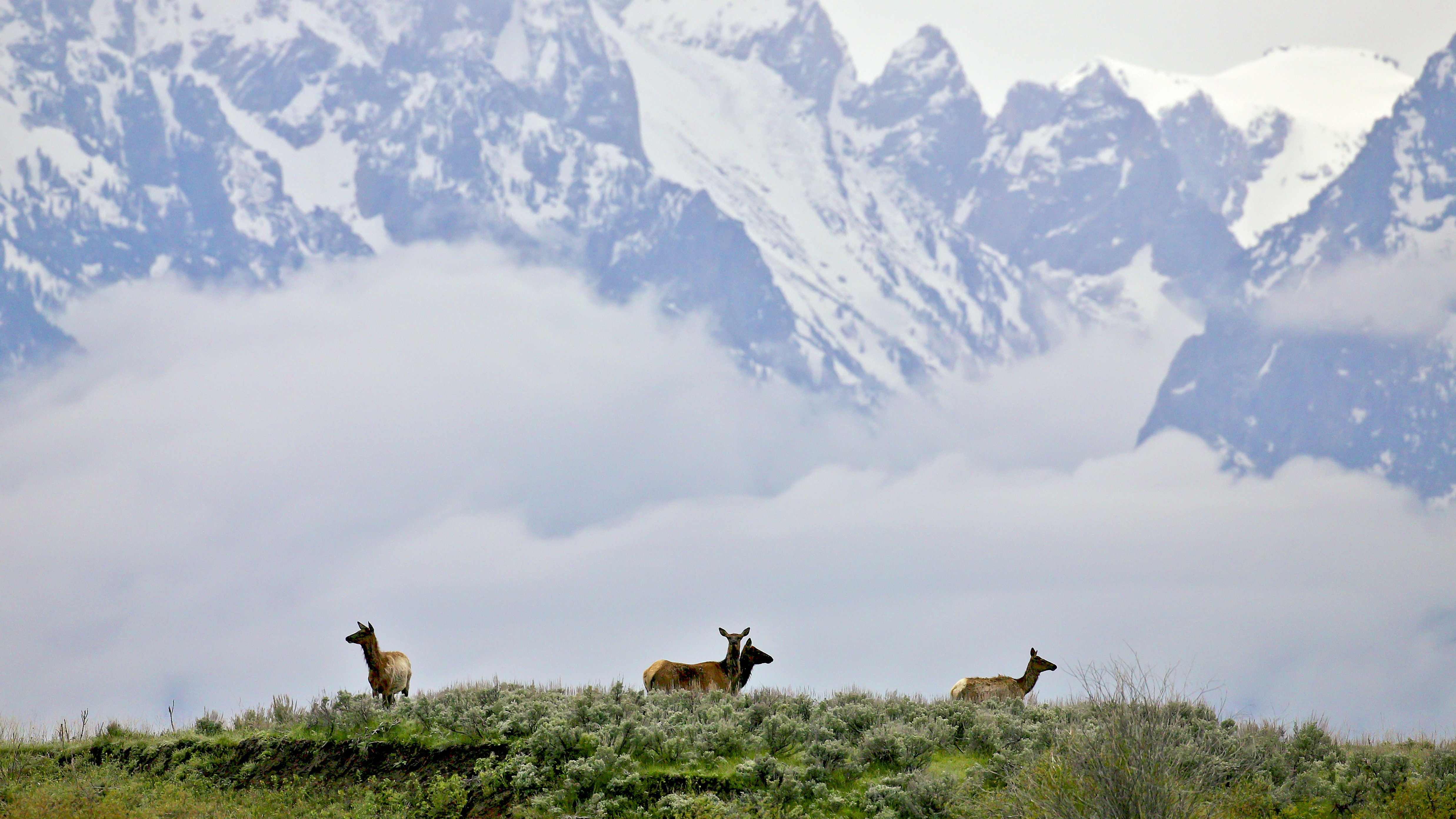
Across the West, elk often move through a mosaic of open meadows, river bottoms, forest edges, and mountain benches. In places like Yellowstone, Grand Teton, and the larger ecosystems of North America, those transitions matter. Elk feed in open spaces where light is clean and visibility is high, then drift toward cover when pressure, weather, or human activity changes the equation.
That is why some of the strongest elk images happen at edges — where meadow meets timber, where valley meets slope, where snowline meets exposed grass. Those edges are not just scenic. They are functional habitat. They shape movement, spacing, alertness, and behavior. For photography, they also create the visual tension that makes an image feel alive.
Why Landscape Matters So Much for Elk Photography
Elk are one of the clearest examples of how wildlife photography is really habitat photography. Their visibility rises and falls with terrain. In broad valleys, they can be watched at distance with room for behavior to unfold. In timbered country, they may be present but nearly impossible to photograph well. In winter range, snow concentrates them. In rut season, open basins and meadows become stages for sound, display, and conflict.
- Open meadows create feeding visibility and cleaner compositions.
- Forest edges provide security cover and shape entry-and-exit movement.
- River valleys often act as travel corridors and morning activity zones.
- Mountain benches and basins can hold elk seasonally during rut, migration, or weather shifts.
- Winter range concentrates animals into more predictable, photographable spaces.
This is also why elk belong naturally inside your broader system pages on wildlife habitats and ecosystem zones, wildlife behavior and ecology, and migration and seasonal patterns. Elk photography works best when the animal is understood as part of a larger living landscape system.
“The land tells you where the elk will be long before the elk appear.”
~ Robbie George
Elk Behavior & Movement — What to Watch for Before You Press the Shutter
Once the landscape starts making sense, the next layer is behavior. Elk rarely give their best moments to photographers who move too fast. The strongest images usually come when I stop thinking only about the animal and start paying attention to posture, spacing, direction, and tension inside the herd. That is when movement turns into story.
A bull lifting his head is different from a bull settling down. A cow watching the edge of the timber is different from one relaxed in open grass. Calves bunching close, herd members shifting their angle into the wind, or a single animal peeling off from the group all signal that something is changing. Good elk photography is often the result of reading those small transitions early.
This is why elk fit so naturally into your broader pages on wildlife behavior and ecology and wildlife observation and field techniques. The photograph comes last. First comes attention.
Behavior Patterns That Make Better Elk Photographs
- Head position: Raised heads often signal alertness, scenting, or herd awareness. Lowered heads suggest feeding or calm.
- Spacing inside the herd: Tight clustering can indicate caution or movement preparation, while wider spacing often appears during relaxed feeding.
- Directional drift: Elk often move gradually rather than suddenly. Watching the first animal to shift can tell you where the group is going next.
- Wind response: Elk use scent constantly. If the wind changes, body orientation and travel direction may change with it.
- Edge attention: Many meaningful moments happen when elk look toward timber, ridgelines, or open corridors before moving.
Rut, Herd Dynamics, and Quiet Moments
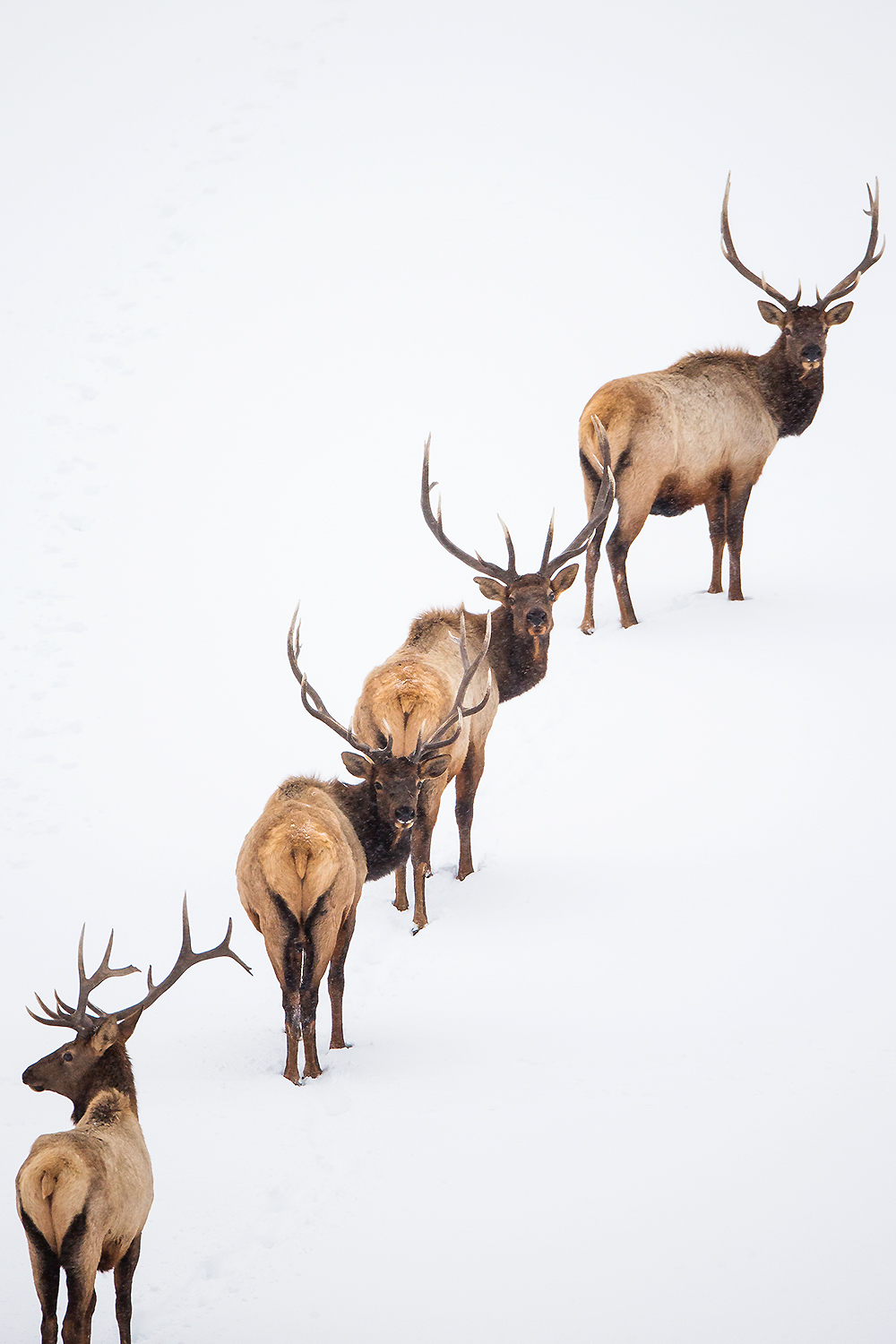
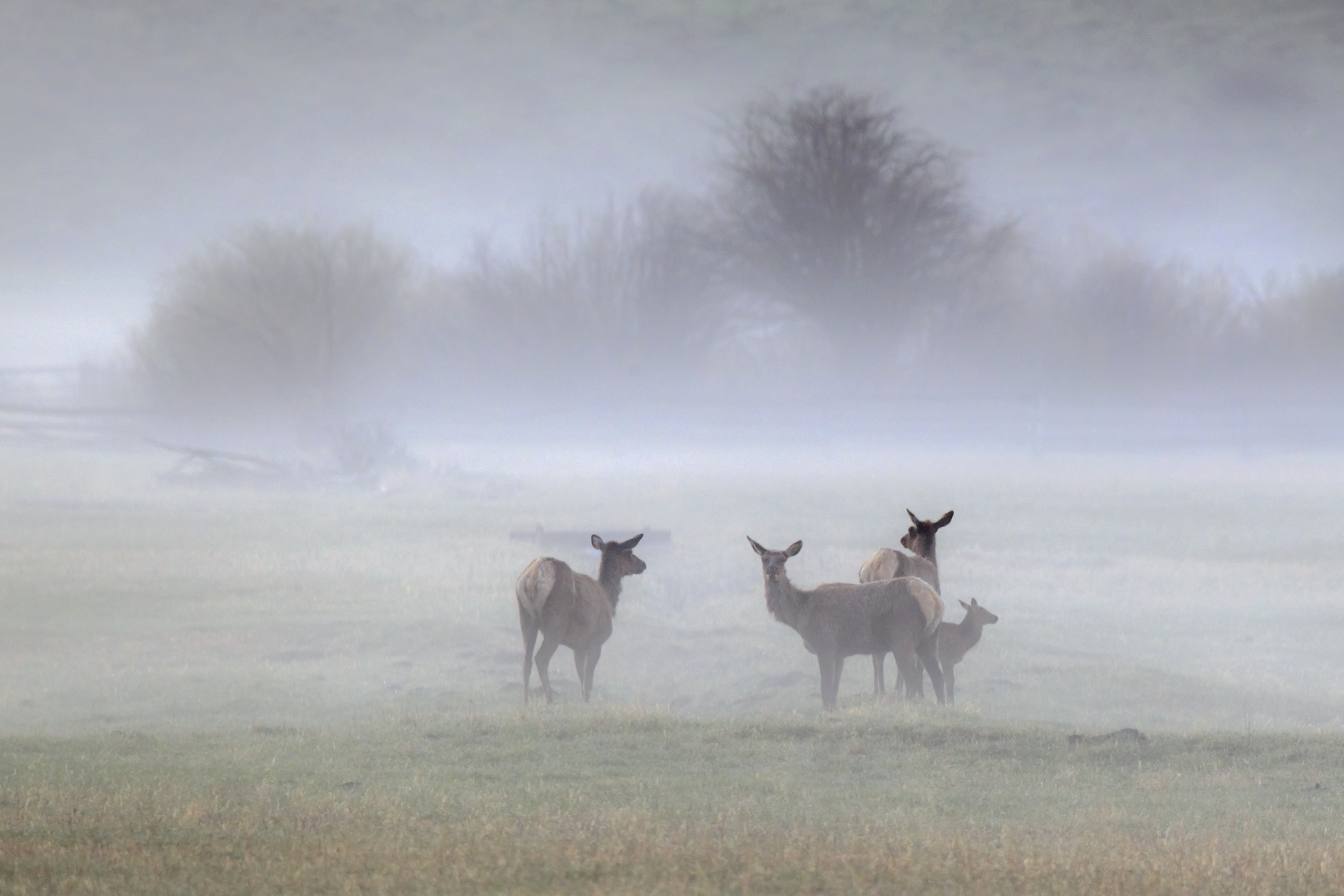
During the fall rut, behavior becomes more visible and more dramatic. Bulls posture, vocalize, herd cows, and challenge rivals. Those are the moments most photographers think about first, and for good reason — they are visually powerful. But quieter behavior matters too. A cow-calf bond in spring, a winter herd crossing snow in a line, or animals feeding in fog can reveal just as much about elk as a full rut display.
For that reason, I like to think of elk photography in layers:
- Behavioral drama — bugling, sparring, herding, sudden movement
- Behavioral rhythm — feeding, walking, watching, crossing, bunching
- Behavioral atmosphere — fog, snow, breath, silence, distance, tension
When those layers come together, the photograph stops being just a record of an elk and becomes a record of relationship — animal to herd, herd to habitat, habitat to season. That is also where this post connects naturally to your elk species page, elk behavior and conservation, and the broader wildlife system.
“The best wildlife photographs happen a few seconds before the obvious moment — when behavior is still gathering itself.”
~ Robbie George
Seasonal Timing — When Elk Become Most Photogenic
Elk photography is driven as much by time as it is by place. The same valley can feel empty one month and completely alive the next. What changes is not just the number of elk — it’s behavior, movement, light, and energy. Understanding season is what turns a good location into a great one.
Across North America, elk follow predictable seasonal patterns tied to migration, food availability, breeding cycles, and weather pressure. These patterns are the foundation of your seasonal wildlife calendar and broader nature’s seasons system. If you align your photography with those cycles, your success rate changes dramatically.
Fall (September–October) — The Rut
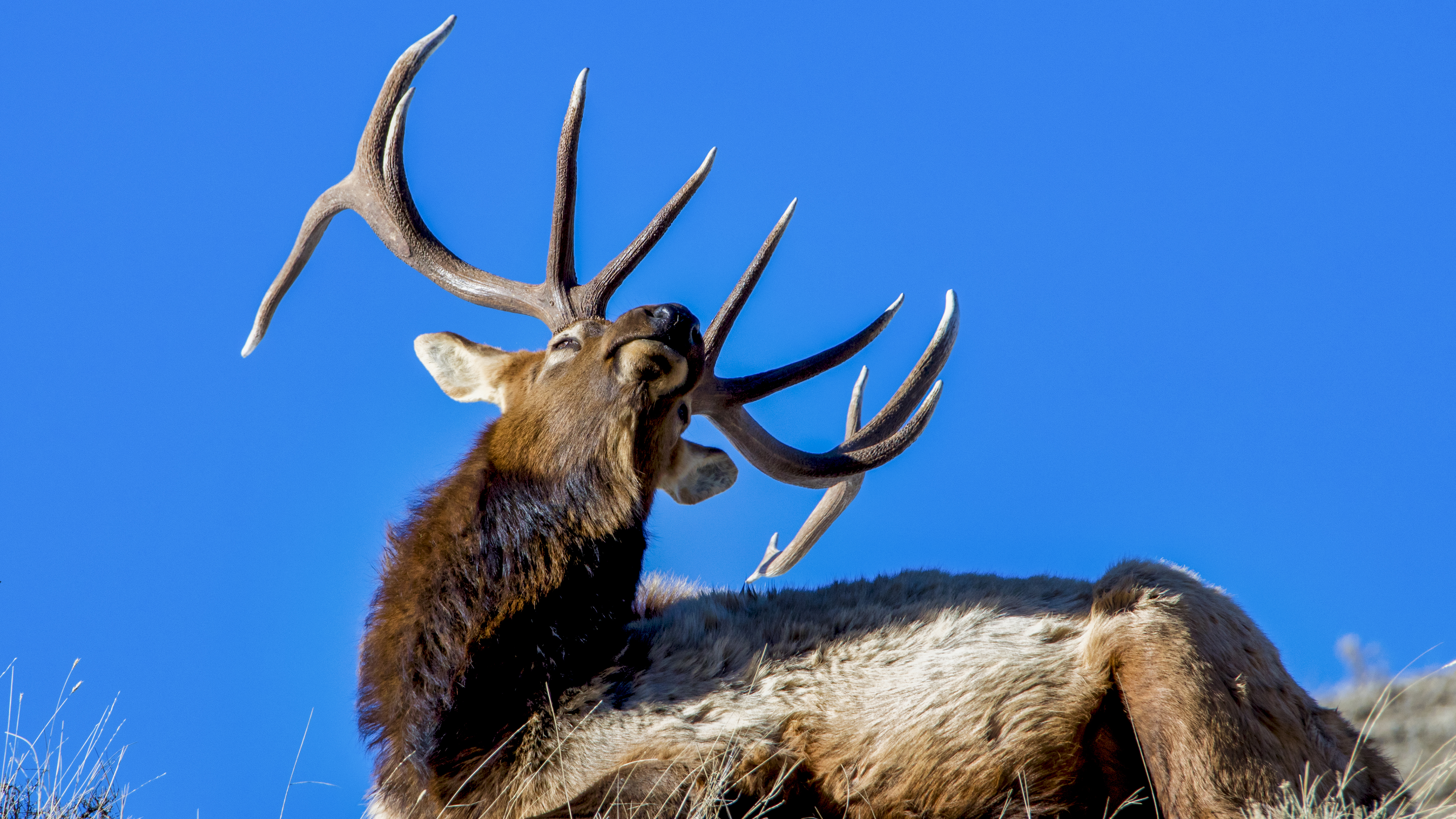
This is the most dynamic time to photograph elk. Bulls bugle, posture, herd cows, and compete for dominance. Movement increases, vocalization carries across landscapes, and behavior becomes visible even at distance. Places like Yellowstone and Grand Teton become some of the most active wildlife stages in North America.
- High movement and interaction
- Frequent bugling and vocal behavior
- Increased visibility in open terrain
Winter — Concentration & Simplicity
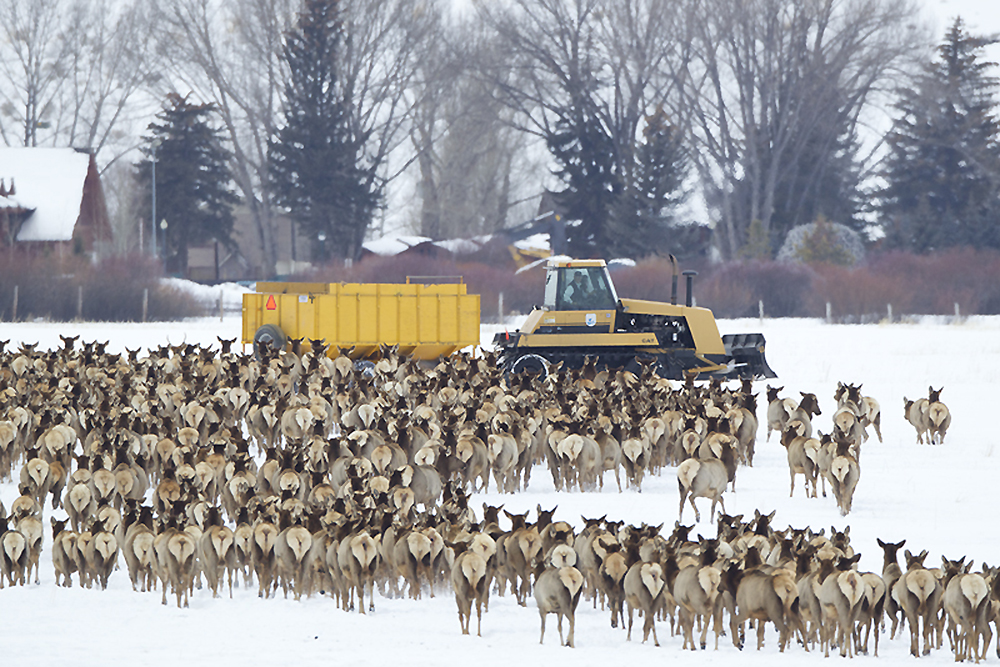
Winter compresses elk into lower elevations and open valleys where food is still accessible. This creates predictable movement and larger group formations. Snow simplifies the scene visually, allowing antlers, breath, and body shape to stand out more clearly.
- Large herd groupings
- High contrast (elk vs snow)
- Slower, energy-conserving behavior
Spring — Renewal & Quiet Behavior
Spring is more subtle but deeply rewarding. Cows and calves begin to appear, movement becomes softer, and landscapes transition into green. This is one of the best times to capture emotional, quieter interactions within herds.
- Cow-calf interaction
- Gentle, low-pressure movement
- Soft light and emerging vegetation
Summer — Dispersal & Elevation
In summer, elk spread out across higher elevations and deeper habitat. They can be harder to find and photograph, but the environments become richer — alpine basins, wildflower meadows, and forested slopes.
- More dispersed animals
- Higher elevation habitat use
- Opportunity for landscape-integrated compositions
When you combine season with landscape and behavior, the entire system starts to align. That’s when elk photography stops being unpredictable and starts becoming intentional.
“Season is the hidden force behind every wildlife photograph — shaping movement, light, and life all at once.”
~ Robbie George
Best Locations & Field Strategy — Where Elk Photography Comes Together
Once habitat, behavior, and season are understood, location becomes much more than a destination. It becomes a strategy. The best places to photograph elk are the places where terrain, movement corridors, feeding zones, and seasonal concentration overlap in a way that gives you both visibility and respectful distance.
That is why the strongest elk photography locations tend to repeat certain patterns: broad valleys, meadow systems, winter range, river bottoms, and edge habitat near cover. Whether I am working in Yellowstone, Grand Teton, or a larger network of wildlife observation locations across North America, I am looking for the same thing: places where elk can behave naturally and where the landscape helps tell the story.
Field Strategy by Location Type
- Valley systems: Best for dawn and dusk movement, herd crossings, and wide compositions that show elk inside the larger ecosystem.
- Winter refuges and lower-elevation range: Strongest for predictability, group behavior, snow scenes, and cleaner visual backgrounds.
- Mountain meadow edges: Ideal for rut behavior, feeding patterns, and image depth created by transitions between open ground and timber.
- Protected road corridors and pullout zones: Useful when they allow safe observation without pushing animals or disrupting movement.
The practical side of this matters. I want to arrive early, watch wind, stay patient, and let the place reveal where the elk want to be. Often the best adjustment is not to move closer, but to move less and let the herd come into the composition on its own terms. That approach leads to better images and better field ethics.
Use this map alongside your wildlife photography maps, golden hour planner, and field tools to match location with timing, weather, and seasonal movement.
A Few of the Strongest Elk Photography Regions
Some places consistently rise to the top because they combine visibility, habitat quality, and seasonal concentration:
- Yellowstone ecosystem: Large landscapes, rut activity, winter movement, and strong habitat diversity.
- Grand Teton / National Elk Refuge region: Major winter concentration zone with dramatic mountain context.
- Rocky Mountain National Park: Accessible rut photography and meadow-based behavior around Moraine and Horseshoe Park.
- Great Smoky Mountains: Eastern elk photography shaped by mist, meadow openings, and reintroduction success.
- Olympic National Park: Best for Roosevelt elk in rainforest habitat and wider environmental storytelling.
“A great wildlife location is never just scenic. It is a place where movement, cover, season, and patience meet.”
~ Robbie George
Planning & Field Ethics — Photographing Elk Without Breaking the System
The closer you get to elk photography, the more important restraint becomes. Elk are large, powerful, and highly sensitive to pressure — especially during the rut and winter. The goal is not just to get the shot. The goal is to leave the system exactly as you found it.
Good field practice is what allows behavior to unfold naturally. If elk change direction because of you, stop feeding, bunch unnaturally, or show sustained alert posture, you are too close. The photograph is no longer honest at that point — and the cost to the animal is real.
Distance, Positioning, and Movement
- Maintain distance: Minimum 25–30 yards — more during rut or winter concentration.
- Use a telephoto lens (300–600mm): Let the optics do the work, not your feet.
- Stay lateral, not direct: Avoid walking straight toward elk. Side-angle positioning reduces pressure.
- Watch exit routes: Never block movement corridors or push animals toward roads, fences, or other hazards.
Seasonal Sensitivity Matters
- Fall (rut): Bulls are aggressive and unpredictable. Give extra space and avoid interfering with herd dynamics.
- Winter: Energy conservation is critical. Disturbance forces elk to burn calories they cannot easily replace.
- Spring: Calves are vulnerable. Keep distance to avoid separating cows and young.
These patterns connect directly to your wildlife conservation and habitat system and adaptation and survival pages. Elk behavior is not just visual — it is tied to survival decisions happening in real time.
Field Awareness & Preparation
- Know the terrain: Study maps and scouting routes before arrival.
- Use planning tools: Align light, timing, and positioning with tools like the golden hour planner.
- Work with the wind: Elk rely heavily on scent — your position relative to wind direction matters.
- Arrive early, leave slow: Let the environment settle before engaging.
Ethical wildlife photography is not a limitation — it is what allows the most authentic moments to exist. The less you interfere, the more the system reveals.
“The best wildlife photographers are the ones the animals never have to notice.”
~ Robbie George
Naturepedia Connection — Elk as a Living System
Elk are not just a species to photograph — they are a living expression of how landscape, behavior, season, and ecology interact across North America. Every elk encounter is shaped by forces larger than the animal itself: migration pressure, habitat structure, predator presence, and seasonal change.
This is why elk naturally connect across your Naturepedia system. They sit at the intersection of multiple ecological layers:
- Habitat: Elk depend on diverse terrain — from alpine basins to winter valleys — explored in habitats and ecosystem zones.
- Behavior: Their movement, herd structure, and rut dynamics reflect deeper patterns covered in wildlife behavior and ecology.
- Season: Migration, breeding cycles, and winter concentration align with seasonal wildlife patterns and your seasonal calendar.
- Ecosystem role: As large herbivores, elk influence vegetation, predator dynamics, and trophic relationships described in ecosystems of North America and trophic cascades.
- Conservation: Their presence reflects land protection, migration corridors, and human impact — central to wildlife conservation and habitat.
Seen this way, elk are not isolated subjects — they are connectors. They link landscape to movement, season to behavior, and ecosystem to visibility. That is why photographing elk is one of the clearest ways to understand how nature actually works.
This page is part of a larger system that moves from:
Species → Behavior → Habitat → Ecosystem → Geography → Season → Conservation
When those layers are understood together, elk photography becomes more than an image — it becomes a way of reading the living system.
“The elk is not separate from the land — it is the land, moving.”
~ Robbie George
Elk Photography FAQ
When is the best time to photograph elk?
Fall (September–October) during the rut offers the most dramatic behavior. Winter provides strong compositions with snow and large herd groupings. Spring is best for cow-calf interaction and softer moments.
Where are the best places to photograph elk in North America?
Top locations include Yellowstone, Grand Teton, Rocky Mountain National Park, Great Smoky Mountains, and Banff & Jasper. Winter concentration areas like the National Elk Refuge are especially reliable.
What camera gear is best for elk photography?
A 300–600mm telephoto lens is essential for safe, detailed images. A wide-angle lens helps capture elk within landscapes. A tripod is useful for low-light conditions.
How close can you safely get to an elk?
Maintain at least 25–30 yards. Increase distance during the rut and winter. If elk change behavior because of your presence, you are too close.
What time of day is best for photographing elk?
Dawn and dusk are best. Elk are most active, and light is softer, creating better texture and atmosphere.
Do elk migrate seasonally?
Yes. Elk move between high-elevation summer range and lower-elevation winter range. These seasonal shifts strongly influence where and when to photograph them.
What is the elk rut and why is it important for photography?
The rut is the fall breeding season when bulls bugle, compete, and herd cows. It creates the most dynamic and visually compelling wildlife behavior.
What are the most important ethical rules when photographing elk?
Keep your distance, never feed wildlife, avoid disrupting movement, and respect habitat. Ethical field behavior ensures natural interactions and long-term conservation.
About Robbie George
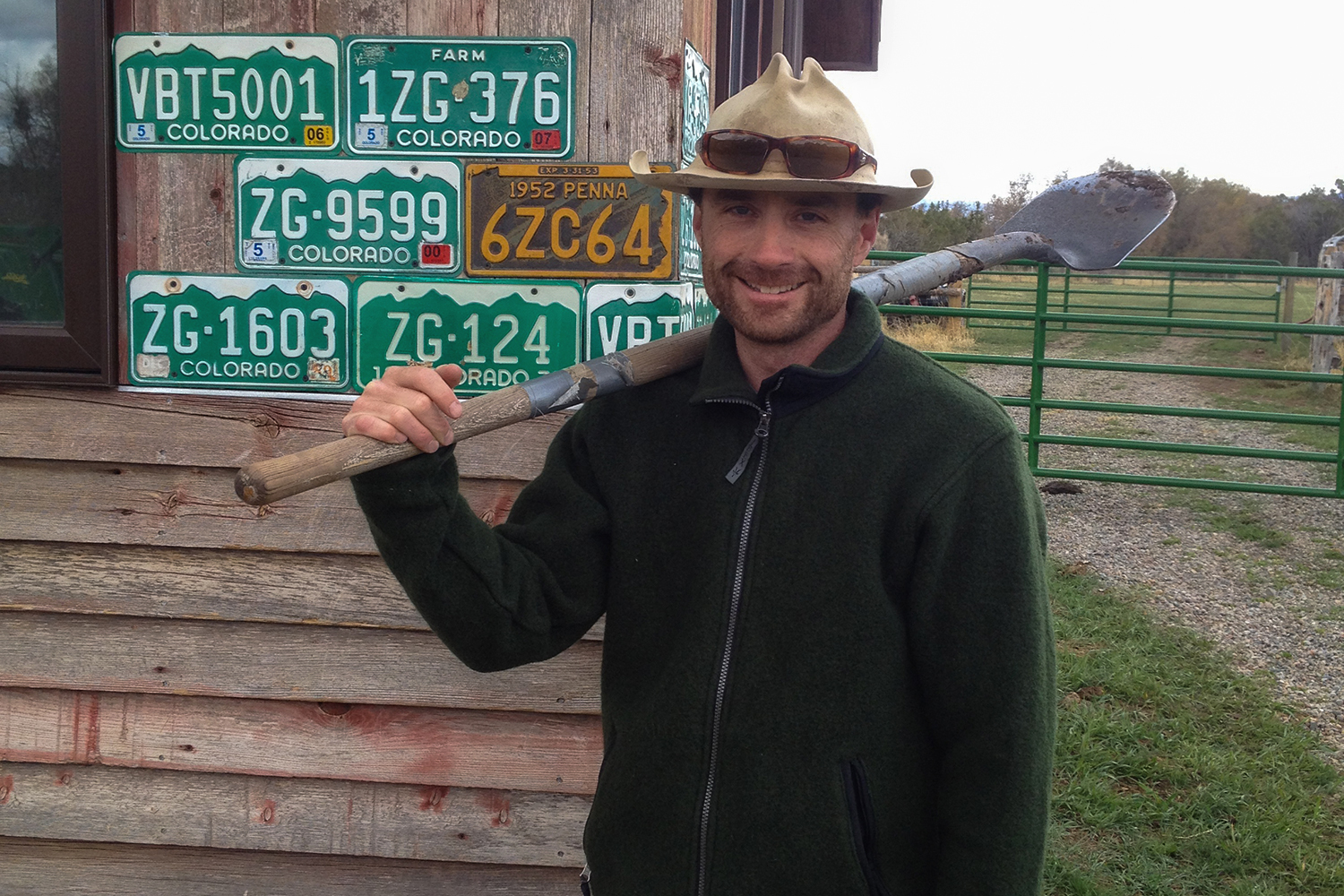
I’m Robbie George, a National Geographic–published nature photographer whose work is shaped by time in the field — returning to the same landscapes across changing weather, light, and season, and learning how wildlife behavior is tied to place.
Elk matter to me because they are one of the clearest animals for understanding the relationship between habitat, movement, and season. Photographing them is never just about antlers or scale. It is about reading valleys, edges, snowlines, meadow systems, migration routes, and pressure — then waiting for the landscape to reveal the animal naturally.
That field-first approach shapes how I build the broader Naturepedia knowledge system — connecting species pages, behavior, ecosystems, geography, seasonal timing, and conservation into one larger structure that reflects how nature actually works.
You can explore more through my wildlife photography gallery, browse wildlife observation locations, or use my field tools and seasonal planning resources to prepare for your own time outdoors.