


Nature Philosophy: Understanding Our Place in the Natural World
The Essence of Nature Philosophy
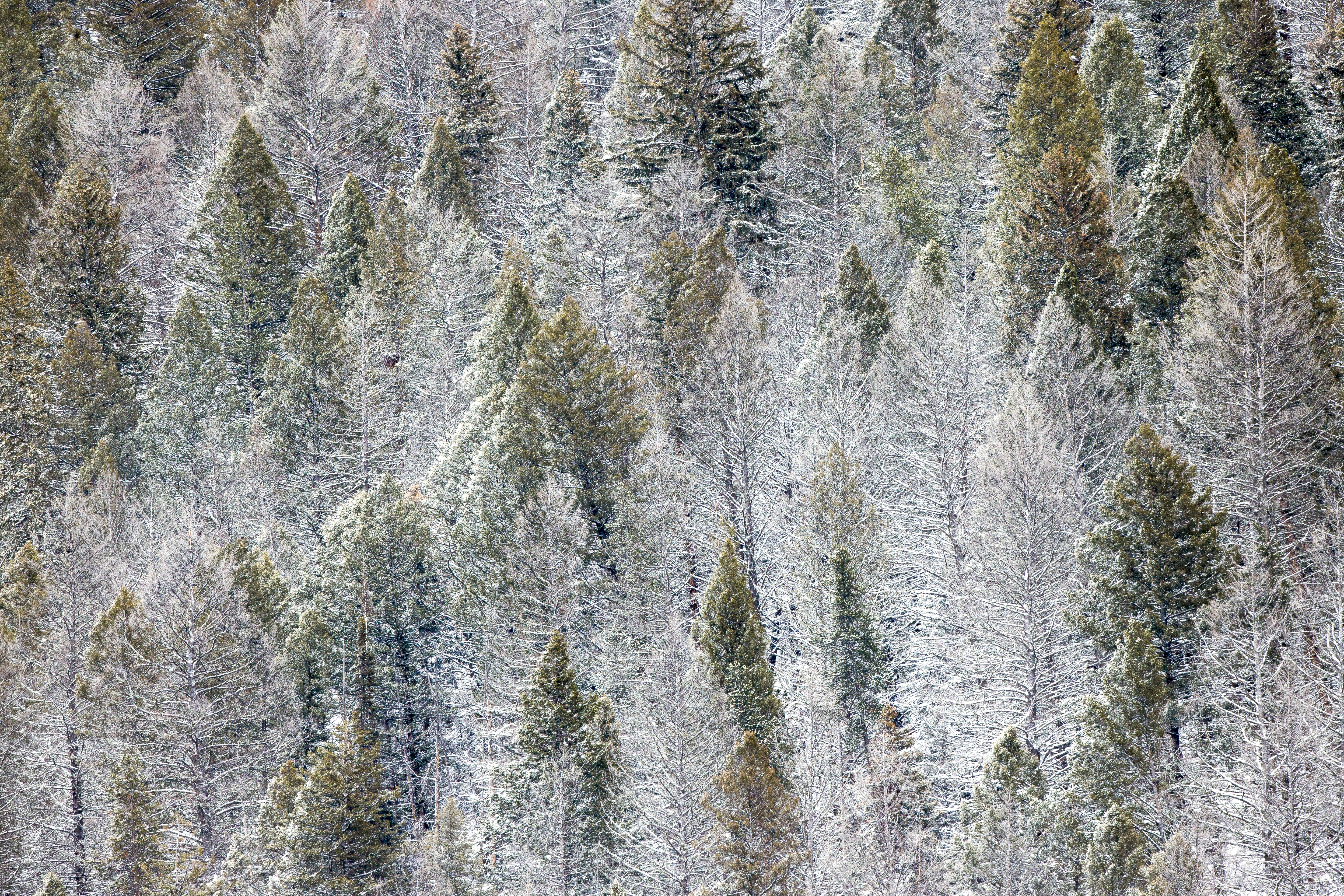
Nature is not a backdrop. It is the field. The thinker. The mirror. Nature Philosophy recognizes that everything in existence—trees, soil, stars, water—is part of a conscious coherence. As explored in the Nature Code, this isn’t just metaphor—it’s a blueprint. Ancient minds intuited it. Modern quantum science confirms it.
This blog explores how we can bridge ancient cosmology with modern resonance to reawaken soul-based intelligence. We’ll journey through the field—from the Gaia Hypothesis to Quantum Vitality—exploring the deep relationship between consciousness, life, and the laws of the universe.
More than theory, this is remembrance. Realignment. Nature Philosophy is the spiral we forgot we were walking. It offers more than understanding—it offers belonging. A call to coherence in a time of fragmentation.
“When you walk in nature with reverence, philosophy becomes instinct again.” ~ Robbie George
Understanding Nature Philosophy
Nature Philosophy reveals the invisible threads that connect all life. It teaches us that nature isn’t just the environment—it is the embodiment of field intelligence. In the Nature Code, we see how rhythm, polarity, and coherence shape every forest, river, and bird call into a living equation.
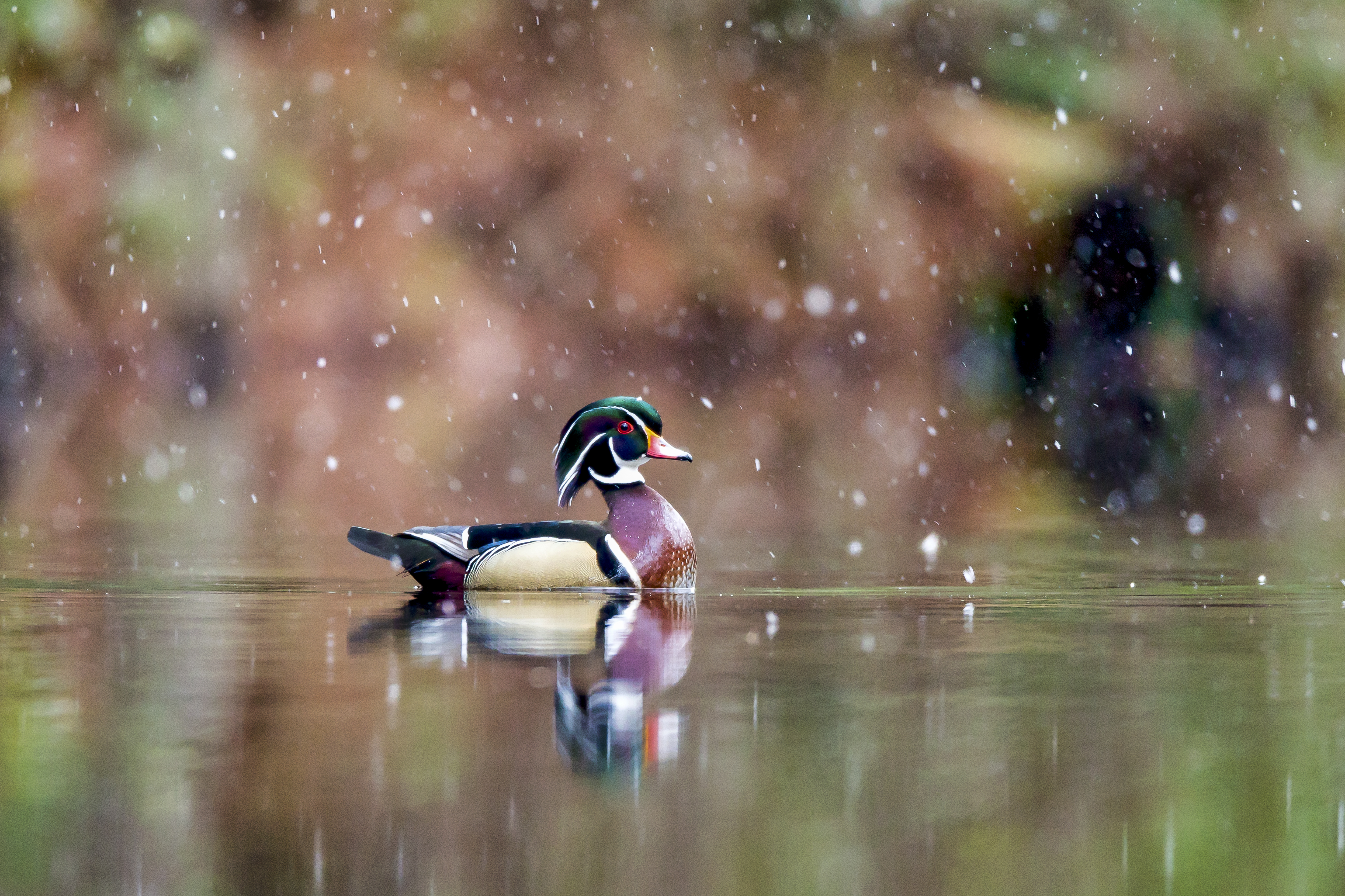
As explored in the Gaia Hypothesis, Earth is a self-regulating organism—one that speaks in feedback loops, biological symmetry, and vibrational memory. The duck gliding across mirrored water isn’t just a subject—it’s an expression of equilibrium.
Nature Philosophy encourages us to integrate what we've learned in Quantum Vitality and the Soil Microbiome: that life is not linear. It spirals. That soil breathes. That trees think. And that our role is not to conquer nature, but to remember how to belong to it.
Historical Background of Nature Philosophy
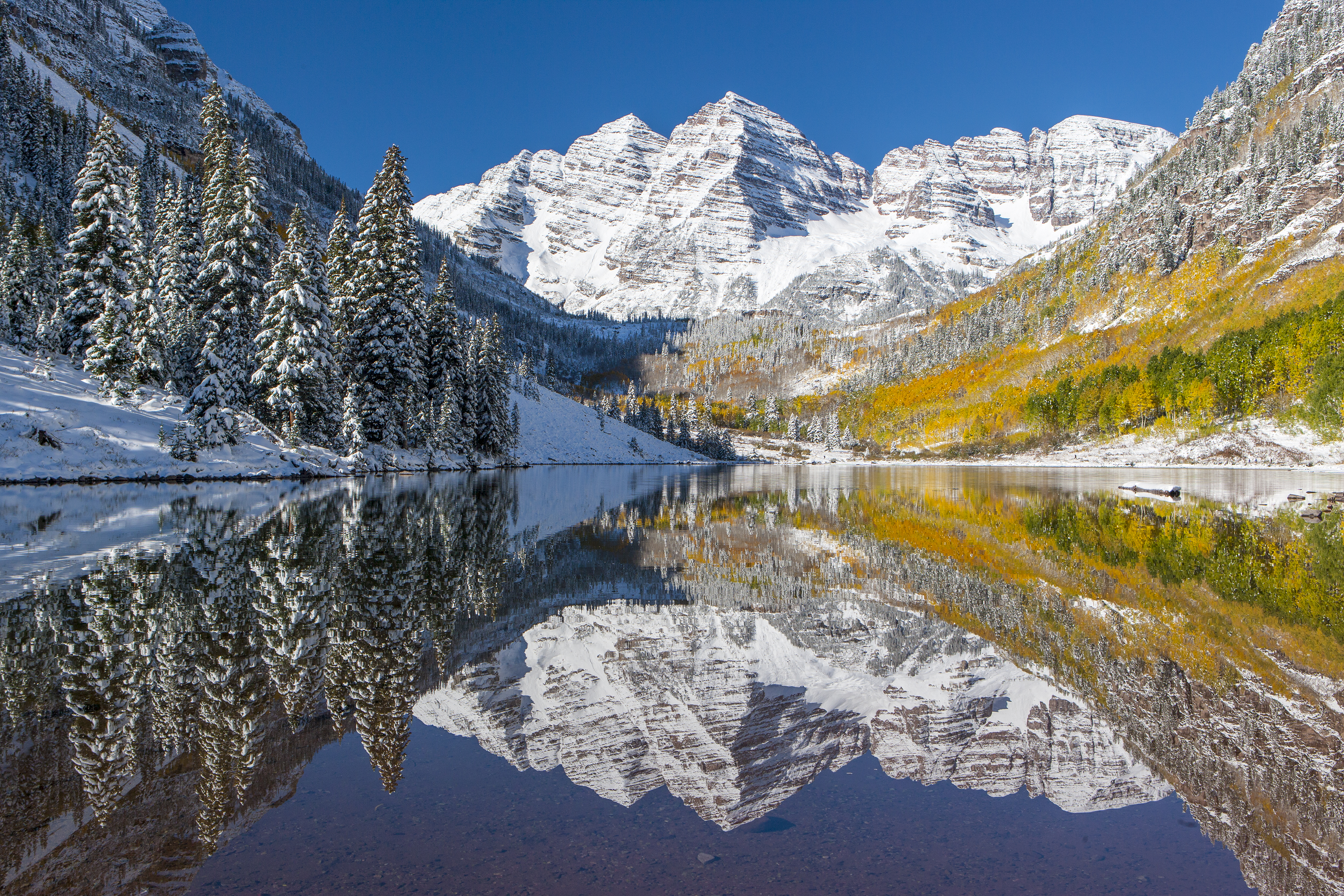
The roots of Nature Philosophy stretch back to ancient Greece, where philosophers like Heraclitus taught that the only constant is change. Nature, for him, was not a static object—it was a flowing presence. His ideas of flux, polarity, and the unity of opposites laid the groundwork for what we now explore in the Nature Code.
Later, during the Renaissance, thinkers like Leonardo da Vinci and Giordano Bruno saw nature as sacred geometry in motion—where every leaf and riverbend held a divine imprint. In the Enlightenment, philosophers such as Spinoza and Kant reimagined nature as lawful, ethical, and deeply worthy of reverence—planting seeds that would later grow into ideas like the Gaia Hypothesis.
In the modern age, quantum physics and deep ecology breathed new life into this lineage. As we now understand through Quantum Vitality, the same fields that shape particles also shape consciousness. Nature Philosophy has never been about separating science and spirit—it’s about unifying them through coherence, resonance, and responsibility.
Key Themes in Nature Philosophy
Naturalism
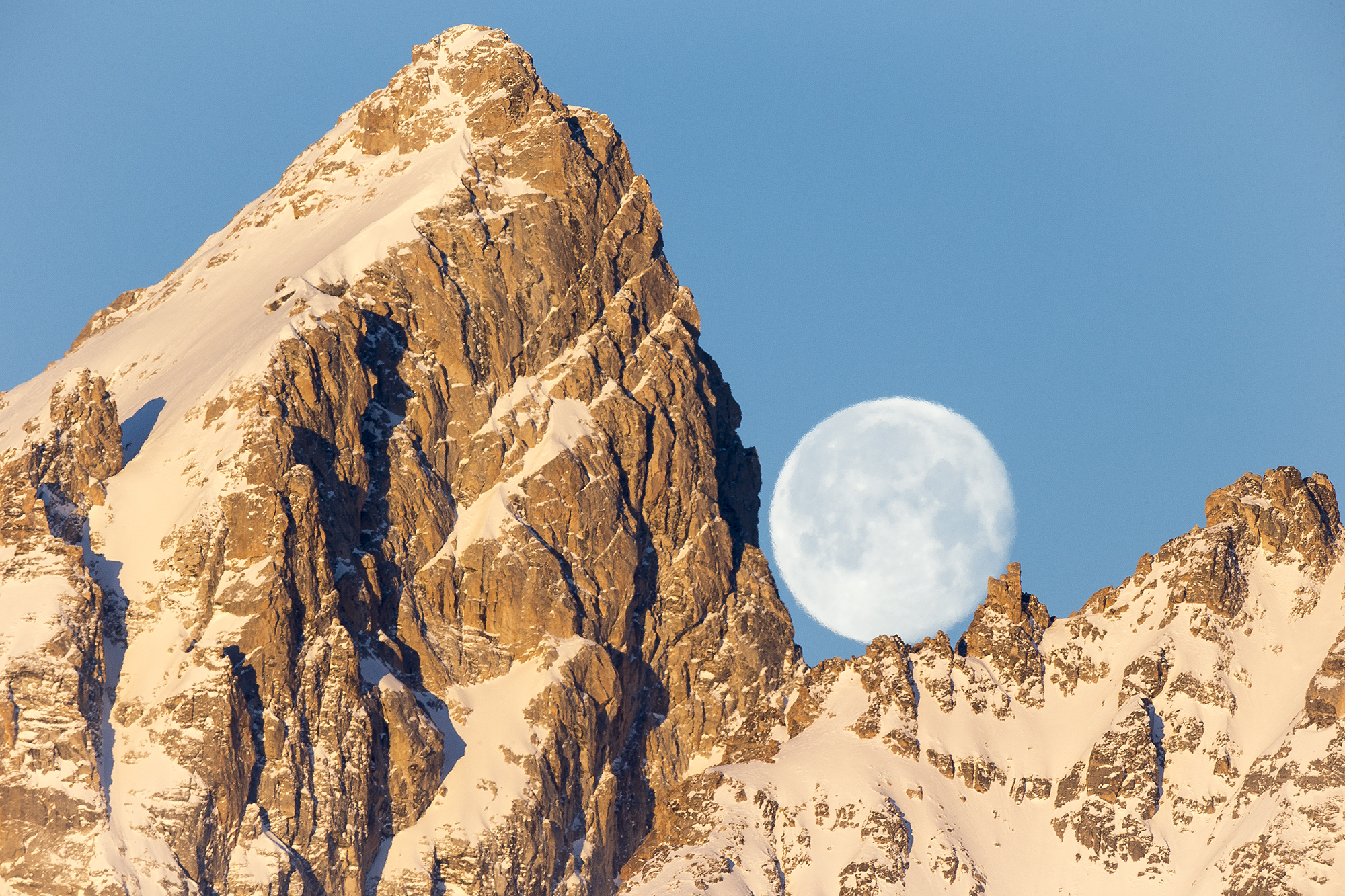
Naturalism grounds our understanding of reality in natural processes. It encourages observation, curiosity, and a reverence for cause and effect. In Nature Philosophy, naturalism becomes a devotional science—an invitation to listen to life’s structure without the noise of control.
Eco-Philosophy
Eco-philosophy brings ethics to the field. As explored in our blog on the Soil Microbiome, it’s not enough to analyze nature—we must honor it. Eco-philosophy asks us to see value not in resources, but in relationships, and to treat the Earth as sacred, not strategic.
Holism
Holism teaches that nature cannot be reduced to parts without losing meaning. In ecosystems, in consciousness, in weather and wave—what matters most is how energy flows through connection. Holism is what unites the leaf with the soil and the sky. It’s the spirit of the Nature Code.
Gaia Hypothesis
The Gaia Hypothesis reframes Earth not as backdrop—but as being. It suggests that our planet is a living system, intelligently maintaining balance across atmosphere, biology, and time. Nature Philosophy uses Gaia as a mirror—to show us that wellness isn’t isolation. It’s interdependence.
Modern Relevance of Nature Philosophy
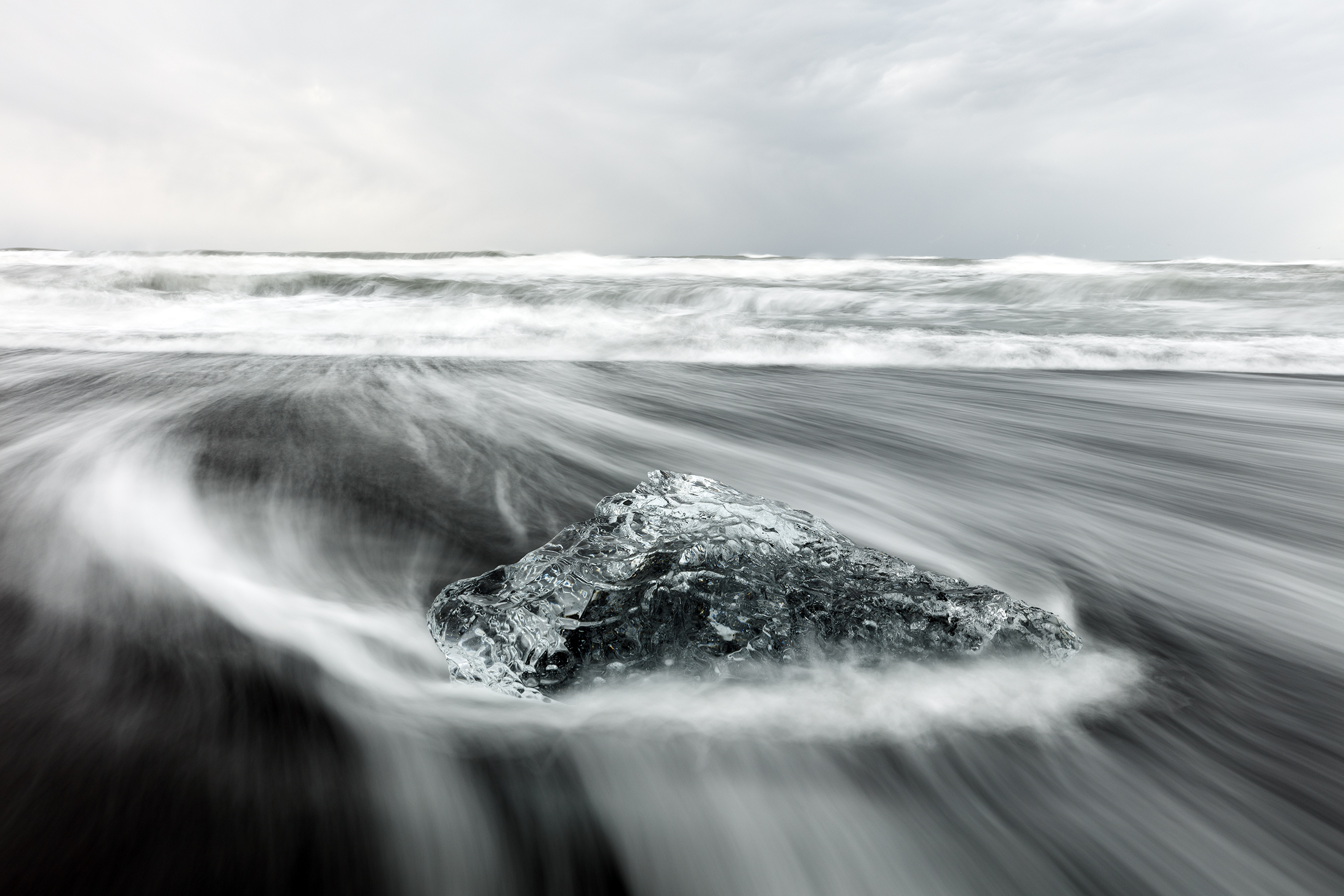
Nature Philosophy is no longer a fringe idea—it is foundational. In a world facing climate destabilization, mass extinction, and ecological burnout, it offers clarity. Not just what to fix, but how to see. Not just what to solve, but how to realign. It reframes the planet not as a machine, but as a field of sacred pattern.
Concepts like the Gaia Hypothesis show us Earth as a self-regulating organism, where climate, species, and systems evolve in harmony. The Nature Code reveals how polarity and rhythm shape everything from mitochondria to mountain ranges. And Quantum Vitality reminds us that energy is not bound by linear time, but by field resonance.
To be modern is to be ancient—again. Nature Philosophy calls us to return to awareness. To shift our worldview from consumption to communion. From isolation to integration. From dominance to reverence. It’s not the Earth that needs saving. It’s our sense of place within her.
Nature and Quantum Theory
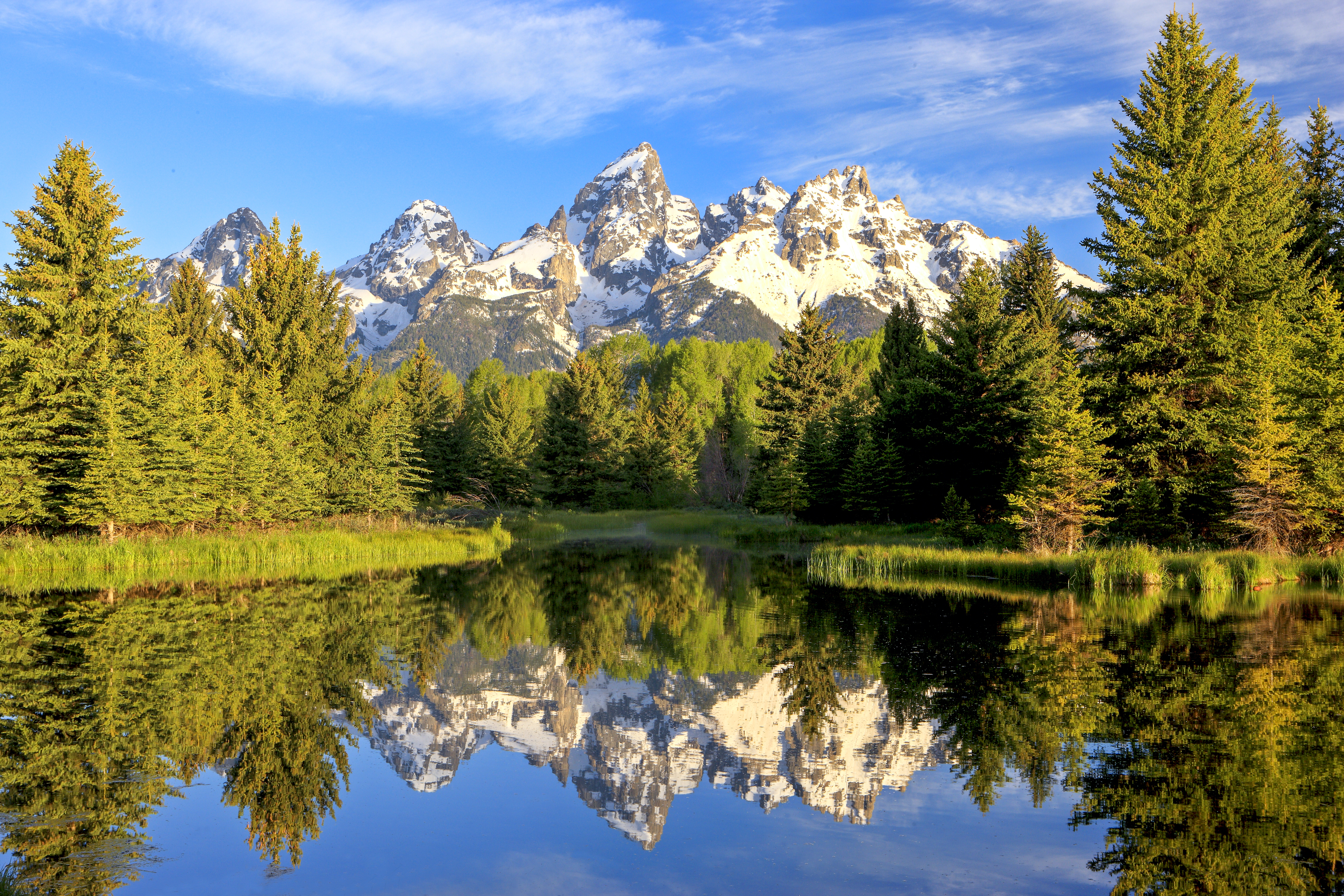
Quantum theory rewrote our understanding of reality. It revealed that everything is connected—not through proximity, but through resonance. Entanglement, superposition, and field theory show us what Nature Philosophy has always intuited: the universe is relational, not mechanical.
As we explore in Quantum Vitality, nature doesn’t move through time—it moves through rhythm. Water stores memory. Light carries intention. The mycelial network beneath your feet is not a root system—it’s a quantum internet. And as I share in Non-Linear Time, nature doesn't count seconds—it conducts frequencies.
Nature Philosophy helps us decode the visible from the invisible. When a river reflects a mountain, we’re not seeing a copy—we’re seeing quantum coherence. Through photography and field awareness, we realize that what we observe is not passive—it’s participatory. The Earth responds to how we see it.
Nature Photography as a Reflection of Nature Philosophy
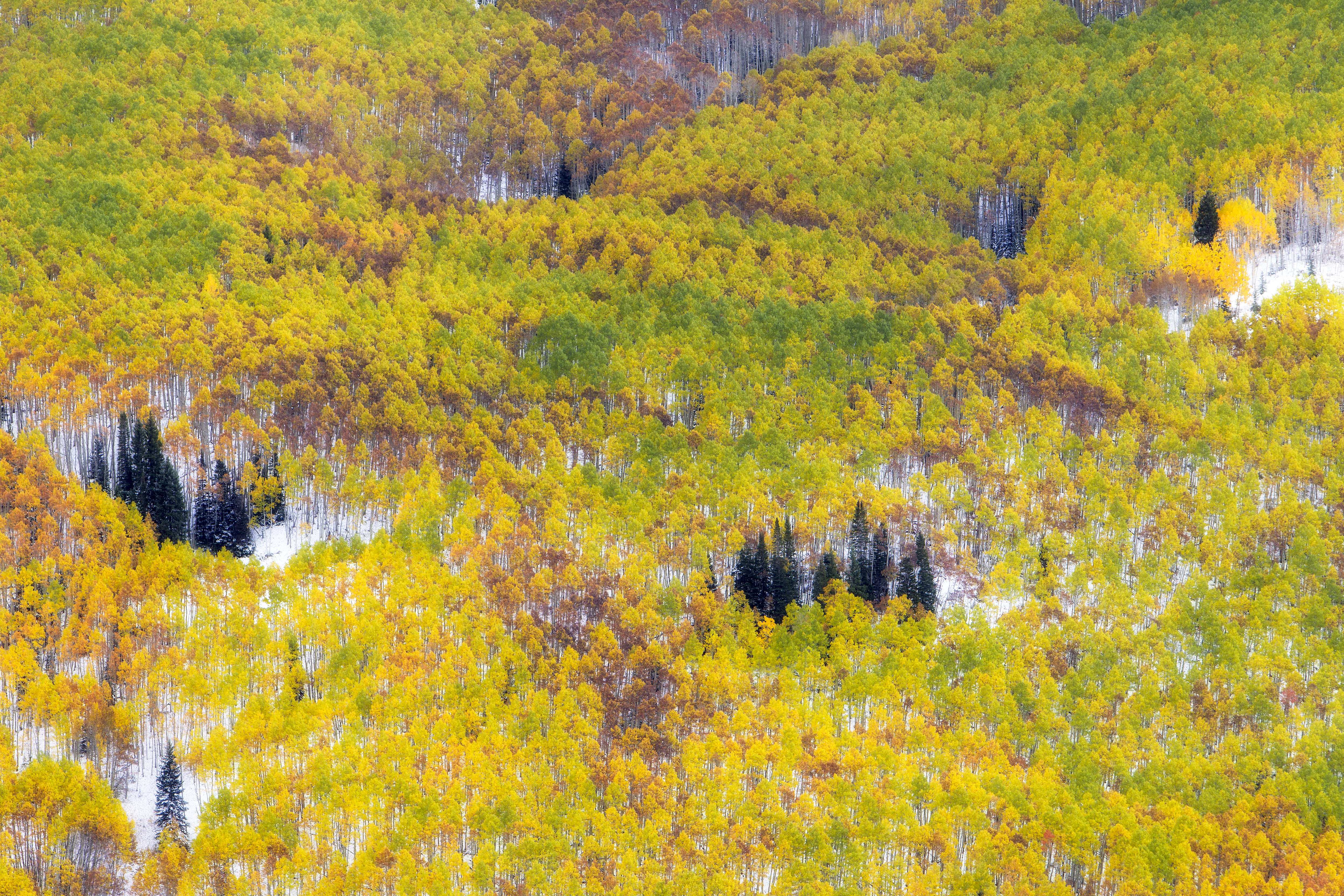
Nature photography doesn’t just document—it deciphers. When we photograph nature, we are not freezing time—we are revealing resonance. A grove of aspens becomes a lesson in unity. A ripple becomes a record of motion. Each image carries a signature of the field it emerged from.
In the aspen grove, we see one of the largest living organisms on Earth—an interconnected root system teaching us about shared memory. In a droplet’s reflection, as seen in water photography, we witness quantum storytelling. These visuals aren’t just beautiful—they are coherent.
As shared in the Wildlife Gallery, photography becomes a field practice—revealing structure behind stillness and intention behind light. Nature Philosophy teaches us that what we photograph is not just scenery. It’s symmetry. It’s spirit. It’s signal.
Conclusion: Embracing Nature Philosophy in Daily Life
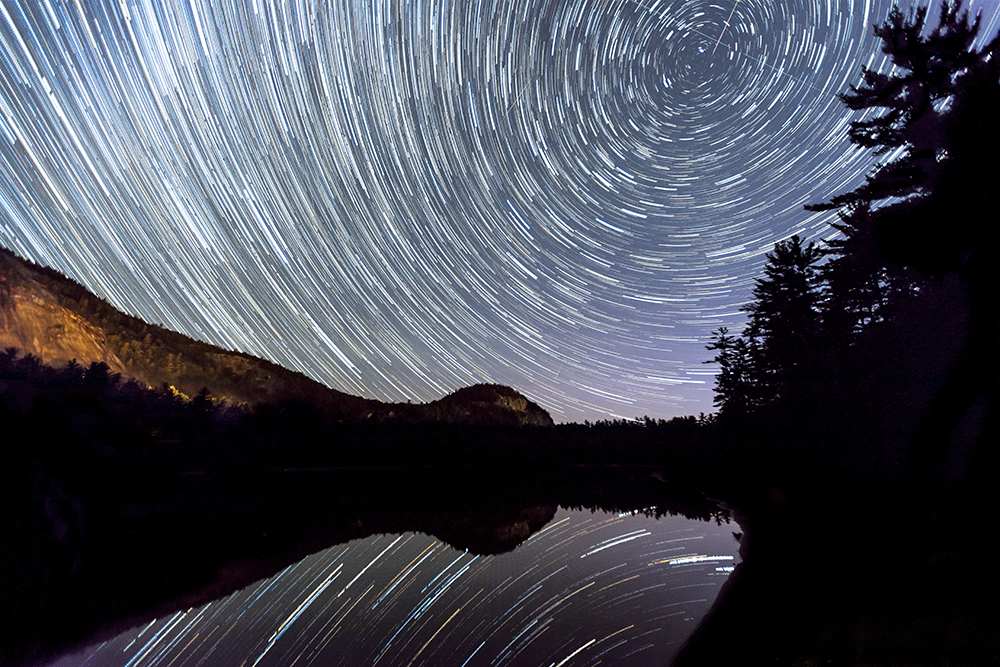
Nature Philosophy becomes real when it’s lived. When you walk outside and sense the trees as extensions of your own nervous system. When you honor water not just as resource, but as memory. As I explore in Quantum Vitality, the body is a field and the Earth is its resonance. Alignment is health. Awareness is rhythm.
Through the Nature Code, we see that life is not linear—it is cyclical. It breathes in pulses, in polarities, in sacred intervals. To live in tune with these intervals means practicing stewardship, gratitude, and attention. As I share in Let Nature Be Thy Medicine, the greatest healing comes from remembering we are not apart from the system—we are part of the signal.
At Robbie George Photography, every image is a gesture of that remembrance. A mirror back to the field. Nature Philosophy invites us to return to what we’ve always known—to see, to feel, to act in rhythm with life’s deeper intelligence.
“When we align with the rhythm of nature, we return to the rhythm of ourselves.” ~ Robbie George
Explore More Nature Philosophy
Continue exploring the field of consciousness, resonance, and ecological wisdom through more Nature Philosophy writings:
- Exploring the Gaia Hypothesis with Robbie George
- The Eternal Flow of Time & Water's Role as Timekeeper
- The Majestic Aspen Trees: Nature’s Largest Living Organism
- The Cosmic Significance of Water as Timekeeper
Or visit the full collection: Nature Philosophy Blog Series →
Naturepedia Connections
This article connects philosophical ideas about nature with real-world ecosystems, wildlife behavior, and environmental systems explored through the Naturepedia knowledge base.
Explore Fine-Art Prints
Bring the season home—browse Wildlife, Landscapes, and Seascapes by National Geographic–published photographer Robbie George. See framing, editions, and care on the Collectors page.
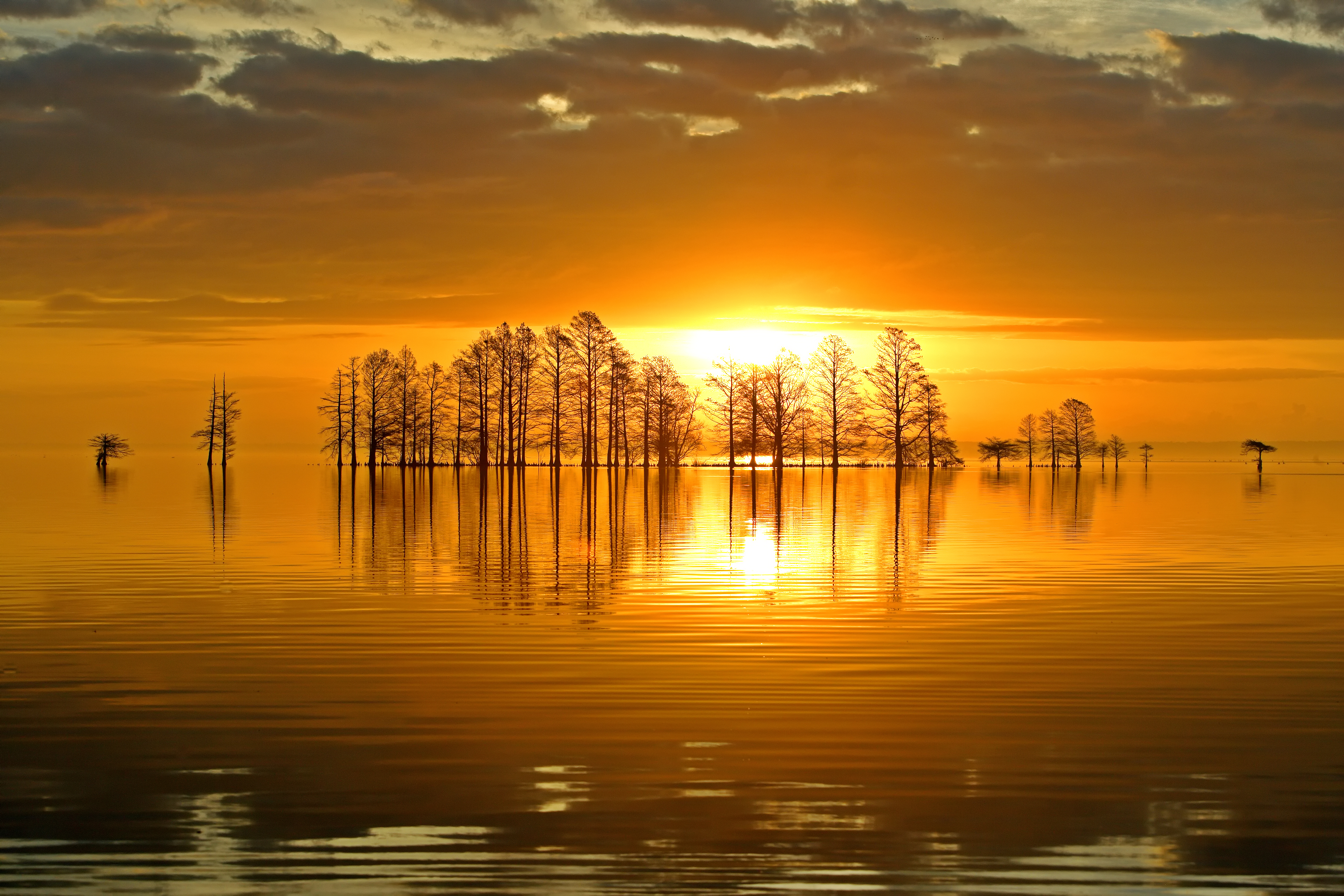 Landscape
 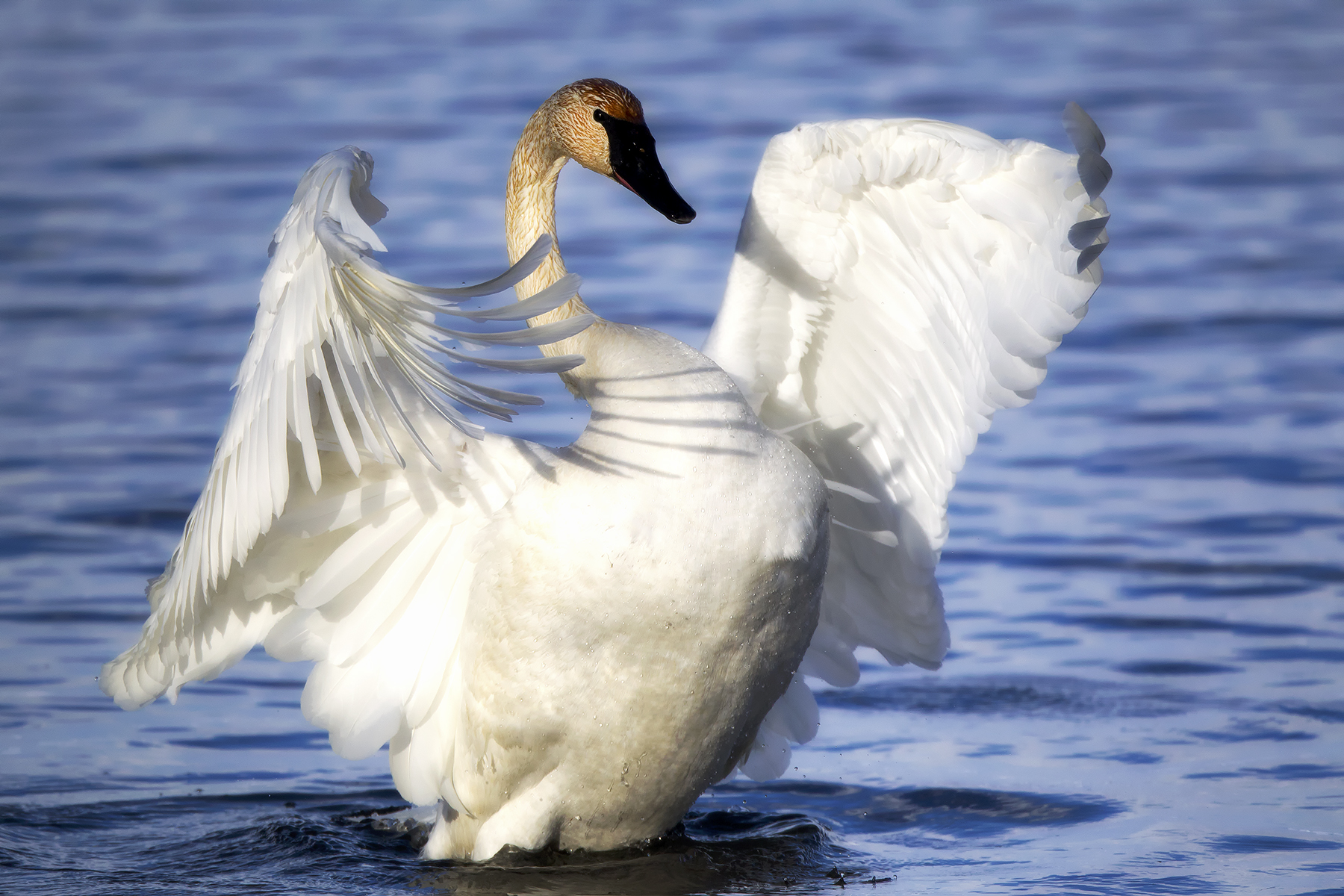 Wildlife
 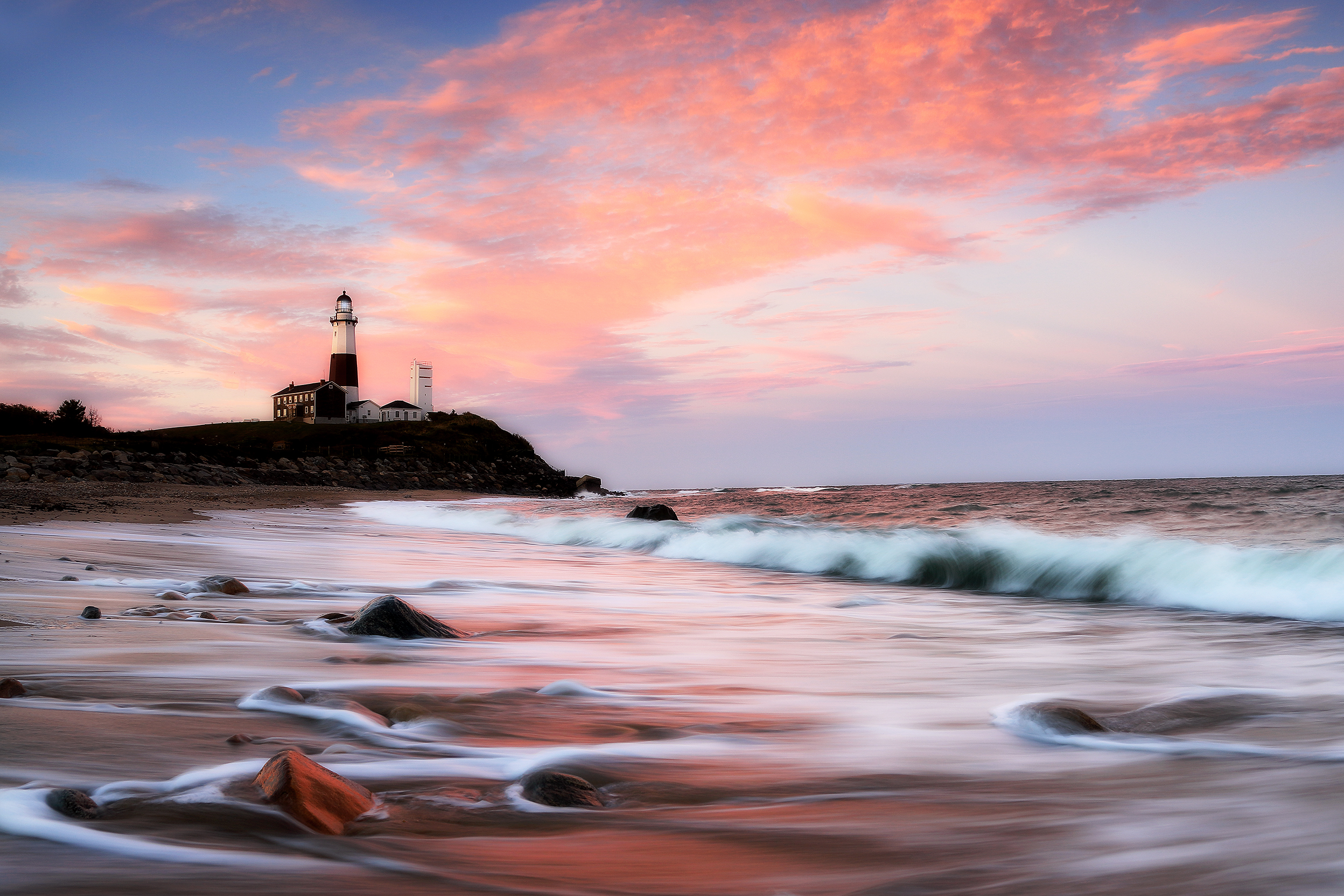 Seascapes
About Robbie George
Robbie George is a National Geographic–published photographer and resonant naturalist. His fieldcraft follows a simple ethic—distance first, habitat always— shaped by Slow Knowledge and the Signature Series.
Explore calm, undisturbed behavior in the Wildlife Gallery or plan your next trip with the Seasonal Wildlife Calendar, Golden Hour & Moon, and Photography Maps.
“Attention first, image second. The shutter is the period at the end of a sentence you learned by walking.”
Frequently Asked Questions About Nature Philosophy
1. What is nature philosophy?
Nature philosophy explores how humans relate to the natural world through observation, ethics, ecology, and meaning. It asks what nature teaches us about life, balance, responsibility, and our place within larger living systems.
2. How is nature philosophy different from environmental science?
Environmental science studies measurable systems such as climate, soil, water, and biodiversity. Nature philosophy looks at the meaning of those relationships and how they shape human values, awareness, and behavior.
3. Why does nature philosophy matter today?
It matters because modern life often separates people from the ecosystems that support them. Nature philosophy helps reconnect daily life with ecological reality, encouraging stewardship, reflection, and more sustainable ways of living.
4. How can I apply nature philosophy in everyday life?
You can apply it by spending more time outdoors, observing seasonal change, reducing unnecessary consumption, paying attention to local ecosystems, and making choices that support soil, habitat, water, and long-term environmental health.
5. How does photography connect to nature philosophy?
Photography encourages careful observation of light, pattern, behavior, and place. In that way, it becomes more than image-making—it becomes a way to study relationships in nature and to see the living world with greater attention and respect.





