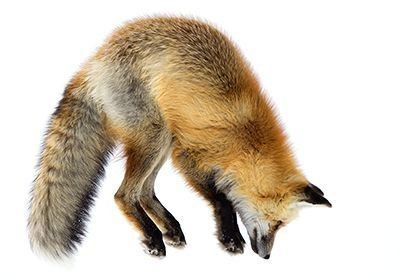

Nature, the Source of Awe and Wonder
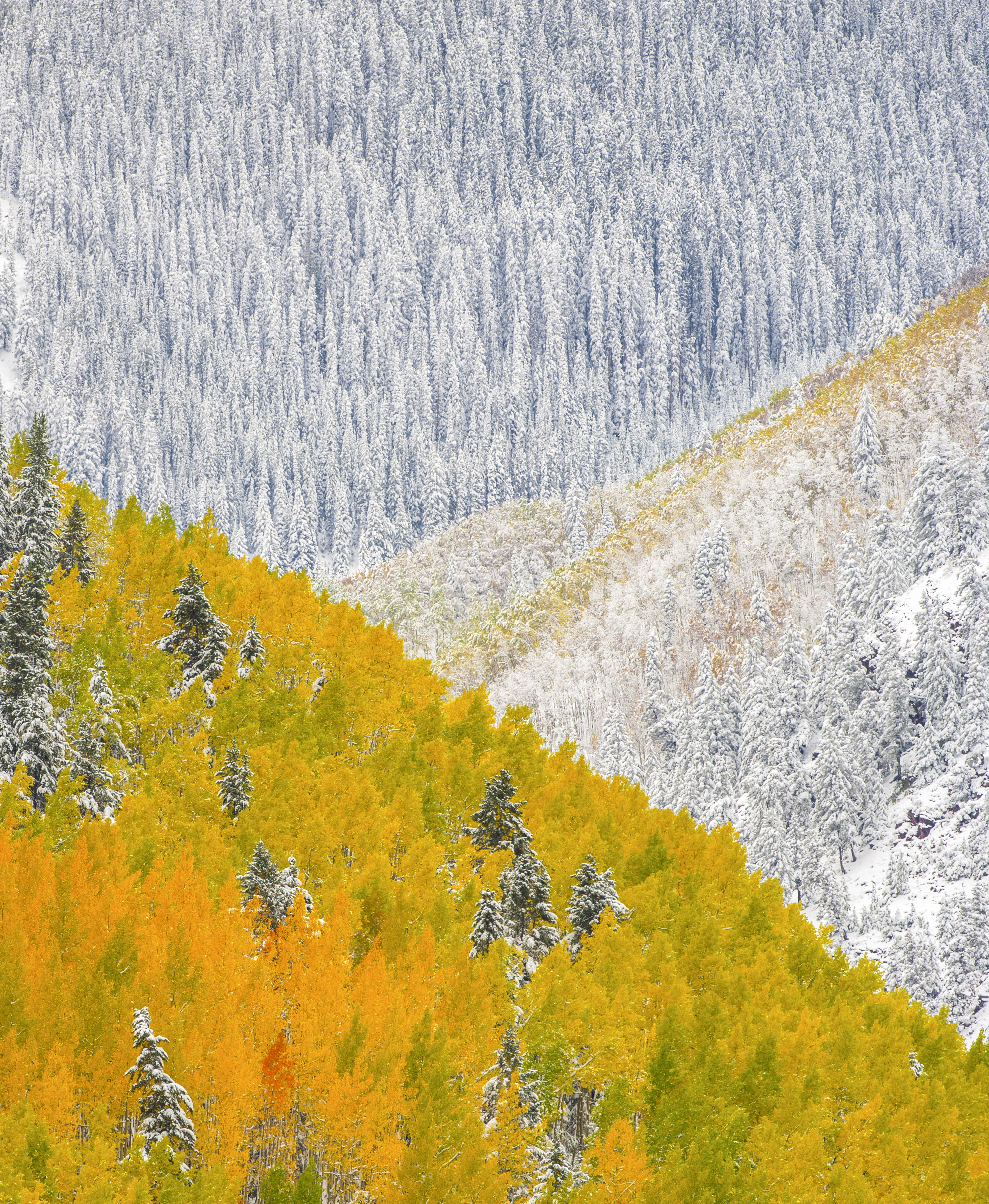
Nature, the Source of Awe and Wonder
Nature is not a background to our lives — it is the origin of our breath, the rhythm of our mind, the mirror of our soul. Long before modern medicine or digital distractions, humans turned to the forest for stillness, to rivers for reflection, and to animals for sacred storytelling. That relationship continues today, though sometimes we forget how deeply we belong to it.
In this post, we’ll explore the science and spirit of nature’s equilibrium — how ecosystems maintain balance, how awe rewires our brain for presence, and how a simple walk outdoors can rekindle a sense of sacred connection. As I’ve shared in Nature’s Healing Wisdom, time spent in nature is not a luxury — it’s a biological and emotional necessity.
Along the way, we’ll journey through ecopsychology, indigenous reverence, predator-prey dynamics, and the powerful role of imagery in awakening our ecological memory. Because as we’ve discovered in The Living Code — nature doesn’t just surround us. It moves through us.
“Awe is the language of the wild — it humbles, heals, and calls us home.” ~ Robbie George
Understanding Nature’s Equilibrium
Nature doesn’t seek perfection — it seeks balance. This balance, or what I call equilibrium, is not a static state but a dance. A living intelligence where plants, animals, water, air, microbes, and even minerals respond and adapt to one another. As I explore in The Nature Code, this balance is vibrational — it’s the frequency of life in constant dialogue with change.
Ecosystems maintain this equilibrium through sacred reciprocity. A predator influences the grazing of a herd, which influences the shape of the forest, which influences rainfall patterns, which influence soil memory. The science is catching up to what indigenous wisdom always knew: everything is connected. We are not separate from the web — we are woven into it.
As we’ve explored in Quantum Vitality, even our bodies reflect this dynamic balance. Our health is not static — it is a responsive field shaped by light, breath, food, and emotional energy. Nature is no different. Its equilibrium is not a straight line — it’s a spiral, always returning to itself, always adjusting with grace.
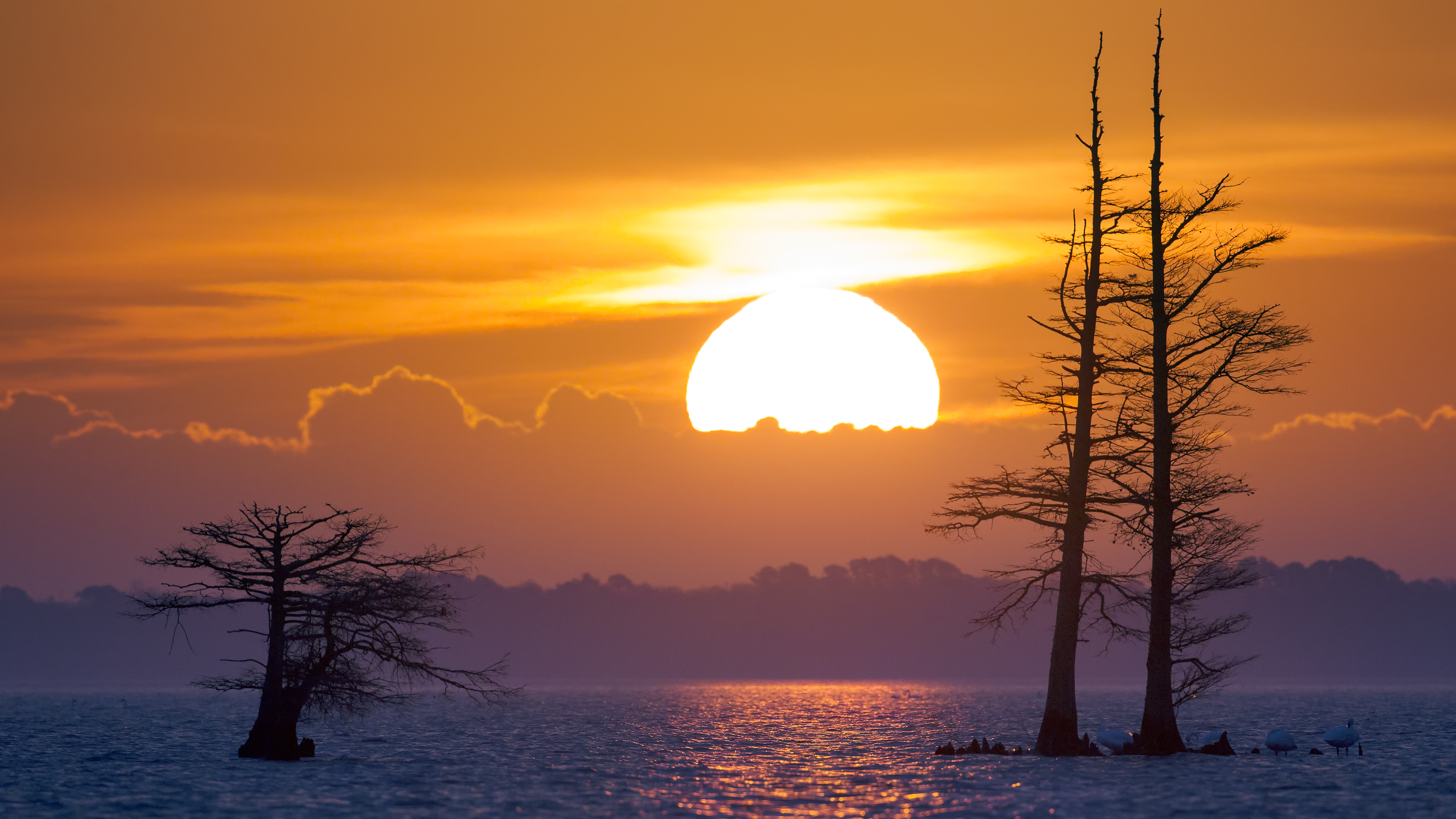
"Sunrise" — A New Day in Nature’s Dance of Balance | Fine Art Print Available
Predators and Prey: Nature’s Reciprocal Design
Predators are often misunderstood. They’re seen as violent, even cruel. But in truth, they are keepers of balance. They sculpt the landscape with their presence. Wolves shape rivers. Coyotes shape grasslands. As I’ve personally witnessed in Yellowstone, even their interactions with prey ripple across the entire ecosystem — what ecologists now call a trophic cascade.
These dynamics are not about dominance — they are about rhythm. When predators thrive, they pressure prey populations in healthy ways, allowing vegetation to regenerate, streams to stabilize, and soil to breathe. Remove them, and the system falls out of harmony. As I’ve explored in Wolves in Yellowstone, predators are not destroyers — they are conductors in the orchestra of life.
Nature doesn’t operate in silos. Every creature influences the others through subtle feedback loops. In this way, predator–prey dynamics mirror the same polarity principles described in Quantum Agriculture. Tension creates growth. Pressure creates evolution. And within that pressure — is poetry.
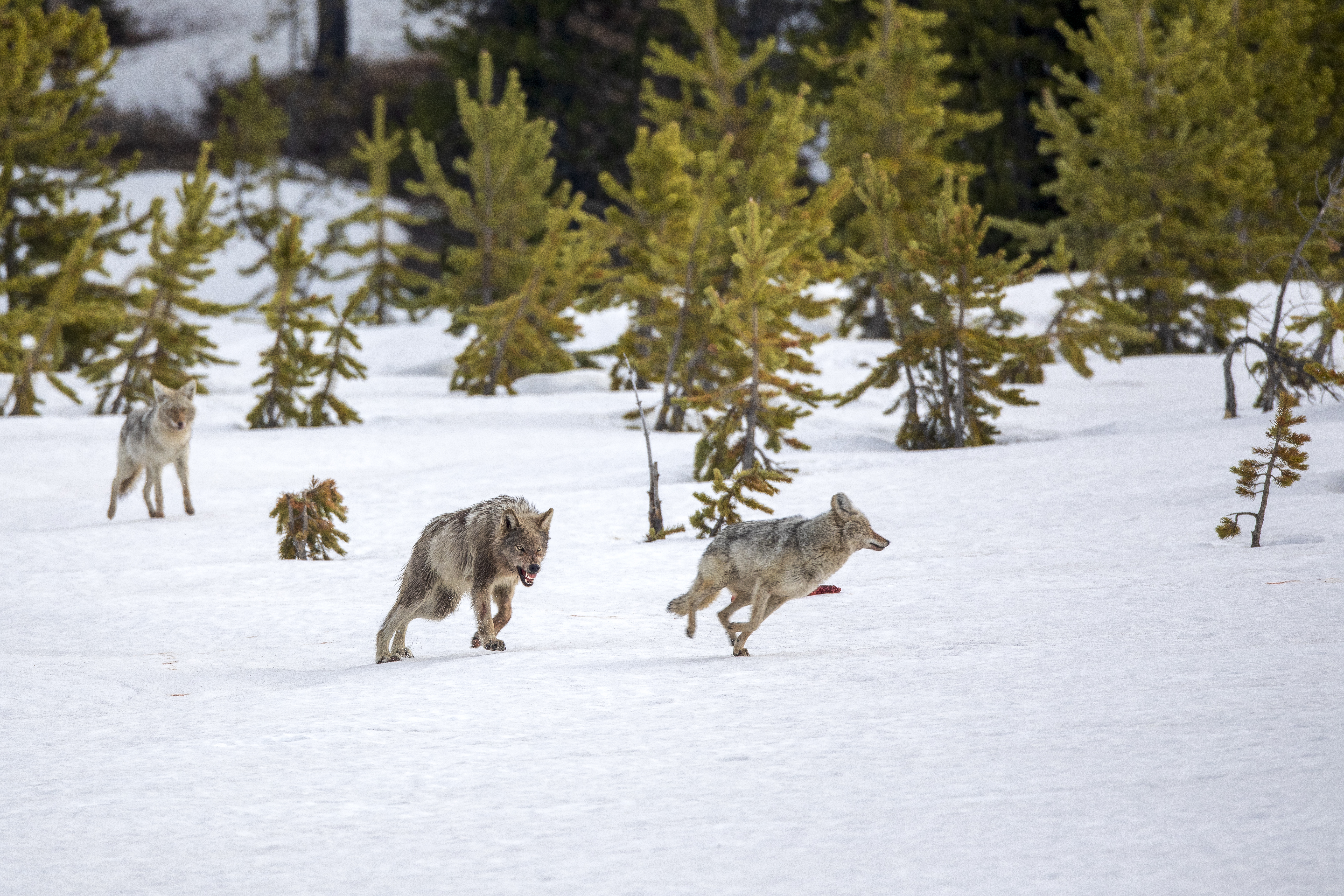
"Grey Wolf and Coyote" — Field Harmony in Motion | Fine Art Print Available
Human Influence on Ecological Balance
Human beings have always been part of nature’s equation — but in recent centuries, we’ve become its most unpredictable variable. From deforestation to pollution to carbon imbalance, our choices have begun to unravel the very networks that support life. Yet within this disruption lies a choice: to become stewards of equilibrium, or catalysts of collapse.
In Wildlife Conservation, I’ve explored the crucial role of habitat protection, biodiversity corridors, and indigenous ecological knowledge. These efforts are not just about saving species — they are about maintaining vibrational coherence across entire ecosystems. As I’ve observed firsthand, the loss of a single keystone species can ripple like a fracture through the field.
Conservation isn't just science — it’s resonance. From the soaring of an eagle to the silence left behind by an extinct songbird, we are being asked to listen more deeply. As highlighted in The Nature Code, balance can return — but only if we realign our rhythms with the field’s original instructions.
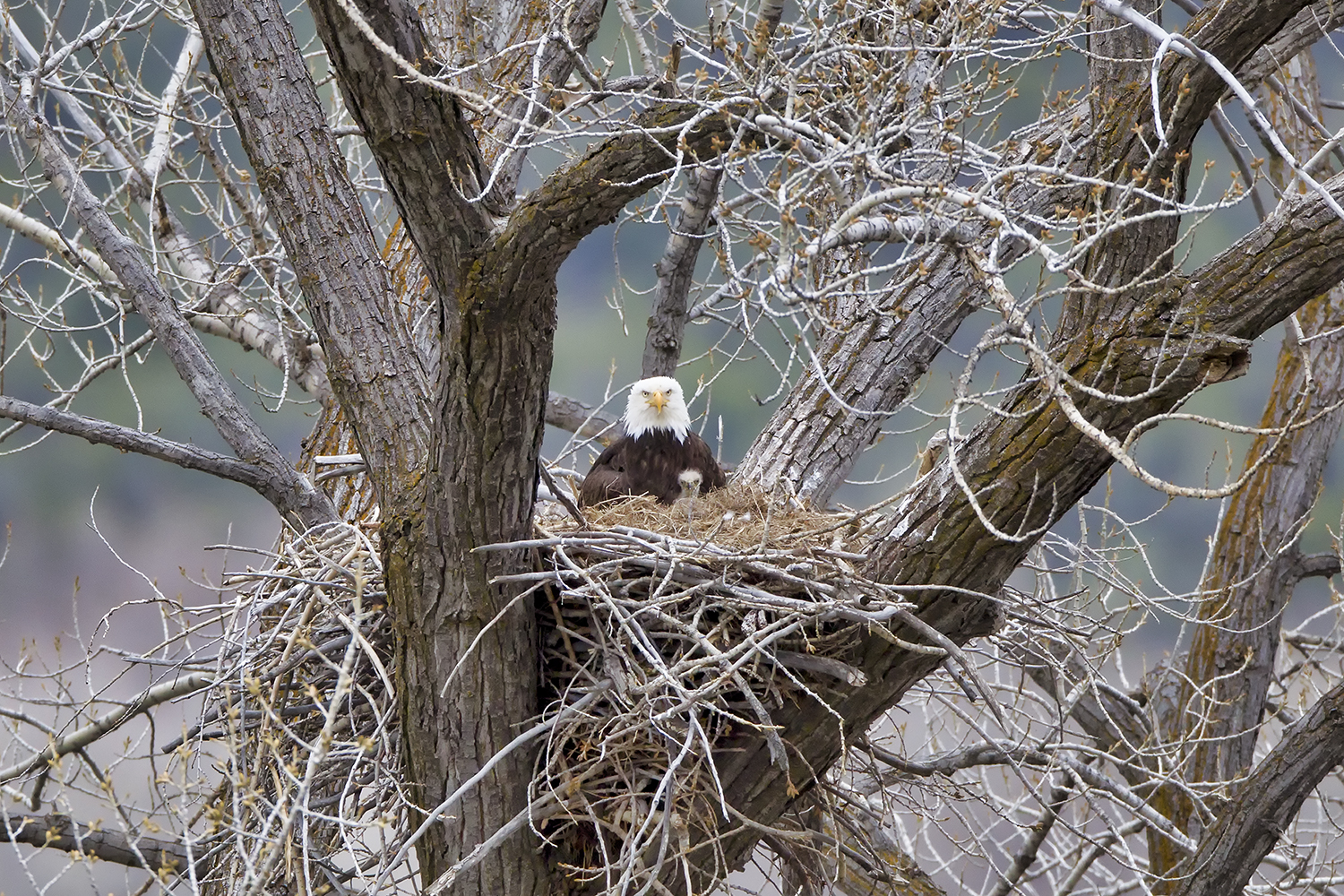
"Bald Eagle Nest" — Symbol of Stewardship and Balance | Fine Art Print Available
Cultural Perspectives and the Balance of Nature
Across time and civilizations, nature has been revered, romanticized, feared, and sometimes forgotten. In many indigenous traditions, the Earth is alive — a sentient field of intelligence to be respected, not owned. As explored in Nature & Native American Wisdom, this relationship was built not on dominance, but on reciprocity — a two-way dialogue between land and life.
In contrast, the industrial worldview fractured that bond. Nature became a resource instead of a relative. Forests became timber. Animals became commodities. This shift didn’t just change landscapes — it changed consciousness. As I share in my work on Ecopsychology, the disconnection from the natural world has mirrored a disconnection from ourselves.
But art — and especially nature photography — can mend the fracture. Through imagery, we remember what the wild feels like. Awe. Stillness. Belonging. As seen in my Wildlife Photography gallery, every image becomes a portal. A mirror. A way to reorient ourselves back toward balance — not just ecologically, but spiritually.
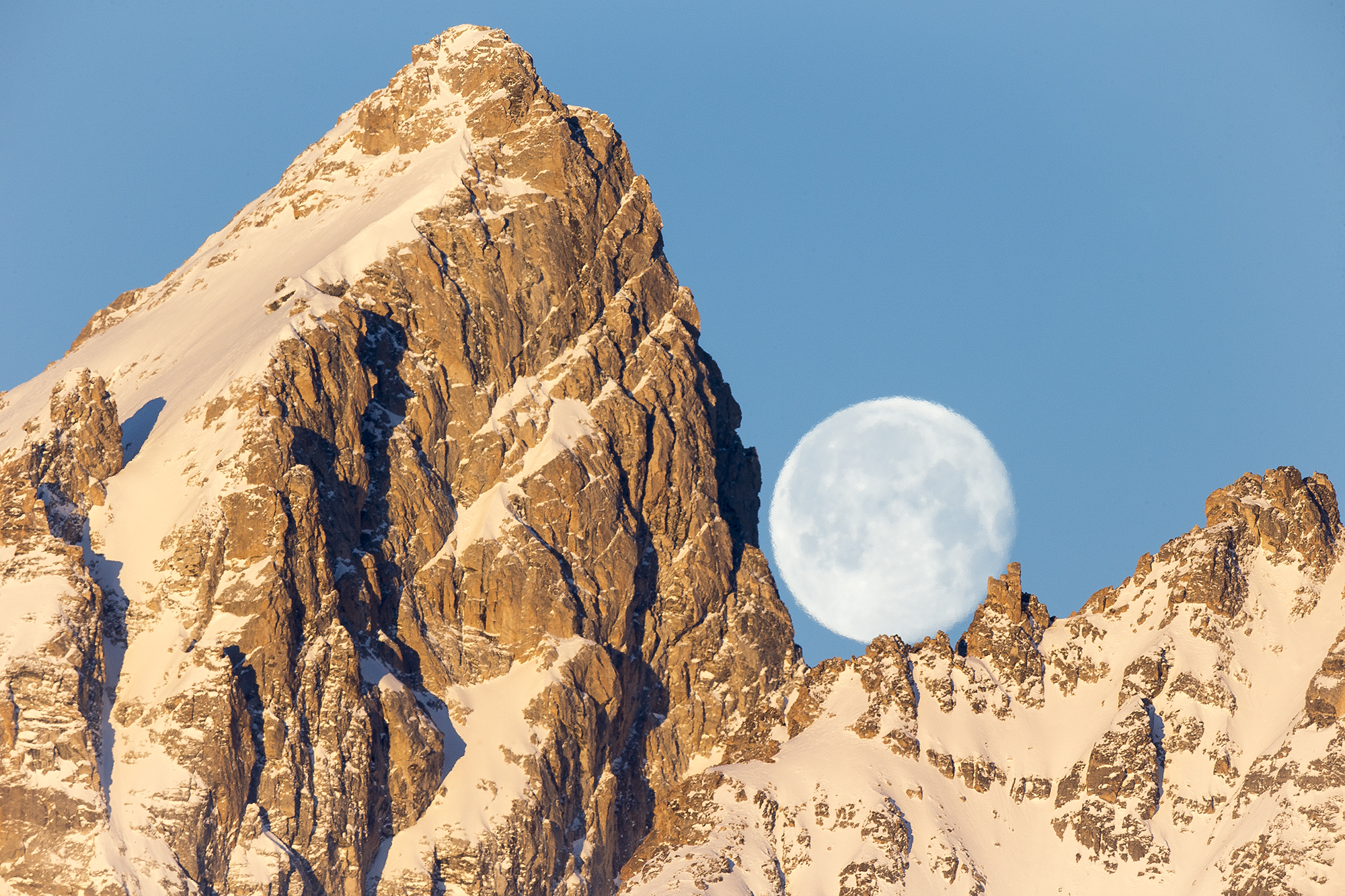
"Full Moon over Grand Teton" — Reflections of Cultural Harmony | Fine Art Print Available
Climate Communication and Public Engagement
Nature cannot speak through words, but she speaks through bees. Through birdsong. Through seasons. And when she is silenced — it is up to us to listen more deeply and respond. Climate communication is not just data — it is a call to awaken our ecological memory. A call to remember that we are not outside the system we are trying to protect. We are the system.
As explored in my work on Wildlife Conservation, public engagement is critical. Every workshop, photo, restoration project, or story creates a ripple in the field. Citizen science, youth education, and advocacy are not small gestures — they are resonance amplifiers, capable of harmonizing communities with nature’s rhythm.
When I photograph bees, I don’t just see pollinators. I see a planetary intelligence encoded in wings. A reminder that even the smallest beings can keep the whole system thriving. That’s why the imagery we share — through nature photography and storytelling — matters. It’s not just documentation. It’s devotion.
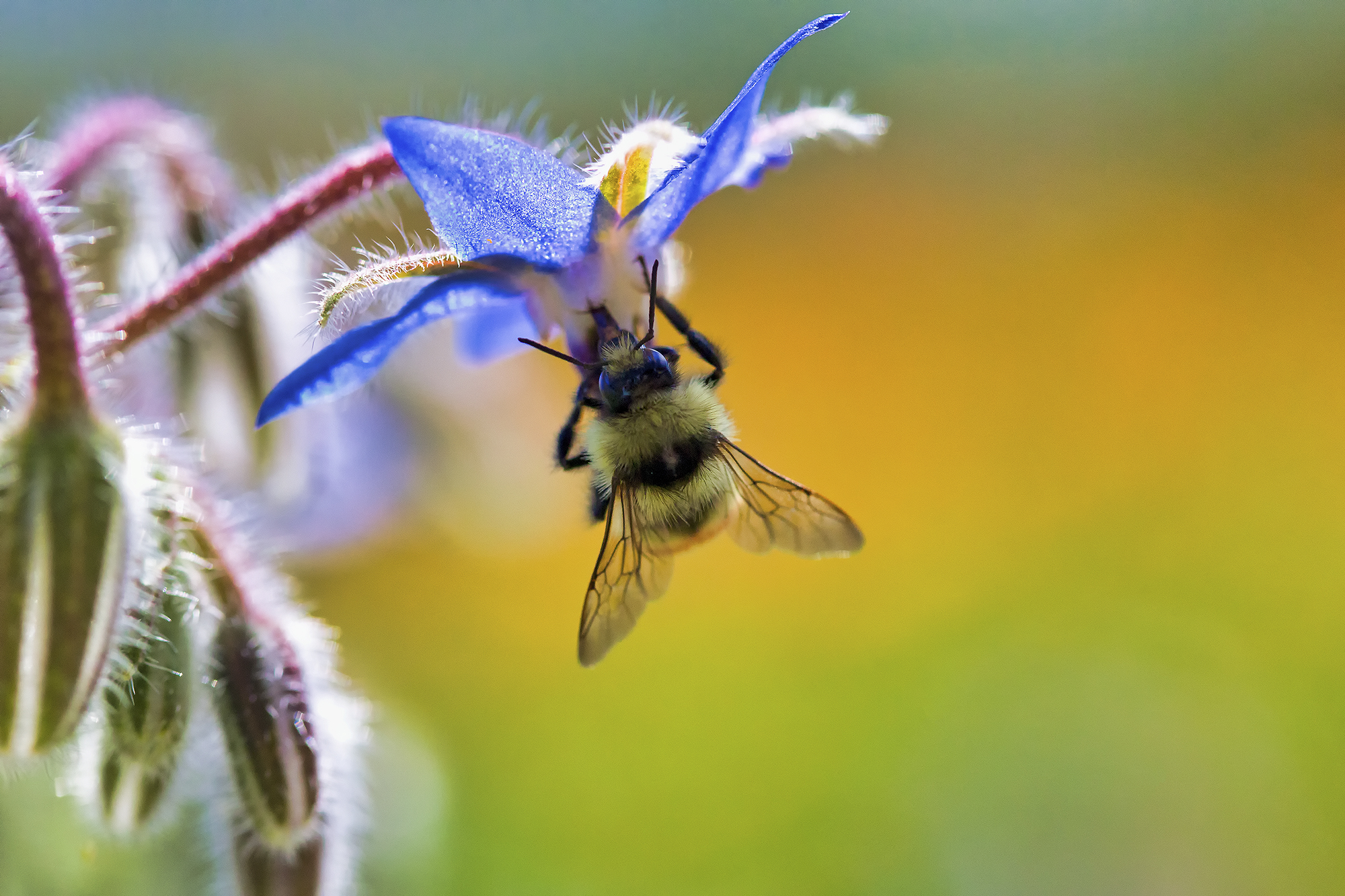
"Honey Bee" — Guardian of the Living Field | Fine Art Print Available
Nature’s Dynamic State: Adaptation in Motion
Nature is not fixed — it flows. Ecosystems are not rigid models of balance but living organisms that breathe, shift, respond, and evolve. In my time photographing Yellowstone, I’ve seen meadows disappear, return, and transform — not in defiance of balance, but as proof that balance is dynamic. It’s not a straight line. It’s a spiral.
As explored in The Living Code, adaptation is not just reactive — it is creative. A finch’s beak changes over time to match its diet. A tree alters its leaf structure depending on climate. Nature doesn’t resist change. It writes poetry with it — rewriting structure, function, and even time to survive and thrive.
Evolution isn’t abstract. It’s personal. It’s happening all around us, every day. From birds adjusting their migration routes to microbes evolving in a teaspoon of soil, nature is not asking us to preserve what was. It’s asking us to honor what is becoming — and protect the conditions that allow life to adapt and sing.
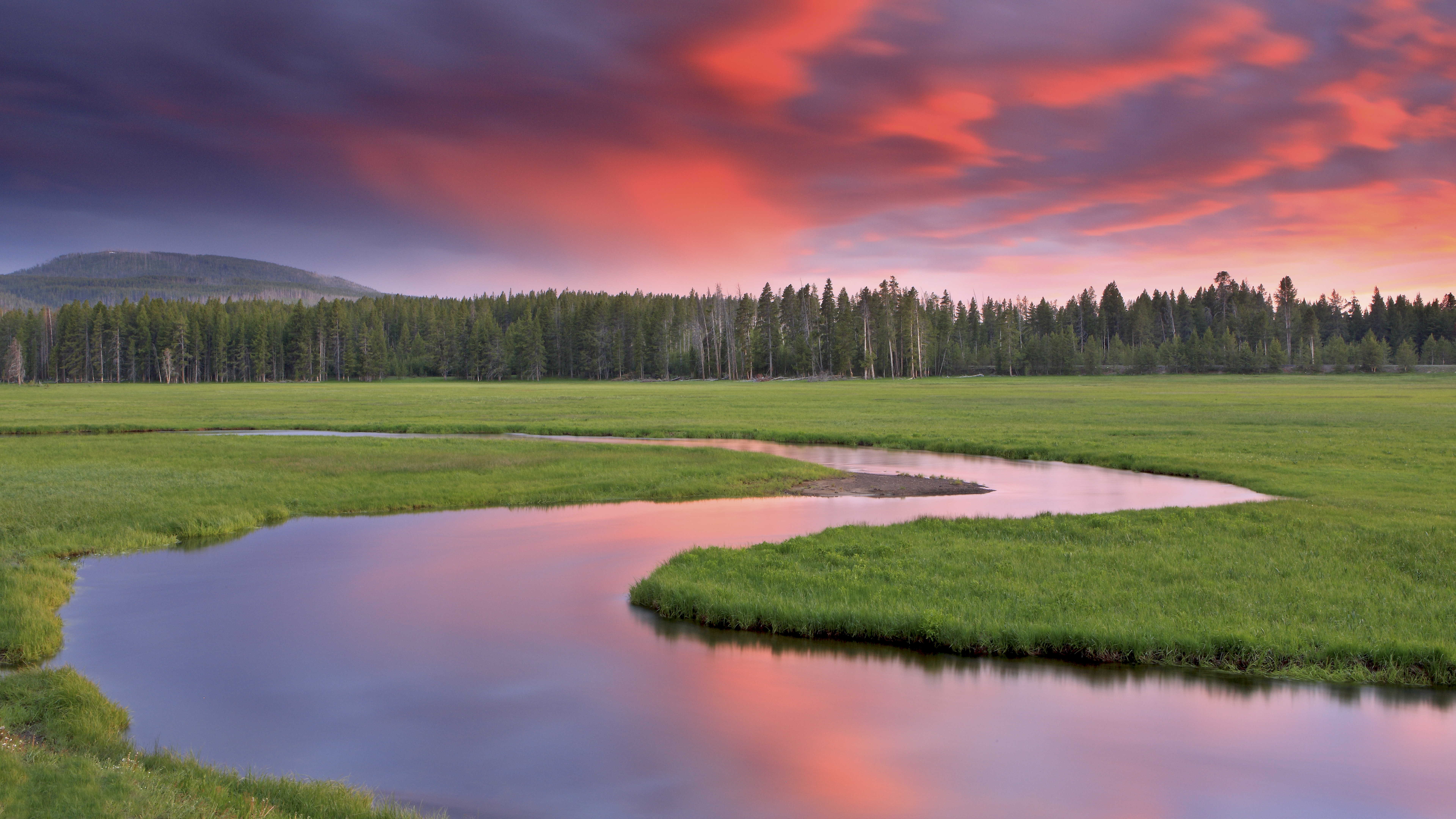
"Yellowstone Park" — Evolution in Progress | Fine Art Print Available
Captivating Visuals of Earth: The Lens as a Portal
Sometimes it takes an image — just one — to open the heart. A sunrise through mist. A wolf gazing back. A seed, curled in potential. These moments are more than scenery. They are mirrors of our place in the field. As I share in Let Nature Be Thy Medicine, beauty is not just aesthetic — it is healing. It restores what we forget in our busy lives.
That is why I photograph. Not simply to preserve a view, but to offer a vibration. A reminder. A resonance. Through nature pictures, we remember what it means to belong — to breathe in rhythm with rivers, to feel the curvature of hills as if they were extensions of our own bodies.
Through landscape photography, I strive to reawaken awe. Not in the monumental alone, but in the ordinary made sacred through attention. Every photograph is an invitation — to pause, to see, to feel, and perhaps, to act in the service of the wild that still pulses in all of us.
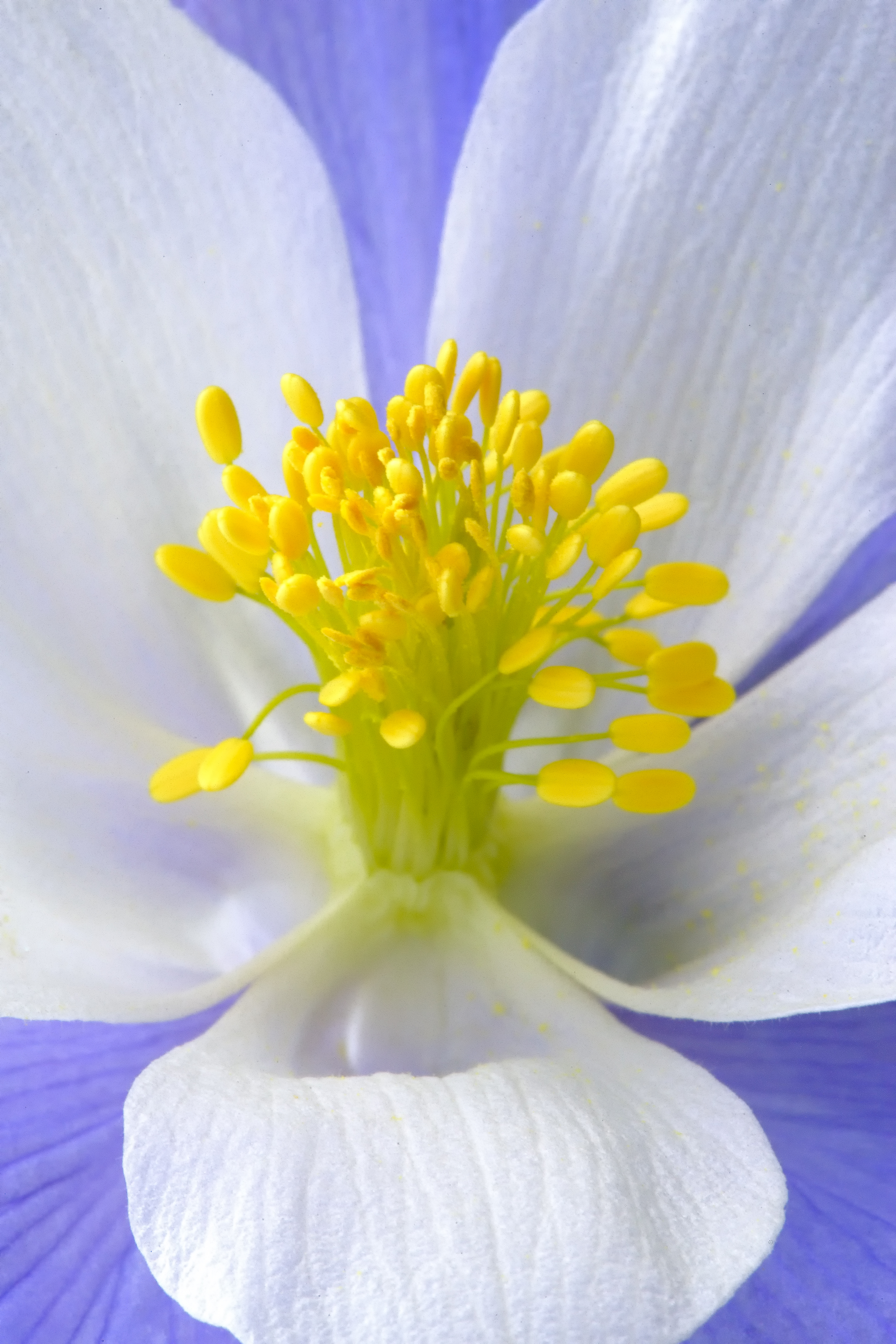
"Nature Pictures" — Visual Portals into the Field | Explore the Full Collection
Continue the Journey of Awe
If this post stirred something in you — a memory, a breath, a moment of stillness — I invite you to explore more. Nature is not separate from us. It speaks through every ripple of light, every pause, every image we carry home from the wild.
- 🌿 Let Nature Be Thy Medicine: Healing Through Earth’s Wisdom
- 🧠 Ecopsychology: Nature’s Role in Mental Wellness
- 📸 Explore Nature Pictures: Emotional Connection Through Photography
- 🦅 Discover Wildlife Photography: The Sacred Pulse of the Wild
- ✨ Signature Series: Nature, Science & Soul
Every print, every word, every image is an offering — a reminder that we are part of the Earth’s memory. Let’s continue listening together.
Naturepedia Connections
This article connects awe, ecosystems, wildlife behavior, and environmental balance through the broader Naturepedia system—linking scientific understanding with field observation and lived experience in nature.
Explore Fine-Art Prints
Bring the season home—browse Wildlife, Landscapes, and Seascapes by National Geographic–published photographer Robbie George. See framing, editions, and care on the Collectors page.
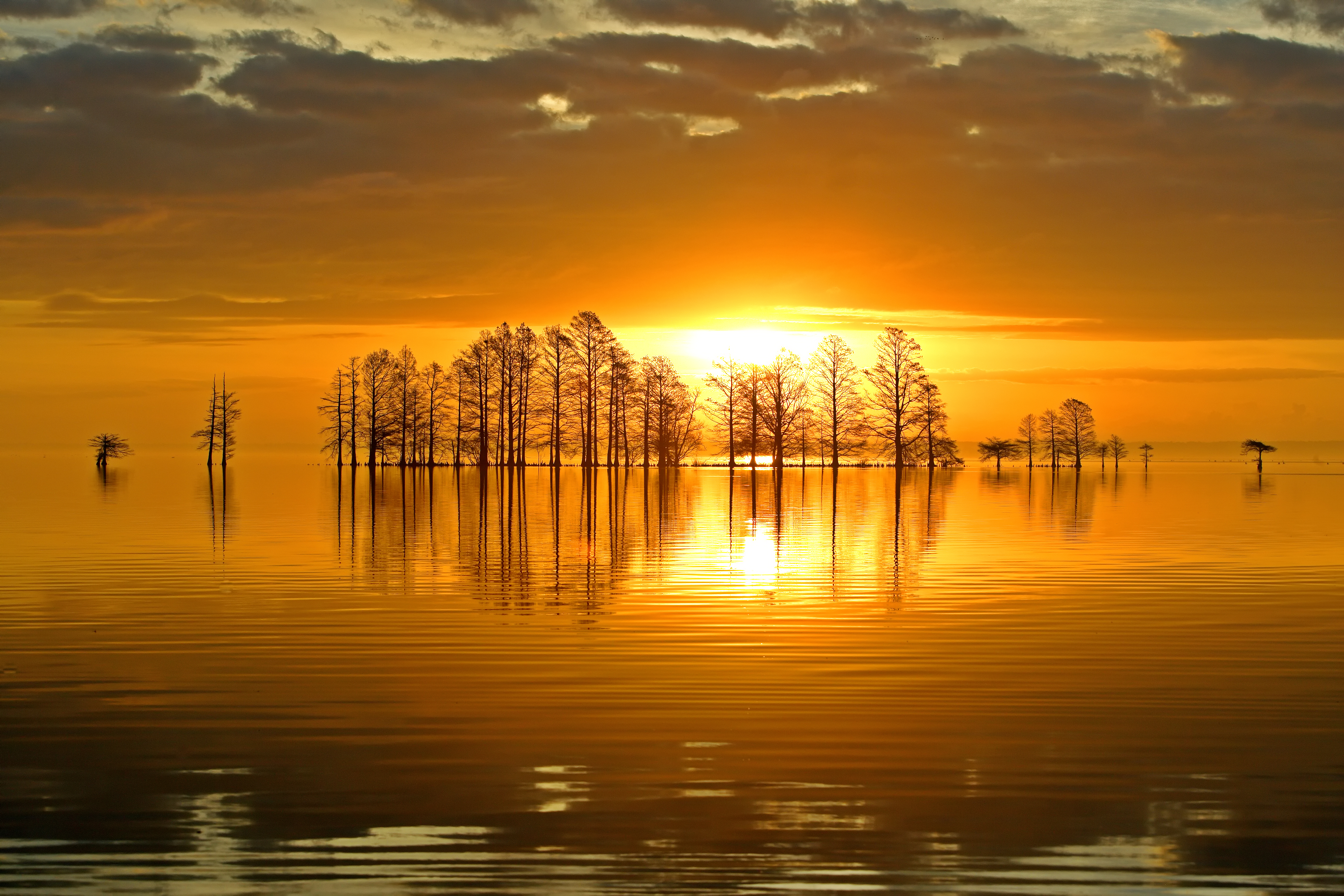 Landscape
 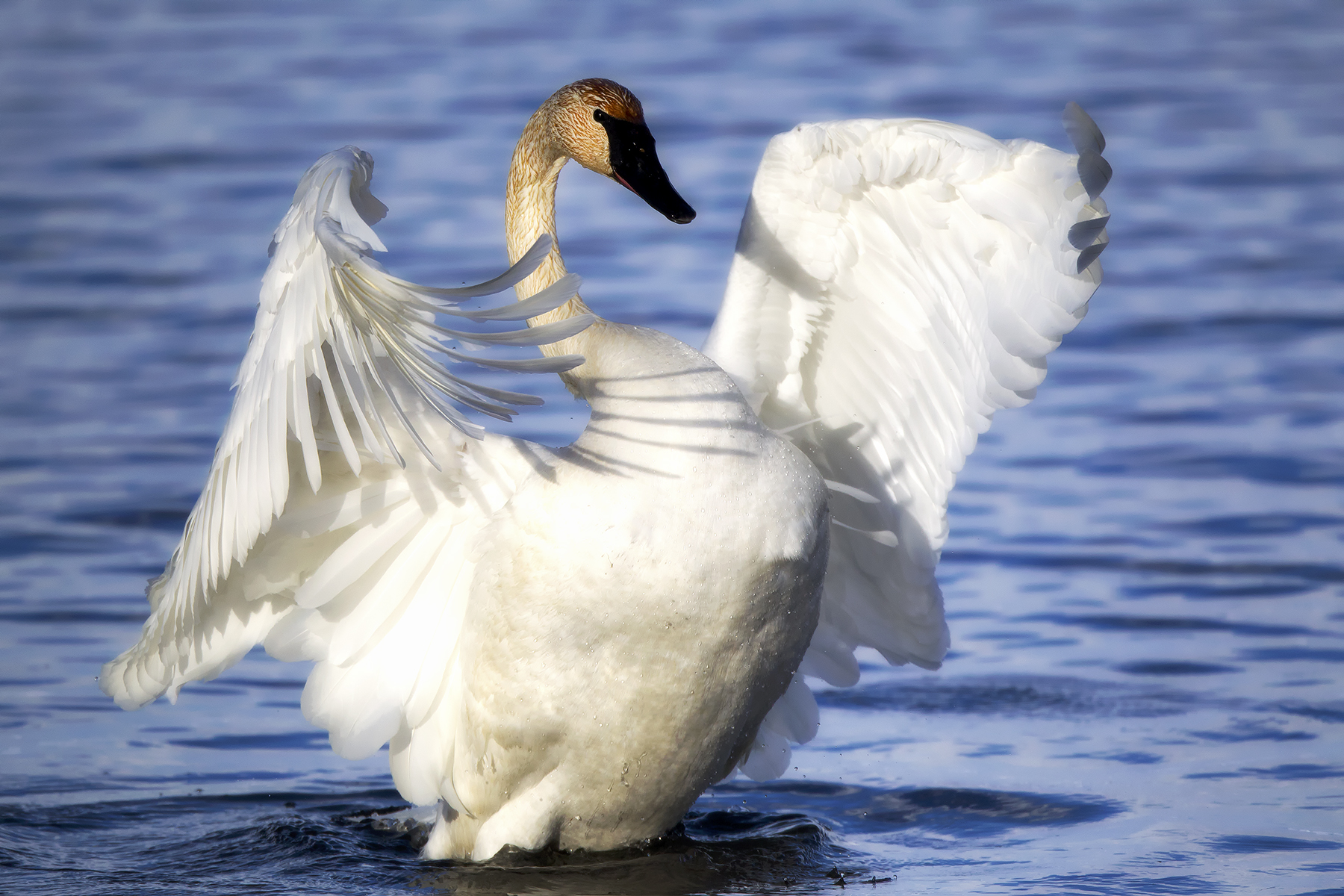 Wildlife
 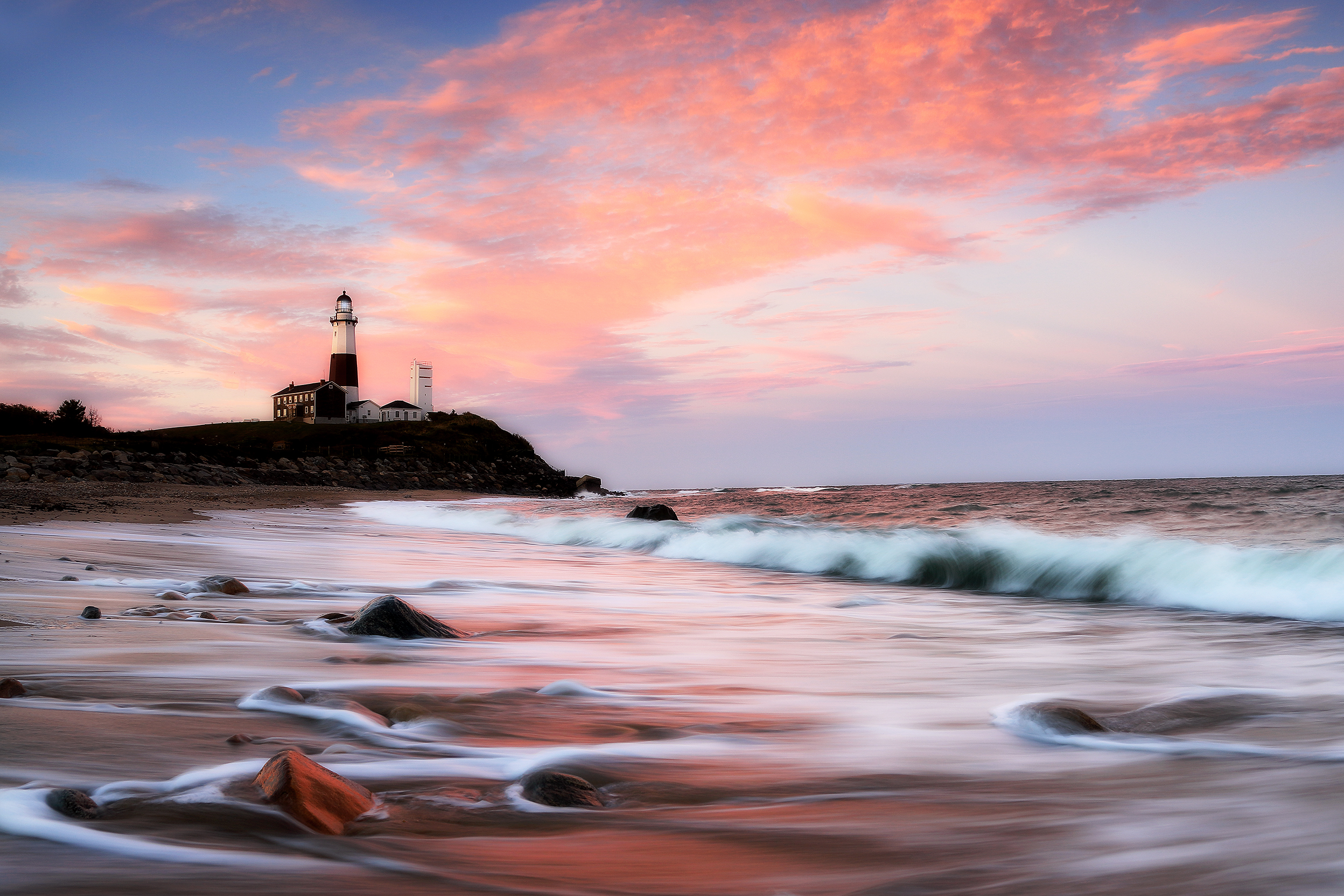 Seascapes
About Robbie George
Robbie George is a National Geographic–published photographer and resonant naturalist. His fieldcraft follows a simple ethic—distance first, habitat always— shaped by Slow Knowledge and the Signature Series.
Explore calm, undisturbed behavior in the Wildlife Gallery or plan your next trip with the Seasonal Wildlife Calendar, Golden Hour & Moon, and Photography Maps.
“Attention first, image second. The shutter is the period at the end of a sentence you learned by walking.”
Frequently Asked Questions: Nature, Awe, and Ecological Balance
What is nature’s equilibrium, and why is it important?
Nature’s equilibrium refers to the dynamic balance within ecosystems — where predators, prey, climate, and resources interact in harmonious cycles. This balance ensures biodiversity, resilience, and long-term stability. Disruption to one part of the system affects the whole, making balance essential for life to thrive.
How can nature photography inspire environmental awareness?
Nature photography reveals the beauty and fragility of the natural world, creating an emotional bridge between the viewer and the environment. A single image can evoke awe, empathy, and urgency — sparking a desire to protect and preserve what is seen and felt through the lens.
What role does awe play in our relationship with nature?
Awe expands our sense of time, lowers stress, and deepens connection. It reminds us that we are part of something vast and intelligent. Experiences of awe in nature — like witnessing a sunrise or hearing wolves howl — can restore our mental health and strengthen our ecological empathy.
How can individuals positively impact ecological balance?
Small actions add up: planting native species, reducing carbon footprint, supporting conservation efforts, or educating others. Engaging in citizen science, voting for environmental policies, and reconnecting with wild spaces all contribute to the restoration of nature’s rhythm.
Why is public engagement important in addressing climate and biodiversity issues?
Public participation amplifies change. From grassroots campaigns to community restoration projects, engaged citizens bring collective wisdom, local knowledge, and personal responsibility to the movement. Real change happens when connection leads to action.