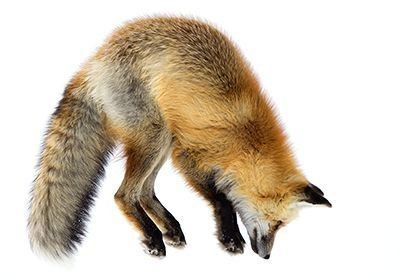

The Beauty and Serenity of Nature
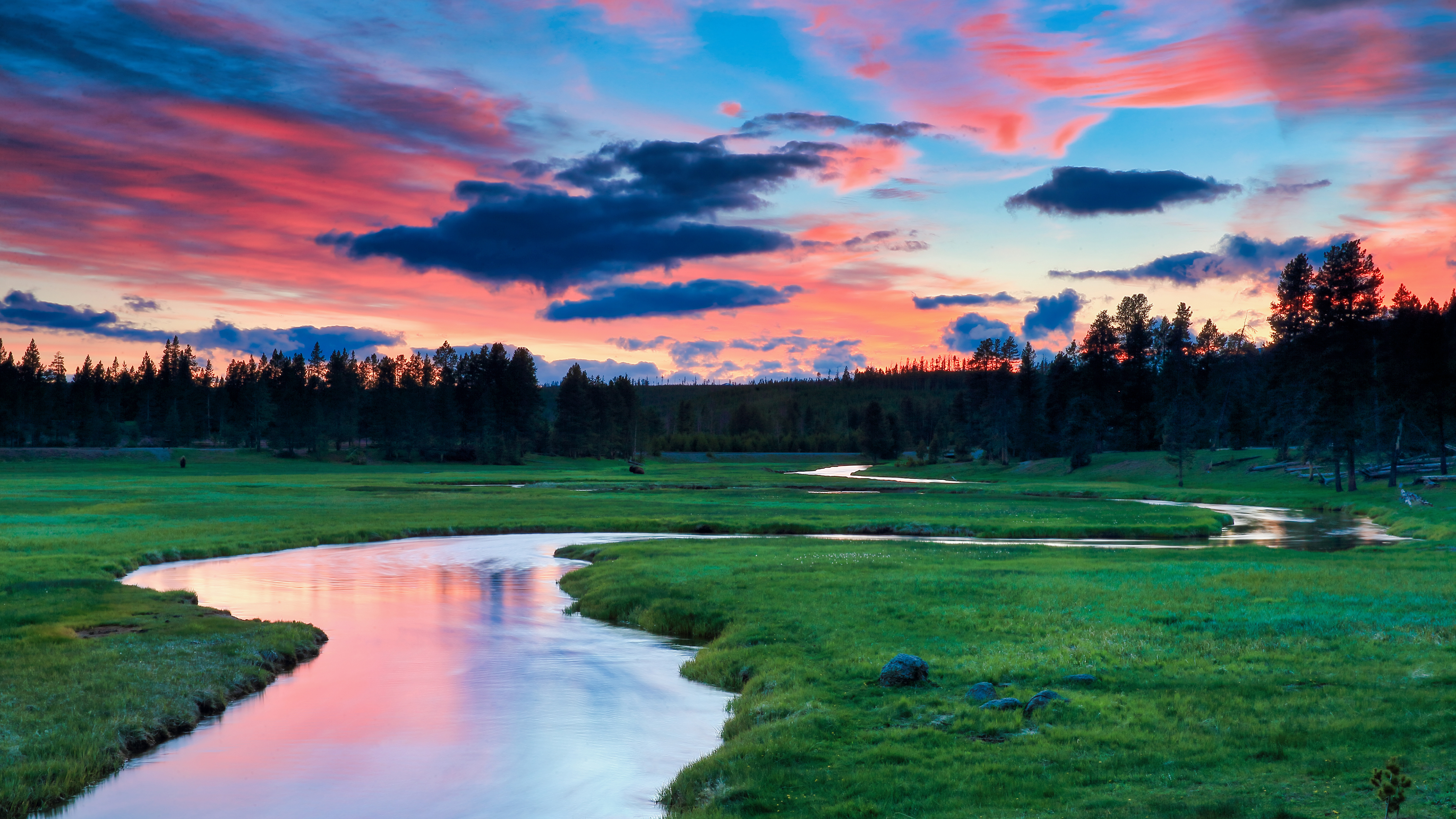
The Beauty and Serenity of Nature: Capturing the Essence Through Photography
Nature is more than scenery—it’s a frequency. In stillness, it speaks. In light, it remembers. As photographers, we become witnesses to this resonance, freezing its signature through shutter and lens. A quiet stream, a golden sunrise, a river’s reflection—all become mirrors of something deeper. Serenity isn’t just what we see—it’s what we feel returning to us.
Through nature photography, we create portals back to presence. These images preserve more than beauty—they preserve coherence. As explored in our post on awakening your senses to nature, photography is not just observation—it’s communion. A photograph is a field recording. A soul echo.
In the pages ahead, we’ll explore how beauty leads to stewardship, how serenity nurtures health, and how photographers like Ansel Adams and Robbie George continue to protect what can’t speak for itself—through the language of light. Welcome to the field.
“In stillness, nature doesn’t disappear—it becomes clearer.” ~ Robbie George
The Beauty and Serenity of Nature
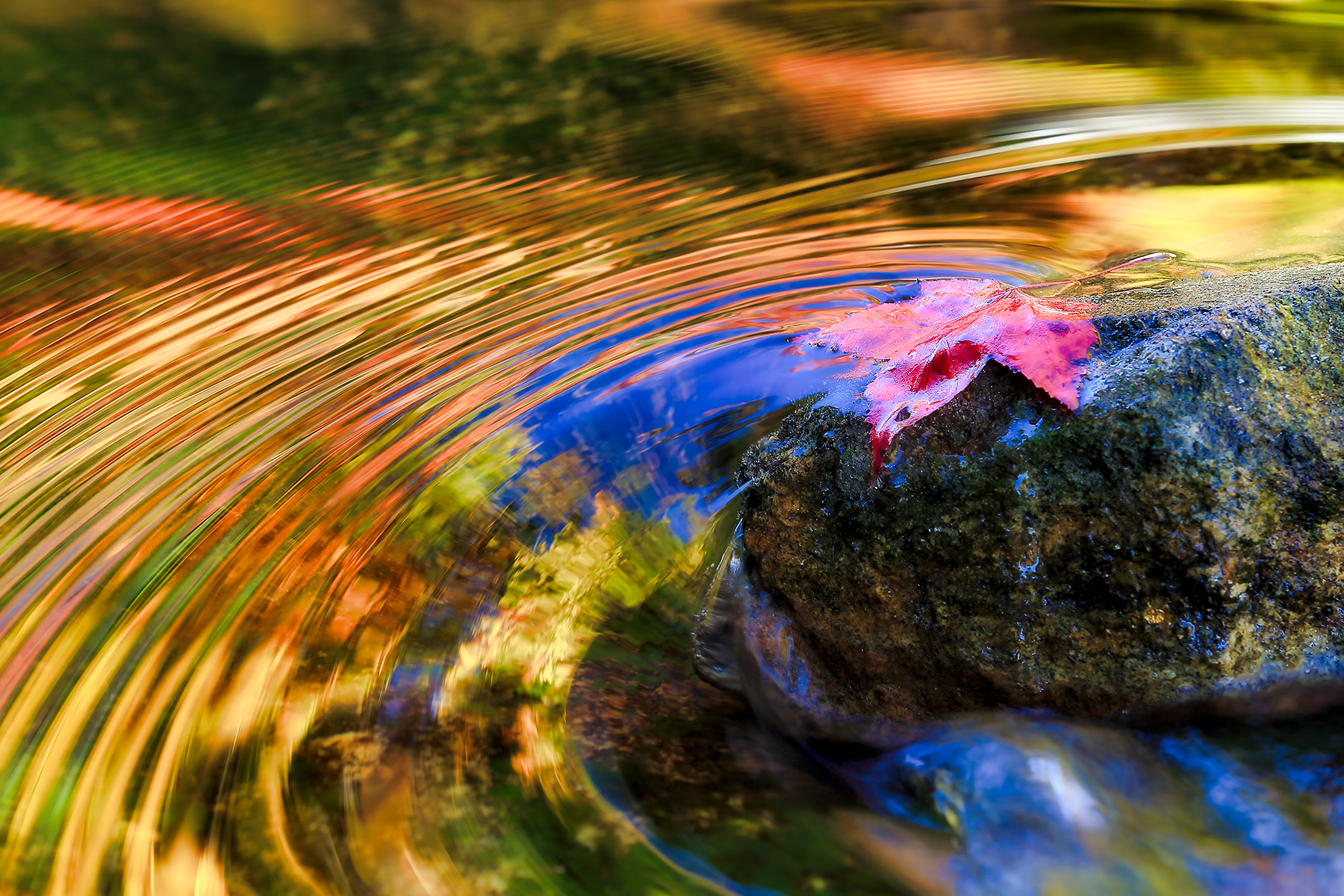
Beauty and serenity in nature are not mere aesthetics—they are patterns of coherence. A golden leaf drifting into still water isn’t just seasonal—it’s soul-timed. In these moments, the natural world reminds us that peace is not passive. It’s presence. As we shared in Awakening Your Senses to Nature, serenity is a field state. It recalibrates the nervous system and renews the spirit.
Nature’s beauty reveals itself in both grand vistas and subtle ripples. From the towering calm of ancient forests to the hush of mountain snowfall, each moment carries a tone—a frequency—that reminds us we’re part of something whole. That’s why capturing these spaces, as shown in our landscape photography gallery, is more than art—it’s stewardship.
When we view beautiful pictures of nature, our bodies remember. Studies show that viewing tranquil nature scenes can lower cortisol, regulate heart rhythms, and improve focus. As explored in Nature’s Healing Wisdom, serenity is not a luxury—it’s medicine. And nature photography becomes the visual carrier of that medicine across time and screen.
Inspiring Others Through Nature Photography
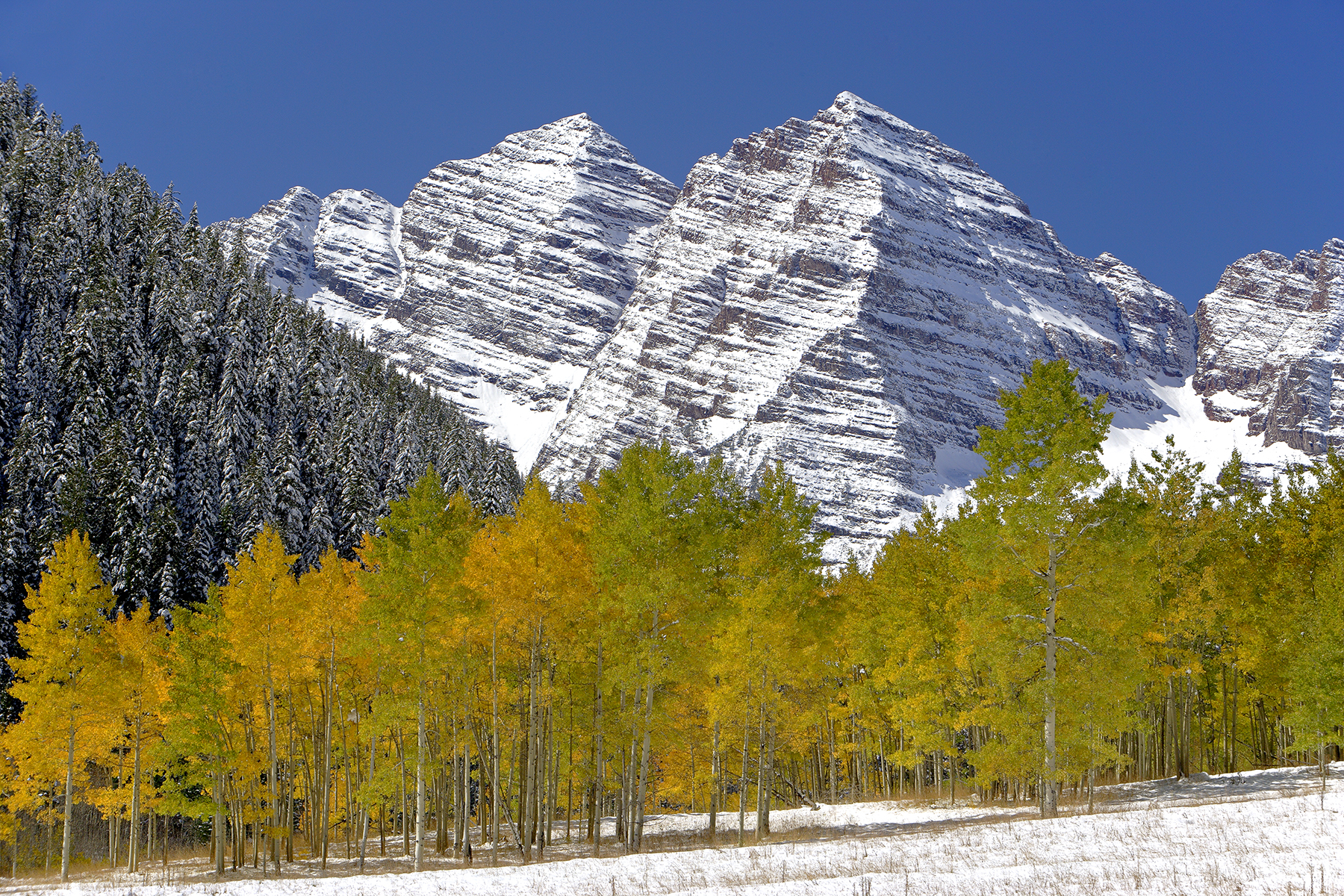
Nature photography doesn’t just document—it resonates. When a person stumbles upon an image of light spilling across alpine lakes or autumn trees whispering through stillness, something shifts. A moment of connection is created. And through that moment, we remember what we’re part of.
As explored in Beautiful Pictures of Nature, emotional connection is one of the most powerful catalysts for conservation. The viewer becomes the participant. And the photograph becomes a frequency imprint—an invitation to engage, protect, and return to presence.
At Robbie George Photography, we’ve received heartfelt testimonials from people who rediscovered calm through a still lake image, or felt awe again through a mountain sunrise. As shared in Nature’s Healing Wisdom and Let Nature Be Thy Medicine, this visual fieldwork becomes a healing agent. Every photograph carries not just form—but the soul of where it came from.
The Role of Nature Photography in Conservation
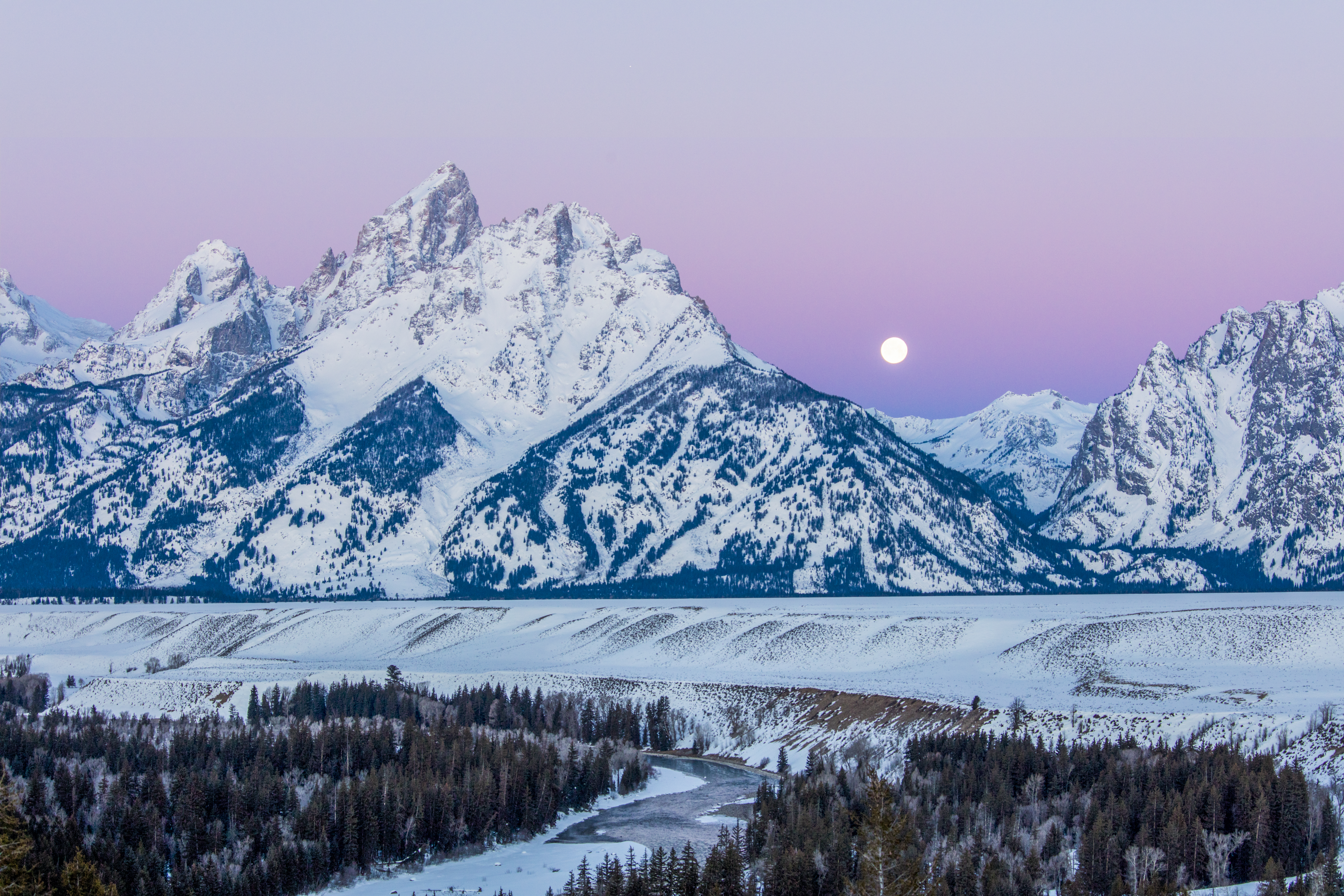
Nature photography doesn’t just reveal what’s beautiful—it reveals what’s at stake. In a world where attention is currency, imagery becomes one of the most powerful tools for conservation. Whether documenting wildlife, wilderness, or disappearing habitats, each image holds space for both wonder and warning.
As explored in our Wildlife Photography Gallery and posts on nature conservation, light becomes a witness. From polar bear portraits by Paul Nicklen to lush rainforest campaigns, imagery can shift public awareness, generate funding, and influence policy. This is fieldwork with a shutter—and it matters.
We’ve seen the power of visual storytelling in preserving places like Yellowstone and Grand Teton. And today, as discussed in Let Nature Be Thy Medicine, the act of preserving beauty is also preserving balance—ecologically, emotionally, and culturally. Photographers hold the power not just to frame a moment, but to protect it.
Ansel Adams and His Legacy
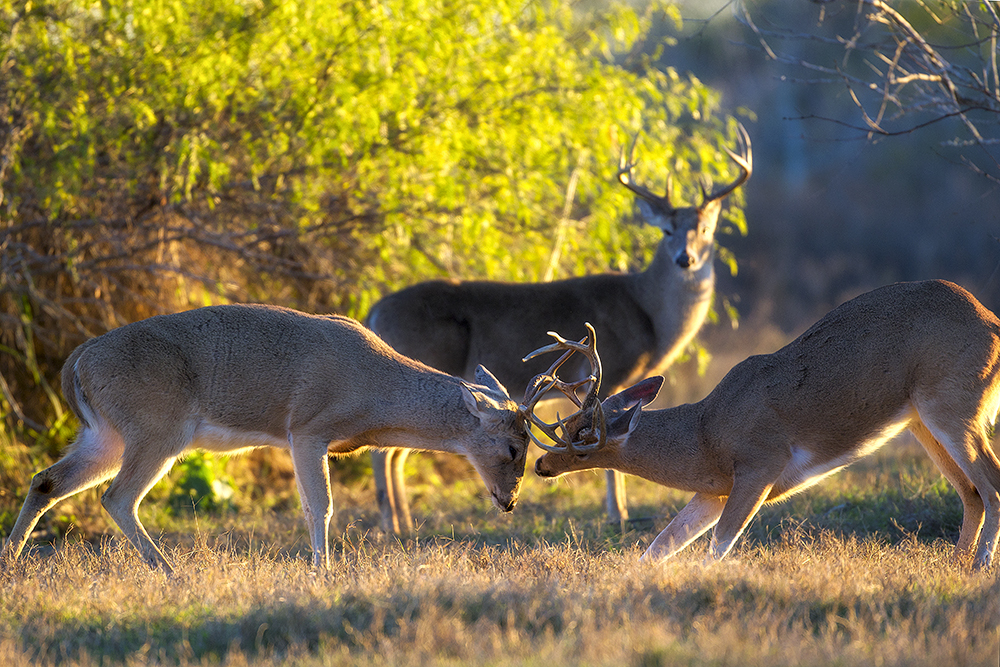
Ansel Adams didn’t just photograph landscapes—he gave them a voice. His high-contrast, zone-calibrated images of Yosemite, Grand Teton, and the American West shaped a national awareness of wilderness as sacred. Through the Sierra Club and visual advocacy, his work played a pivotal role in establishing national parks and defending them from development.
As explored in our Nature Philosophy series, Adams understood that light carries meaning. He mastered the Zone System not for precision alone, but to shape perception. Each frame was a field invitation—a call to remember Earth’s stillness, power, and worth.
Today, photographers like Robbie George continue that lineage. But the work has evolved—from documenting beauty to decoding its structure. Through explorations of photons, resonance, and ecological coherence, today’s nature photography doesn’t just preserve a landscape—it reveals its living intelligence.
The First True Nature Photographer
While Ansel Adams popularized nature photography as both art and activism, he was not the first to walk that path. Early visual pioneers like William Henry Jackson and Carleton Watkins carried large-format cameras deep into the American frontier to bring back proof of landscapes few had ever seen.
Their photographs of Yellowstone and Yosemite helped convince Congress to establish America’s first national parks. As shared in our Yellowstone blog, these early images weren’t just aesthetic—they were evidence. And their legacy echoes today in the work of photographers who still walk with reverence.
Robbie George continues that lineage, but through a modern lens of resonance, coherence, and quantum insight. His exploration of photons, water, resonance, and biomimicry turns every photograph into a signature of the field. As discussed in Honoring the Legacy, today’s nature photography is not only about preservation—but participation in Earth’s deeper dialogue.
Importance of Preserving Nature’s Beauty and Serenity
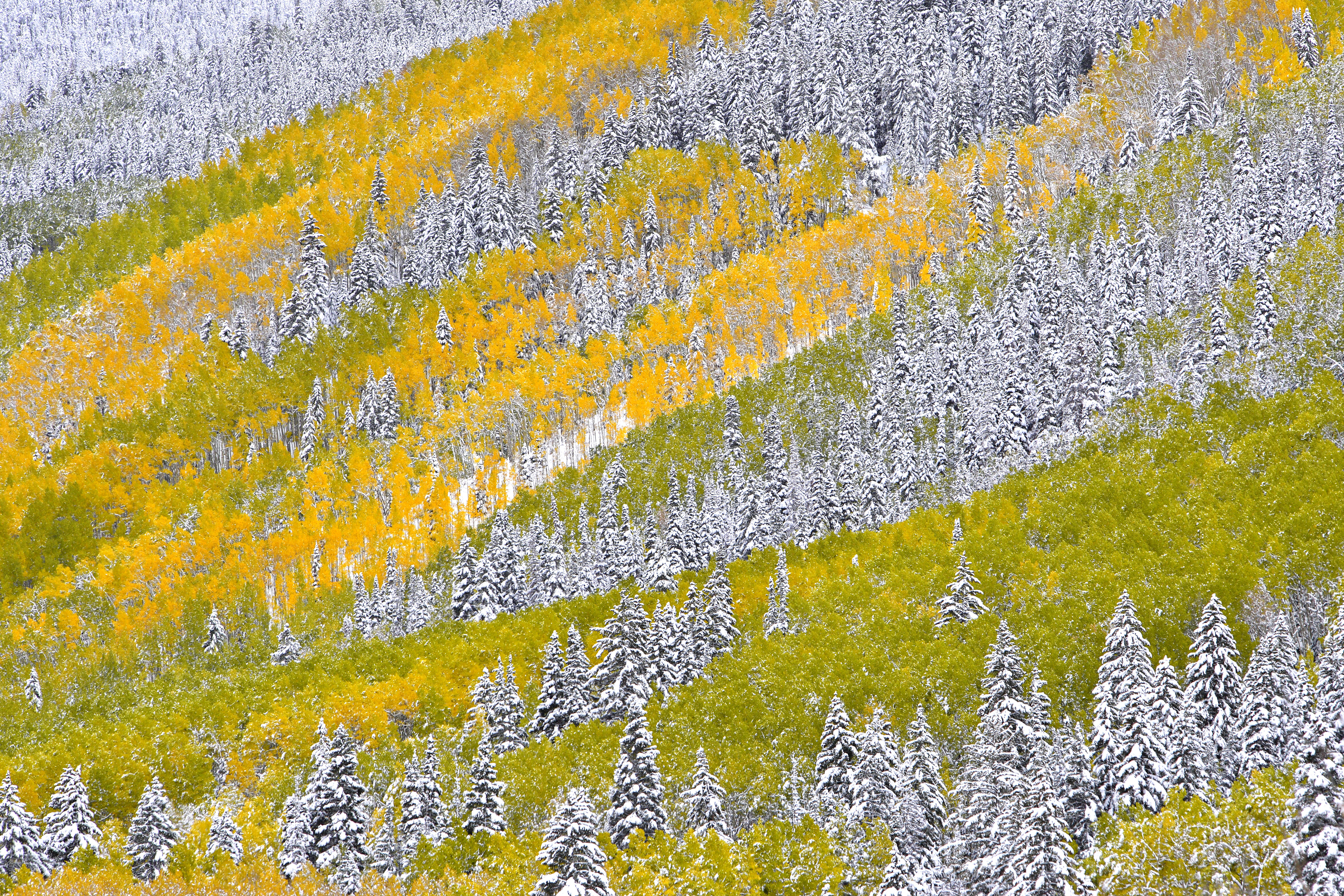
Nature’s serenity is not just something we admire—it’s something we require. The forests, rivers, and mountains don’t just give us beauty—they offer balance. In a world of overstimulation, the stillness of nature has become a necessity for human health and cultural continuity.
As explored in our post on Nature Deficit Disorder, time in natural settings reduces cortisol, improves mental clarity, and restores nervous system harmony. The tranquility we feel in a forest or by a stream is not a luxury—it’s a physiological recalibration. Nature is a healer, and its beauty is the frequency of restoration.
But nature’s value isn’t just medical—it’s spiritual and cultural. From Native American wisdom to Japanese shinrin-yoku, the natural world has always been a sacred teacher. Its silence holds lessons. Its patterns hold memory. And as we pass this reverence to our children, we ensure that future generations inherit not just landscapes—but meaning.
To preserve nature’s serenity is to preserve our sanity. It’s to protect our sense of wonder, our ancestral connection, and our ecological future. As explored throughout the Nature’s Healing Wisdom series, serenity is a shared inheritance. And protecting it is not only ecological—it’s ethical.
Conclusion: Final Thoughts and Call to Action
Nature photography isn’t just about beauty—it’s about presence. It’s a visual ceremony. A pause. A mirror. Through the lens, we are reminded of what matters: stillness, balance, and reverence. As explored in Captured Light, a photograph is more than an image—it’s a photon story, shaped by soul.
The legacy of photographers like Ansel Adams continues through those who use the camera not just to frame—but to protect. And today, in a time where both Earth’s beauty and serenity are under threat, we are called to do the same. As shared in Let Nature Be Thy Medicine, nature heals—and it needs our help to keep healing.
We invite you to explore more of our visual storytelling at Robbie George Photography. Whether you’re an artist, advocate, or admirer of the wild—your voice matters. Share your images. Tell your stories. Support conservation. And most of all, never forget: the Earth remembers who listens.
“To preserve serenity is to preserve the frequency of the soul.” ~ Robbie George
Explore More Nature’s Healing Wisdom
Dive deeper into the serene, healing field of nature with more photography reflections and conservation insights:
- Beautiful Pictures of Nature: A Visual Guide to Serenity
- Nature Deficit Disorder: Why Stillness Matters
- Awakening Your Senses to Nature’s Wonder
- Captured Light: How Photons Tell Nature’s Story
Or browse the full archive: Nature’s Healing Wisdom →
Naturepedia Connections
This article connects beauty, serenity, conservation, and well-being through the larger Naturepedia system—where landscapes, wildlife, ecosystems, and field observation are understood as part of one interconnected living world.
Explore Fine-Art Prints
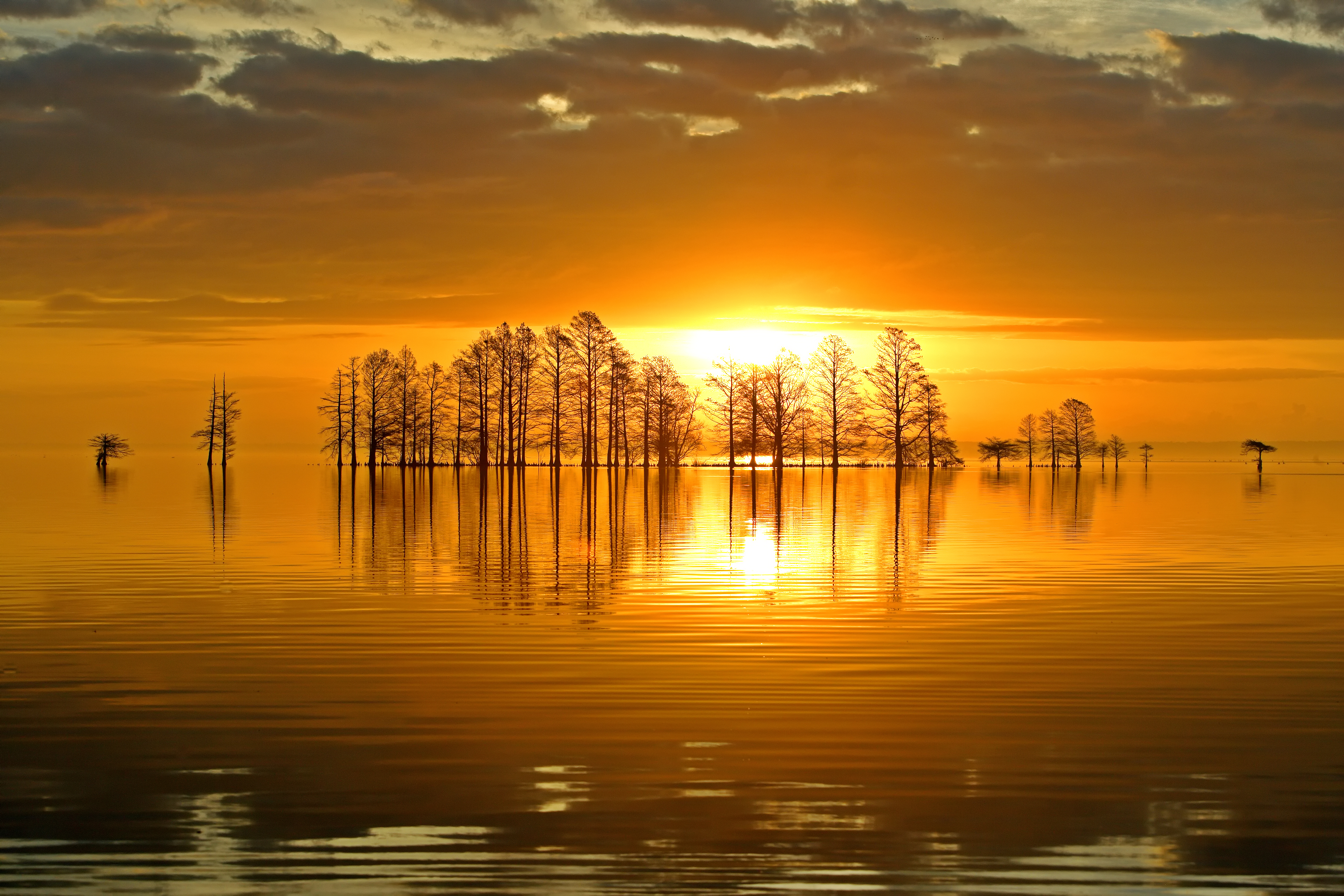
Bring the season home—browse Wildlife, Landscapes, and Seascapes by National Geographic–published photographer Robbie George. See framing, editions, and care on the Collectors page.
 Landscape
 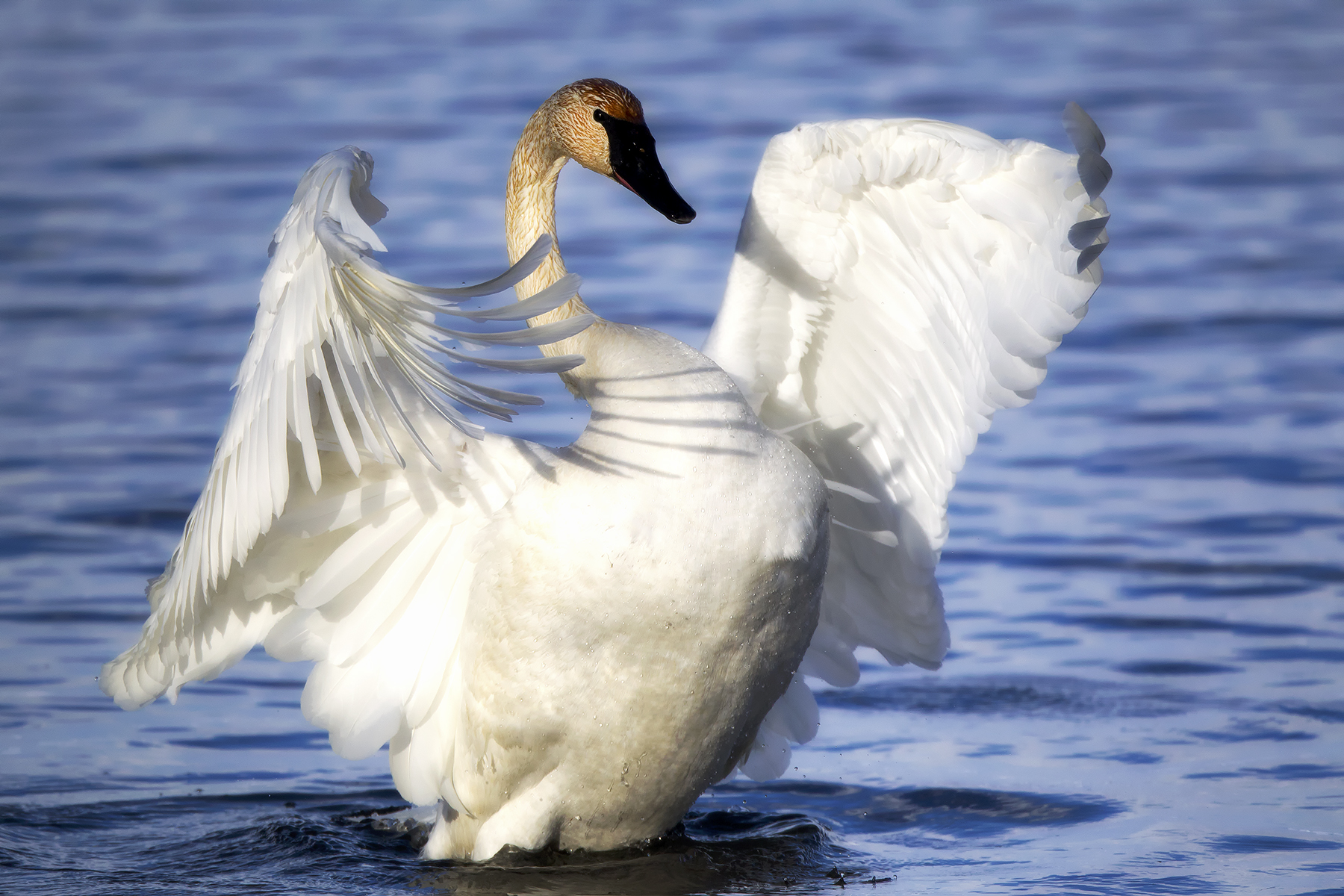 Wildlife
 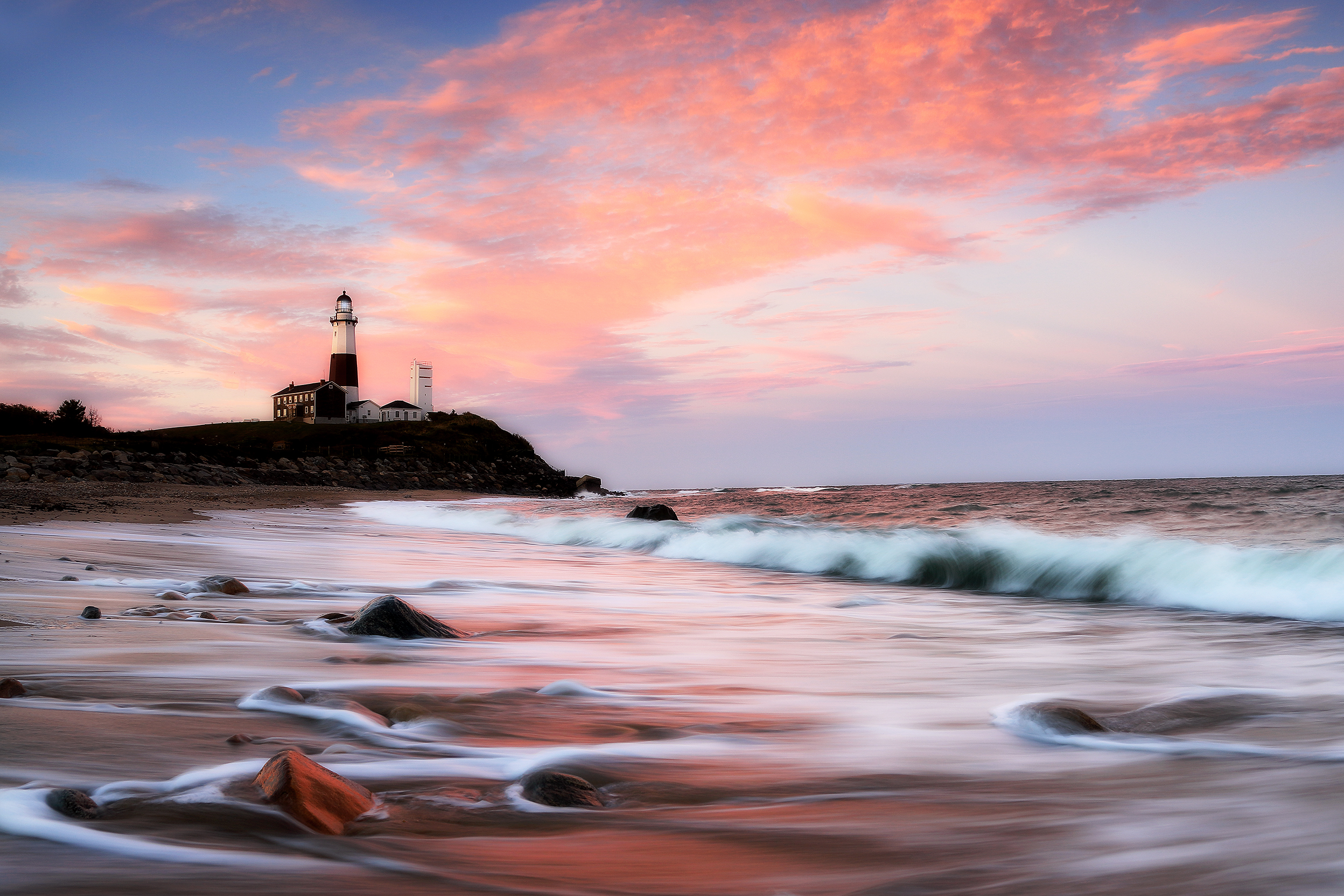 Seascapes
About Robbie George
Robbie George is a National Geographic–published photographer and resonant naturalist. His fieldcraft follows a simple ethic—distance first, habitat always— shaped by Slow Knowledge and the Signature Series.
Explore calm, undisturbed behavior in the Wildlife Gallery or plan your next trip with the Seasonal Wildlife Calendar, Golden Hour & Moon, and Photography Maps.
“Attention first, image second. The shutter is the period at the end of a sentence you learned by walking.”
Frequently Asked Questions About the Beauty and Serenity of Nature
1. Why is nature photography important for conservation?
Nature photography helps people see what is worth protecting. Strong images create emotional connection, raise awareness, and can support conservation work by making landscapes, wildlife, and habitats more visible to the public.
2. How did Ansel Adams influence conservation photography?
Ansel Adams used landscape photography to build public appreciation for wilderness. His images of the American West helped strengthen support for protecting natural places and shaped the role of photography in environmental advocacy.
3. What are the mental health benefits of spending time in nature?
Time in natural settings is linked to lower stress, improved focus, better mood, and mental restoration. Even viewing calming nature imagery can help people feel more grounded and relaxed.
4. Who were some of the earliest nature photographers?
Early photographers such as William Henry Jackson and Carleton Watkins documented American landscapes in ways that helped shape public understanding of places like Yellowstone and Yosemite.
5. How can I help preserve the beauty and serenity of nature?
You can help by supporting conservation, spending time learning local ecosystems, sharing responsible nature imagery, reducing disturbance in wild places, and encouraging others to value the landscapes and habitats around them.