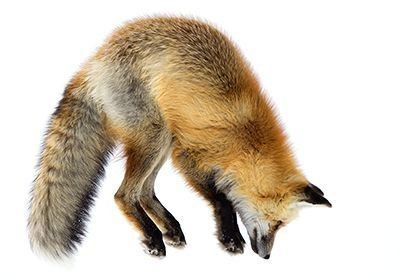

Exploring the Majestic Rocky Mountains: A Nature Photographer's Paradise
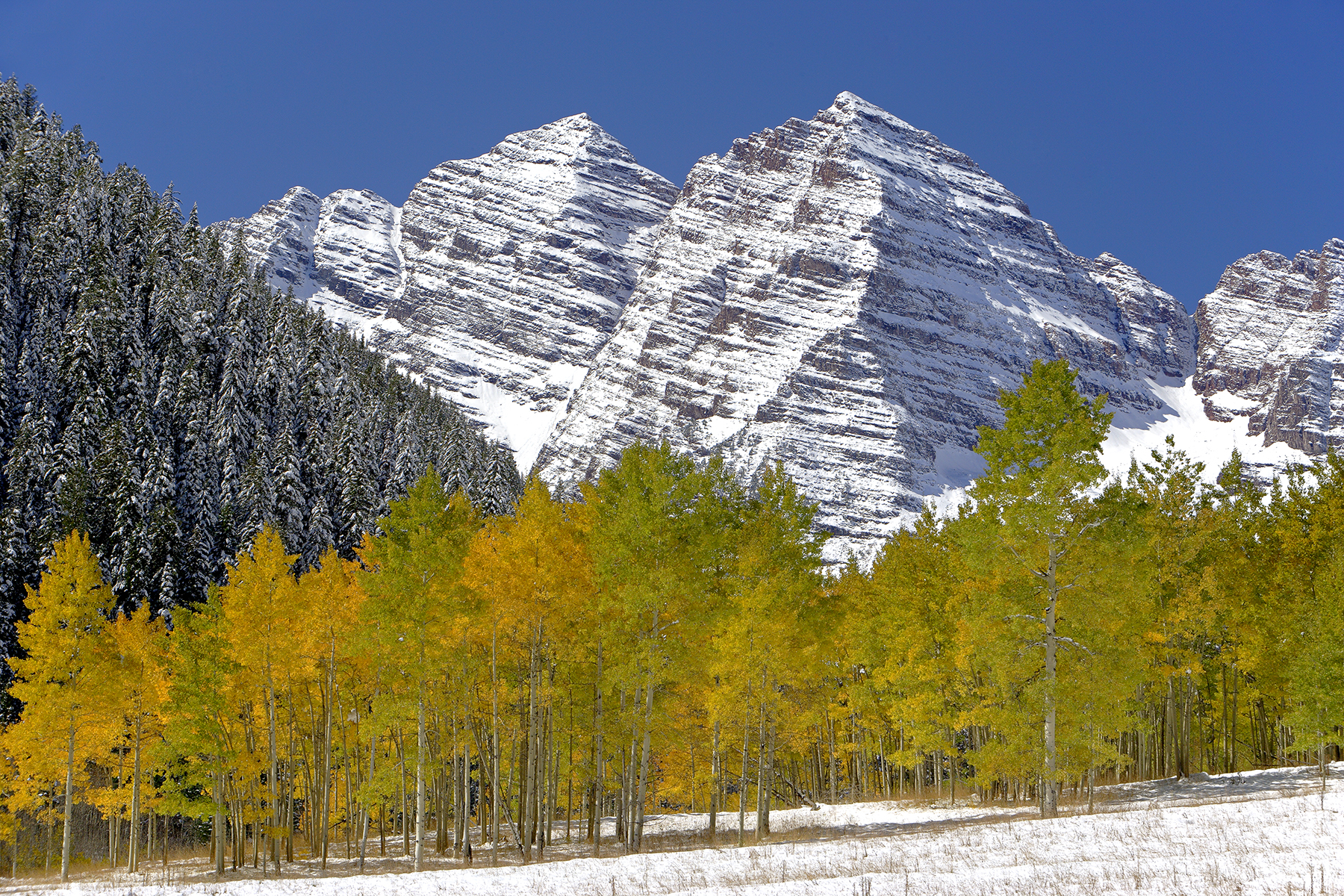
What It Feels Like in the Field
The first thing you notice in the Rockies isn’t the scale—it’s the rhythm. Wind moving across ridgelines. Light shifting through pine and cloud. The silence between sounds. These mountains operate on timing, not spectacle.
At elevation, everything changes. Elk move differently across open valleys. Thermals lift raptors into effortless flight. Snow holds tracks long enough to tell a story. You’re not just looking at a landscape—you’re watching a system in motion.
This is why the Rockies connect so deeply into wildlife systems and habitat zones. Every ridge, valley, and treeline creates a different behavioral environment. Once you see that, the mountains stop being scenery—and start becoming readable.
“The Rockies aren’t something you look at. They’re something you learn to read.”
Explore the Rocky Mountains Field Guide
Landscape System — Elevation, Stone, and Habitat in the Rockies
The Rocky Mountains work as more than a dramatic backdrop. In the field, what becomes obvious over time is that elevation controls almost everything. Light arrives differently on an open ridge than it does in a spruce forest. Snow lingers longer in shaded basins. Wind strips one slope bare while another holds moisture, cover, and movement. The land is constantly sorting life by height, exposure, temperature, and season.
That is what makes the Rockies such a powerful ecological system. Alpine tundra, subalpine forest, aspen groves, sage valleys, rivers, and wet meadows all exist in close relationship. A short change in elevation can create a completely different habitat pattern. For a photographer or observer, this means the landscape is never just scenery. It is structure. It tells you where animals feed, where they bed, where they travel, and where the light will describe that behavior best.
This is why the Rockies connect so naturally to Ecosystems of North America, Wildlife Habitats & Ecosystem Zones, and Wildlife Systems & Ecology. The mountains are not one habitat. They are a vertical stack of living conditions, each creating its own field behavior.
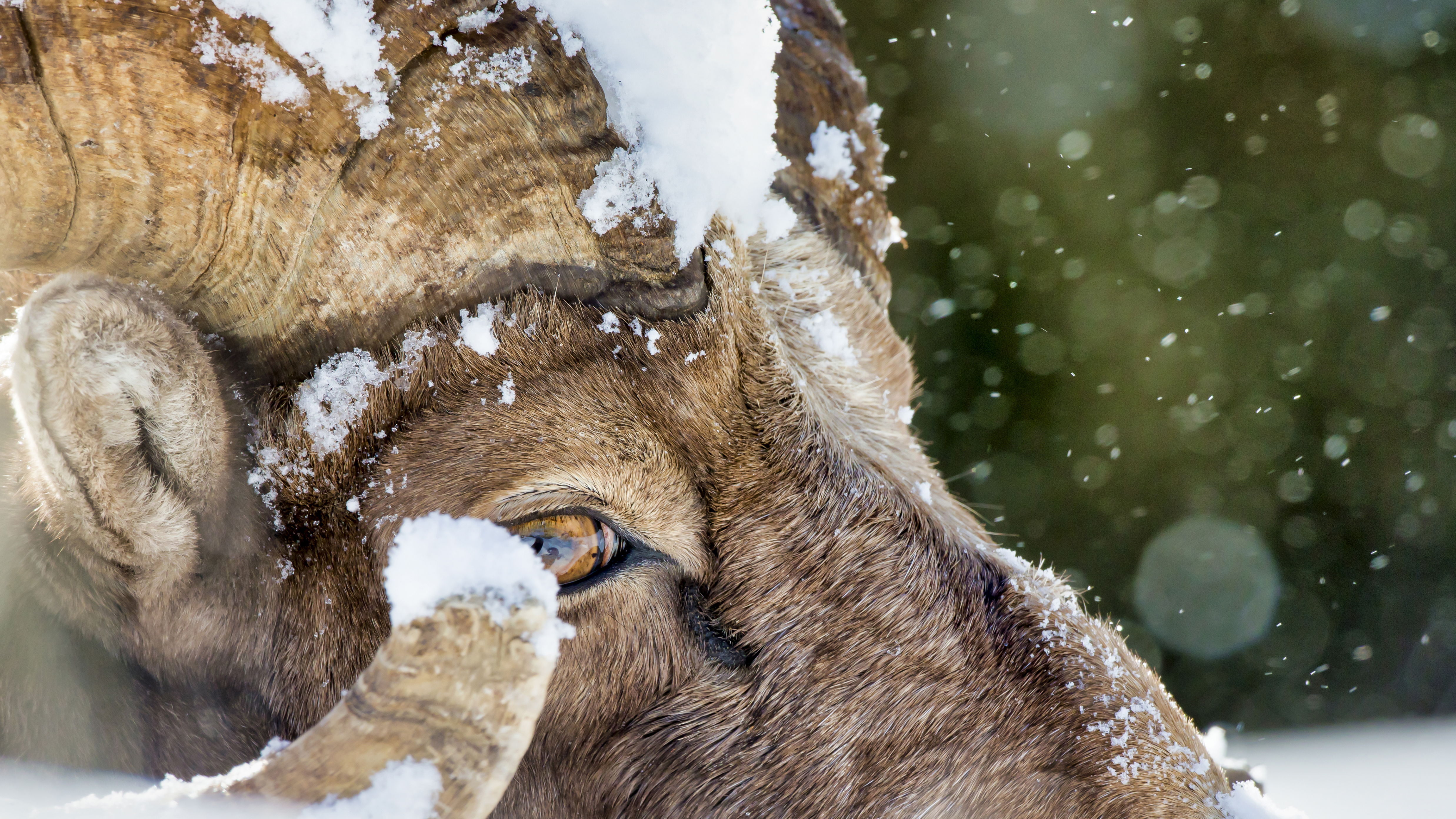
How the Land Organizes Life
When I’m in the Rockies, I pay attention first to terrain shape. Open slopes and cliff bands often hold species adapted to exposure and visibility, like bighorn sheep and mountain goats. Edge habitat—where forest meets meadow, or willow meets water—creates movement corridors for elk, foxes, bears, and birds. Aspen zones behave differently again, especially in autumn when color, cover, and ungulate activity all intensify together.
Water adds another layer. Snowmelt feeds streams, marshy pockets, and river bottoms that draw wildlife downward even when the surrounding terrain feels severe. In dry years, these wet lines matter even more. In cold months, south-facing slopes can hold more visible movement because they shed snow faster and open forage sooner. Every piece of the mountain changes what is possible for the animals living there.
Reading the Rockies as a Field System
The mistake is to think of the Rockies as one thing. They are better understood as a chain of linked environments. Ridge to basin. Timberline to valley floor. Snowpack to runoff. Rock face to meadow edge. Once you start seeing those transitions, the whole place becomes more readable. You begin to understand why one drainage holds morning wildlife movement, why one ridgeline catches first light, and why one patch of habitat feels alive while another stays quiet.
That reading process is at the heart of good field photography and good ecological awareness. It is also what connects this location page to the broader Naturepedia system. The Rockies are not simply a beautiful mountain range. They are a living elevation-driven habitat network where geology, weather, light, and animal behavior are constantly shaping one another.
Wildlife & Behavior — How Animals Use the Rocky Mountain System
What makes the Rockies so compelling in the field is that animal behavior is rarely separate from terrain. Movement is shaped by slope, snow depth, tree cover, forage, water, and distance from pressure. You do not just find wildlife here by scanning for animals. You find them by learning how the mountain organizes their choices.
Elk use open valleys, meadow edges, and timber transitions differently depending on season and time of day. Elk often step into visible openings in early light, then drift back toward cover as thermals rise and activity builds. Bighorn sheep and mountain goats use exposed ground, elevation, and escape terrain in ways that make perfect sense once you stop seeing cliffs as empty space and start seeing them as security.
Predators reveal even more about the system. A wolf, lion, fox, or bear is never just moving randomly through scenery. Each is reading opportunity—travel corridors, scent, cover, wind, prey movement, and terrain advantage. That is why the Rockies connect so strongly into Wildlife Behavior & Ecology, Food Webs & Ecological Relationships, and Wildlife Conservation & Habitat. Behavior here is inseparable from place.
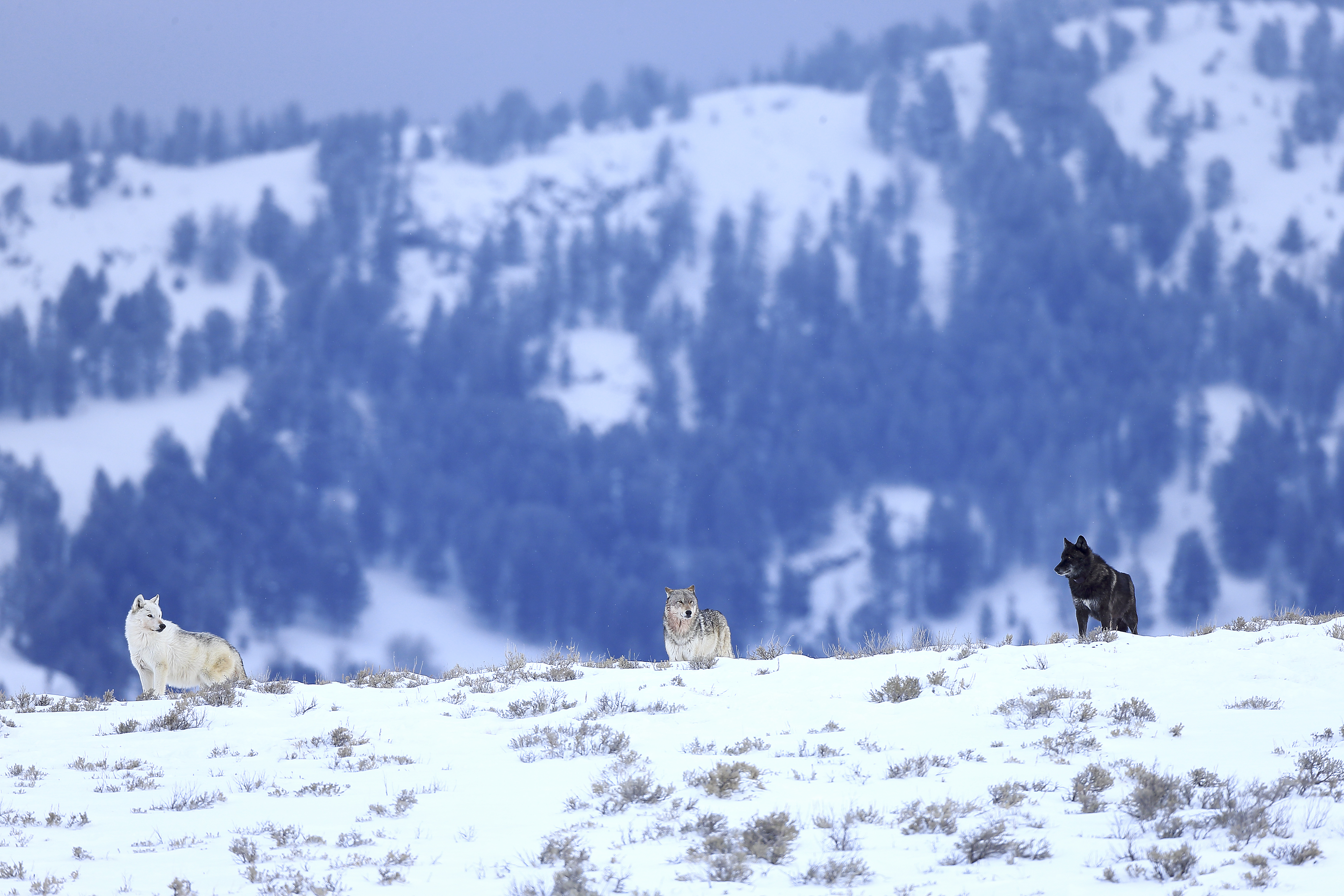
Watching the Field Instead of Chasing the Subject
One of the biggest lessons the Rockies teach is patience. Wildlife often appears first as a pattern before it appears as an animal. A line of elk in distant grass. Ravens circling above a carcass. A fox crossing the same edge at first light. A sudden silence in a drainage. If you stay still long enough, the field starts speaking in advance.
That is especially true with predators. Gray wolves use open ground, ridges, and valley bottoms differently depending on visibility, prey behavior, and weather. Red foxes may work edges more delicately, using broken cover and transitional habitat. Even birds of prey read the same system from above, using thermal lift, ridgeline wind, and open hunting lanes. When you understand the habitat, the behavior begins to make sense.
Why Wildlife Observation Here Demands Distance
The Rockies are one of the best places in North America to experience large mammals in meaningful habitat, but that only remains true if people hold their distance. Good field practice means letting the animal keep its route, pace, and attention. Long lenses matter here not just for photography, but for ethics. The goal is not to get closer. The goal is to witness more honestly.
That same ethic runs through Wildlife Observation & Field Techniques and the broader Wildlife layer of your site. In the Rockies, the most rewarding encounters usually happen when you stop trying to force the moment and allow behavior, habitat, and timing to come together on their own.
“In the Rockies, wildlife reveals itself through pattern first, presence second.”
Seasonal Timing — How the Rockies Change the Field
If there is one thing that defines the Rocky Mountains more than anything else, it’s timing. The same valley, ridge, or forest can feel completely different depending on the season. Snow depth, light angle, vegetation, and animal movement all shift together. What you see—and what is possible—changes month by month.
This is why the Rockies are best understood through Seasonal Wildlife Calendar and Nature’s Seasons. Wildlife behavior, photography conditions, and access are all tied to these cycles. Miss the timing, and the mountains can feel empty. Hit it right, and everything comes alive at once.
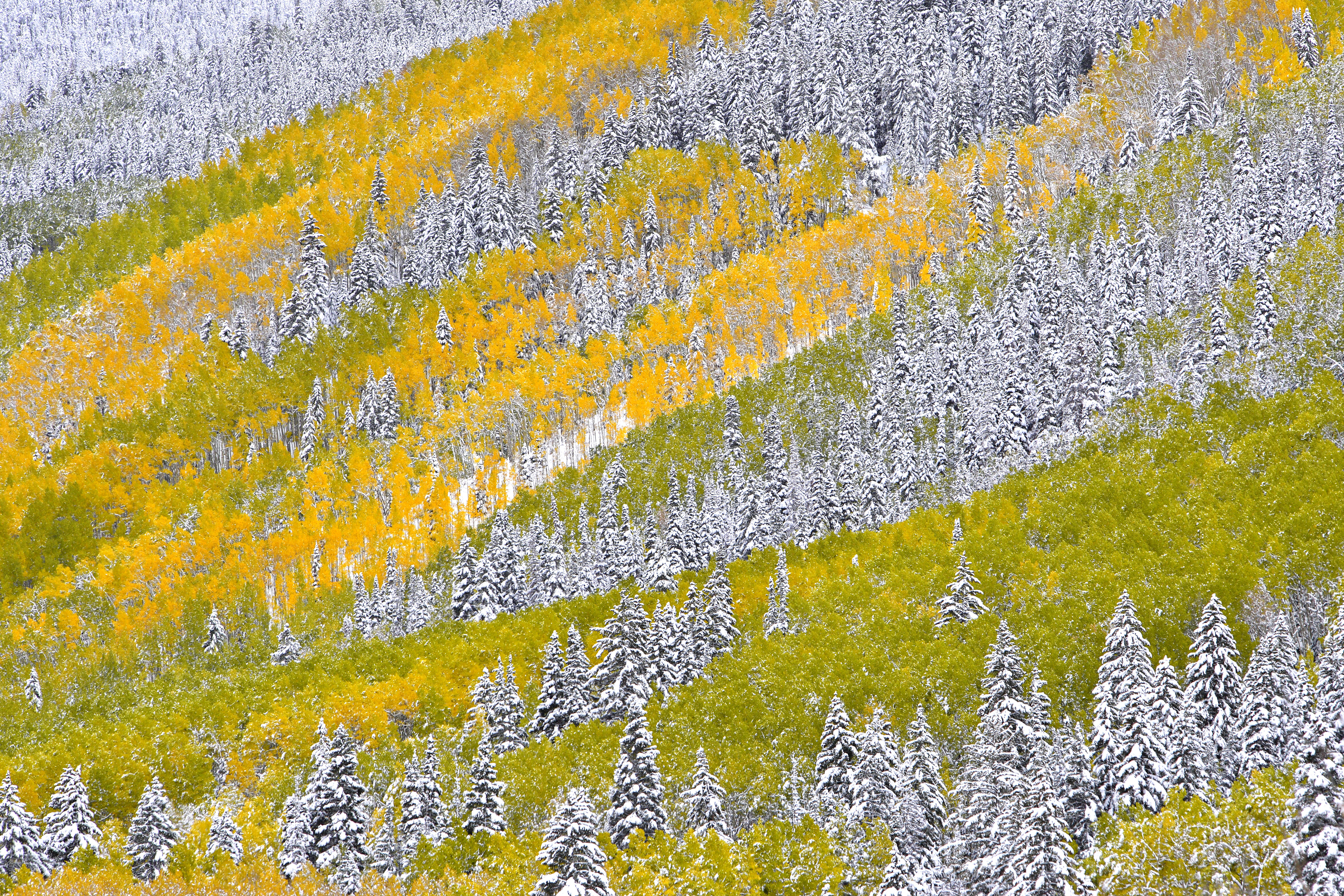
Autumn — The Peak of Movement and Light
Autumn is when the Rockies become fully expressive. Aspen groves turn gold, elk enter the rut, and light drops lower across the landscape, creating contrast and depth. This is one of the most active periods for wildlife observation and one of the most visually powerful times for photography.
Behaviorally, animals are moving with purpose—feeding, competing, preparing. Landscapes are transitioning quickly. Every morning feels slightly different from the last. Timing here can change within days, not weeks.
Winter — Stillness, Tracks, and Visibility
Winter simplifies the landscape. Snow removes visual noise and reveals structure—tracks, movement patterns, travel corridors. Wildlife often concentrates in lower elevations where survival is more manageable. For observation, this can be one of the most revealing seasons.
Light becomes softer, shadows longer, and the entire environment quieter. The mountains feel less crowded, and behavior becomes easier to read if you slow down enough to notice it.
Spring — Transition and Return
Spring is a moving target. Snow recedes unevenly. Water systems come alive. Wildlife begins to redistribute across elevation bands. It’s less predictable, but full of subtle opportunities—especially around water, emerging vegetation, and edge habitat.
Summer — Access and Elevation
Summer opens the high country. Alpine terrain becomes accessible, wildflowers emerge, and long daylight hours create extended shooting windows. Wildlife spreads out more, often requiring more intentional positioning and understanding of terrain.
Each of these seasons connects directly into Wildlife Migration & Seasonal Patterns. The Rockies are not static—they are a moving system across time. The more you align with that timing, the more the mountains reveal.
“In the Rockies, timing isn’t helpful—it’s everything.”
Locations & Field Strategy — Where the Rockies Become Readable
The Rockies are too large to approach as one place. In the field, I break them down by terrain type and behavior patterns. Broad valleys reveal movement. Edges hold interaction. High ridgelines expose light and weather. Forest transitions create layered habitat. What matters most is not the destination—it’s how the land is functioning when I arrive.
Over time, I’ve come to think of the Rockies in zones. The Colorado Rockies reward familiarity and repeated return. The Tetons offer clean structure, light, and visible wildlife corridors. Yellowstone-connected valleys reveal full ecosystem behavior—predator, prey, and movement across open terrain. Farther north, the Canadian Rockies shift into glacial structure, colder tones, and a different kind of scale. Each zone teaches something different about how mountains organize life.
That is why I connect this page outward into the larger system—into Wildlife Observation Locations in North America, and deeper into places like Grand Teton Wildlife Guide, Yellowstone Wildlife Guide, and National Parks & Wildlife Refuges Guide. The Rockies are not one destination—they are an entry point into a network of field systems.
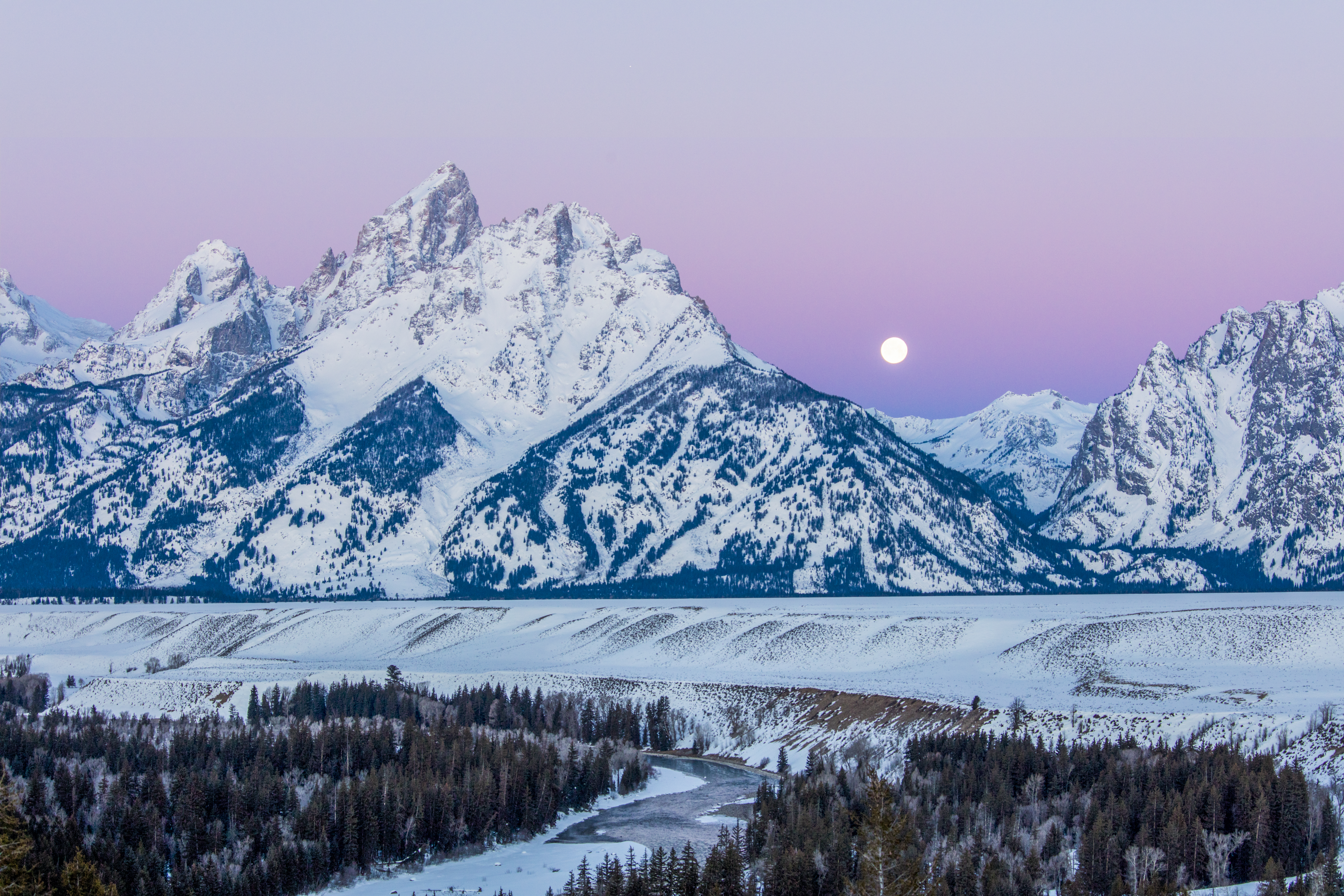
Positioning in the Field
What consistently matters most in the Rockies is positioning. I look for edges—meadow to timber, river to willow, ridge to basin. These transitions concentrate movement and make behavior more visible. They also create stronger compositions because the landscape itself begins to explain the subject.
In my own fieldwork, I rely on tools like the Nature & Wildlife Photography Maps, the Golden Hour & Moon Phase Planner, and the Field Tools hub to align terrain, light, and timing. These aren’t shortcuts—they’re ways of seeing the system more clearly.
Mapping the Rocky Mountain System
A broad map helps orient the range, but what matters in the field is reducing scale—from mountain range, to subrange, to drainage, to meadow edge, to the exact line where light and behavior meet. That narrowing process is where the Rockies become readable.
That approach follows the same structure I use across every location: place first, then movement, then behavior, then system. The mountains don’t reveal themselves all at once—they reveal themselves in layers.
“The Rockies open up when I stop asking where to go and start reading how the land is working.”
Planning & Field Ethics — Moving Through the Rockies with Awareness
Every time I enter the Rockies, I’m stepping into a system that is already working. Wildlife is moving with purpose. Weather is shifting on its own rhythm. Light is unfolding whether I’m ready or not. Good planning, in this environment, isn’t about control—it’s about alignment.
I plan around conditions, not expectations. Elevation, weather windows, seasonal timing, and terrain all matter more than any single location. Some days the mountains open up. Other days they don’t. Accepting that variability is part of working honestly in a place like this.
Distance Creates Better Observation
One of the most important lessons I’ve learned in the Rockies is that distance improves everything. Animals behave more naturally. Movement patterns become clearer. The scene holds together in a more honest way. The instinct to move closer usually breaks the moment instead of improving it.
A long lens becomes less about magnification and more about respect. It allows the behavior to continue without interruption. It keeps the observer outside the system instead of pushing into it. That separation is what makes real observation possible.
Let the Field Lead the Experience
The best moments I’ve experienced in the Rockies were never forced. They came from staying in one place long enough for the system to reveal itself—watching how light shifts across a slope, how animals enter and leave an area, how wind changes direction across a ridge.
That approach connects directly to Wildlife Observation & Field Techniques and Wildlife Conservation & Habitat. Observation improves when presence becomes quieter and more patient.
Responsibility in a Living System
The Rockies still hold large, functioning ecosystems, but that balance is not guaranteed. Pressure—whether from proximity, noise, or repeated disturbance—changes animal behavior over time. Even small interactions can shift how wildlife uses a landscape.
Moving through these mountains with awareness means recognizing that every action has an effect. The goal is not just to experience the Rockies—it’s to leave them functioning the same way they were before arriving.
“The less I interfere with the system, the more it reveals.”
Naturepedia Connection — The Rocky Mountains as a Living System
The Rockies make the larger Naturepedia structure easy to see because so many relationships are visible at once. Habitat changes quickly with elevation. Wildlife behavior shifts with slope, cover, snowpack, water, and season. Light changes the way the land is read, and the land changes the way animals move through it. In one mountain system, I can watch geology, weather, ecology, and behavior all shaping one another in real time.
That is why the Rockies are more than a location page. They function as a living bridge into Naturepedia itself. They connect directly into Ecosystems of North America, Wildlife Behavior & Ecology, Wildlife Habitats & Ecosystem Zones, and Wildlife Conservation & Habitat. The mountain range becomes a readable ecological node inside the larger knowledge system.
Habitat, Behavior, and Elevation
In the Rockies, elevation is one of the clearest organizing forces. Open alpine ground, subalpine forest, willow bottoms, river corridors, sage valleys, and aspen slopes all create different behavioral conditions. A bighorn sheep on exposed terrain, an elk crossing a meadow edge, or a fox working a snowline are all responding to habitat structure first. This is exactly the kind of relationship that sits at the heart of the Wildlife Systems & Ecology layer.
Season and Ecological Timing
Season changes everything here. Snowpack compresses movement into lower terrain. Autumn increases visibility, color, and animal activity. Spring opens water systems and redistributes life upslope. Summer expands access but also spreads activity across a broader range. That is why this page belongs in constant dialogue with Seasonal Wildlife Calendar, Nature’s Seasons, and Wildlife Migration & Seasonal Patterns. Timing is not secondary in the Rockies. It is part of the structure.
Species Pathways Through the Mountain System
This location also connects outward into specific species pages and wildlife categories. The Rockies are strong habitat for Mammals of North America, including species such as elk, bighorn sheep, mountain goats, grizzly bears, and gray wolves. Raptors and mountain birds extend that reading upward into the Birds of Prey and broader wildlife layer as well.
Conservation as a System Relationship
The Rockies still support some of the most intact large-landscape ecological relationships in North America, but only because habitat, migration pathways, predator-prey dynamics, and protected ground still hold together across scale. That makes conservation here bigger than any one species. It is about keeping the entire system functional. In that sense, the Rockies are one of the clearest real-world expressions of the relationships explored across Keystone Species & Trophic Cascades, Biodiversity & Ecosystem Balance, and Food Webs & Ecological Relationships.
Seen this way, the Rockies are not just a mountain range and not just a field destination. They are a living system page—one that ties geography, season, wildlife, and conservation into a form that can be observed directly and connected across the rest of the site.
“The Rockies teach the larger system by making relationships visible.”
Rocky Mountains FAQ
When is the best season to observe and photograph the Rockies?
In my experience, autumn is often the most expressive season because color, wildlife movement, and angled light come together at once. Winter is strongest for tracks, structure, and lower-elevation wildlife visibility. Summer opens the high country, while spring is more transitional and water-driven.
Where do I find the strongest wildlife activity in the Rockies?
I usually find the clearest activity around edges and transitions—valley floors, meadow-to-forest boundaries, river corridors, willow bottoms, and open slopes near cover. The exact location changes with season, snow depth, forage, and time of day, but the land usually signals where movement is most likely.
What camera gear matters most in this mountain system?
I rely most on a long lens, a wide-angle option, stable support, weather protection, and patience. The long lens matters because it preserves distance and lets behavior unfold naturally. The wide-angle lens matters when terrain, weather, and light become the subject.
Why does distance matter so much with Rocky Mountain wildlife?
Distance protects behavior. The farther back I stay, the more honest the observation becomes. Animals keep their route, rhythm, and awareness on the landscape instead of on me. That usually leads to better field experience and better photographs at the same time.
How do the Rockies connect into the larger Naturepedia system?
The Rockies make the larger system visible through direct relationships: elevation shapes habitat, habitat shapes behavior, season reshapes movement, and conservation depends on keeping those relationships intact. That is why this page connects naturally into ecosystems, wildlife behavior, seasonal timing, species pages, and conservation pages across the site.
What makes the Rockies different from other wildlife and landscape locations?
What stands out to me is how quickly everything changes with elevation and exposure. In a relatively short distance, the land can shift from valley meadow to conifer forest to alpine terrain, and each zone changes what wildlife does, how light behaves, and how the whole field reads.
About Robbie George
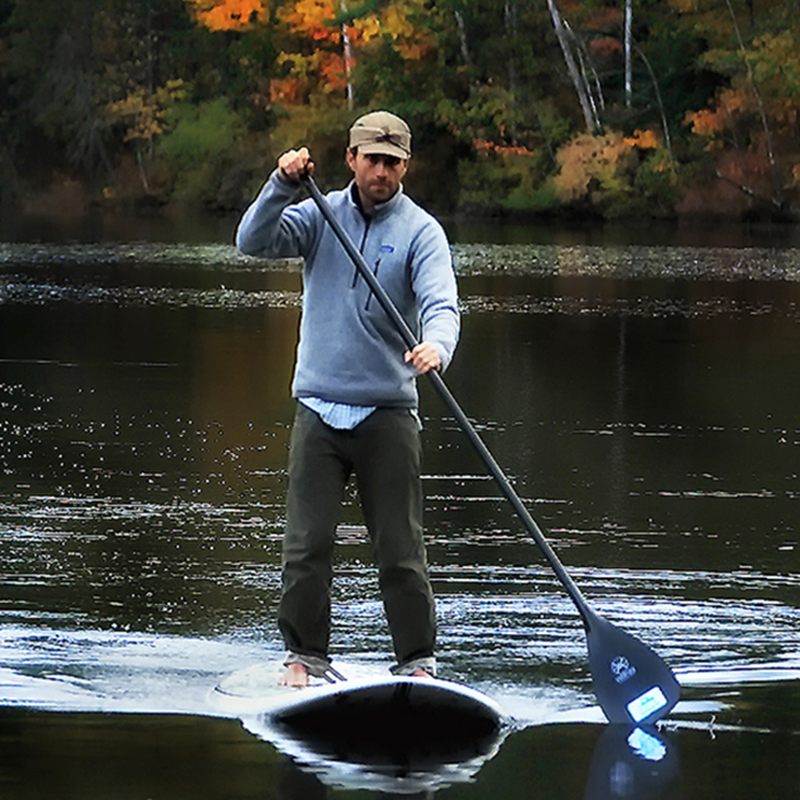
I’m Robbie George, a National Geographic–published nature photographer. My work is built from time in the field—returning to the same places across seasons, watching how light changes, how wildlife moves, and how landscapes reveal themselves over time.
The Rocky Mountains are not just a place I’ve photographed—they’re where I learned how to see. Growing up in Colorado shaped how I read terrain, how I understand wildlife behavior, and how I approach photography as observation first, image second.
That same field-based approach connects directly into Naturepedia, where individual locations link outward into ecosystems, species, behavior, and seasonal systems. The goal is to make each place readable—not just visually, but ecologically.
The images from the Rockies and beyond are part of my Landscape Photography and Wildlife Photography galleries, where moments from the field are preserved as finished work.
For planning and field alignment, I continue to use tools like the Seasonal Wildlife Calendar, Golden Hour & Moon Phase Planner, and the Field Tools system to stay aligned with light, timing, and behavior.
“Attention first. The image comes later.”