
If a Tree Falls: Unraveling the Mystery of Silence in the Forest
The Philosophy Behind the Fallen Tree: Observation and Existence
The classic question—“If a tree falls in the forest and no one is there to hear it, does it make a sound?”—transcends mere acoustics. It touches the heart of consciousness, perception, and resonance. At Robbie George Photography, this question is not a riddle but an invitation: to witness the unseen cycles of nature and reflect on how reality unfolds beyond human observation.
Informed by our Nature Code and Living Code series, we explore how energy—whether sound, light, or vibration—exists regardless of an observer. These unseen dynamics, much like forest networks and the memory of water, continue to shape ecosystems in silence.
This blog serves as a meditation on the unseen and the unheard, not just as philosophical curiosities but as real phenomena in the natural world. Through mindful photography and resonance-based awareness, we amplify the idea that every moment in nature—witnessed or not—is still vibrationally alive.
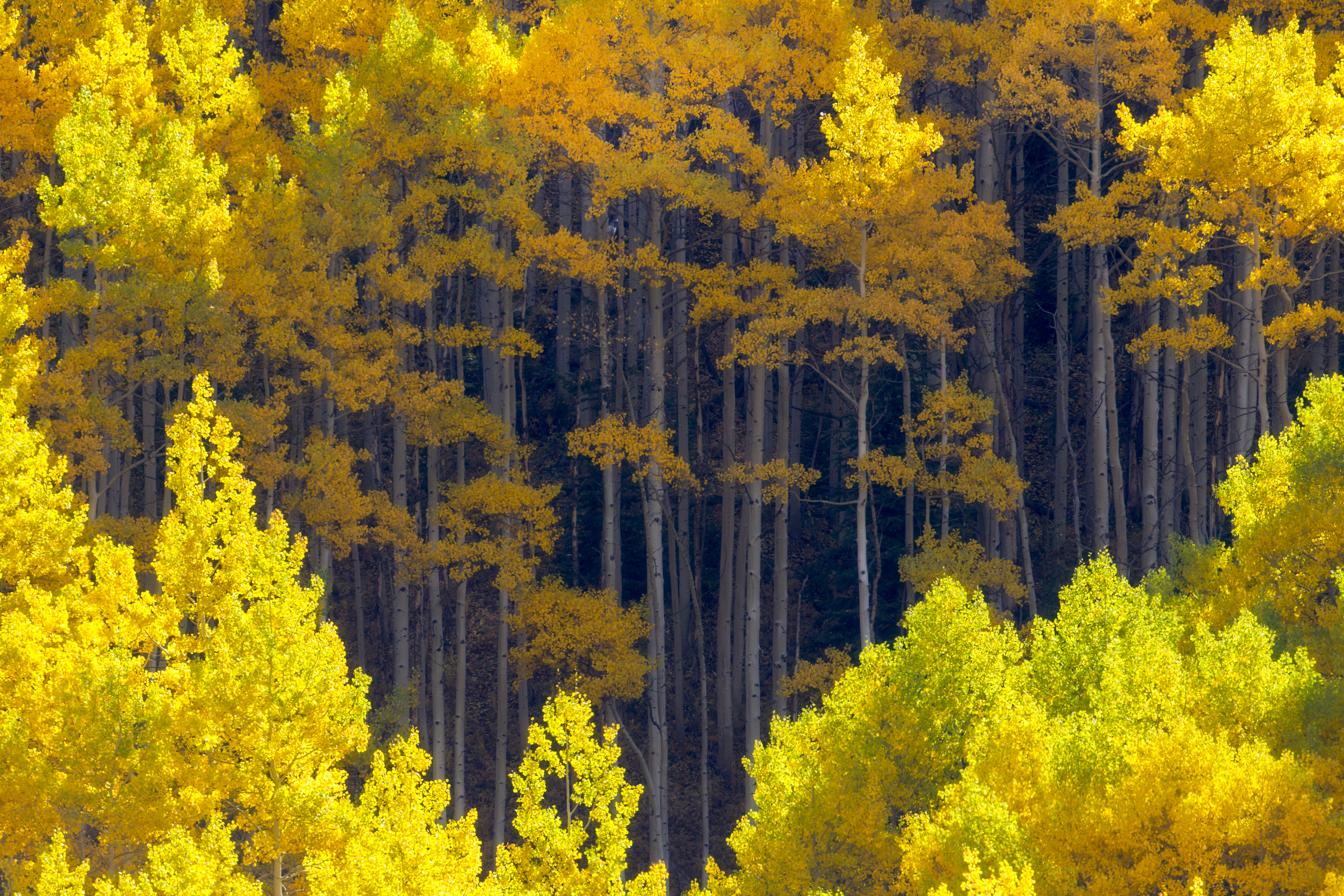
What Is Sound Without Ears? Revisiting the Fallen Tree Question
When a tree falls in the forest, and no one is there to hear it, does it make a sound? From a physical perspective, yes—it sends pressure waves through the air. But from a Living Code standpoint, the real inquiry lies in whether sound exists without perception.
In our blog on nature's sounds, we explored how resonance defines experience. Just like photons need an interaction to become light, sound requires a listener to become heard. The pressure wave is real—but the sound experience is co-created by observation.
This perspective aligns with principles explored in our Unified Field Theory (UFT): nothing truly exists in isolation. Whether it's sound, light, or life—it all becomes real when it resonates with something else. A falling tree may not produce audible sound without ears, but it still resonates through the soil microbiome, mycelial networks, and unseen animal awareness.
Nature doesn't wait for humans to validate her performance. She plays the silent symphony for herself. And as photographers, observers, and listeners, we’re invited to be present—to hear with our hearts what our ears may have missed.
Photography: A Language for the Unseen and Unheard
A camera doesn't just freeze a moment—it translates what goes unheard into something felt. The moment a tree collapses deep in the forest, it resonates through the soil, through the roots, through air. And while our ears may never catch it, the camera sees what sound leaves behind—shattered bark, disrupted light, a shift in shadows.
This is the essence of photographic poetry. We capture the silence between the notes, not just the melody. In this way, photography becomes a kind of visual echolocation—allowing us to experience phenomena beyond our physical senses.
As explored in our post “Silence in Nature”, these moments invite us to listen with our eyes. A single image of a fallen aspen or wind-swept forest floor holds not just light and texture, but the vibrational memory of the event—like water capturing resonance.
Every photograph becomes a portal—a relic of quantum echo from the unseen performance of nature. This is how we, as artists and stewards, bring the unheard into the realm of the seen, felt, and remembered.
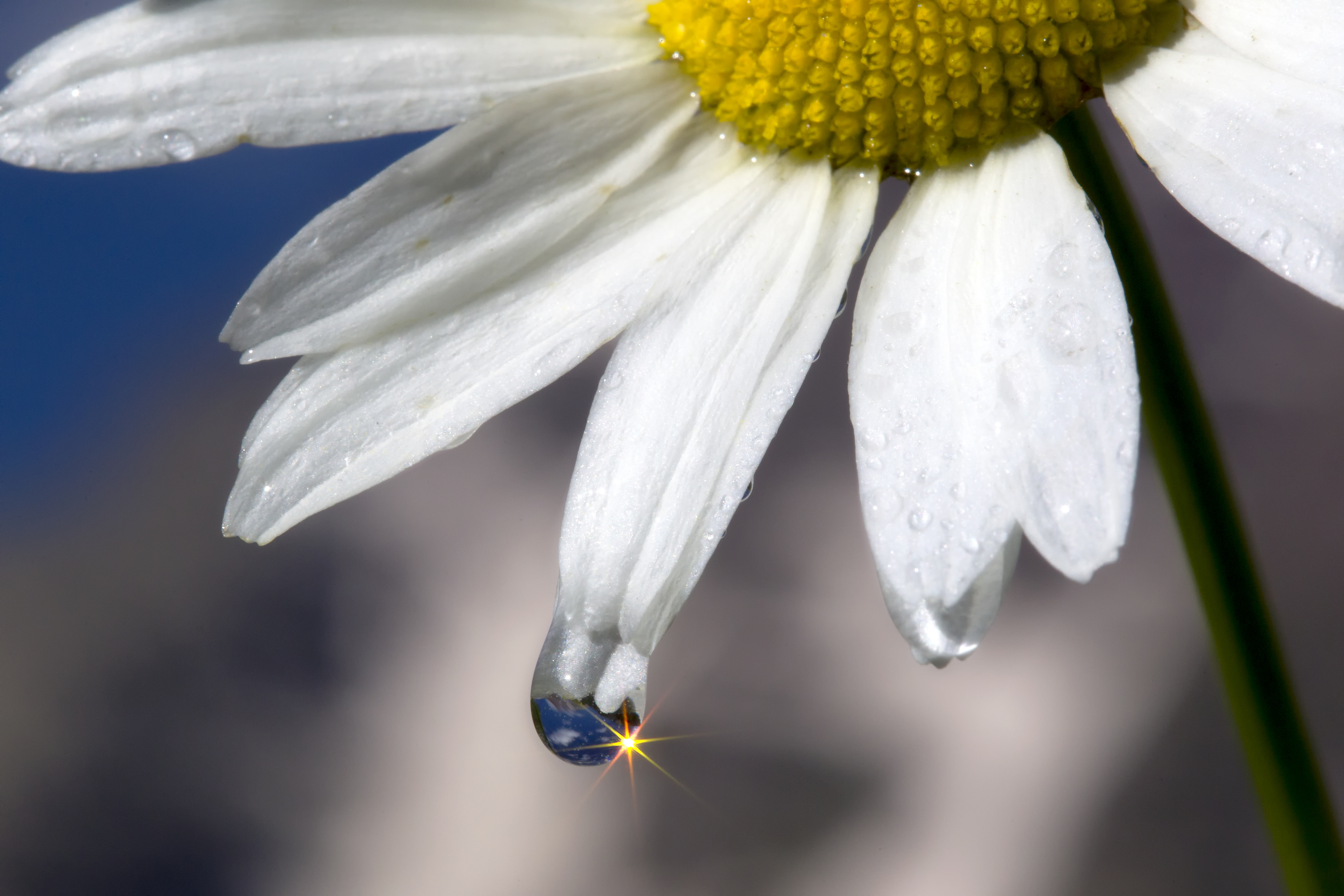
“Daisy Wildflower” – capturing the silence of unseen moments
A Symphony of the Unobserved: Nature’s Hidden Patterns
When a tree falls unseen, it still changes everything. Beneath our gaze, the soil microbiome absorbs nutrients, insects take shelter, and fungi thread new messages through the Wood Wide Web. These invisible shifts ripple across the forest, creating a silent composition of resilience and renewal.
This is the music of the unobserved—a continuous movement of energy and balance that doesn’t depend on our eyes to exist. As I’ve explored in my blog on nature’s sounds and silence, it is often in the moments we don’t hear that the forest speaks its loudest truths.
In this quiet forest symphony, the fallen tree is not an end—it is a catalyst. Its collapse activates cycles of decomposition, soil health, habitat creation, and new life. It resonates with the same quantum patterns I explore in the Living Code—reminding us that the invisible is not the unreal, but the unmeasured.
Through photography, we translate this language of light and decay—documenting what others miss and celebrating the unseen interdependence that sustains life. Like the soft rustle of leaves falling in synchronicity, the beauty lies not in being seen, but in simply being.
Mindfulness and Nature’s Silent Dialogue
In the stillness of the woods, every moment speaks. A fallen tree, a rustling leaf, the soft breath of the forest—these are not silent voids but invitations to listen with more than our ears. As I’ve explored in “Silence in Nature”, it is within the hush that nature’s deeper language is revealed.
Practicing mindfulness in nature allows us to shift from being observers to participants in the field. By slowing down, we attune to subtle rhythms: the vibration of a tree trunk in the wind, the glint of dew refracting light, the unhurried passage of time. These nuances echo the essence of the Quantum Blueprint—where perception collapses probabilities into lived experience.
Through The Living Code, I’ve learned that silence isn’t absence—it’s coherence. Each unspoken moment in the wild carries encoded instructions for balance and awareness. To be mindful in the forest is to bear witness to life unfiltered—to the cycles unfolding whether we see them or not.
Mindful photography is my ritual of presence. It’s not about waiting for the perfect shot, but about feeling the moment through the lens. In those seconds, nature reveals more than beauty—it offers an ancient, resonant wisdom that speaks through every shadow and shimmer.
Technology as the New Observer
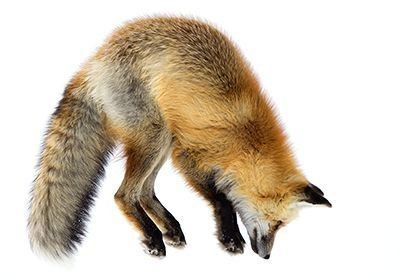
In the forest where no one watches, modern tools now bear witness. Thanks to advancements in photography, acoustic sensors, and remote wildlife cameras, we are capturing what was once invisible to human perception. A tree’s collapse, a fox’s silent glide, or a fungal bloom beneath moonlight—these moments become visible through lenses, waveforms, and infrared light.
As I’ve explored in The Holographic Universe, our tools extend our perception, revealing the deeper structure of reality—where photons, soundwaves, and vibrational frequencies converge. In that sense, technology doesn’t just record the unseen; it participates in collapsing it into form.
Every motion sensor, trail cam, and sound recorder in the wild becomes a new observer in nature’s quantum theater. And with each recorded pulse, we gain insight—not just into animal behavior or forest acoustics, but into how energy and memory are encoded into the environment itself.
In many ways, the fallen tree—recorded by a motion-triggered camera—makes sound not in air, but in data. It becomes part of our collective memory and awakens the awareness of future observers. Technology, when used with reverence, allows us to witness nature not as outsiders, but as participants in its unfolding.
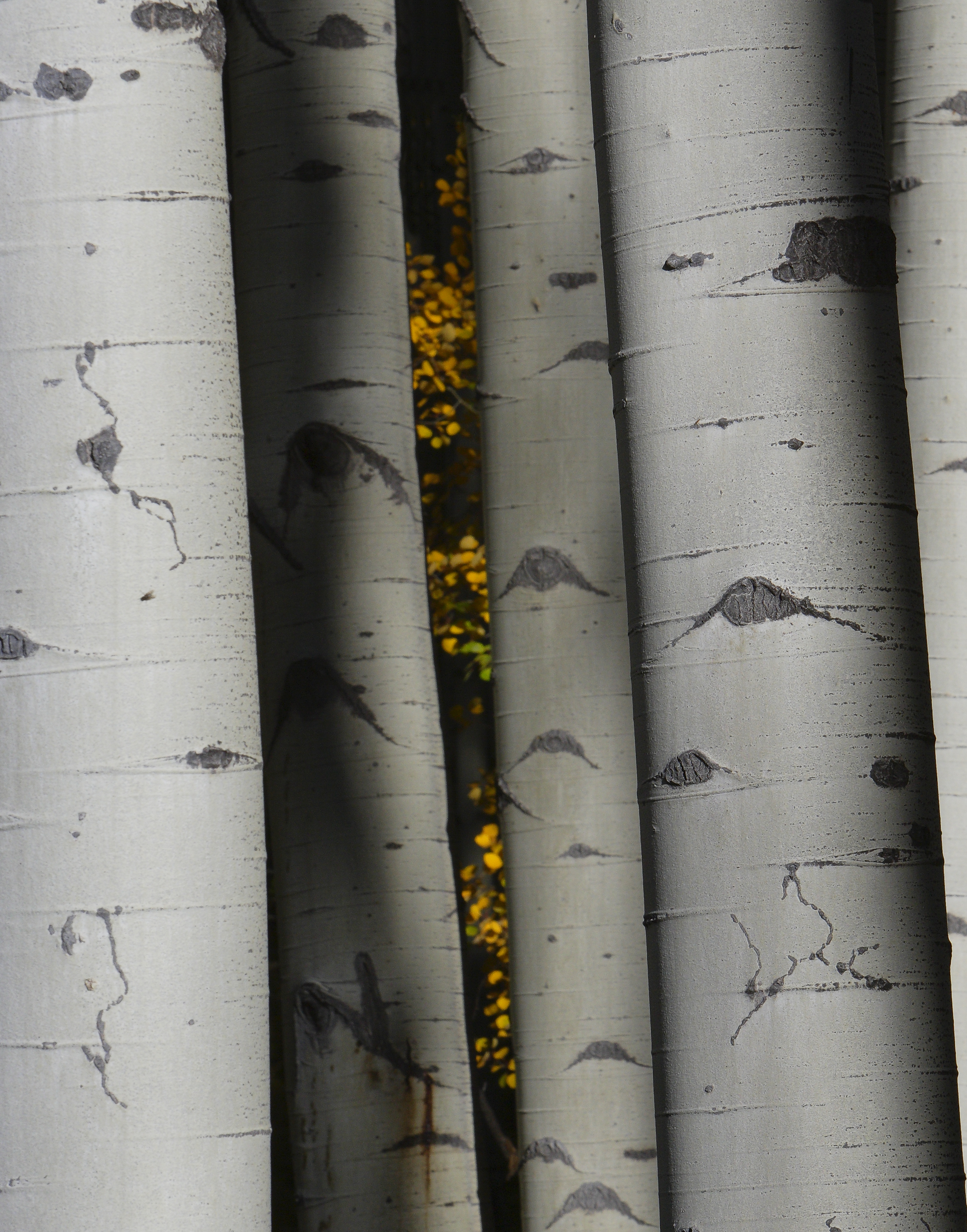
“Aspen Tree” – Nature's recorder of resonance and stillness
The Significance of the Unseen and Unheard
The philosophical question—if a tree falls in the forest and no one hears it—calls into question the nature of existence itself. In The Living Code, I explored how life operates as a field of resonance. The falling tree, though unseen, still vibrates the fabric of that field. Its energy echoes through the soil microbiome, shifts the bioelectric charge of the landscape, and whispers in frequencies we’ve only begun to measure.
Through photography, we become recorders of this significance—not because we witness every moment firsthand, but because we strive to make the unseen felt. A single image can hold an entire cycle of decay and rebirth. A fallen log is more than wood—it's life restructured, nutrients released, habitats created, memory stored.
Whether it’s the snap of a branch or the collapse of a giant tree, the forest does not require an audience to be real. But our awareness of it—our willingness to listen in silence—connects us to that field. The unheard becomes a sacred offering, and our observation an act of reverence.
The mystery of the fallen tree reminds us that life does not begin with our noticing—nor does it end with our absence. It continues. It pulses. And through art, we make visible what has always been true: that nature is never silent, even when no one is listening.
The Role of the Photographer – Guardian of the Unseen
In the wilderness, time moves in circles—not straight lines. As a nature photographer, I don’t just capture what’s visible. I honor what is easily overlooked. A fallen leaf, a decaying trunk, a quiet mist clinging to morning branches—each is a living page in the book of Earth's unfolding.
In The Living Code, I speak about resonance as a language—a pattern repeating through tree rings, bird calls, and even human emotion. The photographer becomes a listener in this field of vibration. We don’t simply freeze moments in time; we amplify what time forgets to mention.
Our cameras don’t just record—they remember. They become instruments of awareness, attuned to the solar rhythms, quantum vitality, and cycles that run deeper than a calendar or a clock.
When we photograph the unobserved—like a tree mid-fall or the soft hush of winter soil—we affirm: life is still happening, even when no one is watching. The role of the nature photographer, then, is sacred. We are guardians of the unseen. Witnesses to the wilderness that exists whether or not we arrive. And through the lens, we invite others to remember what has always been true—that silence, too, is a song.
Conclusion – Preserving the Voice of the Forest
If a tree falls in the forest and no one is there to hear it, the forest still remembers. Its echo vibrates through soil, fungus, wind, and time. In that memory, the tree lives on. It nourishes the hidden roots of the world—the mycelial networks, the soil microbiome, the bird’s nest tucked in a crook of bark.
As explored in The Soil Microbiome and Solar Soul Clock, nature functions in quiet continuums beyond human perception. Our role is not to interrupt this silence—but to translate it, honor it, and preserve its rhythm through mindful observation and photographic storytelling.
Every photograph taken in the woods is a prayer—a moment where awareness replaces absence, and stillness becomes seen. In that recognition, we align with nature’s deeper language—one that speaks in fallen branches, migrating shadows, and photosynthetic memory. We begin to understand that silence is not the absence of sound, but the presence of connection.
Let us walk more softly into the forest—not to speak, but to listen. To document. To remember. Because even in the absence of ears, the wild never stops singing.
Explore the Unseen, Celebrate the Silence
If you found meaning in the stillness of the forest, you’ll love these other reflections from Robbie George Photography. Continue your journey into the soulful rhythms of the natural world and the poetic truths found in its silent places.
🔍 Want more? Browse the full Nature Blog or visit Wildlife Wonders.
Explore Fine-Art Prints
Bring the season home—browse Wildlife, Landscapes, and Seascapes by National Geographic–published photographer Robbie George. See framing, editions, and care on the Collectors page.
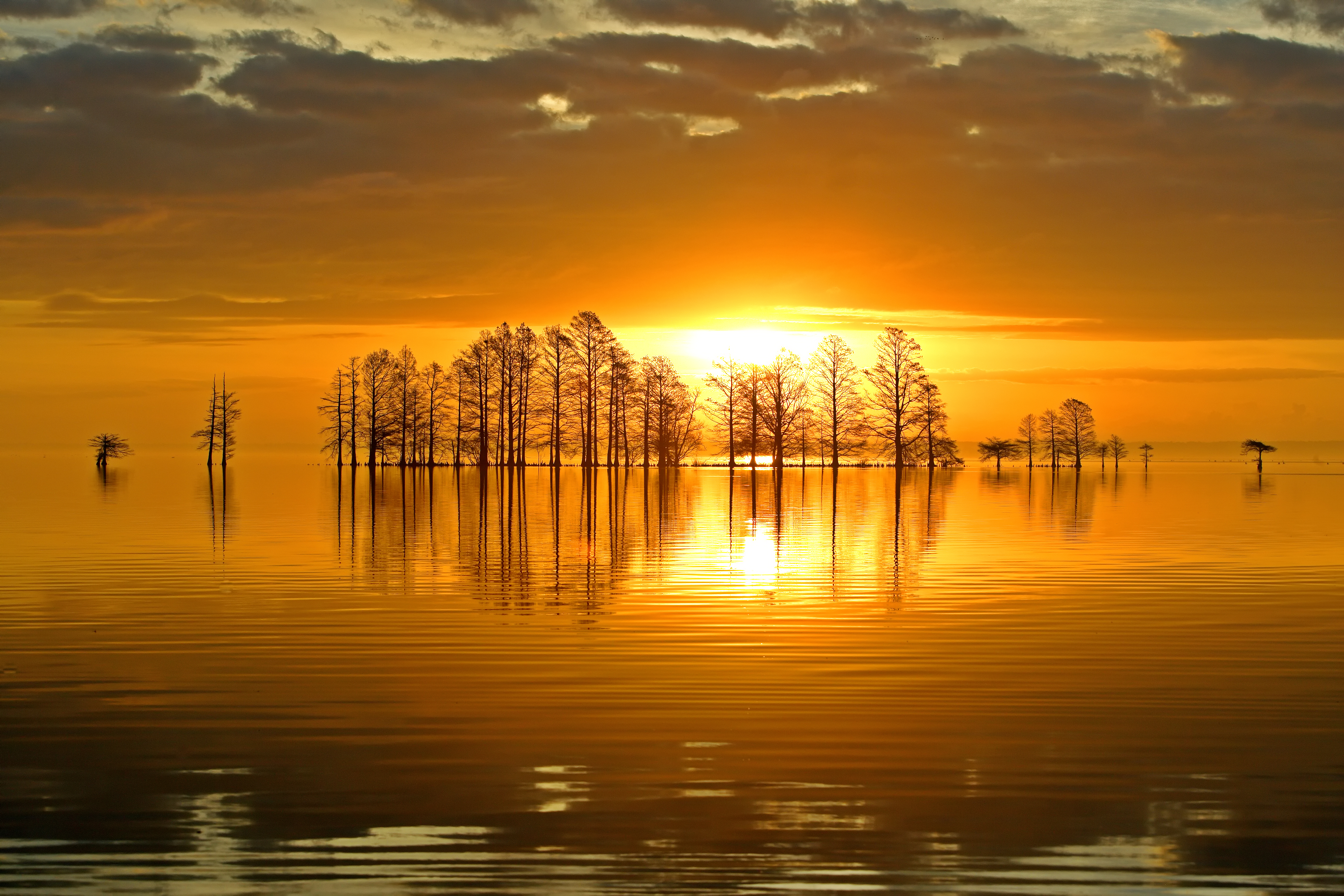 Landscape
  Wildlife
  Seascapes
About Robbie George
Robbie George is a National Geographic–published photographer and resonant naturalist. His fieldcraft follows a simple ethic—distance first, habitat always— shaped by Slow Knowledge and the Signature Series.
Explore calm, undisturbed behavior in the Wildlife Gallery or plan your next trip with the Seasonal Wildlife Calendar, Golden Hour & Moon, and Photography Maps.
“Attention first, image second. The shutter is the period at the end of a sentence you learned by walking.”
Frequently Asked Questions: The Sound of Silence
Does a tree make a sound if no one hears it?
Philosophically, this raises the question: is sound an objective event or a subjective experience? Scientifically, vibrations occur whether someone is there or not—but perception transforms vibration into sound. This blog explores both views through the lens of nature photography.
What role does observation play in shaping reality?
In quantum theory and philosophy, observation is a powerful force that may influence how reality unfolds. A fallen tree becomes a metaphor for how unseen moments still carry value and resonance, even without witnesses.
How can nature photography reveal what’s unseen or unheard?
Nature photography extends human perception. Tools like cameras, time-lapse, and remote sensors allow us to visualize phenomena—like the stillness before a fall or the aftermath—that would otherwise remain hidden.
Why is silence important in nature?
Silence isn’t empty—it’s full of data. It holds space for subtle rhythms, soil vibrations, wind movement, and animal presence. Being present in silence lets us tap into the living pulse of the forest and witness the unspoken language of life.
How does this concept relate to quantum resonance or The Signature Series?
In The Signature Series, resonance is the language of the field. A tree’s fall sends a vibrational signature through time and space—whether witnessed or not. That resonance becomes part of the ecosystem’s ongoing memory, archived in soil, water, and light.