
Running The Coast...The Movie
Documenting a Legendary Migration: Behind the Scenes of Running The Coast
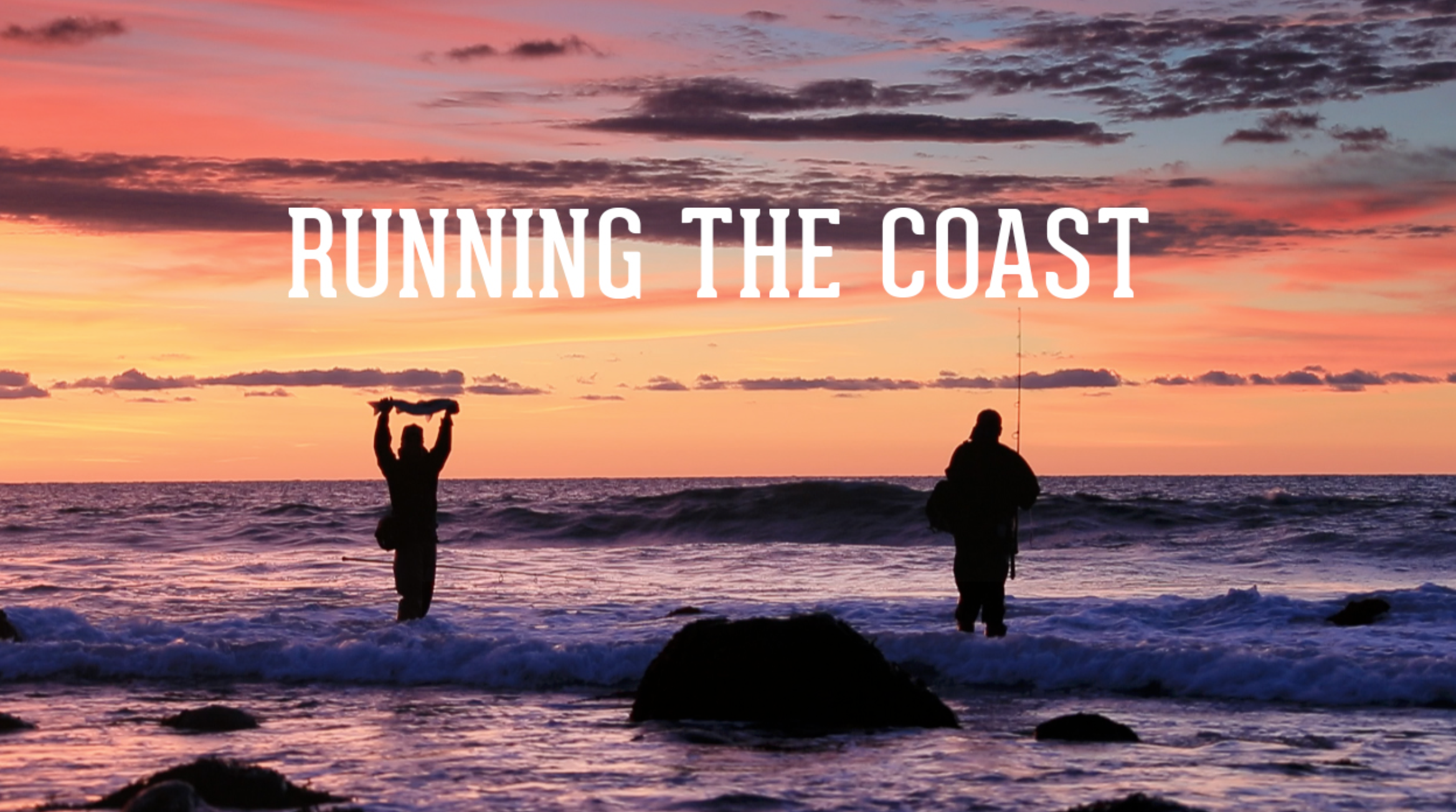
Running The Coast is more than a fishing film—it’s a five-year journey capturing the pulse of one of the most awe-inspiring natural events in North America: the annual striped bass migration. In collaboration with Howard Films, this cinematic documentary charts the striped bass as it travels over a thousand miles along the East Coast. From the quiet flats of the Chesapeake Bay to the chaos of blitzes off Montauk Point, this film celebrates not only the fish but the lives, traditions, and coastal ecosystems intertwined with its journey.
Through every sunrise cast and midnight tide, I was behind the lens—documenting what would become a tribute to the angler’s pursuit and the resilience of a species under pressure. The project took me through countless harbors, jetty lines, and back bays where fishermen devote their lives to catching this revered fish. For many of us, it wasn’t just a film—it was a calling to protect what we love. And for the viewer, it's an invitation to understand the deeper story of a fish that unites generations along the Atlantic coast.
A Fish Under Pressure: The Decline of the Striped Bass
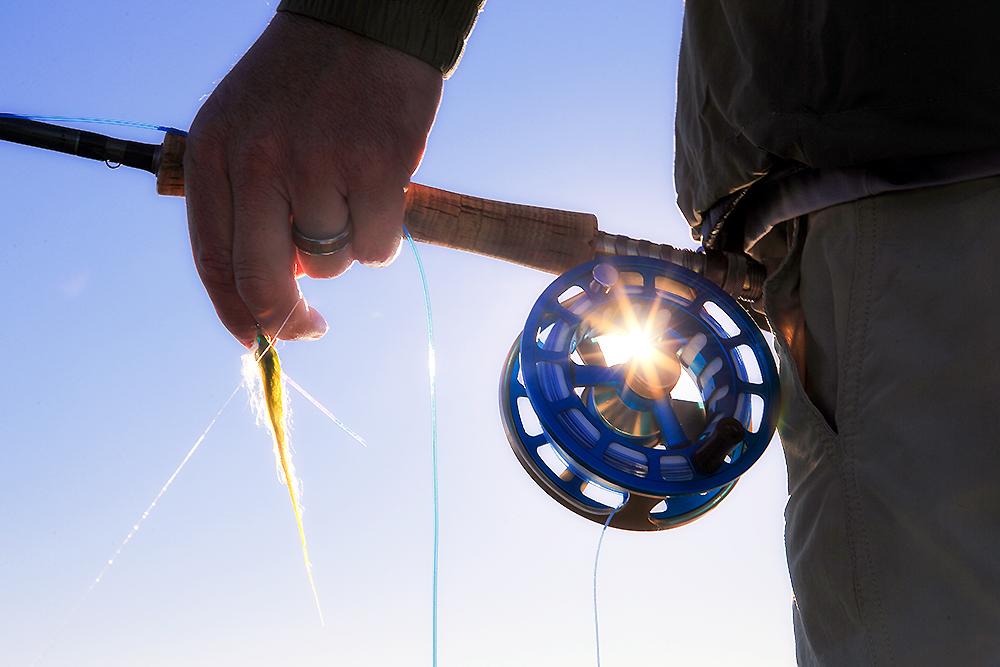
Since 2006, the once-thriving population of striped bass has been on a troubling decline. Once synonymous with healthy coastal ecosystems and abundant sport fishing opportunities, this iconic species is now facing mounting pressures from overfishing, habitat disruption, pollution, and climate change. Running The Coast dives deep into these issues, giving voice to the fish—and the anglers—who rely on its presence for livelihood, heritage, and joy.
Our film serves as a powerful reminder that conservation is not optional—it's urgent. Through stunning cinematography and firsthand accounts, we documented the subtle signs of strain on the striped bass population. From dwindling blitzes to shortened seasons, the decline is both visible and sobering. Watch the full documentary to see how anglers, guides, and conservationists are fighting to protect this legendary fish—and why its survival is vital to coastal culture.
“A fish that migrates 1,000 miles should never go unnoticed.” ~ Robbie George
Understanding the Striped Bass: A Coastal Icon
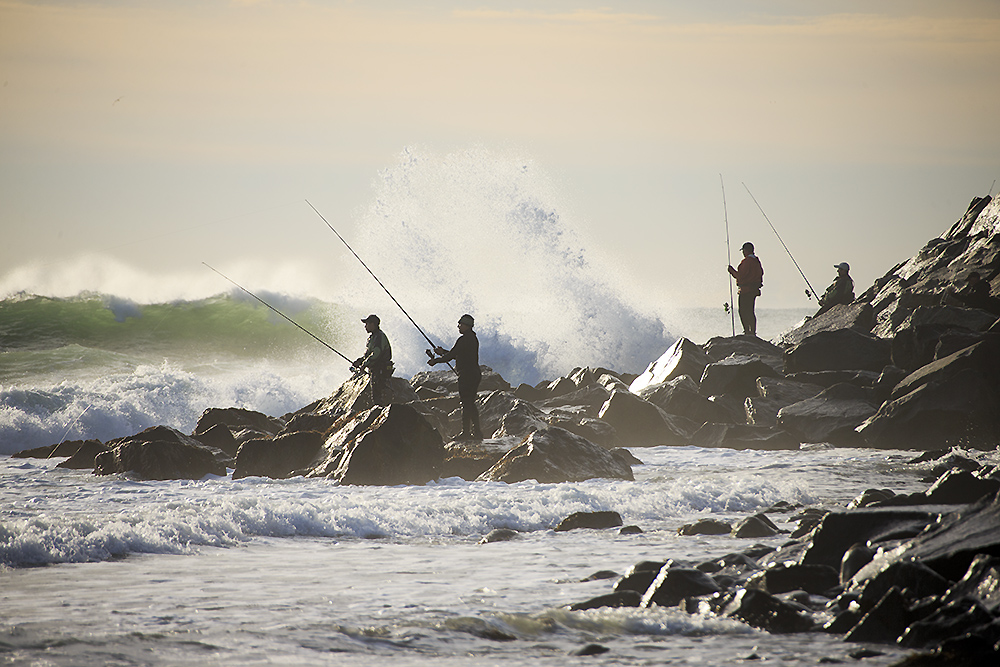
The striped bass is no ordinary fish. Revered by anglers for generations, it migrates up to 1,000 miles annually along the Eastern Seaboard. From the Chesapeake Bay to the crashing surf of Montauk, this resilient species has become a symbol of coastal grit, tenacity, and sport.
Striped bass live in two worlds—fresh and salt. They spawn in estuaries and chase baitfish through tidal rips, sandy flats, and rocky jetties. Their behavior challenges anglers to adapt constantly: throwing flies in calm shallows, launching plugs into midnight blitzes, or battling giants from jetty walls at sunrise.
With their sleek torpedo shape, silvery stripes, and immense power, stripers demand respect. They’re more than a sport fish—they’re a thread connecting generations of anglers, a barometer of coastal health, and the beating heart of a unique fishing culture.
Learn more about the striped bass experience from the jetty to the flats in my article on the Montauk Lighthouse Blitz—a must-read for surfcasters and striper chasers alike.
The Many Ways to Catch a Striped Bass
One of the reasons the striped bass has captured the hearts of so many anglers is its adaptability—both in behavior and in how it's pursued. From dawn patrols on misty flats to midnight blitzes in crashing surf, there is no single formula for success.
Fly anglers carefully strip streamers across shallow sandbars while surfcasters hurl topwater plugs into pounding waves. Light-tackle purists finesse soft plastics beneath bridges, and boat captains drift eels along channel edges by moonlight. Each method reflects a different rhythm, a different chapter in the timeless tale of chasing stripers.
The key isn’t just knowing how to catch one—it’s understanding why they’re worth the effort. Every tug of the line is a connection to something wild, mysterious, and ancient. The diversity of approaches is what keeps this fishery alive, constantly evolving, and steeped in tradition.
If the surf calls to you, don’t miss my blog post on Montauk’s striped bass blitz, where I explore the legendary grounds that test even the most seasoned anglers.
Who Ran the Coast?
“Running The Coast” wasn’t just a film—it was a pursuit powered by a cast of unforgettable characters. At the heart of it were the die-hard anglers, guides, scientists, and conservationists who’ve shaped their lives around striped bass. These weren’t actors. They were lifers—obsessed, passionate, and relentless in their devotion to this fish.
Among them was Greg Myerson, IGFA’s world record holder for striped bass, whose story of landing the biggest striper ever recorded continues to inspire awe. His voice grounds the documentary, reminding us that obsession with these fish can lead to unforgettable moments—and even history.
The film also features gritty, on-the-water scenes with legendary captains, including chaotic blitzes and striped bass explosions off the bow. In one unforgettable sequence, Roger Waters of Pink Floyd fame joins in, casting beside us and adding rock-n-roll magic to the salt spray.
From the legendary blitzes of Montauk to the quiet marshes of the Chesapeake, we followed these fish—and the people obsessed with them—on a pilgrimage across tides, borders, and seasons.
“To chase the striped bass is to chase your own story—full of heart, humility, and the wild rhythm of the coast.” ~ Robbie George
A Special Presentation: Running The Coast
After five years of filming and a thousand miles of coastline, “Running The Coast” is hitting the big screen in a new way. A specially edited, travel-sized version of the film is currently touring with the Fly Fishing Film Tour—bringing the migration and its magic to passionate anglers, conservationists, and coastal dreamers across the country.
This streamlined presentation highlights the most exhilarating moments from the full-length, three-part documentary series—Spring, Summer, and Fall. It captures the heart of the migration and the soul of those who chase it, from empty flats to crowded blitzes.
You can watch the full documentary on Apple TV or stream it through other platforms. For a preview, check out the official trailer here: Running The Coast Trailer.
Explore My Work
Beyond my passion for film, I’ve spent a lifetime devoted to capturing the wild essence of nature through still photography. My work has been featured in the National Geographic Image Collection, where you'll find many of my landscape and wildlife images shot across North America and beyond.
From photographing Montauk’s legendary striped bass blitzes to documenting pristine wilderness in the Rockies, my lens is always pointed at the intersection between nature’s beauty and its powerful narrative. While I continue to explore new video projects—like my current collaboration with Four Season Farm—my heart belongs to still imagery that evokes emotion, story, and soul.
Thank you for being a part of this creative journey. Whether you’re drawn to the rhythm of the sea, the silence of the forest, or the spark of wild connection—I invite you to explore more of my nature photography and follow along as the adventure continues.
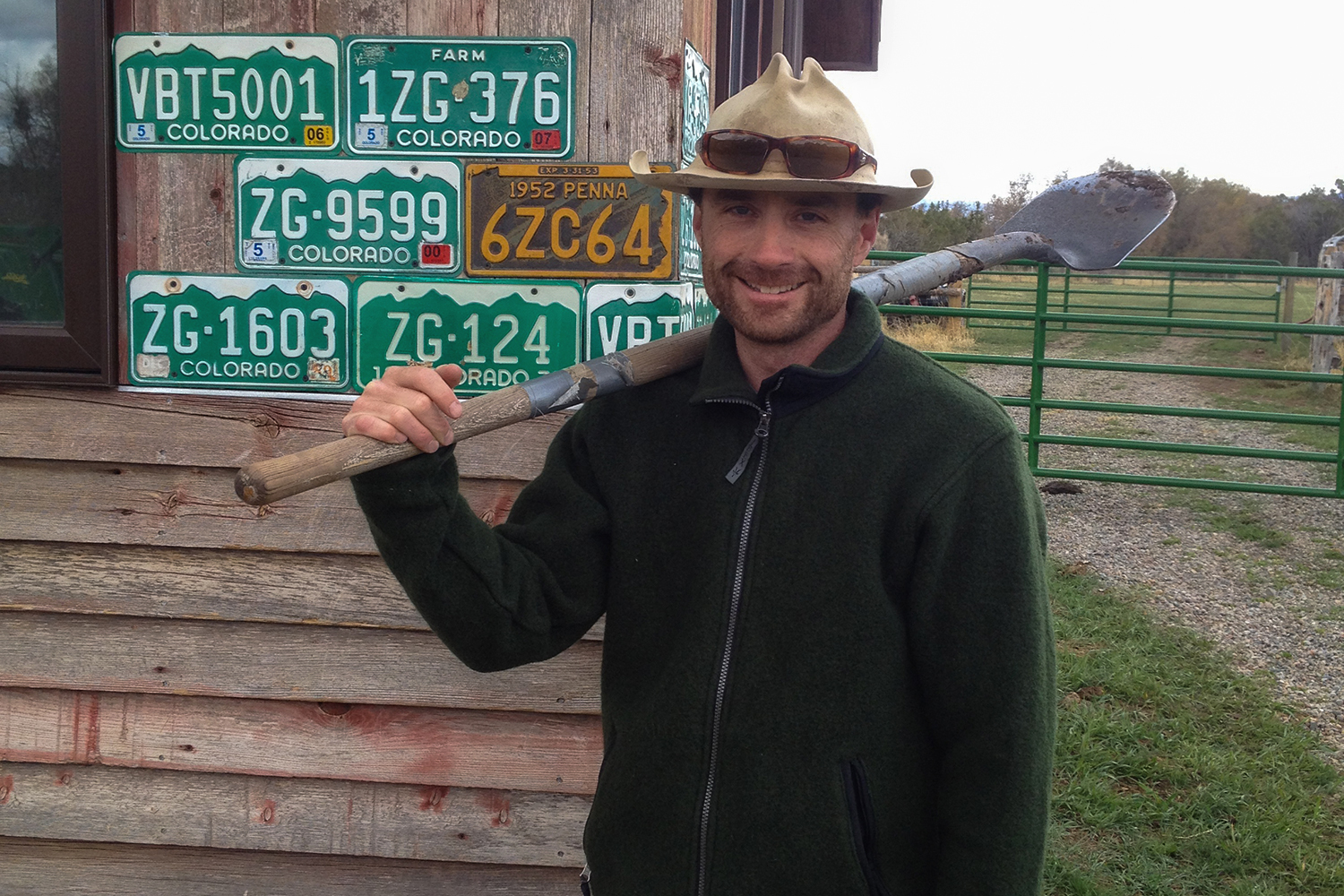

The Original Ute City Spiral Camera — A Glyph of Remembrance
About the Author
Robbie George is a National Geographic photographer, regenerative farmer, and nature philosopher. He captures the harmonic intelligence of nature through fine art photography, quantum storytelling, and ecological insight.
Explore his signature series The Living Code, dive into Quantum Agriculture, or follow his journey on Instagram and LinkedIn.
Experience the Migration. Preserve the Story.
If the spirit of the striped bass migration inspires you as deeply as it does me, explore more through my lens. Visit the Montauk Lighthouse Blitz blog post to relive the electricity of the chase—and discover fine art prints that bring the ocean’s rhythm to your home.
Dive into my nature photography collection or browse the Montauk Lighthouse print—a timeless capture of striped bass country at its most iconic. Every image tells a story worth saving.
“When you follow the migration long enough, you realize you’re chasing more than fish—you’re chasing who you are in nature.” ~ Robbie George
1. What is "Running the Coast" about?
"Running the Coast" is a full-length documentary produced by Howard Films, following the epic migration of the striped bass along the Eastern Seaboard of the United States. It captures the thrill of the chase, the culture of striped bass fishing, and the conservation challenges surrounding this iconic species.
2. Where was the documentary filmed?
The film was shot over five years along the Atlantic Coast, from the Chesapeake Bay up to Maine. Key locations include Rhode Island, Montauk, and Long Island—epicenters of striped bass migration action.
3. What makes striped bass migration so special?
The striped bass migration is one of the most thrilling and visually dramatic natural events in North America. These fish migrate thousands of miles annually, drawing in generations of anglers who follow their path each season in hopes of a perfect catch.
4. Where can I watch "Running the Coast"?
You can stream the film on platforms like Apple TV or purchase the DVD from Howard Films. A condensed version has also been featured on the Fly Fishing Film Tour.
5. Are striped bass populations in danger?
Yes, striped bass numbers have been declining since 2006 due to overfishing, habitat loss, and environmental changes. The film sheds light on the urgent need for conservation and sustainable angling practices.