What Print Size Should I Choose?
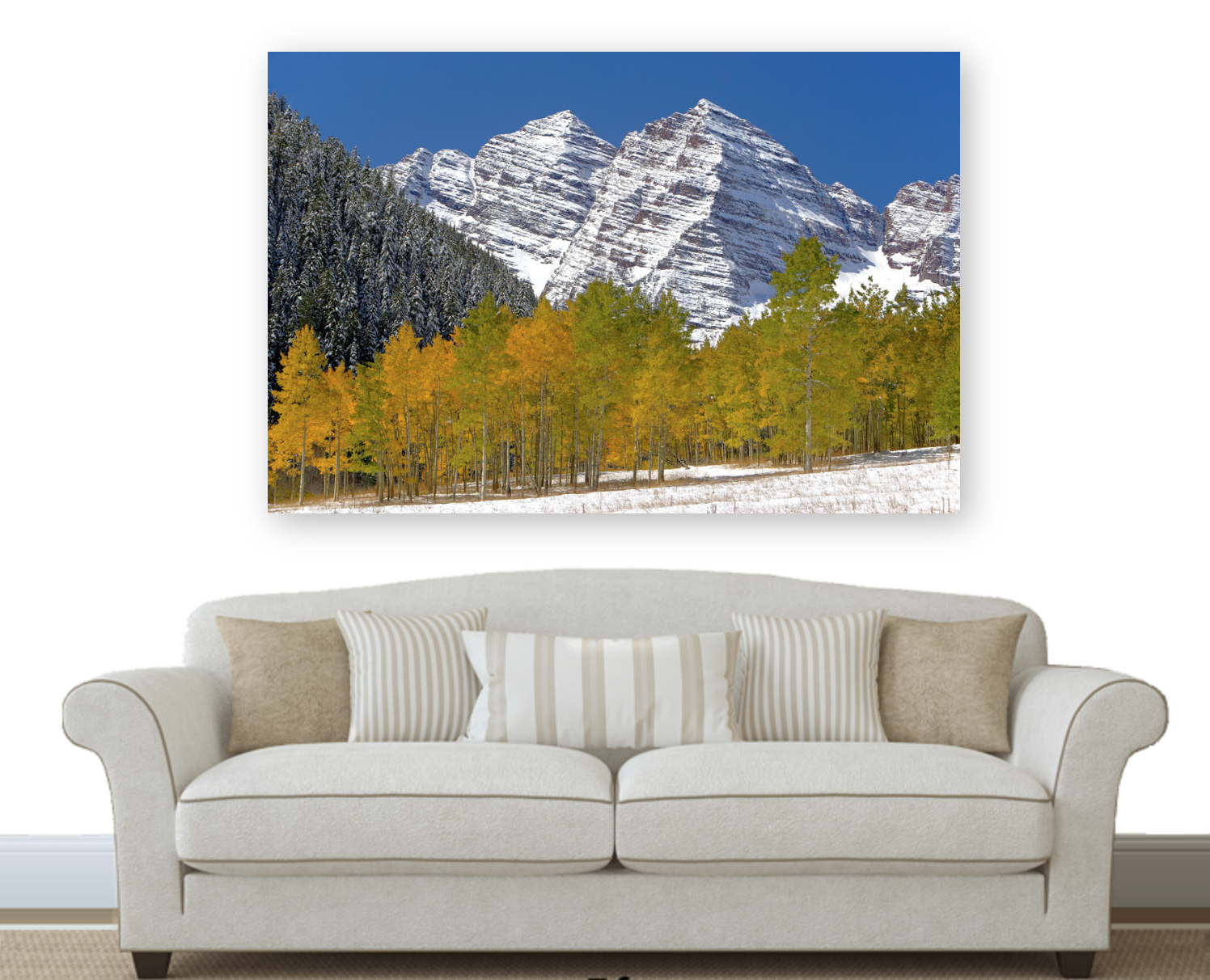
Measure Your Wall Space
The first step in determining the ideal print size is to measure the wall where you plan to hang your artwork. If you already have a specific location in mind—such as above a couch, desk, or bed—take precise measurements so your print complements, rather than overpowers, the space.
A helpful rule of thumb: your artwork should be approximately two-thirds the width of the furniture beneath it. This guideline maintains visual harmony and ensures the print feels grounded within the room’s design.
If you're working with a blank wall or gallery layout, focus on how you want the art to feel—expansive and bold, or intimate and understated. Let the room's function guide the scale.
“A well-placed print doesn’t just fill a wall—it frames an experience.” ~ Robbie George
Tips for Choosing the Right Print Size
Once you know your wall dimensions, it's time to decide how much visual presence you want your artwork to have. These tips will help guide you toward the perfect fit—whether you're building a gallery wall or making one bold statement.
- Visualize the Size: Use painter’s tape to outline different print dimensions directly on your wall. This low-tech trick gives you a real-world preview before committing to any purchase.
- Consider Proportions: Larger rooms with open walls call for larger artwork. A nature photograph that spans several feet can anchor a room with presence and calm. Smaller spaces? Try pairing two or three smaller prints for a more intimate arrangement.
- Think About the Medium: Certain mediums enhance scale better than others. For example, canvas prints offer glare-free texture and are ideal for larger sizes, while framed fine art prints may feel more elegant in smaller formats.
Utilize the Wall Preview Tool
One of the most powerful tools in my online store is the Wall Preview feature. When viewing any image, look to the right of the product page—you’ll find the option to visualize that print size inside a variety of real-life settings, including bedrooms, living rooms, nurseries, and more.
You can even adjust the wall color to reflect your current décor, helping you decide whether a cool-toned seascape or a warm-toned landscape photograph feels more at home in your space.
This feature is especially helpful when trying to decide between multiple sizes—or if you’re uncertain how a print might scale against your furniture or walls.
Experience the Live Preview AR Tool
Sometimes, the best way to make a decision is to see the artwork on your wall—before it’s ever printed. That’s where the Live Preview AR tool comes in.
Available for most pieces on my website, this tool uses your smartphone or tablet’s camera to superimpose the artwork directly into your environment. You’ll instantly see how the scale, colors, and subject resonate with your space—whether you’re placing it above a couch, in an entryway, or on a softly lit staircase wall.
This AR feature is perfect for previewing large-scale seascape prints or panoramic landscapes and helps you commit with confidence—no guesswork required.
Keep Framing in Mind
While browsing print sizes, remember that framing adds both aesthetic value and physical dimensions. If you opt for a matted and framed piece, your artwork will extend beyond the print size itself.
For example, a 16x24 inch print paired with a 2-inch mat and a 1-inch frame will ultimately measure 22x30 inches. That’s an additional 6 inches to account for—essential when planning a tight layout or gallery wall.
This is especially important if you're mixing media—say, pairing a framed piece with a frameless metal print. Consider using painter’s tape to block out the total footprint of each piece, frame included.
Final Thoughts: Go Big or Go Home
When in doubt, lean bold. Large prints have a remarkable ability to shift the energy of a space. Whether it’s a wide-open alpine valley or a windswept shoreline, letting a single piece breathe across your wall invites presence, calm, and a deeper connection to the moment.
Many of the pieces in my fine art nature collection can be printed at sizes up to 40x60 inches—and in some cases, even larger. These statement pieces are especially powerful when printed on canvas, which absorbs light naturally and eliminates glare, allowing the subject to glow in its own light.
By taking a few measurements, exploring preview tools, and trusting your instincts, you’ll land on a size that not only fits—but speaks.
“Let the size of your art reflect the size of your vision.” ~ Robbie George
Ready to Find the Perfect Print?
Whether you’re decorating your sanctuary, office, or an inspiring gallery wall, selecting the right size is just the beginning of your journey with fine art. If you're still exploring formats, I invite you to read more about:
- 🖼️ Gallery Wrapped Canvas Prints
- ✨ The Brilliance of Metal Prints
- 📐 Understanding Triptychs and Polyptychs
- 📚 Explore All Fine Art Print Knowledge
Art is personal—and your space is sacred. May each size you choose reflect the story you’re ready to tell on your walls.
FAQs About Choosing Art Print Size
1. What is the best size for an art print?
The best size for an art print depends on your wall space and the overall aesthetic you want to achieve. Measure your wall and consider the furniture or décor around it. Larger prints can create a bold statement, while smaller prints may work well in intimate settings.
2. How do I visualize different print sizes in my space?
You can use painter’s tape to outline various print sizes directly on your wall to help you visualize proportions. You can also use the "Wall Preview" tool in my store to see how different sizes look in real room settings.
3. What should I consider when ordering a framed print?
The total size of a framed piece is larger than the print itself. Always factor in the mat and frame dimensions. For example, a 16x24 print with a 2" mat and 1" frame results in a finished size of 22x30 inches.
4. Can I see how the print will look on my wall before I buy it?
Yes! Use the Live Preview AR tool to see how a photo will look in your space. It works through your smartphone or tablet and helps you visualize the scale and impact of the artwork in real time.
5. Is there a recommended size for a gallery wall?
For a gallery wall, mix sizes for rhythm and balance. Start with a large focal print and arrange smaller ones around it. Be consistent with spacing and choose works that share a visual or emotional theme.
6. What if I want to print a custom size?
Custom sizes are absolutely possible. If you have a unique dimension in mind, reach out and I’ll help ensure your print fits your space perfectly.
7. How do I care for and maintain my art prints?
Keep your prints out of direct sunlight to preserve vibrancy. Use a soft, dry cloth to gently remove dust. If framed, consider adding acrylic or glass for extra protection from scratches and debris.