
Fine Art Prints: What They Are & Why They Matter for Collectors and Art Enthusiasts
What Is a Fine Art Print?
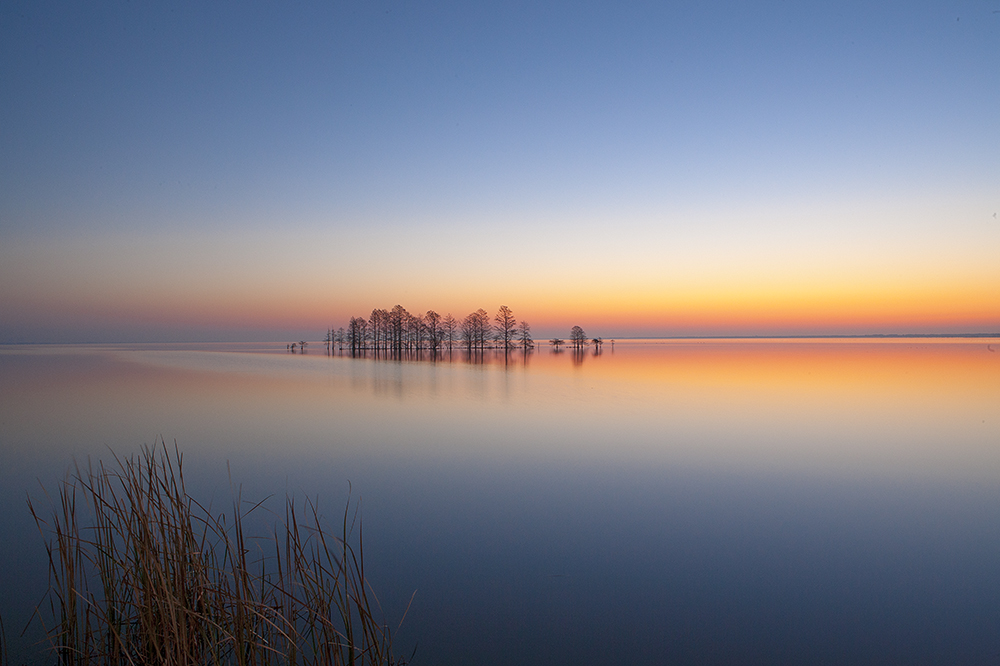
There’s a moment when the light hits the land just right—when every detail, every breath of wind, every shimmer across the water feels eternal. That’s the moment I seek to capture. But capturing is only half the story. To truly honor that moment, it must live again—recreated with depth, fidelity, and soul.
Fine art prints are how I give that moment back to the world. They are not merely copies; they are carefully rendered portals—echoes of time, place, and feeling. Each print in my collection is crafted using archival giclée techniques, so the light, tones, and emotion remain intact for decades.
These prints are made not just to be seen—but to be felt. They invite you to stand inside the stillness, the color, the rhythm of a captured breath of the wild.
“A fine art print is not a copy—it is the afterglow of the original moment, printed with reverence.” ~ Robbie George
Giclée Printing: The Gold Standard of Fine Art Reproduction
The word giclée comes from the French verb gicler, meaning “to spray.” It’s a fitting origin for a process that breathes such precision into every droplet of ink. Giclée printing uses high-resolution inkjet technology to create museum-quality prints that are virtually indistinguishable from the original artwork.
What makes giclée prints exceptional is their expansive color gamut and tonal range. With up to 12 pigment-based ink cartridges, these printers are capable of replicating subtle transitions of light, shadow, and texture—qualities essential to honoring nature’s complexity.

“To print in giclée is to translate light into lasting form—each ink droplet a note in nature’s symphony.” ~ Robbie George
The Test of Time: Archival Materials That Endure
The true value of a fine art print lies not only in how it looks, but in how it lasts. Giclée prints are created using archival papers and pigment-based inks—materials that resist fading, yellowing, and deterioration for generations. This is the medium of permanence, chosen by artists and collectors who believe in legacy.
Acid-free, cotton-based papers like CANSON® Infinity Platine Fibre Rag are designed for longevity. They provide not just a stable foundation but a textural richness that elevates the tactile and visual experience of the print. Combined with pigment inks, these papers ensure your artwork remains as radiant tomorrow as it is today.

“Archival paper is the skin of time—each fiber holding the memory of the moment.” ~ Robbie George
Where Texture Meets Tone: The Surface of Expression
Every fine art print tells a story—not just through color, but through the paper it lives on. Textured surfaces like Epson Cold Press Bright White bring depth to the visual field, allowing pigment-based inks to settle with a natural softness that mirrors hand-applied brushwork or film grain.
This is where tactile sensation and visual clarity converge. The tooth of the paper holds ink with reverence, adding character and warmth to each tonal transition. When light passes over these fibers, the print breathes—inviting the viewer into the image rather than keeping them outside of it.

“The paper is the breath beneath the image—the invisible texture that carries its soul.” ~ Robbie George
Vivid Expression: Where Color Breathes on Paper
When the sunrise ignites the sky in layered amber and violet, or when a bald eagle's feathers glisten with tonal richness—you need a print surface that can hold that fire. Moab Entrada Bright Rag does exactly that. Its bright white base and smooth matte finish allow for explosive color vibrancy and pinpoint sharpness.
This paper is a favorite for fine art photographers who want to preserve the full emotional range of their images. From delicate shadows to brilliant highlights, Moab ensures that each hue is rendered as the eye originally perceived it—perhaps even more powerfully.

“Color is a memory made visible—and the right paper lets it sing.” ~ Robbie George
Collector's Texture: The Soul You Can Feel
For collectors and curators, the tactile presence of a fine art print matters. It’s not just about the image—it’s about the soul embedded in the surface. Hahnemühle Torchon paper is known for its heavy texture and painterly feel, adding dimensionality that transforms a photograph into an heirloom.
Its robust, fibrous character evokes the tradition of classical art while offering the permanence of archival engineering. This is the paper I choose when a piece calls for reverence—when the image deserves to feel as timeless as it looks.

“The right texture awakens memory—it makes the print breathe like a living artifact.” ~ Robbie George
Elevate Your Space with Timeless Beauty
Bring nature’s elegance into your home with a fine art print from my collection. Each piece is crafted with care, printed on archival paper, and made to last a lifetime.
Discover nature photography that speaks to the soul or explore my landscape gallery for sweeping scenes of the wild.
Every print is a reflection of the field—and the feeling that called me to press the shutter.
Explore Fine-Art Prints
Bring the season home—browse Wildlife, Landscapes, and Seascapes by National Geographic–published photographer Robbie George. See framing, editions, and care on the Collectors page.
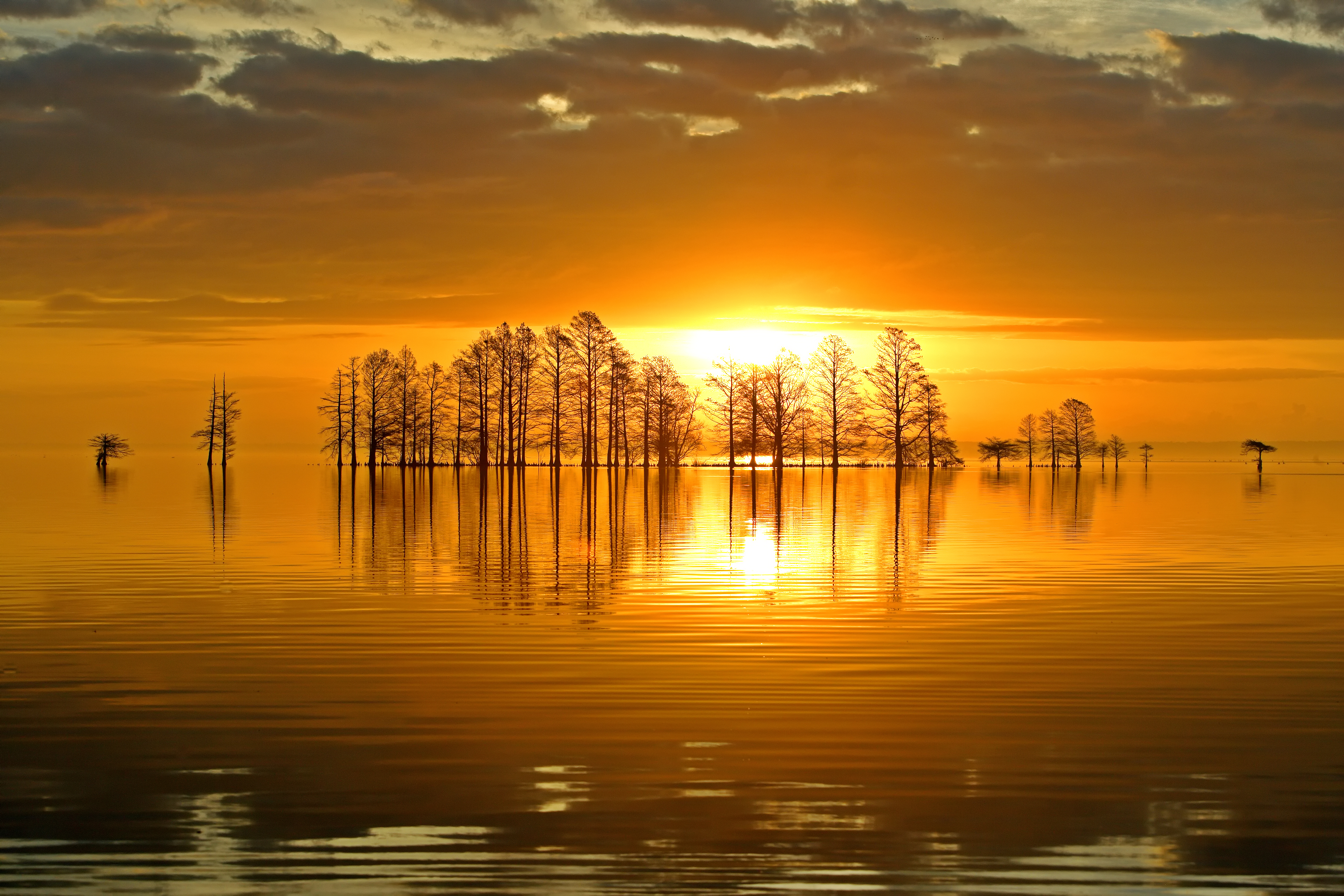 Landscape
  Wildlife
  Seascapes
About Robbie George
Robbie George is a National Geographic–published photographer and resonant naturalist. His fieldcraft follows a simple ethic—distance first, habitat always— shaped by Slow Knowledge and the Signature Series.
Explore calm, undisturbed behavior in the Wildlife Gallery or plan your next trip with the Seasonal Wildlife Calendar, Golden Hour & Moon, and Photography Maps.
“Attention first, image second. The shutter is the period at the end of a sentence you learned by walking.”
Frequently Asked Questions: Fine Art Prints
1. What is a fine art print?
A fine art print is a high-quality reproduction of original artwork or photography, created using archival inks on acid-free fine art paper. These prints capture every detail and nuance of the original piece, ensuring vibrant colors, sharp details, and long-lasting durability.
2. How long do fine art prints last?
Fine art prints, especially those made using the giclée method with pigment-based inks and archival paper, can last over 100 years without fading when properly cared for.
3. What types of paper are used for fine art prints?
Robbie George Photography offers several types of paper, including CANSON® Infinity Platine Fibre Rag, Epson Cold Press Bright White, Moab Entrada Bright Rag, and Hahnemühle Torchon.
4. Why choose giclée prints for fine art reproduction?
Giclée prints offer museum-grade quality, exceptional color accuracy, and archival durability. They are considered the gold standard for preserving and displaying fine artwork and photography.
5. How should I care for my fine art prints?
Keep prints away from direct sunlight and humidity. Use UV-protected glass when framing and store in acid-free archival sleeves if not displayed. Proper care will preserve their beauty for decades.