
The Birth of a White Bison Calf: Symbolism, Conservation, and the Call to Protect Our Earth
White Bison Yellowstone
A Rare and Sacred Birth in America’s First National Park
On June 4, 2024, the world witnessed a profound moment in Yellowstone National Park — the birth of a rare white bison calf. Revered by Native American cultures and treasured by nature photographers, this event stands at the crossroads of spiritual prophecy, biodiversity, and environmental conservation.
This post explores the cultural symbolism and conservation importance of the white bison. We’ll reflect on its meaning to Native tribes, highlight historical white bison births such as Miracle, and consider how moments like this can ignite global efforts to protect sacred species. We’ll also draw from our Nature: Native American Wisdom and Bison vs. Buffalo blogs to offer broader context and meaning.
The Event: Birth of the White Bison Calf
Discovery in Yellowstone National Park
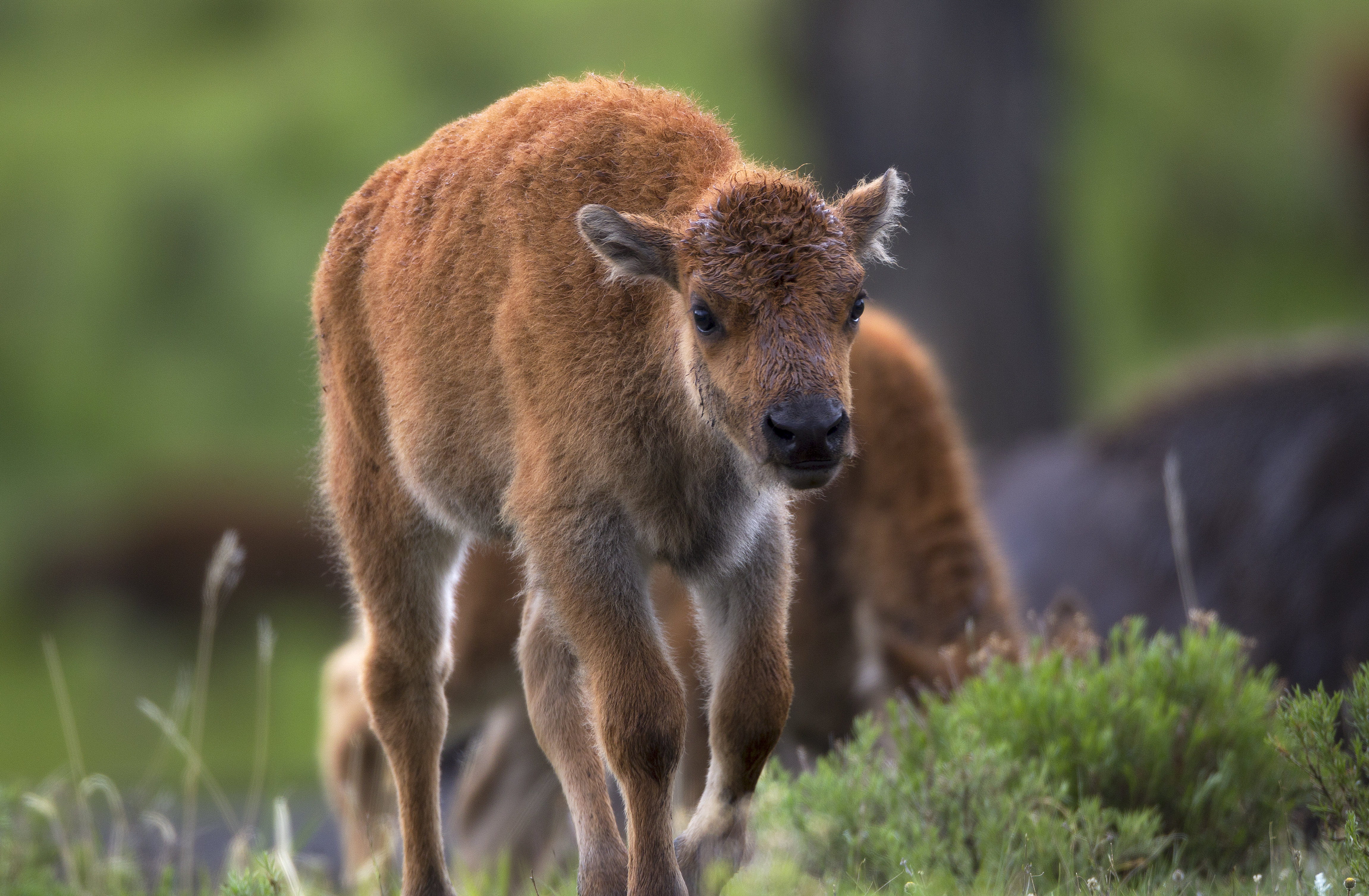
On June 4, 2024, a breathtaking moment occurred in Yellowstone National Park — the birth of a rare white bison calf in the Lamar Valley. Captured by wildlife photographer Erin Braaten, the calf was first seen crossing a road with its mother, halting traffic and igniting a wave of awe across the nation. This sighting is not just a once-in-a-lifetime wildlife encounter; it’s a spiritual moment for many.
Rare and Remarkable Appearance
Unlike albino animals, this calf is leucistic — its black eyes, nose, and hooves confirm that it retains some pigmentation. Its white coat, however, makes it visually distinct and genetically rare. According to the American bison species profile, white bison births are estimated to occur once in several million — underscoring the rarity and significance of this sighting.
Community Reactions
Reactions to the event have spanned from joyous disbelief to spiritual reverence:
- Wildlife photographers like Erin Braaten called the moment "more likely than seeing Bigfoot." Her image captured the hearts of thousands.
- Native American spiritual leaders such as Chief Arvol Looking Horse called it both “a blessing and a warning,” echoing the prophecy of the White Buffalo Calf Woman and urging humanity to restore balance with nature.
This convergence of biology, spirituality, and photography is not only a wildlife rarity but also a moment of cultural awakening. It reminds us to observe, reflect, and take action — both in reverence to the Earth and in pursuit of conservation.
Symbolism for Native Americans
Spiritual Significance
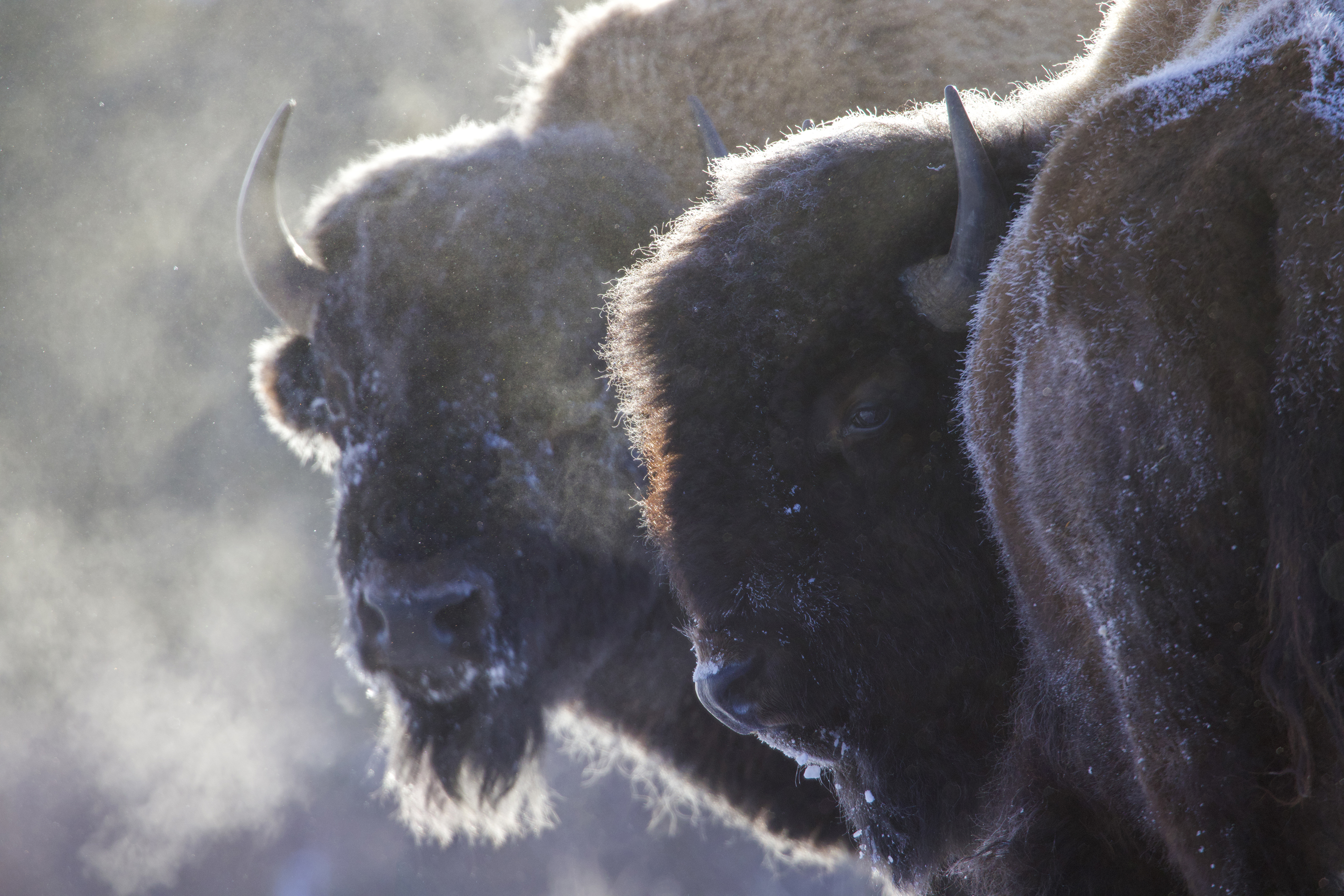
To many Native American communities, the white bison is held as a sacred sign. Its appearance is understood as a moment of teaching and remembrance—an invitation to renew peace, reciprocity, and balance between people and the land. Among the Lakota, Dakota, and Nakota peoples, this symbol carries deep meaning tied to relationship, ceremony, and responsibility.
The White Buffalo Calf Woman Teaching
Lakota oral tradition tells of White Buffalo Calf Woman, who brought sacred teachings and the Chanunpa (sacred pipe). Before departing, she foretold that in times of imbalance, a white calf would signal a call to restore right relation. Many see contemporary white-calf appearances as reminders to walk with humility and gratitude—what I often echo as “attention first, image second.” Spiritual leader Chief Arvol Looking Horse has shared this message widely: return to respect, ceremony, and the living earth. For a modern bridge into reconnection, see Reconnecting with Nature.
Living Symbols of Hope and Renewal
The white bison is more than a biological rarity—it is a living messenger. In a century pressed by climate stress and habitat loss, its presence invites renewed stewardship and a return to relational ways of seeing the world. It stands at the meeting point of science and spirituality, encouraging us to honor the interconnectedness of life and to carry forward values long upheld by Indigenous cultures: reciprocity, respect, and care.
Historical Context
Past White Bison Births
The birth of a white bison calf in Yellowstone is not the first time such a miraculous event has occurred — but it is exceedingly rare. One of the most well-known was the birth of Miracle in 1994 on a farm in Janesville, Wisconsin. This white bison drew thousands of people from around the world, especially members of Native American communities who came to offer prayers, ceremonies, and blessings.
Another notable instance happened in 2012 in Avon, Minnesota, though sadly that calf survived for only a few weeks. Despite its short life, the birth was still met with reverence and considered highly symbolic by Indigenous leaders and spiritual practitioners. These occurrences remain powerful reminders of sacred prophecy and the need to live in harmony with nature.
Native American Connection to Nature
For many Native cultures, nature is not something to be conquered — it is something to be in communion with. The bison, in particular, has long been a sacred provider of food, tools, and spiritual significance. In the traditional ways of the Lakota and other Plains tribes, the white bison stands at the center of spiritual renewal — a symbol of sacred balance, peace, and prophecy.
This worldview is deeply aligned with the idea that everything in nature is interconnected — a belief that parallels the Gaia Hypothesis and your own work on quantum balance and Quantum Vitality.
These births — Miracle in 1994, Avon in 2012, and now Yellowstone in 2024 — are not isolated anomalies. They are part of a living narrative, where prophecy, biology, and environmental consciousness converge to awaken our collective sense of stewardship.
The Event as a Springboard for Environmental Action
Raising Awareness Through Reverence
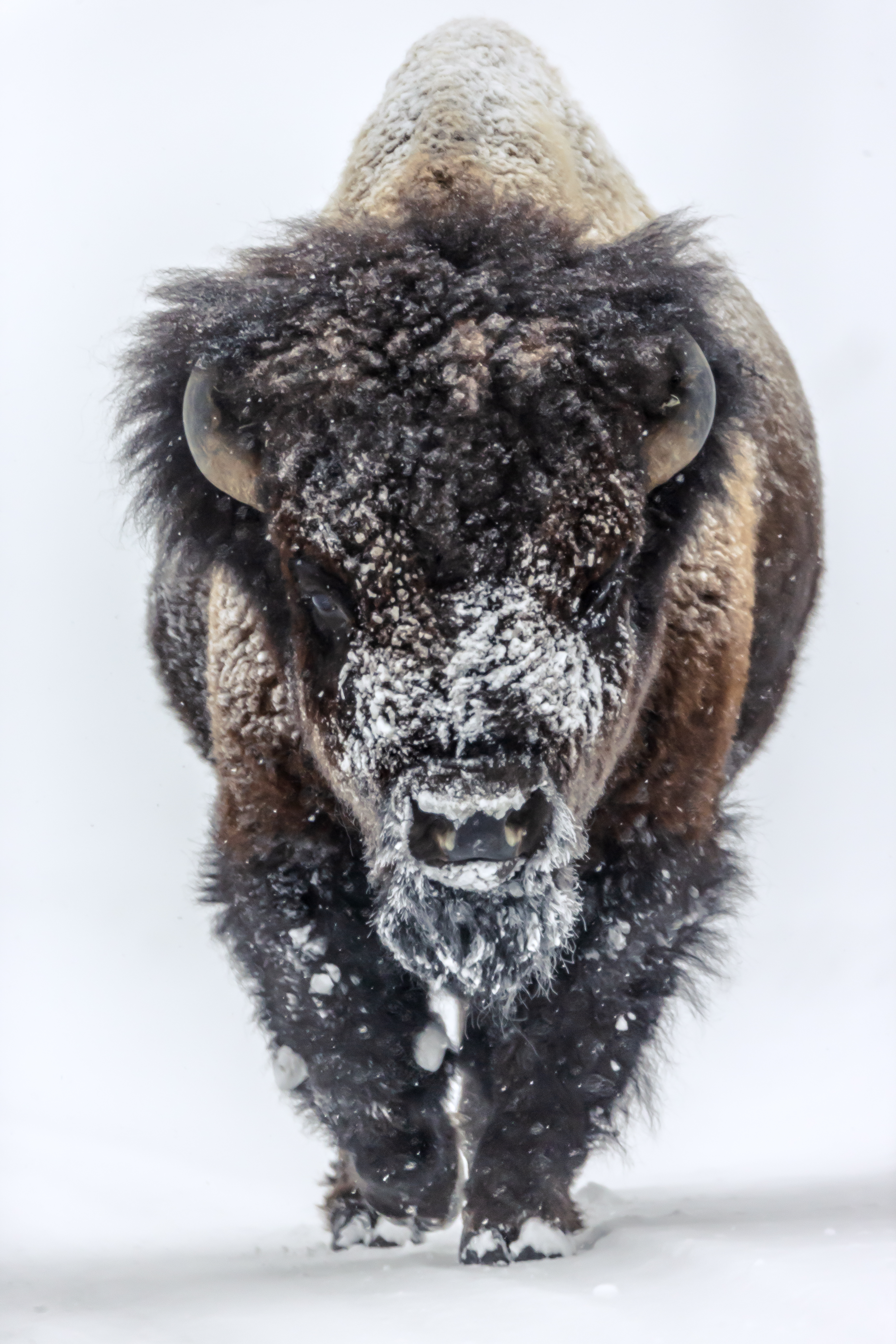
The birth of the white bison calf in Yellowstone serves as more than a spiritual symbol or biological rarity — it’s a living catalyst for reflection, reconnection with nature, and inspired action. This moment reminds us that sacred events in nature can awaken our sense of urgency to protect biodiversity and live in closer harmony with Earth.
Just as the Gaia Hypothesis reveals the planet’s self-regulating intelligence, this white bison calf is a signal — a quiet, graceful messenger that speaks to the soul of humanity. As Chief Arvol Looking Horse said, it is “both a blessing and a warning.”
Protecting Natural Habitats
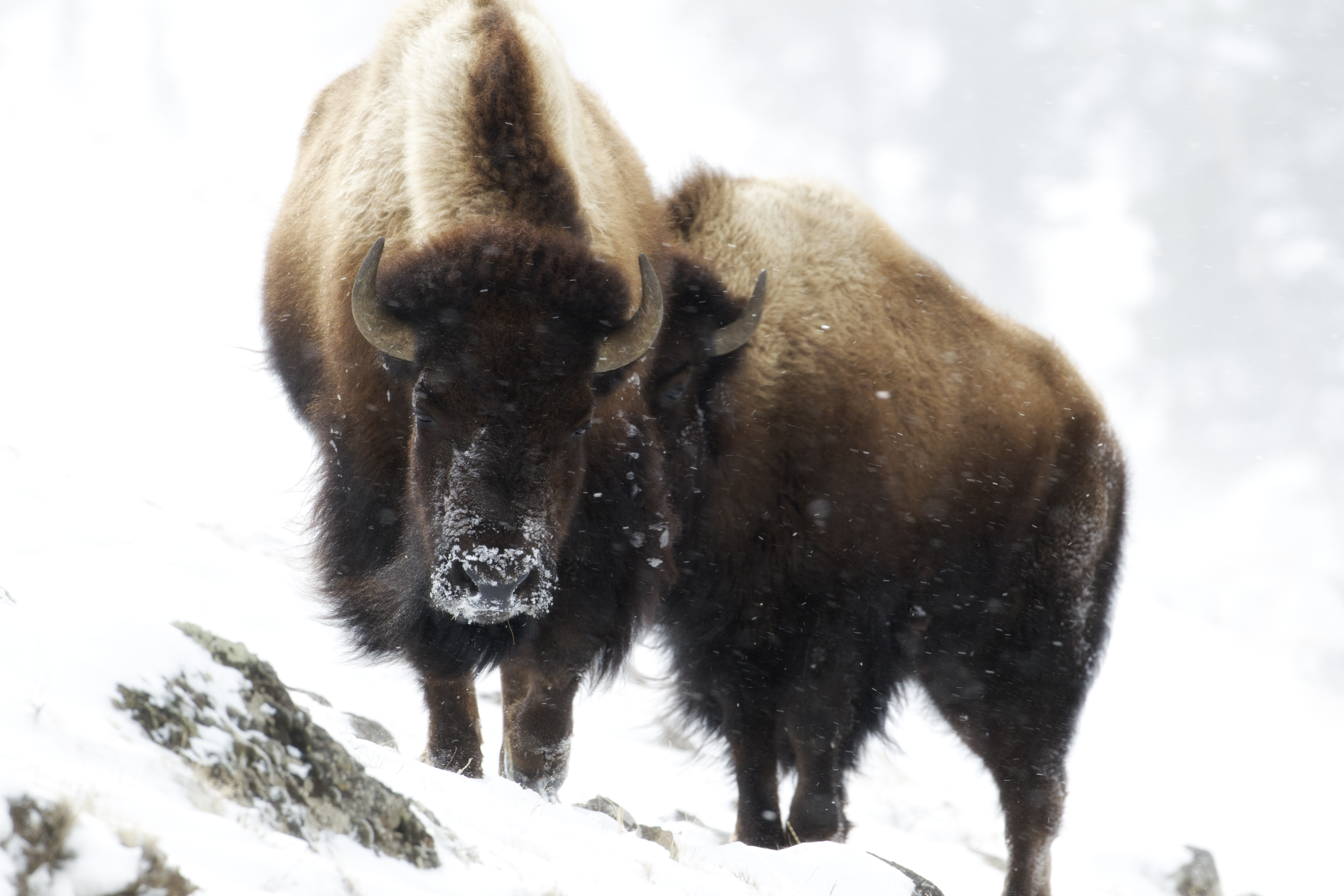
The presence of bison in Yellowstone is a result of long-standing conservation efforts. However, threats remain — from habitat fragmentation to genetic bottlenecks and climate shifts. Protecting wild lands is not only about conserving individual species, but also the web of life in which they belong. The survival of one calf echoes through the entire ecosystem, reminding us of nature’s fragile resilience.
Organizations like the InterTribal Buffalo Council are working to restore bison to tribal lands, blending ecological restoration with cultural healing. These efforts are examples of how land regeneration and spiritual renewal can move forward together.
Responsible Observation
If you're fortunate enough to travel to Yellowstone to view the calf, remember that photography and observation must be guided by respect for wildness. Following National Park Service guidelines ensures that visitors do not unintentionally stress or endanger wildlife.
- Keep a safe distance: At least 25 yards from bison and other large mammals.
- Never approach for a photo: Use zoom lenses and patience.
- Stay on marked trails: Respecting habitat boundaries protects both you and the land.
- Leave no trace: Pack out everything you bring in — including your sense of reverence.
From Awe to Action
As we explore these sacred moments of nature through photography, we are also invited into a larger story — one where awe becomes action. Let this birth awaken a new commitment to environmental stewardship, honoring both the biological and spiritual worlds through which life moves. To stand in witness is a gift. To act in protection is a duty.
Conclusion and Call to Action
A Sacred Sign in a Time of Reckoning
The birth of the white bison calf in Yellowstone is more than an anomaly — it is a cosmic whisper. A symbol of prophecy, unity, and ecological resonance, it reminds us that we live in a world of interconnected cycles. Just as Gaia self-regulates through feedback loops, this sacred creature has appeared not only to stir wonder, but to catalyze reconnection.
Let It Move You
In our exploration of Native American wisdom, we’ve seen that the white bison is more than an animal — it is a messenger. Its presence calls for humility, action, and reverence for the land and its inhabitants. Let this event shift your awareness. Let it inspire you to be an ally to the Earth.
Practical Steps to Take Now
- Support bison restoration through organizations like the InterTribal Buffalo Council.
- Explore the unique ecological role of bison in American ecosystems.
- Commit to visiting Yellowstone with respect. Practice Leave No Trace principles.
- Continue learning through ancient wisdom blog posts that bridge nature, culture, and consciousness.
Final Reflection
This is a rare opportunity — not only for wildlife photographers, but for the human soul. A white bison is born, and the world pauses. We remember that magic still exists. That prophecy still breathes. That quintessence lives within the wild. Let it guide your steps. Let it ignite your voice.
📷 To view more photography celebrating bison and sacred wildlife, explore the Wildlife Gallery or discover "Resilient Bison", a fine art print honoring Yellowstone’s strength.
Explore Fine-Art Prints
Bring the season home—browse Wildlife, Landscapes, and Seascapes by National Geographic–published photographer Robbie George. See framing, editions, and care on the Collectors page.
 Landscape
  Wildlife
  Seascapes
About Robbie George
Robbie George is a National Geographic–published photographer and resonant naturalist. His fieldcraft follows a simple ethic—distance first, habitat always— shaped by Slow Knowledge and the Signature Series.
Explore calm, undisturbed behavior in the Wildlife Gallery or plan your next trip with the Seasonal Wildlife Calendar, Golden Hour & Moon, and Photography Maps.
“Attention first, image second. The shutter is the period at the end of a sentence you learned by walking.”
FAQs: The Birth of a White Bison Calf
Why is the birth of a white bison calf significant in Native American culture?
The birth of a white bison calf is considered a sacred event among Native American tribes, especially the Lakota, Dakota, and Nakota nations. It fulfills the prophecy of the White Buffalo Calf Woman and symbolizes spiritual renewal, hope, and a call for unity and harmony with nature.
Is the white bison calf in Yellowstone albino?
No, the white bison calf born in Yellowstone is not albino. It is leucistic, meaning it has a partial loss of pigmentation. Unlike albino animals, it has a black nose, eyes, and hooves, making it genetically unique and incredibly rare.
How often are white bison calves born?
White bison calves are exceptionally rare. The most famous was Miracle, born in Wisconsin in 1994. A few others have been recorded, but births like this happen once in a generation. The Yellowstone calf’s birth on June 4, 2024, is the first of its kind recorded in the park's modern history.
How can I respectfully see the white bison calf in Yellowstone?
Visit Yellowstone National Park and follow wildlife viewing rules: stay at least 25 yards from bison, do not approach or feed wildlife, and follow all posted park guidelines. Use binoculars or a zoom lens for close-up photography.
How can I support conservation efforts related to bison and sacred wildlife?
Support organizations like the InterTribal Buffalo Council, participate in nature-based activism, and purchase fine art that celebrates wildlife. You can also spread awareness by sharing stories like this one and fostering respectful cultural education.