
Mastering Fine Art Photography: A Comprehensive Guide by Robbie George
Understanding Fine Art Photography
Fine art photography is not about simply documenting reality—it’s about interpreting it. It transforms the world we see into something deeper, symbolic, and personal. While traditional photography may aim to inform or entertain, fine art photography seeks to evoke emotion, spark thought, and convey a story that originates from the artist’s inner vision.
A fine art photograph stands apart because of the intentional choices made before the shutter is released—choices rooted in theme, message, and emotion. The resulting image becomes an extension of the photographer’s voice. In my own practice, images from my landscape collection and seascapes gallery often stem from a place of reverence and solitude, where nature becomes both the subject and the muse.
As explored in my post on nature as the ultimate algorithm, there is an intuitive intelligence in the patterns of light and form that photography reveals. In fine art, we’re not just capturing those patterns—we’re composing a visual poem with the elements of time, mood, and meaning.
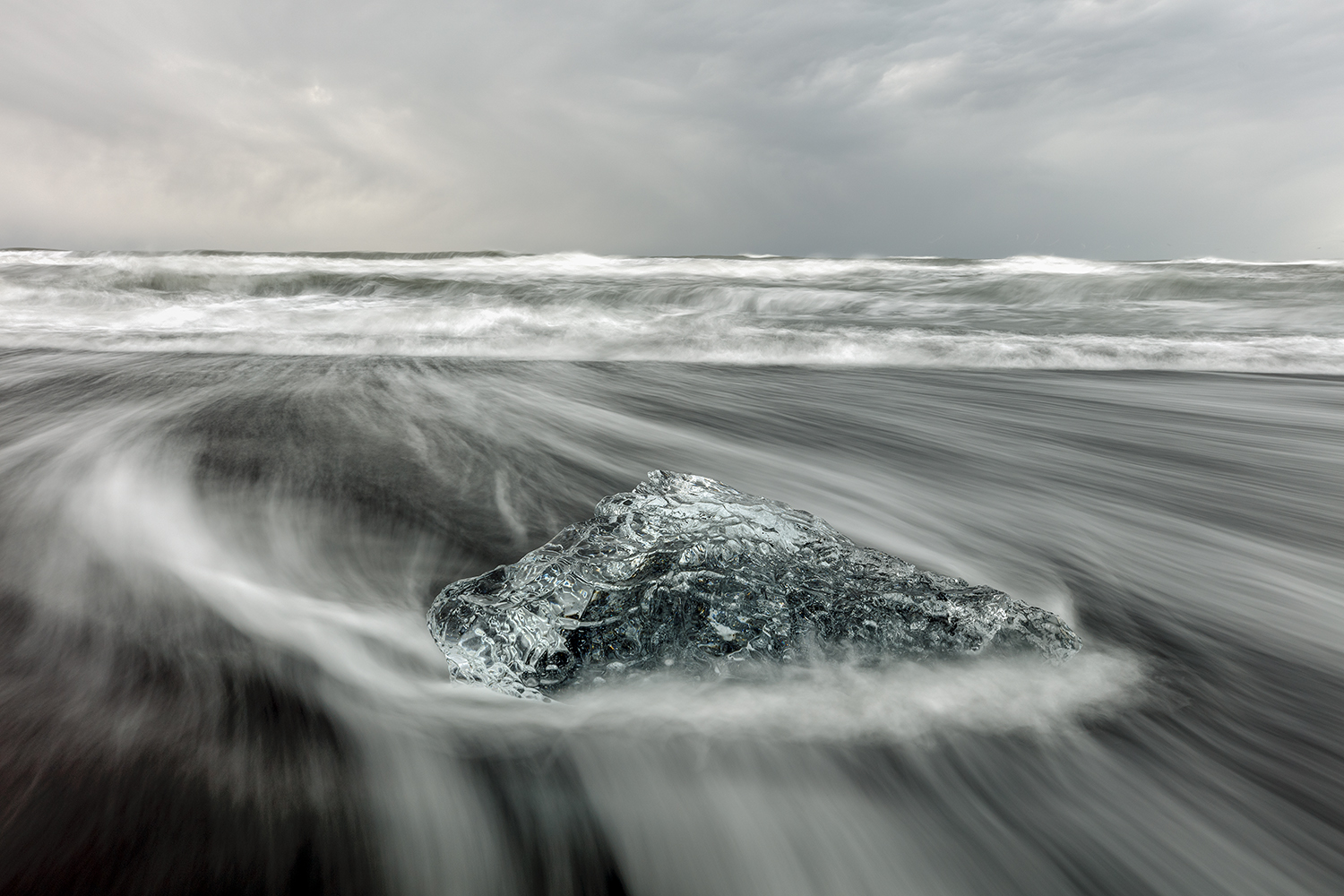
“Fine art photography invites us to see not just what is, but what it could mean.”
~ Robbie George
Developing Your Fine Art Photography
In the world of fine art photography, your voice is everything. Cultivating a distinct visual style isn’t just about aesthetics—it’s about conveying your inner vision through color, texture, light, and mood. Your style becomes your signature, echoing through every piece of your portfolio.
Start by exploring what subjects move you most—perhaps it's wildlife, landscapes, or the serene language of the sea. Then, experiment with composition, post-processing, and storytelling techniques until your images start to reflect not just what you see—but how you feel.
Consistency across your work will help reinforce your identity as an artist. Whether your portfolio exudes quiet minimalism or moody contrast, remain authentic. As I wrote in my blog on visual language, the strongest artists don’t chase trends—they channel resonance.
“The rhythm of your soul is what shapes your photographic style—listen closely, and shoot with intention.”
~ Robbie George
Developing Your Signature Style
Style isn’t just how your work looks—it’s how your vision feels. In Ocean's Spell and throughout my Living Code series, I share how nature whispers through light, shadow, and stillness. Your style is born from the moments that resonate with your soul, the tones that echo your truth, and the rhythm that guides your lens.
To find your style, start by experimenting—let curiosity lead. Some days, your visual signature might emerge through a foggy dawn in the Rockies; other days, it may arrive in a reflection across still water. But in time, with consistency and care, your vision becomes unmistakably yours.
- Experiment Fearlessly: Play with composition, light, editing, and subject matter. In Mastering Fine Art Photography, I emphasize how exploration leads to expression. Let yourself fail forward.
- Anchor to Themes: Return to what moves you—be it stillness, storm, or symmetry. These anchors become the framework of your creative identity.
- Refine Your Process: From fieldwork to post-processing, each step should carry your fingerprint. As I’ve explored in my National Geographic journey, every image is a meditation in meaning.
In a world of scrolling feeds and digital noise, your style is what makes a viewer stop and feel. It’s the unspoken language between your vision and their heart.
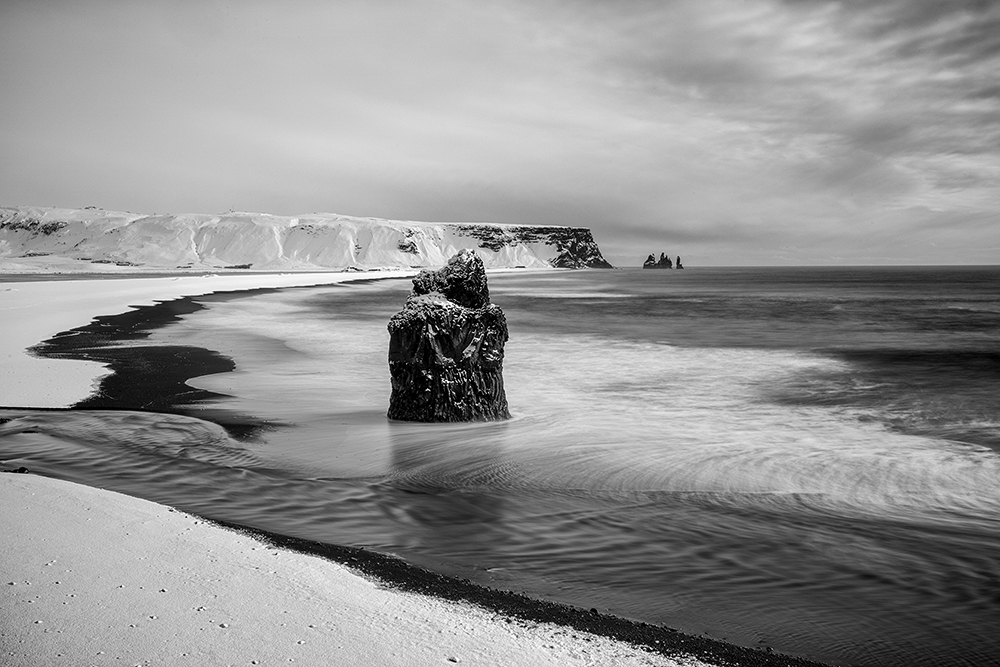
“Style is the soul’s signature, written in light.”
~ Robbie George
The Role of Composition in Storytelling
Composition is the language through which a photograph speaks. In fine art photography, how you arrange the elements within your frame determines how the viewer navigates the story you’re telling. It's not just about what you capture—it’s about how you guide the eye, evoke emotion, and construct visual tension or harmony.
In The Living Code, I explored how nature composes itself through patterns, spirals, and lines. The same principles apply here—composition becomes a mirror of natural intelligence, aligning instinct and geometry to create resonance.
Think about how a wide-angle shot can communicate vastness or solitude, while a close crop might evoke intimacy or constraint. Leading lines, symmetry, and negative space all serve to anchor the story or leave room for interpretation.
The art of framing is not about perfection—it’s about presence. Where you stand, what you include, what you exclude—these are choices that turn observation into emotion, turning your photo into a portal of meaning.
“Composition is the breath of the story—what you choose to frame becomes what the world learns to feel.”
~ Robbie George
Crafting a Personal Narrative Through Imagery
Fine art photography is a deeply personal expression—one that often reveals more about the photographer than the subject itself. Each image becomes a page in a visual diary, carrying fragments of thought, reflection, and soul. This approach transforms photographs from beautiful moments into lasting echoes of your inner world.
Whether you revisit the same tree each season, capture winter’s hush across a frosted forest, or trace the arc of light across the same body of water, repetition becomes ritual. In If a Tree Falls, I reflect on how moments of stillness carry stories often unheard. In those silences, our true narrative begins to emerge.
Building a personal narrative also means exploring themes over time—like solitude, resilience, wonder, or healing. You may begin to notice recurring symbols in your work, whether it's the way fog cloaks a mountain or the quiet order of snow-covered trees. These motifs aren't just aesthetic choices—they’re metaphors, marking your journey.
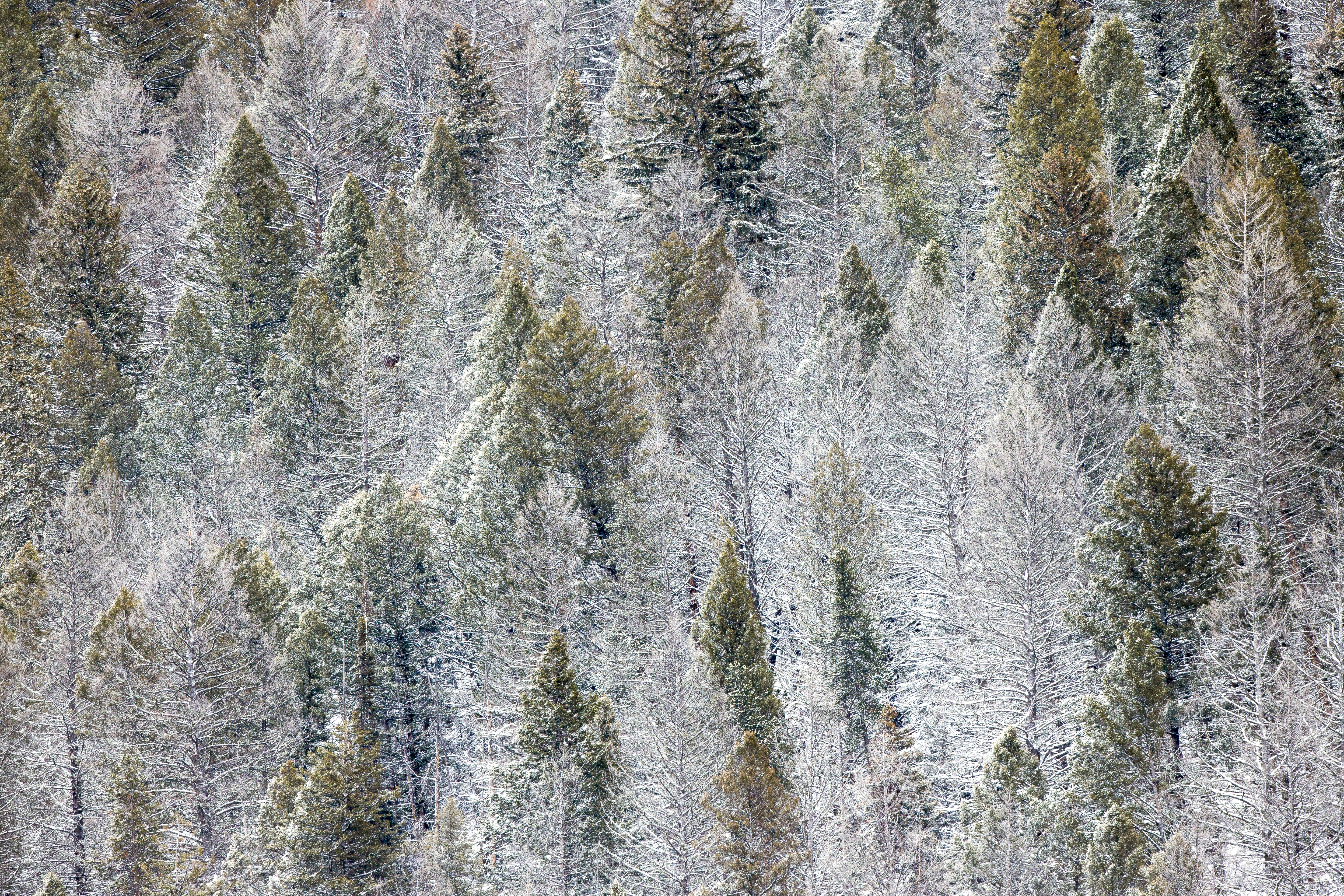
“In the silence of snow-covered pines, the soul finds a mirror of its own stillness.”
~ Robbie George
The Art of Visual Storytelling in Fine Art Photography
The heart of fine art photography is storytelling—sometimes spoken in light, sometimes whispered in shadow. Unlike commercial photography that aims to capture a product or event, fine art photography draws you into an unfolding narrative. It gives space for mystery, silence, and emotion to guide the viewer beyond what is seen.
As explored in my blog post The Living Code, visual storytelling is a resonance between subject and soul. The interplay of tone, form, and rhythm becomes its own silent language. In that space, viewers are invited to make meaning—to remember something personal, something eternal.
When I photographed this quiet river at dusk in Yellowstone, I wasn’t just documenting a scene—I was capturing a moment where time exhaled. The composition, color gradient, and soft movement of water all played into the story of presence, transition, and reflection.
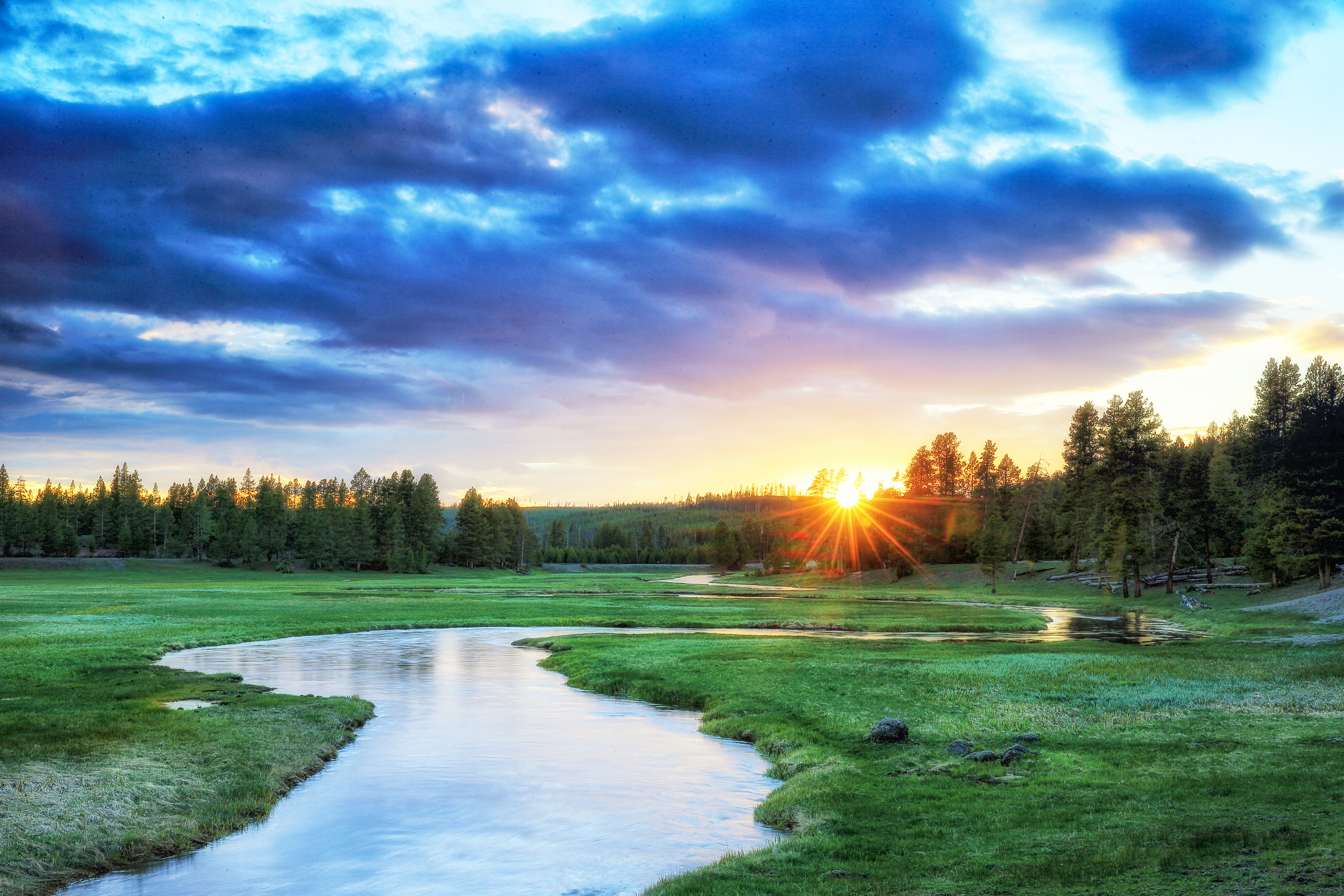
“Some stories unfold without words—just the hush of a river and the last light of day.”
~ Robbie George
Mastering Advanced Techniques in Fine Art Photography
Great fine art photography doesn’t just rely on vision—it also requires mastering techniques that allow that vision to be faithfully expressed. From long exposures that soften movement to filters that refine contrast and tone, these tools give your creative voice structure and clarity.
For instance, in landscape photography, I often use neutral density (ND) filters to extend shutter times and soften turbulent elements—like snow drifting or water flowing. When photographing the frosted stillness of the Rockies, long exposures helped transform a scene into a serene meditation on stillness and breath.
The right post-processing techniques also elevate your work from documentary to expressive art. Whether you're crafting HDR composites or enhancing textures through lightroom adjustments, every decision should echo the story you wish to tell—like a painter choosing their brushstroke.
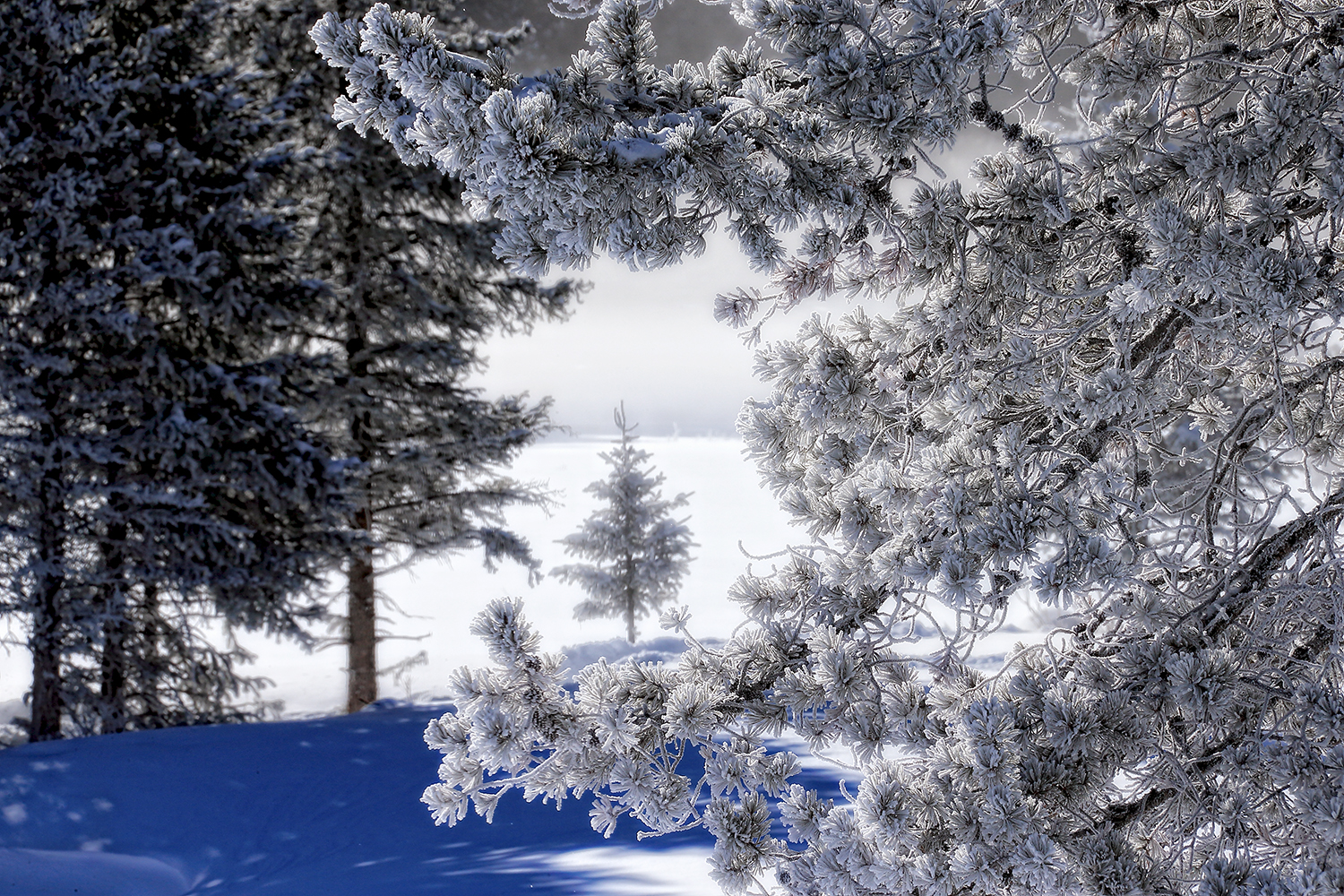
“In the stillness of snow, time surrenders—and what’s left is the essence of presence.”
~ Robbie George
Exploring Fine Art Photography Genres
Fine art photography encompasses a diverse range of genres, each offering a unique way to communicate vision and emotion. Whether you're working with dramatic monochromes or vibrant color stories, the genre you choose helps define the mood and intention behind your work.
Black and white photography simplifies the world into tone and shape, drawing attention to light, shadow, and emotion. Underwater photography reveals the fluid dreamscapes hidden below the surface. Street photography turns everyday life into poetic narrative. Fashion photography merges beauty with story, while wildlife photography honors the pulse of untamed life.
One of my favorite seasonal genres is autumn landscape photography. As seen in this image of New England’s glowing woods, autumn becomes a living metaphor for change and reflection. The mirror of the still water, the cascade of fiery foliage—together, they speak to time’s passage and nature’s enduring rhythm.
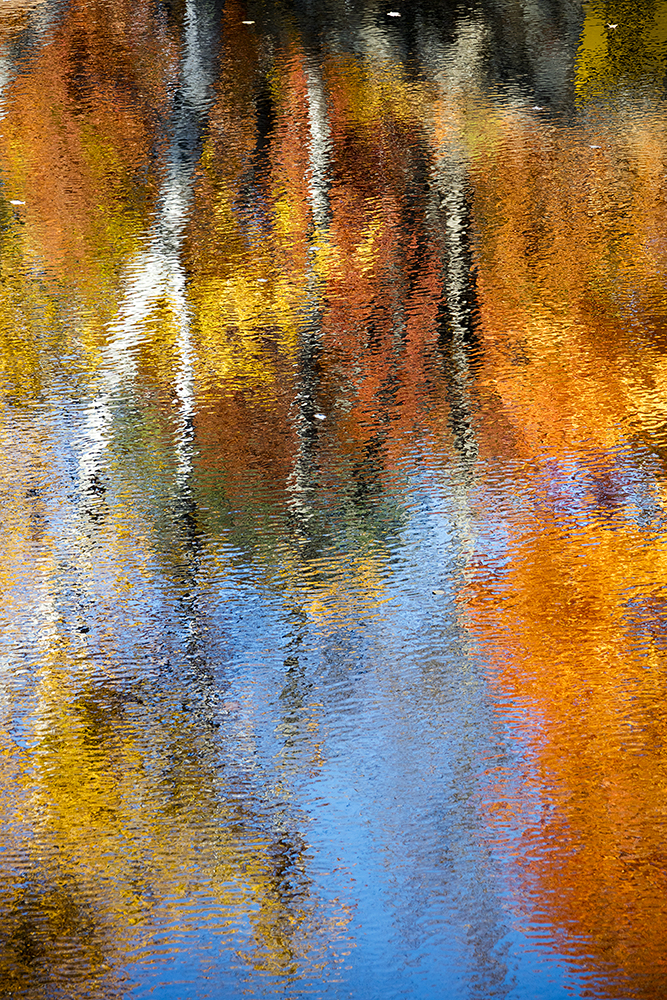
“Autumn writes in the colors of memory, reminding us that letting go is also beautiful.”
~ Robbie George
Building a Fine Art Photography Business
Turning your creative vision into a thriving business begins with honoring the art itself. Just like capturing the quiet nobility of a moose emerging through the frosted silence of Yellowstone, building a business is about patience, clarity, and presence.
Your pricing should reflect the emotional and technical investment of your work. Consider offering limited-edition prints on archival paper or canvas. Presentation matters—especially with larger pieces intended for collectors or galleries. And don’t forget your story. The narrative behind the image—your artist statement—can elevate a photo into a fine art treasure.
Begin with authenticity. Build trust through transparency, and connect emotionally with your audience. The more your work reflects your soul, the more it resonates. The moose does not shout—he simply stands. And yet, he is unforgettable.
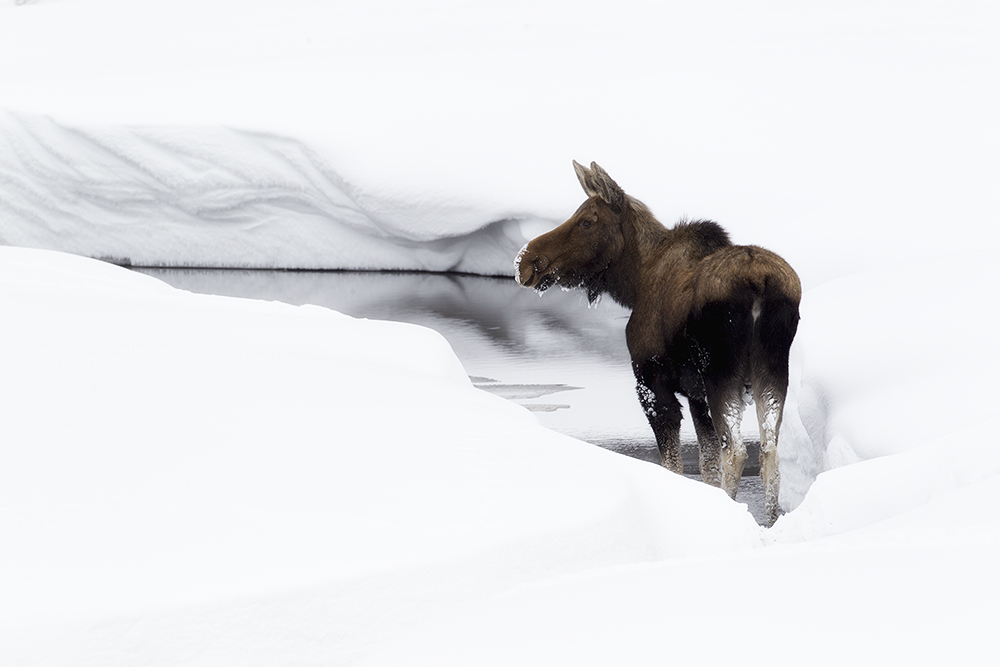
“In the stillness of the wild, your presence becomes your message.”
~ Robbie George
Marketing Strategies for Fine Art Photographers
Marketing fine art photography is an art in itself—one that requires intention, consistency, and soul. The goal isn’t just to gain attention; it’s to spark connection. Just as a snow-covered forest silences the noise of the world, great marketing clears the path to your vision.
Start by creating a professional website that showcases your work in high resolution, clearly communicates your values, and includes a secure shop for print purchases. Make sure your site is mobile-optimized and loads quickly—Google rewards speed and usability. A blog is your storytelling platform: share behind-the-scenes insight, the meaning behind each piece, and your photographic philosophy.
Leverage visual platforms like Instagram, Pinterest, and Facebook to connect with collectors, nature lovers, and kindred spirits. Use internal links throughout your posts to guide visitors toward your limited-edition prints, nature quotes, or other blogs they might love. And don’t underestimate the power of your email list—it’s where collectors are born and nurtured.
“Let your message fall like snow—quiet, honest, and impossible to ignore.”
~ Robbie George
Share Your Vision Through Fine Art Photography
Whether you’re just discovering your creative voice or refining your signature style, fine art photography gives you the power to communicate deeply, to inspire, and to preserve the fleeting beauty of life. Let your images speak where words fall short.
Browse my Nature Photography Gallery or explore the emotional depth of my Seascapes Collection. Each image is paired with a soulful nature quote, inviting you to experience the stillness, the wildness, and the wonder.
Dive deeper into the creative process with blog posts like Ocean's Spell or the Electric Nature of Wild Animals, and begin crafting your own photographic story.
🖼️ Explore Fine Art PrintsFrequently Asked Questions: Mastering Fine Art Photography
1. What makes photography “fine art” rather than just a picture?
Fine art photography conveys a concept, emotion, or personal vision. It’s intentionally crafted to express the artist’s message, going beyond snapshots to become visual storytelling. It invites interpretation, emotion, and connection.
2. How do I develop a signature style?
Begin by photographing subjects that stir something inside you. Experiment with light, tone, and framing. Over time, consistent themes, editing approaches, and emotional tones will emerge—your visual fingerprint.
3. Do I need professional gear to create fine art photography?
Not necessarily. While high-resolution gear helps with printing and detail, it’s your vision and creativity that matter most. Many iconic photos were taken on modest equipment with powerful intention.
4. How important is post-processing in fine art photography?
Post-processing is an essential tool in expressing your vision. Whether subtle or surreal, your editing style helps define your emotional tone and enhances the message behind the image.
5. Can I make a living selling fine art photography?
Yes—with consistency, branding, and storytelling. Focus on building a strong portfolio, optimizing SEO, engaging with your audience, and exploring platforms like exhibitions, galleries, and online stores.