


Bear Facts: Everything You Need to Know About the World's Most Fascinating Mammals
What I See in the Field — How Bears Actually Move and Behave
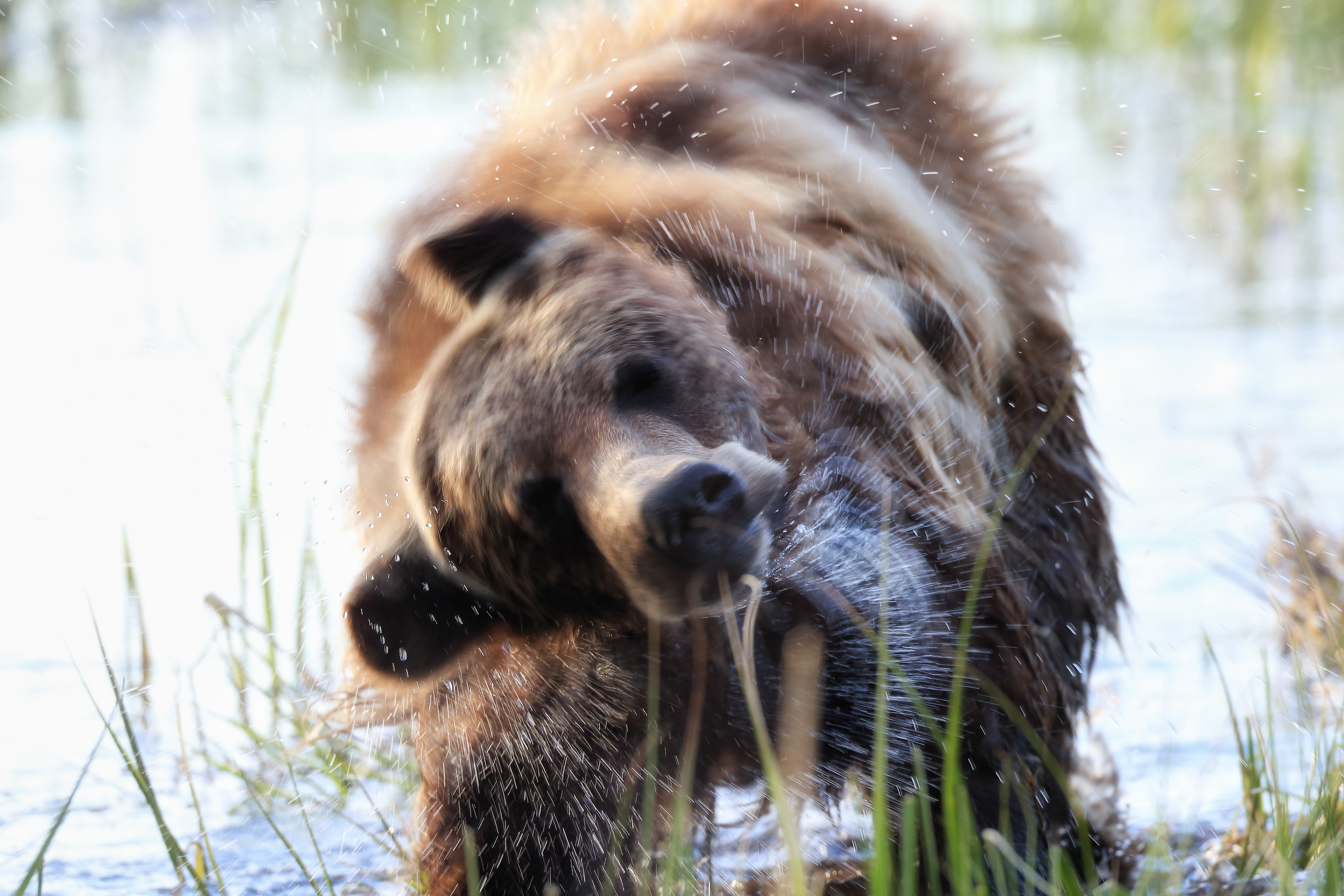
When I’m in the field with bears, the first thing that stands out isn’t aggression or dominance—it’s awareness. Bears are constantly reading the landscape. Every step, every pause, every shift in direction is tied to something: food, scent, terrain, or movement happening beyond what you immediately see.
Watching a grizzly in a place like Grand Teton, you realize quickly that they are not just moving through space—they are actively interacting with it. They cover ground efficiently, stop with purpose, and shift direction based on subtle cues most people would miss.
This is what makes bears such a strong example of wildlife behavior and ecology. They are not random in their actions. Their behavior is structured, responsive, and directly tied to the system they operate within.
What most people miss is how much of that behavior is driven by energy efficiency. Bears are constantly balancing effort and reward—deciding where to move, when to feed, and how long to stay in one place. That balance is what allows them to survive across such a wide range of environments, from forests to alpine terrain to Arctic coastlines.
Once you start seeing that pattern, the idea of “bear behavior” shifts. It’s no longer about isolated actions—it’s about understanding how the animal is connected to the larger system at every moment.
Explore This Bear Guide
This guide connects into the broader system: Mammals of North America, Behavior & Ecology, Ecosystems, and Conservation.
Explore the full system in Naturepedia.
Core Behavior — How Bears Think, Move, and Use Energy
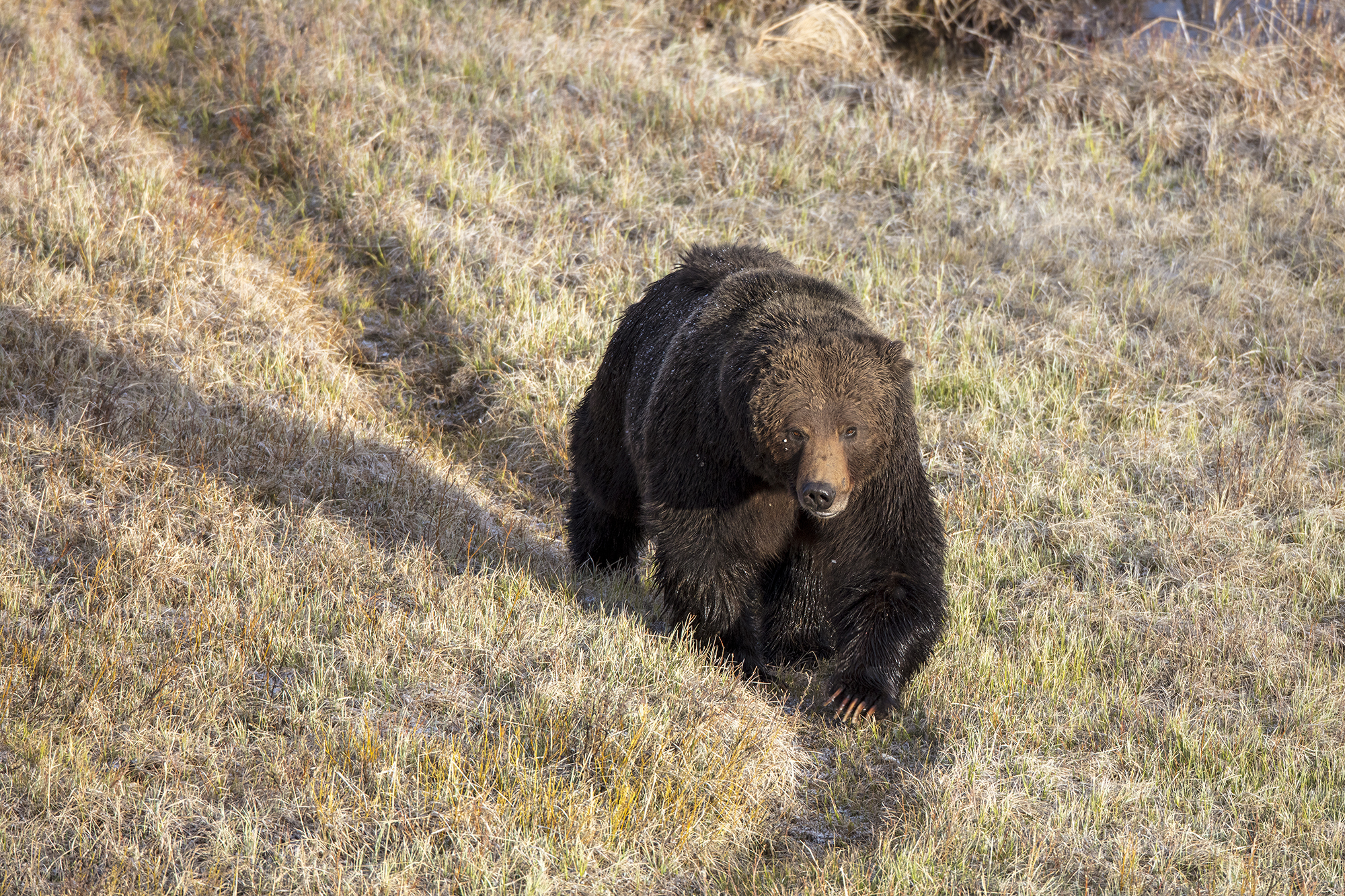
From what I’ve observed in the field, bears are highly calculated in how they move. They are not constantly active—they are selective. Every action is tied to energy: how much they spend, how much they gain, and whether the movement is worth it.
A bear moving across open terrain might appear slow, but that pace is intentional. They cover ground efficiently while scanning for scent, food sources, and changes in the environment. Their sense of smell drives much of this behavior, often dictating direction long before anything is visible.
Bears are also opportunistic. They don’t rely on a single food source—instead, they adjust constantly based on availability. This flexibility is a major reason they are able to survive across such diverse environments, from forests to alpine terrain to Arctic coastlines. It’s a clear example of adaptation and survival at work.
Another key behavior is how they use space. Bears are generally solitary, but their territories and movement patterns overlap in ways that reduce conflict. Timing, scent marking, and awareness of other bears all play a role. This creates a structure that isn’t obvious at first, but becomes clear with repeated observation.
All of this ties directly into wildlife behavior and ecology. Bears are not acting randomly—they are responding to a system, moment by moment, balancing risk, reward, and energy across the landscape.
Habitat — Where Bears Live and How They Use the Landscape
Bears are one of the few large mammals that successfully occupy a wide range of habitats across the planet. From what I’ve seen in the field, that flexibility comes down to one thing: their ability to adapt behavior to environment. They don’t rely on a single type of terrain—they adjust based on what the landscape provides.
In North America, species like the grizzly and black bear are most often tied to forested and mountainous environments. Areas like Yellowstone and Grand Teton offer a mix of forest, open meadow, and elevation change—exactly the type of terrain that supports their movement, feeding patterns, and seasonal shifts.
Globally, that pattern continues. Polar bears operate along Arctic coastlines and sea ice. Andean bears move through cloud forests. Sun bears inhabit dense tropical environments. Each species is tied to a different ecosystem, but the underlying requirement is the same: access to food, space to move, and minimal disruption.
What makes bear habitat important is not just location—it’s connectivity. Bears require large, continuous areas to function naturally. When those landscapes become fragmented, movement patterns break down, and human interaction increases. This is one of the central challenges in wildlife conservation and habitat protection.
In the field, it becomes clear that bears are not just using habitat—they are constantly navigating it. Their routes, feeding areas, and seasonal shifts all reflect a deep connection to the structure of the land. Understanding that is key to understanding the species itself.
Diet — What Bears Eat and How It Shapes Their Behavior
One of the most important things I’ve learned in the field is that a bear’s behavior is driven almost entirely by food. Where they go, how fast they move, how long they stay in one area—it all comes back to what’s available to eat and how efficiently they can access it.
Most bear species are omnivores, but that doesn’t mean they eat everything equally. Their diet shifts constantly depending on season and location. In spring, they’re often focused on emerging vegetation and carrion. By summer, berries and plant material dominate. In fall, everything becomes about high-calorie intake—building fat reserves for winter.
Grizzlies, in particular, show how adaptable this can be. I’ve seen them feeding on roots, insects, berries, and even large prey when the opportunity presents itself. In coastal areas, salmon becomes a major food source. In inland ecosystems, they shift toward whatever provides the most efficient energy return. This is a direct example of food web dynamics in action.
That diet flexibility is what allows bears to occupy such a wide geographic range. Polar bears rely heavily on seals. Pandas specialize in bamboo. Black bears lean more toward plant-based food sources. Each species reflects the ecosystem it lives in, adjusting feeding behavior to match available resources.
What’s often overlooked is how this feeding behavior impacts the ecosystem itself. Bears help distribute nutrients, disperse seeds, and even influence prey populations. Their diet doesn’t just sustain them—it feeds back into biodiversity and ecosystem balance.
In the field, you quickly realize that if you understand what a bear is eating, you understand where it will be—and how it will behave when it gets there.
Life Cycle — From Cubs to Solitary Adults
From what I’ve observed in the field, the bear life cycle is tightly tied to season and survival. Unlike herd animals, bears develop largely on their own timeline—guided by maternal care early on, and independence later.
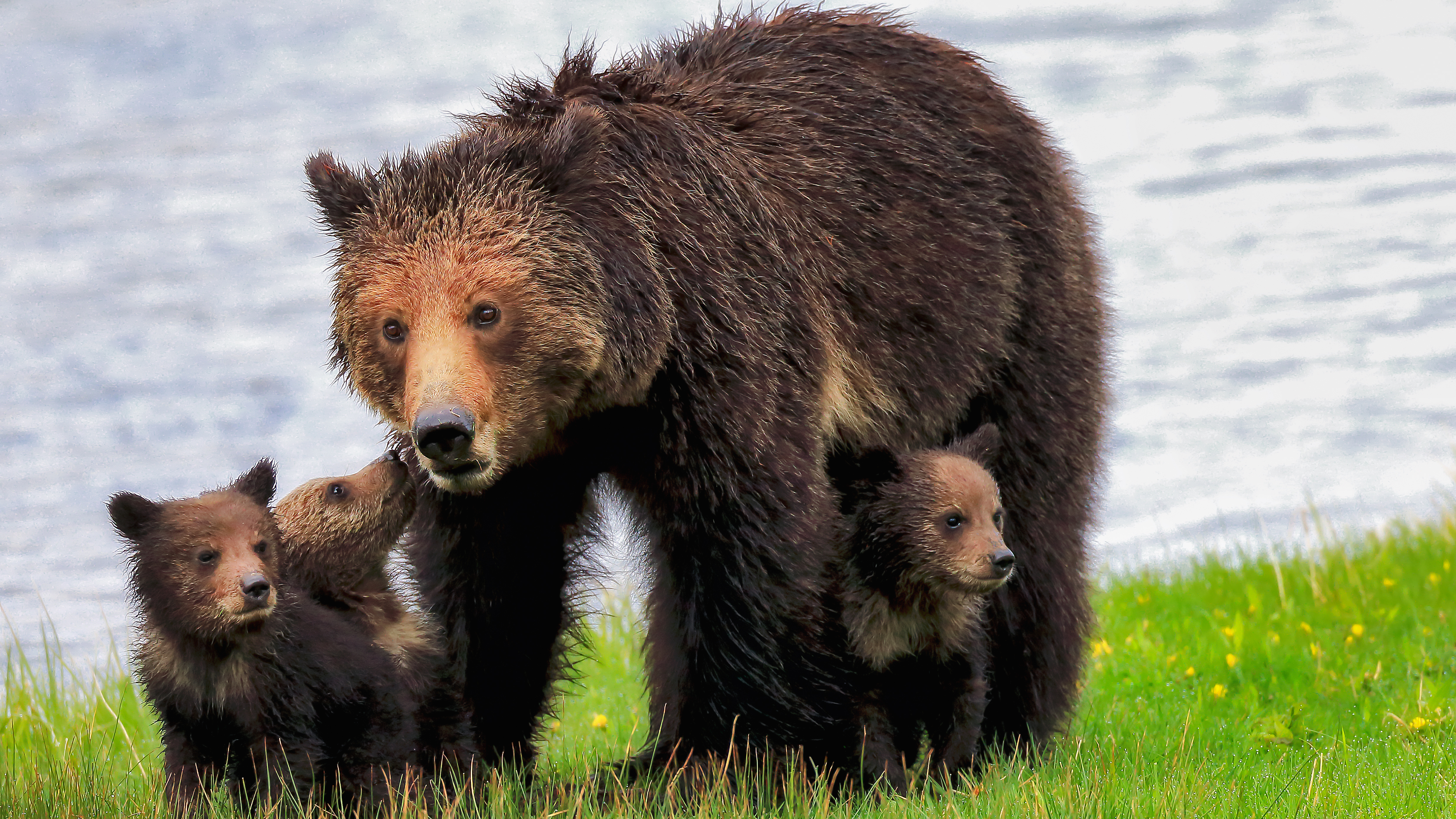
Cubs are typically born during winter while the mother is in a den. They are small, vulnerable, and completely dependent. When spring arrives, they emerge into the landscape already in a critical learning phase—following their mother closely, observing everything she does.
That early stage is one of the most important periods in a bear’s life. Cubs learn where to feed, how to move through terrain, and how to recognize risk. This is not instinct alone—it’s learned behavior. Watching a mother and cub interaction in the field is one of the clearest examples of how knowledge is passed within wildlife behavior systems.
As bears mature, they transition into independence. Most species become solitary, establishing their own range and movement patterns. At this stage, behavior becomes more about efficiency—finding food, avoiding conflict, and maintaining territory.
Reproduction cycles then repeat the process. Adult females raise cubs over multiple seasons, while males focus on range and breeding opportunities. Timing is everything—birth aligns with spring food availability, ensuring cubs have the best chance of survival.
All of this connects back to seasonal cycles. The bear life cycle isn’t separate from the environment—it’s synchronized with it. Growth, reproduction, and survival all follow the same rhythm as the land itself.
Conservation — Protecting Bears and the Systems They Depend On
From what I’ve seen in the field, bear conservation is not just about protecting a species—it’s about protecting the landscapes that allow that species to function. Bears require space, food diversity, and seasonal movement. When those elements break down, so does the system they are part of.
In North America, some populations—like grizzlies in the Greater Yellowstone Ecosystem—have recovered due to strong conservation efforts. Protected land, better management practices, and public education have allowed these bears to stabilize and expand into surrounding areas. This is one of the clearest examples of successful wildlife conservation and habitat protection.
Globally, the situation is more complex. Species like polar bears are facing rapid habitat loss due to climate change. Sun bears and Asian black bears are impacted by deforestation and illegal wildlife trade. Even in stable regions, habitat fragmentation continues to increase human-wildlife conflict.
What makes bears particularly sensitive to these changes is their range. They need large, connected landscapes to move naturally. When those corridors disappear, bears are forced into smaller areas, increasing competition and encounters with humans.
Conservation efforts today are increasingly focused on reconnecting those landscapes—protecting migration routes, reducing conflict zones, and preserving ecosystem integrity. This ties directly into biodiversity and ecosystem balance.
In the field, the takeaway is simple: when bears are able to move freely and behave naturally, the system is working. When they can’t, something is breaking down.
Seasonal Patterns — How Bears Move Through the Year
From what I’ve observed, bears don’t migrate in the traditional sense like birds or ungulates—but they do shift their movement patterns significantly throughout the year. Their behavior is tightly tied to seasonal food availability, temperature, and energy demands.
In spring, bears emerge from dens and begin moving into lower elevations where food becomes available first. This is a critical period—energy reserves are low, and bears are focused on rebuilding strength after winter. Movement is cautious but purposeful, often centered around early vegetation and carrion.
As summer progresses, their range expands. Food sources diversify—berries, insects, fish, and plant matter all come into play. Bears move more frequently during this time, adjusting to changing conditions across the landscape. This aligns closely with seasonal wildlife cycles.
Fall is the most intense period. Bears enter a phase known as hyperphagia—essentially constant feeding to build fat reserves for winter. Their movement becomes highly focused on calorie-rich food sources, and they will cover larger areas if necessary to find them.
Winter shifts everything again. Most bear species enter a denning phase, reducing activity significantly. During this time, their metabolism slows, and they rely on stored energy. This behavior is directly tied to seasonal change and environmental conditions.
Across all seasons, the pattern is consistent—bears are constantly adjusting to the landscape. Their movement is not random; it is a response to shifting conditions that allows them to stay aligned with the system they depend on.
Naturepedia Connection — Understanding Bears in the Larger System
From what I’ve observed in the field, bears are one of the clearest examples of how a species connects across multiple layers of an ecosystem. They are not limited to a single role—they influence food webs, plant systems, nutrient cycles, and even how other animals move through the landscape.
Their behavior links directly to habitat and season. Where they feed affects plant regeneration. Where they move affects prey distribution and scavenger activity. This is why bears are often considered keystone species within ecosystems of North America and beyond.
To understand bears fully, you have to connect multiple layers: their behavior through behavior and ecology, their role in food webs, and their importance in conservation and habitat systems.
This is how I’ve built the structure across the site—connecting species into: category, behavior, ecosystems, and conservation.
Bears are one of the strongest examples of how those layers come together into a functioning system.
To explore this deeper, continue into the Naturepedia system.
Frequently Asked Questions — Bears
How many species of bears are there?
There are eight bear species worldwide, including grizzly bears, black bears, polar bears, pandas, and several others across Asia and South America. Each species has adapted to a different ecosystem and food availability.
Are bears dangerous to humans?
Bears are powerful wild animals and should always be treated with respect. In most cases, they avoid humans. Conflicts usually happen when bears are surprised, protecting cubs, or attracted to food. Maintaining distance and understanding behavior is key in the field.
What do bears eat?
Most bears are omnivores, eating a mix of plants, berries, insects, fish, and occasionally large prey. Diet varies by species and season, with feeding behavior strongly tied to energy needs and food availability.
Do all bears hibernate?
Not all bears hibernate in the same way. Many species enter a denning phase in winter, reducing activity and relying on stored fat. Polar bears, for example, only den in specific situations, while others may remain active depending on climate.
Why are bears important to ecosystems?
Bears play a key role in ecosystems by dispersing seeds, cycling nutrients, influencing prey populations, and shaping habitat use. Their presence supports long-term ecosystem balance.
About Robbie George
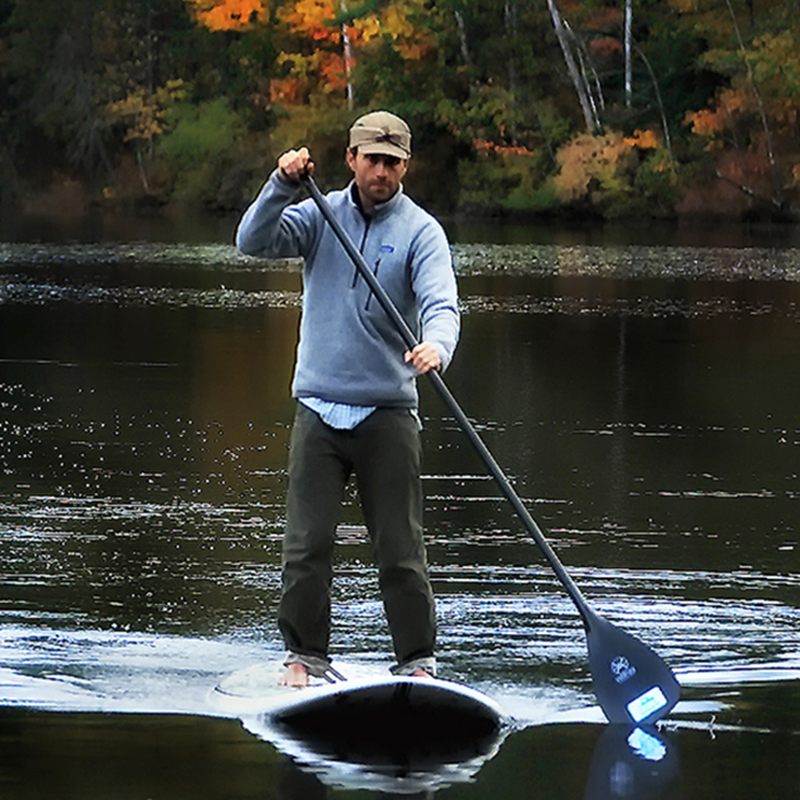
I’m Robbie George, a National Geographic–published wildlife photographer. My work is built through repeated time in the field—returning to landscapes across seasons to understand how animals move, feed, adapt, and interact with the systems around them.
Bears are one of the species that reveal the system most clearly. When you spend enough time observing them, you start to see how their movement connects to food availability, how their behavior shifts with season, and how their presence impacts the broader landscape. That perspective is what shapes the Naturepedia Wildlife Knowledge System—linking species to behavior, habitat, and ecosystem function.
You can explore more field-based work in the Wildlife Gallery, or plan your own time in the field using tools like the Seasonal Wildlife Calendar and Photography Maps.
“Bears teach you to read the landscape first—everything else follows from that.”





Social Behavior — Solitary by Design, Structured by Awareness
One of the biggest misconceptions about bears is that they operate without structure because they are solitary. In the field, it becomes clear that the opposite is true. Bears are highly aware of other bears—they just manage that awareness through distance, timing, and movement rather than constant interaction.
Most adult bears maintain overlapping ranges rather than fixed territories. They use scent marking, movement patterns, and timing to avoid unnecessary conflict. When food sources are concentrated—like salmon runs or berry-rich areas—you’ll sometimes see multiple bears in close proximity, but even then, spacing and behavior remain controlled.
The strongest social bond is between a mother and her cubs. I’ve watched how protective and intentional that relationship is—how the mother positions herself, how she teaches movement, and how she responds to risk. Cubs stay with her for up to two years, learning everything they need to survive on their own.
Male bears operate differently. They are more independent, covering larger ranges and interacting primarily during breeding season. Even then, encounters are often brief and structured around dominance and timing rather than long-term association.
All of this ties back into wildlife systems. Bears are not social in the traditional sense, but they are constantly interacting with other individuals through the landscape. Their spacing, timing, and awareness create a structure that allows multiple bears to coexist within the same environment.
Once you recognize that pattern, you realize they are not alone—they are part of a system that extends beyond direct contact.