

We Are Light-Deficient: The New Pandemic of Mitochondrial Malnourishment
We Are Light-Deficient: The New Pandemic of Mitochondrial Malnourishment
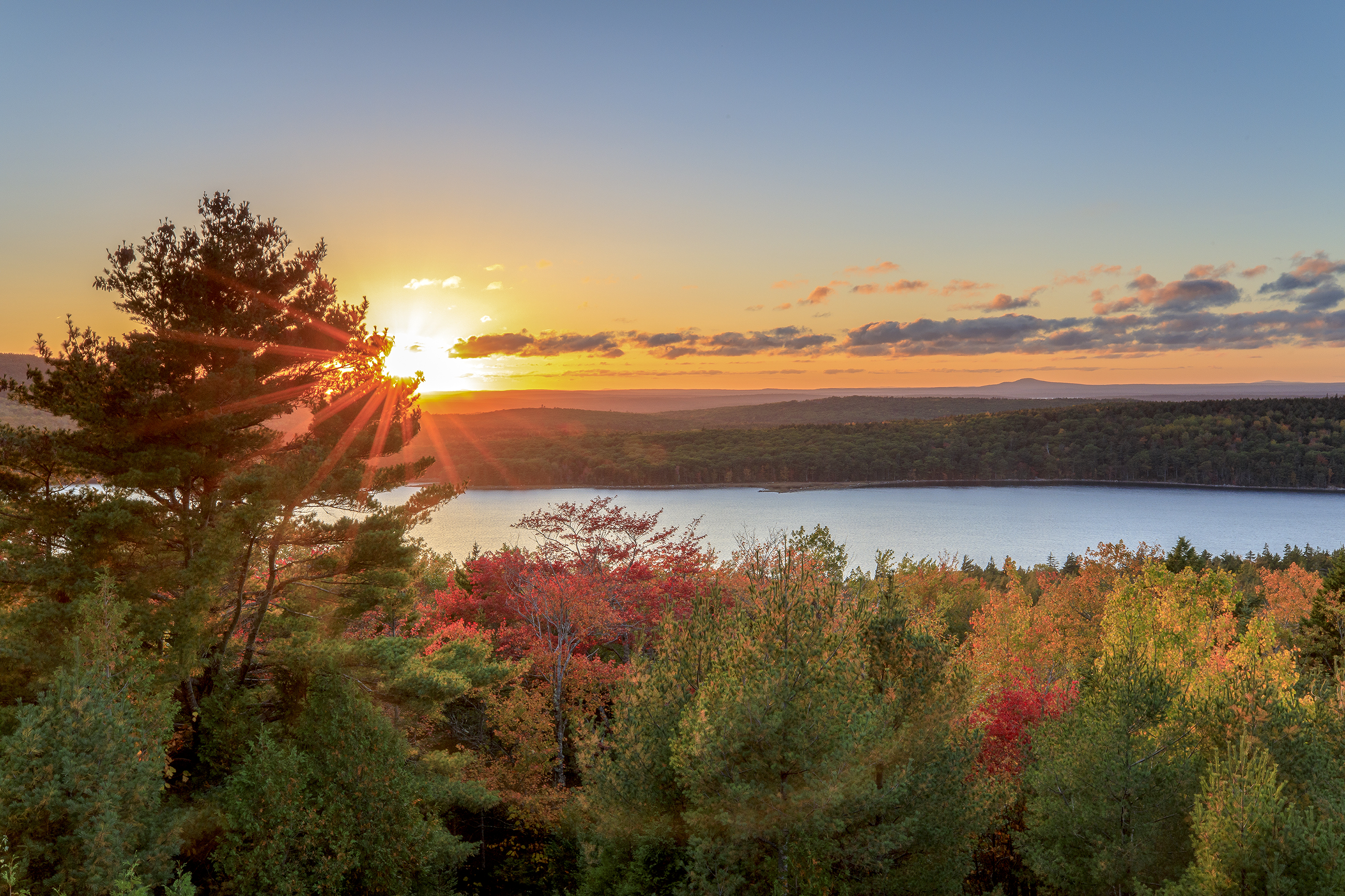
Every photograph I’ve ever taken begins with one condition: the presence of light. Without it, the sensor remains blind, the colors mute, the moment unrecorded. Nature photography taught me something sacred—light isn’t just illumination, it’s information. And our bodies, like my cameras, are biological sensors built to record, respond, and repair only in the presence of this living frequency.
But in today’s world, most of us are exposed to more screens than sunrises. We’ve been taught that food is our only source of energy, yet modern research—and ancient wisdom—suggest that photons, not just calories, fuel life. Our mitochondria are not just little powerhouses grinding out ATP from carbs and fats—they are luminous receptors tuned to the sun’s frequencies.
What happens when those receptors go dark? Fatigue becomes chronic. Vision blurs. Vitality fades. But this isn’t degeneration—it’s deprivation. And the remedy begins not with medicine or supplements, but with a return to the original source: the light that rises in the East each morning, asking us to remember.
“Just as a photo cannot be developed in darkness, neither can your vitality. Light is your original language.”
Sunlight as Mitochondrial Medicine

In 2025, a groundbreaking study published in Scientific Reports confirmed what nature has whispered all along: certain wavelengths of sunlight—especially in the 830–860 nanometer range—penetrate the human body and improve cellular function. This range falls in the near-infrared spectrum and is particularly effective at restoring the membrane potential of our mitochondria, the energy-producing structures inside our cells.
Even when sunlight is applied to the back of the body, and even when the eyes are completely shielded, researchers found that vision improved 24 hours later. This phenomenon hints at what physicists call the abscopal effect: a distant healing response triggered by localized light. In other words, when light touches one part of you, the whole system remembers how to heal. This insight expands on the legacy of heliotherapy and pioneers like Auguste Rollier, while offering renewed relevance for a digital age.
Unlike modern white LEDs, which concentrate blue light and exclude longer wavelengths, natural sunlight carries the full spectrum—an evolutionary code your body understands intuitively. Without it, your mitochondria struggle. With it, they hum. This is why spending time outdoors isn’t just a mood boost—it’s a mitochondrial reset. And it’s one reason why I return, again and again, to the landscape to photograph the light itself.
Mitochondria — Antennas, Not Engines
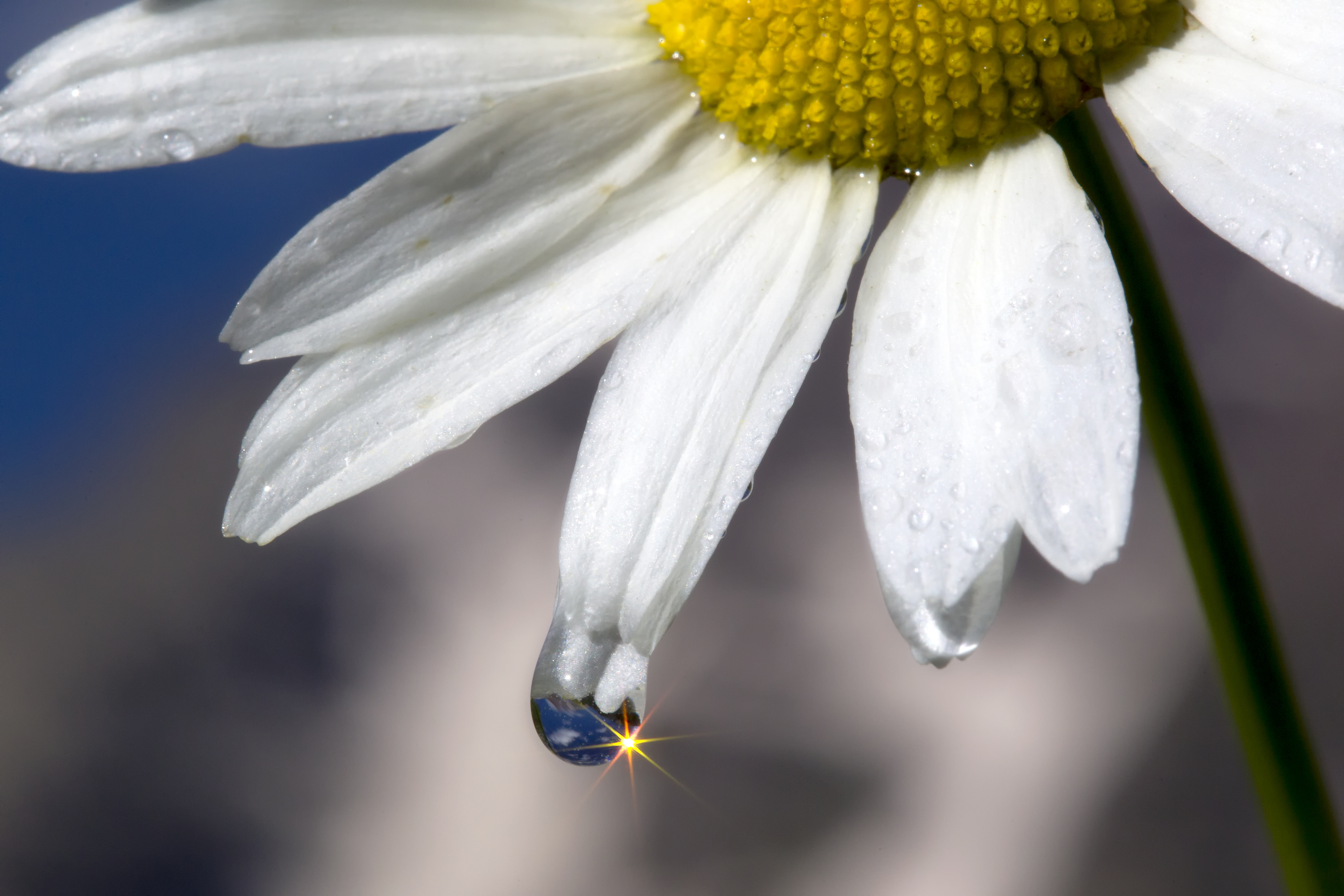
For years, science has described mitochondria as the “powerhouses of the cell.” But they are more than biological batteries. They are finely tuned antennas, resonating with the frequencies of light, water, and magnetism. In particular, they respond to photons in the red and near-infrared spectrum—precisely the wavelengths most diminished by our modern indoor lives.
Just as a flower opens to sunlight, mitochondria awaken in the presence of radiant energy. They absorb photons through a protein complex called cytochrome c oxidase, which then increases ATP production and generates metabolic water—the very breath of cellular life. This light-fueled resonance explains why fatigue, brain fog, and even inflammation often improve with sunlight exposure.
But here's the deeper mystery: not only do our cells respond to light—so does our food. Plants encode the memory of the sun in their pigments. Grapes, berries, turmeric, and leafy greens contain phytonutrients like resveratrol, quercetin, curcumin, and chlorophyll. These compounds are photoactivated—they require sunlight to unlock their full potential. To eat photonic food and then avoid the sun is to consume half a code and forget the rest.
In this way, your biology mirrors a camera’s sensor: light must touch the surface to form the image. Without light, the story is never recorded. Without sun, the nutrients in your food remain dormant. Healing, like photography, is a function of exposure.
The Abscopal Effect — Healing From a Distance
In the 2025 study that inspired this blog, researchers exposed subjects to near-infrared light on their backs—with their eyes completely shielded. Yet, 24 hours later, those same individuals showed improved visual contrast sensitivity. How? This is the abscopal effect—a mysterious yet well-documented phenomenon where healing occurs far from the point of stimulus.
Mitochondria are not isolated energy units. They communicate through cytokines, resonance fields, and perhaps even quantum coherence. When one region of the body is illuminated with healing light, other regions respond, recalibrate, and realign. This mirrors how forests communicate underground through the Wood Wide Web: what happens to one root is known by the whole.
Your body, like a forest, operates in systemic intelligence. Light applied to the spine may ease inflammation in the brain. A hand touched by sunlight may help stabilize blood sugar system-wide. This is more than metaphor—it is the future of mitochondrial medicine, and it affirms what ancient healing systems already knew: the body is not a machine of parts, but a field of relationships.
The Modern Light Crisis — Artificial Light, Real Consequences
In nature, light is full-spectrum—ranging from ultraviolet through infrared. These wavelengths work together like a symphony, tuning the human body to health, rhythm, and renewal. But in our modern world, we've replaced that symphony with a single, piercing note: blue light.
Most indoor lighting today—especially LEDs—emit light in the 420–450 nanometer range. These frequencies lack the longer red and near-infrared wavelengths that mitochondria require for repair and energy production. Without that balancing warmth, blue light becomes stressful. It disrupts circadian rhythms, strains the nervous system, and can even destabilize cardiovascular and metabolic functions.
Firelight and incandescent bulbs once mimicked sunlight’s warming glow. Now, many environments are flooded with cold, synthetic light that may look efficient—but isn’t biologically coherent. The body is not fooled. This is one reason why I return again and again to wild landscapes: they are not just visually beautiful, they are vibrationally aligned. And so is the light.
For more on how light governs the body’s deeper rhythms, explore The Solar Soul Clock and how our cells still listen for dawn.
🌞 Check Your Light Diet
How light-fed were you today?
- ☀️ I saw the sunrise with bare eyes
- 🚶 I spent at least 20 minutes outdoors without sunglasses
- 🔴 I exposed my skin to natural or infrared light
- 🔵 I limited my screen use after sunset
- 🕯️ I used firelight, incandescent bulbs, or amber lights at night
If you answered “no” to 3 or more… your mitochondria are likely craving the field.
Infrared Therapy as a Bridge
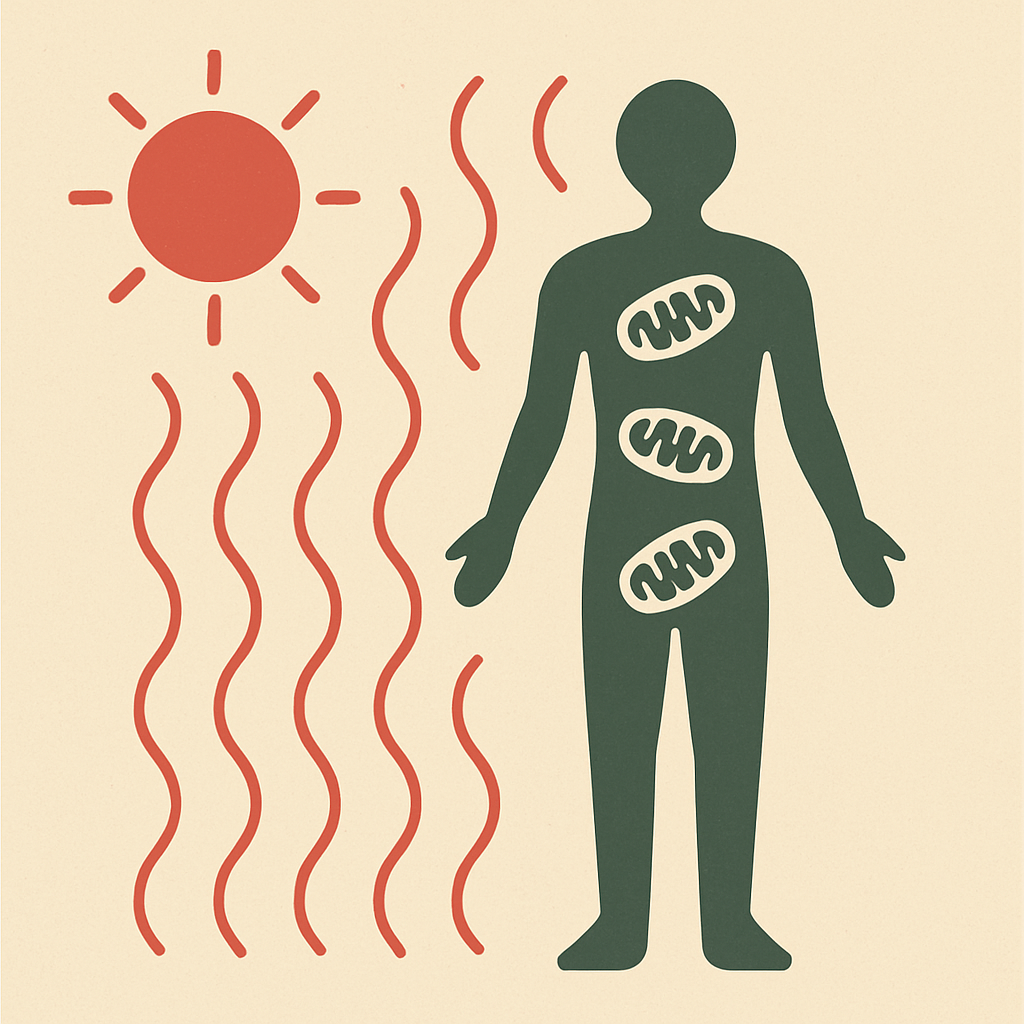
While nothing replaces natural sunlight, certain technologies can serve as modern allies in our photonic restoration. Infrared saunas, especially those tuned to the 850 nanometer wavelength, offer a way to deliver mitochondria the light frequencies they crave—even indoors, even in winter.
This is where HOTWORX Bedford and HOTWORX South Portland (SoPo) play a critical role. These studios use targeted infrared light during isometric workouts, blending heat, light, and movement in a single, regenerative session. It’s not just sweat—it’s solar language.
Research confirms that far-infrared light penetrates deeply into the body, recharging the mitochondrial membrane potential and enhancing ATP production. But the benefit goes beyond energy—it touches the nervous system, immune resilience, and even mood. When red light returns to the body, so does remembrance. The field begins to re-harmonize.
“Infrared isn’t just heat—it’s memory. A living signature that reawakens the soul of the cell.”
Action Steps — Recharging the Human Battery
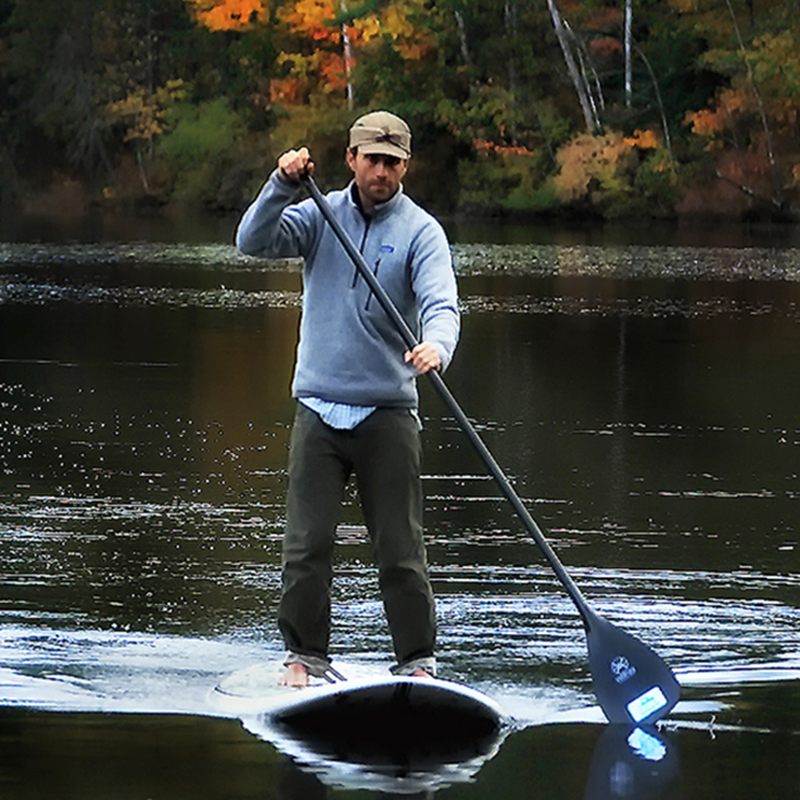
Healing doesn’t have to be complex. Sometimes, it’s as simple as stepping outside barefoot, letting the sun greet your skin, and breathing with the rhythm of the Earth. What follows is a list not of prescriptions, but of remembrances—ways to plug your biology back into the field of coherence.
These practices reflect my lived experience, and align deeply with the protocols explored in my Quantum Vitality series. I’ve tested them over time—through photography, farming, infrared saunas, and still mornings on the water. Each is a small way to recharge your inner current.
- ☀️ Witness the sunrise without sunglasses—set your circadian compass
- 🧍♂️ Expose your skin to sunlight daily (especially chest, back, and legs)
- 🟢 Eat photonic foods like grapes, turmeric, and greens—then go into the light
- 💧 Drink structured, mineral-rich water—hydration with memory
- 🧲 Ground yourself on natural earth to discharge excess electrons
- 🔴 Use infrared saunas, especially in the 850 nm range, to fuel mitochondrial repair
- 🕯️ Replace nighttime LEDs with amber, candle, or incandescent light to restore rhythm
- 🌲 Spend time in nature—not just for scenery, but for signal
These aren’t hacks—they are harmonic restorations. As explored further in Detoxing the Noise, your mitochondria crave not just nutrition, but the right frequencies. Life doesn’t begin at the cellular level—it begins at the vibrational one.
Epilogue — Russell & Schauberger
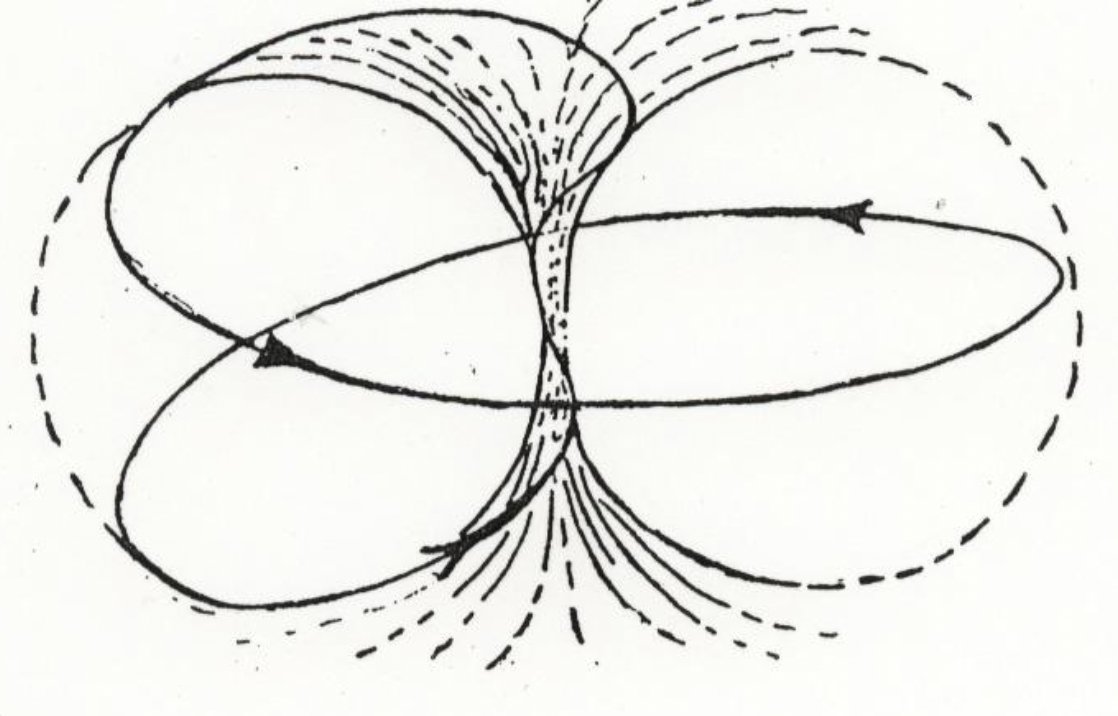
Science often describes life as a collection of parts, a biomechanical sum of its chemistry. But in the rhythms of light, implosion, and flow, we see something deeper: life as a wave, a resonance, a field in motion. Both Walter Russell and Viktor Schauberger understood this—and so do the cells beneath your skin.
Russell taught that light is the organizing principle of form. That we are not made of matter, but of motion. Schauberger reminded us that magnetism is not the product of machines, but of implosion—an inward spiral that draws coherence into form. These are not lost ideas. They are being remembered, through photography, through sunlight, through the mitochondria speaking quietly in our tissues.
Whether it’s the structure of a tree, the flight of a bird, or the quiet expansion of breath in morning light—there is a deeper current organizing all things. And your body is not separate from it. You are not outside the code. You are the resonance made visible.
“You cannot create life with chemicals. Life is in the electric wave. Its rhythms build the body. Its rhythms rebuild it.”
— Walter Russell
“Magnetism is created through implosion, the inward spiraling motion of a medium. This is nature's secret.”
— Viktor Schauberger
The Light Returns
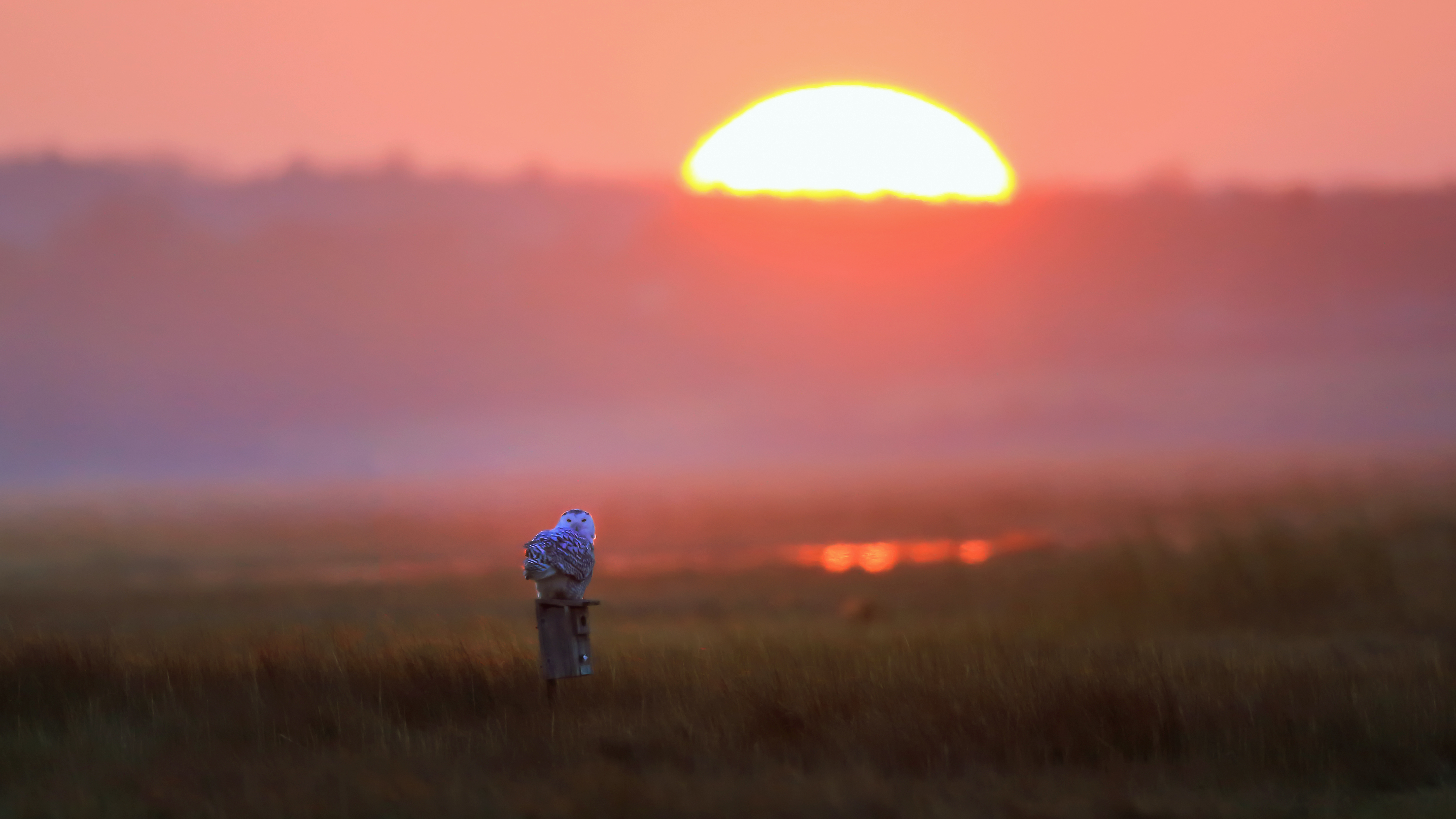
You are not broken—you are light-deficient. And the return to vitality begins not with adding more, but by remembering what was always there: light as a nutrient, rhythm as a guide, coherence as medicine. The sun does not charge for entry. The Earth does not request a prescription. This is the original healthcare system—and it starts with stepping outside.
I’ve spent decades chasing light through forests, mountains, wetlands, and winter fields. And what I’ve found is this: when we stop chasing and simply stand in the field, barefoot and aware, we remember who we are. We’re not separate from nature—we are the aperture through which nature sees itself.
“Let this be a reminder: You are not broken. You are light-deficient. And the cure has always risen in the East.”
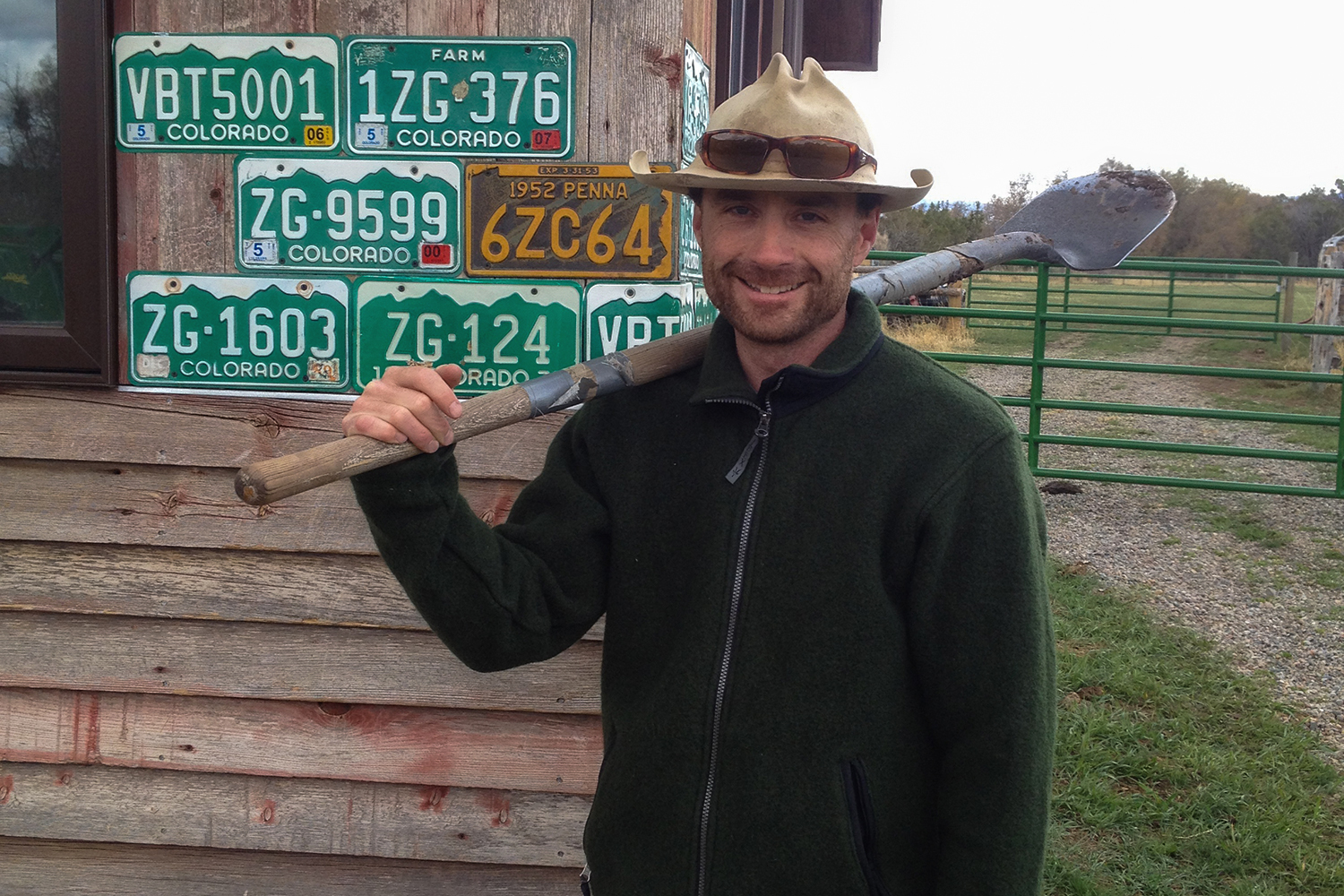
The Original Ute City Spiral Camera — A Glyph of Remembrance
About the Author
Robbie George is a National Geographic photographer, regenerative farmer, and nature philosopher. He captures the harmonic intelligence of nature through fine art photography, quantum storytelling, and ecological insight.
Explore his signature series The Living Code, dive into Quantum Agriculture, or follow his journey on Instagram and LinkedIn.
If this post resonated with you, I invite you to explore more about the Quantum Vitality framework I’ve built—where light, water, magnetism, and memory converge into a living, regenerative rhythm.
Or dive deeper into the visual language of light through my nature photo series Signature Series—a photographic ode to Earth’s unseen frequencies.
Keep Following the Light
The journey back to light, rhythm, and resonance doesn’t end here. There’s more to uncover—more ways to remember that health isn’t manufactured, it’s re-aligned.
Explore the series that began it all, where nature photography meets vibrational science in a unified rhythm:
📸 Signature Series: Nature • Science • Soul
Dive deeper into the regenerative lifestyle framework that informed this blog through the lens of photonic nutrition, field coherence, and quantum rest:
🌱 Quantum Vitality: Reconnect with Nature's Operating System
Or return to the home field, where the entire library of essays, photo essays, spirit animal guides, and light-based insights are collected:
Frequently Asked Questions
1. Is it really possible for sunlight to affect cells deep inside the body?
Yes. Research confirms that near-infrared light (especially around 850 nm) can penetrate through clothing and even through the thorax, reaching tissues and mitochondria throughout the body. This deep penetration can enhance ATP production, support vision, and improve systemic function.
2. How is food connected to light and mitochondria?
Many phytonutrients—such as resveratrol in grapes, chlorophyll in greens, and curcumin in turmeric—are photoactivated. This means they require sunlight exposure after consumption to unlock their full biological potential. Your cells and your food both depend on light for optimal expression.
3. What is the abscopal effect and why is it important?
The abscopal effect refers to healing or regeneration occurring in areas of the body that were not directly exposed to the therapeutic stimulus. In the context of light, this means that even localized exposure—like sunlight on your back—can improve vision, metabolism, or immune function elsewhere. The body communicates systemically through resonance, cytokines, and vibrational coherence.
4. Can infrared saunas really mimic the sun?
While nothing replaces full-spectrum sunlight, saunas that use near-infrared wavelengths around 850 nm—like those at HOTWORX Bedford and HOTWORX South Portland—can support mitochondrial repair and systemic energy. They’re especially helpful during winter months or when access to natural light is limited.
5. How does this relate to your photography?
Photography taught me how everything depends on light. Just as no photograph can be captured in darkness, no cell can maintain health without photons. My journey through nature photography revealed what ancient traditions knew all along—light is not just visual; it is vibrational memory. Captured Light is one of many reflections of this journey.