

Fueling GaiaGPT: Hydrogen and Quantum Computing for a Sustainable AI Future

Can AI Solve the Planet’s Challenges While Running Sustainably?
What if AI could do more than compute solutions — what if it could do so while aligned with the rhythms of the planet? Imagine a future where hydrogen energy and quantum computing combine to power an AI system designed to heal the Earth — not just study it.
This is the promise of GaiaGPT — a regenerative intelligence platform built not only to analyze environmental crises, but to operate sustainably while doing it. In this post, we explore how a future powered by clean hydrogen and quantum efficiency could give rise to an AI system that reflects the values of planetary stewardship.
Why Energy-Efficient AI Matters
As artificial intelligence advances, so does its appetite for energy. Training large-scale AI models like GPT-3 requires thousands of megawatt-hours — often powered by fossil fuels. These systems are fast becoming one of the digital world’s most intensive carbon emitters.
According to EPA estimates, global data centers contribute around 2% of total greenhouse gas emissions — rivaling the entire aviation industry. As demand for AI rises, so too will its environmental footprint — unless we redesign how AI is powered and deployed.
- Training GPT-3: Consumes over 1,287 MWh — equivalent to one transatlantic flight per run.
- Data centers: Already use 1% of global electricity; projected to grow by 3% annually.
- CO₂ emissions: Over 200 million metric tons from data centers each year.

To ensure AI solutions don’t become environmental problems, energy efficiency must be designed from the core. That’s where hydrogen and quantum computing enter the story — offering clean, scalable power that could lift systems like GaiaGPT into true sustainability.
How Hydrogen Can Power GaiaGPT
As energy demands for artificial intelligence continue to rise, hydrogen fuel cells offer a clean, powerful, and scalable alternative to traditional electricity. These systems generate energy by combining hydrogen and oxygen in an electrochemical reaction — releasing only water vapor and heat as byproducts.
By tapping into this technology, GaiaGPT could operate not just intelligently, but cleanly — mirroring the regenerative cycles it is designed to model and protect.
- Zero Emissions: Hydrogen fuel cells emit only water, drastically reducing the carbon impact of powering AI systems.
- Renewable Potential: When sourced via electrolysis using wind or solar power, hydrogen becomes fully renewable.
- Scalability: Hydrogen can be used in small on-site cells or large-scale data infrastructure, allowing GaiaGPT to deploy flexibly and globally.
Just as the swan lifts effortlessly from still water, hydrogen could lift AI from its dependence on carbon-heavy infrastructure — enabling systems like GaiaGPT to soar with sustainability at their core.
Quantum Computing: The Next Frontier in AI Efficiency
While hydrogen provides the clean energy lift, quantum computing unlocks the processing power needed for GaiaGPT to truly evolve. Unlike traditional computers that calculate in 1s and 0s, quantum computers use qubits — particles that can exist in multiple states at once due to superposition.
This ability allows GaiaGPT to process extraordinarily complex ecological data faster and with exponentially less energy — making it not just smarter, but lighter on the Earth.

Quantum’s Regenerative Advantage
- Massive Efficiency Gains: Quantum systems solve nonlinear, ecosystem-scale problems in minutes instead of years.
- Lower Energy Demand: With fewer physical operations needed, quantum reduces the computational cost of training and modeling.
- Ecological Complexity: Quantum models thrive in interconnected systems — perfect for predicting reforestation, migration, and climate ripple effects.
GaiaGPT doesn’t just need fast answers — it needs resonant ones. Quantum computing makes it possible to process nature’s language with coherence, fluidity, and minimal disruption — reflecting the very systems it serves.
A Sustainable Infrastructure for GaiaGPT
Imagine a future where GaiaGPT operates on a clean-energy backbone — drawing power from green hydrogen while harnessing quantum computing to solve our most pressing ecological challenges. This is not a futuristic dream — it's a blueprint for a regenerative system in harmony with Earth.
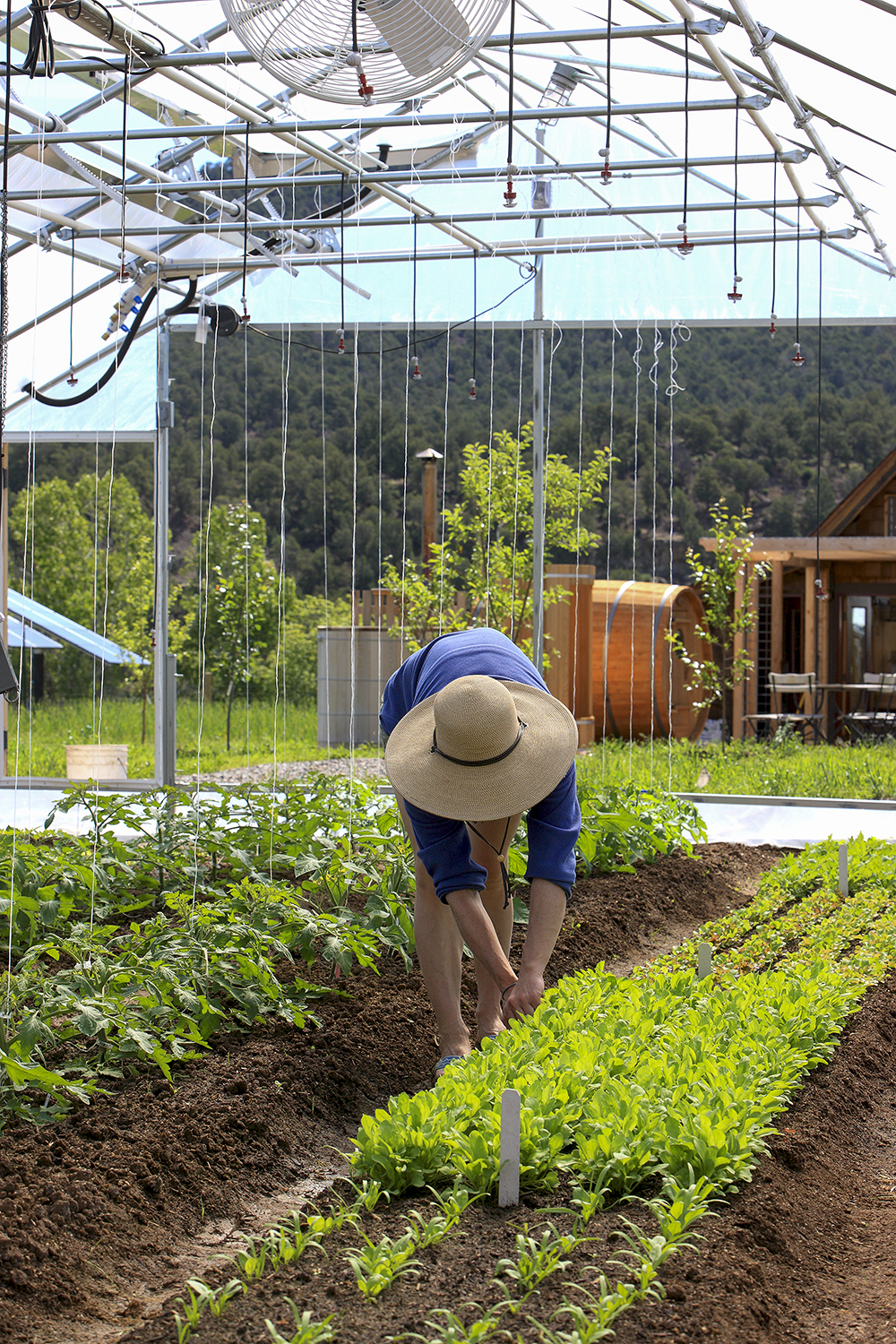
Just as permaculture regenerates soil and solar tracks the arc of the Sun, GaiaGPT's infrastructure could regenerate knowledge and action through technologies that reflect the cycles of nature — not disrupt them.
Real-World Applications
- Decentralized Deployment: Hydrogen's portability allows AI systems to function in remote or underserved regions — with no fossil grid required.
- Dynamic Modeling: Quantum computing enables real-time simulations of ecosystems, reforestation efforts, or climate shifts — anywhere on the planet.
- Zero-Carbon Cloud: Hydrogen-powered data nodes could create a distributed network of carbon-neutral intelligence aligned with GaiaGPT's mission.

Like the mountain goat finding footing on high ground, GaiaGPT’s success depends on a resilient foundation — one that blends vision with viability, and performance with planetary balance.
Addressing Hurdles to a Sustainable AI Future
The promise of a hydrogen-powered, quantum-enabled GaiaGPT is clear — but getting there requires crossing real-world thresholds. From cost to infrastructure to education, the barriers are surmountable only through collective focus and innovation.
Challenges on the Path Forward
- High costs of green hydrogen and quantum hardware remain a limiting factor — though costs are dropping fast with investment and innovation.
- Storage and transport of hydrogen require specialized infrastructure. Advancements like metal hydrides are helping.
- Quantum expertise is scarce. Training new interdisciplinary leaders is essential for accessible, scalable solutions.
These aren’t roadblocks — they are invitations. With the right alliances, GaiaGPT’s vision can move from theory to deployment — at scale.

Opportunities for Regenerative Collaboration
- Partnerships: Quantum leaders like IBM and Google can join forces with green energy pioneers like Plug Power to co-develop hybrid infrastructure for GaiaGPT.
- Policy & Incentives: Governments can accelerate this future by funding quantum research and subsidizing green hydrogen development.
- Interdisciplinary networks: Scientists, artists, farmers, coders — all have a role. Regenerative AI isn’t built in silos, but through integrated vision and shared values.
GaiaGPT invites us to rise together — not just in data centers and labs, but in farms, forests, and communities. The transformation won’t be powered by technology alone — it will be rooted in relationship.

About the Author
Robbie George is a National Geographic photographer, regenerative farmer, and nature philosopher. He captures the harmonic intelligence of nature through fine art photography, quantum storytelling, and ecological insights.
Explore his signature series The Living Code, dive into Quantum Agriculture, or follow his journey on Instagram and LinkedIn.
Join the Movement for Sustainable AI
GaiaGPT represents a new blueprint — not just for artificial intelligence, but for planetary intelligence. This is your invitation to be part of a regenerative vision where clean energy and quantum processing uplift humanity’s greatest potential without harming the Earth.
Whether you're a researcher, a farmer, an engineer, a teacher, or a curious soul — your voice matters. Your actions ripple. Let’s co-create the system where AI runs not on extraction, but on regeneration.
 Learn More About GaiaGPT →
 Frequently Asked Questions (FAQ)
What is GaiaGPT?
GaiaGPT is a regenerative AI system designed to address environmental challenges through sustainable energy sources like hydrogen and enhanced performance via quantum computing.
How does hydrogen power GaiaGPT?
Hydrogen fuel cells generate electricity by combining hydrogen and oxygen, emitting only water and heat. This makes them ideal for clean, scalable energy applications like AI infrastructure.
Why is quantum computing important to this vision?
Quantum computers process massive data sets using qubits and superposition, enabling rapid, low-energy computation — perfect for ecosystem simulations, reforestation models, and climate forecasting.
What are the biggest challenges?
Cost, infrastructure, and access to expertise are current barriers. But rapid innovation, policy support, and collaborative networks are helping overcome them.
How can I support this mission?
Share the blog, start conversations, and connect with others across the energy-tech-ecology space. Together, we build regenerative systems.