
Yellowstone Grizzly Bear- My Ultimate Guide to Observing and Safely Appreciating these Magnificent Creatures
Observing Grizzlies in Yellowstone
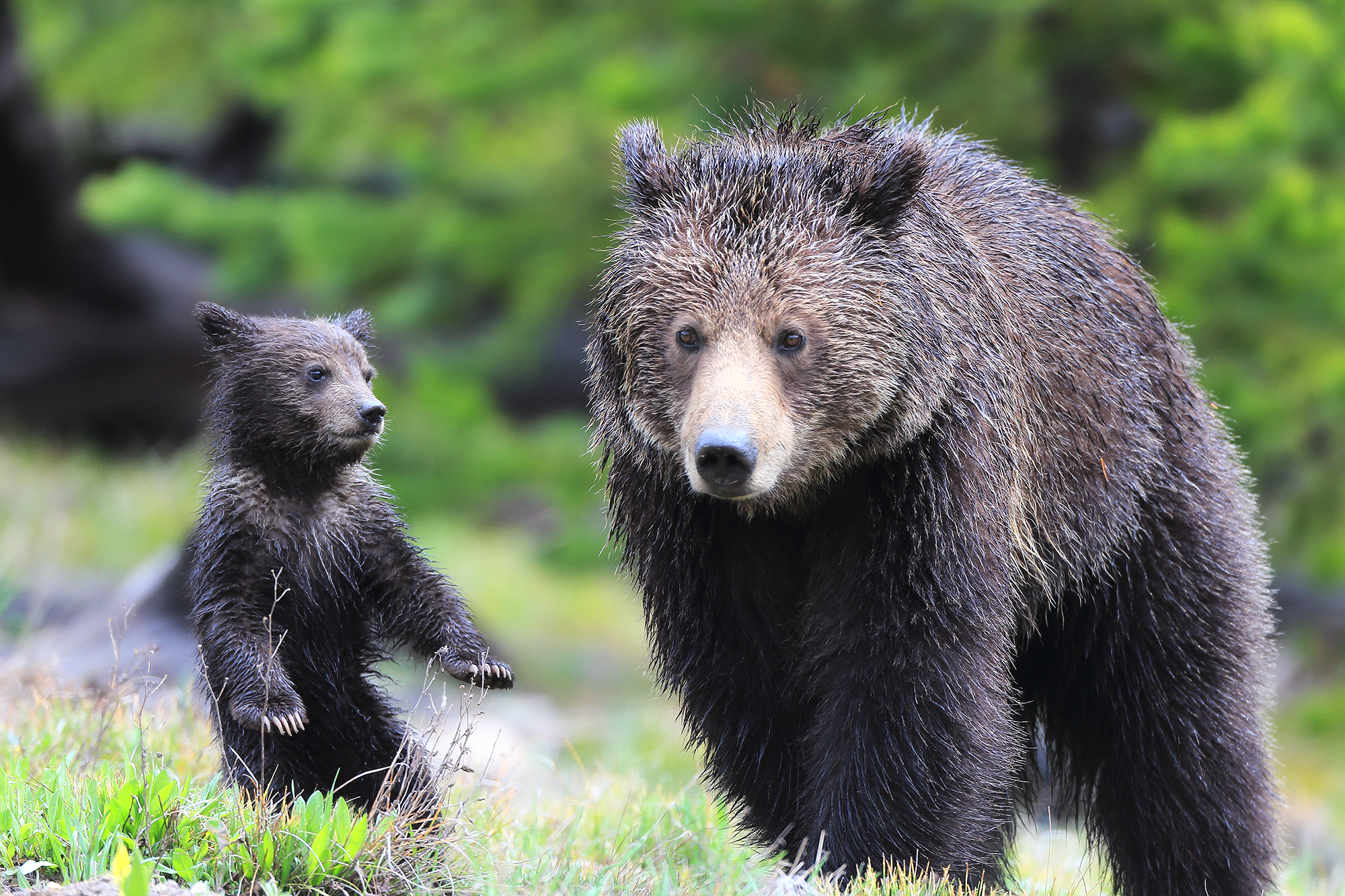
Yellowstone is one of the best places in the world to observe grizzly bears because the system still holds. Large connected habitat, seasonal food sources, and protected space allow bears to behave naturally. That’s what makes this place different — you’re not just seeing a bear, you’re seeing it within a functioning ecosystem.
What I pay attention to first is behavior. A bear feeding in a meadow, a sow moving with cubs, a boar crossing a ridgeline — each situation tells you something about what the bear needs and how it is using the landscape. These patterns repeat across seasons, which is what makes Yellowstone such a powerful place to learn.
In spring, I often see bears emerging into open areas where food becomes available first. In summer, they spread out, following berries and insects. By fall, movement tightens again as they prepare for winter. Every encounter fits into that larger seasonal structure.
That’s why Yellowstone isn’t just a viewing location — it’s a place where you can begin to understand how grizzlies connect to ecosystems, behavior, and seasonal timing all at once.
On This Page
Plan your Yellowstone grizzly experience — from where to find bears and how they behave, to safety, seasonal timing, and conservation.
Habitat in Yellowstone — A Connected Landscape
Yellowstone works for grizzlies because it isn’t one habitat — it’s many connected together. Meadows, river corridors, forest edges, and alpine slopes all function as a single system. Bears move between these zones based on food availability, season, and pressure, not boundaries.
In the field, I’ve seen how specific areas come alive at certain times. Spring draws bears into lower elevation meadows where early vegetation emerges. Summer spreads them out into forest edges and higher terrain. Fall pulls them toward concentrated food sources as they prepare for winter.
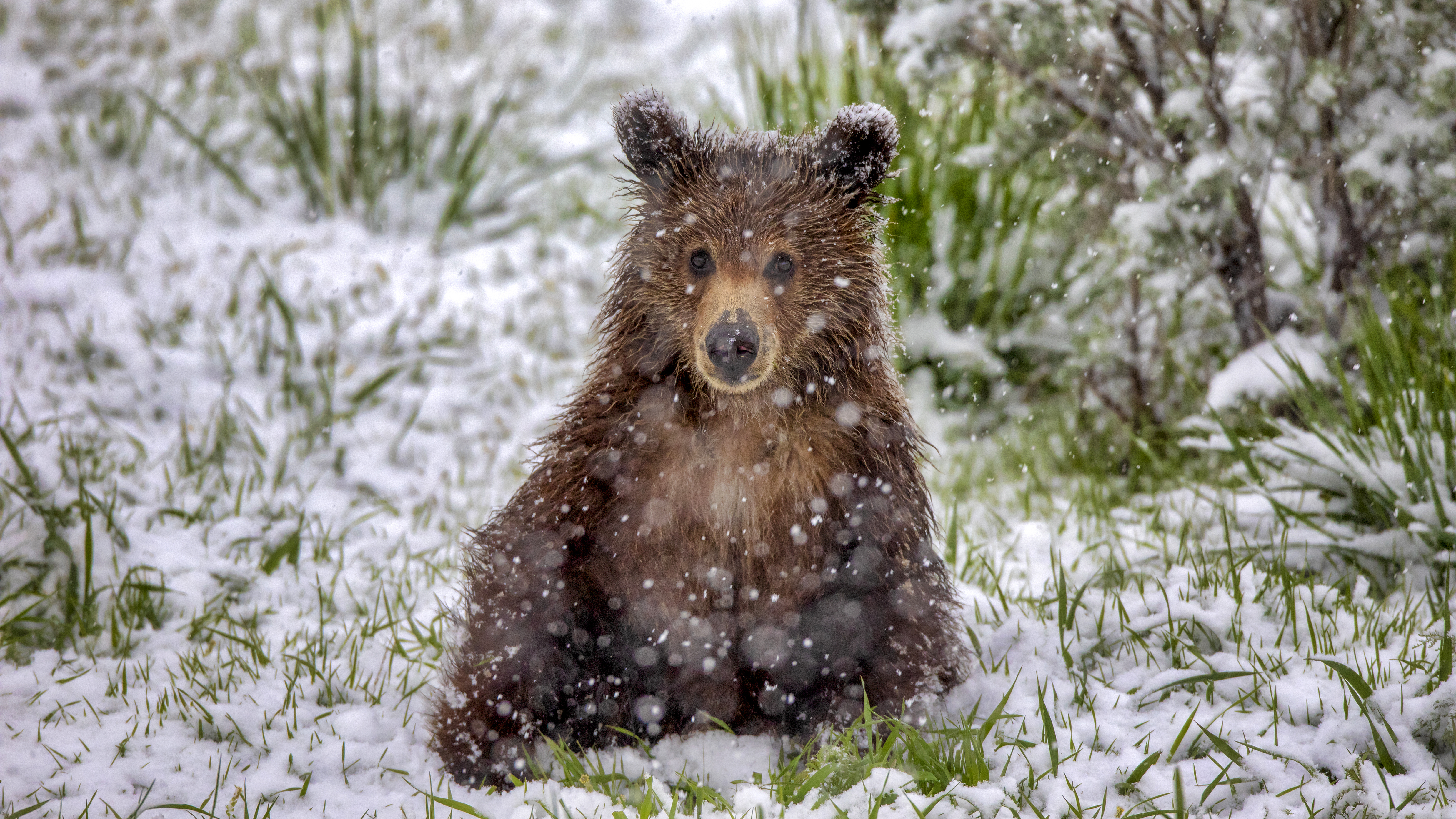
What makes Yellowstone unique is that these movements are still possible. The ecosystem remains large enough and intact enough for bears to follow natural patterns. That’s something I explore more broadly in Ecosystems of North America, but Yellowstone is one of the clearest real-world examples.
When you understand the habitat this way, you stop asking “Where are the bears?” and start asking “Where will the system bring them today?” That shift is what turns observation into understanding.
Population & Recovery — Yellowstone’s Grizzlies Today
The grizzly bears of Yellowstone represent one of the most important wildlife recovery stories in North America. Decades ago, these bears were pushed to the edge of disappearance. Habitat loss, conflict, and human pressure reduced their numbers dramatically across the region.
What I’ve seen over time is a gradual return — not just in numbers, but in presence. Bears are now occupying more space within the Greater Yellowstone Ecosystem, raising cubs, and reestablishing patterns that were once nearly lost. This recovery didn’t happen quickly, and it didn’t happen by chance.
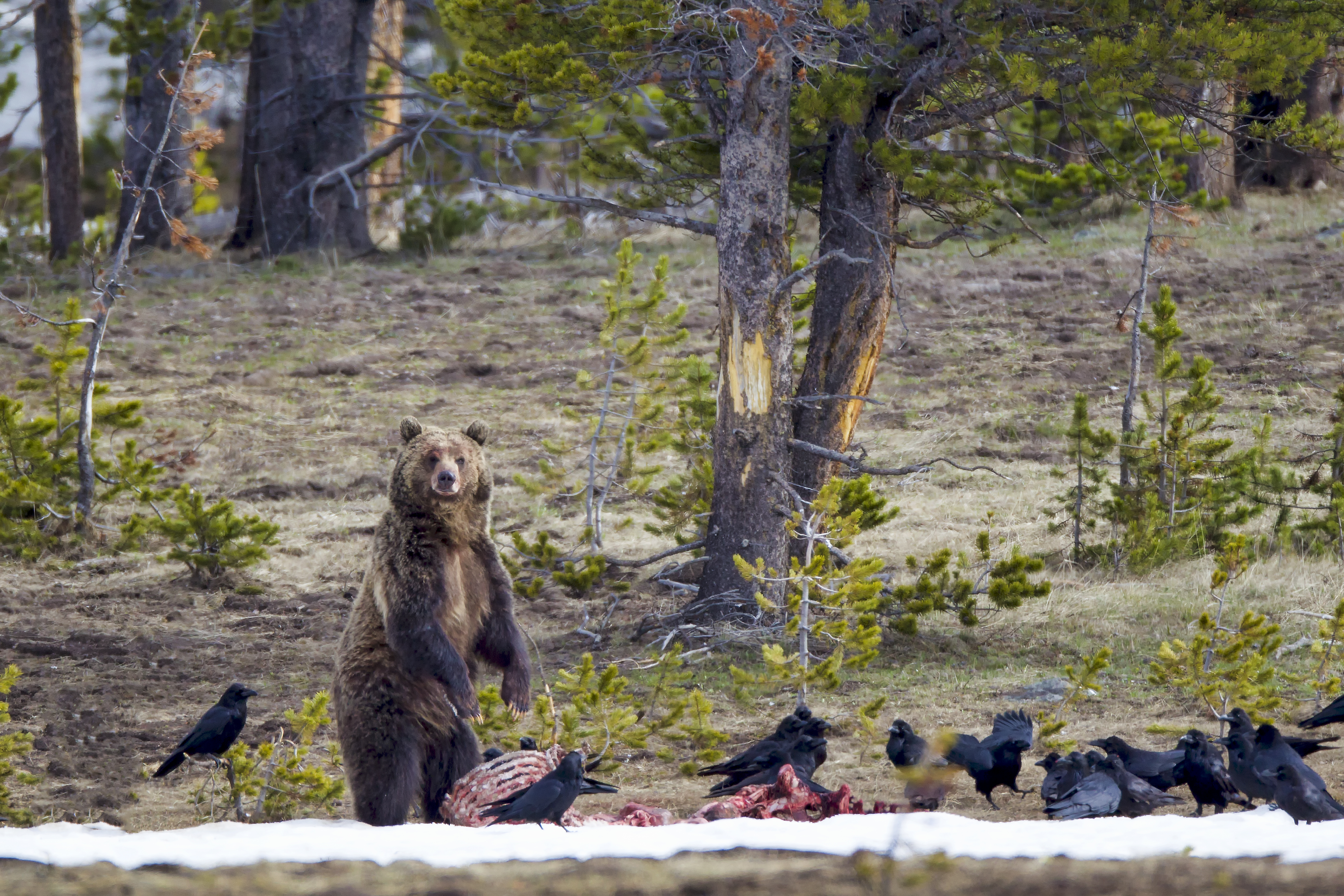
The recovery of Yellowstone grizzlies is the result of long-term protection, habitat management, and scientific monitoring. Efforts tied to wildlife conservation and habitat protection have allowed the system to stabilize enough for bears to persist.
But this recovery is still fragile. The population depends on connected habitat, stable food sources, and continued coexistence with people. Yellowstone shows what’s possible — but it also shows how dependent that success is on maintaining the integrity of the system itself.
Hibernation Cycles — How Yellowstone Bears Survive Winter
Yellowstone winters are long and demanding, and grizzly bears survive them through one of the most remarkable adaptations in the animal world — hibernation. But what I’ve come to understand in the field is that hibernation isn’t just about sleep. It’s about timing, preparation, and energy management across the entire year.
By late summer and fall, everything changes. Bears enter a phase called hyperphagia, feeding almost constantly to build fat reserves. I’ve watched this shift happen in Yellowstone — movement becomes more focused, feeding becomes more intense, and bears prioritize high-calorie food sources wherever they can find them.
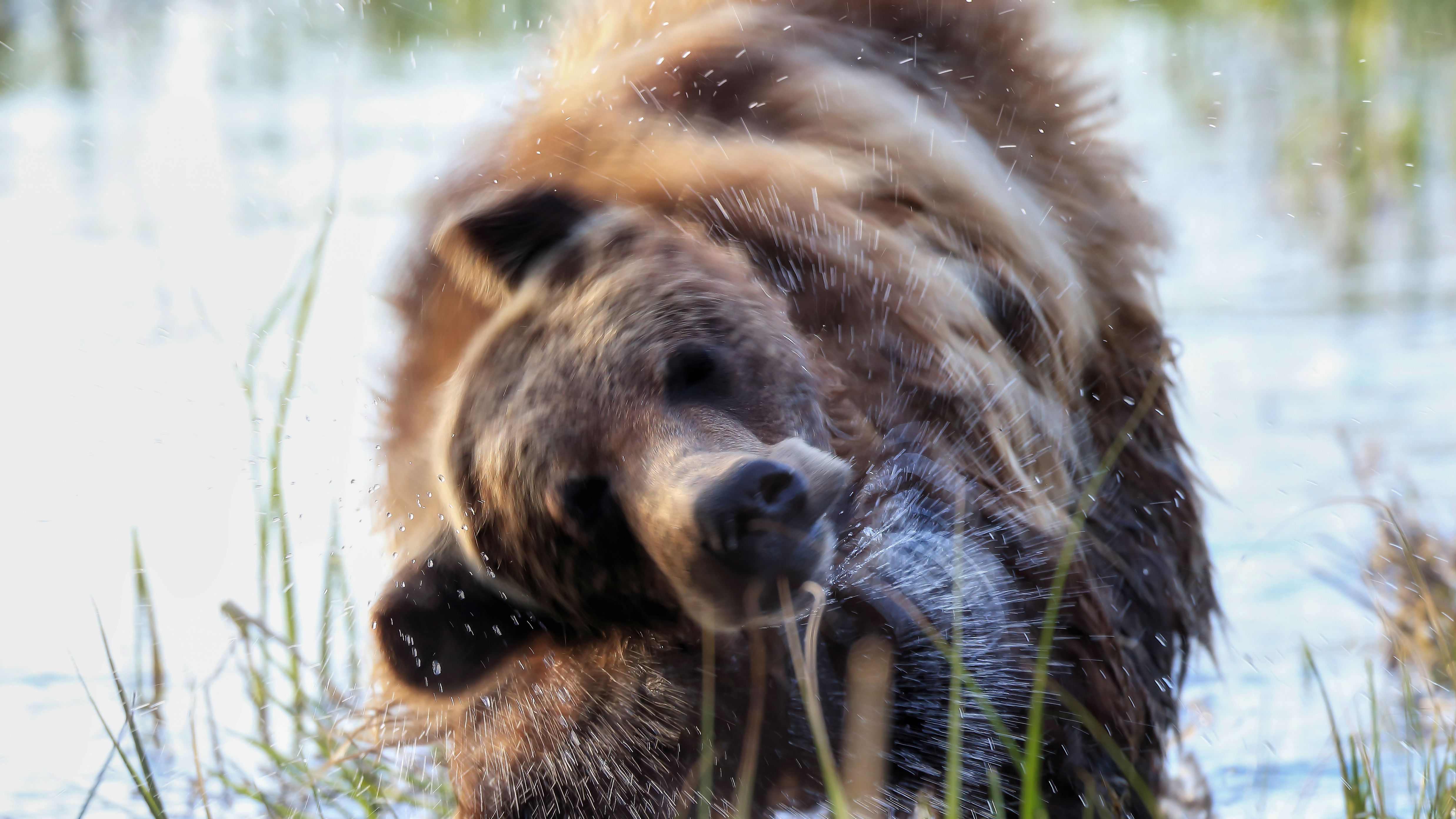
As winter approaches, bears move toward denning areas — often on slopes with deep snow accumulation that provides insulation. Once inside, their bodies shift into a low-energy state. They do not eat, drink, or move much for months, yet they maintain muscle and vital function throughout the winter.
This cycle is tightly connected to seasonal timing in nature. When spring returns, bears emerge again — often with cubs — and the cycle begins again. Understanding this rhythm is key to understanding when and where to observe grizzlies in Yellowstone.
Identification — Recognizing Grizzlies in Yellowstone
In Yellowstone, being able to correctly identify a grizzly bear is essential — both for observation and for safety. While black bears are also present in the park, the differences become clear once you know what to look for.
The most reliable field markers I use are structural, not color-based. Fur color can vary widely, but body shape and movement tell the real story.
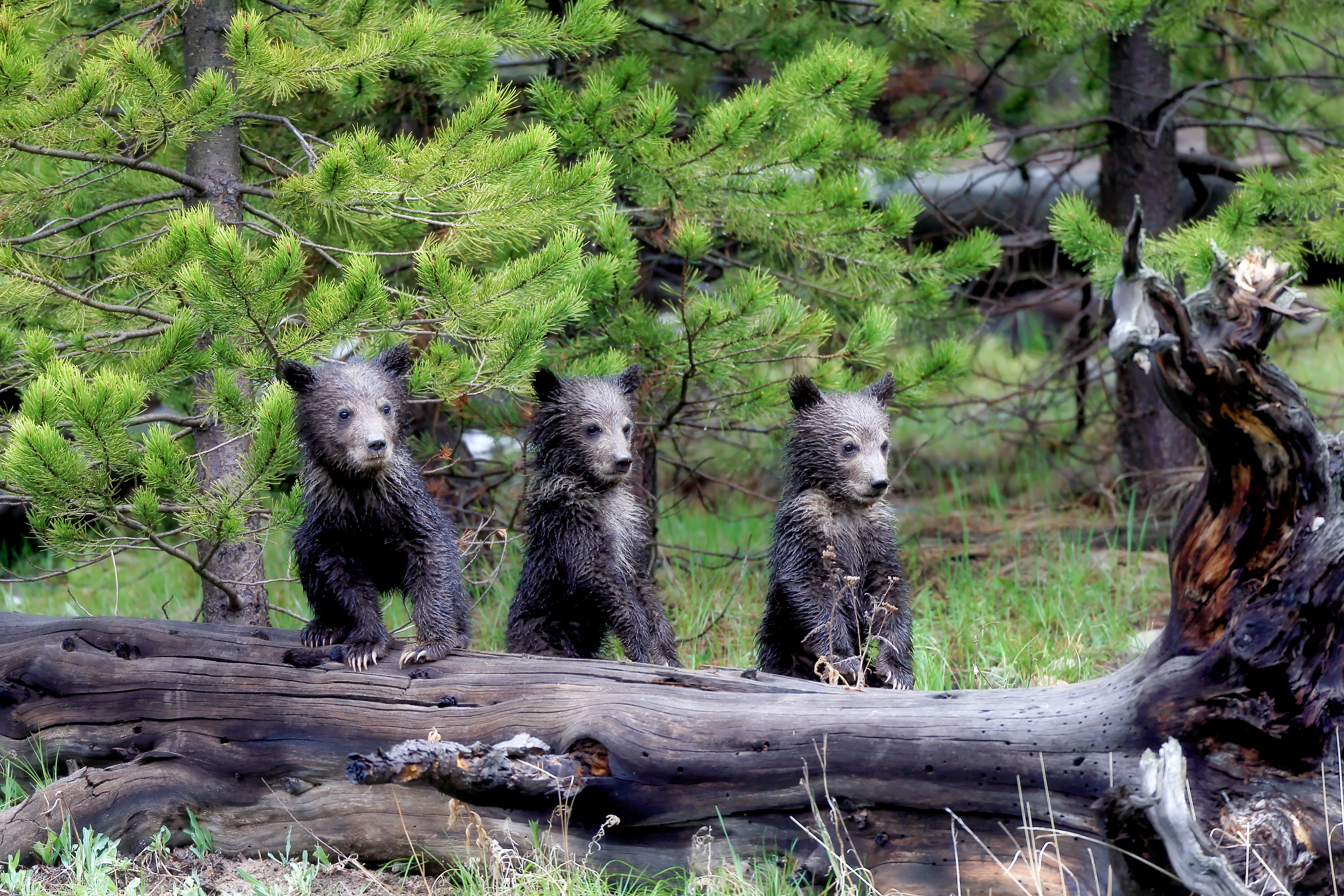
Key identification traits include:
- Shoulder hump: A prominent muscular hump used for digging
- Facial profile: Slightly concave or “dished” face
- Claws: Long, straight claws visible even at distance
- Ears: Smaller and more rounded than black bears
- Body movement: Heavier, more deliberate gait
Cubs can be more difficult to identify at first, especially at distance. I focus on behavior — staying close to a sow, moving in bursts, and showing curiosity toward the environment. These cues often reveal more than physical traits alone.
Learning to identify grizzlies correctly is part of responsible wildlife observation — and something I expand further in Wildlife Observation Field Techniques.
Safety Protocols — Respecting Space in Grizzly Country
In Yellowstone, safety isn’t separate from observation — it’s part of it. The way you move through bear country directly affects both your experience and the bear’s behavior. The goal is simple: allow the bear to remain completely natural while keeping yourself out of risk.
The most important rule is distance. Yellowstone requires at least 100 yards between you and a grizzly bear. That distance isn’t arbitrary — it gives the bear space to behave naturally and reduces the chance of defensive reactions, especially from sows with cubs.
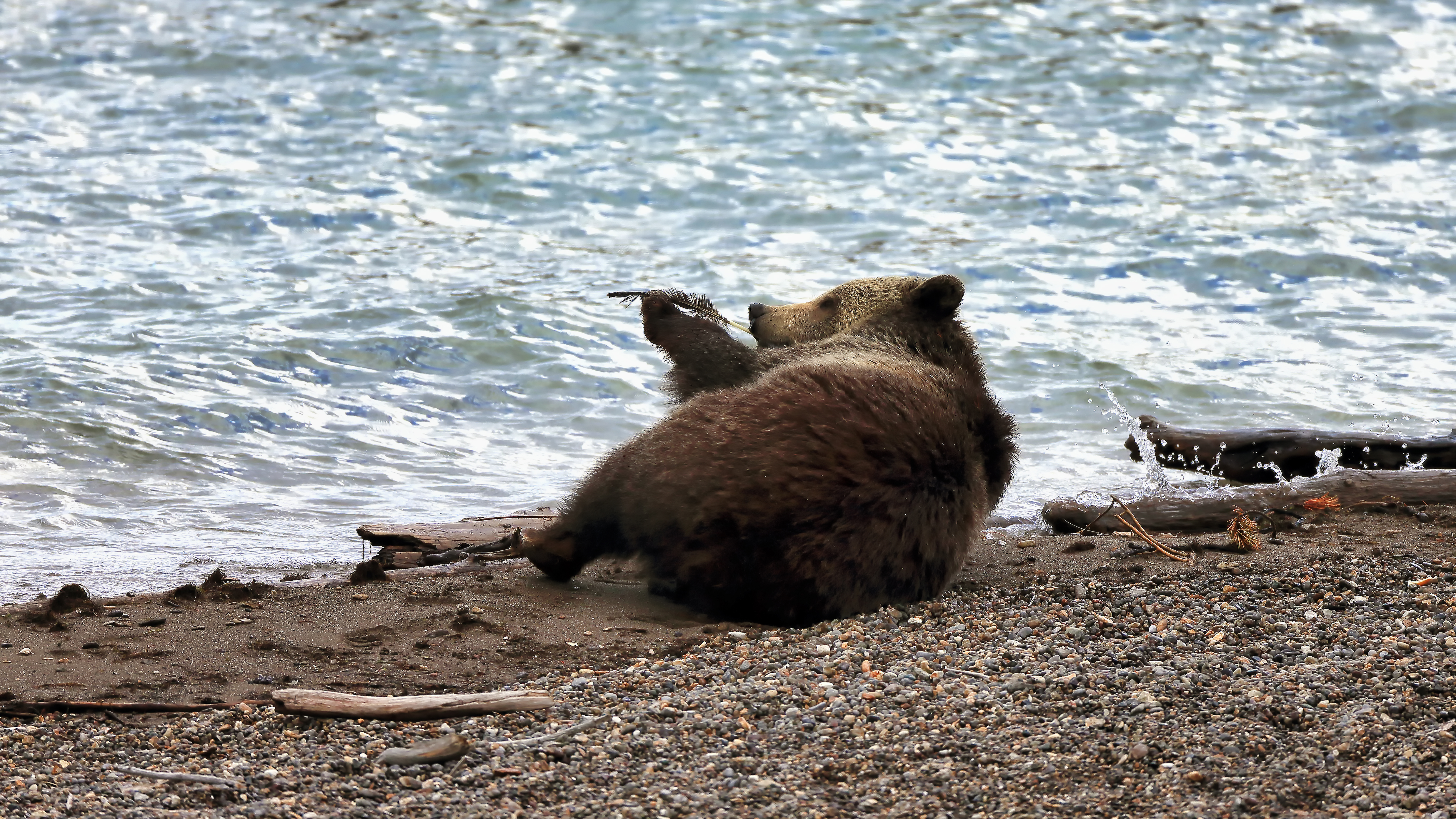
Core safety practices I follow in the field:
- Maintain distance: Never approach, even if the bear appears calm
- Stay predictable: Avoid sudden movement or loud disruption
- Carry bear spray: Keep it accessible and know how to use it
- Watch behavior: Look for signs of stress, curiosity, or agitation
- Travel aware: Make your presence known in dense areas to avoid surprise encounters
Most negative encounters happen when a bear is surprised or feels its space is being reduced. When you understand how bears read distance and movement, those situations become much easier to avoid.
This is part of a broader approach I follow across wildlife observation — the idea that the best encounter is one where nothing changes because you were there.
Observation Tips — Finding Grizzlies Without Disturbing Them
The best grizzly encounters in Yellowstone don’t come from chasing sightings — they come from understanding patterns. When you learn how bears move through the landscape, you stop reacting and start anticipating.
I focus on three things: timing, terrain, and behavior. Early mornings and late evenings are the most active periods. Open meadows, river edges, and slopes near food sources are where I look first. And once a bear is spotted, I watch how it’s moving — feeding, traveling, or resting — before making any decision about positioning.
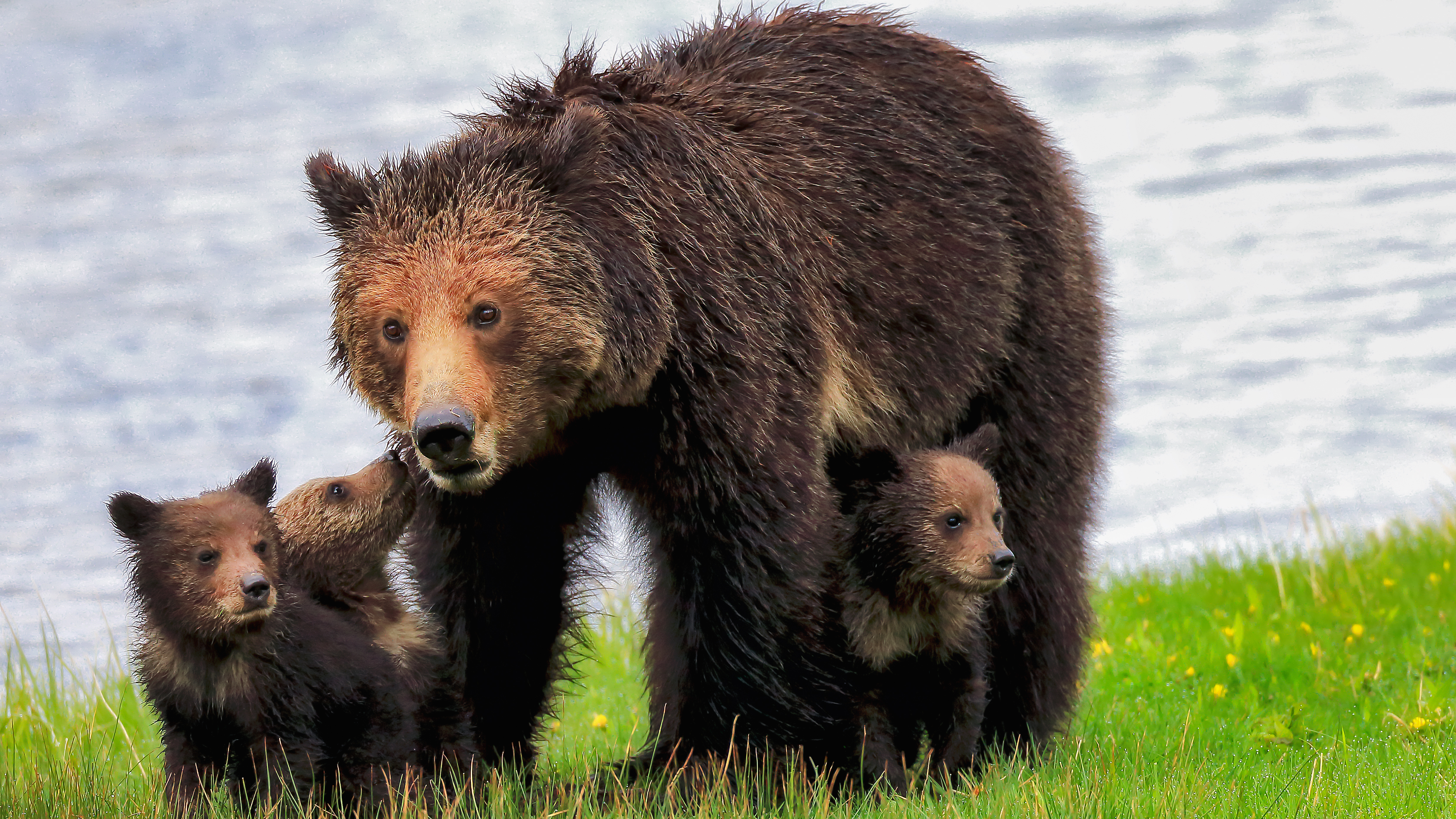
A few field-tested observation strategies:
- Arrive early: Be in position before the landscape becomes active
- Use optics: Binoculars or spotting scopes allow distance without disturbance
- Watch other wildlife: Ravens, elk, or wolves often indicate bear presence
- Be patient: Let the bear reveal itself rather than forcing movement
- Stay put: Movement often causes missed opportunities more than it creates them
Some of the best sightings I’ve had came from simply waiting in the right place long enough. Yellowstone rewards patience — and punishes urgency.
If you want to go deeper into how to plan around timing and seasonal movement, I recommend using the Seasonal Wildlife Calendar — it aligns perfectly with how grizzlies move through the year.
Best Locations — Where to See Grizzlies in Yellowstone
In Yellowstone, location matters — but not in the way most people think. It’s not about chasing a specific spot, it’s about understanding why certain areas consistently produce sightings. Bears follow food, terrain, and seasonal timing. When those align, the location becomes predictable.
Over time, a few areas stand out because they combine visibility, habitat diversity, and reliable food sources:
- Lamar Valley: Open terrain, excellent visibility, and strong predator-prey dynamics
- Hayden Valley: River systems and meadows that draw bears during feeding periods
- Tower-Roosevelt Area: Transitional terrain with less crowd pressure
- Mount Washburn Slopes: Seasonal movement zones with elevation-based feeding
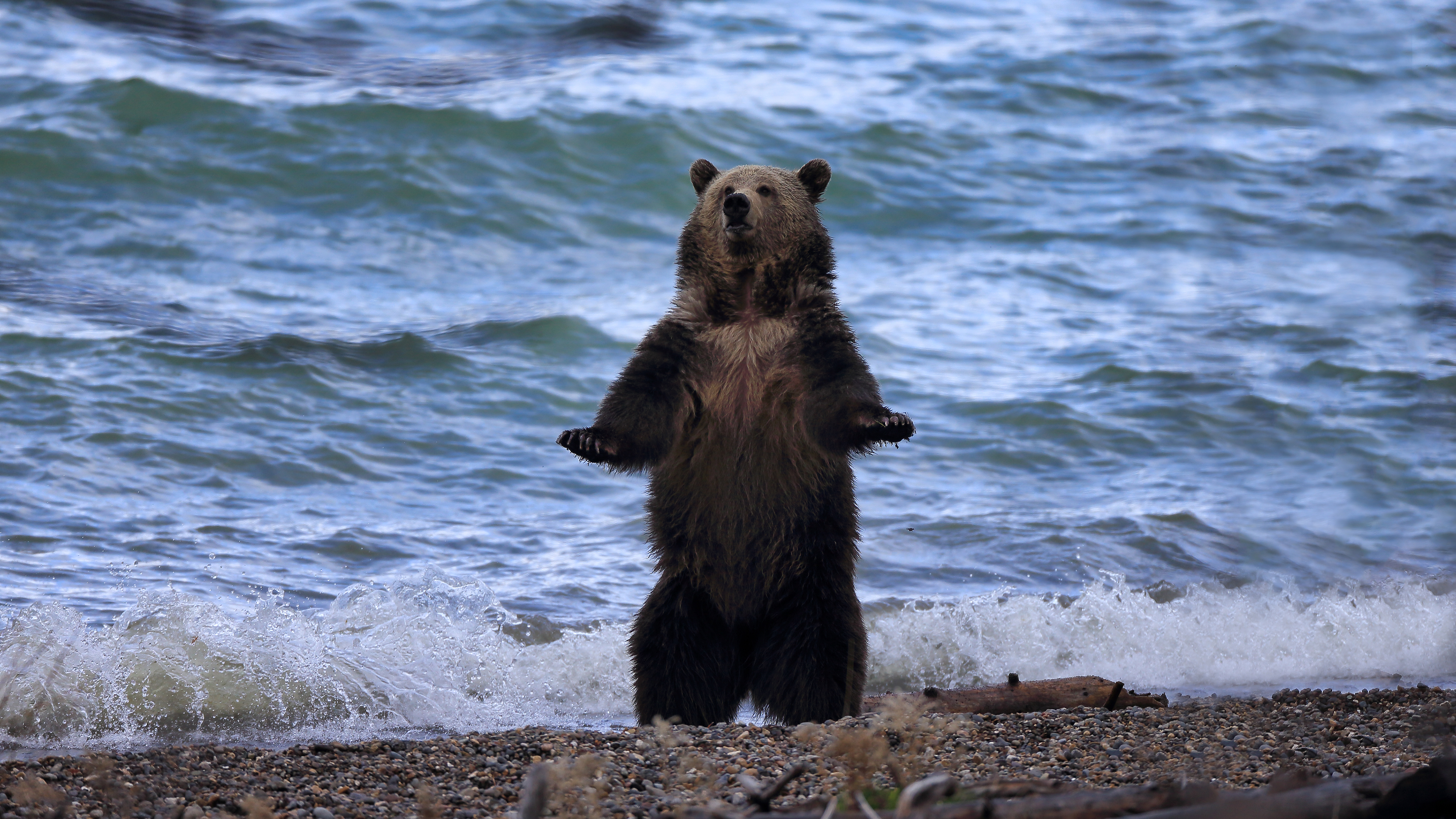
What I’ve found is that the best locations are the ones where the landscape opens up enough to observe safely. Visibility allows you to maintain distance while still understanding behavior — which is critical for both photography and safety.
If you want a broader breakdown of how these locations fit into the larger system, explore my Wildlife Observation Locations guide — Yellowstone is one of the strongest examples of how place, behavior, and timing come together.
Naturepedia Connection — Yellowstone Grizzlies as a Living System
Yellowstone is one of the clearest places in the world to see how a species fits into a larger system. The grizzly bear is not just moving through this landscape — it is helping shape it. Its feeding patterns influence nutrient flow. Its presence alters prey behavior. Its movement connects habitats across the ecosystem.
Everything in this guide — habitat, seasonal timing, observation, and safety — ties back to that system-level view. Grizzlies follow the same patterns that define Yellowstone itself: cycles of growth, scarcity, migration, and recovery. This is why they are often considered a keystone species within the food web.
This page connects directly into the larger structure I’ve built across the site: species, behavior, ecosystems, and conservation.
When you understand Yellowstone grizzlies this way, they become more than a wildlife sighting. They become a signal — that the system is still functioning, still connected, and still capable of sustaining wild processes over time.
To explore that system more deeply, continue into Naturepedia.
Naturepedia Connection — Yellowstone Grizzlies as a Living System
Yellowstone is one of the clearest places in the world to see how a species fits into a larger system. The grizzly bear is not just moving through this landscape — it is helping shape it. Its feeding patterns influence nutrient flow. Its presence alters prey behavior. Its movement connects habitats across the ecosystem.
Everything in this guide — habitat, seasonal timing, observation, and safety — ties back to that system-level view. Grizzlies follow the same patterns that define Yellowstone itself: cycles of growth, scarcity, migration, and recovery. This is why they are often considered a keystone species within the food web.
This page connects directly into the larger structure I’ve built across the site: species, behavior, ecosystems, and conservation.
When you understand Yellowstone grizzlies this way, they become more than a wildlife sighting. They become a signal — that the system is still functioning, still connected, and still capable of sustaining wild processes over time.
To explore that system more deeply, continue into Naturepedia.
Frequently Asked Questions — Yellowstone Grizzly Bears
When is the best time to see grizzly bears in Yellowstone?
Spring and early summer are some of the best times to see grizzlies in Yellowstone, especially as bears emerge from dens and mothers begin moving with cubs. Fall can also be excellent, as bears feed heavily before winter.
Where are the best places to look for grizzlies in Yellowstone?
Lamar Valley, Hayden Valley, the Tower-Roosevelt area, and parts of the Mount Washburn region are among the best places to look. What matters most, though, is understanding seasonal food patterns and being in the right habitat at the right time.
How far away should I stay from a grizzly bear in Yellowstone?
You should stay at least 100 yards away from grizzly bears in Yellowstone. That distance helps protect both people and bears by allowing the animal to remain undisturbed and reducing the risk of defensive behavior.
How can I tell the difference between a grizzly bear and a black bear?
In Yellowstone, the most reliable differences are structural. Grizzlies have a pronounced shoulder hump, a more concave facial profile, longer claws, and a heavier, more deliberate build than black bears.
Why are grizzly bears so important to Yellowstone’s ecosystem?
Grizzlies are a keystone species in Yellowstone. They influence prey behavior, redistribute nutrients, and connect multiple habitats through their movement and feeding patterns. Their presence reflects the strength of the larger ecosystem.
What is the best way to observe grizzlies without disturbing them?
The best approach is to use distance, patience, and optics. Arrive early, stay in open viewing areas, watch behavior before repositioning, and let the bear move naturally through the landscape without pressure.
About the Photographer
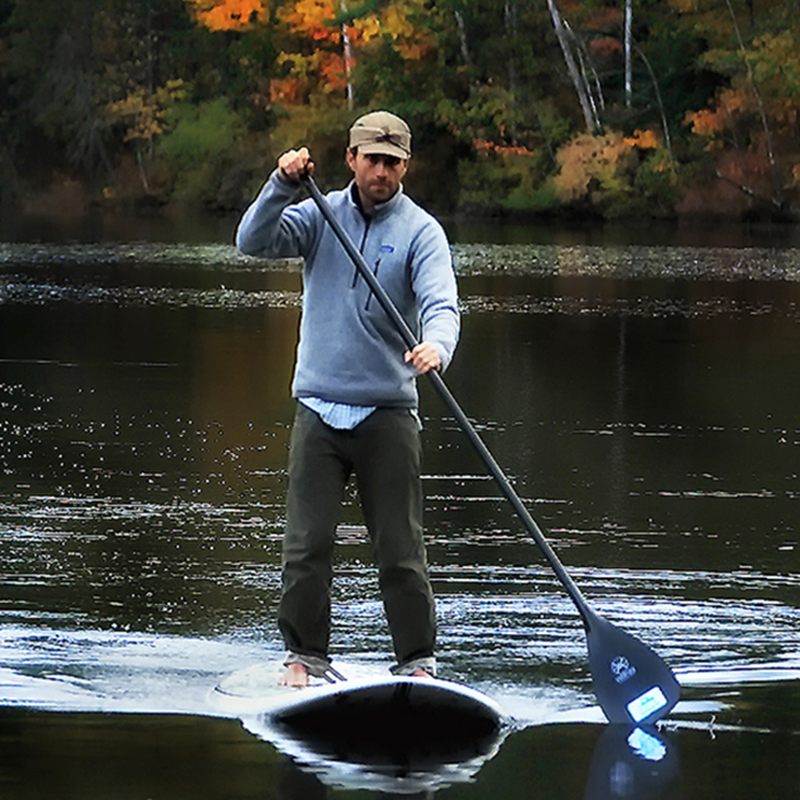
I’m Robbie George, a National Geographic–published nature photographer whose work is built on time in the field, repeated return to place, and careful observation of how animals move through living systems.
Yellowstone has been one of the most important landscapes in my wildlife work. Photographing grizzlies there has taught me that the most meaningful wildlife images come from patience, distance, and a willingness to let the landscape explain the animal rather than forcing the moment.
You can explore more through Wildlife Photography, Yellowstone Wildlife Guide, and Naturepedia, where field observation connects into a larger ecological knowledge system.
“The closer you pay attention to wildlife in its habitat, the more the land begins to tell the story for you.”