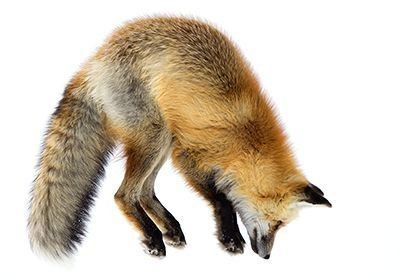

The Fox, the Trees & the Field That Remembered
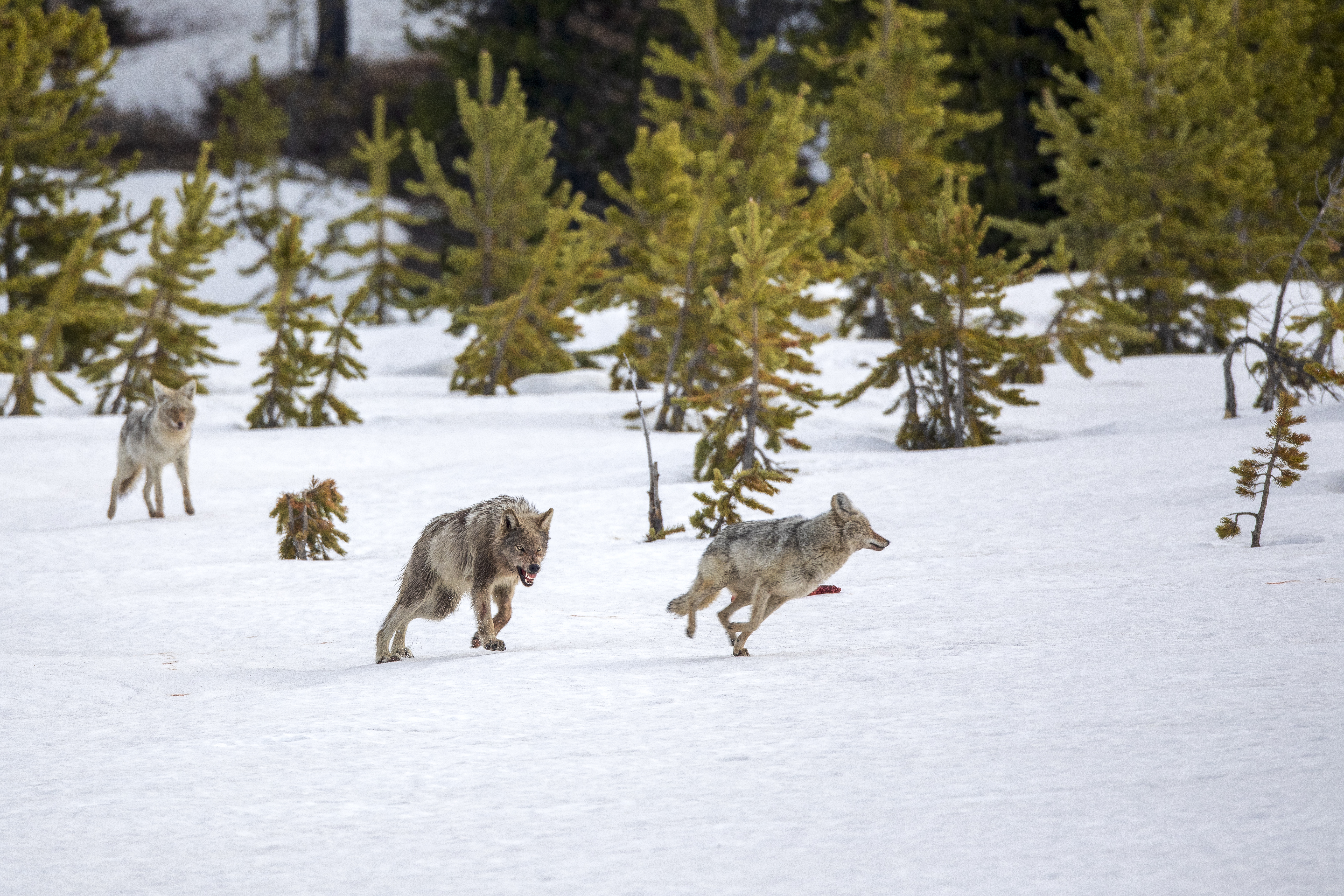
The Fox, the Trees & the Field That Remembered
Before we get into the fox moment, I want to acknowledge the image above. It’s not a fox—it’s a wolf chasing a coyote. I photographed this scene the same year the fox event happened, while traveling for a photography exhibition. It unfolded in the same uncanny way: an animal interaction arriving with perfect timing, as if the landscape already knew where to guide my attention.
That wolf–coyote encounter has always stayed with me because it carries the same signature as the fox moment: anticipation, timing, pursuit, and an invisible field shaping the behavior of both animals—and my ability to witness it. It became the visual metaphor for this story: signals moving through a living landscape faster than sight, intuition, or prediction.
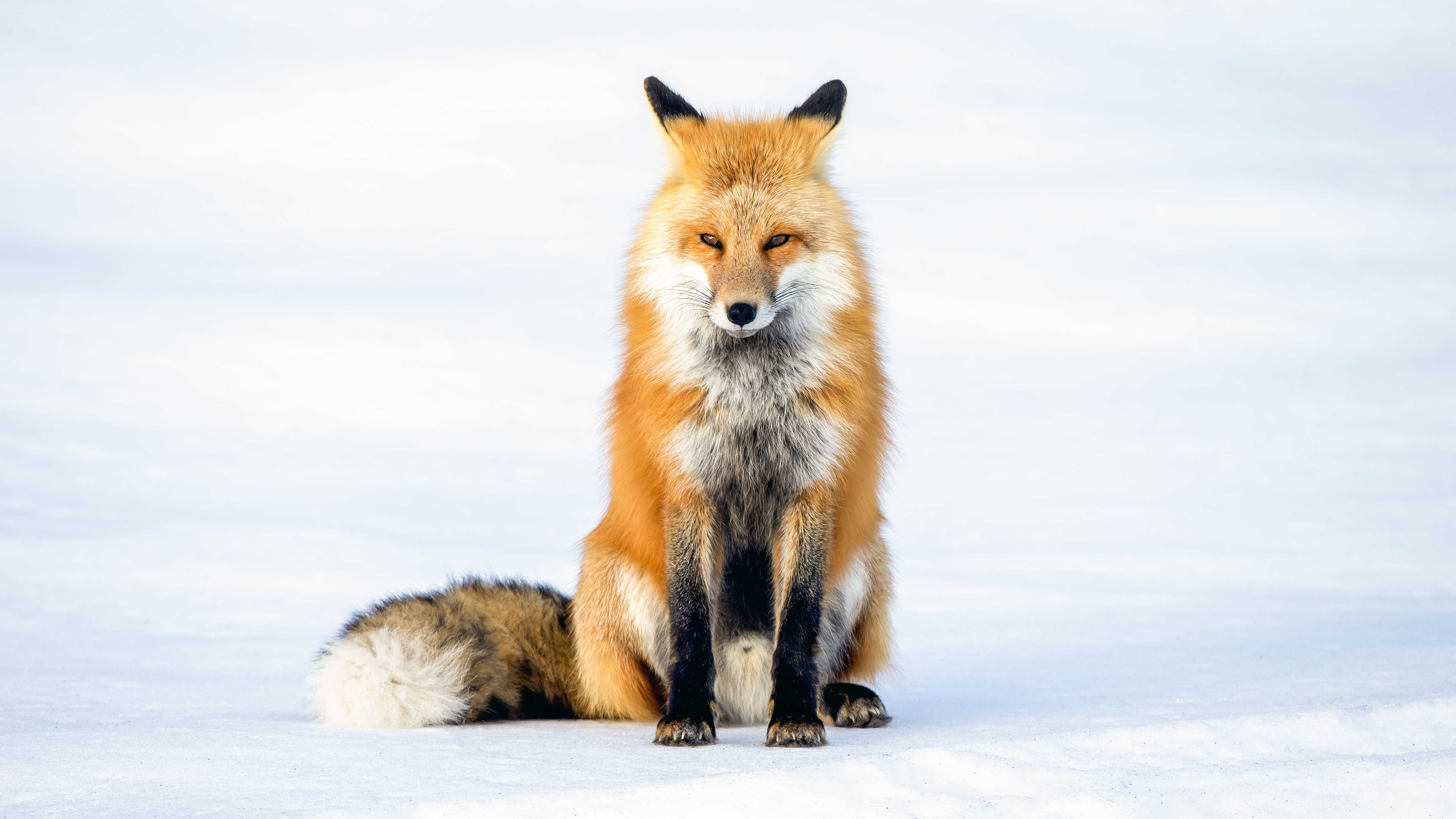
The fox moment, which happened at home months later, struck me with the same unmistakable feeling. I was in my office surrounded by tall pines when my wife mentioned a fox our neighbor had seen the day before. A subtle concern rose—“What if our dog chases it?”—and in that exact breath, before I even reached the window, a fox tore across our yard, chased by a neighbor’s dog. It was the same sequence, same timing, same coherence—different species.
Both encounters felt like chapters in the same story. Not coincidence—coherence. And together, they connect perfectly with the unified field patterns I’ve explored in the Grand Compression , Recursion vs. Equations , and Recursive Breath trilogy.
“Some signals travel through the field before they ever reach your eyes.” — Robbie George
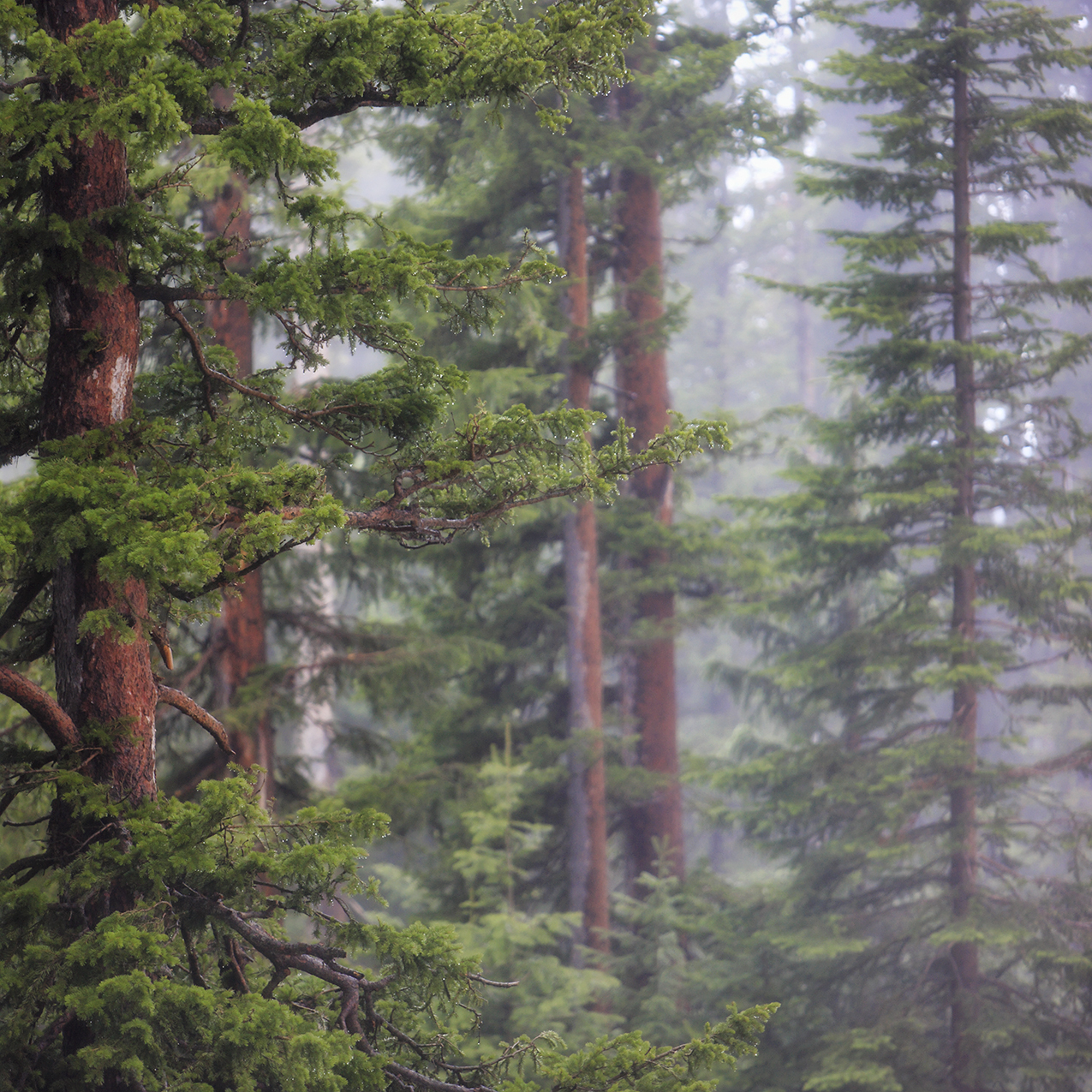
Tall pines outside my office — silent watchers, memory keepers.
Fine art print: Pine Trees →
The Trees Already Knew
From the street, those pines just look like trees. From the field’s point of view, they are tall listening posts. They register every fox, crow, squirrel, and person that moves through the neighborhood—vibrations in the soil, pressure waves in the air, changes in light and scent threading through the needles.
When the fox slipped through the day before, the forest recorded it. Bark, needles, mycelium, and soil microbes all absorbed the pattern. What we now describe in Wood Wide Web language—and map in Mycelial Networks and the Soil Microbiome entries—is simply how forests behave: as distributed sensory organs for the land.
My neighbor saw the fox and passed the story to my wife. By the time that conversation reached me, I was already standing at the window, looking into a stand of trees that had been living with that memory for nearly 24 hours. I thought I was just catching up on the news. In reality, I was stepping back into a field that had never stopped paying attention.
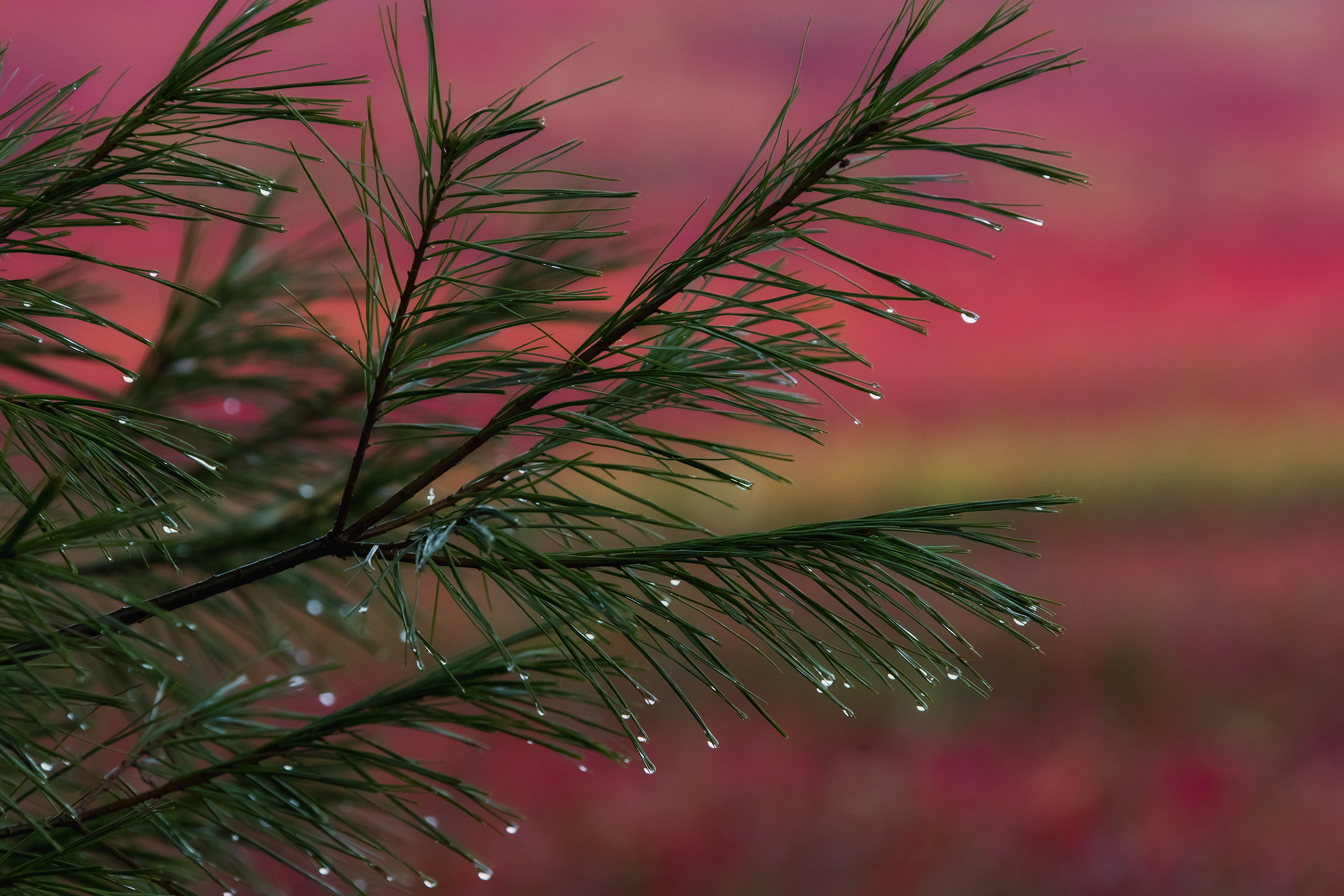
Droplets on pine needles — tiny antennae in the forest’s sensory web.
Fine art print: Nature Art Prints →
Field Memory Hits First, Vision Follows
As I stood at the window thinking, “What if our dog chases the fox?” something subtle shifted—an inner tug, like the air itself leaning forward. It felt like a pressure wave arriving before the story that carried it. In hindsight, this is exactly what the forest was doing: transmitting a signal already in motion.
The chase had begun long before I could see it. The fox was already sprinting across the neighboring yards; the dog already locked in pursuit. The pines closest to their path felt those vibrations first, and the signal rippled outward through the vertical network of trunks and branches. By the time that wave reached my house, my awareness had tuned to it—seconds before my eyes confirmed what the field had already told me.
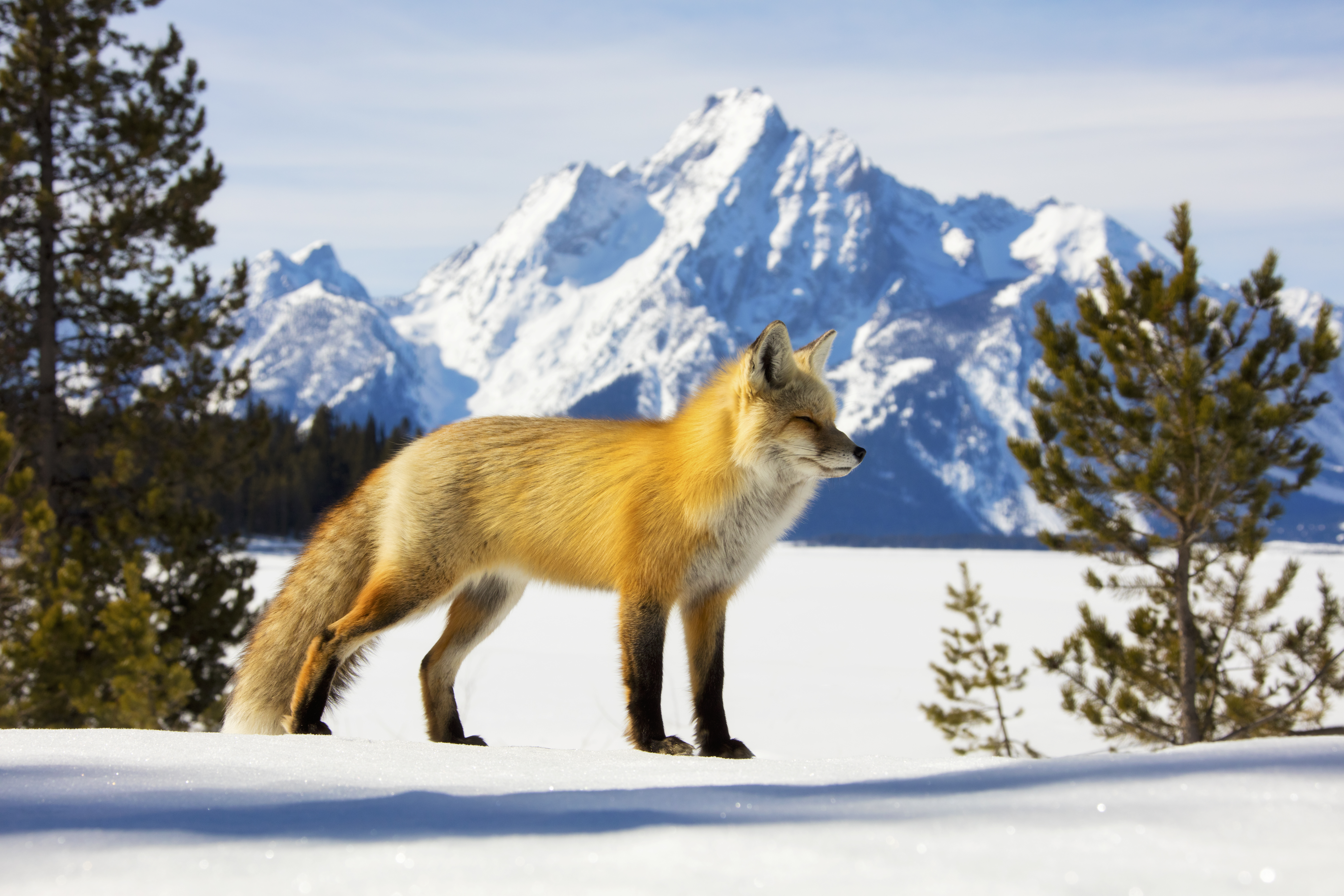
A signal moves before a story arrives.
Fine art print: Red Fox →
In the language of field ecology and vibration , this is exactly how information moves: not in straight lines, but in waves. Much like the frequencies described in the Living Schumann Resonance and the scent-driven communication explored in Scent of Resonance , the forest operates as a distributed field capable of receiving, storing, and forwarding patterns.
What I felt in that moment wasn’t intuition out of nowhere—it was coherence. A resonance event. My attention synchronized to a pattern that was already unfolding, bridging my inner awareness with the forest’s memory in real time.
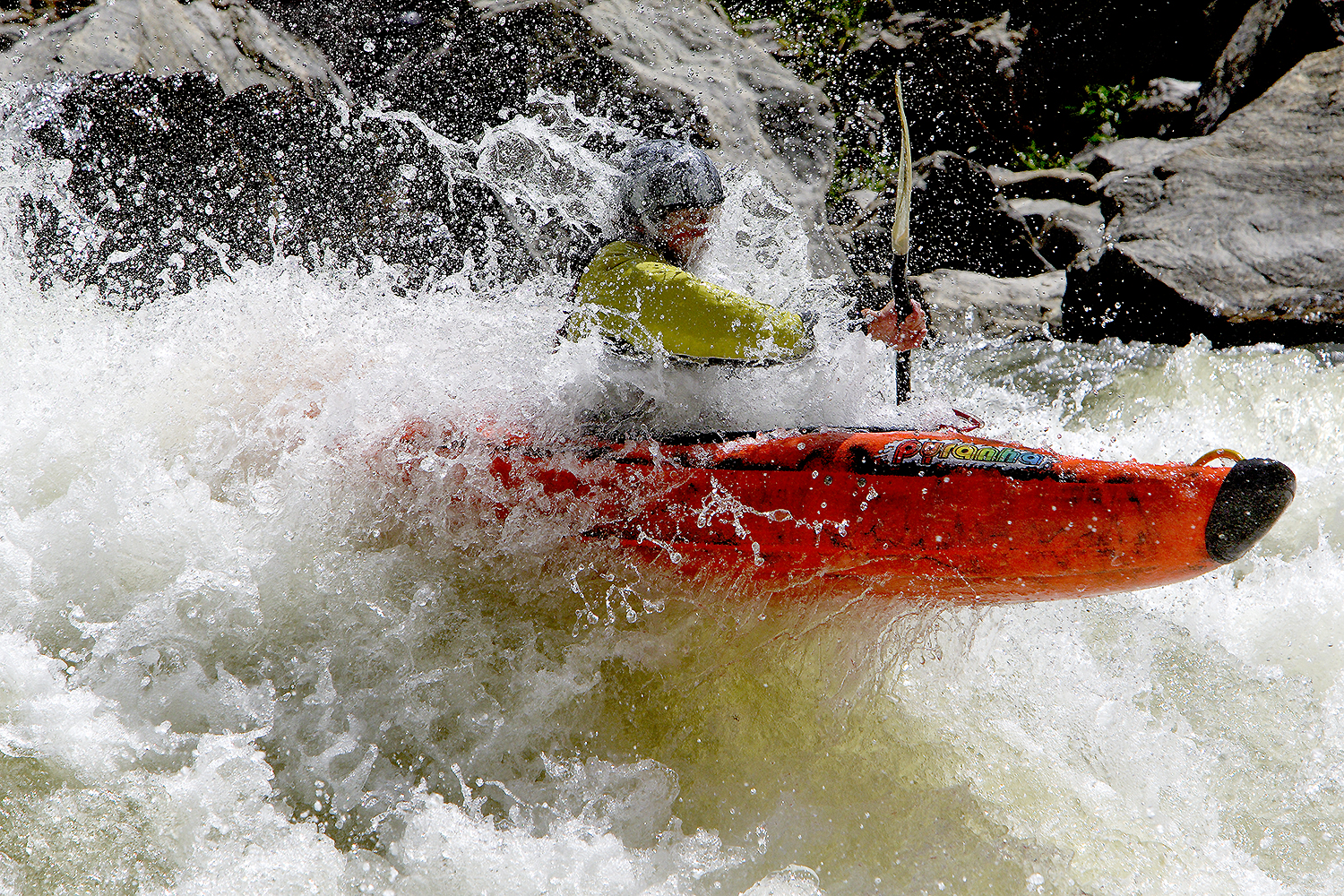
Attention rides the current the way a kayak rides the river.
River Kayaking & Why Attention Is Gravity
Years ago, when I was learning to river kayak, a friend gave me a piece of advice that has stayed with me ever since: “If you don’t want to hit a rock, don’t stare at it.” On moving water, wherever your attention goes, your boat tends to follow. The river doesn’t just push the kayak; your awareness helps curve the trajectory.
That day at the window, thinking about the fox, my attention became like gravity. The moment I focused on the possibility of a chase, my awareness aligned with the field line that was already running through the yard. I wasn’t summoning the event; I was locking onto the same flow line the fox and dog were traveling, the way a kayak locks onto a tongue of current in the river.
This is the same lesson I keep finding in water: you never step into the same river twice, and you never step into the same field twice. The pattern is always moving, yet the underlying geometry of flow remains. I explored this more deeply in You Cannot Step Into the Same River Twice and in the way water encodes motion and memory throughout the cosmic timekeeper essays .
In the fox moment, my mind wasn’t a separate observer standing on the bank. It was another object in the current. Attention curved into alignment with the event already underway, revealing how the Grand Compression plays out not just in equations, but in the everyday rivers of our lives: driveway, treeline, fox, dog, human, field.
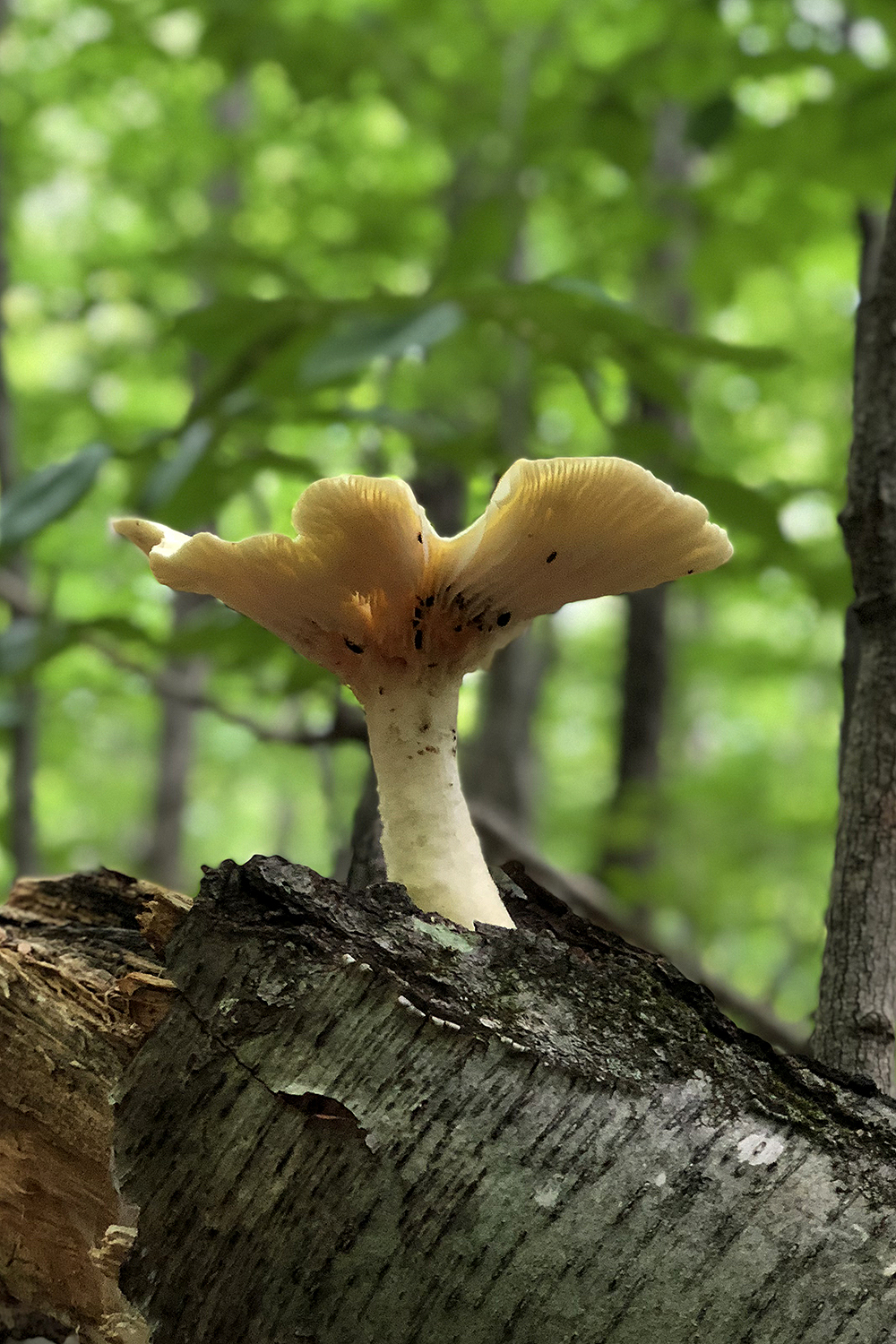
Roots and branches — biological circuitry in the forest’s nervous system.
Tree Intelligence: Not Woo — Ecology
We often think of trees as static, silent forms — beautiful, yes, but passive. Yet every year, science keeps revealing what Indigenous knowledge has honored all along: forests behave like distributed organisms. They sense, respond, remember, and communicate through multiple channels at once.
Trees react to changes in vibration, pressure, scent, light, and temperature. Their root systems and fungal partners act as routers in a living communication grid — the same network popularized in the Wood Wide Web and mapped more deeply in Mycelial Networks and the Soil Microbiome entries.
Studies have shown that plants emit ultrasonic clicks under stress, transmit electrical impulses when insects land on them, and alter chemistry when animals move nearby. Trees don’t just exist in an ecosystem — they form its sensory backbone. They are the vertical antennae of the land.
So when the fox passed through the day before, the forest didn’t simply witness it. The forest stored it. By the time I stood at the window the next morning, I was entering a field that already had a memory, already held a pattern — one I unknowingly tuned into at the exact moment the story completed itself.

Slack tide — the still point between surges, when reflection becomes possible.
Fine art print: Montauk Lighthouse →
Slack Tide: Why You Could Feel It
There’s a phase on the water that sailors and fishermen know well: slack tide. It’s the brief pause between flood and ebb, when the ocean seems to hold its breath. The surface calms, reflections sharpen, and you can read the water in a different way. The energy hasn’t disappeared; it’s just suspended in a moment of coherence.
I was in my own slack tide when this fox moment happened. I had been deep in the work of the Grand Compression trilogy, tracing how recursion, light, and field intelligence breathe reality into being. My life had slowed into a phase of focused coherence — fewer distractions, more time listening to the patterns beneath the noise. In that stillness, the field became easier to read.
This is the same state I write about in Slow Knowledge and Quantum Vitality : when you stop chasing constant input, your nervous system re-synchronizes with the land. Your body becomes a receiver again. You don’t have to force insight; you just have to be present enough to notice when the pattern brushes past you.
On that morning, slack tide wasn’t just an inner feeling — it was a shared condition between me and the trees. The forest had stored a memory of the fox. I had cleared enough inner noise to hear it. Two coherent nodes, one shared field. In the language of Recursive Breath , this was a moment when the equation relaxed and the living field spoke for itself.
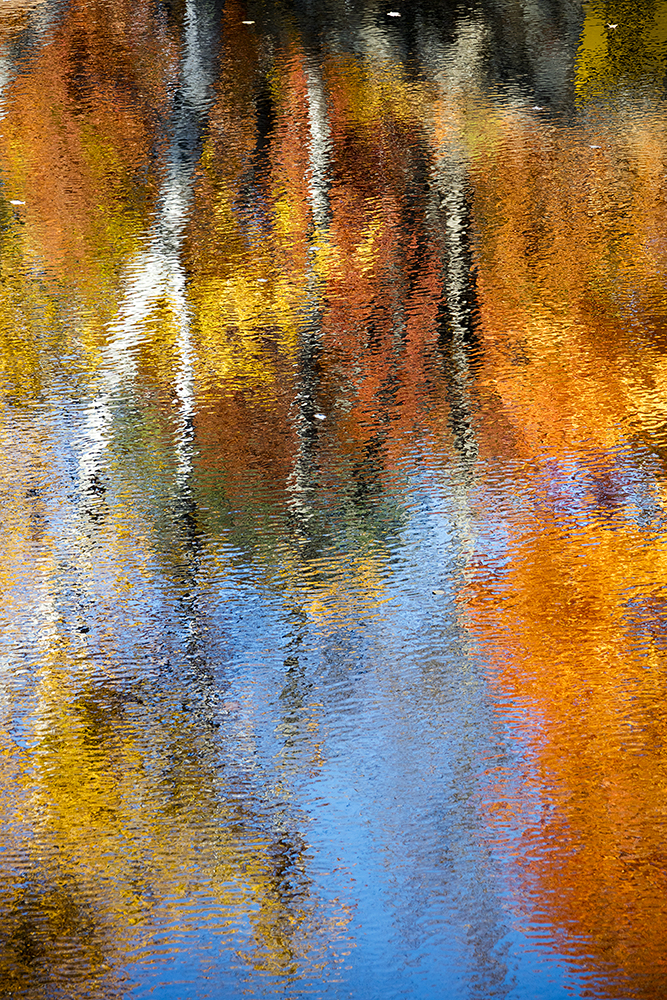
Probability becomes possibility at the moment of coherence.
Fine art print: Fall Foliage Reflection →
The Trees Were Turning Probability Into Possibility
Looking back, the most striking part wasn’t that the fox appeared — foxes appear all the time. What stunned me was the timing. The exact second the thought entered my mind — “Would Sadie chase the fox?” — the event unfolded outside. Not minutes later. Not hours. Not even a full breath later. It arrived in the seam between imagination and reality.
In the language of quantum fields , the forest was holding a probability wave: a fox had moved through, a dog had detected it, and the chase had begun far beyond my line of sight. The trees closest to the movement felt it first, then transmitted that pattern outward through their living circuitry — bark, branches, roots, fungi, soil microbes, light shifts, pressure ripples.
My attention didn’t create the event. It intercepted it. I tuned to the pattern in the same moment the forest was converting stored probability into unfolding possibility — the exact breath where the wave goes from “could be” to “is happening.”
This is the same transition described in Recursion vs. Equations — reality isn’t a fixed line of cause and effect; it’s a living loop of compression and decompression, where information moves in spirals rather than straight lines. The field updates itself in real time, and coherent observers can feel that update as it happens.
The fox wasn’t a coincidence. It was the forest performing its natural function: receiving, storing, and transmitting the patterns of the land until the moment they cross the threshold of perception. And in that moment, I wasn’t outside the system — I was one of its nodes.
You don’t observe the field. You participate in it.
What This Moment Reveals About the Unified Field
The fox wasn’t just an animal sprinting across a yard. It was a messenger from the unified field — a living expression of how information, memory, instinct, and awareness move through landscapes long before thought or sight catch up. The event was the field speaking in its native language: vibration, recursion, timing, and coherence.
Every part of the system was already connected: the fox, the dog, the neighbors, the pines, the soil, the mycelium, the scent trail, the pressure waves, the morning light, and my own awareness. This is the kind of distributed intelligence I explore throughout the Signature Series — not as metaphor, but as field mechanics.
In the Grand Compression , I describe how nature compresses experience into memory, and memory into patterns that guide future behavior. This fox event was that process in real time: the forest compressed Day 1, and decompressed Day 2 as a coherent update. Linked awareness across species is not magic — it is the field behaving exactly as the field should.
In Recursion vs. Equations , I describe why equations freeze time while recursion breathes it. This moment was a recursive breath — a loop closing across two days, carried by trees, animals, scent, vibration, and attention. The universe is not calculating events; it is expressing them.
And in Recursive Breath , I explain how consciousness collapses stored amplitudes into lived experience. That morning, my awareness didn’t predict the event — it collapsed into alignment with it. A shared breath between human and forest. A slack-tide moment in a living field. A reminder that reality is not separate from us — it includes us.
Explore the Field Further
If this story resonated with you, explore the broader framework that makes moments like this legible — where nature, physics, intuition, and field memory weave into a single living system.
Related field-intelligence essays:
“When we slow down enough to listen, the forest stops being scenery. It becomes a partner in perception.”
⚖️ Robbie’s Razor & The Grand Compression
This piece lives inside the wider Grand Compression Cosmology, where every pattern is evaluated using Robbie’s Razor:
“When competing explanations exist, prefer the model that follows compression → expression → memory → recursion.”
Frequently Asked Questions
1. What do you mean by “field memory” in this story?
By field memory, I mean the way a landscape stores and carries patterns over time—through trees, mycelial networks, soil microbiomes, water, scent, and even pressure waves in the air. The fox that passed through the day before left a trail of information the forest could “remember.” When the chase unfolded the next morning, my awareness intersected that stored pattern as it became a new event. I expand on this idea in the Grand Compression Naturepedia entry and related pages like Mycelial Networks and Soil Microbiome.
2. Was this a psychic or paranormal experience?
I don’t frame this as “psychic” or paranormal. I see it as ecological field coherence. The chase was already underway beyond my line of sight. Trees, soil, scent, vibration, and animals were all participating in that pattern before I consciously noticed it. My mind tuned into the same flow line at the exact moment the event reached my window. This fits the living-field view I explore in the Grand Compression trilogy, not as superstition, but as an extension of ecology and physics.
3. How do trees and mycelial networks factor into this moment?
Trees and fungi act like the vertical and horizontal wiring of the forest. Their roots and fungal partners help transmit changes in vibration, chemistry, and moisture across the landscape. When the fox and dog ran through, they disturbed air, soil, and scent in ways the forest could register and propagate. This isn’t woo—it’s consistent with what we’re learning about the Wood Wide Web and the Living Schumann Resonance of trees, water, bees, and mycelium working together as a sensing grid.
4. Can anyone learn to sense the field like this, or is it rare?
I don’t think this is rare—I think it’s under-practiced. Most of us live with so much noise, speed, and screen time that we lose touch with the subtle cues landscapes are constantly broadcasting. When you slow down, spend time under trees, and let your nervous system re-synchronize with natural rhythms, you begin to notice these “coincidences” more often. My work on Slow Knowledge and Quantum Vitality is really an invitation to rebuild that field literacy.
5. How does this fox story connect to your Grand Compression trilogy?
The fox moment is a lived example of what the trilogy lays out in theory. In Part 1: The Grand Compression , I describe how nature compresses experience into memory and decompression into new events. In Part 2: Recursion vs. Equations , I show why reality behaves like a living loop, not a frozen line. And in Part 3: Recursive Breath , I explore how consciousness meets that loop. The fox story is that whole framework compressed into one morning at my window.
6. Where can I read more about animals, scent, and resonance in your work?
If this story sparked something for you, I recommend exploring: Scent of Resonance (on nature’s olfactory field), Quantum Entanglement in Wild Animals , and my Wildlife Gallery. Together, they trace how wolves, foxes, birds, and other animals use resonance, scent, and timing to navigate the same unified field we’re just beginning to notice.