
Exploring the Science of Biomimicry with Robbie George Photography
Biomimicry: Learning from Nature’s Genius Through the Lens of Photography
Nature is not just beautiful—it’s functional, efficient, and intelligent. In the Living Code, I explore how patterns like the Fibonacci sequence and sacred geometry aren't just aesthetic—they're operational blueprints woven into the flight of birds, the unfurling of leaves, and the dynamics of survival. Biomimicry takes this ancient intelligence and asks: How can we learn from it?
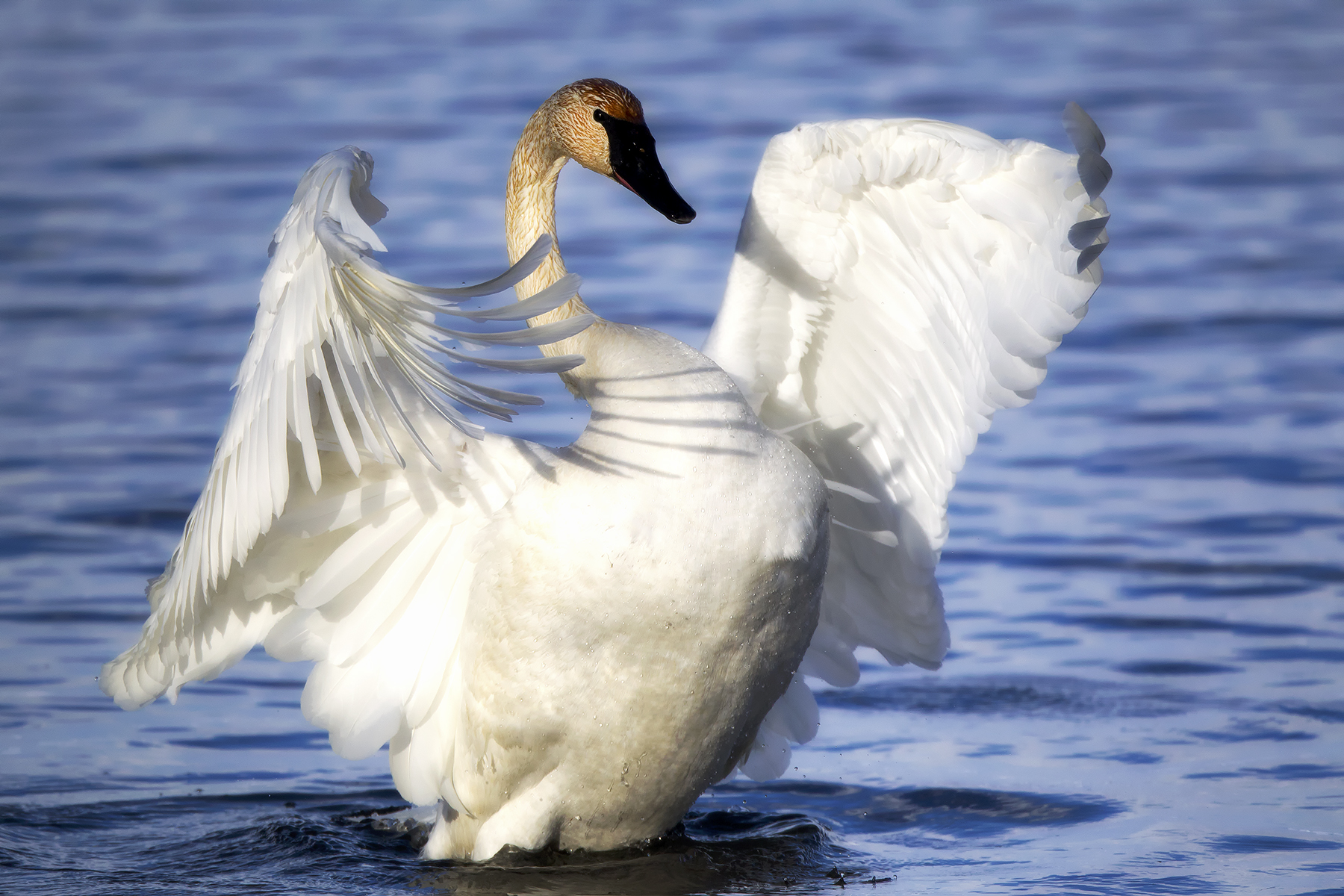
In Quantum Vitality, I’ve shown how the body is not just biology—it is a resonant field attuned to nature. Biomimicry is no different. It’s not just about copying forms—it’s about decoding function. When the trumpeter swan glides effortlessly through air, it’s not just flight—it’s geometry, resonance, and aerodynamic brilliance all at once. These patterns speak to us, if we learn to see through the lens of awareness.
This post dives into how nature photography contributes to biomimetic innovation. We’ll explore how photons captured on camera reveal structural intelligence, how living systems become blueprints for design, and how documenting nature—carefully, reverently—unlocks access to the original design language of the Earth. It’s all part of the greater Nature Code—a vibrational library hiding in plain sight.
“Nature is not a metaphor. It’s the manual. And every feather, spiral, and reflection is a page of that manual waiting to be read.”
~ Robbie George
The Role of Nature Photography in Biomimicry
Nature photography is more than art—it’s documentation of design intelligence. Through the lens, we gain access to the fractal symmetry of snowflakes, the laminar flow of feathers, and the photon-based architecture of iridescent wings. As explored in Fractals & Fibonacci, nature repeats patterns not for aesthetics alone, but for function, balance, and resilience. Photographers become visual biographers of this living geometry.
High-resolution photography gives designers and biomimicry researchers the ability to study complex natural systems up close. In Photon Stories, I share how light interacts with form—and how capturing that light unveils engineering embedded in nature. The iridescent scales of butterflies, the structure of spider silk, or the molecular lattice in a water droplet become blueprints for materials science, architecture, and communication systems.
As noted in Pioneering a Deeper Connection in Nature Photography, photographing nature through the lens of reverence transforms a simple capture into an act of inquiry. Each image becomes a portal into the mechanics of survival and the soul of design. In this way, nature photography becomes one of the most accessible and powerful tools in the biomimicry toolbox.
"Glover’s Silk Moth" — structural beauty born of light. Available as a fine art print.
“Every photograph of nature is a window into her engineering. Look closely—and the blueprint reveals itself.”
~ Robbie George
The Science of Biomimicry: Living Intelligence in Action
Biomimicry is the scientific study of nature’s engineering—where form is function and every spiral, skin, and cell holds a lesson in efficiency. As explored in The Quantum Symphony, the underlying principles of nature are not random—they are rhythm-based, fractal, and field-aware. To study a spider web or a bird’s wing is to study an equation in motion.
In The Unified Living Field, I described how ecosystems operate as coherent energetic networks—resilient, regenerative, and interdependent. Biomimicry is the human invitation into that network. Rather than imposing our systems onto nature, it asks us to attune to hers. To listen. To align. And to emulate, not extract.
Whether it’s the resonance geometry of honeycomb, the fluid aerodynamics of a kingfisher beak, or the self-cooling genius of a termite mound, every example reflects what I call The Living Code: that nature is already optimized—and that our job is to remember how to read her patterns again.
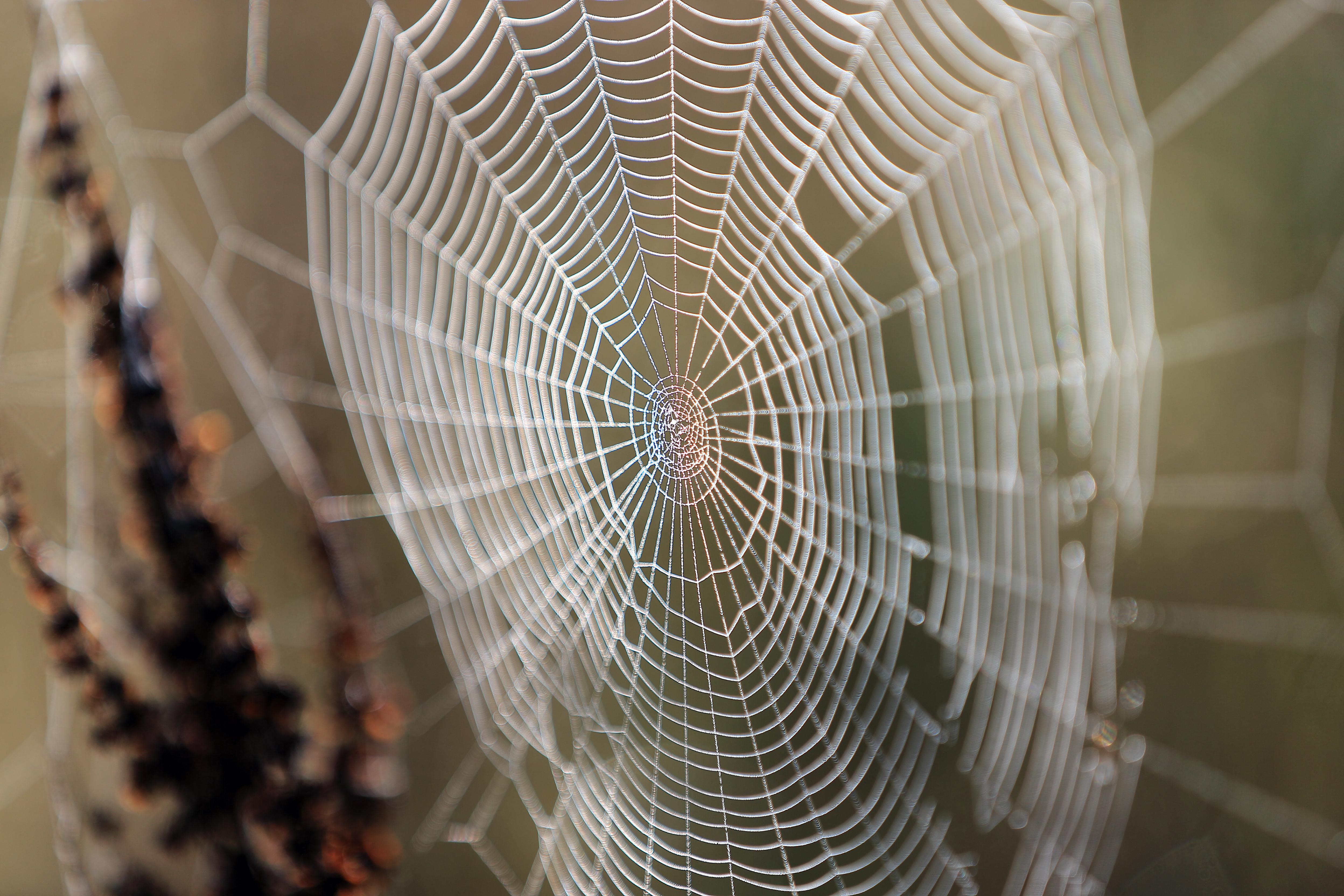
"Spider Web Geometry" — tension and coherence in design.
“Biomimicry isn’t copying nature—it’s conversing with it, until design becomes dialogue.”
~ Robbie George
Nature Photography and Biomimicry in Practice
Biomimicry begins with reverent observation. The camera becomes a scalpel of awareness—revealing structures and symmetries that aren’t immediately visible to the naked eye. As explored in Nature Photos in a Drop of Water, water droplets, leaf veins, and pollen dusted wings hold design secrets millions of years in the making.
Through the lens, we see how rivers mimic neural pathways, how honeycomb teaches space optimization, and how the vortex form—echoing across galaxies and shells—represents nature’s preferred strategy for distributing energy. In The Living Code, I discuss how these repeating motifs are not coincidental—they are codes of coherence across scale.
Whether capturing dew on moss or light scattering through a moth wing, each image becomes part of a growing database of pattern recognition—what I’ve called the visual genome of Earth’s intelligence. As shared in The Energy of Antlers and Leaves, even decay and regeneration are optimized for energy flow. Photography becomes not just inspiration—but information.
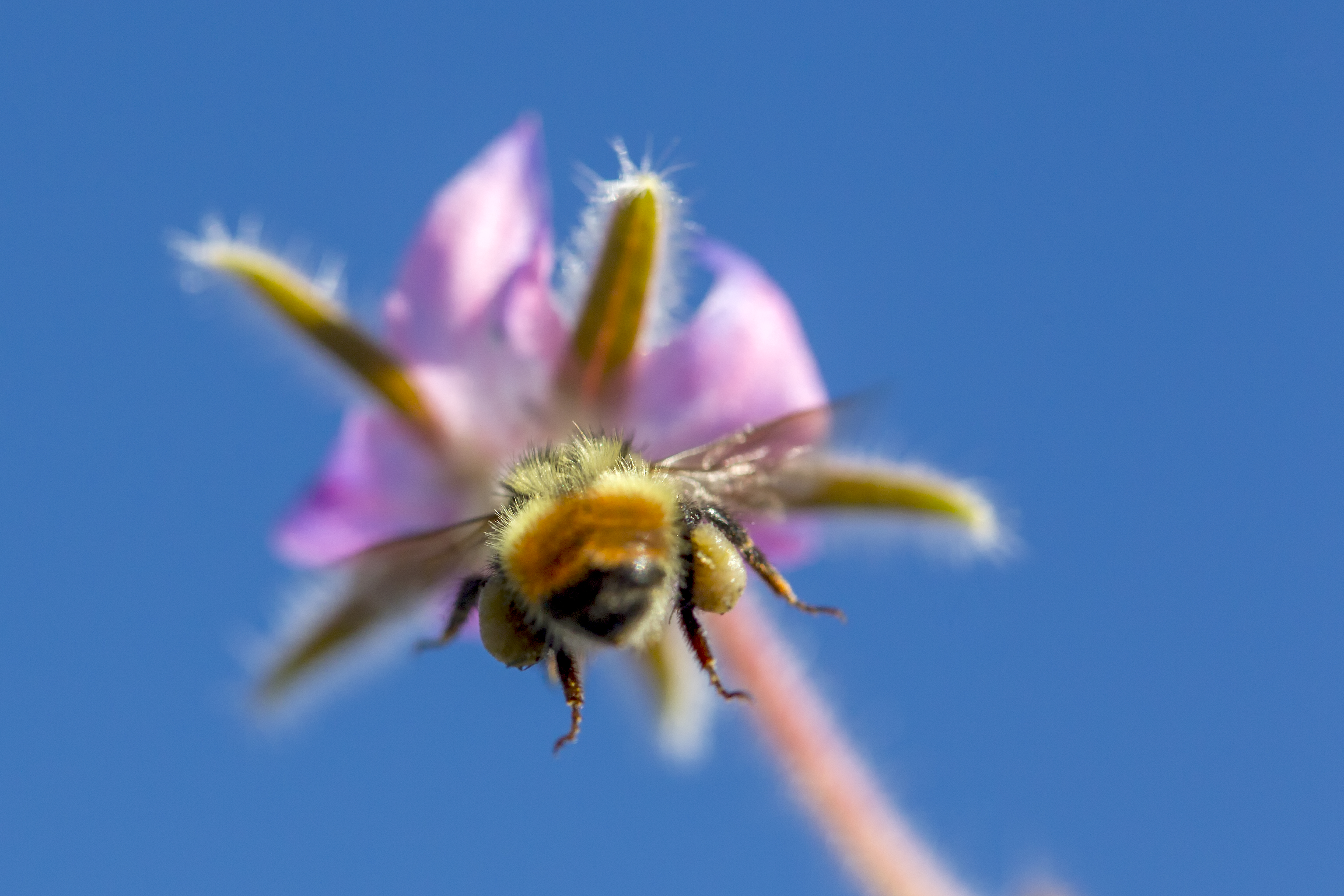
"Honey Bee in Pollination" — fractal flight meets functional pollination. Available as a fine art print.
“The closer we look, the smarter nature becomes. Every detail reveals a design that solves, heals, and teaches.”
~ Robbie George
New Ideas in Biomimicry: Light, Water, and Quantum Design
The frontier of biomimicry is not only physical—it’s vibrational. In Photon Threads, I explore how nature stores and transmits information using light. Photons don’t just illuminate—they organize. The structure of butterfly wings, the direction of plant growth, and the iridescence of dew are all shaped by coherent photonic flow.
Water plays a central role in these processes. In The Unified Water Theory, I described water as the memory keeper of the field—a vibrational medium capable of storing, structuring, and even transferring biological and environmental information. Biomimicry is now beginning to integrate this wisdom: designing water purification systems, resonance-based energy grids, and fluid storage inspired by nature’s own blueprint.
These concepts come full circle in The Nature Code, where fractal design, vibrational communication, and energetic coherence offer a framework for next-generation technology. Imagine data storage modeled after a single water droplet. Imagine architecture that vibrates with natural frequencies. Imagine agriculture that listens to the field. This is biomimicry at the quantum edge.
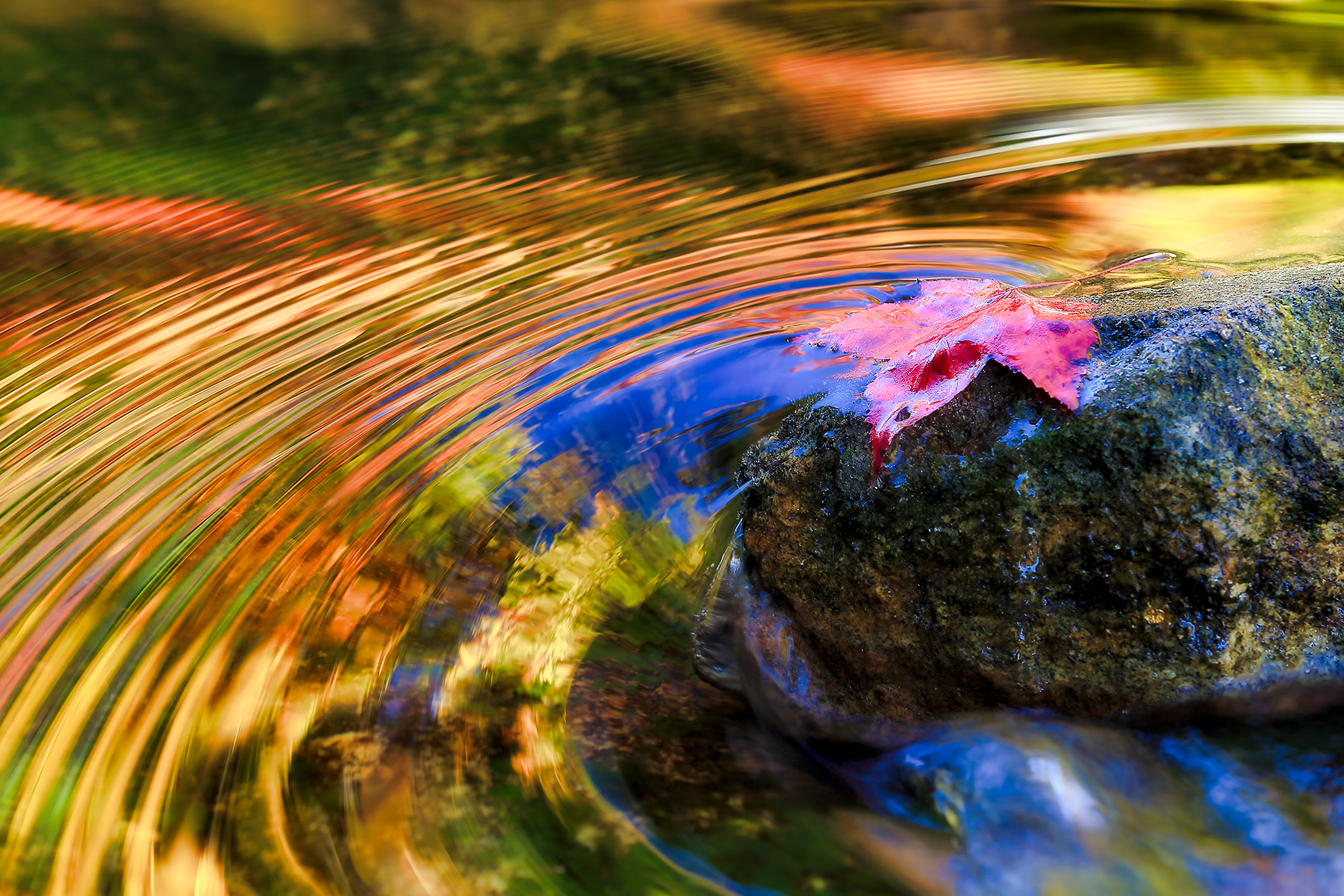
"Photon Bloom" — golden light in motion. Available as a fine art print.
“Light builds form. Water stores memory. And nature’s code writes itself in both.”
~ Robbie George
Practical Applications and Case Studies: Where Nature Informs Innovation
The promise of biomimicry lies in its practicality. Across disciplines, innovators are turning to nature not just for beauty—but for solutions. The hook-and-loop design of burrs inspired Velcro. The kingfisher’s beak transformed Japan’s bullet trains. The lotus leaf taught us how to create self-cleaning surfaces. These aren’t isolated miracles—they are reminders that nature is already optimized.
In The Energy of Antlers, I shared how branching systems—like elk antlers or trees—mirror optimal energy distribution pathways. These natural fractals are now being studied in architecture, antenna design, and medical imaging. Similarly, close-ups of dragonfly wings and spider silk provide insight into structural integrity, fluid mechanics, and vibration damping—all through pattern recognition and photographic detail.
As seen in Exploring the Science of Biomimicry, the goal is not to recreate nature—but to collaborate with it. Every image becomes data. Every form becomes instruction. Nature photography becomes an interface between art, science, and sustainability.
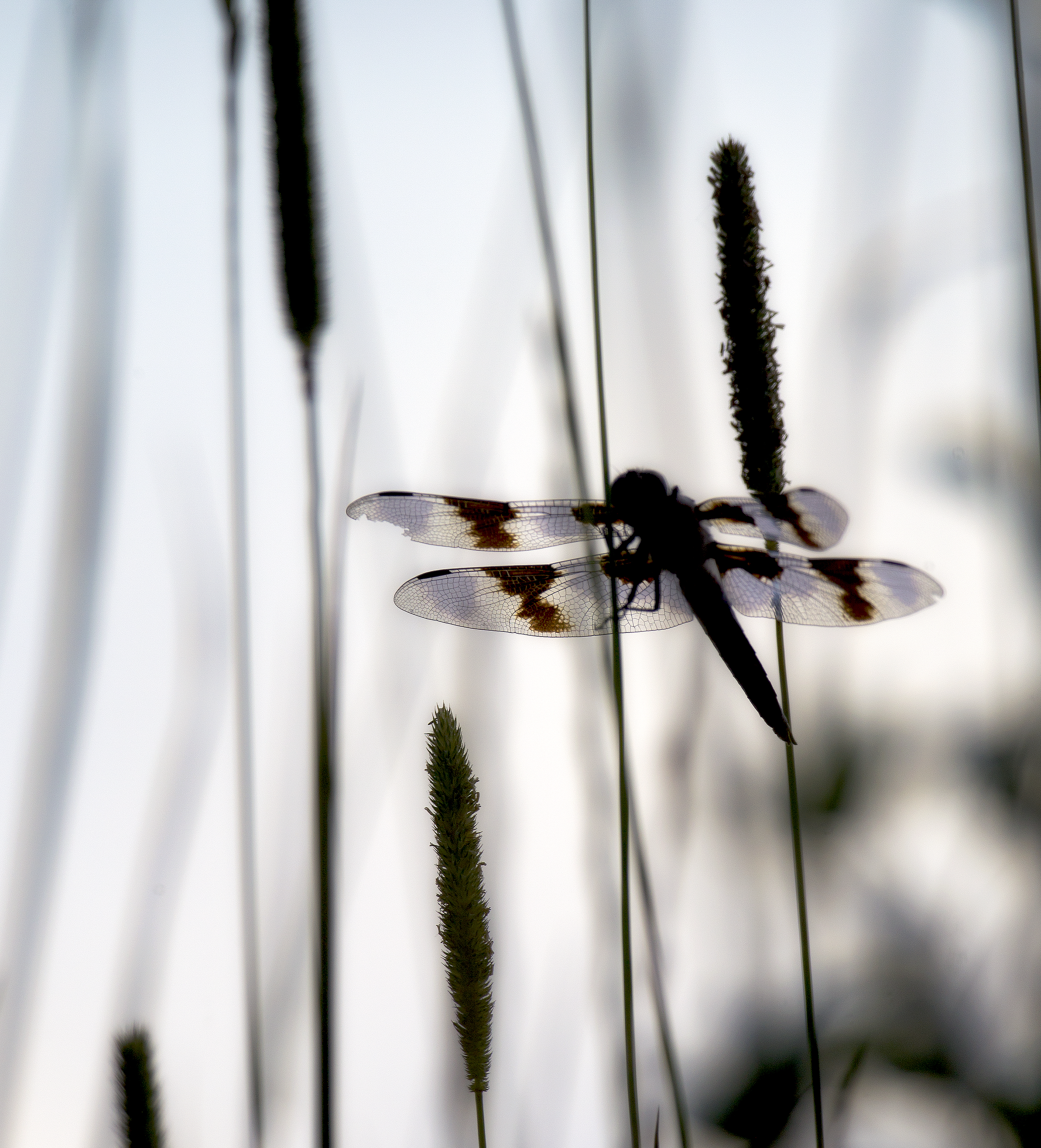
"Dragonfly Wing Geometry" — strength through structure.
“The future isn’t built by machines alone—it’s built by listening to the original engineer: nature.”
~ Robbie George
Conclusion and Call to Action
Nature is not a relic of the past—it’s a library of future design. Through biomimicry, we’re rediscovering that every cell, spiral, and symmetry is a coded invitation to innovate sustainably. From the kingfisher’s aerodynamic brilliance to the fractal genius of spider silk, the natural world is already optimized—we only need to learn how to listen, and how to see.
Through my lens at The Signature Series, I’ve aimed to document this intelligence not just as art—but as evidence. Each photograph is a mirror of function. A sacred pause. A diagram of divine engineering. Biomimicry invites us to use those mirrors not only for reflection—but for redirection.
To explore more visual pathways into nature's design, visit the gallery at Robbie George Photography. For a guided journey, start at Start Here. And if you’re ready to build with nature, not over it, explore deeper wisdom in The Nature Code.
“Nature already solved the problems we’re facing. She encoded the solutions in feathers, waves, roots, and wings. The lens is just the first step. The blueprint is already alive.”
~ Robbie George
Explore Fine-Art Prints
Bring the season home—browse Wildlife, Landscapes, and Seascapes by National Geographic–published photographer Robbie George. See framing, editions, and care on the Collectors page.
 Landscape
  Seascapes
About Robbie George
Robbie George is a National Geographic–published photographer and resonant naturalist. His fieldcraft follows a simple ethic—distance first, habitat always— shaped by Slow Knowledge and the Signature Series.
Explore calm, undisturbed behavior in the Wildlife Gallery or plan your next trip with the Seasonal Wildlife Calendar, Golden Hour & Moon, and Photography Maps.
“Attention first, image second. The shutter is the period at the end of a sentence you learned by walking.”
FAQs: Biomimicry and Nature Photography
1. What is biomimicry and why is it important?
Biomimicry is the practice of learning from and emulating nature’s forms, processes, and systems to solve human problems. It helps us create sustainable innovations inspired by time-tested ecological intelligence—from energy-efficient buildings to nature-inspired materials.
2. How does nature photography support biomimicry research?
Nature photography captures detailed structures and behaviors that serve as visual blueprints for biomimetic design. Through macro and high-resolution imagery, it allows scientists, engineers, and designers to study and replicate the genius embedded in wings, webs, water flow, and fractals.
3. What are some real-world examples of biomimicry in action?
Velcro was inspired by burrs. Japan’s Shinkansen bullet train was modeled after a kingfisher's beak. Self-cleaning surfaces were inspired by lotus leaves. These are just a few of the many examples where nature’s design has led to human innovation.
4. How do photons and water memory relate to biomimicry?
Photons influence how light structures and organizes matter in the natural world. Water, with its ability to hold vibrational memory, plays a role in energy transfer and communication in living systems. Both are now being explored for use in next-gen biomimetic energy, storage, and information systems.
5. Where can I learn more or explore visual inspiration for biomimicry?
Explore the Signature Series, Nature Code, and photographic collections on Robbie George Photography for immersive storytelling, imagery, and biomimetic inspiration.