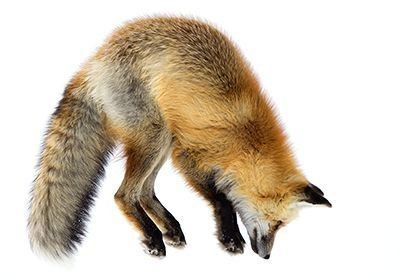

Red Fox: Vulpes Vulpes - Ultimate Guide to Behavior, Habitat & Adaptations
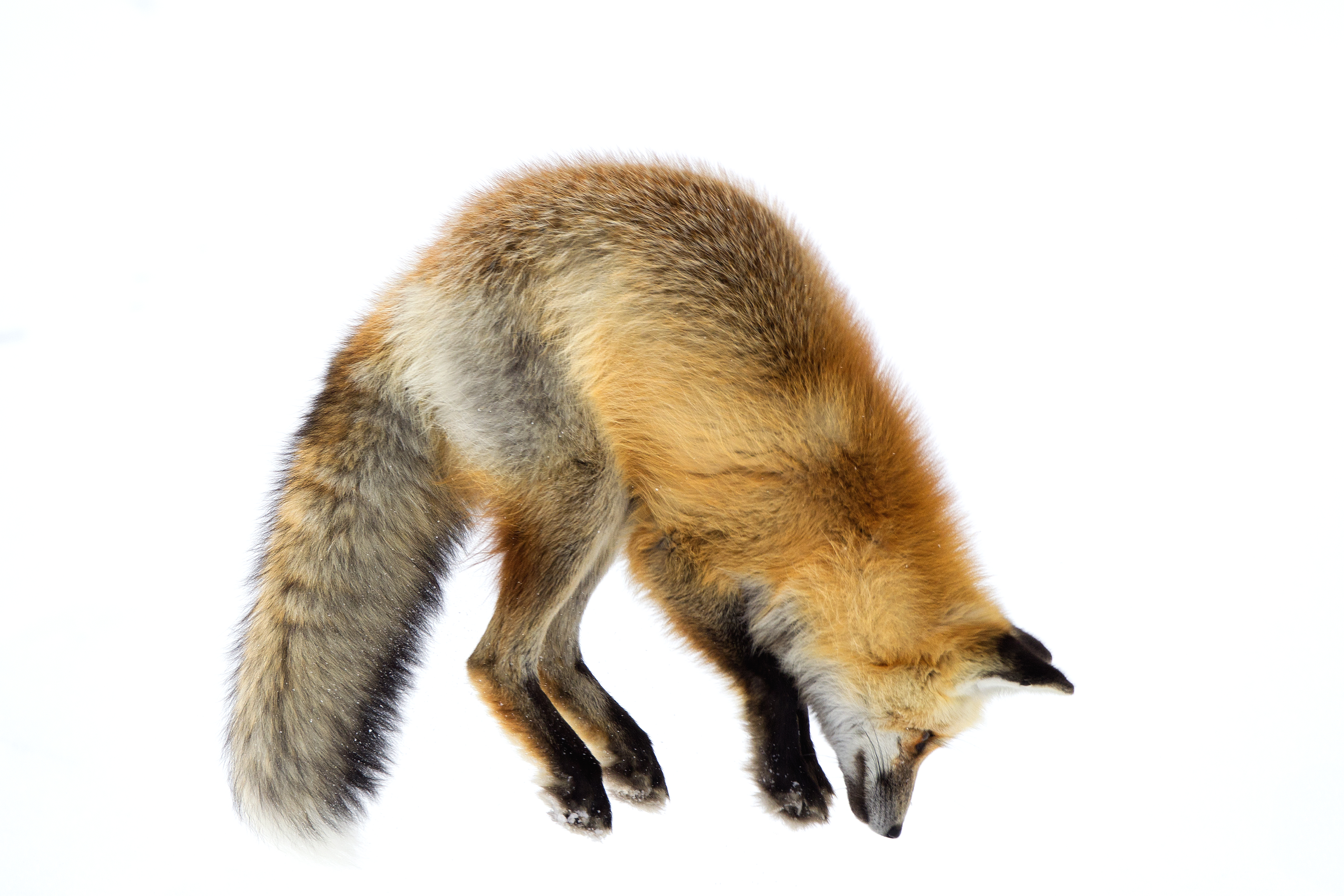
An Edge Hunter — Precision, Timing, and Awareness
Red foxes operate along boundaries—where cover meets openness. I’ve consistently seen them working these edges, using terrain and vegetation to stay hidden while still maintaining visibility of prey. They don’t rely on power. They rely on positioning.
What makes them effective is not just speed or stealth—it’s decision-making. A fox will pause, listen, adjust direction, and sometimes abandon a hunt entirely if conditions aren’t right. That level of responsiveness is something you only notice when you slow down enough to observe their behavior closely.
In wildlife behavior and ecology, the red fox represents adaptive intelligence—adjusting movement, timing, and hunting strategy based on environment and pressure.
Across ecosystems of North America, that adaptability allows foxes to persist in places where more specialized predators cannot. They are not tied to one landscape—they move between them.
Jump to a Section
Explore red fox behavior, habitat, diet, life cycle, ecology, seasonal patterns, and its role in the larger Naturepedia system.
Core Behavior — Stealth, Listening, and Adaptive Hunting
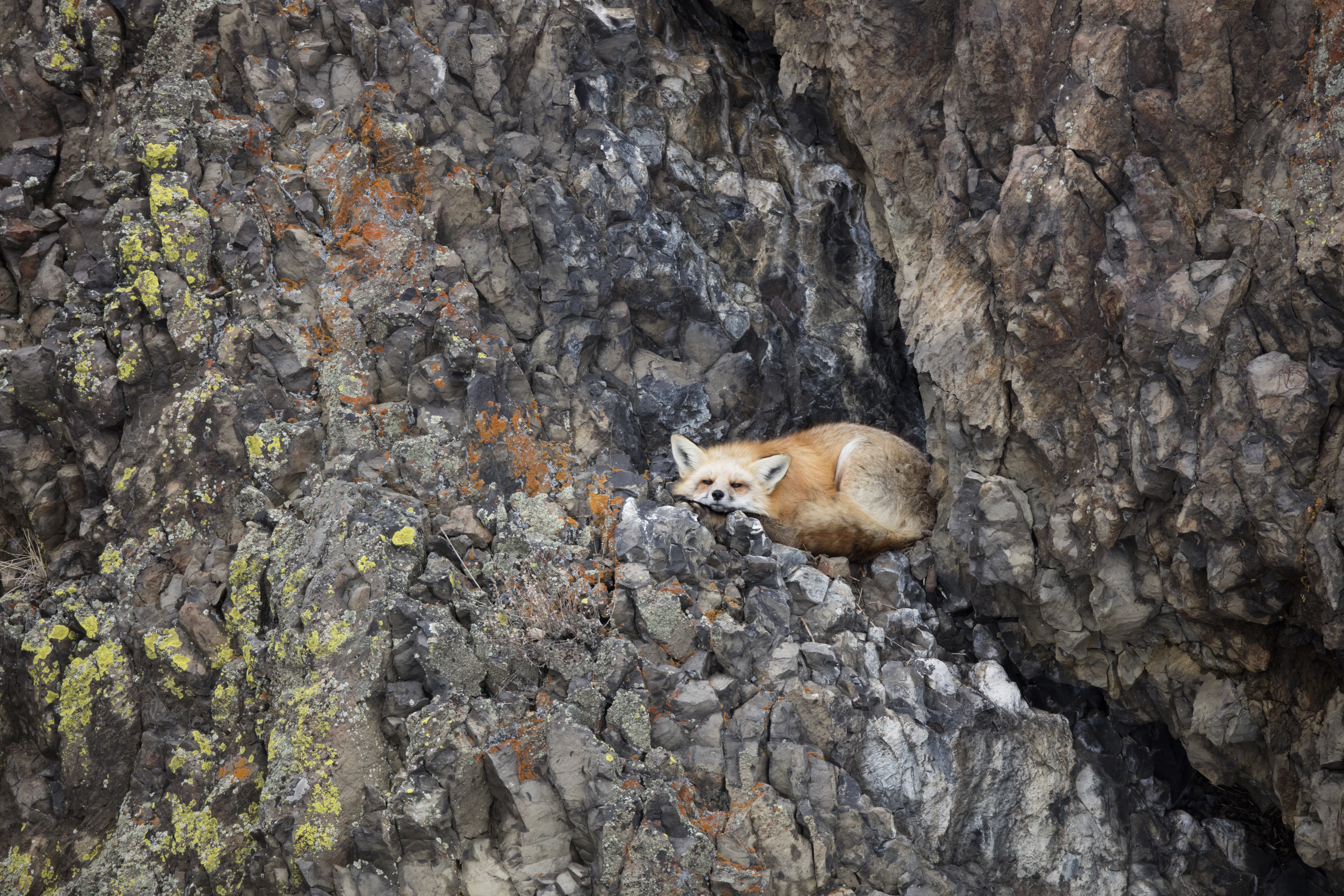
Red fox behavior is built around awareness. More than almost any other mid-sized predator, foxes depend on timing, listening, and precision. In the field, I’ve seen how much of their success comes from staying just outside the obvious—working edges, pausing often, and reading movement before committing to action.
They are usually solitary hunters, especially when searching for rodents and other small prey. A red fox may move slowly through grass, stop completely, angle its head to isolate sound, and then leap with sudden accuracy. That sequence—stillness, listening, strike—is one of the clearest signatures of fox behavior.
Foxes are also highly adaptable in how they use time. In quiet landscapes they may be active by day, but where human pressure is higher, they often shift toward dawn, dusk, and night. That flexibility is part of what makes them so successful across both wild and developed environments.
Within wildlife behavior and ecology, the red fox stands out as a predator whose intelligence is expressed through restraint, responsiveness, and efficient use of opportunity.
Habitat — Meadows, Forest Edges, Snowfields, and Human Margins
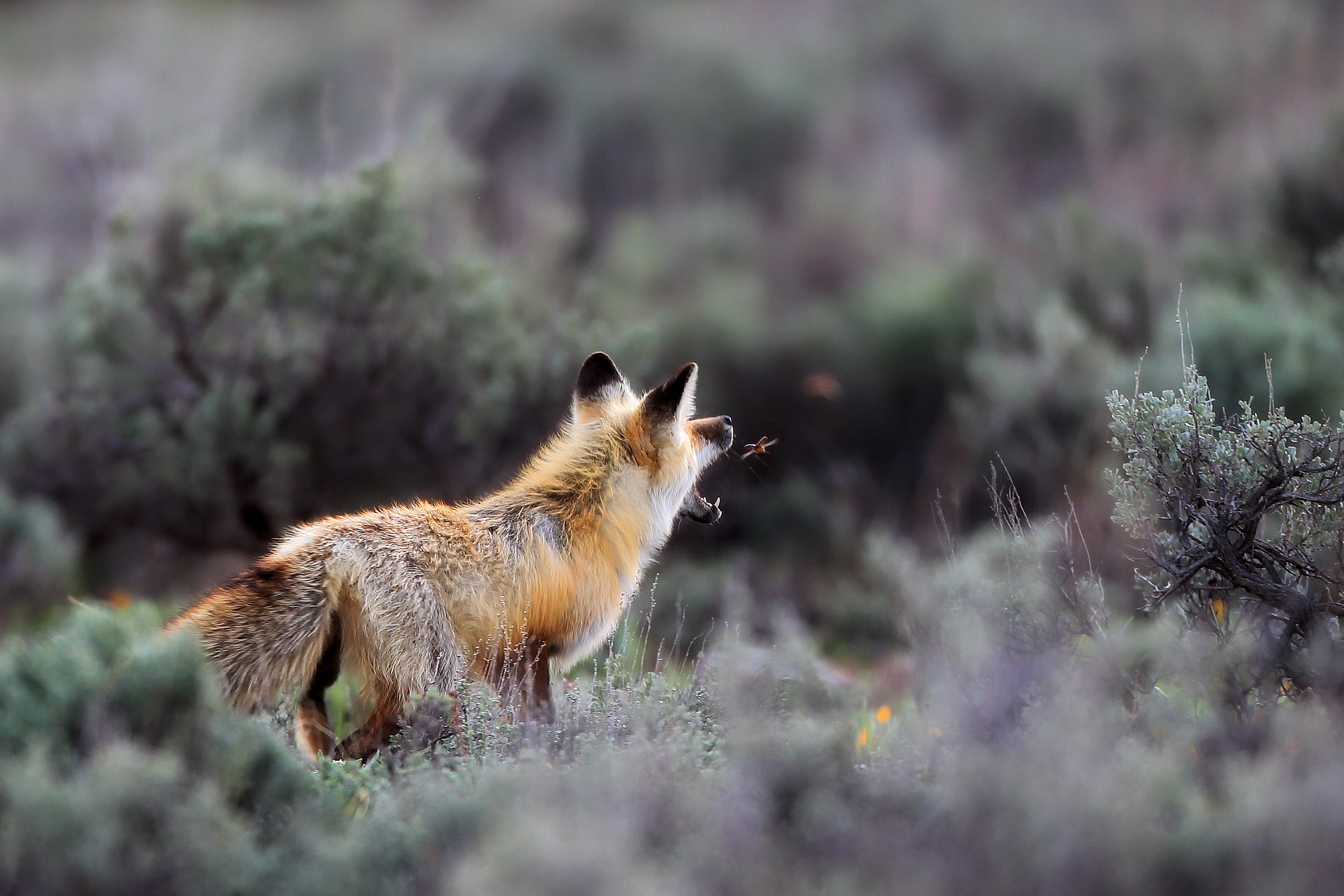
Red foxes succeed in a wide range of habitats because they are not dependent on one narrow ecological niche. I’ve seen them in open country, along brushy meadow edges, near forest cover, and in winter landscapes where snow reveals just how efficiently they move through the terrain.
What matters most is a mix of concealment and access. Foxes need cover for resting and denning, but they also need open ground where prey can be detected and approached. That is why transitional habitat—especially where grassland, brush, and woodland meet—often suits them so well.
They are equally capable of using human-altered environments. Agricultural land, field edges, drainage corridors, and suburban margins can all provide opportunity if disturbance remains manageable. The fox adjusts without losing its essential behavior.
Across habitats and ecosystem zones, the red fox is one of the clearest examples of how a species can remain wild while moving fluidly through changing landscapes.
Diet — Opportunistic Feeding Across Seasons
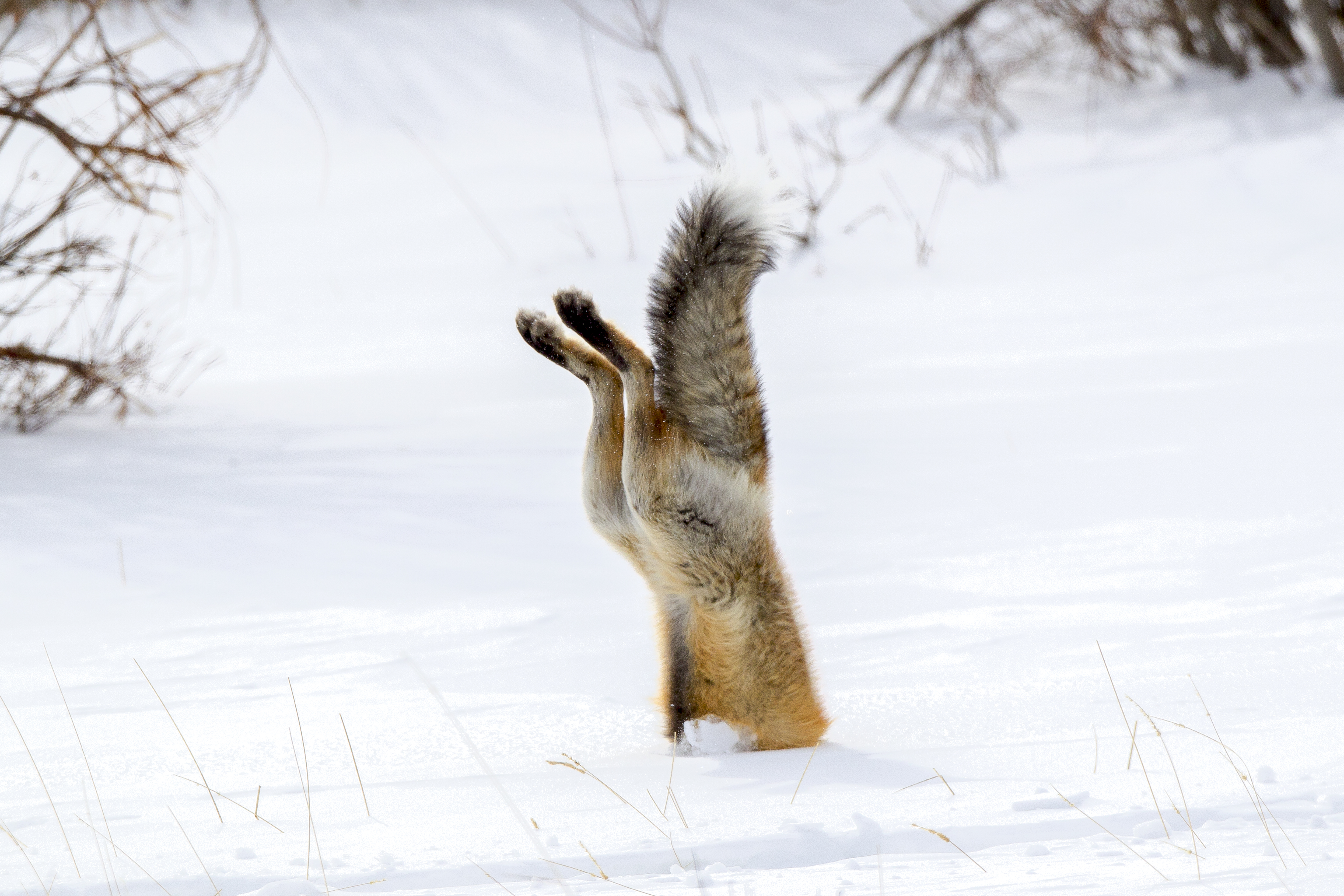
Red foxes are opportunistic feeders, and that flexibility is one of their defining strengths. From what I’ve observed in the field, their diet shifts constantly depending on season, habitat, and available prey.
Small mammals—especially mice, voles, and rabbits—form the foundation of their diet. The classic “mousing” behavior, where a fox listens and then leaps into the snow or grass, is one of the most efficient hunting strategies in the wild. It allows them to locate prey even when it’s completely hidden.
But foxes are far from specialized. They also eat birds, insects, fruit, and carrion. In warmer months, plant material can make up a meaningful portion of their intake, while in winter they rely more heavily on hunting and scavenging.
Within ecological food webs, red foxes function as both predator and scavenger—helping regulate prey populations while also redistributing nutrients across the landscape.
Life Cycle — From Den to Independence
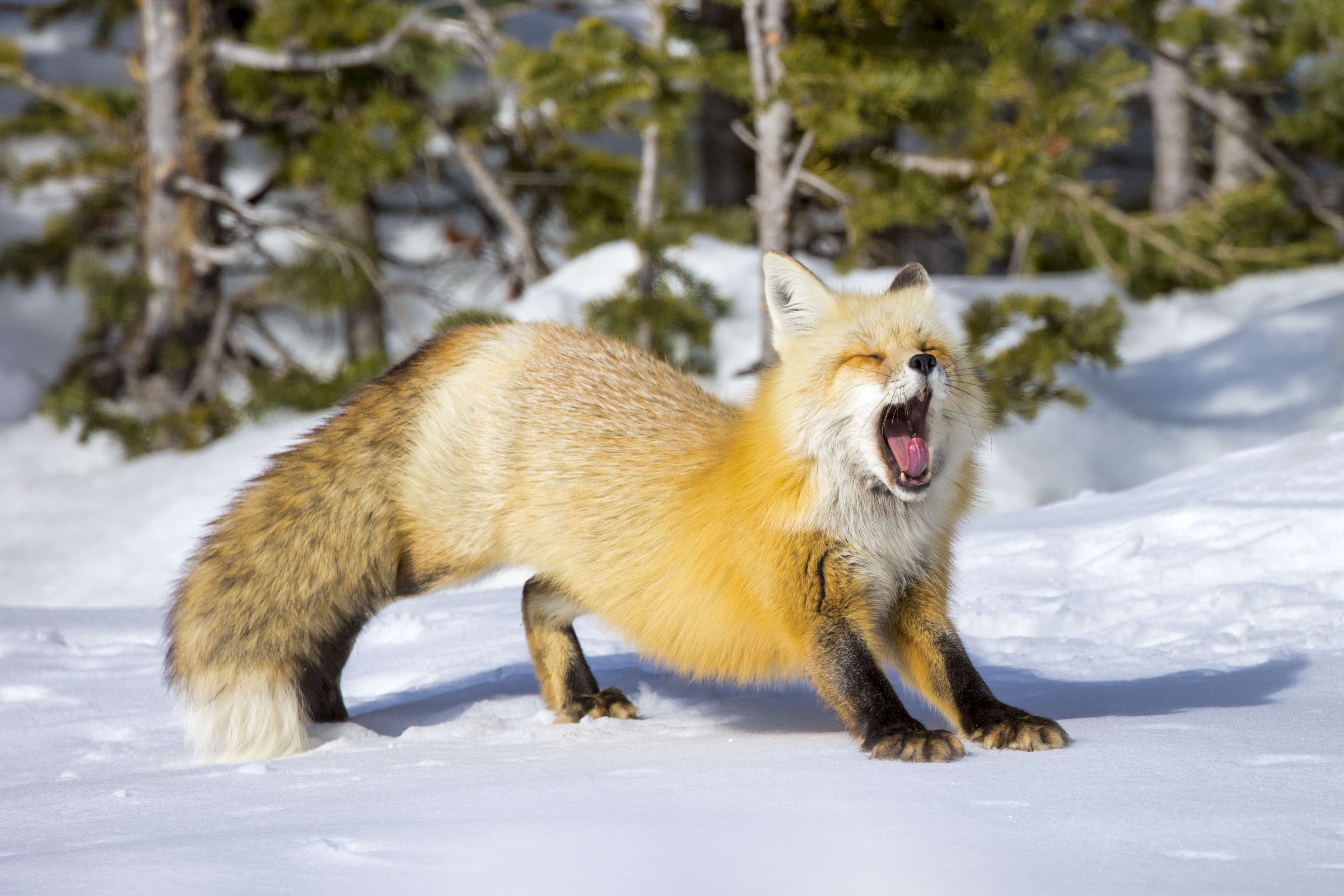
The red fox life cycle is closely tied to seasonal timing and habitat conditions. Breeding typically occurs in late winter, and by early spring, kits are born in dens that are carefully placed for protection and access to food.
Both parents play a role in raising the young. Early on, the female stays close to the den while the male brings food. As the kits grow, they begin to explore, play, and develop the coordination and awareness needed for hunting.
By late summer and early fall, young foxes begin to disperse. Some travel significant distances to establish their own territories, while others remain closer depending on conditions. This dispersal phase is critical for maintaining population balance across landscapes.
This pattern reflects broader adaptation and survival systems, where learning, timing, and environmental awareness determine long-term success.
Behavior & Ecology — Predator Influence and Landscape Balance
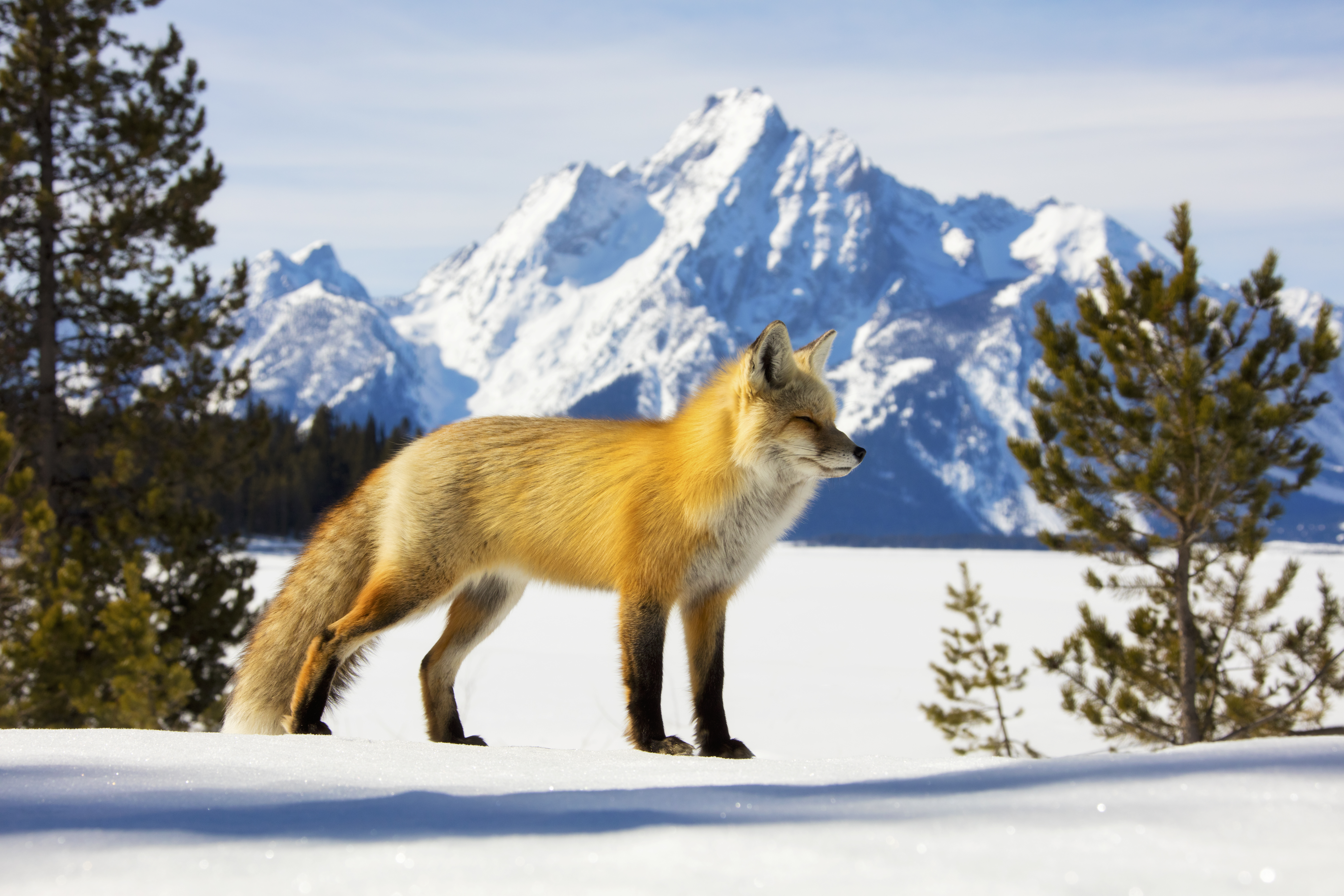
Red foxes may appear small compared to larger predators, but their ecological influence is significant. Their presence shapes how prey species behave, where they feed, and how they move across the landscape.
By consistently hunting rodents and small mammals, foxes help regulate populations that would otherwise expand quickly. This has downstream effects—reducing pressure on vegetation, influencing insect populations, and indirectly shaping habitat conditions over time.
They also interact with other predators. In some areas, foxes compete with coyotes or avoid areas where larger predators are active. These interactions create layered predator dynamics that help structure ecosystems in subtle but important ways.
Within keystone species and trophic cascades, red foxes often function as mid-level regulators—balancing prey populations and influencing ecological relationships without dominating the system.
This is where their importance becomes clear. Red foxes are not just surviving within ecosystems—they are actively shaping them, contributing to broader biodiversity and ecosystem balance across the landscapes they inhabit.
Conservation — Adaptability, Pressure, and Coexistence
Red foxes are often seen as one of the most adaptable mammals in the world, but adaptability does not mean they are unaffected by change. Habitat fragmentation, road systems, and human expansion all influence how and where foxes move.
In many areas, foxes have learned to navigate human environments—using fields, suburban edges, and even urban corridors to survive. While this adaptability is impressive, it also increases the potential for conflict, especially when food sources become tied to human activity.
From my experience observing them, red foxes generally avoid direct interaction with people. Most issues arise when natural boundaries are disrupted—through feeding, unsecured waste, or loss of habitat structure. When those boundaries remain intact, coexistence is not only possible—it’s common.
Within wildlife conservation and habitat, red foxes highlight an important principle: healthy ecosystems depend on maintaining relationships, not removing species. Predators, prey, cover, and movement all need to remain connected.
Protecting habitat connectivity, minimizing unnecessary pressure, and improving public understanding are some of the most effective ways to support fox populations. Conservation, in this case, is not about recovery—it’s about maintaining balance in a changing landscape.
Seasonal Patterns — Movement, Behavior, and Timing Through the Year
Red fox behavior shifts noticeably throughout the year, and those changes are often tied to breeding, prey availability, and environmental conditions. Paying attention to these seasonal patterns is one of the most effective ways to understand and observe them in the field.
In late winter, breeding season increases movement and vocal activity. Foxes become more territorial, and interactions between individuals are more frequent. By early spring, denning begins, and activity becomes more localized as kits are raised.
Summer is focused on feeding and development. Adults hunt consistently to support growing kits, and young foxes begin learning essential behaviors. By late summer and fall, dispersal begins, and individuals spread out to establish new territories.
Winter brings a different clarity. Tracks become visible, prey is easier to detect against snow or open ground, and foxes often move more deliberately. It’s one of the best times to study their behavior in detail.
These patterns connect directly into wildlife migration and seasonal patterns and your broader seasonal wildlife calendar, where timing shapes both observation and understanding.
Naturepedia Connection — Understanding the Red Fox in the Larger System
The red fox is not defined by a single habitat or behavior—it is defined by its ability to connect them. Moving between meadow, forest edge, agricultural land, and human-altered environments, the fox carries ecological influence across boundaries that many species cannot cross as easily.
Within the mammals of North America layer, the red fox represents adaptability and precision. In wildlife behavior and ecology, it demonstrates how intelligence expresses itself through timing, restraint, and responsiveness to changing conditions.
Across ecosystems of North America, red foxes function as regulators—shaping prey populations and interacting with other predators in ways that influence the structure of the landscape. And within wildlife conservation and habitat, they highlight the importance of maintaining connected environments where movement and adaptation remain possible.
This is how the Naturepedia system is built—linking species to behavior, behavior to habitat, and habitat to larger ecological relationships. The red fox is one of the clearest examples of that system in motion.
To explore these connections further, continue into the Naturepedia system.
Frequently Asked Questions About Red Foxes
What is the scientific name of the red fox?
The red fox is scientifically known as Vulpes vulpes. It is one of the most widespread wild canids in the world and one of the most adaptable mammals across the Northern Hemisphere.
Where do red foxes live?
Red foxes live in a wide range of habitats, including grasslands, farmland, forest edges, mountains, tundra, and suburban margins. They do especially well in places that provide both cover and open ground for hunting.
What do red foxes eat?
Red foxes are opportunistic feeders. Their diet includes rodents, rabbits, birds, insects, fruit, and carrion. What they eat changes with season, habitat, and what is most available.
Are red foxes solitary or social?
Red foxes are most often seen alone, especially while hunting, but they do form breeding pairs and family groups during the denning and kit-raising season. Their social structure changes through the year.
How do red foxes hunt?
Red foxes rely on hearing, timing, and precision. They often pause to listen for movement beneath grass or snow and then leap or pounce with remarkable accuracy to catch hidden prey.
Do red foxes help the ecosystem?
Yes. Red foxes help regulate rodent and small prey populations, contribute to scavenging, and play an important role in maintaining ecological balance across many landscapes.
Why are red foxes so adaptable?
Their adaptability comes from flexibility in diet, movement, habitat use, and activity patterns. Red foxes can shift their behavior quickly in response to weather, prey, competition, and human presence.
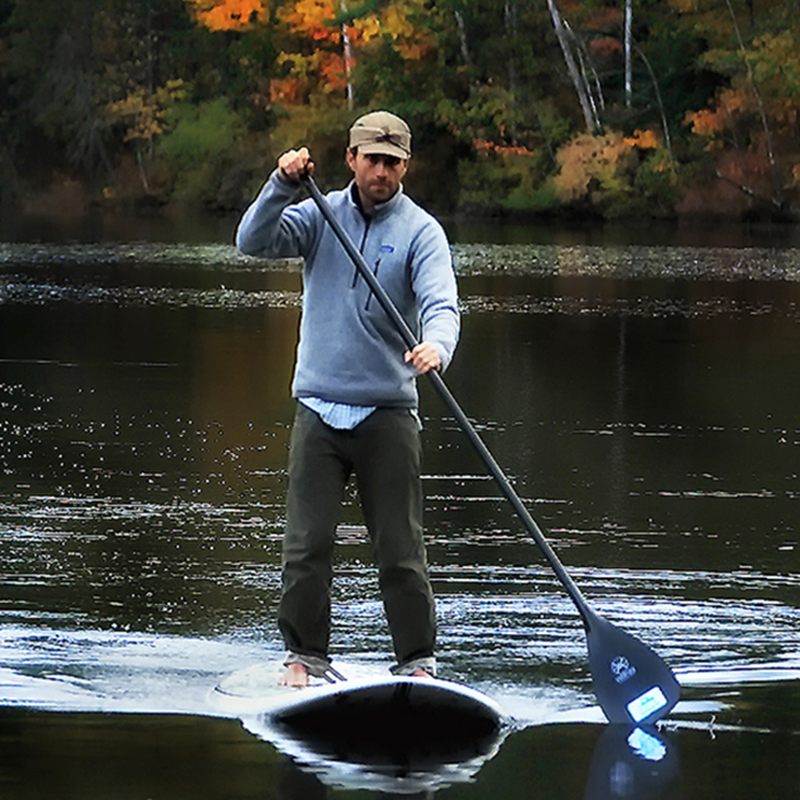
About Robbie George
I’m Robbie George, a National Geographic–published wildlife photographer. My work is built through repeated time in the field—returning to landscapes across seasons to understand how animals move, feed, adapt, and belong within the systems around them.
Red foxes are one of the species that have taught me the most about precision. To photograph them well, you have to understand how they read the landscape—edges, sound, movement, and timing. They don’t force the environment. They respond to it. That same perspective shapes how I build the broader Naturepedia Wildlife Knowledge System.
You can explore more field-based work in the Wildlife Gallery, or plan your own time in the field using tools like the Seasonal Wildlife Calendar and Photography Maps.
“The red fox teaches you that success isn’t force—it’s timing, awareness, and knowing exactly when to move.”