


Unified Water Theory: Bridging Nature and Consciousness
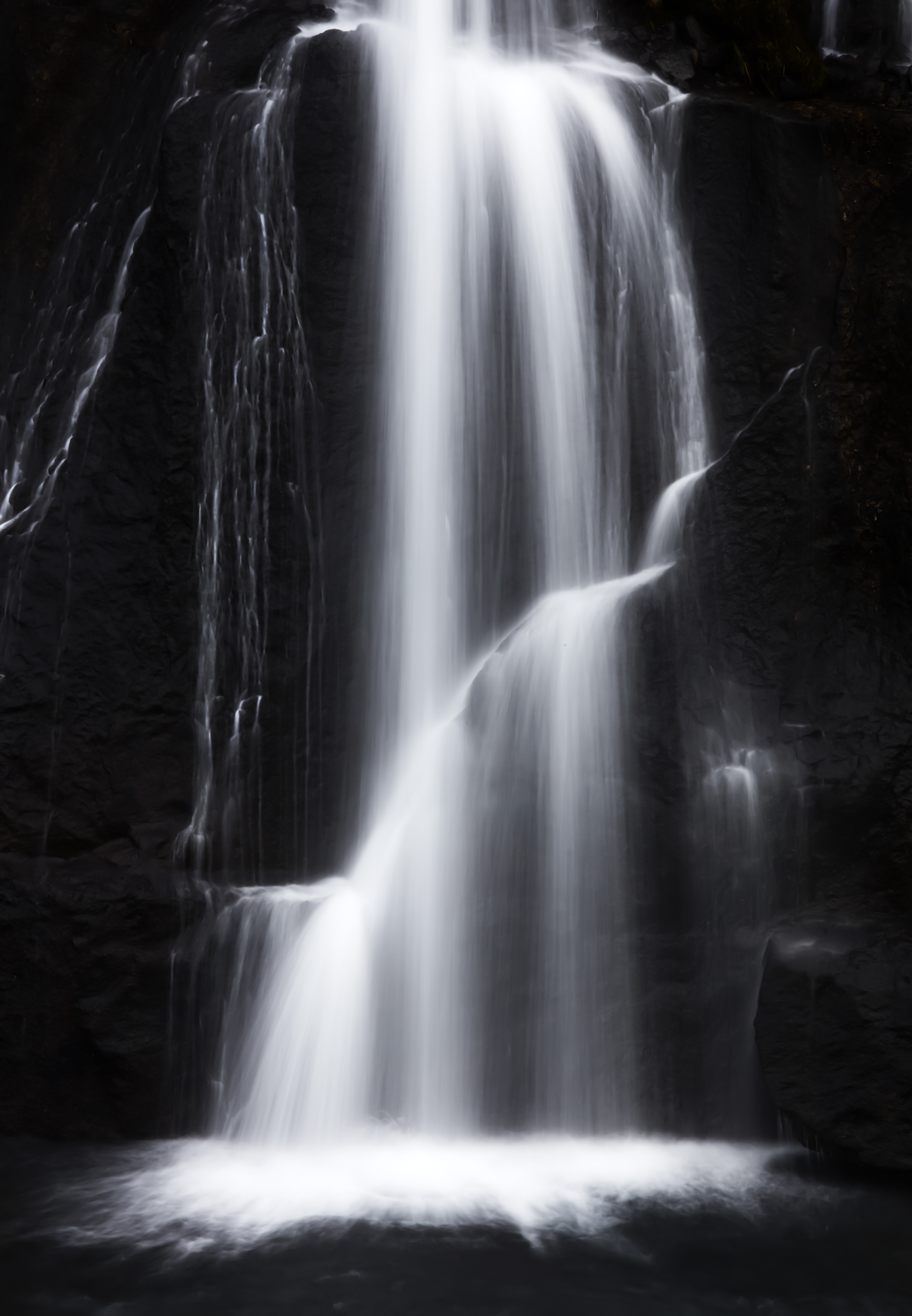
Unveiling the Unified Water Theory: Connecting Water, Nature, and Consciousness
The idea that water could carry memory might once have sounded like myth. Yet today, we stand at the confluence of science and soul, where emerging insights point to a deeper design. Water is not only the vessel of life — it may be the vessel of awareness itself.
The Unified Water Theory opens this conversation, suggesting that water's structure allows it to record and relay information. Central to this concept is my equation, M = H₂O × I, where memory (M) is the outcome of water (H₂O) interacting with information (I). It's more than a hypothesis — it's a call to reimagine our relationship with this elemental intelligence.
In this post, we’ll explore water’s roles — physical, informational, ecological — and how honoring its deeper nature invites a more coherent future. When we understand what water remembers, we begin to remember who we are.
“Water is not just the blood of the Earth — it is the memory of the universe.” — Robbie George
Integrating Science and Nature
In nature, there is no separation between science and soul — only the illusion of division. The Unified Water Theory offers a bridge back to wholeness, showing that water is more than a compound — it is a conductor of memory, emotion, and ecological intelligence.
In the Signature Series, particularly in The Quantum Blueprint and From Soil to Self, we see that the body's fluids, the soil's hydration, and the sky’s vapor are not disconnected phenomena — they are extensions of one great circulating memory field. Water links the leaf to the lung, the root to the river.
The equation M = H₂O × I teaches us this: when water meets information — in the form of light, sound, or biological signals — memory is formed. This memory influences everything from seed germination to soil microbiome resilience. Recognizing this allows us to move beyond mechanical models of ecology and into a field-aware paradigm — where water is not just a utility, but a witness.
Water as the Lifeblood of Nature
Essential for Life
Water is more than life’s backdrop — it is its bloodstream. In Quantum Vitality, we explore how nutrient cycles rely on water to distribute not only minerals, but signals. Just as the microbiome in the gut listens to hydration, ecosystems listen to rain. This is why we say that water doesn’t just nourish — it informs.
In the blog post Water – The Great Informant of Nature, we explored how water transmits changes in pressure, sound, chemical composition, and even emotion. This aligns with the principle of M = H₂O × I: water's contact with information generates living memory, not stored in files, but in fluid.
From soil roots to tree leaves, from clouds to coral reefs, water is the field’s messenger. When we irrigate wisely, we’re not just feeding crops — we’re tuning the field. And when we pollute water, we aren’t just altering chemistry — we’re distorting memory. That’s why water conservation is ecological coherence.
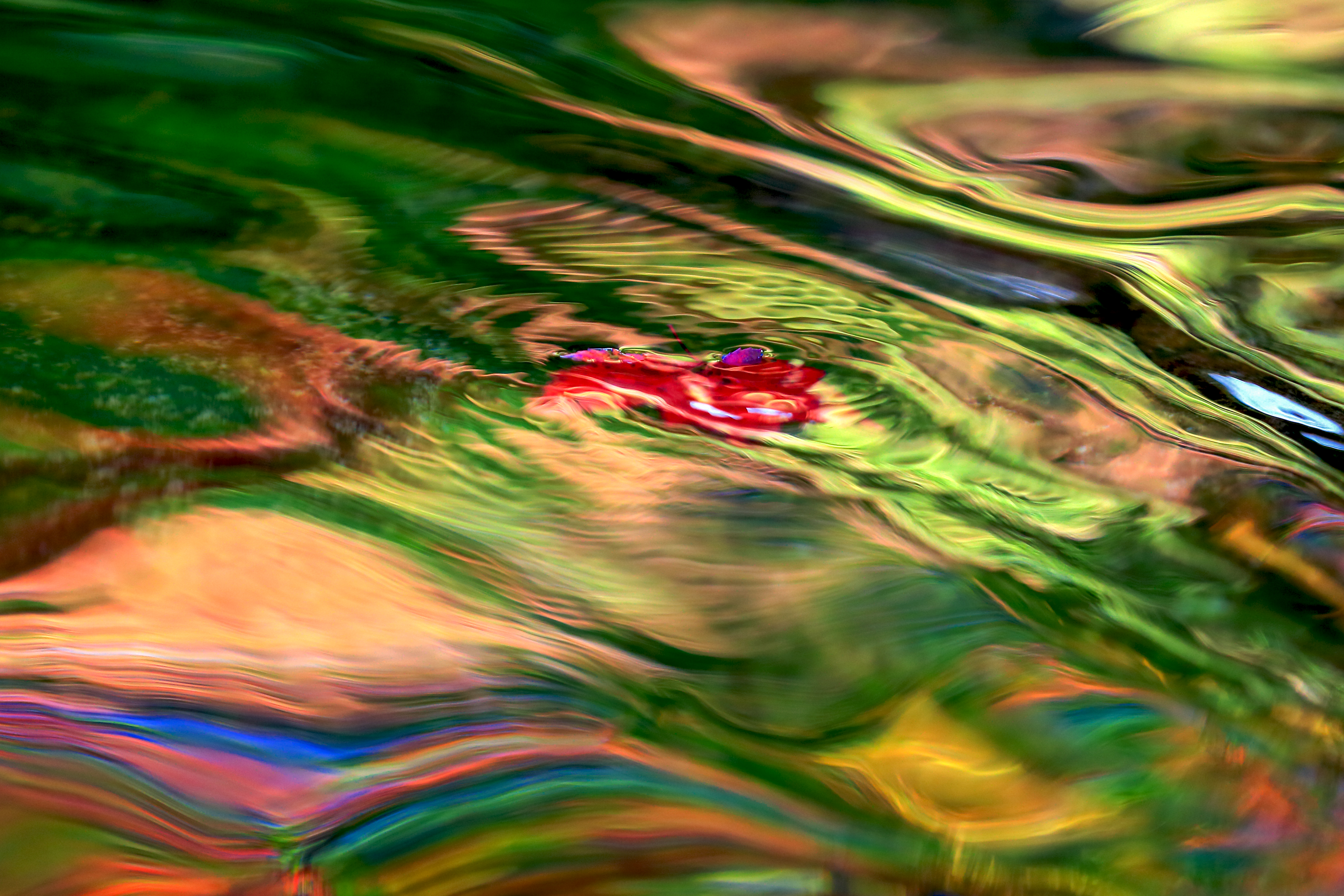
Natural Water Cycles and Information Flow
The Water Cycle
The water cycle is more than a physical loop — it’s a memory circuit. Through evaporation, condensation, precipitation, and infiltration, water travels not only through terrain but through transformation. In doing so, it absorbs frequencies, data, minerals, and even intention.
As highlighted in Water – The Great Informant of Nature, every raindrop carries a record of its journey — chemical content, environmental vibration, and atmospheric memory. When it returns to Earth, it delivers this memory to roots, soil microbes, and aquifers. This is not metaphor — it’s coherence in motion.
In The Eternal Flow of Time, we explore how water’s cyclical return is nature’s true clock — not linear but spiraled. It reminds us that nothing truly leaves — it transforms, re-enters, and informs the next iteration of life.

Related Reading
Water’s Influence in Natural Phenomena
Weather and Climate
In the dance of atmosphere and ocean, water orchestrates balance. It is the invisible breath behind wind, clouds, and rain. Evaporation and condensation are not just mechanical processes — they are vibrational transitions, transferring solar information into liquid coherence.
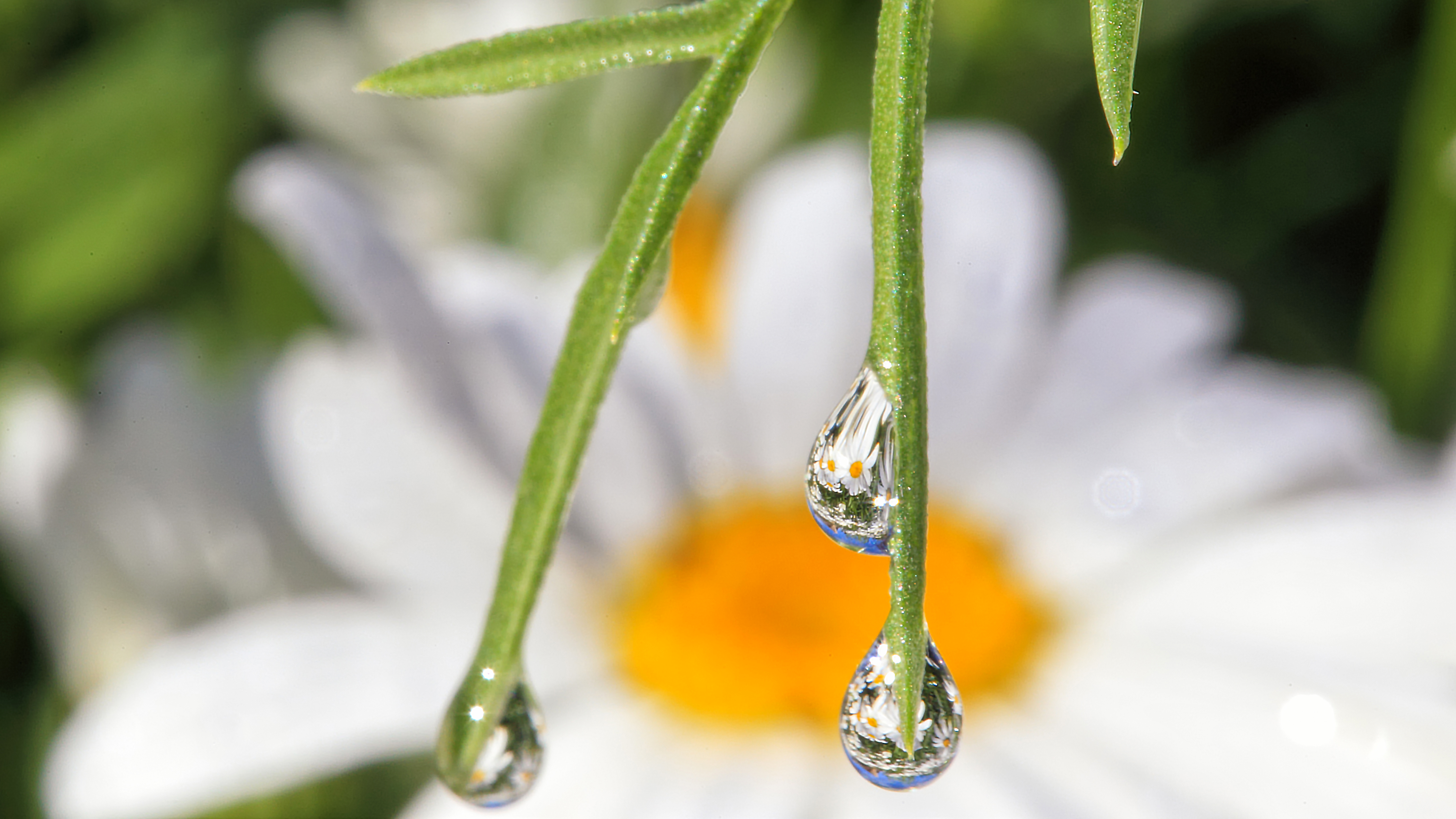
As discussed in Nature Photos in a Drop of Water, each droplet becomes a cosmic mirror. Weather patterns are not simply physical reactions — they are part of Earth’s consciousness loop, where water responds to shifts in energy and redistributes them across the planet in seasonal spirals.
This same principle animates water’s ability to regulate temperature and store sunlight in molecular memory. From monsoons to morning mist, water choreographs the climate through memory-infused rhythm, not randomness.
Geological Processes
Water is the Earth’s original sculptor — carving canyons, polishing stone, and carrying minerals that seed future fertility. But it also sculpts the invisible: energy pathways, ion fields, and microbial networks. Through erosion and sediment transport, it deposits not only matter but memory.
In The Living Code, we learned that fractal geometry guides the shapes of rivers just as it does the spirals of DNA. Water carries these codes through landscapes, creating form through flow — the script of gravity encoded in every ripple.
Link to Information Storage
When water flows across stone or sky, it gathers more than sediment — it gathers signals. As per M = H₂O × I, each molecular interaction with minerals, sunlight, or atmosphere encodes informational layers within its structure. It remembers where it has been.
In the post Nature Photos in a Drop of Water, we envisioned a single droplet as a time capsule — holding resonance patterns from past ecosystems. What if geology isn’t just history written in rock, but also whispered in water?
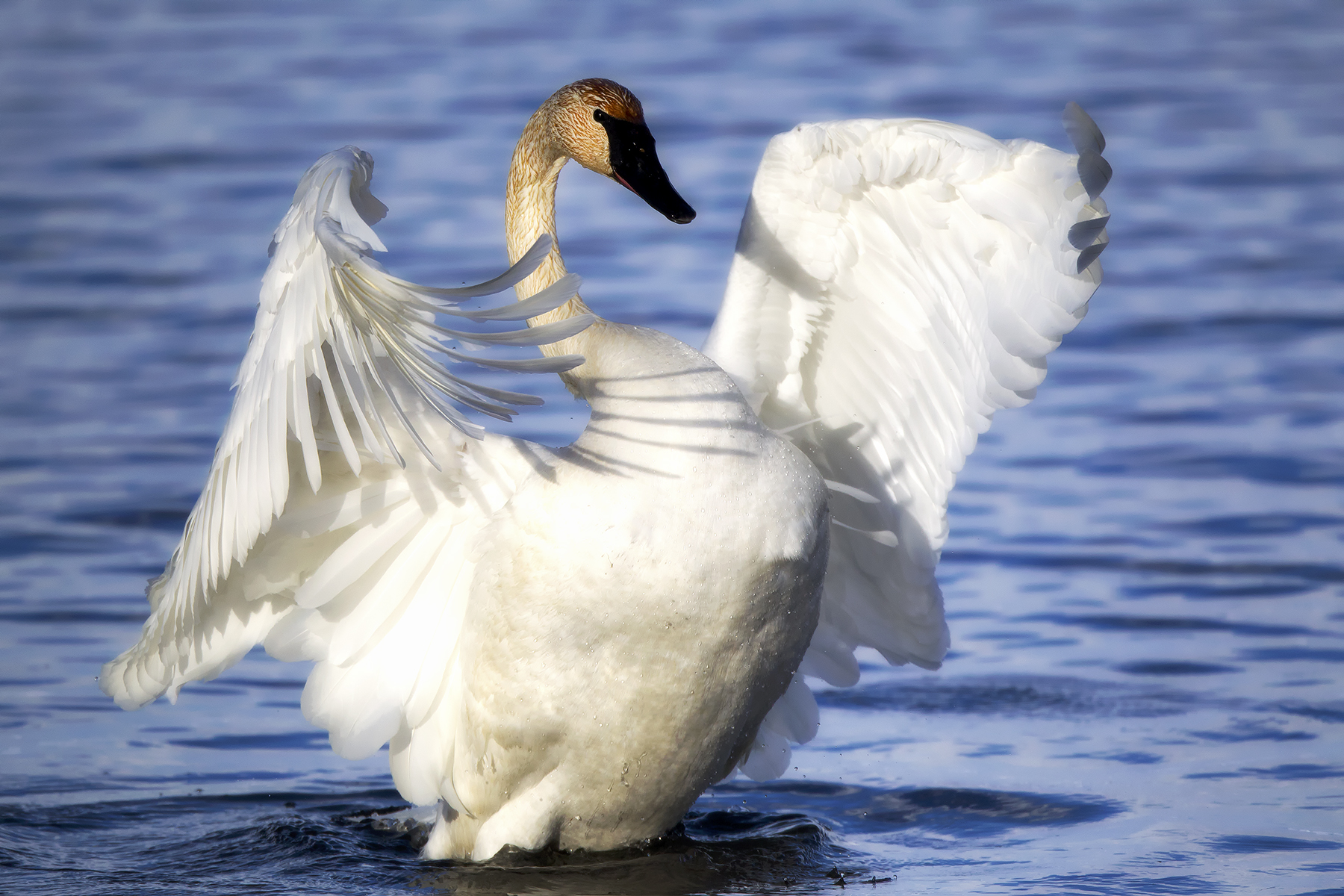
Ecological Harmony and Indigenous Wisdom
Traditional Knowledge
Long before modern science spoke of coherence and resonance, Indigenous cultures knew: water is sacred. It is not just a utility — it is a teacher. Viewed as the “blood of the Earth,” water has always held a revered place in origin stories, purification rituals, and seasonal ceremonies.
As highlighted in Water – The Almighty God Driving All Life Forms on Earth, many cultures believe water carries spirit — that it listens, speaks, and remembers. This ancient reverence resonates with the Unified Water Theory, which suggests that water stores not just data, but meaning — frequencies of healing, grief, and harmony.
Indigenous wisdom teaches us that when water is disrespected, imbalance follows. This mirrors the insight from The Living Code — that polarity, when out of rhythm, disrupts the field. Honoring water means restoring the flow of reciprocity with the Earth.
Holistic Approach
The Unified Water Theory builds upon this holistic lens — not replacing ancient knowing, but reinforcing it through the language of physics. If water holds memory, as M = H₂O × I proposes, then we are not just polluting resources — we are disrupting Earth’s ancestral record.
This understanding encourages not just conservation, but reverence. Indigenous knowledge calls us back into kinship — not to master water, but to remember our place within it. It’s not just about sustainability. It’s about relationship. And in relationship, water becomes alive again — not as a resource, but as relative.
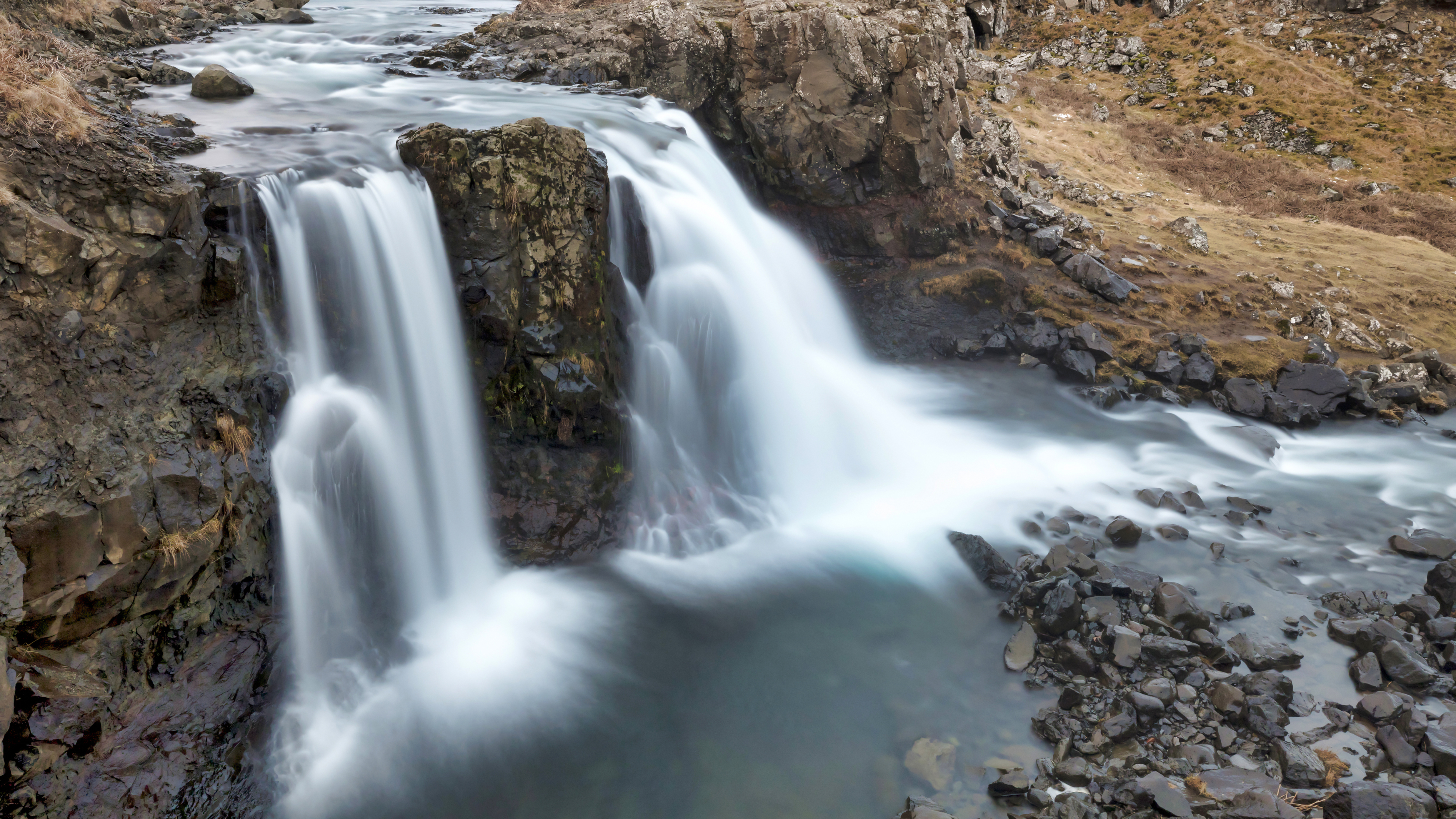
Conservation and Sustainability
Protecting Water Sources
When we protect water, we are not just preserving hydration — we are protecting memory. In Water – The Great Informant of Nature, we saw how water absorbs the frequencies of the field. Pollution doesn't just dirty a river — it scrambles its resonance. It silences its story.
According to M = H₂O × I, water holds the informational blueprint of every ecosystem it touches. Conservation efforts, therefore, must go beyond resource use and include the preservation of water’s **informational integrity** — its ability to mirror, remember, and regenerate life.
As shared in Water – The Almighty God Driving All Life Forms, water is not passive. It is participatory. It carries light through darkness, signal through soil, and memory through generations. To protect it is to protect the resonance field itself.
Ethical Considerations
Ethical water conservation must be rooted in reciprocity. This means recognizing that water is not ours to dominate, but to respect — a collaborator in life’s unfolding, not a commodity to extract. From the Wood Wide Web to microbial memory, water connects every thread of the Earth’s wisdom system.
When water is kept pure, it remains a clear channel — for nutrients, energy, and evolution. When it’s degraded, so too is the field’s coherence. The ethics of conservation, then, are not just environmental — they are vibrational. They are moral. They are field-aware.

Nature Photography as a Medium
Capturing Water’s Beauty
Nature photography is more than composition — it is communion. Water, in all its forms, reflects not only light but lineage. In every droplet, a field of memory. When we photograph water, we’re not just freezing motion — we’re capturing the moment where light and memory converge.
As explored in Water – Nature’s Color Shifter, the way water bends light isn’t just an optical trick — it’s a visual code. Whether cascading over rock, suspended in dew, or veiling the sky in mist, water reveals how photons encode the field. This is why water remains a central subject in my nature photography.
Through these images, we see water not only as landscape but as language. The ripples, reflections, and refracted colors are not just beautiful — they’re communicative. They remind us that seeing is also remembering.
Visual Storytelling
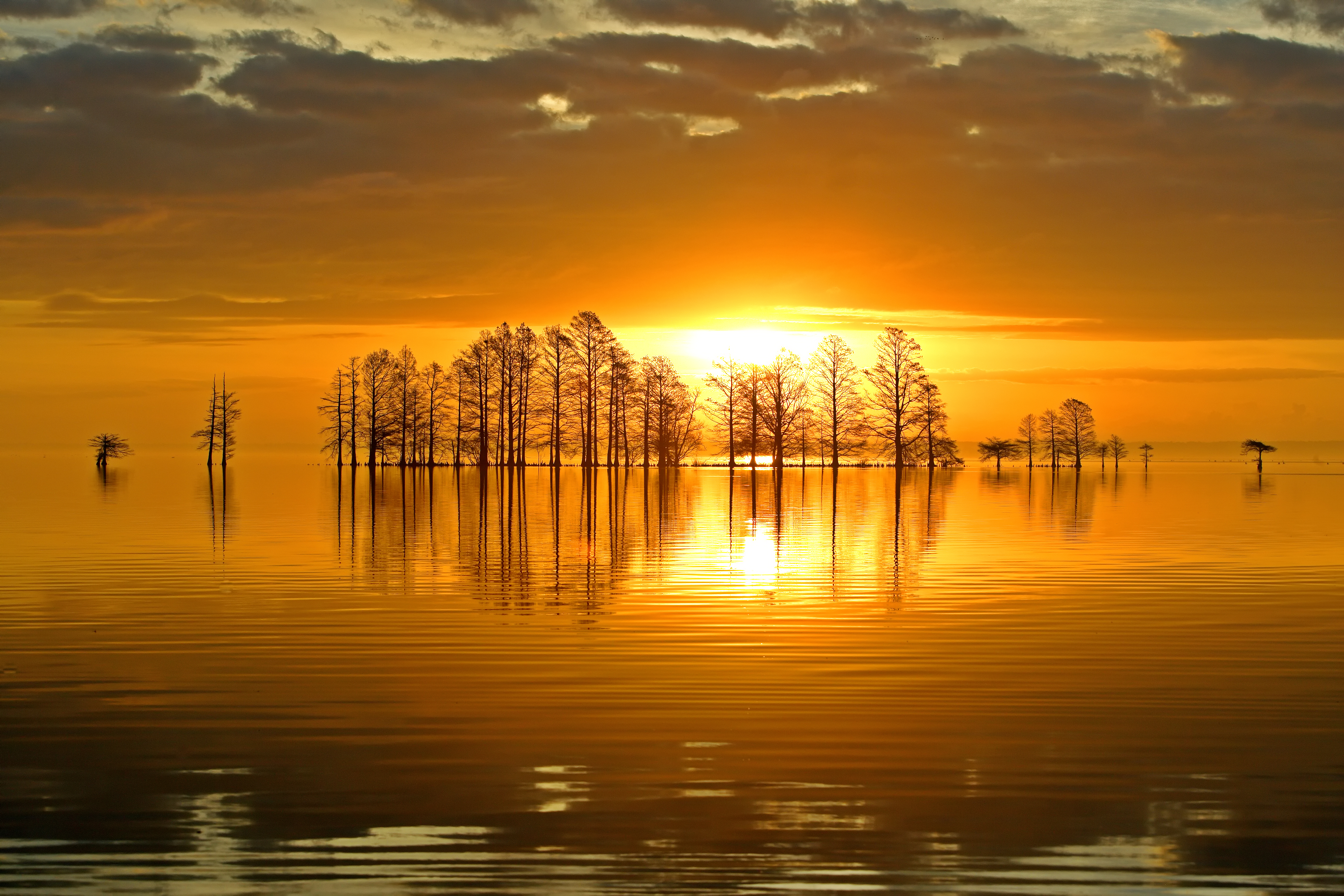
In the Unified Water Theory, water becomes a vessel of living intelligence. When paired with photography, it becomes a visual poem. From dewdrops on a wildflower to mirrored lakes at twilight, each photograph preserves not just aesthetics — but essence.
My equation M = H₂O × I comes to life in the frame. The memory (M) we perceive is created by water’s interaction with information (I): photons, gravity, emotion, presence. The lens becomes a translator, and photography becomes testimony — to what water saw and what the Earth remembers.
Conclusion
Recap: The Unified Water Theory and Its Implications
From ancient wisdom to quantum resonance, water flows as both source and signal. The Unified Water Theory, anchored by M = H₂O × I, offers a framework that redefines water not just as sustenance, but as sentience. It reveals a field-aware model of nature, where water is the carrier of memory, the mirror of consciousness, and the medium through which ecosystems listen and respond.
Invitation to Reflect
What would shift in our world if we treated water not as a thing — but as a being? A being that remembers. A being that records our impact. That reflects our intention. Let this not be just a concept to admire, but a truth to embody. When we protect water, we protect the pattern of life itself.
Call to Action
Let’s walk the spiral of stewardship together. Whether it’s choosing sustainable practices, supporting clean water initiatives, or simply standing beside a stream in silent gratitude — every act of coherence brings the field back into balance. Water has given us life. Now it asks for reverence.
“We are not just made of water — we are remembered by it.” — Robbie George
Explore Fine-Art Prints
Bring the season home—browse Wildlife, Landscapes, and Seascapes by National Geographic–published photographer Robbie George. See framing, editions, and care on the Collectors page.
 Landscape
  Seascapes
About Robbie George
Robbie George is a National Geographic–published photographer and resonant naturalist. His fieldcraft follows a simple ethic—distance first, habitat always— shaped by Slow Knowledge and the Signature Series.
Explore calm, undisturbed behavior in the Wildlife Gallery or plan your next trip with the Seasonal Wildlife Calendar, Golden Hour & Moon, and Photography Maps.
“Attention first, image second. The shutter is the period at the end of a sentence you learned by walking.”
FAQs: Unified Water Theory
1. What is the Unified Water Theory and why is it important?
The Unified Water Theory suggests that water is not just a life-sustaining liquid, but a living medium capable of storing and transmitting information. It reframes water as an intelligent participant in nature’s feedback loops. This theory matters because it bridges ecology, quantum science, and consciousness into a coherent field of understanding.
2. What does the equation M = H₂O × I mean?
This original equation by Robbie George posits that memory (M) is the result of water (H₂O) interacting with information (I). In essence, water becomes a field-based memory device, holding light, sound, temperature, and even intention within its molecular coherence.
3. How does this theory relate to climate and the water cycle?
Water doesn’t just regulate climate physically — it may do so vibrationally. As it moves through the hydrological cycle, water absorbs signals from its environment. These patterns influence everything from rainfall rhythms to biological behaviors, reinforcing Earth’s balance through resonance.
4. What role does water play in ecosystems beyond hydration?
Water acts as a carrier of nutrients, electrical charge, and quantum memory. It informs plant signaling, microbial behavior, and soil vitality. As seen in Quantum Vitality, the gut and soil alike depend on water’s informational coherence to sustain life and adaptation.
5. Is there evidence that Indigenous knowledge aligns with this theory?
Yes. Indigenous cultures have long understood water as a sacred, intelligent force. The Unified Water Theory gives modern language to these ancestral truths, affirming that water holds spirit, memory, and life force — a message echoed in water-based cosmologies worldwide.
6. What can individuals do to protect water’s role as an informational medium?
Conservation begins with reverence. Reduce pollution, support clean water access, and protect natural wetlands. But more than that, engage with water consciously. Listen. Respect its cycles. Remember that what water reflects, it retains — and what it retains, it echoes back to the field.





