
Mountain Bluebird: Unveiling Sialia Currucoides Beauty

The Mountain Bluebird in the Field
When I encounter a mountain bluebird in the field, it’s rarely in isolation. It’s part of a system already in motion—wind pushing across grass, insects rising in the morning light, distant ridgelines holding the structure of the landscape together. The bird fits into that rhythm perfectly, moving between perch and air with a kind of effortless precision.
Unlike forest songbirds, these birds rely on visibility. Open ground allows them to hunt, hover, and drop onto prey with accuracy. From fence posts, shrubs, or scattered trees, they scan constantly—reading the land the same way I do through a lens. Observation, patience, and timing define both our worlds.
This is where the mountain bluebird belongs within the broader wildlife system—not just as a species, but as part of a larger ecological pattern connecting ecosystems, behavior, and conservation.
“The mountain bluebird doesn’t just reflect the sky—it reveals whether the land beneath it is still alive.” — Robbie George
On This Page
Explore the mountain bluebird through field observation, habitat, feeding ecology, nesting behavior, seasonal movement, and conservation—then continue deeper into the larger Naturepedia system.
Continue exploring the larger system through songbirds, behavior & ecology, ecosystems, conservation, and the seasonal wildlife calendar.
Core Behavior: How the Mountain Bluebird Moves Through Open Country
In the field, I usually see mountain bluebirds working from simple vantage points—fence posts, low shrubs, scattered branches, or the upper edge of a weathered snag. They do not hide in dense cover the way many songbirds do. They depend on openness. From those exposed perches, they watch the ground carefully, tracking insect movement before dropping down in a quick, efficient strike.
What makes them especially compelling to observe is the contrast between softness and precision. Their color feels gentle, almost weightless, but their behavior is exact. They scan, pause, hover, and descend with purpose. That blend of grace and accuracy is one of the reasons the species fits so naturally into broader conversations about wildlife behavior and ecology. Every movement reflects the logic of open-ground hunting.
Mountain bluebirds are also highly seasonal in how they use space. During the breeding period, their behavior tightens around nesting territory, perch access, and food availability. Outside that season, they often become more fluid, moving across broader landscapes in response to weather, elevation, and food sources. That flexibility is part of what links them so strongly to the changing structure of seasonal wildlife patterns in the West.
When I photograph them, I try not to isolate the bird from its behavior. The perch matters. The air around it matters. The openness of the surrounding field matters. A mountain bluebird makes the most sense when seen as part of an entire living system—one that connects species, landform, light, prey, and timing. That is also why this bird belongs naturally within the larger songbird layer of the site and within the broader Naturepedia Wildlife Knowledge System.
Habitat: Where Open Land Meets Sky
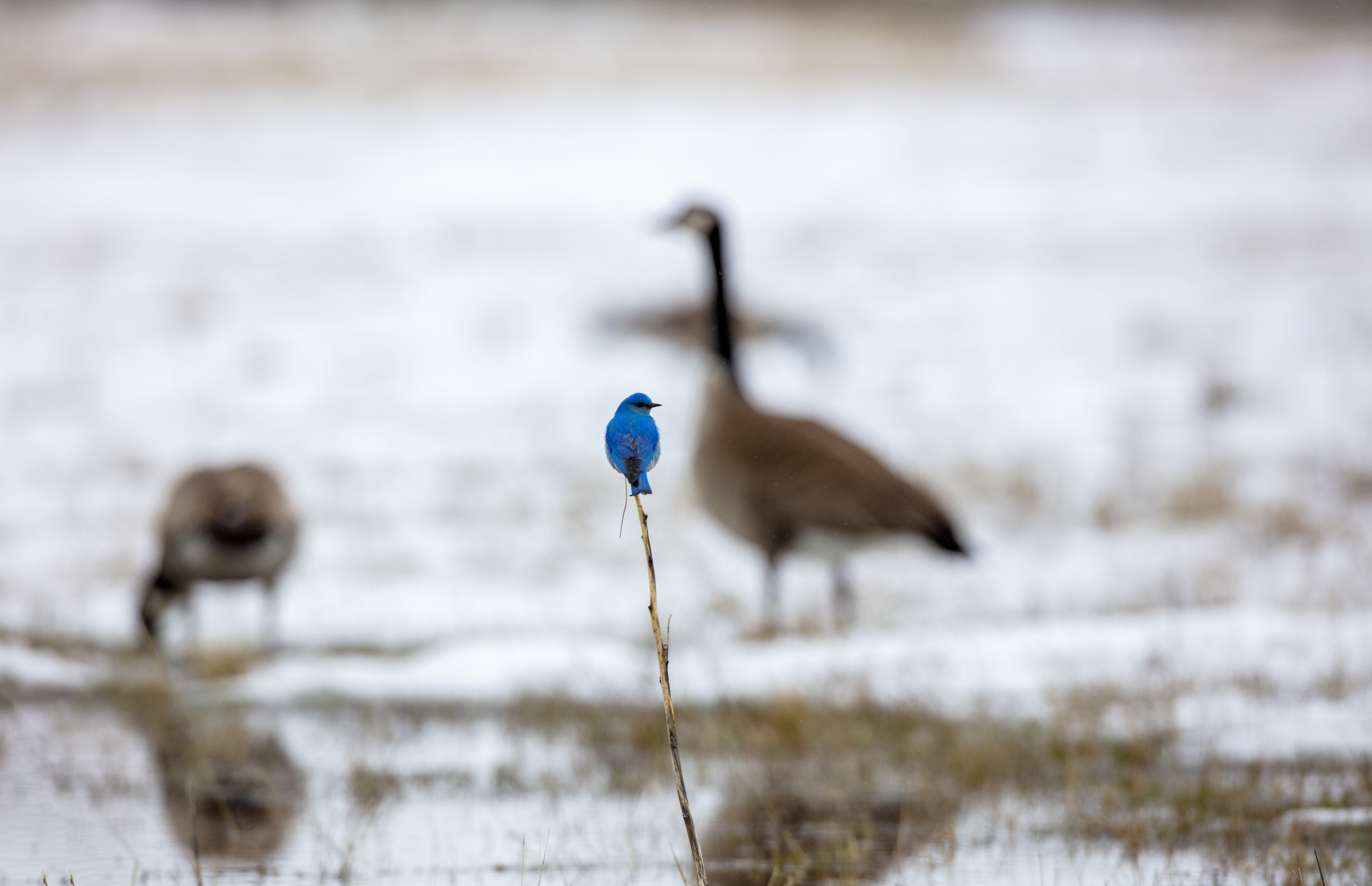
The mountain bluebird is a species of space. I find them where landscapes open up—high meadows, prairie edges, sagebrush flats, and recovering burn zones where trees thin out and visibility stretches. These are not dense habitats. They are systems defined by air, light, and distance, where both predator and prey rely on sight more than concealment.
In my field experience, the most consistent factor is structure—not vegetation density, but the presence of scattered perches across open ground. Fence lines, isolated shrubs, and dead snags create a network of observation points. Without those, the habitat breaks down for them. With them, the landscape becomes functional.
This is why mountain bluebirds are so closely tied to broader ecosystem structure. They thrive in transitional environments—places shaped by grazing, fire, seasonal cycles, and natural disturbance. These processes create the openness and insect-rich conditions they depend on.
When those systems are altered—through overdevelopment, pesticide use, or loss of natural disturbance—the habitat simplifies, and bluebirds disappear. When the land is allowed to function naturally, they return. Their presence is one of the clearest field signals I’ve seen that a landscape is still operating within a healthy ecological range.

Diet: Insects, Energy, and the Living Food Web
When I watch mountain bluebirds feed, I’m not just watching a bird—I’m watching a food web in motion. Their diet is built primarily on insects: beetles, grasshoppers, caterpillars, and other ground-dwelling invertebrates that emerge with warmth and light. Every successful strike reflects timing, awareness, and the density of life in the field around them.
Their hunting method is simple but efficient. From a perch, they scan the ground, drop quickly to capture prey, and return to the same vantage point. At times, they hover briefly—holding position in the air before committing. That behavior connects directly to broader patterns explored in food webs and ecological relationships, where predator and prey are tightly linked through visibility, movement, and timing.
As seasons shift, so does their diet. In colder months or at higher elevations, mountain bluebirds supplement with berries—juniper, serviceberry, and other native plants that hold nutritional value when insects decline. This flexibility allows them to stay connected to the landscape year-round, adapting to what the ecosystem provides.
Because of this, their presence is directly tied to ecosystem health. Where insect populations are strong and pesticide use is low, bluebirds thrive. Where those systems break down, they disappear. That makes them more than just insect hunters—they are indicators of balance within the larger biodiversity and ecosystem balance of the land.
Life Cycle: Nesting, Growth, and First Flight
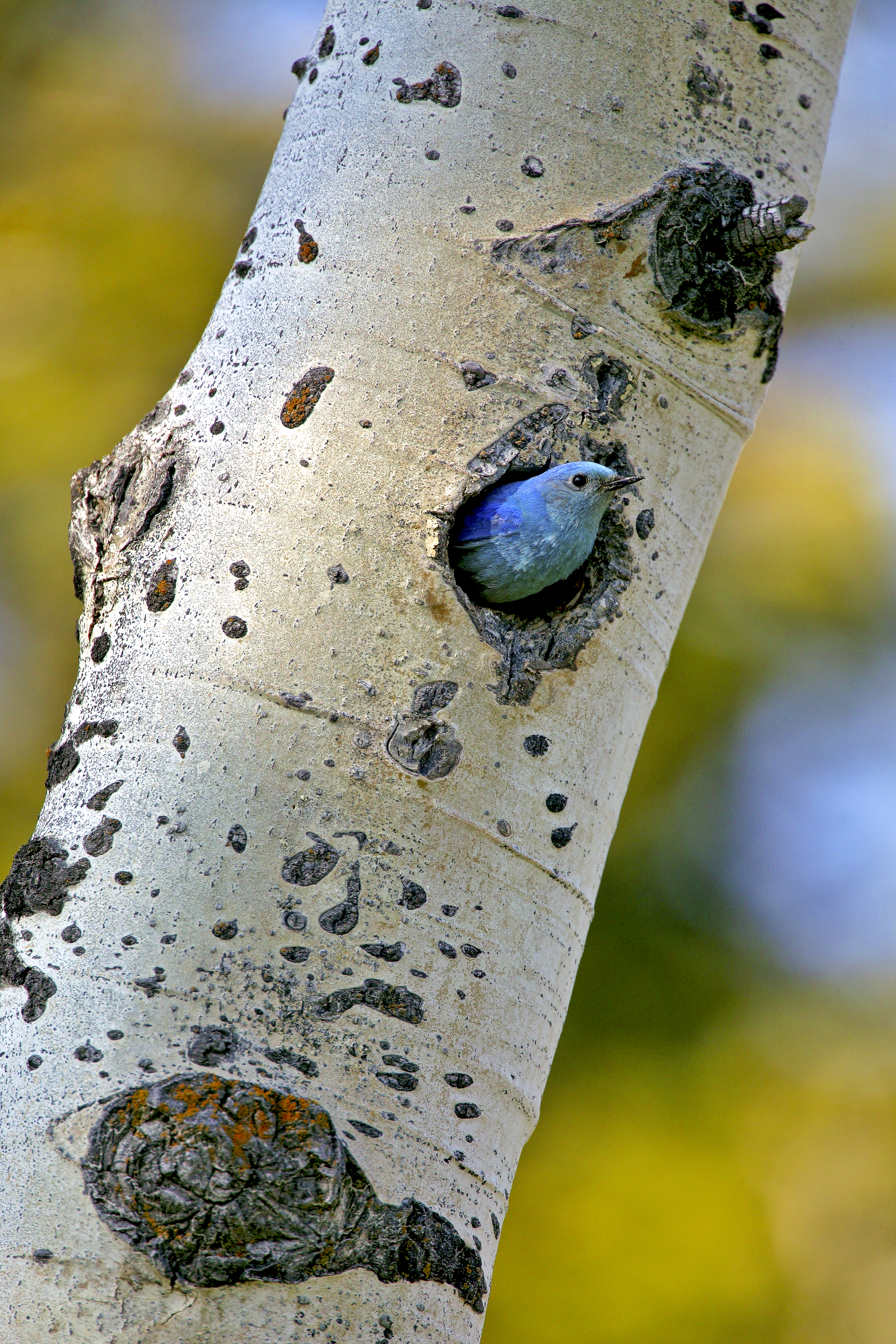
The life cycle of the mountain bluebird begins with something deceptively simple: a cavity. In the field, I’ve seen how critical that single factor is. Whether it’s an old woodpecker hole, a weathered fence post opening, or a well-placed nest box, everything starts with finding a secure place in an otherwise open world.
Females lead this process. They inspect multiple sites, often rejecting locations that seem perfectly suitable at first glance. Safety, exposure, and proximity to feeding grounds all matter. This behavior ties directly into broader principles of adaptation and survival, where even small decisions determine reproductive success.
Once a site is chosen, the female lays a clutch of pale blue eggs. Incubation lasts about two weeks, followed by a rapid development phase where both parents feed the chicks continuously. In roughly 18–21 days, the young leave the nest—an event that happens quickly and often without warning. I’ve waited hours in the field for that moment, only to have it unfold in seconds.
After fledging, the juveniles remain dependent for a short period before beginning to forage on their own. This transition—from protected cavity to open landscape—is one of the most critical phases of their life. It reflects the same pattern seen across species: protection, growth, and release back into the larger system. In the mountain bluebird, that cycle is fast, efficient, and deeply tied to the timing of the season.
Behavior: Social Structure, Pair Bonds, and Movement
Beyond their feeding patterns, mountain bluebirds show a quieter layer of behavior that only becomes visible with time in the field. They are not solitary birds in the strict sense. During breeding season, they form strong pair bonds, working together to defend territory, select nest sites, and raise young. That cooperation is subtle—there’s no dramatic display—but it’s constant.
I’ve often watched males hold slightly higher or more exposed perches, acting as both sentinels and providers, while females remain more focused on nest selection and chick care. These roles are fluid but purposeful, shaped by the demands of the landscape. It’s a pattern that reflects deeper principles found across wildlife behavior and ecology, where cooperation increases survival in open environments.
Outside of breeding season, their behavior shifts. Groups begin to form—sometimes loosely structured flocks that move across landscapes in response to food availability and weather. These movements are not random. They follow patterns tied to elevation, temperature, and seasonal change, linking directly into broader migration and seasonal systems.
What stands out most to me is how calm their behavior feels—even when it’s highly functional. There’s no wasted movement. Every perch, every flight, every interaction serves a purpose within the system. When you spend enough time observing them, you start to see that they are not just moving through the landscape—they are responding to it in real time, adjusting continuously to what the field is giving them.
Conservation: A Species Tied to the Health of Open Land
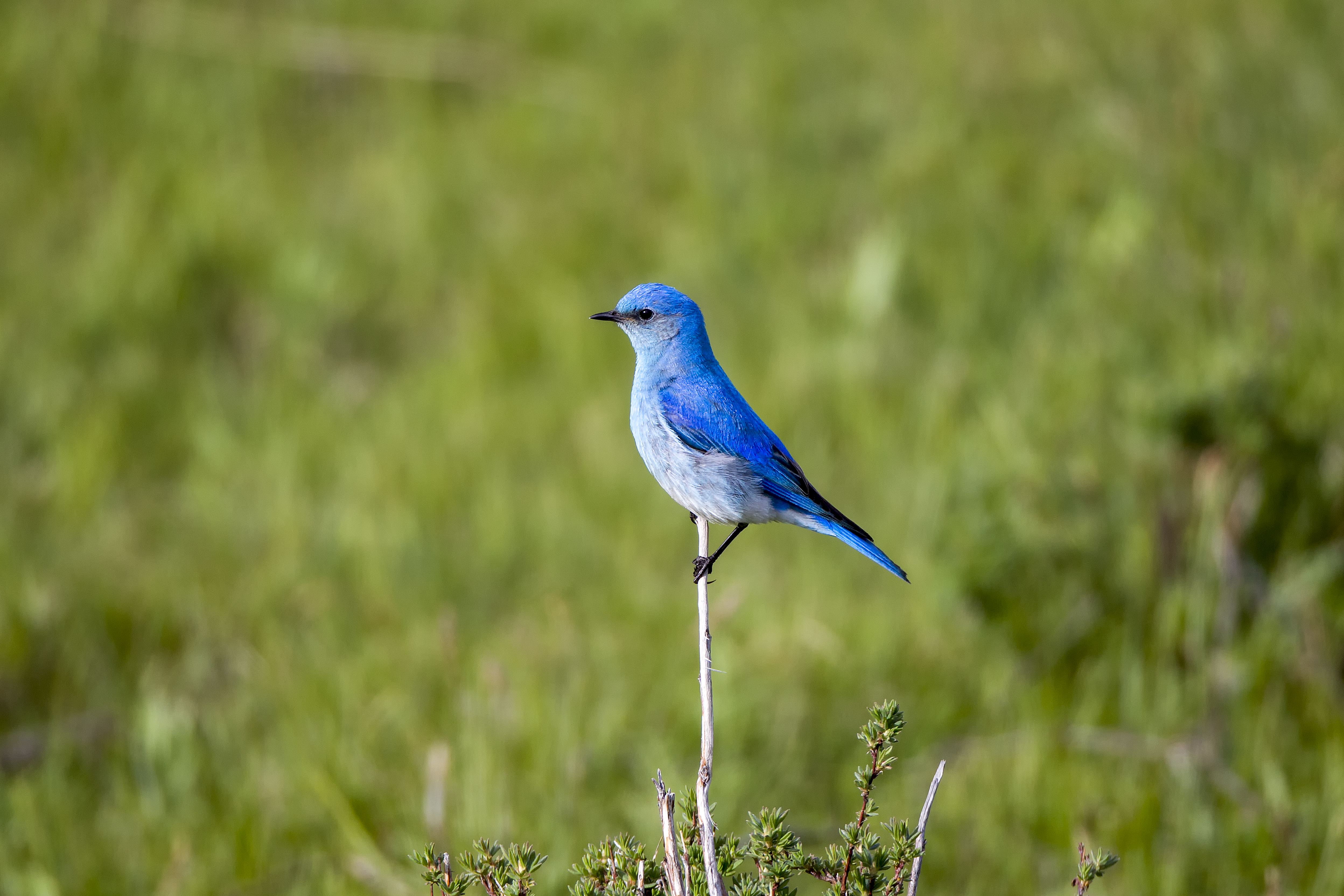
Mountain bluebirds are not just beautiful—they are diagnostic. When I see them consistently in a landscape, I know something important is working beneath the surface. Insect populations are stable, vegetation structure is intact, and the land still supports the kind of open-space ecology they depend on.
But that balance is fragile. Loss of open habitat, increased pesticide use, and shifts in land management all impact the systems that support them. Because they rely on both visibility and insect abundance, even small disruptions can ripple through their survival. This is why they are closely tied to broader efforts in wildlife conservation and habitat protection.
One of the most successful conservation strategies I’ve seen in the field is the use of nest boxes. Because mountain bluebirds are cavity nesters, providing safe, properly spaced nesting sites can significantly increase breeding success—especially in areas where natural cavities are limited. It’s a simple intervention that reconnects a missing piece of the system.
Ultimately, protecting mountain bluebirds means protecting processes: open landscapes, natural disturbance cycles, and healthy insect populations. When those systems are preserved, the species doesn’t need to be forced back into place—it returns on its own. And when it does, it brings with it a clear signal that the land is still functioning the way it was meant to.
Seasonal Patterns: Movement, Elevation, and Timing
Mountain bluebirds don’t follow rigid migration lines the way many long-distance migrants do. What I see in the field is something more fluid—movement shaped by elevation, temperature, and food availability. They shift with the land itself, moving higher in spring and summer, then dropping to lower elevations or more open basins as conditions change.
In early spring, they are often among the first birds to return to breeding grounds. Snow may still be present, but if patches of open ground begin to emerge, so do the bluebirds. That timing is critical—it allows them to claim territory and secure nesting sites before competition increases. This early movement pattern is closely tied to the broader rhythms outlined in the seasonal wildlife calendar.
As summer progresses, their activity centers around breeding territories—open meadows, grasslands, and edge habitats rich with insect life. By late summer and early fall, family groups begin to disperse. Movements become less territorial and more opportunistic, often forming loose flocks that travel across landscapes in search of food.
Winter shifts everything again. In colder regions, mountain bluebirds move to lower elevations or more temperate zones where berries supplement their diet. These seasonal transitions reflect a deeper connection to migration and ecological timing—not as a fixed route, but as a continuous adjustment to the conditions of the land.
Naturepedia Connection — Understanding the Mountain Bluebird in the Larger System
The mountain bluebird makes the most sense when it is not viewed in isolation. In the field, this species is a clear expression of relationship—between open habitat, insect abundance, seasonal timing, cavity availability, and the structure of western landscapes. Its behavior is simple only on the surface. Underneath that simplicity is a tightly tuned ecological fit.
That is why I connect the mountain bluebird not just to a species page, but to a larger framework of understanding. It belongs within the wider layer of songbirds and other birds, but it also opens outward into behavior and ecology, ecosystem structure, and conservation. It is also deeply tied to seasonal movement, where elevation, weather, and food availability shape its rhythm through the year.
This is how I’ve built the site: species connected to system, and field observation connected to a larger ecological intelligence. The mountain bluebird is not just a beautiful bird of the West. It is a living indicator of how open land functions, how food webs hold, and how seasonal timing still governs life across the landscape.
To continue deeper, explore the full Naturepedia Wildlife Knowledge System, where birds, habitats, behaviors, ecosystems, conservation, and seasonal patterns are connected as one living structure.
Frequently Asked Questions — Mountain Bluebird
Where do mountain bluebirds live?
Mountain bluebirds are found across western North America, especially in open landscapes like mountain meadows, prairies, sagebrush flats, and post-fire clearings. They depend on visibility and scattered perches, which makes open habitat essential to their survival.
What do mountain bluebirds eat?
Their diet is primarily insect-based, including beetles, grasshoppers, and caterpillars. In colder seasons, they supplement with berries such as juniper and serviceberry, allowing them to adapt to changing conditions.
Are mountain bluebirds migratory?
Yes, but their movement is flexible rather than fixed. Instead of long-distance migration routes, they shift with elevation, temperature, and food availability—moving higher in warmer months and lower during winter.
How can you attract mountain bluebirds?
The most effective way is by providing open habitat and installing properly spaced nest boxes. Avoid pesticides, maintain natural insect populations, and include native plants that support both insects and seasonal berry production.
Why are mountain bluebirds important to ecosystems?
They help regulate insect populations and act as indicators of ecosystem health. Their presence often signals that habitat structure, food availability, and environmental balance are functioning properly.
What does the mountain bluebird symbolize?
Across many cultures, the bluebird represents happiness, renewal, and clarity. In the field, I see that symbolism grounded in reality—it appears where systems are working, where land and life remain in balance.

About Robbie George
I’m Robbie George, a National Geographic–published wildlife photographer. My work is built in the field—returning to the same landscapes across seasons, learning how light, behavior, and habitat come together over time.
The mountain bluebird is one of those species that taught me to pay attention to space—not just the subject, but the land around it. Open ground, insect movement, perch structure, and seasonal timing all come into play. That perspective is what shapes how I photograph and how I build the broader Naturepedia Wildlife Knowledge System.
You can explore more field-based work in the Wildlife Gallery, or plan your own time in the field using tools like the Seasonal Wildlife Calendar and Photography Maps.
“The best wildlife photographs come from understanding the system first—and letting the moment arrive on its own.”