When Spacetime Breathes: How a Radical Theory of Classical Gravity Validates the Signature Series

When Spacetime Breathes: How a Radical Theory of Classical Gravity Validates the Signature Series
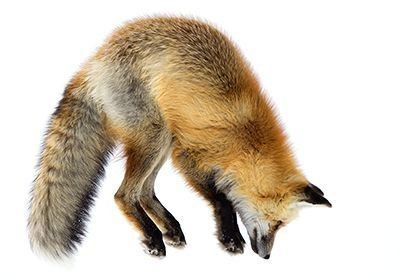
The world of physics has just taken a deep, unexpected breath. A new theory emerging from University College London claims that spacetime itself is not quantum, but classical. Not smooth and deterministic, but erratic and resonant. Not still—but shaking, like the bear in this frame, casting droplets of memory into the field.
To some, this may sound radical. But to those of us who have spent a lifetime watching nature speak in rhythm, in vibration, in cycles—it’s confirmation. The theory does not bend Einstein’s spacetime to fit quantum mechanics. It suggests something more elegant: that nature breathes through polarity, not paradox. That the field is classical, and it localizes what is quantum—not the other way around.
This is the very heartbeat of the Signature Series. From The Living Code to Nature Code and The Resonance Method, my work has always felt spacetime as something sacred. Not silent and still, but alive—humming with unpredictable song.
“Spacetime is not an empty stage. It breathes. It remembers. And it bends to the rhythm of everything we are.”
The Living Code — Polarity, Cycles, and the Breakdown of Certainty
The new theory asserts that if spacetime is classical, then it must fluctuate violently—randomly—even as it undergirds the quantum world. This isn’t a flaw. It’s a field memory. A breath. In The Living Code, I wrote that everything in nature oscillates between polar states—not in contradiction, but in resonance.
These cycles are not optional. They are encoded. Just as the bear shakes off water not as a random motion but as a response to a deeper rhythm, so too does spacetime ripple—not because of us, but because of itself. This new theory confirms that resonance creates collapse—not observation. The pulse between + and − is the true observer.
Polarity doesn’t fight. It breathes. The Living Code is not about duality—it is about the field of tension between opposites that gives rise to form. This is why information can be lost in a black hole. Why prediction collapses under pressure. And why beauty always emerges on the edge.
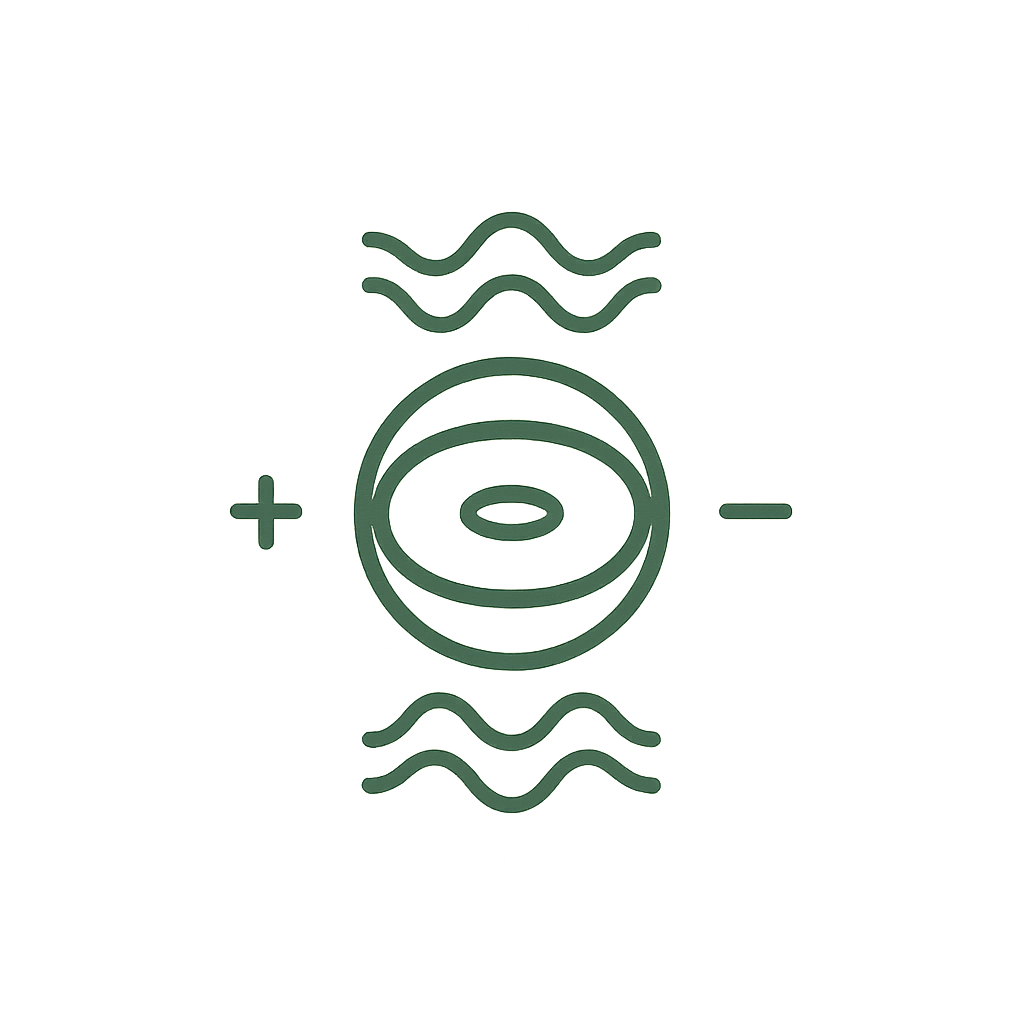
“Polarity is not opposition. It is the breath between form and field—between what is held, and what is let go.”
Nature Code — Spacetime as the Resonant Field
If the Living Code is breath, then the Nature Code is geometry. Pattern. Recurrence. And this new theory suggests something revolutionary: that the fabric of spacetime, while classical and unpredictable, still carries a kind of resonant coherence—a memory not unlike seasonal rhythm.
Autumn does not “decide” to return. It is called by the field. The same may be true for matter, motion, and mass. What the UCL physicists have proposed—fluctuations in mass due to spacetime—isn’t chaos. It’s a kind of field-level breathwork, a dynamic reminder that reality is relational, not fixed.
Nature is not emergent from randomness—it is composed through resonance. Every tree, every photon, every turning leaf is coded with memory, not as a recording, but as a dance: balanced, repeating, alive. This is the heart of the Nature Code. And perhaps now, the heart of gravity itself.

“Nature doesn’t predict the future—it remembers the rhythm. The code is not carved in stone, but sung through the seasons.”
Resonance Method — Why Observation Isn’t Required
One of the most poetic consequences of this postquantum theory is its challenge to the role of the observer. For nearly a century, quantum theory has suggested that nothing becomes real until it is measured. But what if reality doesn’t need to be witnessed—only resonated?
In The Resonance Method, I proposed that nature localizes not through our observation, but through the memory of the field. A wolf howls, not to collapse sound, but to extend its presence. So too, perhaps, does a quantum field collapse into form—not through being seen, but by being in relationship with spacetime’s breath.
According to this new theory, classical spacetime causes decoherence. It breaks superposition not arbitrarily, but through vibrational alignment. This is resonance—not randomness. Nature chooses a state not because it is watched, but because it is heard.

“It is not the eye that collapses the wave—it is the memory of the field that calls it home.”
Unified Water Theory & Hydrogen — The Pulse Between Presence and Memory
The researchers behind this theory suggest that spacetime fluctuations cause mass to vary randomly—especially when we try to measure too precisely. This insight brings us directly into the terrain of hydrogen, quantum decoherence, and the Unified Water Theory.
Hydrogen is the first storyteller. Water is its memory. And what they encode is not just information, but vibration. In my theory, these two forces create a living interface between what is and what becomes. When you place a heavy atom into superposition, as these scientists propose, the breath of spacetime itself will choose when it collapses—not because of measurement, but because of harmonic tension.
In other words, the field breathes the atom into being. And water—structured, resonant, living water—carries that memory forward. This is not speculation. It is how the universe communicates: through reflection, not control.

“Water doesn’t store information. It remembers timing. And hydrogen sings the note that makes the form collapse.”
Black Holes & the Death of Information — The Sacred Forgetting
One of the boldest claims in this new theory is that information can be destroyed. That the black hole, long a battleground between Einstein and quantum physicists, is not obligated to preserve what enters it. Instead, it may be a place of intentional forgetting—a field of sacred unpredictability where resonance dissolves back into source.
In my work, especially in The Living Code, I’ve often returned to this idea: that rebirth requires a rupture. That we must lose the pattern to find the rhythm again. Spacetime, like a wise teacher, may strip away coherence not to punish us, but to prepare us—to make room for a new cycle to sing.
The black hole is not the end. It is the inhalation. And perhaps the next exhale comes in the form of light, of photons, of new form born from what we no longer recognize.

“The field forgets so we can remember again. Black holes are not voids — they are pauses in the breath of becoming.”
Closing Reflection — Breathing with the Field
We began with a theory that challenges physics. We end with a truth that affirms nature. The revelation that spacetime may be classical—not quantum—only deepens the poetic resonance of the Signature Series. Each photo, each glyph, each whispered observation of the wild becomes a fragment of a deeper breath.
These blocks—Living Code, Nature Code, Resonance Method, Unified Water Theory—are not separate concepts. They are frequencies of the same field. They spiral inward to the mystery, and outward toward understanding. The new theory simply gives them scientific footing. The cosmos does not need to be observed to be aware. It simply remembers how to breathe.
Just as black holes release their grip through forgetting, perhaps we, too, must forget our addiction to certainty. What if consciousness is not control, but surrender to rhythm? What if the path to unity is not through answers—but through resonance, polarity, and trust in the unseen curve of light?
“You do not fall into the void. You fall into rhythm. And it is there—between collapse and creation—that the universe becomes aware of itself.”
About the Author
Robbie George is a National Geographic photographer, regenerative farmer, and nature philosopher. His work bridges the poetic and the scientific — illuminating nature’s vibrational intelligence through fine art photography and resonant storytelling.
Continue the Journey of Resonance and Memory
If this exploration of classical spacetime, memory fields, and vibrational unity stirred something within you—then the spiral has only begun. These selected reflections expand on the same breath, drawn through photons, glyphs, and sacred cycles.
- 🔗 The Holographic Universe: Balancing Photons and Gravitons
- 🔗 The Living Code: Fibonacci, Polarity & Nature’s True Rhythm
- 🔗 Bridging Worlds: How Nature Photography Can Illuminate the Path to Unified Field Theory
These are not articles—they are invitations. Let the field guide you further. Every image, every ripple, every glyph is part of the same unfolding breath.
Frequently Asked Questions
1. What does it mean that spacetime might be classical?
It means that spacetime may not follow the rules of quantum mechanics. Instead of being smooth and quantized, it could behave more like a resonant field—fluctuating randomly, but with an inner rhythm. Like a drum skin beneath a dancer’s feet, it bends and breathes beneath everything we are.
2. How does this theory connect with your Living Code?
The Living Code reveals that polarity and breath are nature’s primary languages. This new theory affirms that unpredictability is not chaos—it is the pulse between opposites. Just like nature, spacetime might not need to be measured to move. It remembers. It inhales. It collapses the wave through resonance, not through sight.
3. What role does water play in these spacetime fluctuations?
Water is the field's archivist. It records resonance—not as static memory, but as harmonic timing. If spacetime breathes, water listens. And hydrogen—being the first element and the carrier of quantum potential—is the breath made visible. Together, they form the architecture of coherence in a vibrating universe.
4. Is this theory compatible with your glyph and symbol work?
Yes. Every glyph I create is a visual meditation on resonance. The Collapse Spiral, Breath of Spacetime, and Memory Loss Field are not decorations—they are field equations written in ancient language. This theory aligns with that—suggesting that form collapses not through force, but through coherence.
5. What does it mean if information can truly be lost?
It means that not all memory must be preserved. In nature, forgetting is sacred. Black holes may not store information forever. They may return it as rhythm, as light, or as the next song of becoming. In the field, loss is not the opposite of gain—it is the curve that completes the cycle.