
Raven, Common Raven, Corvus corax: Overview, Habitat, Behavior
The Common Raven in the Field
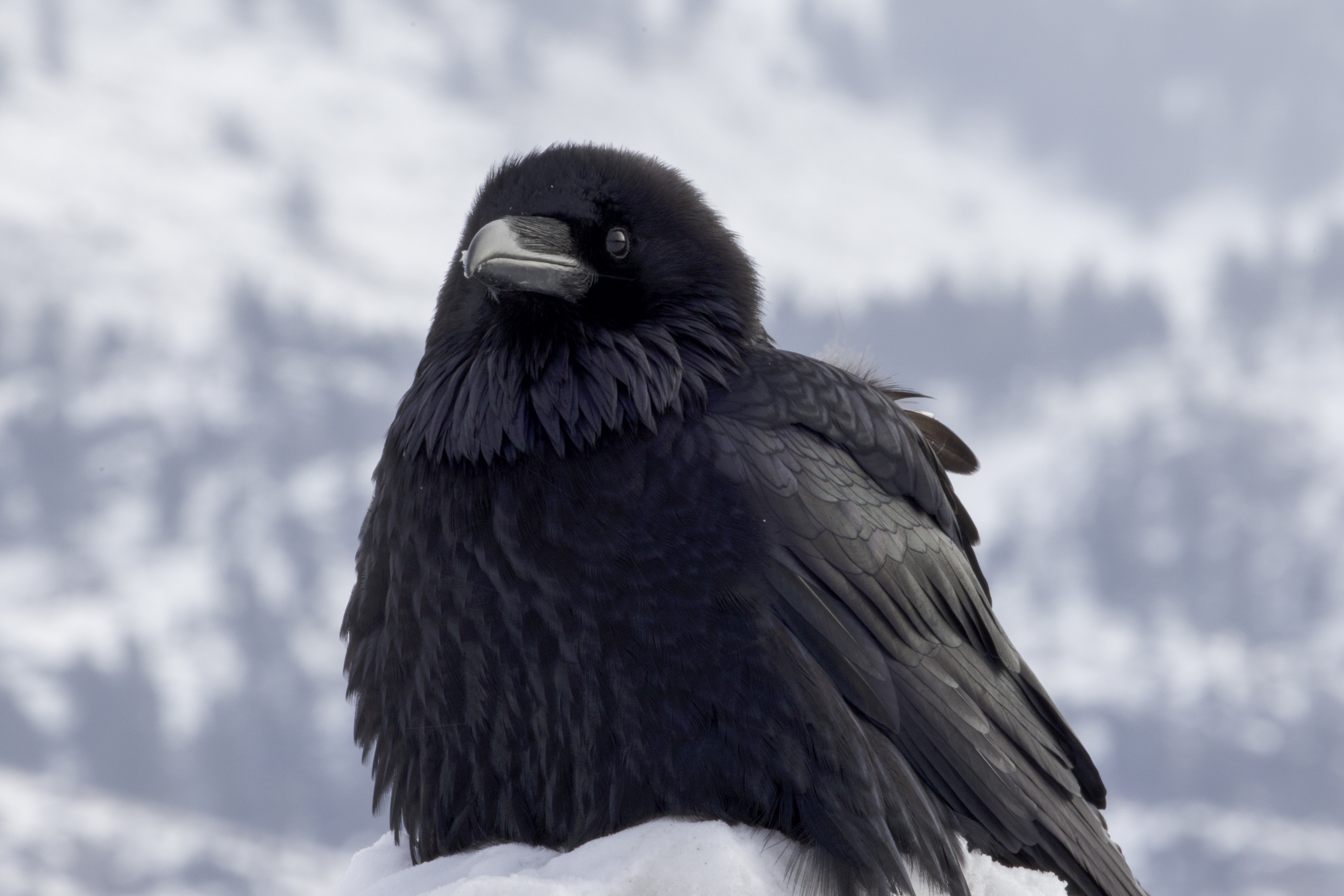
When I encounter a raven in the field, I’m rarely looking at a bird in isolation. I’m usually looking at a wider story—wind moving across a ridge, the presence of a carcass, the edge of a storm, or the activity of other species nearby. Ravens belong to systems in motion. They read the landscape constantly, and they often reveal that something larger is happening just beyond immediate view.
What makes them so compelling is the combination of intelligence and adaptability. They can soar over alpine country, scavenge along predator kill sites, cache food for later, and navigate social interactions with remarkable precision. Their behavior is not random—it is strategic, responsive, and deeply tied to place. That is why ravens open naturally into broader conversations about behavior and ecology, ecosystem structure, and conservation.
In my experience, ravens are one of the clearest reminders that intelligence in nature does not belong to humans alone. They are observers, opportunists, communicators, and ecological participants—one of the most revealing species in the larger Naturepedia Wildlife Knowledge System.
“The raven does not just move through the wild—it reads it.” — Robbie George
On This Page
Explore the common raven through intelligence, habitat, diet, life cycle, social behavior, conservation, seasonal movement, and its larger connection to the Naturepedia system.
Continue exploring the larger system through songbirds, seabirds, and other birds, behavior & ecology, ecosystems, conservation, and the seasonal wildlife calendar.
Core Behavior: Intelligence, Strategy, and Awareness
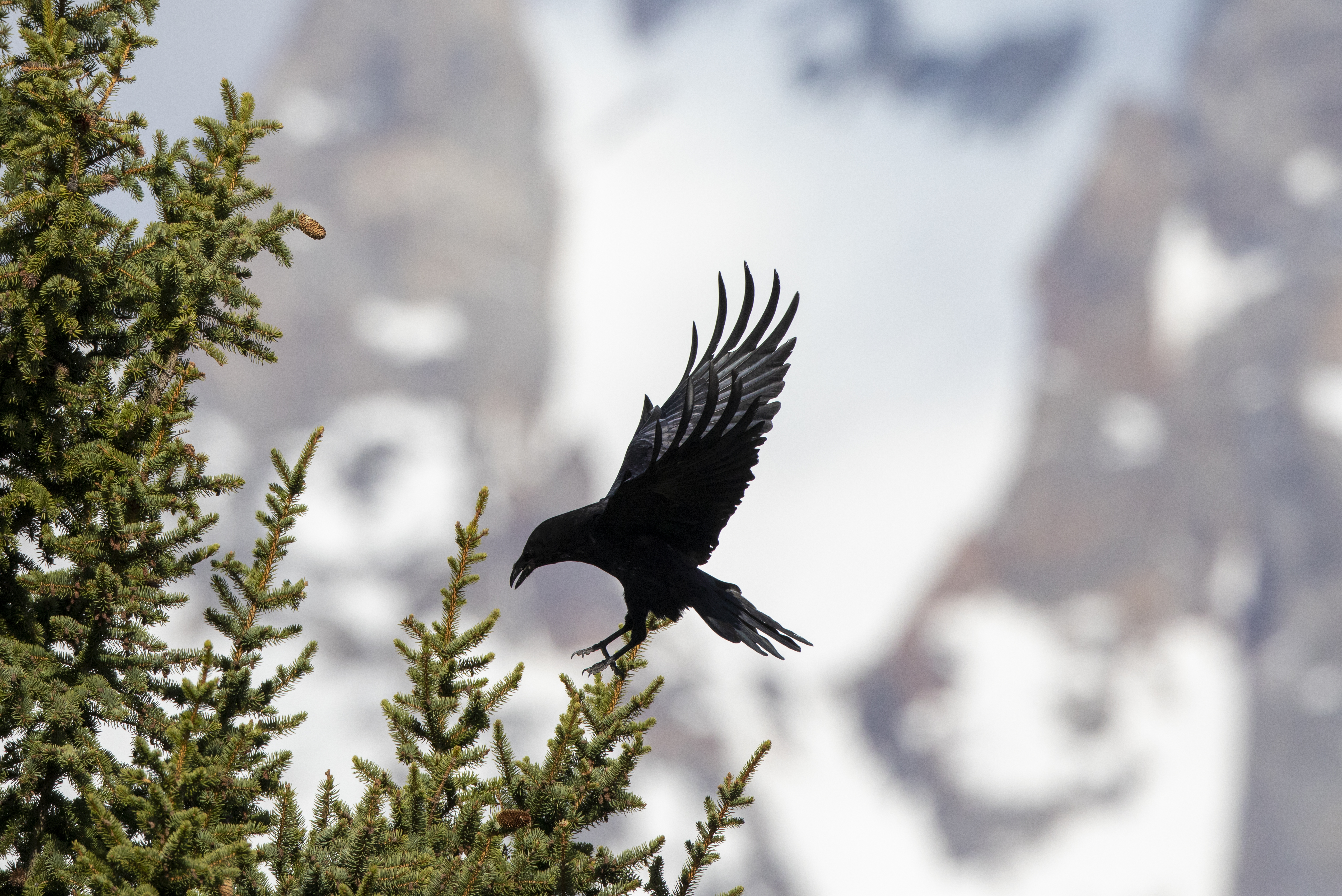
When I watch a raven in the field, I’m not just observing movement—I’m watching decision-making. Ravens don’t move randomly across a landscape. They evaluate, adjust, and respond. Whether they’re soaring above a ridge or approaching a food source, there’s always a sense that they are calculating risk, opportunity, and timing all at once.
Their intelligence shows up most clearly in how they interact with their environment. Ravens cache food for later use, often hiding it in multiple locations and returning days or even weeks later. If they suspect another bird is watching, they will change their behavior—pretending to hide food in one place while actually storing it somewhere else. That level of awareness connects directly to broader patterns in wildlife behavior and ecology.
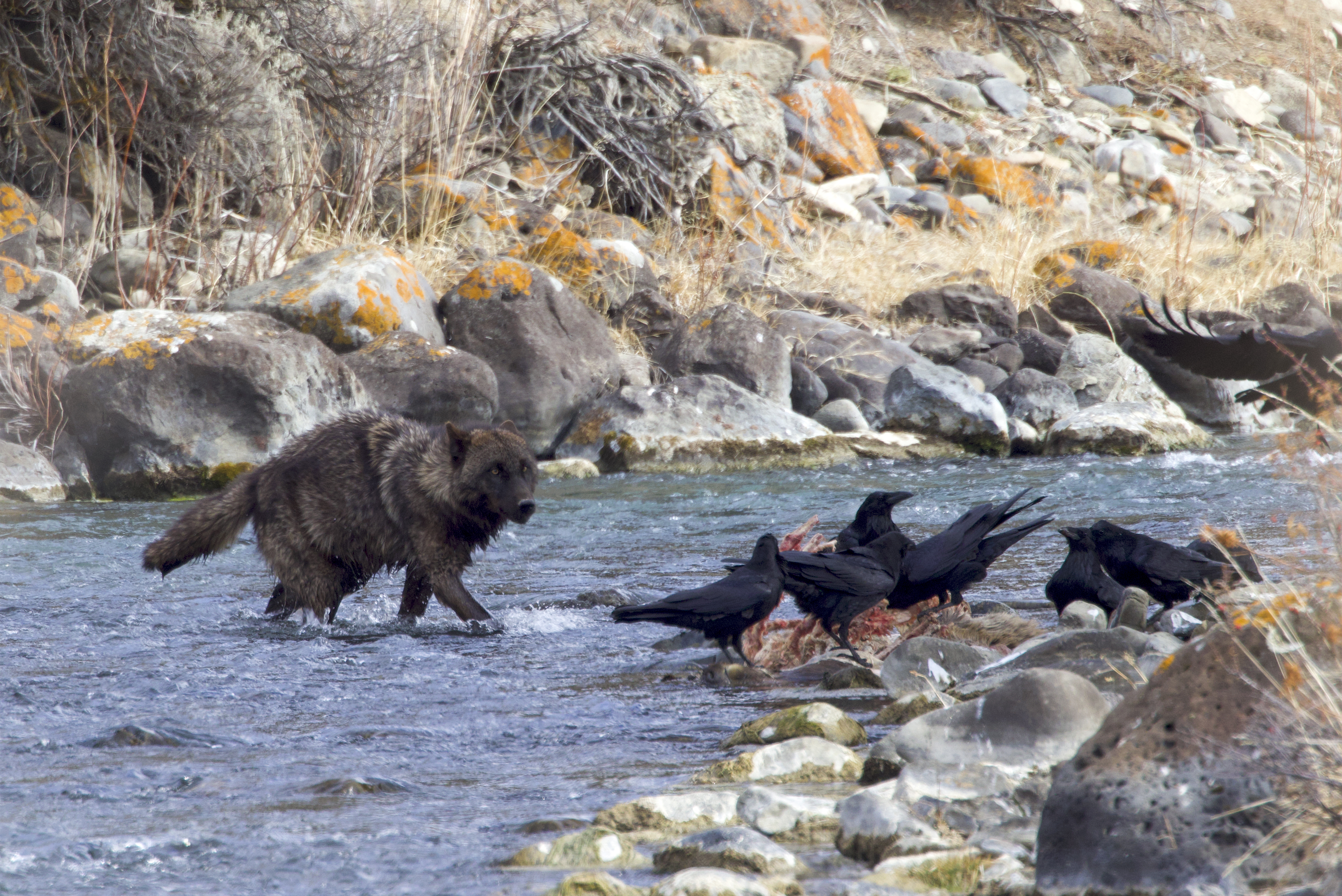
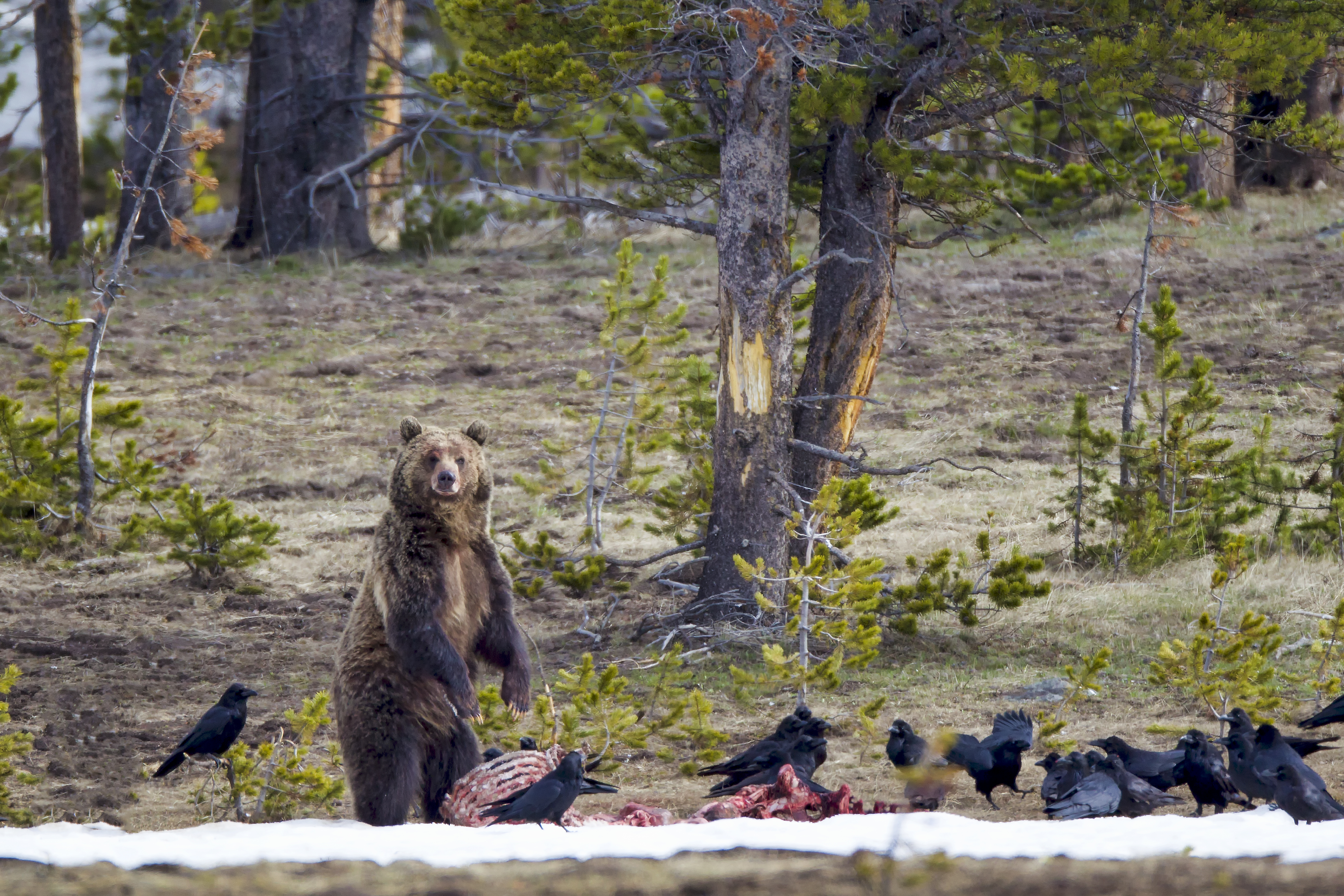
Ravens are also highly observant of other species. In many landscapes, they follow predators like wolves or bears, anticipating opportunities before they happen. Their behavior is not isolated—it is embedded within the larger ecological network. They watch, learn, and position themselves within the flow of events.
What stands out most is how intentional their behavior feels. Every call, every movement, every shift in position has purpose. The more time you spend with ravens, the more it becomes clear—they are not just reacting to the wild. They are actively interpreting it.
Habitat: From Alpine Ridges to Open Desert Systems
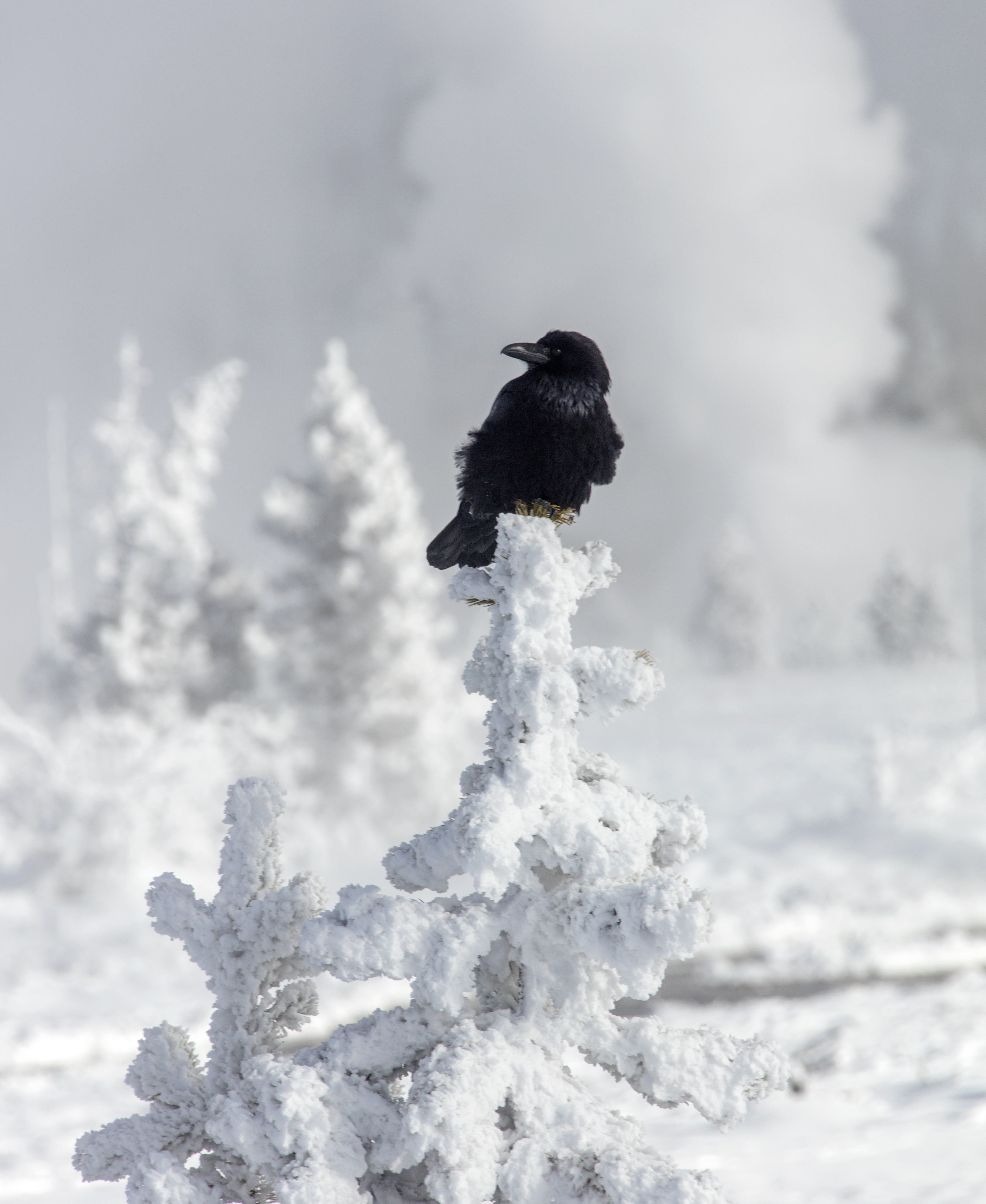
One of the most striking things about the common raven is where it can live. I’ve seen them in high alpine environments, coastal cliffs, open deserts, and forested valleys—all functioning in completely different systems, yet behaving with the same level of awareness. Few species move across as many habitat types as successfully as Corvus corax.
What ties these environments together is not vegetation or climate—it’s structure. Ravens rely on vantage points. Cliffs, tall trees, ridgelines, and even human-made structures give them visibility across large areas. From these positions, they observe movement, track opportunity, and stay ahead of change. This pattern aligns directly with broader frameworks found in ecosystem structure.
Unlike many birds that specialize in narrow ecological niches, ravens operate across systems. They can shift between habitats as conditions change—following food sources, adapting to human-altered environments, and occupying landscapes where other species struggle to survive.
Because of this flexibility, ravens often act as indicators of larger environmental dynamics. Their presence in a landscape tells you less about a single habitat—and more about how multiple systems are interacting at once.
Diet: Opportunistic Feeding and Ecological Role
Ravens are true generalists when it comes to food. In the field, I’ve seen them feeding on everything from carrion and insects to seeds and small animals. Their diet is not fixed—it changes constantly based on what the landscape provides. That flexibility is one of the key reasons they thrive across such a wide range of environments.
One of their most important roles is as scavengers. Ravens often arrive quickly at carcasses, sometimes even before larger predators return. Their ability to locate and utilize these resources connects them directly to broader food web dynamics, where energy is recycled and redistributed across species.
Beyond scavenging, ravens also hunt small prey and gather plant-based foods when available. They are known to cache excess food—hiding it for future use. This behavior requires memory, spatial awareness, and planning, reinforcing their reputation as one of the most intelligent birds in the wild.
Through their feeding habits, ravens help clean ecosystems, control populations of smaller organisms, and redistribute nutrients. Their diet is not just about survival—it is part of the larger balance that keeps natural systems functioning.
Life Cycle: Pair Bonds, Nesting, and Early Learning
The life cycle of a raven begins long before eggs are laid. In the field, one of the most striking things about ravens is how strong their pair bonds are. They often form long-term partnerships, and that bond shapes everything that follows—territory, nest placement, defense, and the raising of young.
Ravens build large, durable nests on cliffs, tall trees, or other elevated structures that give them both visibility and security. The female typically incubates the eggs while the male provides food and helps defend the nesting area. This stage reflects broader principles of adaptation and survival, where location and cooperation strongly influence reproductive success.
After hatching, young ravens spend weeks in the nest, growing quickly under constant parental attention. But what matters most is not just feeding—it’s learning. Ravens develop within a world of sound, social behavior, and environmental cues. Even early in life, they are absorbing the patterns that will shape how they move through the wild.
Once they fledge, juveniles remain dependent for a period before becoming more independent and socially exploratory. This transition from nest-bound young to highly observant, mobile birds is one of the clearest examples of how intelligence and behavior are built over time. In ravens, life is not just inherited—it is learned in close relationship with place, parents, and the larger system.
Behavior: Social Intelligence, Play, and Cooperation
Beyond basic survival, ravens operate within complex social systems that are rarely visible at first glance. In the field, I’ve watched them interact in ways that feel more like negotiation than instinct—approaching cautiously, testing boundaries, and responding to the behavior of others with clear intention.
Ravens are known for forming temporary alliances, especially around food sources. Younger birds often gather in loose groups, learning from one another and testing social hierarchies. These interactions reflect broader principles of behavioral ecology, where cooperation and competition exist simultaneously within the same system.
One of the most surprising aspects of raven behavior is play. They slide down snowbanks, roll in the air, and engage in aerial acrobatics that seem to serve no immediate survival function. But over time, it becomes clear that play is part of learning—refining coordination, building social bonds, and exploring the limits of their environment.
Their interactions with other species also stand out. Ravens don’t just coexist—they engage. Whether following predators, observing humans, or interacting with other birds, they constantly gather information. This level of awareness places them among the most cognitively advanced species in the wild, where behavior is shaped not just by instinct, but by experience and memory.
Conservation: Adaptability, Pressure, and Coexistence
Unlike many species, ravens are not currently in decline. Their adaptability allows them to survive—and often thrive—across a wide range of environments, including areas heavily influenced by humans. But that success can be misleading. It doesn’t mean they are unaffected by changes in the landscape.
As ecosystems shift, so do raven populations. In some areas, increased human presence provides new food sources, which can lead to population imbalances and unintended impacts on other species. In others, habitat loss and changing climate conditions alter nesting opportunities and food availability. These dynamics connect directly to broader patterns explored in wildlife conservation and habitat systems.
Ravens also exist at the intersection of human perception. In some regions, they are respected for their intelligence. In others, they are viewed as nuisances due to their scavenging behavior or interactions with agriculture. These differing perspectives influence how they are managed and protected.
What I see in the field is a species that reflects the system it lives in. When landscapes are balanced, ravens integrate naturally into ecological cycles. When systems are disrupted, their behavior changes in response. Conservation, in this case, is not about protecting a single species—it’s about maintaining the conditions that allow all species, including ravens, to function within a healthy ecosystem.
Seasonal Patterns: Residency, Movement, and Adaptation
Unlike many bird species, common ravens are largely non-migratory. They don’t leave the landscape—they stay within it. But that doesn’t mean they remain static. What I observe in the field is continuous adjustment—movement shaped by food availability, weather patterns, and seasonal shifts.
In winter, ravens often concentrate around reliable food sources—carcass sites, predator territories, or areas where human activity provides opportunity. Their movements become more predictable, centered around survival and energy efficiency. As conditions shift into spring, behavior changes again, aligning with breeding cycles and territory establishment.
Younger ravens tend to be more mobile than established pairs. They move across broader areas, exploring and interacting with other individuals. This dispersal behavior connects to patterns outlined in the migration and seasonal systems, even though ravens do not follow traditional migration routes.
What defines raven movement is flexibility. They don’t rely on a fixed seasonal path—they respond to conditions in real time. This ability to remain within a system while continuously adapting to it is one of the key traits that makes them so successful across diverse environments.
Naturepedia Connection — Understanding the Raven in the Larger System
The common raven is one of the clearest examples of intelligence expressed through ecology. In the field, it connects multiple layers at once—predator dynamics, carrion cycles, food webs, social behavior, and environmental awareness. It is not limited to one role. It moves between them, adapting continuously as conditions change.
That is why I connect the raven beyond a single species page. It belongs within the larger bird layer, but it also opens into behavior and ecology, ecosystem structure, conservation, and seasonal patterns.
Ravens also reveal how information moves through ecosystems. They track predators, locate food, communicate with other ravens, and respond to subtle changes in the environment. Watching them is often like reading the landscape itself. They don’t just live within systems—they interpret them.
This is how I’ve built the site: species connected to behavior, behavior connected to habitat, and all of it connected to a larger ecological intelligence. To explore deeper, continue into the Naturepedia Wildlife Knowledge System, where each species becomes part of a connected whole.
Frequently Asked Questions — Common Raven
Where do common ravens live?
Common ravens live across the Northern Hemisphere and occupy a wide range of habitats including mountains, forests, deserts, tundra, and coastal regions. Their adaptability allows them to thrive in both wild and human-influenced environments.
What do ravens eat?
Ravens are omnivores and opportunistic feeders. Their diet includes carrion, insects, small animals, seeds, and berries. They also cache food for later use, demonstrating advanced memory and planning abilities.
How intelligent are ravens?
Ravens are among the most intelligent birds in the world. They can solve complex problems, use tools, plan for the future, recognize individual humans, and engage in social learning.
Do ravens migrate?
Ravens are generally non-migratory. Instead of long-distance migration, they adjust their movements locally based on food availability, weather, and seasonal conditions.
Why are ravens often seen near predators?
Ravens frequently follow predators such as wolves and bears because they can access food from carcasses left behind. In some cases, ravens even help locate prey by signaling or tracking movement.
What role do ravens play in ecosystems?
Ravens act as scavengers, helping recycle nutrients by consuming carrion. They also disperse seeds and influence food web dynamics, contributing to overall ecosystem balance.
Are ravens endangered?
No, common ravens are not endangered. They are considered a species of least concern due to their wide distribution and adaptability, although local populations can be affected by environmental changes.

About Robbie George
I’m Robbie George, a National Geographic–published wildlife photographer. My work is built through time in the field—returning to landscapes across seasons to understand how species, habitat, behavior, and light come together.
Ravens are one of the species that have taught me the most about attention. They force you to widen your view. To photograph a raven well, you have to understand the larger system around it—predators, ridgelines, weather, movement, and the hidden signals passing through the landscape. That same perspective shapes how I build the broader Naturepedia Wildlife Knowledge System.
You can explore more field-based work in the Wildlife Gallery, or plan your own time in the field using tools like the Seasonal Wildlife Calendar and Photography Maps.
“The raven teaches you to look beyond the subject and into the whole field around it.”