
What It Takes to Become a National Geographic Photographer
Field Context — What This Work Actually Looks Like
Most people imagine becoming a National Geographic photographer as a result—an assignment, a publication, a title. In reality, it’s a process that happens long before any of that. It happens in the field, often without recognition, in conditions that are uncertain, uncomfortable, and constantly changing.
You spend hours watching without shooting. You return to the same location repeatedly. You learn how animals move, how light shifts across terrain, and how quickly a moment can disappear if you approach it the wrong way. The camera becomes secondary to awareness.
The real work is not capturing something rare—it’s recognizing when a situation is stable enough to be photographed without altering it. That decision is what separates a strong image from a forced one. It’s also what connects photography to field observation and the long-term understanding of how wildlife and environments function together.
Everything that follows on this page builds from that foundation. Not how to get published—but how to work in a way that produces images worth publishing in the first place.
Passion & Commitment — What Keeps You in the Field Long Enough to Learn
Passion gets talked about a lot, but in practice it shows up as time. Time spent waiting. Time spent returning to the same place. Time spent not getting the image. What matters isn’t how much you want it—it’s how long you’re willing to stay with something without forcing it.
In the field, most days don’t produce anything you can use. Weather shifts, animals don’t appear, light doesn’t line up, or the situation never settles. That’s normal. The work is staying with it long enough to understand why.
Commitment builds pattern recognition. You begin to see when behavior is about to change. You recognize when light is about to open up. You understand which locations hold potential and which don’t. That awareness only comes from repetition, not intensity.
This is what separates interest from practice. Anyone can go out once and get lucky. But building something consistent—something that holds up over time—requires showing up again and again, even when nothing happens. Especially when nothing happens.
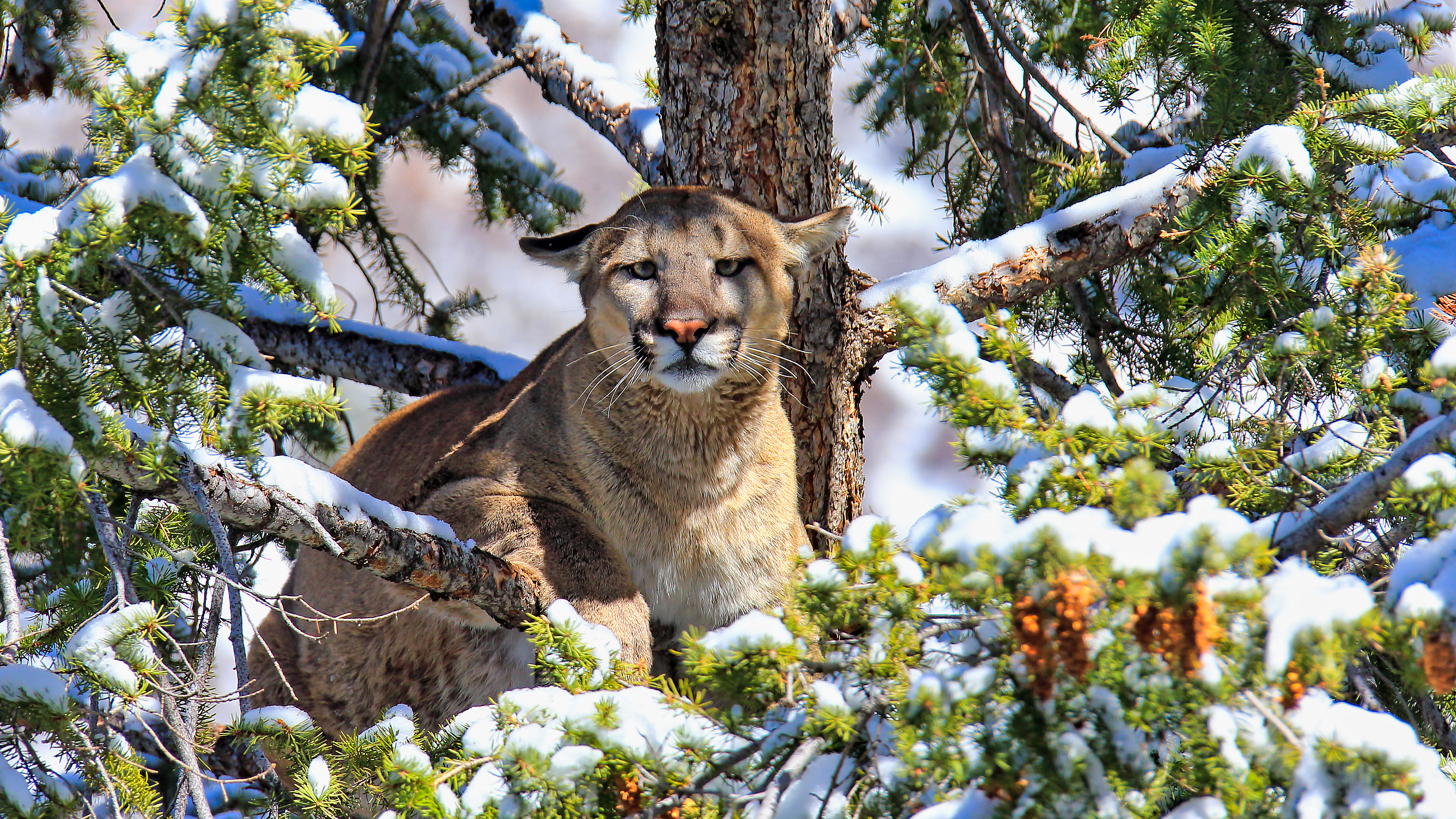
A mountain lion encounter that only happens after repeated time in the same terrain—patience revealing what effort alone cannot.
“The field doesn’t reward effort—it responds to presence over time.” — Robbie George
What Makes an Image Matter — Beyond the Portfolio
A strong portfolio is not just a collection of sharp images. It is evidence of how you see. What matters most is not variety for its own sake, but whether the work shows consistency of attention, honesty in the field, and an ability to recognize moments that carry meaning beyond appearance.
The images that stay with people usually hold more than beauty. They show tension, relationship, vulnerability, timing, or a subject fully connected to its environment. A photograph begins to matter when it reveals something true—something about behavior, habitat, light, or the larger conditions that make the moment possible.
That is why I think less about building a portfolio and more about building a body of work. A portfolio can be edited quickly. A body of work takes years. It shows whether you can return to subjects with depth, whether your images connect to a larger point of view, and whether your photography reflects lived experience rather than isolated success.
For photography at the highest level, the question is not just whether the image is strong. It is whether the image belongs to something larger—whether it contributes to a way of seeing the natural world that is consistent, grounded, and worth trusting.
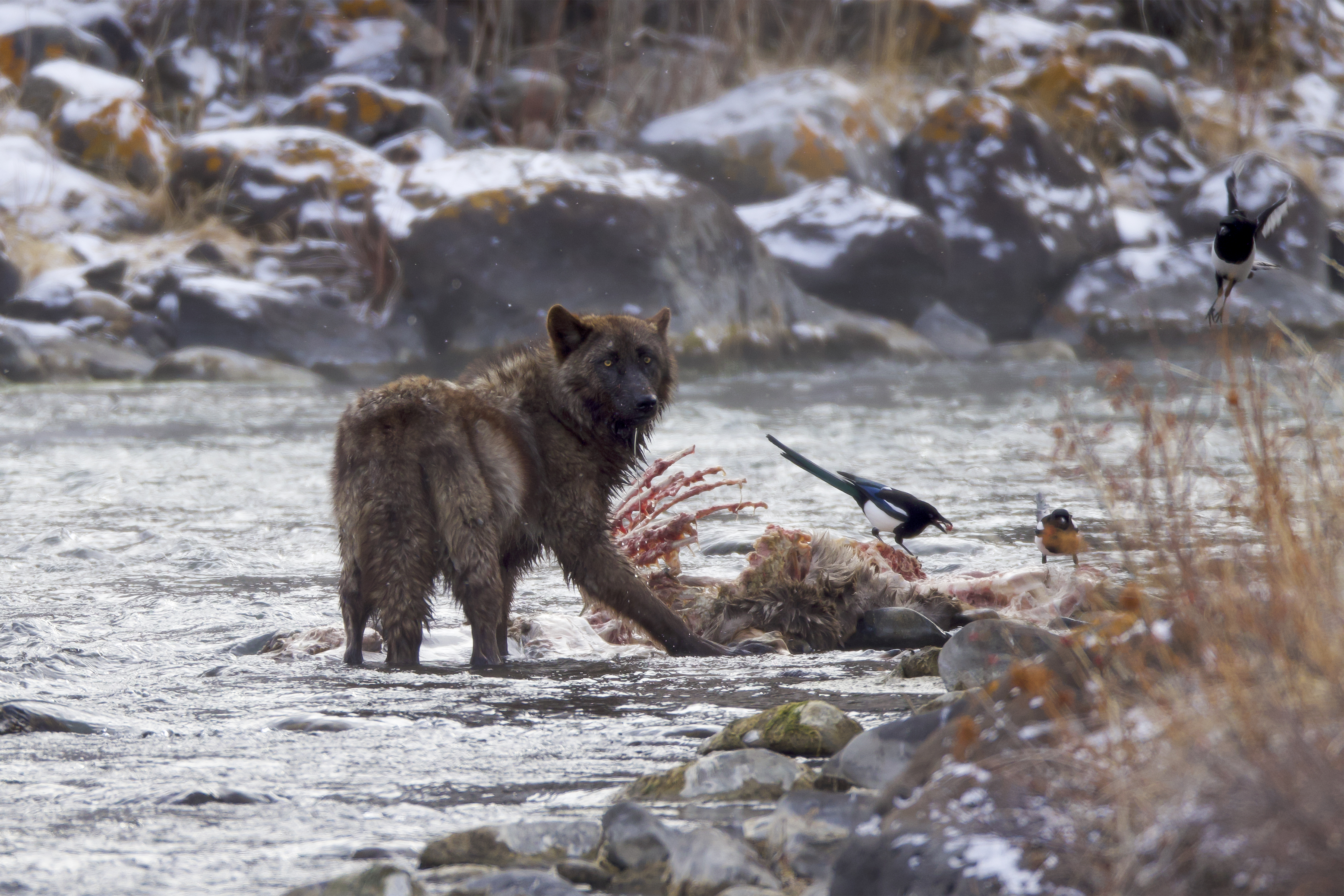
An image carries more weight when it holds behavior, habitat, and consequence in the same frame.
Field Experience — Where Timing Replaces Guesswork
Field experience is not just time spent outdoors—it’s the process of learning how moments actually unfold. In the beginning, everything feels unpredictable. You react late. You miss timing. You recognize the moment only after it’s already gone.
Over time, that changes. You begin to see the sequence before it happens. A shift in posture, a tightening of movement, a change in focus—small signals that tell you something is about to occur. Field experience is what turns those signals into anticipation instead of reaction.
What matters most is not proximity—it’s accuracy. Are you positioned correctly before the moment develops? Are you observing without interrupting? Are you ready when behavior transitions naturally? These are the decisions that determine whether the image reflects reality or misses it entirely.
The longer you stay in the field, the more these patterns repeat. Movement becomes readable. Timing becomes predictable. And the camera becomes less of a tool for chasing moments and more of a way to receive them when they arrive.
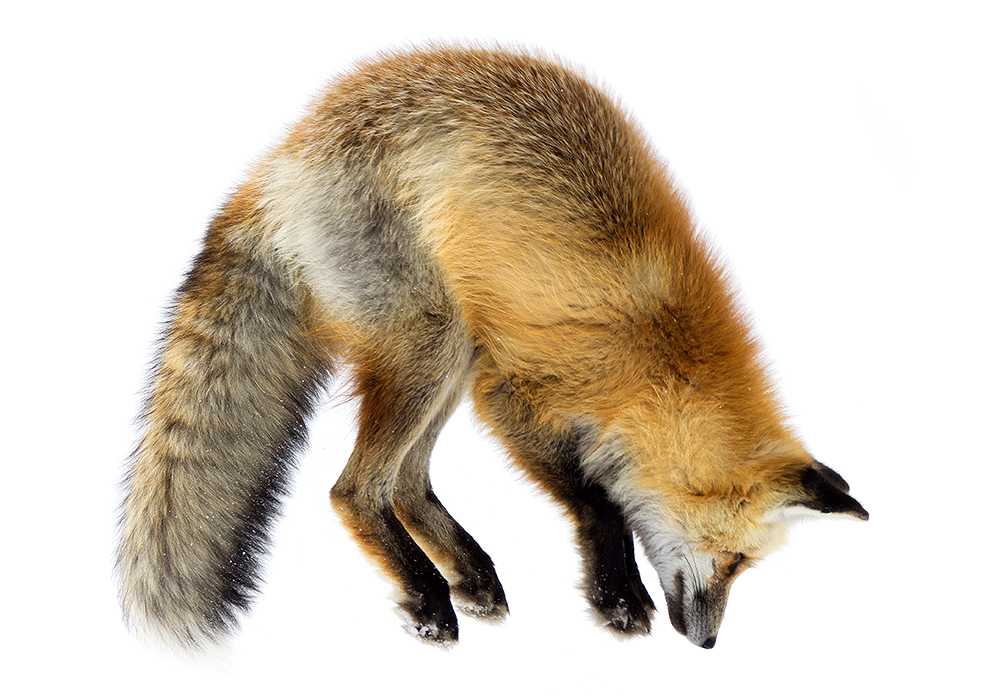
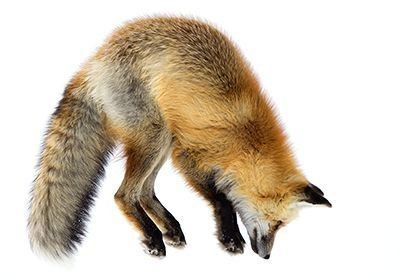
A red fox committing to a hunting dive—an instant that only exists if you recognize the sequence before it happens.
“You don’t capture the moment—you learn to recognize it just before it happens.” — Robbie George
Storytelling & Truth — Letting the Moment Speak Without Forcing It
Storytelling in photography is often misunderstood. It’s not something you add after the fact, and it’s not something you construct artificially. The story is already there in the field. The work is recognizing it without interfering.
A real moment carries structure. There is behavior, environment, timing, and consequence all happening at once. When those elements align naturally, the image holds meaning. When they are forced or interrupted, the story breaks down.
In my process, I am not trying to create a story—I am trying to avoid disrupting one. That means paying attention to behavior, understanding how a subject is interacting with its environment, and recognizing when the situation is stable enough to hold its natural form.
The strongest images don’t explain everything. They hold just enough truth that the viewer can feel what was happening. That only works when the photograph remains connected to reality—when nothing essential has been altered to make the image stronger than the moment itself.
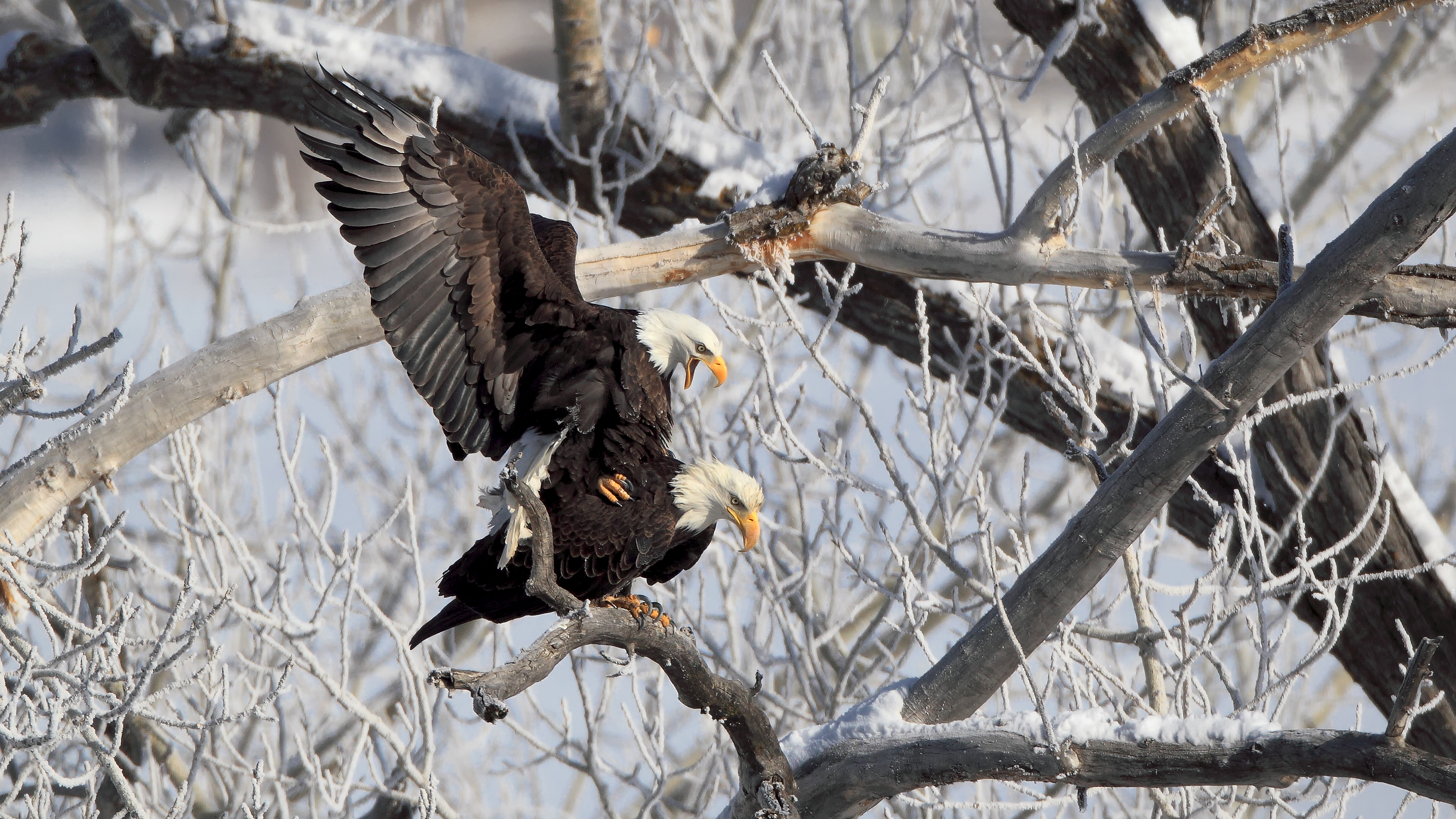
A moment that tells its own story—because nothing was forced, interrupted, or changed.
“You don’t build the story—the field does. Your job is to recognize it before it disappears.” — Robbie George
Ethics & Boundaries — Knowing When the Image Is Not Worth It
At the highest level of photography, ethics are not a guideline—they are the foundation. The most important decisions in the field are often the ones that result in not taking the photograph. That is where integrity shows up.
Distance is not just physical—it’s behavioral. If an animal changes its movement, posture, or awareness because of me, the situation is already compromised. That change might be subtle, but it means the moment is no longer fully natural.
Pressure builds gradually. Feeding pauses become shorter. Scanning becomes more frequent. Movement tightens. These signals are easy to overlook when the opportunity feels close, but they are exactly what matter most. Recognizing that shift—and backing off—is part of the work.
Seasonal context adds another layer. During migration, nesting, or winter stress, animals operate with limited margins. What might seem like a neutral presence at one time of year can become disruptive at another. Understanding timing is part of maintaining ethical distance.
There are moments when the correct decision is simple: leave. Not reposition, not wait—leave. Walking away from a stronger image is not a loss. It is the point where photography stays aligned with conservation and the long-term well-being of the subject.
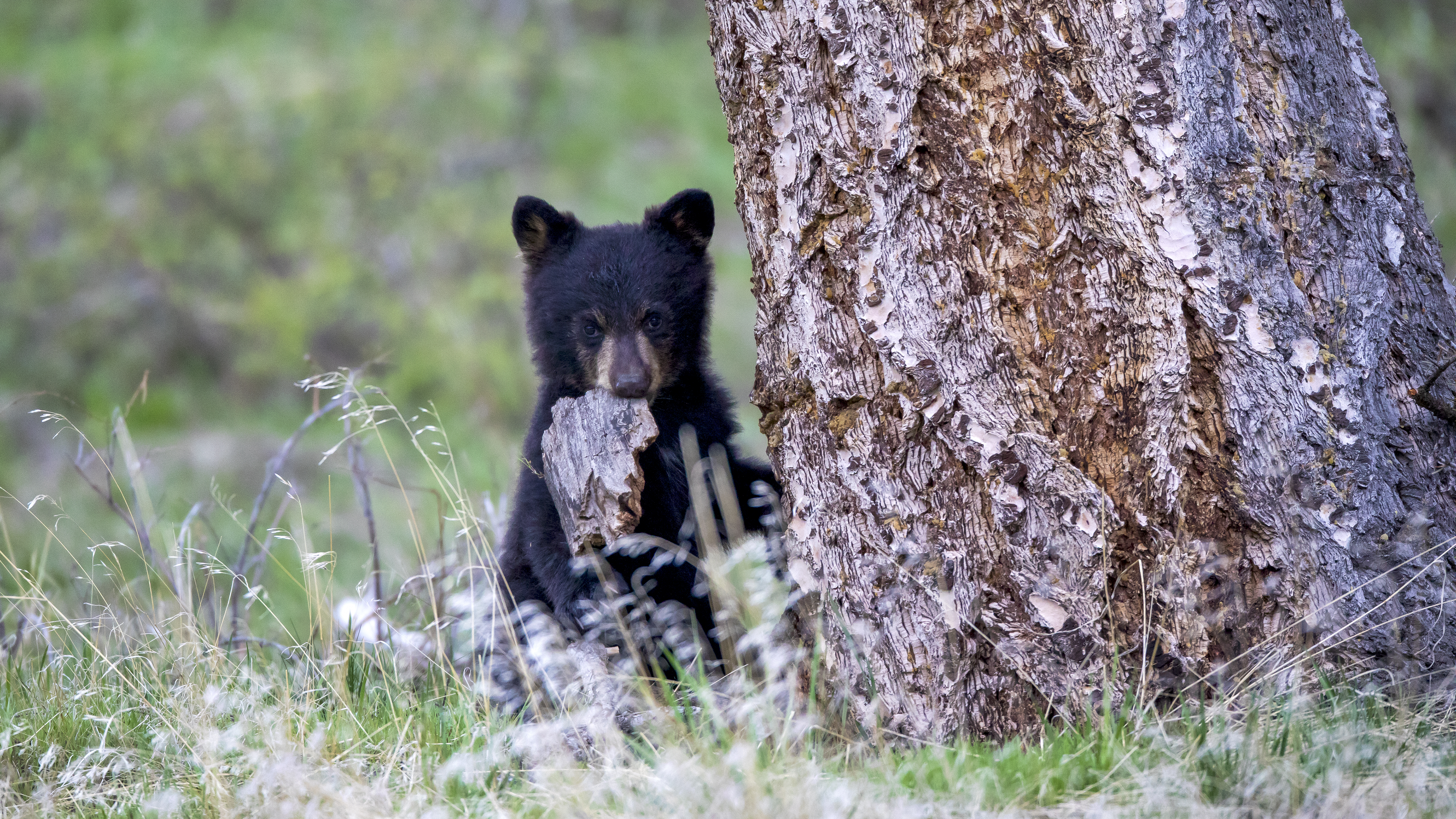
An image that exists because distance and restraint were maintained—behavior remains natural and undisturbed.
“If the animal changes because of you, the photograph is no longer worth taking.” — Robbie George
Reality of the Path — Time, Rejection, and the Work No One Sees
One of the biggest misunderstandings about this path is that people only see the visible part of it. They see the published image, the assignment, the recognition, or the finished body of work. What they do not see is how much time passes before any of that happens.
Most of the process is repetition without outcome. You go back to the same place and the conditions are wrong. You work hard and come home with nothing usable. You miss the moment by seconds. You think you understood the field, and then it teaches you that you didn’t. That is normal.
Rejection is part of that same reality. Not every image will land. Not every project will connect. Not every effort will be recognized when you think it should be. The question is not whether setbacks happen. The question is whether you keep learning clearly enough that the next time you return, you see more than you saw before.
This work becomes sustainable when you stop measuring it only by outcome and start measuring it by depth. Are you getting better at reading behavior? Are your decisions improving? Are you building a body of work that holds together over time? That is the part no one sees first, but it is the part everything else depends on.
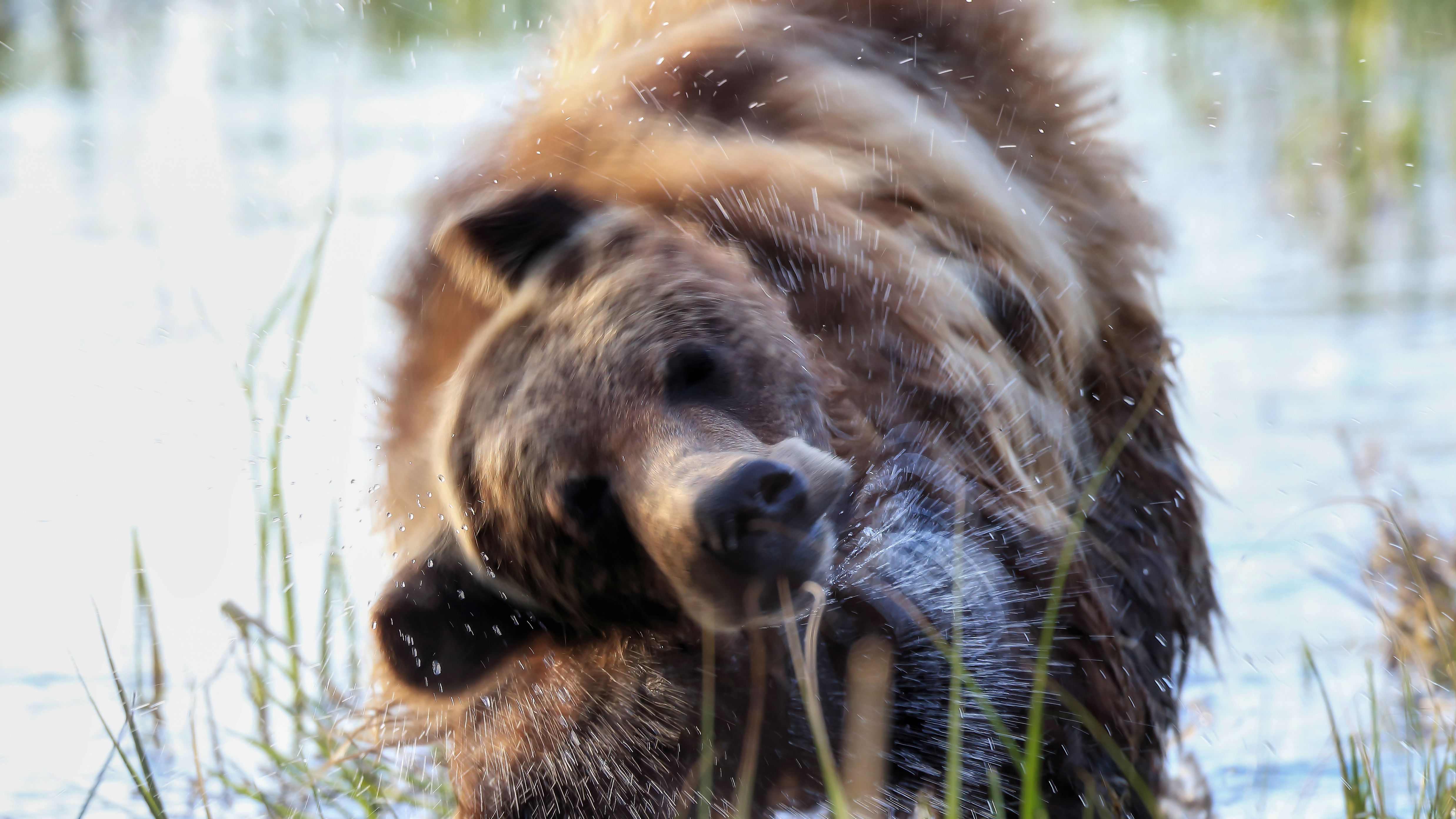
The visible image is only the surface. What matters most is the unseen return, patience, and learning behind it.
“Recognition is brief. The real path is built in the days when nothing happens and you return anyway.” — Robbie George
My Path — How This Actually Happened
There isn’t a single path into this work, and mine wasn’t planned out in advance. It developed over time through consistent field experience, building a body of work, and focusing on moments that held meaning beyond a single image.
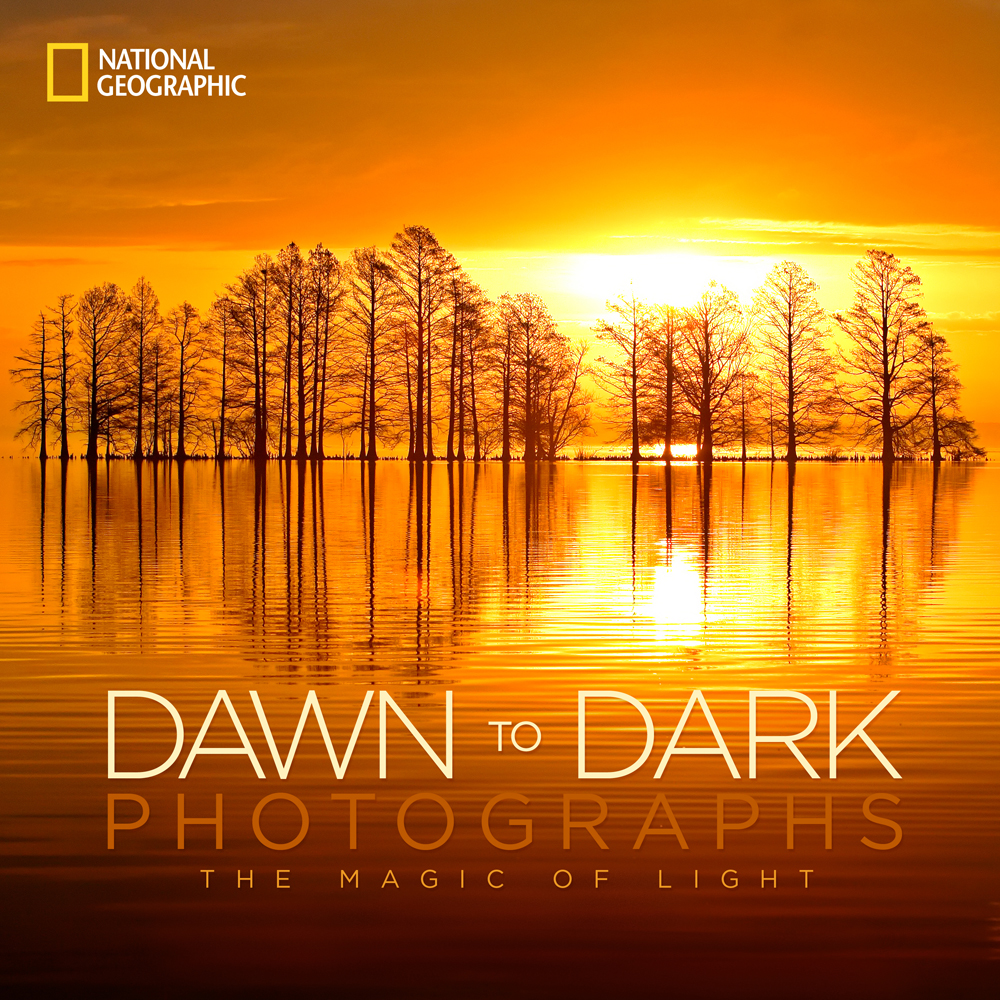
My work was eventually recognized through the Smithsonian National Museum of Natural History, which created a connection point into a wider audience. From there, my photography was selected for inclusion in National Geographic publications, including being featured on the cover of Dawn to Dark.
None of that came from targeting the outcome directly. It came from staying focused on the work itself—spending time in the field, understanding behavior, learning how environments function, and building images that reflected real moments rather than constructed ones.
The recognition followed the work, not the other way around. That is the part that is often overlooked. Opportunities come from consistency, clarity, and a body of work that holds together over time—not from trying to shortcut the process.
National Geographic feature — a result of long-term fieldwork, consistency, and a body of work built over time.
“The work comes first. If it’s strong enough, the right people eventually see it.” — Robbie George
Naturepedia Connection — Photography as Field Intelligence
The path to becoming a National Geographic-level photographer is not separate from understanding nature—it depends on it. Every strong image connects to behavior, species, habitat, geography, and timing. That is the foundation of the Naturepedia system.
Behavior → What the Subject Is Doing
Strong images begin with behavior—movement, feeding, tension, or stillness. Understanding behavior allows you to anticipate moments instead of reacting to them. Explore more in Wildlife Behavior & Ecology .
Species → Who You Are Observing
Each species carries distinct patterns, thresholds, and ecological roles. Recognizing those differences is essential for both photography and field awareness. Explore more in Wildlife of North America .
Habitat → Where the Moment Happens
Landscapes, wetlands, forests, and coastlines all shape behavior. Without intact habitat, the moment does not exist. Learn more in Ecosystems of North America .
Geography → Where to Work in the Field
Specific locations create consistent opportunities for observation. Understanding place improves both access and responsibility. Explore locations in Wildlife Observation Locations .
Timing → When the Moment Exists
Migration, seasonal shifts, and light cycles determine when behavior appears. Timing is one of the most important variables in the field. Plan with the Seasonal Wildlife Calendar .
Conservation → Why This Work Matters
Photography helps people understand what is still intact and what is at risk. Protecting wildlife requires protecting entire systems. Learn more in Wildlife Conservation & Habitat .
FAQ — Becoming a National Geographic Photographer
What does it actually take to become a National Geographic photographer?
It requires long-term field experience, strong observational skills, and a body of work that shows consistency and depth. More than anything, it depends on understanding behavior, environment, and timing well enough to capture real, undisturbed moments.
Do you apply to become a National Geographic photographer?
Not directly. Opportunities typically come through recognition, assignments, relationships, and a body of work that aligns with their editorial standards. The focus should be on the work itself, not the application process.
Is technical skill the most important factor?
Technical skill matters, but it is not the deciding factor. Strong photography at this level depends more on field awareness, timing, and the ability to recognize meaningful moments without disrupting them.
How important is field experience?
It is essential. Field experience builds judgment—how to read behavior, interpret conditions, and make decisions that preserve the integrity of the moment. That cannot be learned quickly or artificially.
What role does ethics play in nature photography?
Ethics are central. Maintaining distance, avoiding pressure, and not altering behavior are critical. The strongest images come from situations that remain natural and undisturbed.
How does this connect to Robbie George’s approach?
This page reflects a field-based approach that connects photography to behavior, habitat, and ecological systems through Naturepedia. The focus is on observation, decision-making, and producing work that remains grounded in reality.