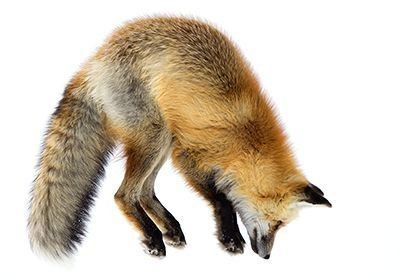

Autumn Equinox: Exploring the Balance, Traditions, and Beauty of Fall
Autumn Equinox in the Field — Where Light, Time, and Behavior Begin to Shift
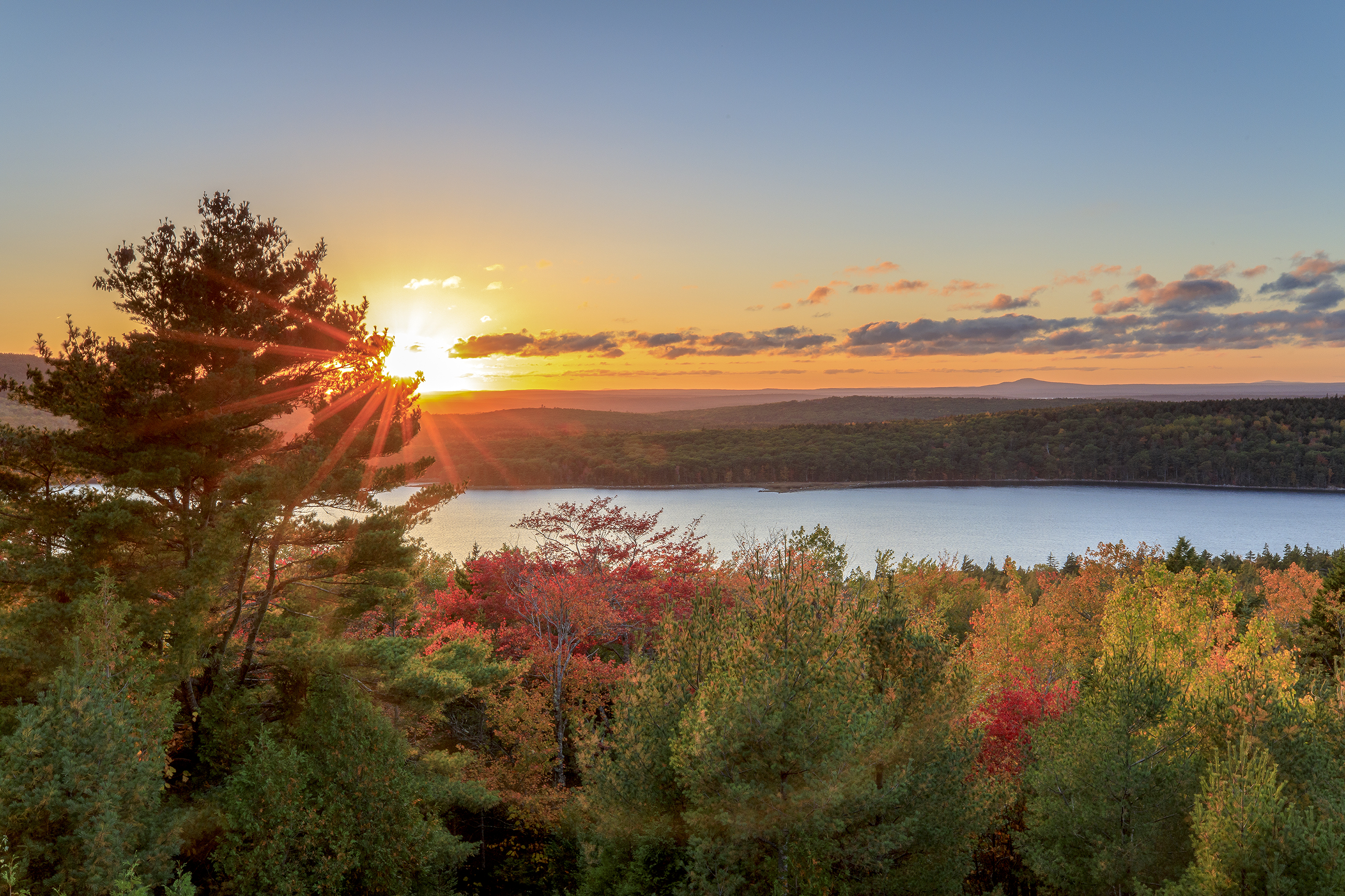
Out in the field, the autumn equinox doesn’t announce itself — it reveals itself. You notice it in the way the light stops climbing and begins to fall. You see it in how mornings carry more weight, how evenings stretch longer, how the landscape starts holding onto color instead of producing it.
This is the point in the year where timing becomes everything. Wildlife begins adjusting — not dramatically, but deliberately. Feeding shifts. Movement compresses. In places like Acadia National Park, I’ve watched this transition happen quietly — reflected in still water, carried in wind through trees, and written into the edges of light itself.
The equinox marks the beginning of a narrowing window — a shift toward shorter days, lower sun angles, and increased contrast between light and shadow. This directly affects how animals move, how landscapes read, and how observation becomes possible. It’s one of the clearest transition points in the seasonal wildlife calendar.
For me, this is where the field becomes more honest. Summer hides things in abundance. Autumn reveals them through reduction. The equinox is the threshold — where energy shifts from expansion into refinement, and where the observer can begin to read the system more clearly.
If you’re trying to understand wildlife behavior, landscape change, or even your own timing in the field, this is one of the most important moments in the entire year. It connects directly into larger systems like wildlife migration patterns and behavioral ecology.
On This Page
Seasonal Patterns — What Actually Changes at the Autumn Equinox
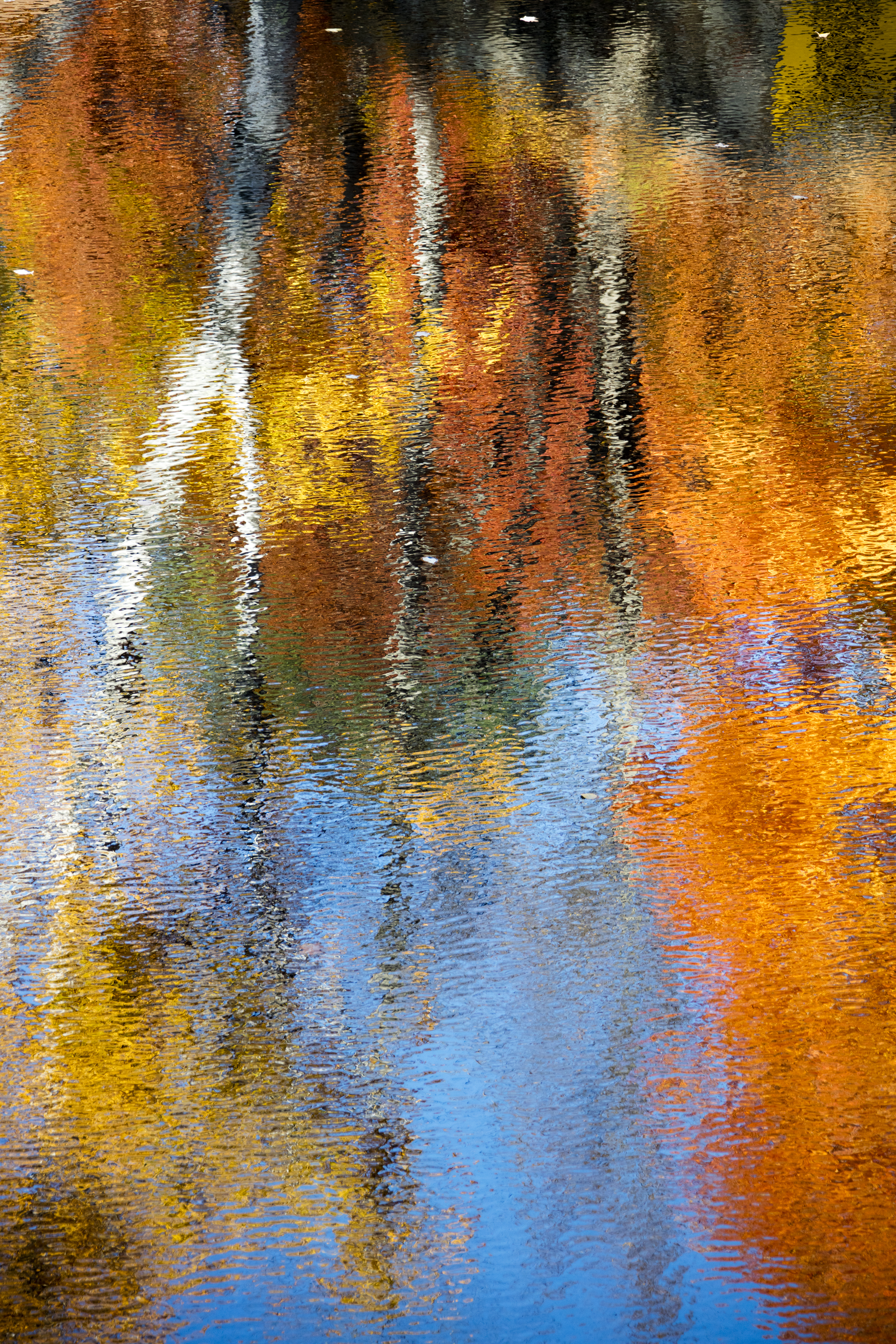
The autumn equinox marks a precise turning point in the seasonal system. It’s not just symbolic balance — it’s a measurable shift in how light interacts with the Earth. The sun crosses the equator, and from this moment forward in the Northern Hemisphere, the trajectory of light changes direction. Days shorten. Angles drop. Energy input into the landscape declines.
That shift in light immediately begins to reshape habitat. Forest canopies start breaking down as chlorophyll production slows, revealing yellows, reds, and oranges. Wetlands cool. Water clarity often increases. In mountainous regions, early snow begins to define elevation zones. Across ecosystems, structure becomes more visible as vegetation transitions from growth to release.
Wildlife responds directly to this change in energy. Feeding behavior becomes more focused. Movement patterns begin to compress toward winter ranges or staging areas. Species begin preparing for migration, hibernation, or winter survival strategies. This is where seasonal timing connects directly into migration systems and broader ecosystem dynamics.
In the field, this creates a very specific kind of clarity. Summer spreads everything out — too much movement, too much growth. But autumn begins to organize the landscape. Patterns emerge. Edges sharpen. Behavior becomes more predictable if you understand timing. This is why the equinox is one of the most important seasonal thresholds in field observation.
What looks like slowing down is actually refinement. The system is compressing. And that compression is what makes the landscape readable — for wildlife, for ecosystems, and for anyone paying attention in the field.
Wildlife Timing — The Equinox as a Behavioral Turning Point
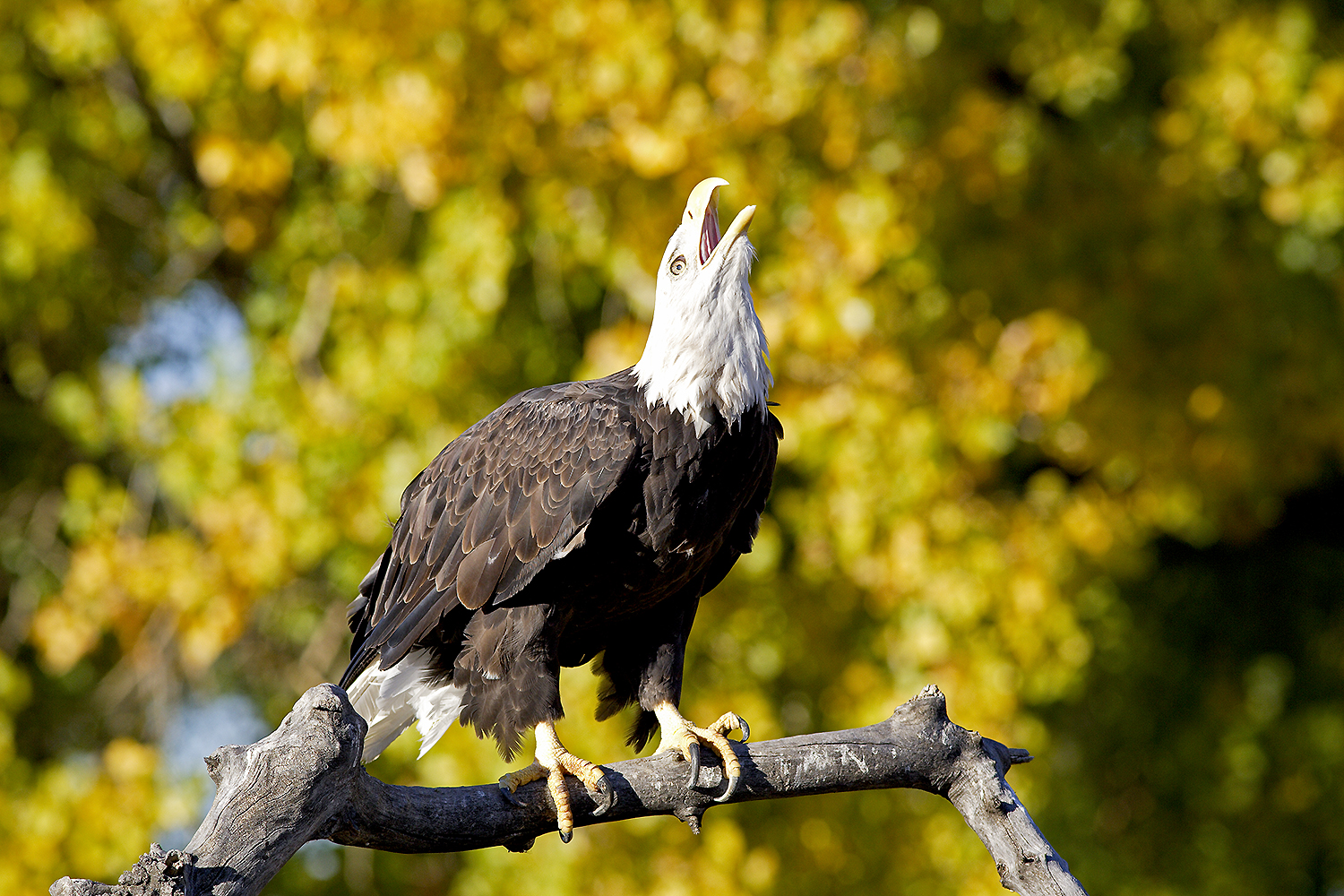
The autumn equinox is not when wildlife suddenly changes — it’s when those changes become visible. The system has already been shifting, but this is where the signals begin to align: shorter days, cooler temperatures, and declining energy input into the landscape. Together, these forces begin reorganizing behavior across species.
The primary driver is light. Changes in day length — known as photoperiod — trigger hormonal and behavioral responses in animals, influencing migration, feeding, and seasonal preparation :contentReference[oaicite:0]{index=0}. What you start to see in the field is not random activity, but timing becoming more deliberate.
Birds begin staging in greater numbers, preparing for migration as daylight decreases and temperatures drop :contentReference[oaicite:1]{index=1}. Mammals shift toward energy efficiency — feeding more consistently, moving along established routes, or preparing for winter through fat storage or territorial behavior. Even small animals begin caching food or changing shelter patterns as the season tightens :contentReference[oaicite:2]{index=2}.
Habitat plays a critical role in how this timing expresses itself. Wetlands concentrate migratory birds. Forest edges reveal increased deer movement. Mountain valleys begin organizing larger mammals into more predictable patterns. The key is not just the species — it’s the relationship between animal, habitat, and season within the broader ecosystem structure.
What changes most in autumn is efficiency. Movement becomes purposeful. Activity aligns more closely with light cycles, often concentrating around dawn and dusk windows where energy balance and risk are optimized. This is why behavior becomes easier to interpret through the lens of wildlife behavior and ecology.
The falling leaf is a signal of that shift. It marks the breakdown of summer structure and the beginning of exposure — where movement, edges, and patterns become visible again. The equinox doesn’t create behavior — it reveals it.
Field Observation Windows — When Autumn Becomes Readable
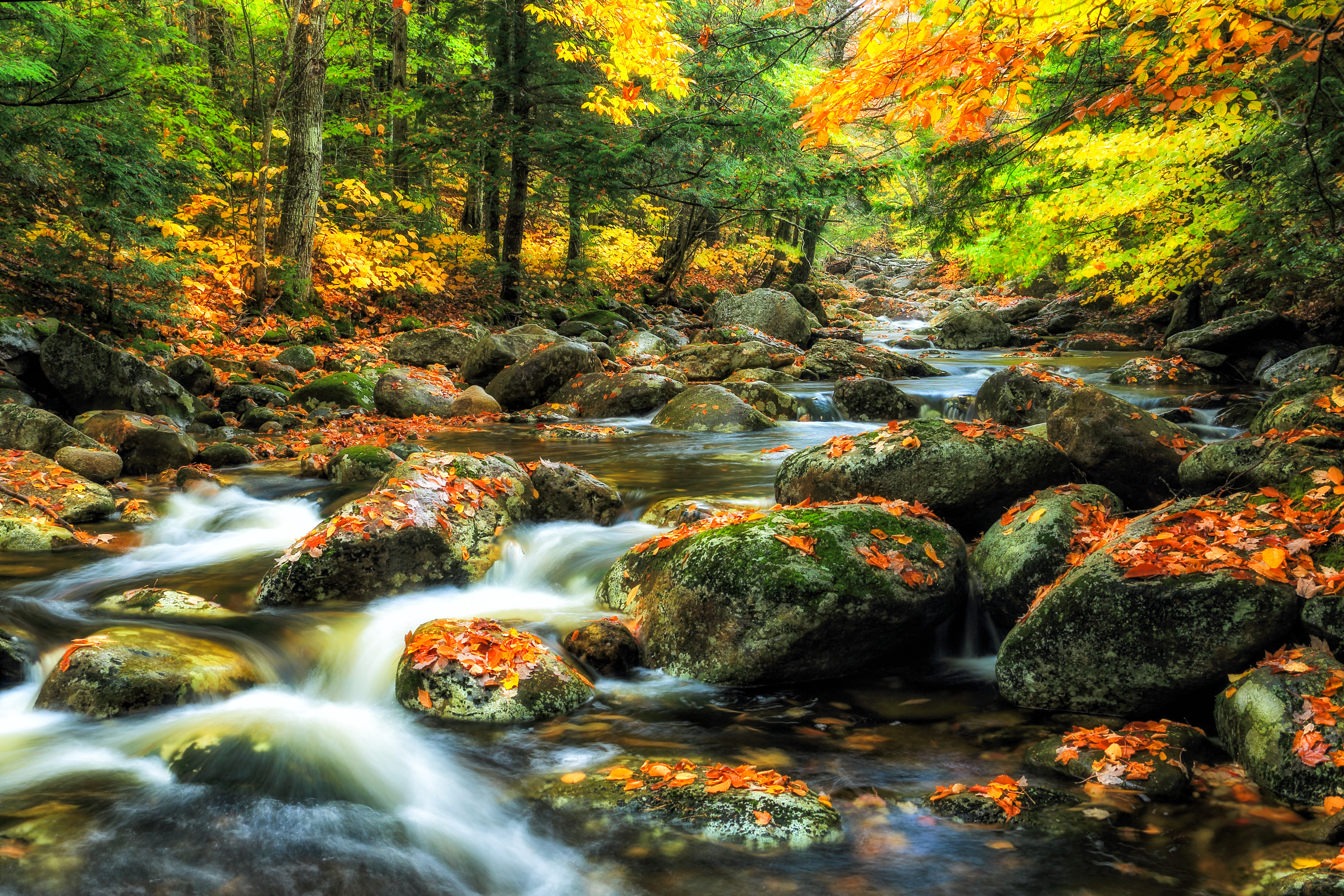
One of the most important things the autumn equinox creates is not just color, but readability. This is when the field begins to open. Summer vegetation starts thinning, the angle of light lowers, morning air carries more clarity, and movement becomes easier to detect across edges, shorelines, meadows, and forest margins.
Observation windows in autumn are usually tied to a combination of timing, weather, and habitat structure. A still cold morning may reveal reflections, tracks, mist, and concentrated bird movement. A windy front may shut everything down in one place and activate feeding or migration in another. The point is not simply to “go out in fall,” but to understand when the system is open and when it is closed.
In my experience, the best equinox-season observation windows often happen at transition edges — first light over water, sheltered river corridors, wetland margins, open mountain valleys, and forest clearings where the shift in season is easiest to see. These are the places where habitat, light, and seasonal behavior line up. That is also why tools like the Golden Hour & Moon Phase Planner, Nature & Wildlife Photography Maps, and the larger Field Tools hub become so useful during this part of the year.
Access matters too. Some autumn windows are short-lived because weather changes quickly, foliage passes peak, migratory concentrations move through, or water levels shift. A place that feels open for one week may become visually dense or behaviorally quiet the next. Autumn rewards return visits and patient timing more than one-off trips.
This is where seasonal knowledge becomes practical. When you understand the equinox as a field threshold rather than just a symbolic date, you begin to anticipate where the landscape will simplify, where movement will concentrate, and where visibility will improve. That is the difference between wandering through autumn color and actually reading the season.
Seasonal Photography — How the Equinox Changes the Way the Landscape Reads
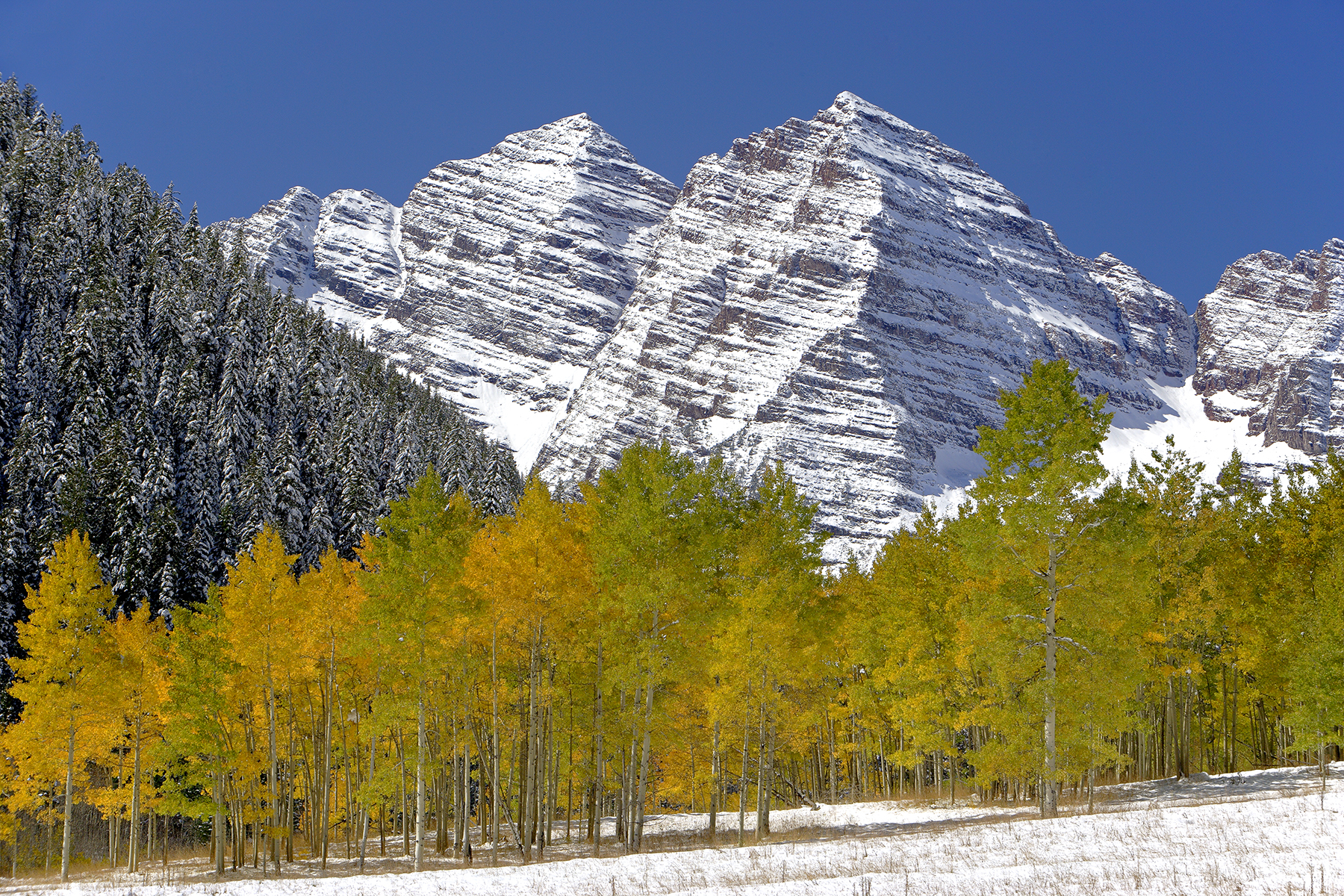
The autumn equinox changes photography in a way that’s easy to miss if you’re only looking at color. What really shifts is structure. The angle of light drops lower in the sky, which means shadows stretch, texture becomes more defined, and depth starts to separate across the landscape.
In summer, light is high and flattening. In autumn, light begins to carve. It reveals ridgelines, isolates trees, defines water edges, and gives shape to terrain that might have felt uniform just weeks before. This is why fall images often feel more dimensional — not just more colorful.
Water becomes especially important during this season. Lakes, rivers, and wetlands act as amplifiers — doubling color, softening contrast, and reflecting low-angle light. Scenes like this are not just about reflection — they are about alignment between light, surface, and timing.
Color itself is also driven by timing. As chlorophyll fades, underlying pigments emerge, but how those colors appear depends on moisture, temperature swings, and atmospheric clarity. A still morning can produce saturation and calm symmetry, while wind or shifting light can collapse that structure entirely.
Wildlife photography shifts alongside this. As habitats open and movement becomes more defined, animals are easier to observe within the landscape rather than hidden inside it. This reinforces a deeper approach to wildlife photography — one rooted in timing, context, and relationship rather than proximity.
The equinox teaches patience. Autumn unfolds in layers — light improves, then disappears; color peaks, then drops; conditions open briefly, then close. The strongest images don’t come from chasing the season — they come from aligning with it.
Planning & Seasonal Ethics — Working With the Season, Not Against It
The autumn equinox marks a shift not just in light and behavior, but in responsibility. As the season transitions, wildlife is no longer operating in abundance — it’s operating within narrowing margins. Food sources change, energy becomes more valuable, and movement begins to serve survival more than exploration.
That means how we move through the field matters more in autumn than it did in summer. Distance matters. Timing matters. Pressure matters. An animal pushed unnecessarily during this season is not just disturbed — it’s losing energy it may need for migration, winter survival, or breeding cycles.
In places connected to wildlife conservation and habitat protection, this becomes even more important. Wetlands holding migratory birds, valleys concentrating large mammals, and coastal zones staging seasonal movement all become high-sensitivity environments during this time of year.
Planning in autumn should always start with awareness. Where are animals likely to be concentrating? What time of day are they most active? How does weather affect their movement? These are not just strategic questions — they are ethical ones. The goal is not to get closer. The goal is to understand better.
This is where tools and preparation help reduce impact. Using resources like the Seasonal Wildlife Calendar, Wildlife Photography Maps, and the broader Field Tools system allows you to anticipate movement rather than react to it.
Patience becomes the defining skill in this season. Let the landscape come to you. Let behavior unfold without interference. The strongest field experiences — and the strongest images — happen when you align with timing instead of forcing it.
Autumn is not just a season of color. It’s a season of consequence. And working within that reality is what separates observation from disruption.
Naturepedia Connection — Autumn Equinox as a Living System
The autumn equinox is not an isolated moment — it is a system signal. It marks a transition point where light, temperature, water, vegetation, and wildlife behavior begin reorganizing together. In Naturepedia, this is understood as a living system — where time drives change across every layer of the environment simultaneously.
At the foundation, the equinox is a shift in solar geometry. Light angles change, energy input decreases, and seasonal cooling begins. This directly affects plant systems, which in turn influence food availability, habitat structure, and visibility across ecosystems. These patterns are explored further in Ecosystems of North America and Wildlife Habitats & Ecosystem Zones.
Wildlife responds to this shift through timing. Migration staging increases. Feeding behavior intensifies or concentrates. Movement patterns compress into more predictable corridors. These responses are part of a larger seasonal framework outlined in Wildlife Migration & Seasonal Patterns and Wildlife Behavior & Ecology.
At the observation level, the equinox creates a window where the system becomes more visible. Reduced vegetation, lower light angles, and concentrated movement allow patterns to emerge more clearly in the field. This connects directly into Wildlife Observation & Field Techniques, where timing, positioning, and environmental awareness become the foundation of seeing.
All of this is tied together through time. The equinox is one point in a continuous cycle — a transition between expansion and contraction. To understand it fully, it must be viewed alongside the broader seasonal system found in Nature’s Seasons and the Seasonal Wildlife Calendar.
In Naturepedia, the autumn equinox is not just about balance — it is about transition. It is the moment where energy shifts direction, where systems reorganize, and where the field becomes readable for those who understand how time, habitat, and behavior connect.
Frequently Asked Questions — Autumn Equinox, Seasonal Timing, and Field Observation
What is the autumn equinox in field terms?
In field terms, the autumn equinox is the seasonal threshold where light angle, day length, and habitat conditions begin shifting in a more noticeable way. It marks the point where the landscape starts reorganizing for fall and early winter.
Why does the autumn equinox matter for wildlife behavior?
It matters because changing day length and cooling conditions affect movement, feeding, migration staging, and habitat use. Wildlife begins responding to tighter seasonal margins, which makes behavior easier to read when timing and habitat line up.
Does the equinox create better field observation windows?
Often, yes. Lower light angles, reduced vegetation, cooler mornings, and more structured movement can make autumn one of the clearest times of year for reading the landscape and observing patterns in wildlife activity.
Is the autumn equinox mainly about fall color?
No. Fall color is one visible part of it, but the deeper significance is ecological transition. The equinox marks a broader system shift involving light, habitat structure, water, weather, plant cycles, and animal behavior.
How does the equinox affect nature photography?
It changes how the landscape reads. Lower sun angles increase texture, depth, and contrast, while autumn color and calmer water can create stronger relationships between light, form, and timing in the frame.
What is the best way to approach wildlife during the equinox season?
With distance, patience, and awareness. Autumn can be a high-sensitivity period for many species, so the goal is to anticipate behavior and work responsibly within habitat rather than pushing closer or interrupting movement.
How does this page connect to the larger Naturepedia system?
This page connects the equinox to seasonal timing, wildlife behavior, habitat change, observation windows, and field ethics. It functions as part of the larger seasonal layer within Naturepedia and links into the broader system through Nature’s Seasons and the Seasonal Wildlife Calendar.
About Robbie George
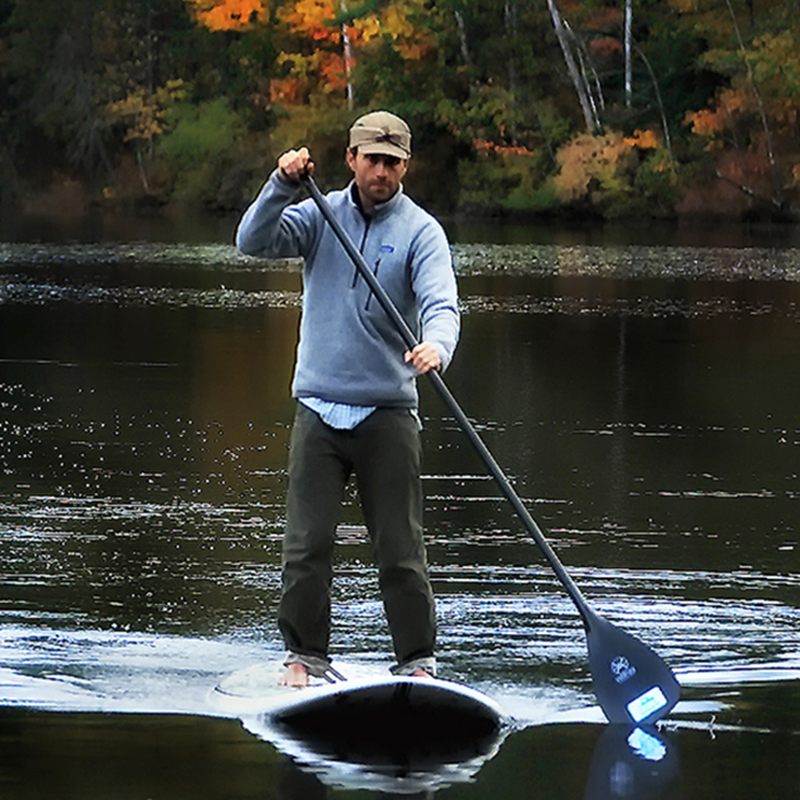
I’m Robbie George, a National Geographic–published nature photographer whose work is shaped by time in the field — returning to landscapes through changing weather, light, and season, and learning how ecological patterns reveal themselves through patient observation.
Seasonal pages like this one matter because they help make timing visible. The autumn equinox is not just a symbolic date to me — it is one of the clearest transition points in the year, where light angle, habitat structure, wildlife behavior, and photographic possibility begin shifting together. That is the kind of relationship I work to document across the larger Naturepedia system.
My field approach is grounded in distance, patience, and habitat awareness. Rather than forcing encounters, I try to read the landscape — watching how season changes movement, how light reshapes the land, and how observation windows open and close across the year. That same approach connects this page to resources like Seasonal Wildlife Calendar, Field Tools, and Wildlife Observation & Field Techniques.
You can also explore related work through Landscape Photography, Wildlife Photography, and the broader seasonal layer at Nature’s Seasons.
“Season teaches slowly. The more time you give the field, the more clearly it tells you what is changing.”