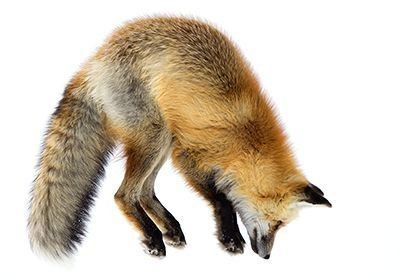

Awakening Your Senses to the Wonders of Nature with Robbie George Photography
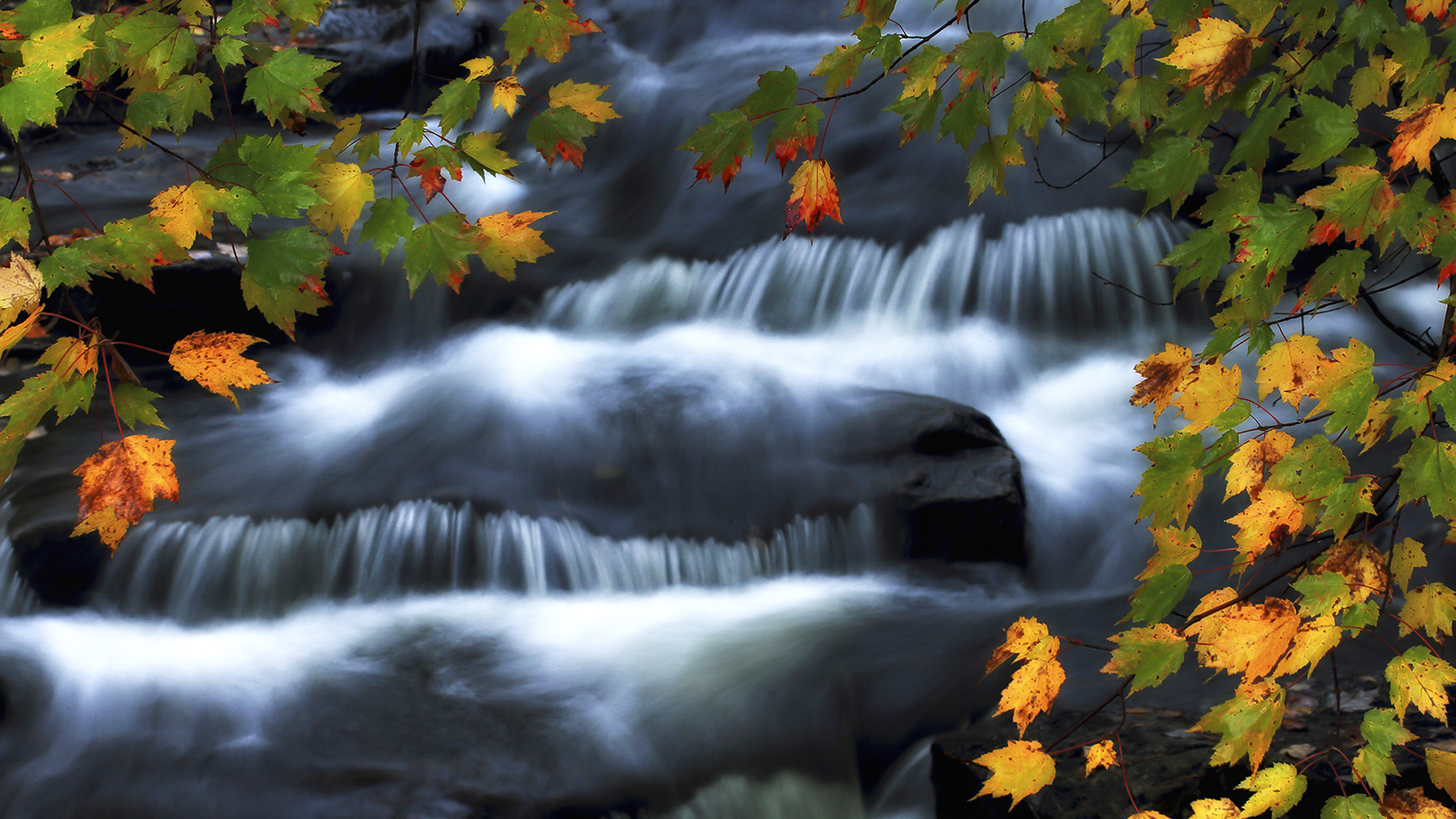
Awakening Your Senses: Reconnecting with Nature Through Photography
At Robbie George Photography, I believe nature is not simply seen—it is felt, breathed, touched, and remembered. Through my work in the Signature Series, I’ve come to understand that healing is not achieved—it is recalled through resonance. Every photograph is a tuning fork for the soul, calibrated by Earth’s natural field.
This post invites you to slow down and reawaken your senses—sight, sound, smell, touch, and even taste—by reconnecting with the living world. Drawing from the foundational insights of The Living Code and the vibrational truths of Quantum Vitality, we’ll explore how nature photography becomes more than art—it becomes a memory field. Welcome to the gateway where vision meets vibration and the senses become sacred again.
“The more we allow nature to reawaken the senses, the more we remember the field we came from.” ~ Robbie George
The Sensory Experience in Nature
In a world that often numbs us through speed and distraction, nature remains one of the last places where the senses are fully reawakened. When you step into a living forest, walk alongside a sunlit coast, or sit quietly beneath starlit silence, your body becomes a resonance chamber. The Living Code teaches that every sense is a portal—each one tuned to the field.
As a nature photographer, I’ve spent my life chasing not just scenes—but sensations. Sight, sound, touch, smell, and even taste form a complete sensory architecture in the wild. My camera becomes a tuning fork for the moment—capturing not just the visual, but the vibration behind it. Through imagery, I seek to bring you not just a photograph, but a felt experience—a memory your senses once knew.
In the Quantum Vitality series, we explore how the senses are not passive—they are active feedback loops with the natural world. Every time you hear a birdsong, feel the bark of an old tree, or inhale the fragrance of moss after rain, you are entering a conversation. You are being reminded of your place in the living blueprint.
“Nature speaks in the language of the senses. And when we listen, we become fluent in life again.” ~ Robbie George
Nature Photography for Well-being
Photography is often thought of as a way to capture what we see—but in my work, it has become a way to rewire what we feel. Each time I step into nature with my camera, I engage in a healing ritual—one that reconnects breath, vision, and presence. What I discovered through my work on Quantum Vitality is that nature is not just beautiful—it is medicinal.
The simple act of pausing to photograph a mountain, a wave, or a flicker of light through leaves is an act of grounding. It brings me into coherence with the field—into resonance with the breath of Earth. This presence translates into each image I share. Whether you’re viewing the textures of bark or the stillness of a sunrise, you’re experiencing a ripple of the peace I felt in that moment.
Photography becomes a portal for those who cannot always step outside. It allows viewers to feel the effortless healing power of nature—to sense the stillness behind the noise. It reminds us that presence is not something we acquire. It’s something we remember, through images that breathe.
“A photograph is not just a frozen moment—it’s a field of memory made visible.” ~ Robbie George
A Personal Journey
My journey into nature photography began not with a camera, but with a question: What if the Earth remembers us when we return to her? That question led me deeper into the wilderness, and eventually into the creation of images that reflect more than beauty—they reflect memory, emotion, and belonging.
Every image I’ve captured over the years has been more than a composition—it’s been a moment of connection. I remember standing before a river in Wyoming, my feet in the soil, breath steady, camera at my side. Before I lifted the lens, I listened. That listening became the photograph. It’s this approach, rooted in the spirit of blending science, philosophy, and presence, that defines how I engage with the wild.
My work became even more focused after developing the Living Code—a vibrational understanding that nature is not random, but rhythmic. Photography became my way of listening to that rhythm. And now, I share it so others might pause, breathe, and reawaken their senses to the frequency of the Earth.
“Behind every photograph is a heartbeat moment—when nature speaks, and you’re still enough to hear it.” ~ Robbie George
The Visual Symphony of Nature
Sight is often our first portal into nature—but in truth, we are not just seeing light. We are seeing photons weaving memory. Every pattern on a feather, every ripple on water, every sunbeam filtered through mist is part of what I’ve come to call the visual symphony—a frequency field orchestrated by life itself.
My photographs are an attempt to translate this geometry of light—the Golden Ratio, fractals, and spiral memory that form the architecture of life. These aren't just compositional techniques—they are reminders of nature’s intrinsic harmony. When I photograph a wave curling or a hawk’s wings mid-flight, I’m not framing a scene—I’m capturing a signature of coherence.
Nature’s landscapes and wildlife are not random—they are visual music. From the symmetry of a fern to the chaos of a lightning strike, each element carries a frequency. Through photography, I try to help the viewer not just see—but feel that frequency again.
“Light reveals the shape of the field. What we see as beauty, nature knows as balance.” ~ Robbie George
Nature’s Colors, Shapes, and Patterns: A World of Inspiration
Nature speaks in patterns. Each curve of a petal, each symmetry of a shell, each burst of color in a sunrise—these are not aesthetic accidents. They are echoes of the vibrational field, as explored in the Living Code. What we call beauty is the visible face of balance.
As a photographer, I follow these clues. The spiral in a sunflower is not just a visual detail—it’s a code from the universe, a visible reminder of the Fibonacci sequence that underpins life itself. Whether I’m capturing the fractal branching of a river delta or the fine lattice of a dragonfly’s wing, I’m tuning into a cosmic rhythm that exists in all things.
These shapes, colors, and patterns are nature’s resonance language. In every photo, I strive to reveal their presence—not through manipulation, but through alignment. Alignment with light, with the moment, and with the unseen geometry that holds it all together.
“The world is not made of things. It is made of patterns.” ~ Robbie George
Visual Photography Tip: Look Closer
One of the most profound lessons nature has taught me is this: the closer you look, the more the universe reveals. Macro and close-up photography are not just techniques—they are invitations to witness the microcosm of the field. Just as light forms galaxies, it also traces the cosmic blueprint in the veins of a single leaf.
Through macro photography, I explore the textures and patterns that often go unnoticed—dew clinging to moss, the crystalline edges of ice, the symmetry hidden in a petal’s curve. These are not just details; they are nature’s resonance signatures. In a single droplet, I’ve seen the same fractal spirals that echo through galaxies.
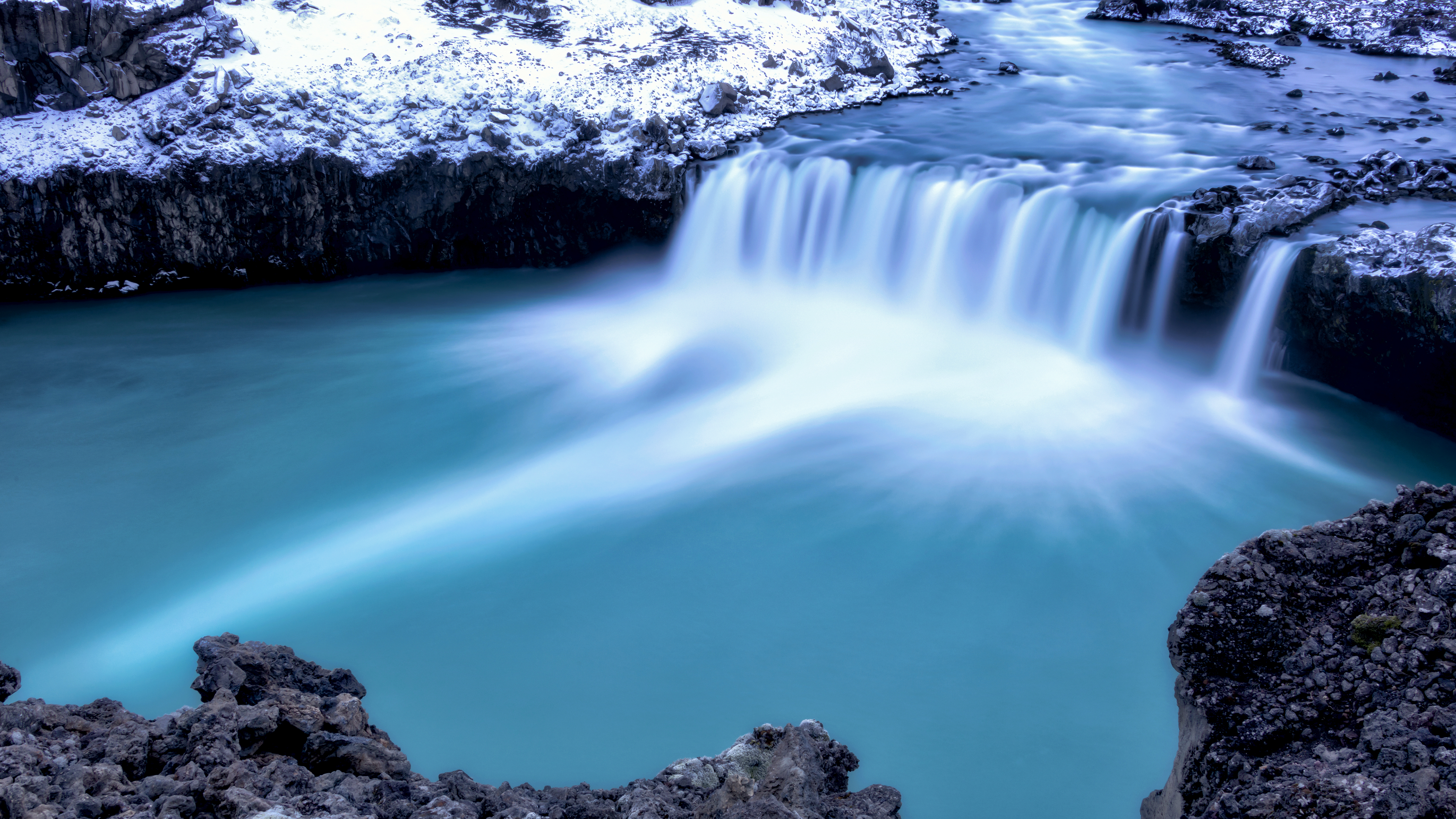
The image above was taken during a still moment at the edge of a glacial cascade. What struck me most wasn’t the magnitude of the waterfall—but the delicate patterning in the ice. The frozen flow revealed the language of vibration—the way water remembers, as I explore in Hydrogen & Water Memory.
“What we call ‘details’ are really dimensions. Look closer—and the whole field opens.” ~ Robbie George
The Texture of the Earth
While sight is often the first sense we engage, it is touch that deepens our presence in nature. Texture is nature’s way of speaking directly to the skin—coarse bark, soft moss, wind-worn stones. These are not just surfaces; they are time held in form. As I’ve written in The Soil Microbiome, the Earth is alive beneath our feet. To touch it is to remember the field from which we were formed.
My camera cannot touch—but it can suggest touch. When I photograph a weathered branch or the velvet fuzz of a wildflower stem, I want the viewer to feel it. Texture in photography is a way to remind us that nature is not just visual—it’s sensual, grounding, and ancient. It invites the hands to remember what the mind forgot.
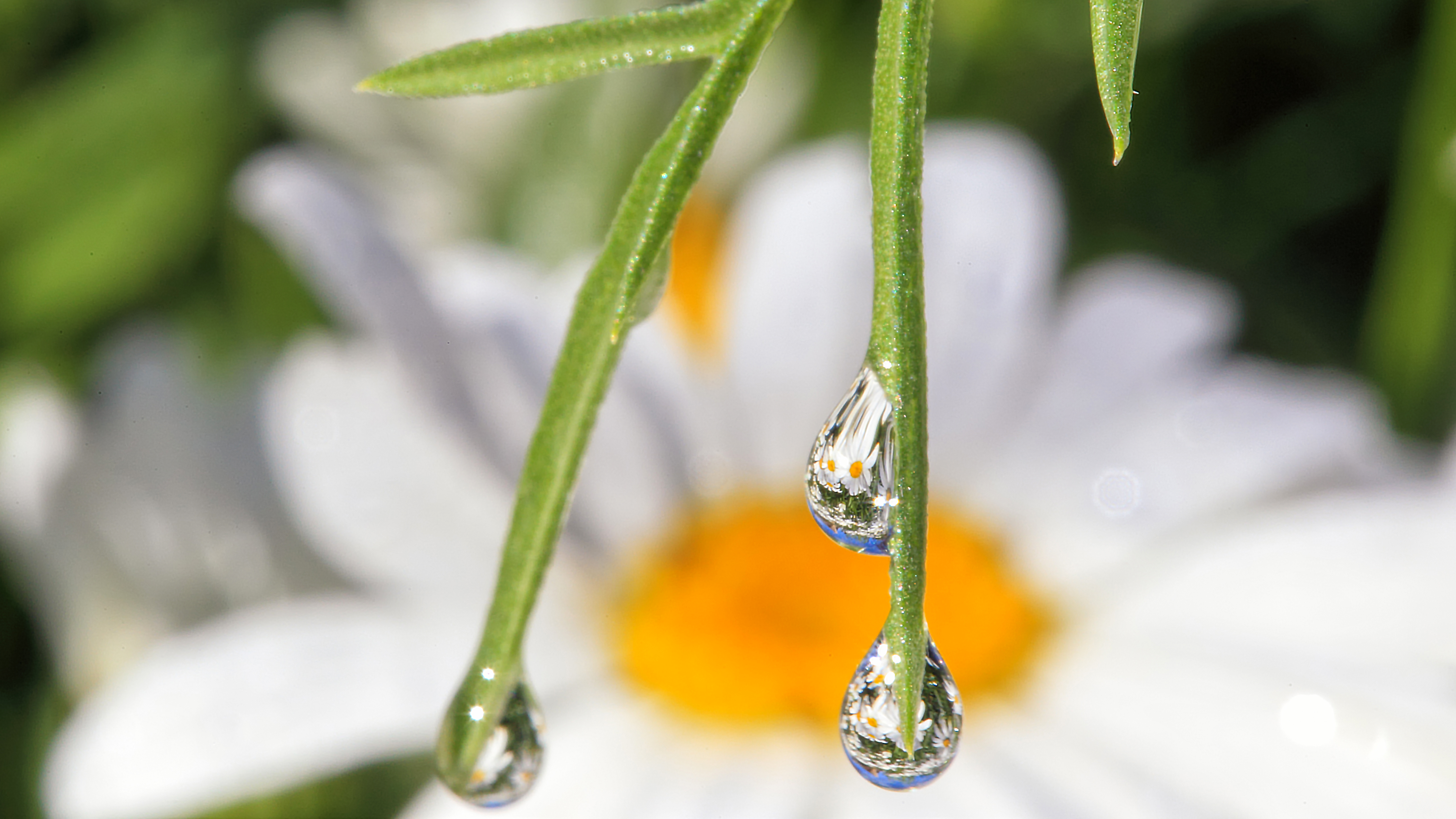
This daisy—growing wild in the Colorado mountains—reminded me of resilience. Its stem was soft, but its roots clung fiercely to the windblown slope. When I photographed it, I felt as though the mountain itself was whispering through its petals. Texture, in this way, becomes not just tactile—but ancestral.
“To touch the Earth is to return to the field. Nature’s textures are her memory lines.” ~ Robbie George
The Scent of the Wild
While sight and touch introduce us to nature’s presence, scent carries us deeper—into memory, into instinct, into the invisible architecture of the field. In my work with the Unified Water Theory, I’ve explored how water stores memory. But the air—infused with the scent of pine, moss, petrichor—is memory in motion.
When I stand in a forest after a storm, the scent of wet leaves rises like a field note from the Earth. That smell is not just pleasant—it’s vibrational. It bypasses thought and moves straight into the limbic system, awakening something older than words. Petrichor is the name given to the earthy aroma after rain, but for me, it’s the breath of a landscape remembering itself.
While my photographs cannot capture scent, they can suggest it. A mist-covered meadow, a fog-laced river, or the bloom of wildflowers at golden hour—these are invitations for your senses to participate. Let your memory do the rest. That’s what I call olfactory photography: images that carry the trace of a scent too sacred to name.
“Some photographs carry a scent. You don’t smell them—you remember them.” ~ Robbie George
The Taste of Fresh Air
Taste is rarely mentioned in the context of nature photography—but I’ve come to understand it through breath. When I inhale on a coastal cliff or a mountain summit, there is a flavor to that moment. The crispness of alpine air, the briny bite of ocean wind, the earthy exhale of pine forest—each one leaves a trace not on the tongue, but on the soul.
In Fresh Air & Water’s Memory, I explore how breath itself is a quantum act—a communion between inner and outer field. The taste of clean air is more than chemistry; it’s coherence. Each breath is a reset. Each inhale carries the frequency of where you are. And that frequency is nourishment.
My goal is to create images that feel like a deep breath. Photographs of open horizons, snow-covered ridges, or windswept dunes become symbolic invitations—portraits of the places where air is still wild, still alive, still filled with the raw information of the Earth.
“To breathe is to taste the field. The wild air carries more than oxygen—it carries memory.” ~ Robbie George
Reconnecting Through Mindfulness
In the rhythm of the modern world, we often lose connection with the deeper cadence of life—the stillness beneath the sound, the breath between the tasks. Mindfulness isn’t a practice I layer on top of photography—it is the root from which my photography grows.
When I walk into the wild, I begin by listening. I wait—not for the subject, but for the resonant moment. That’s where photography and mindfulness become one. I explored this in The Daily Spiral—how being present with nature restores our inner geometry. Presence is a field condition, not just an inner state. And nature is the tuning fork.
Whether it’s watching the sway of grasses, the still gaze of an owl, or the ripple of wind on water, mindful observation brings us back to coherence. My camera becomes an extension of my breath. The more present I am, the more whole the image becomes. And in that wholeness, the viewer feels it too.
“Mindfulness is the aperture of the soul. When you’re fully present, nature reveals everything.” ~ Robbie George
The Power of Nature for Rejuvenation
Nature is not a retreat—it is a reset. In the spirals of pinecones, the rhythm of tides, and the breath of forests, we encounter something older than stress, older than fear. As I explored in The Body Is a Field, wellness is not manufactured—it’s remembered through resonance.
When I photograph still waters or golden light filtering through trees, I’m not documenting a scene. I’m capturing the field condition of regeneration. These images become portals—offering viewers a way back into the frequency of calm, clarity, and coherence. Whether through the colors of a wildflower or the hush of snowfall, nature delivers us to a place where healing happens not through effort, but through exposure.
Science now confirms what the body already knows: time in nature lowers cortisol, softens heart rate, and enhances mood. But beyond the data, there is something sacred: nature mirrors our original rhythm. It invites the nervous system to exhale. And that exhale—full, grounded, real—is where rejuvenation begins.
“Nature doesn't heal us. It reminds us we were never broken.” ~ Robbie George
A Call to Awaken Your Senses
The Earth speaks through our senses. When we listen—through vision, scent, touch, sound, and breath—we don’t just observe nature… we remember ourselves. These aren’t separate inputs; they are access points into the field of coherence that sustains all life.
As a photographer, my purpose is to offer images that act as tuning forks—each one helping you realign with the original frequency of calm, awe, and belonging. If you've felt something stir while reading this, that's not by accident. That’s nature knocking through the lens.
I invite you to explore the full Signature Series, where these sensory explorations continue. Or, if you're ready to go deeper, spend a few hours outdoors—without agenda, without your phone, without a goal. Just breathe. Just be. Let your senses come back online and discover the joy of simply feeling alive.
“The senses are not passive. They are instruments of alignment—bridges between the soul and the field.” ~ Robbie George
Continue Your Journey
If this post stirred something within you—if it reminded you of the quiet power of your senses—there’s so much more to explore. Below are some deeply resonant guides, galleries, and writings to support your journey back into nature’s field:
- ➤ Effortless Healing: Boost Your Well-being with Nature
- ➤ The Body Is a Field: How Nature Restores Coherence
- ➤ The Soil Microbiome: Nature’s Breath Beneath Our Feet
- ➤ View Fine Art Prints from the “Wild Eyes in the Wilderness” Collection
- ➤ The Living Code: Explore the Geometry of Nature and the Soul
- ➤ Nature Philosophy: Reimagining Our Place in the Living Field
- ➤ Browse the Full Wildlife Photography Gallery
Wherever you are—whether in a quiet forest, by a running stream, or simply on a screen—let the senses bring you home. Let the wild in.
Naturepedia Connections
This sensory reflection connects to the broader Naturepedia system—where landscapes, wildlife, field observation, ecological pattern, and human presence in nature are understood as part of one living relationship.
- Explore Naturepedia — Enter the larger knowledge system linking species, habitats, seasons, and natural patterns
- Ecosystems of North America — See how forests, coasts, rivers, and mountains shape sensory experience in the field
- Wildlife Behavior & Ecology — Connect awareness, observation, and animal life within living systems
- Wildlife Conservation & Habitat — Understand why protecting living environments protects the experiences they make possible
- Seasonal Wildlife Calendar — Follow how time of year changes light, sound, movement, and field conditions
- Nature-Deficit Disorder — A related look at what happens when human life loses contact with the living world
- Ecopsychology — Explore the relationship between mental well-being, attention, and time in nature
Explore Fine-Art Prints
Bring the season home—browse Wildlife, Landscapes, and Seascapes by National Geographic–published photographer Robbie George. See framing, editions, and care on the Collectors page.
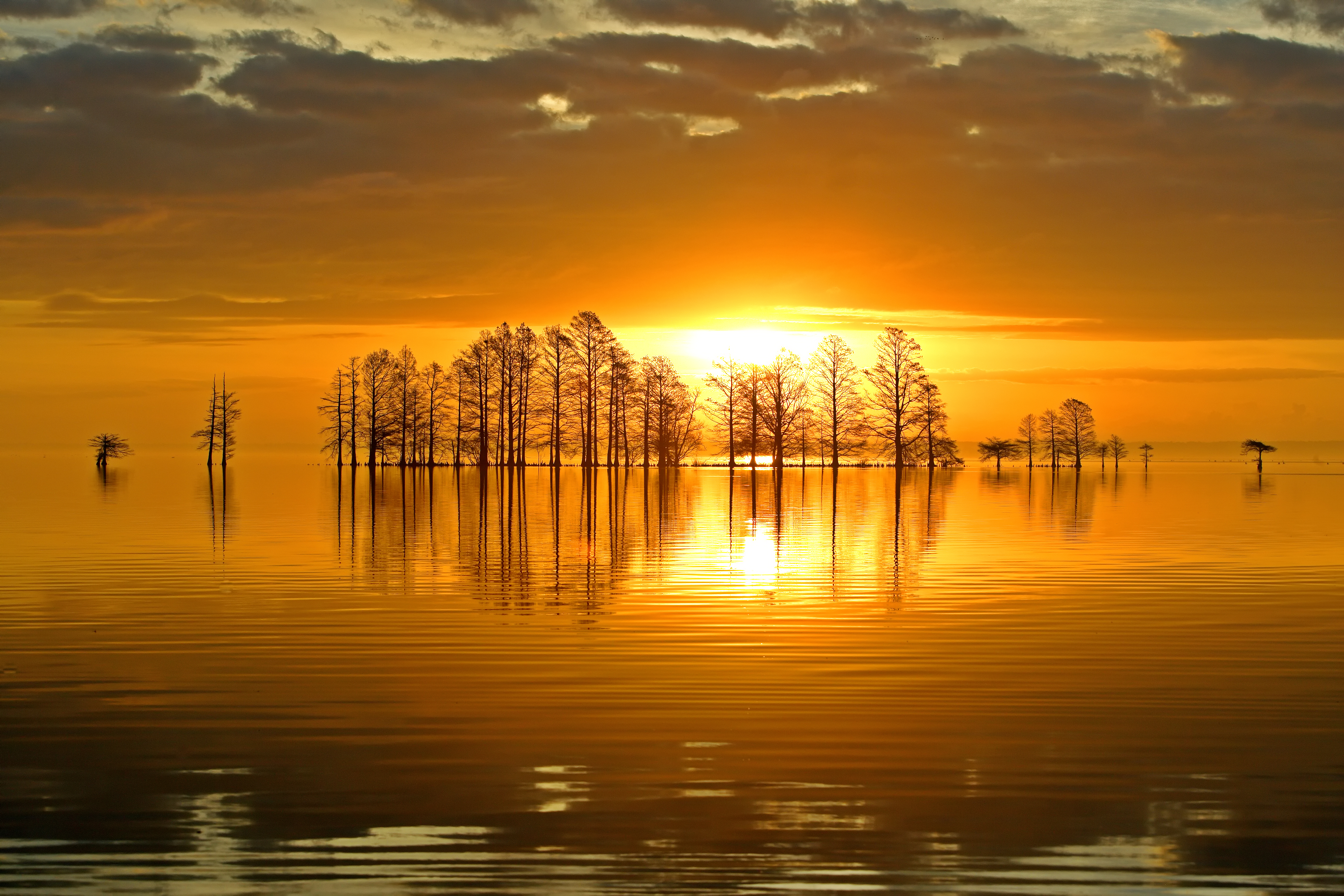 Landscape
 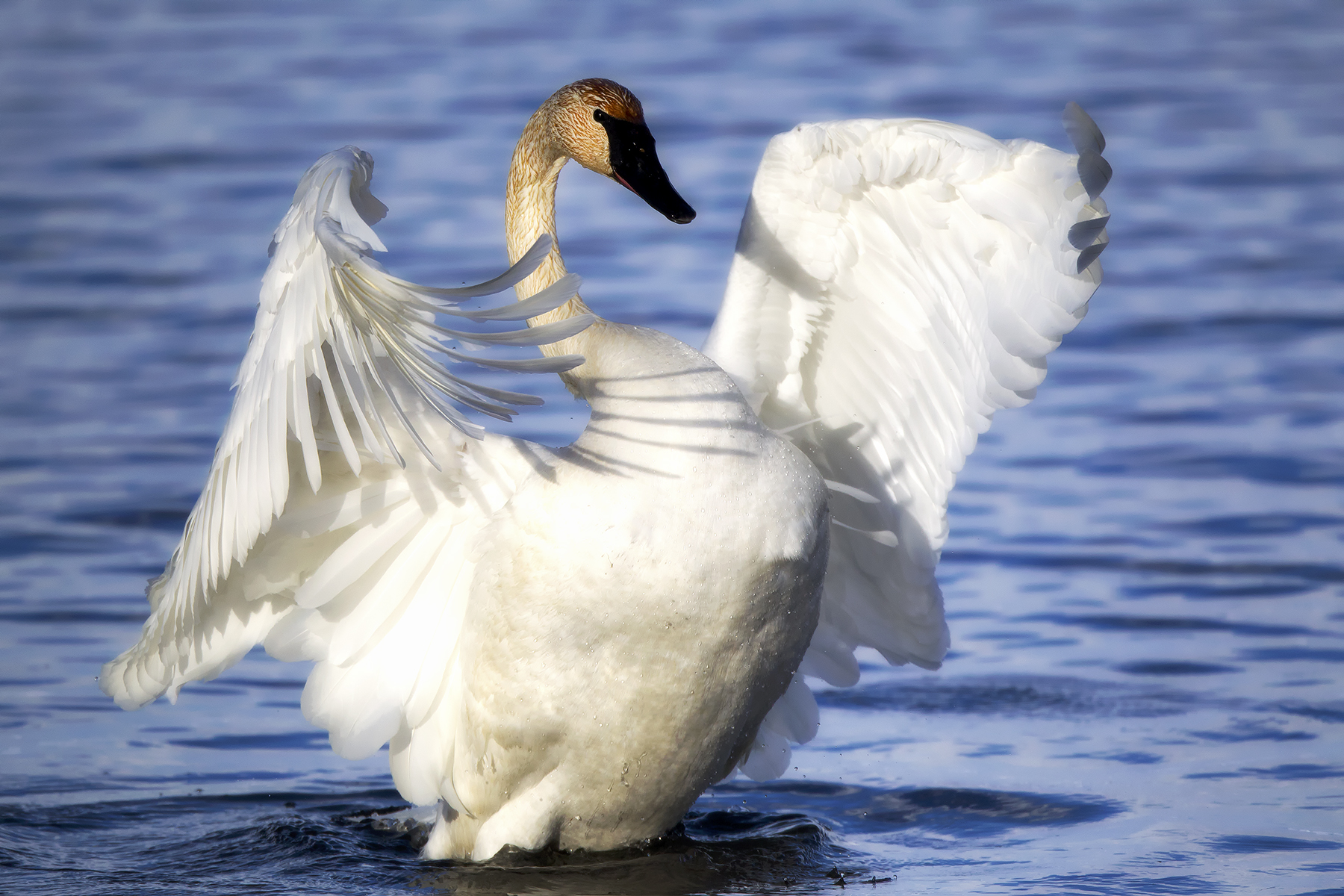 Wildlife
 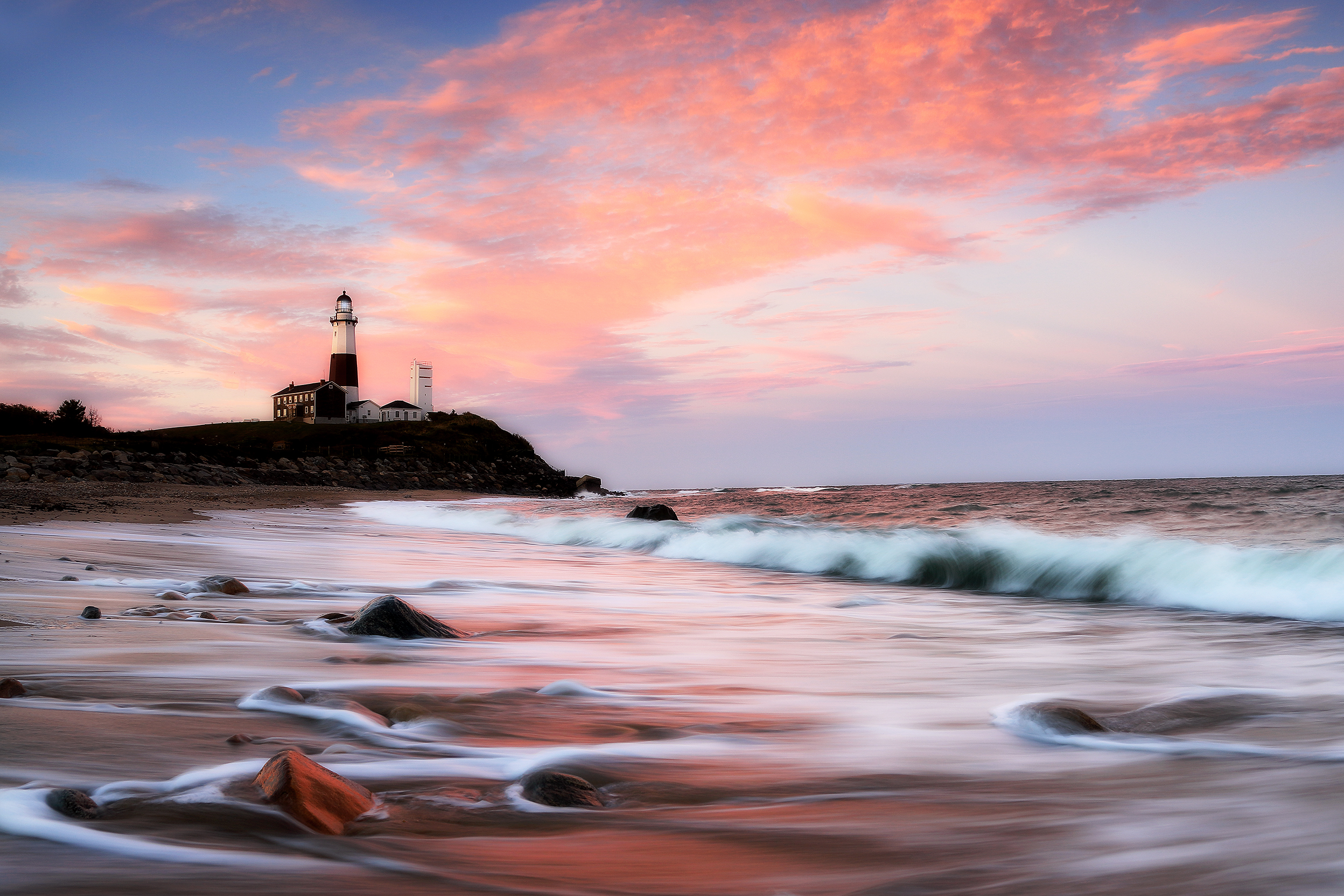 Seascapes
About Robbie George
Robbie George is a National Geographic–published photographer and resonant naturalist. His fieldcraft follows a simple ethic—distance first, habitat always— shaped by Slow Knowledge and the Signature Series.
Explore calm, undisturbed behavior in the Wildlife Gallery or plan your next trip with the Seasonal Wildlife Calendar, Golden Hour & Moon, and Photography Maps.
“Attention first, image second. The shutter is the period at the end of a sentence you learned by walking.”
Frequently Asked Questions About Reconnecting with Nature
- How does nature photography help reawaken the senses?
Nature photography slows you down and brings attention to light, texture, movement, and detail. By focusing on these elements, your senses begin to re-engage with the environment, helping you notice things you might otherwise overlook.
- What does it mean to experience nature with all five senses?
It means going beyond just seeing. In nature, you hear wind and wildlife, feel texture under your hands, smell soil or forest air, and even notice the taste of fresh air. Together, these create a full-body experience of being present in the environment.
- How can I practice mindfulness while spending time in nature?
Start by slowing your pace. Pause, observe, and listen before reacting. Focus on your breath, notice small details, and allow yourself to stay with a moment longer than usual. Mindfulness in nature is less about doing and more about paying attention.
- Can viewing nature photography have real benefits?
Yes. Thoughtful nature photography can create a sense of calm, reduce stress, and reconnect you with natural environments—especially when you can’t physically be outdoors. Images can act as reminders of real experiences in the field.
- Why is spending time in nature important for well-being?
Time in nature has been shown to lower stress, improve mood, and support physical health. Being outdoors helps reset attention, regulate breathing, and reconnect you with natural rhythms like light, temperature, and seasonal change.
- What is the best way to start reconnecting with nature?
Start simple. Take a walk without distractions, leave your phone behind when possible, and focus on what you can see, hear, and feel. Even short periods outside can begin rebuilding that connection.
- Do I need a camera to benefit from nature photography?
No. A camera can help focus your attention, but the real benefit comes from observation. You can practice the same awareness just by slowing down and noticing the environment around you.
- How does nature help restore mental clarity?
Natural environments reduce sensory overload and help your mind shift out of constant stimulation. This allows your attention to reset, making it easier to think clearly, reflect, and feel grounded again.