
Wolves in Yellowstone: History, Behavior, and Impact
A Landscape Changed by a Single Species
There’s a moment in Yellowstone when you realize the wolf is not just part of the scene—it defines it. I’ve stood in Lamar Valley watching a pack move across the snow, and what becomes clear is that everything else is responding to them.
This wasn’t always the case. By the early 1900s, wolves had been completely removed from Yellowstone. Without them, elk populations expanded, vegetation declined, and river systems began to degrade. The system didn’t collapse—but it drifted out of balance.
When wolves were reintroduced in 1995, the change was measurable. Elk behavior shifted. Plants returned. Rivers stabilized. This is one of the most well-documented ecological recoveries in the world and connects directly to broader systems explored in ecosystems, behavior and ecology, and conservation.
What you see in Yellowstone today is not just wildlife—it’s a system functioning closer to the way it was designed to.
“To watch wolves in Yellowstone is to watch balance return in real time.” — Robbie George
On This Page
History of Yellowstone Wolves — Removal, Absence, and Return
To understand wolves in Yellowstone, you have to begin with absence. Before their return became one of the most important wildlife stories in North America, there was a long period when the park had been emptied of them. That absence changed everything.
Wolves were once a natural part of Yellowstone’s ecological structure. They moved through valleys, ridgelines, and river systems as apex predators helping shape prey behavior across the landscape. But by the early 20th century, predator control programs and widespread fear had pushed them out. By the 1930s, wolves were gone from the park.
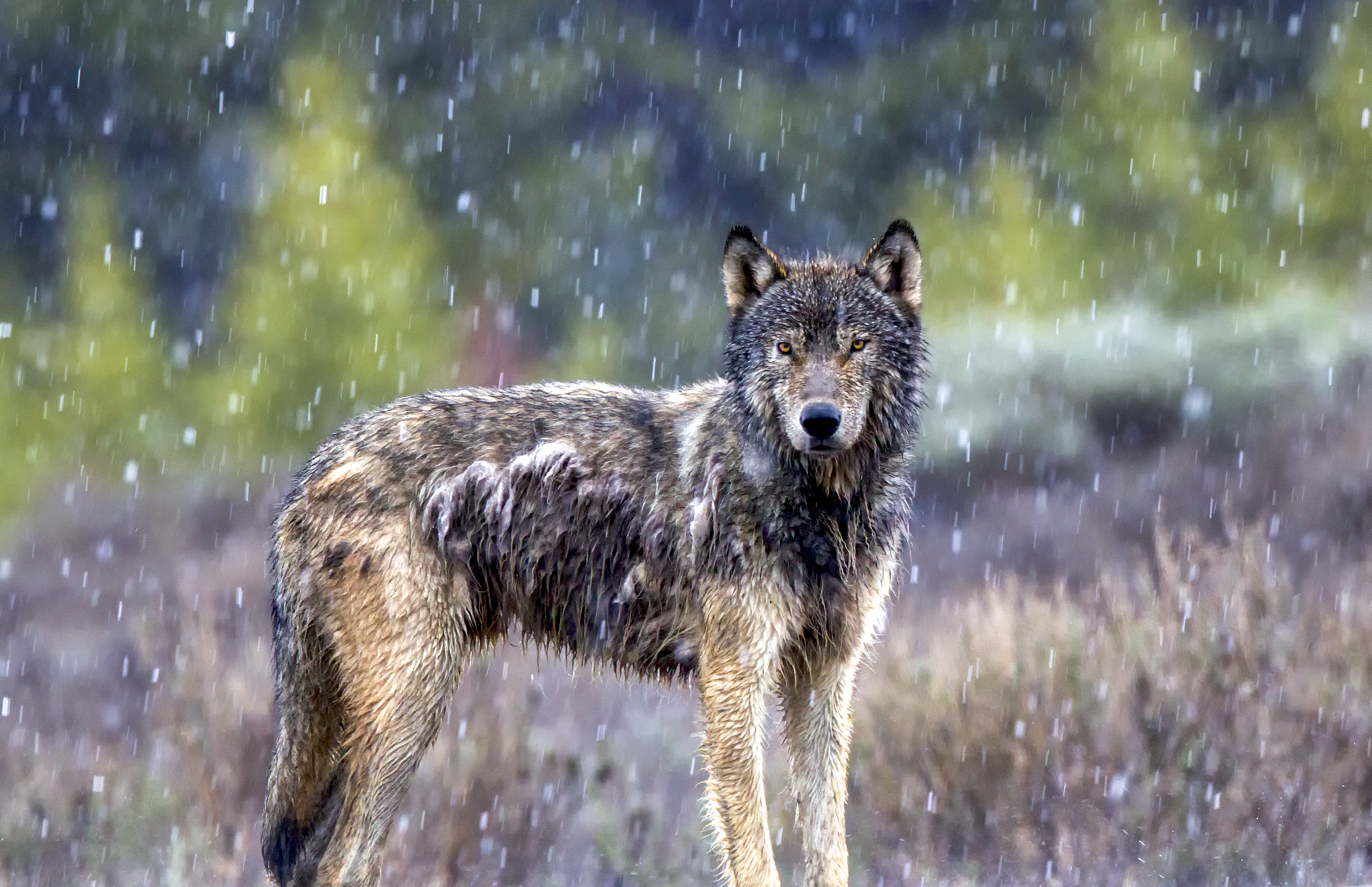
What followed was not instant collapse, but a slow drift away from balance. Without wolves, elk were able to use parts of the landscape differently and more heavily. Over time, that pressure affected vegetation, stream corridors, and the wider web of species connected to those habitats. Yellowstone remained wild, but it was no longer functioning with the same level of ecological tension and regulation.
Then, in 1995, wolves were reintroduced to Yellowstone. Their return marked far more than a species recovery. It became one of the clearest demonstrations of how a predator can help reactivate ecosystem processes. That story now sits at the center of everything we understand about keystone species and trophic cascades.
From my perspective, that is what makes Yellowstone so important. It is not just a place where wolves live. It is a place where we can see, in real time, what happens when a missing predator returns and a landscape begins to remember how to function again. This is why Yellowstone connects so strongly to the larger systems of ecosystems, conservation, and Naturepedia.
Wolf Behavior in Yellowstone — Pack Intelligence and Landscape Awareness
In Yellowstone, wolf behavior is easier to observe than almost anywhere else. The open valleys, especially in places like Lamar Valley, allow you to watch how packs move, communicate, and respond to the landscape in real time. What becomes clear quickly is that wolves are not acting randomly—they are constantly reading their environment.
Wolves operate as coordinated groups. Each pack functions as a family unit, where roles shift depending on conditions. Movement across the terrain is deliberate—using ridgelines for visibility, valleys for travel, and cover when approaching prey. Their behavior is shaped by prey location, weather, terrain, and the position of other predators.
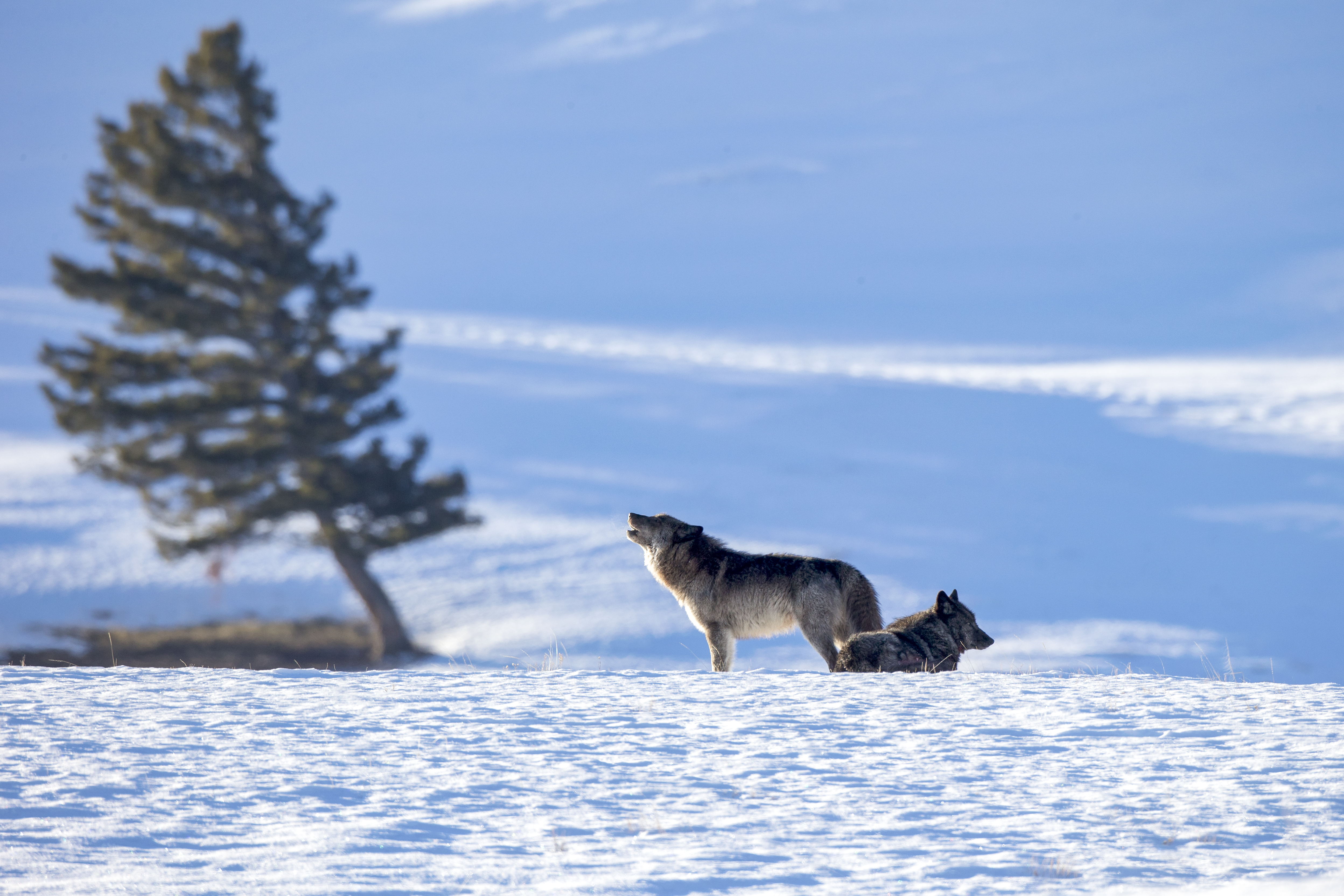
Communication is constant, but often subtle. Wolves use posture, eye contact, and movement to signal intent within the pack. Howling connects individuals across distance, helping maintain territory and coordination. These communication systems are a key part of what we explore in wildlife behavior and ecology.
One of the most important behavioral impacts of wolves is how they influence prey. Elk and deer adjust where they move, how long they stay in one area, and how they use open ground versus cover. This behavioral pressure is one of the primary drivers behind Yellowstone’s ecological recovery.
What you’re seeing in Yellowstone is behavior operating at scale. Wolves are not just responding to the environment—they are shaping it through their movement and interaction. This is why their behavior is so tightly connected to broader systems like food webs and ecosystem dynamics.
Wolf Behavior in Yellowstone — Pack Intelligence and Landscape Awareness
In Yellowstone, wolf behavior is easier to observe than almost anywhere else. The open valleys, especially in places like Lamar Valley, allow you to watch how packs move, communicate, and respond to the landscape in real time. What becomes clear quickly is that wolves are not acting randomly—they are constantly reading their environment.
Wolves operate as coordinated groups. Each pack functions as a family unit, where roles shift depending on conditions. Movement across the terrain is deliberate—using ridgelines for visibility, valleys for travel, and cover when approaching prey. Their behavior is shaped by prey location, weather, terrain, and the position of other predators.
Communication is constant, but often subtle. Wolves use posture, eye contact, and movement to signal intent within the pack. Howling connects individuals across distance, helping maintain territory and coordination. These communication systems are a key part of what we explore in wildlife behavior and ecology.
One of the most important behavioral impacts of wolves is how they influence prey. Elk and deer adjust where they move, how long they stay in one area, and how they use open ground versus cover. This behavioral pressure is one of the primary drivers behind Yellowstone’s ecological recovery.
What you’re seeing in Yellowstone is behavior operating at scale. Wolves are not just responding to the environment—they are shaping it through their movement and interaction. This is why their behavior is so tightly connected to broader systems like food webs and ecosystem dynamics.
Diet and Breeding — Energy, Cooperation, and Continuity
In Yellowstone, what wolves eat is directly tied to how the ecosystem functions. Their primary prey includes elk, deer, and occasionally bison or smaller mammals. But the important part isn’t just what they eat—it’s how they select and pursue prey.
Wolves typically target vulnerable individuals—the old, injured, or weakened. This has a stabilizing effect on prey populations, improving herd health over time. It also reduces overgrazing pressure on vegetation, which connects directly to the trophic cascade effects we see across Yellowstone.
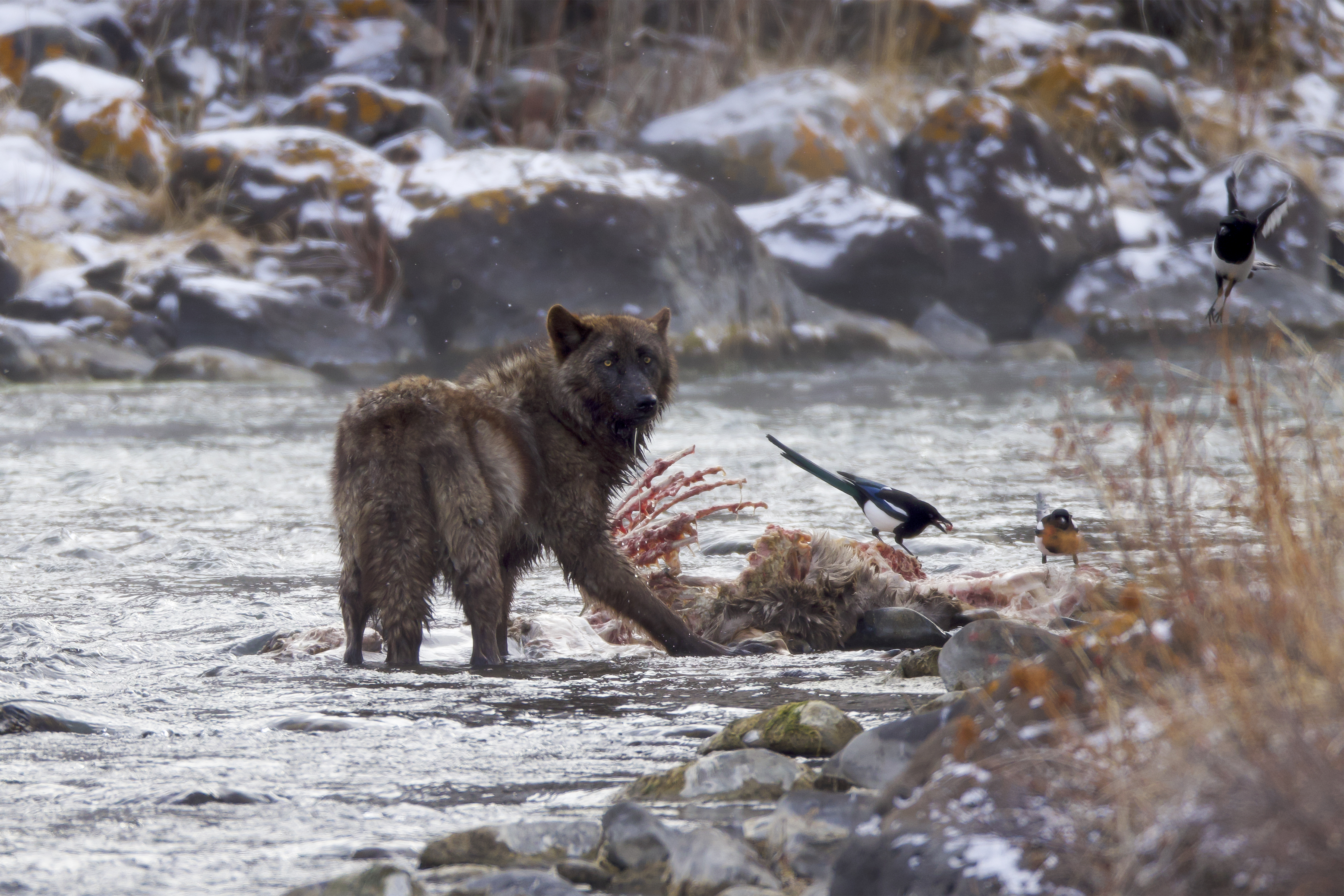
Hunting is cooperative. Packs work together to track, isolate, and pursue prey. This coordination allows wolves to take down animals much larger than themselves. It’s one of the reasons they are such effective apex predators and why they influence prey behavior across large areas.
Breeding follows a seasonal pattern. Wolves mate in late winter, and pups are born in spring. Timing is critical—it aligns with improving weather conditions and increasing prey availability. The entire pack contributes to raising the pups, reinforcing the cooperative structure that defines wolf behavior.
This combination of diet and reproduction is what allows wolves to sustain their role within the ecosystem. Their feeding behavior regulates prey, and their social structure ensures continuity. Together, these processes connect directly to ecosystem balance and the broader systems explored throughout Naturepedia.
Ecological Impact — The Yellowstone Trophic Cascade
The return of wolves to Yellowstone is one of the clearest demonstrations of how a predator can reshape an entire ecosystem. What makes this story so important is that the changes were visible—not just in numbers, but in how the land itself responded.
After wolves were reintroduced, elk behavior shifted. Instead of staying in open valleys and along riverbanks for long periods, they began to move more frequently and avoid exposed areas. This change reduced grazing pressure in sensitive zones.
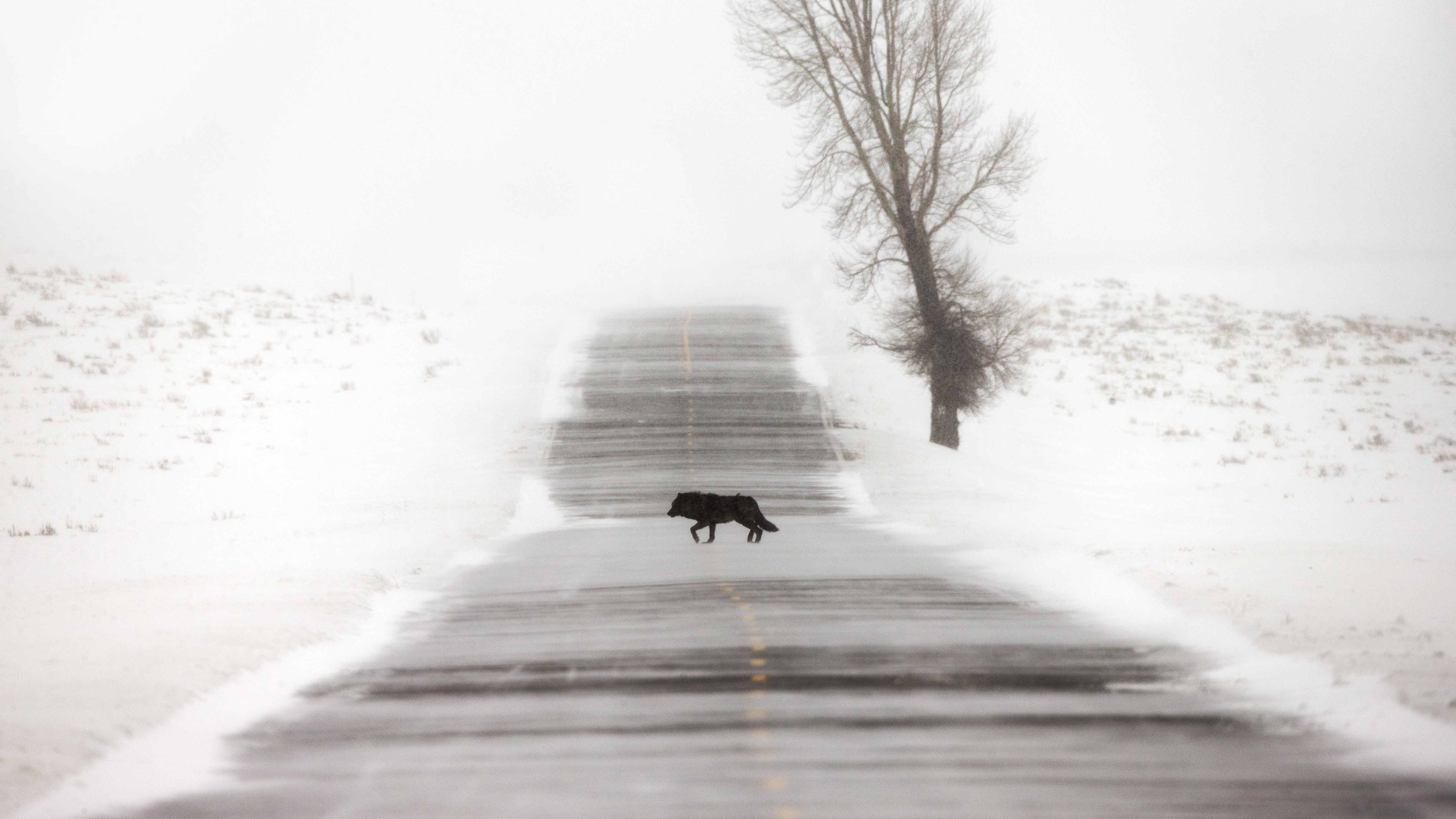
As vegetation recovered, species that depend on that vegetation returned. Willow and aspen stands increased, which supported beavers, birds, and other wildlife. Riverbanks stabilized, reducing erosion and improving water systems. These changes spread outward through the ecosystem.
This chain reaction is known as a trophic cascade. It shows how predators influence not just prey populations, but the structure and function of entire ecosystems.
Yellowstone is one of the few places where this process can be observed clearly. It connects directly to broader concepts in ecosystem dynamics, biodiversity, and the system-level thinking built throughout Naturepedia.
Legal Status — Protection, Policy, and Ongoing Debate
The story of wolves in Yellowstone is not just ecological—it is also legal. Their return was made possible through protection under the Endangered Species Act (ESA), which provided the framework for reintroduction and long-term management.
Within Yellowstone National Park, wolves are fully protected. However, outside park boundaries, their status becomes more complex. Wolves move across large territories, often crossing into areas managed by state agencies where regulations can differ significantly.
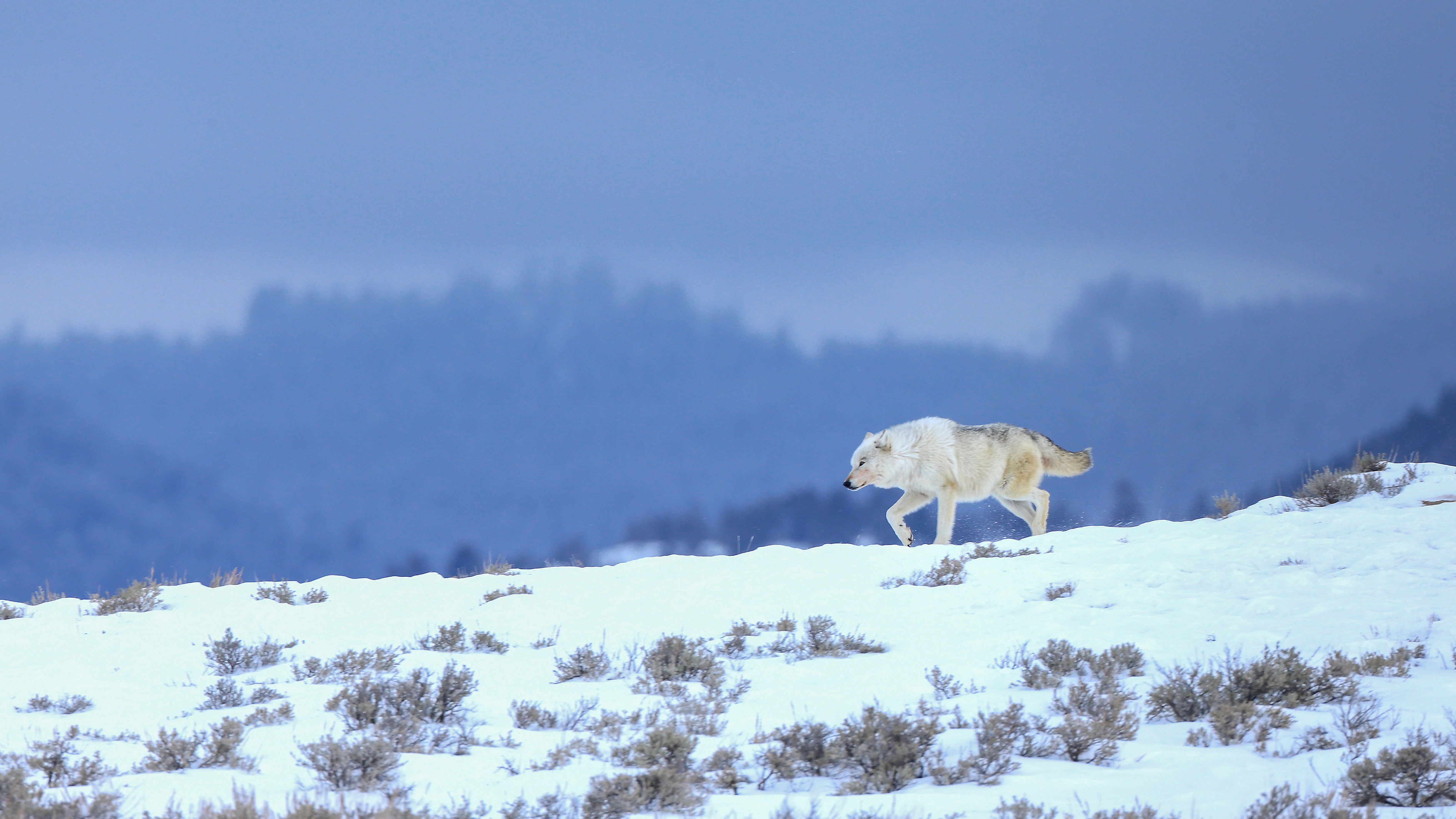
Federal protections have changed over time, with wolves being listed and delisted in different regions. These policy shifts reflect ongoing debates about conservation, land use, and wildlife management. The result is a landscape where wolves may be protected in one area and hunted in another.
This legal complexity highlights a key challenge: wolves operate at the scale of ecosystems, but policies are often defined by human boundaries. Aligning those two systems remains one of the central issues in modern wildlife conservation.
Understanding the legal framework around wolves helps explain both their recovery and the pressures they still face. It is a reminder that conservation is not only about ecology—it is also about policy, perception, and long-term commitment to protecting natural systems.
Legal Status — Protection, Policy, and Ongoing Debate
The story of wolves in Yellowstone is not just ecological—it is also legal. Their return was made possible through protection under the Endangered Species Act (ESA), which provided the framework for reintroduction and long-term management.
Within Yellowstone National Park, wolves are fully protected. However, outside park boundaries, their status becomes more complex. Wolves move across large territories, often crossing into areas managed by state agencies where regulations can differ significantly.
Federal protections have changed over time, with wolves being listed and delisted in different regions. These policy shifts reflect ongoing debates about conservation, land use, and wildlife management. The result is a landscape where wolves may be protected in one area and hunted in another.
This legal complexity highlights a key challenge: wolves operate at the scale of ecosystems, but policies are often defined by human boundaries. Aligning those two systems remains one of the central issues in modern wildlife conservation.
Understanding the legal framework around wolves helps explain both their recovery and the pressures they still face. It is a reminder that conservation is not only about ecology—it is also about policy, perception, and long-term commitment to protecting natural systems.
Wolf Classification — Subspecies, Genetics, and Adaptation
The wolves in Yellowstone are part of the grey wolf species (Canis lupus), but even within that classification there is variation. Different subspecies reflect the landscapes they evolved in—shaped by climate, prey availability, and terrain.
The wolves reintroduced to Yellowstone in 1995 primarily came from Canadian populations, closely related to the Rocky Mountain and Great Plains wolf lineages. These wolves are well adapted to mountainous terrain, cold winters, and large prey like elk.
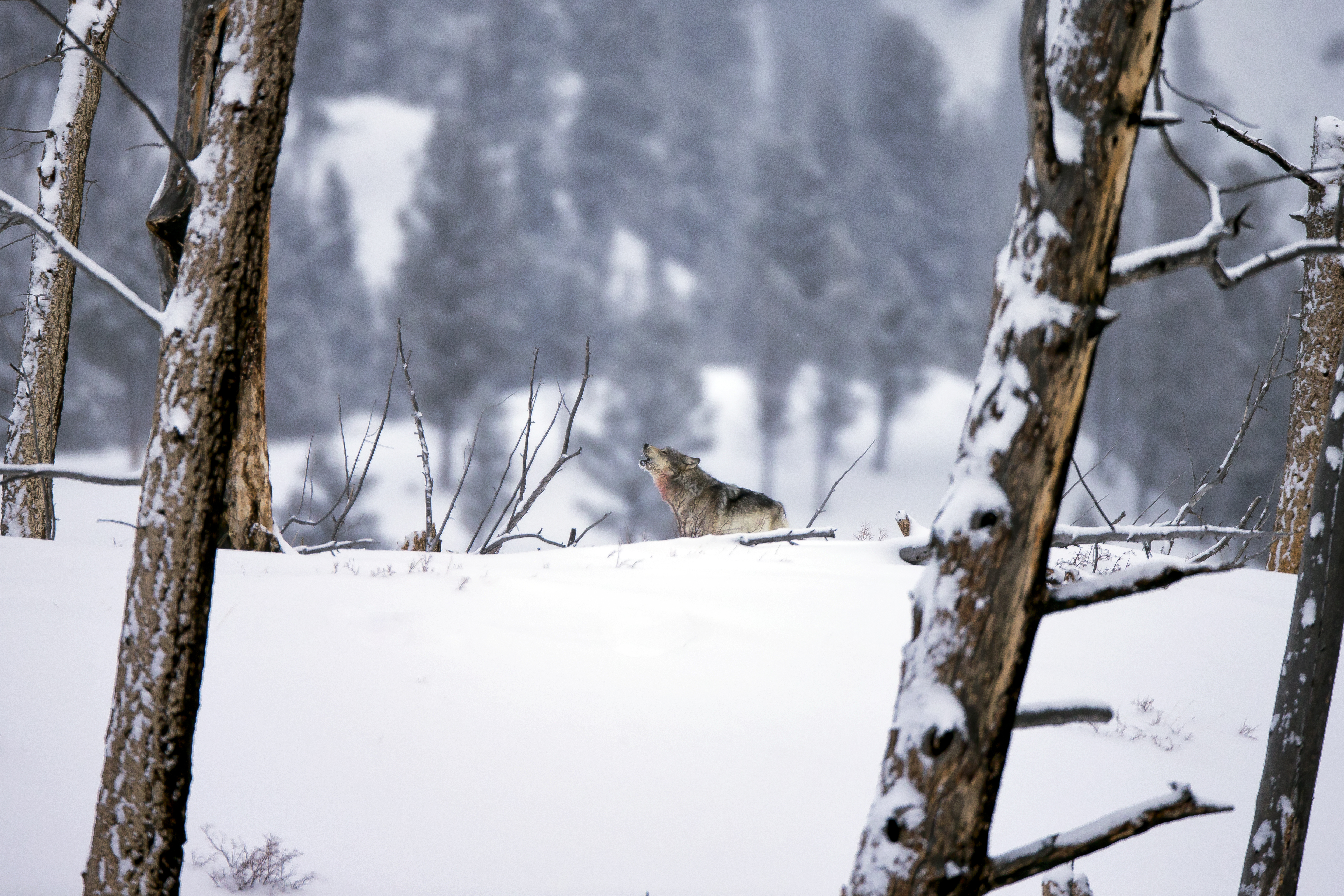
Modern conservation relies heavily on genetics. DNA analysis allows researchers to track lineage, monitor diversity, and detect potential inbreeding. Maintaining genetic diversity is critical for long-term population health and resilience.
Classification is not just about naming species—it is about understanding how populations function and adapt. Different wolf populations may respond differently to environmental pressures, which is why conservation strategies must be tailored to specific regions.
This connects directly to broader concepts in adaptation and survival and how species evolve within ecosystems. In Yellowstone, wolf classification is part of a larger effort to ensure that populations remain not just present, but genetically and ecologically stable.
Observing Wolves in Yellowstone — Timing, Location, and Field Awareness
Yellowstone is one of the few places in the world where you can observe wolves in a natural, functioning ecosystem. But successful observation is not about luck—it’s about timing, location, and patience.
Lamar Valley is the most well-known location for wolf viewing. Its open terrain allows long-distance visibility, making it easier to track movement across the landscape. Early morning and late evening are the most active times, when wolves are traveling, hunting, or interacting within the pack.
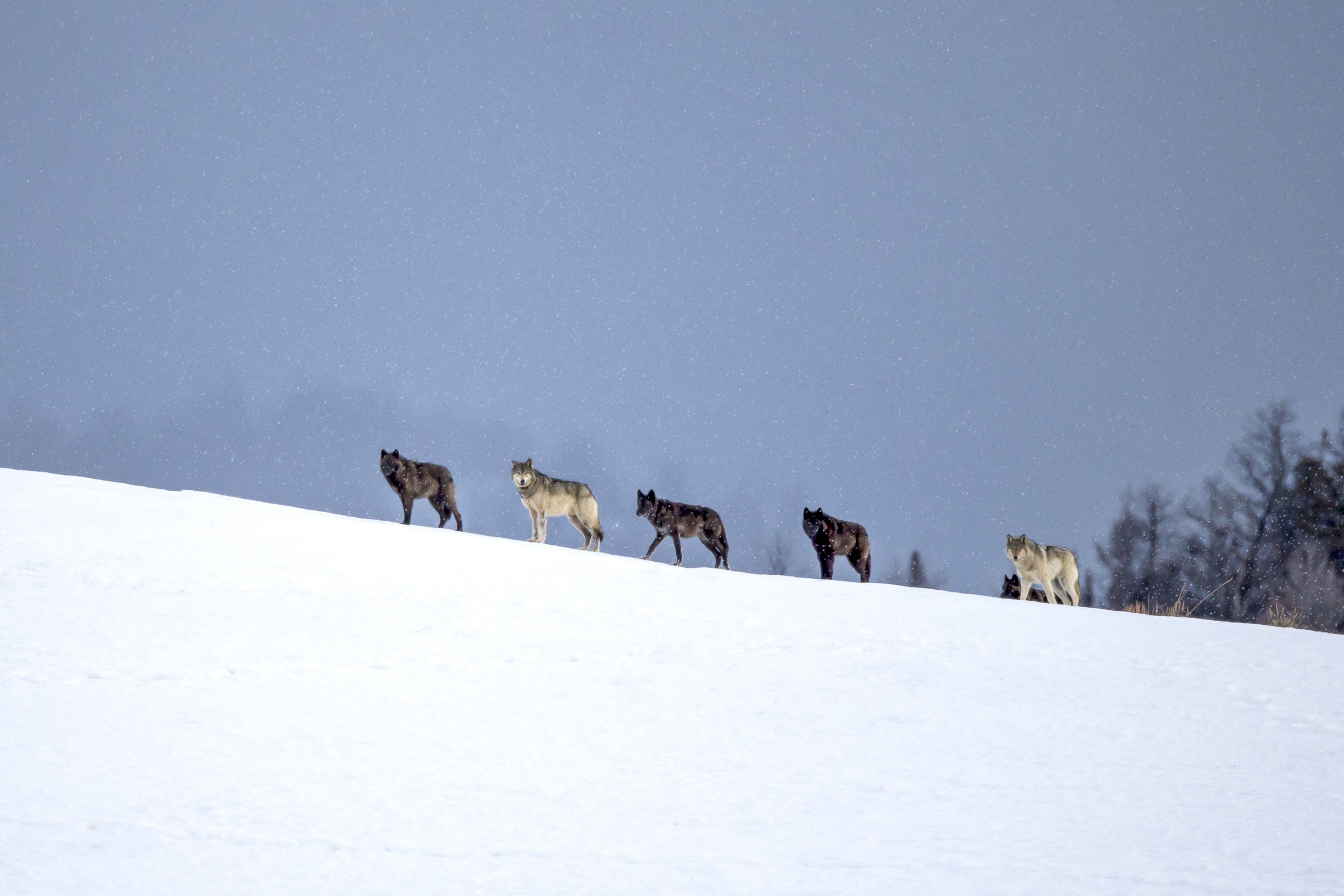
Observation requires distance. Most wolf sightings occur far from the road, often requiring binoculars or spotting scopes. This distance is part of what makes the experience meaningful—you are witnessing behavior as it naturally unfolds, without influence.
Season also plays a role. Winter offers the best visibility, with snow revealing tracks and movement patterns. Summer sightings are less frequent but can provide insight into denning behavior and pup development.
Understanding how and where to observe wolves connects directly to field observation techniques and tools like the seasonal wildlife calendar. These tools help align your presence with the natural rhythms of the landscape, increasing both success and respect for the system.
Observing Wolves in Yellowstone — Timing, Location, and Field Awareness
Yellowstone is one of the few places in the world where you can observe wolves in a natural, functioning ecosystem. But successful observation is not about luck—it’s about timing, location, and patience.
Lamar Valley is the most well-known location for wolf viewing. Its open terrain allows long-distance visibility, making it easier to track movement across the landscape. Early morning and late evening are the most active times, when wolves are traveling, hunting, or interacting within the pack.
Observation requires distance. Most wolf sightings occur far from the road, often requiring binoculars or spotting scopes. This distance is part of what makes the experience meaningful—you are witnessing behavior as it naturally unfolds, without influence.
Season also plays a role. Winter offers the best visibility, with snow revealing tracks and movement patterns. Summer sightings are less frequent but can provide insight into denning behavior and pup development.
Understanding how and where to observe wolves connects directly to field observation techniques and tools like the seasonal wildlife calendar. These tools help align your presence with the natural rhythms of the landscape, increasing both success and respect for the system.
Yellowstone Wolves FAQ
When were wolves reintroduced to Yellowstone?
Wolves were reintroduced in 1995 after being absent for nearly 70 years. Their return is one of the most important wildlife restoration efforts in North America.
Why are wolves important to Yellowstone?
Wolves regulate prey behavior and population, which reduces overgrazing and allows vegetation to recover. This creates cascading benefits across the ecosystem.
Where is the best place to see wolves in Yellowstone?
Lamar Valley is the best-known location for observing wolves due to its open terrain and consistent wolf activity.
Are wolves dangerous to humans?
Wolves are generally not dangerous to humans and tend to avoid interaction. Most sightings occur at a distance.
What is a trophic cascade?
A trophic cascade is a chain reaction in an ecosystem where predators influence prey behavior, which then affects vegetation and other species.
About the Author
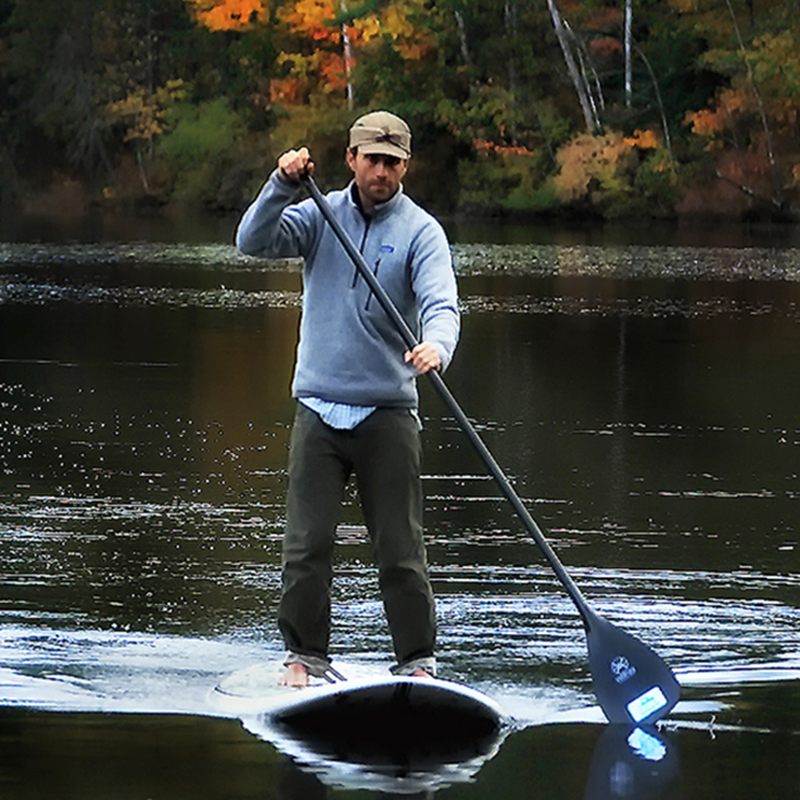
I’m Robbie George, a National Geographic–published wildlife photographer focused on field observation, ecological systems, and the relationship between species and landscape.
My work connects species like wolves to larger systems of behavior, ecosystems, and conservation.
“The longer you watch a landscape, the more you realize it is held together by relationships, not individual species.”