
Learning from the Living World: A Field Naturalist’s Vision for the Future of Education
From Stories to Systems—Why Field Comes First
I was trained by cold dawns and long walks, not dashboards. The future of learning only works if it starts in the field and then returns to the field. That’s why I built Naturepedia as a web of relationships—photons (signal), water (memory), soil microbiomes and mycelium (networks), the carbon cycle (breath). These aren’t categories; they’re portals that help a learner feel how the world actually connects. Our tools—Golden Hour & Moon, Field Tools, and Earth Care—exist to guide attention back to the scene, not away from it.
To protect presence, I’ve been shaping a companion concept I introduced months ago called NatureIQ—a field-first app idea I proposed as part of this vision. NatureIQ would identify what you’re seeing briefly on-device (mushroom, bark, water flow), then nudge you to put the phone down: listen, touch, breathe. Notes and images sync later to your Naturepedia journey. No doom scrolls, no endless feeds—just short prompts that make you a better observer.
Ethically, the backbone must be clean and transparent. That’s why I sketched the compute side in my GaiaGPT posts— Regenerative AI (the why/what) and Hydrogen + Quantum (the how). On-device inference where possible, renewable power when we must go to the cloud, and provenance labels for anything generated. Presence over pixels. Truth over trend.
What’s Emerging: A Living Atlas of Relationships
The web we’re building is not a feed of posts—it’s a field of connections. In Naturepedia, entries like Photons, Water Memory, Soil Microbiome, Mycelial Networks, and the Carbon Cycle act like portals, letting a learner move from light to leaf to soil to culture without breaking the thread. This is the heart of a “Living Atlas”—a map that behaves the way nature behaves: cyclical, reciprocal, coherent.
When institutions choose to connect their archives to this relational fabric—whether that’s field stories, documentaries, or classroom tools—students can plan real outings with the Golden Hour & Moon Phase Planner, explore locations via Photography Maps, and return to the same nodes online to extend what they felt outside. Presence remains the teacher; the web simply becomes the notebook that connects it all.
The Field Standard: Lessons a Screen Can’t Teach
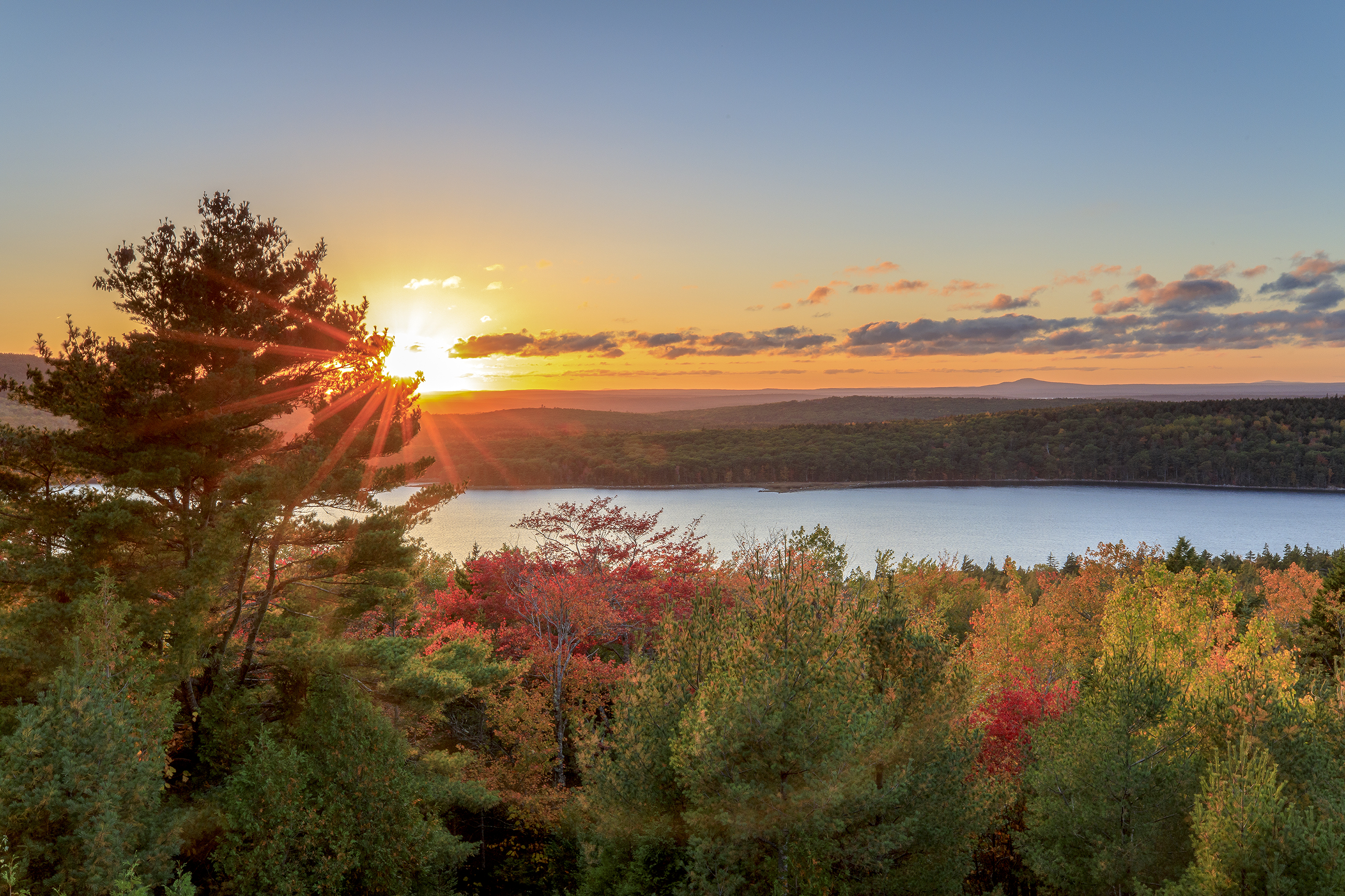
The best teachers I’ve ever had were wind, altitude, and waiting. I remember tracking mountain goats across the Beartooth Range, lungs burning, tripod rattling in gusts. The frame didn’t arrive because I pressed a button; it arrived because I stood still long enough for the ridge to breathe and for light to find its angle. That’s the education I trust—direct perception, patience, and reciprocity with place. My work as a field naturalist & photographer grew out of those hours, not from an interface.
Any learning platform I touch will keep this field standard: brief guidance, then eyes up. Plan with the Golden Hour & Moon Phase Planner, pack a simple kit from Field Tools, and if you’re making images, manage focus and exposure with the Depth-of-Field and Camera Settings calculators—then put the phone away. Nature teaches in seconds and seasons; our job is to be present for both.
When we later connect the dots online—through Naturepedia entries like Photons, Water Memory, and the Carbon Cycle—we’re not replacing the field; we’re honoring it by giving the experience language and continuity. That’s the rhythm I want for students and families: learn out there, name it in here, then go back out again.
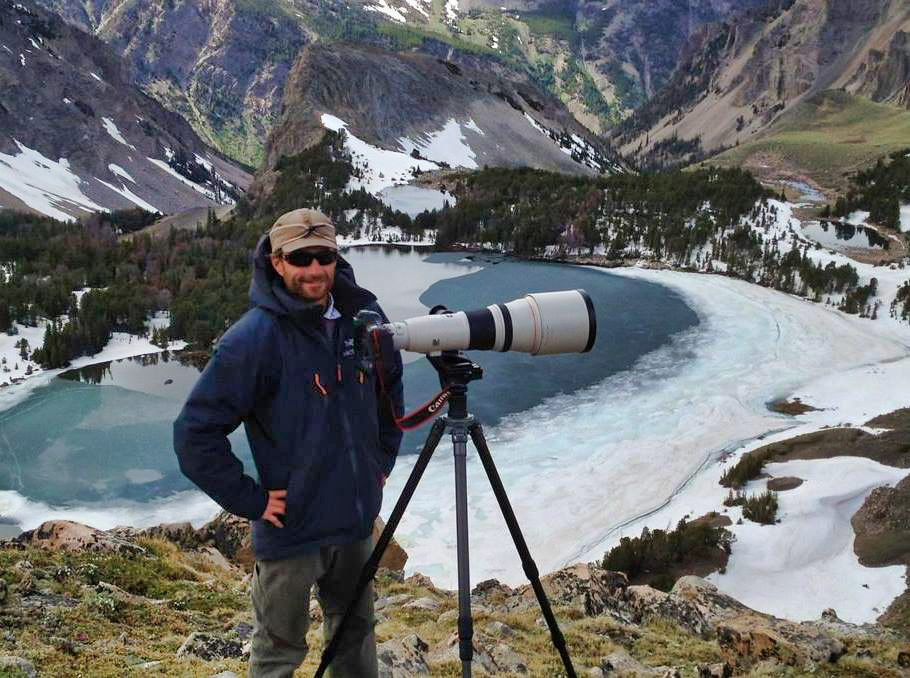
“The world doesn’t need more information—it needs more attention.” Field first, framework second.
Powering the Future Responsibly
If we build learning tools, they must tread lightly. The compute backbone I’ve sketched across my GaiaGPT work pairs Regenerative AI (the mind) with Hydrogen + Quantum (the clean heart). In practice that means on-device inference first for the NatureIQ field app I proposed, renewables-matched or hydrogen power when the cloud is required, and clear provenance labels for any AI-generated visualization—so archival truth and creative models never blur.
Sustainability must be structural, not decorative. Cache Naturepedia packs for offline use, schedule heavy simulations in green energy windows, and publish a simple energy ledger with each release. If our platforms help people plan field time with the Golden Hour & Moon Phase Planner and practice stewardship through Earth Care, then the tech is doing its job—returning attention to the living world while keeping its own footprint small.
Ethics & Guardrails: Presence, Truth, Stewardship
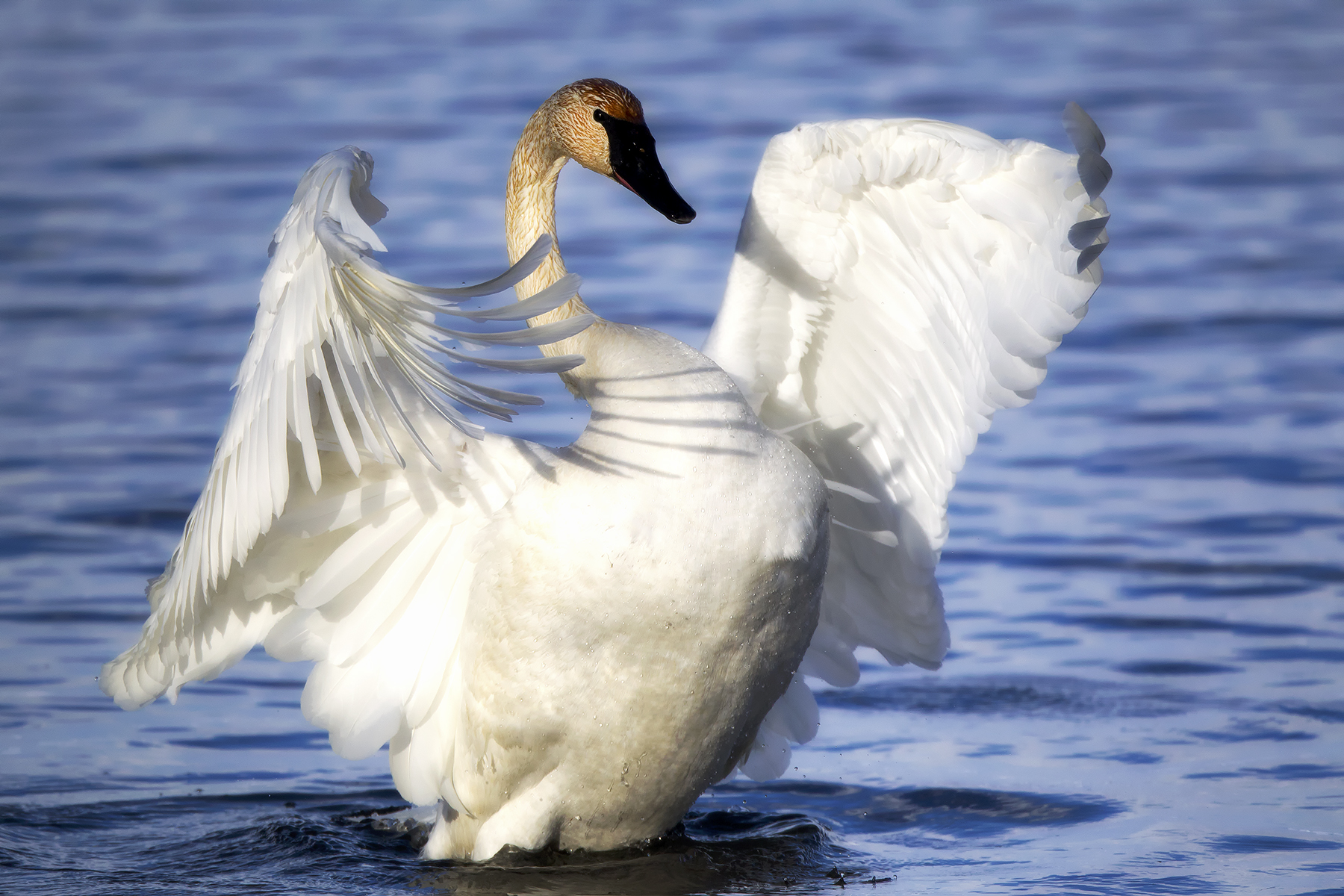
I’ve said it often: presence over pixels. Any learning tech I touch must protect attention, honor field experience, and keep the footprint small. That means short, purposeful interactions (then eyes up), on-device inference first for the field app I proposed—NatureIQ (credit: my concept)—and renewables-matched or hydrogen power when we must use the cloud (see the GaiaGPT pieces: Regenerative AI and Hydrogen + Quantum). It also means provenance labels on any AI-assisted visual so archival truth is never blurred. We’re here to strengthen trust, not dilute it.
I’m equally clear about the social contract: no centralized narratives that erode freedom or field life. A sustainable path must benefit everyone—transparent methods, open explanations, and local stewardship baked in. Practice reciprocity with Earth Care & Stewardship, keep learning grounded in the living systems mapped in Naturepedia, and let families and schools choose when to be offline, outside, and together. If technology can’t return us to the trail—guided by light (Photons), water’s structure (Water Memory), soil life (Soil Microbiome), and breath (Carbon Cycle)—it doesn’t belong in this future. Stewardship is the standard.
Beyond Ecology: Medicine & Culture
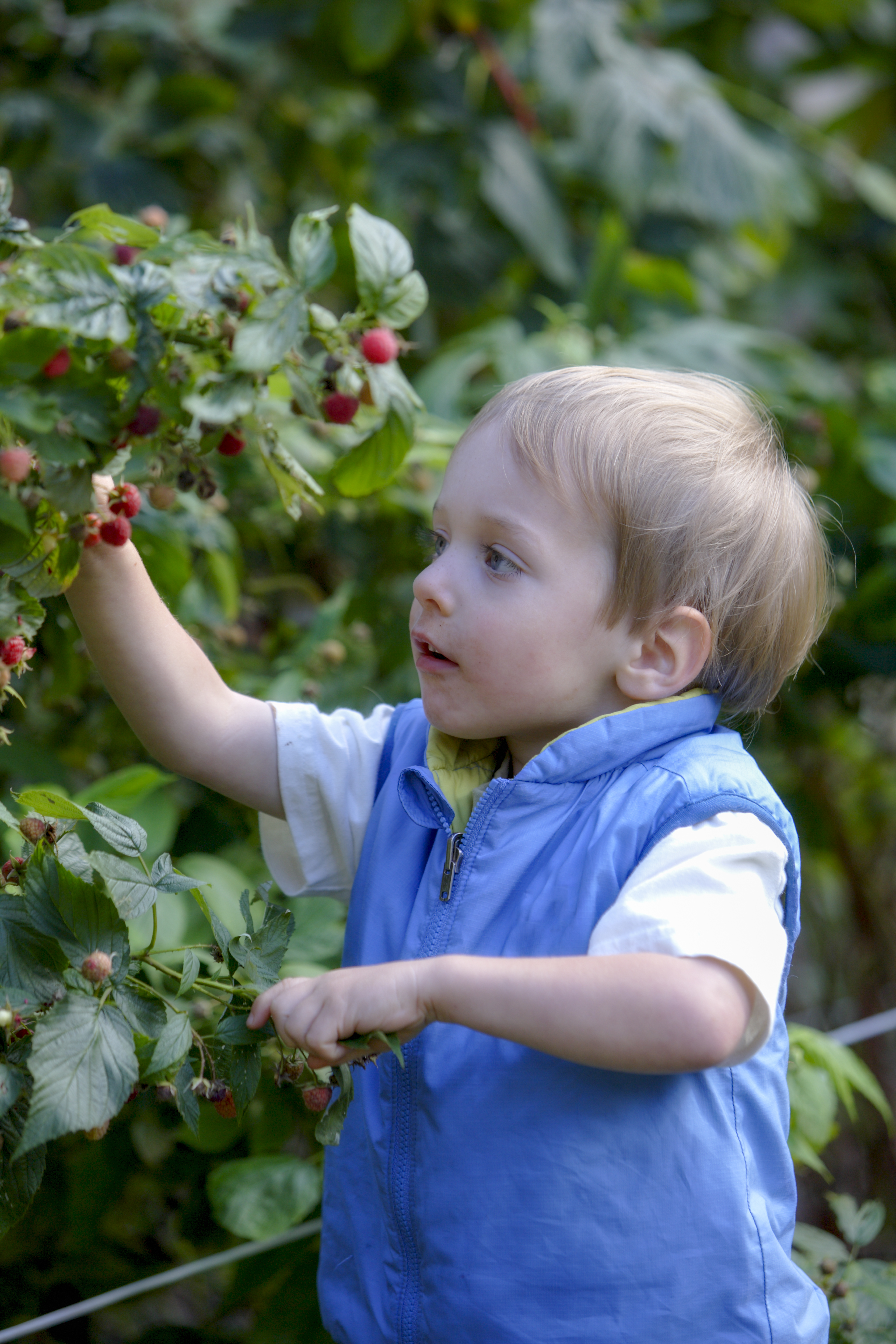
The same logic that heals landscapes can help heal bodies and communities. When we restore soils (Soil Microbiome), rebalance water structure (Water Memory), and align with light cycles (Photons), we see the pattern repeat in human health: rhythm, diversity, coherence. This isn’t an argument against modern medicine; it’s an invitation to remember biology’s first principles and let ecosystems inform our care. My fieldwork in Quantum Agriculture taught me that regeneration is not a niche—it’s nature’s default when conditions support it.
A learning platform built on these truths would connect everyday choices—sunlight, movement, whole foods, microbial diversity, clean water—to the larger cycles we photograph and model. In practice: the NatureIQ field app (my concept) offers brief, presence-first prompts outdoors; later, deeper journeys in Naturepedia reveal how forest mycelium mirrors the human microbiome, or how circadian light patterns tune both leaf and liver. And because truth requires trust, the compute layer follows my GaiaGPT spine—on-device first, renewables-matched when cloud is needed, and transparent provenance for all media (Regenerative AI; Hydrogen + Quantum).
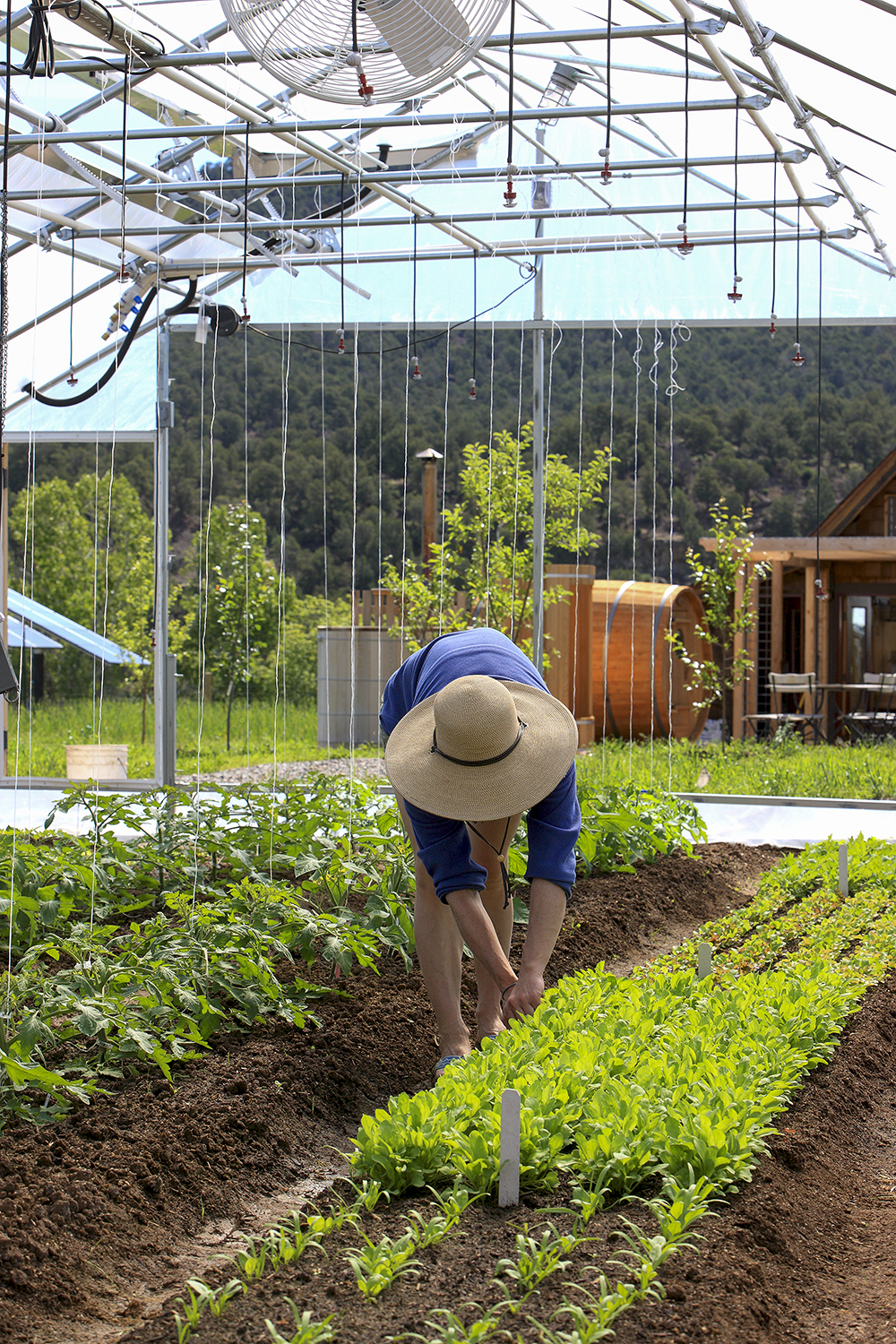
Culture changes when learning is relational, local, and field-led. Families can start in gardens and greenways, schools can time outings with the Golden Hour & Moon Phase Planner, and communities can use shared Field Tools to track seasonal shifts. The future I’m pointing to isn’t a screen-mediated life—it’s an earth-mediated life where technology holds the door, then steps aside. And if these regenerative principles can restore soil and health, imagine what they could do for how we teach—at planetarium scale.
The Nat Geo × Disney Example: Immersive Learning Done Right
Imagine the world’s greatest explorers and storytellers joining forces again. National Geographic’s century of field truth anchors the narrative; Disney brings cinematic craft and scale. Together they could create a Living Atlas experience where students don’t just watch nature—they enter it. In theaters, museums, and planetariums, lessons could unfold across massive domes: a photon’s journey through a leaf, carbon’s breath moving from forest to wetland, or the underground weave of mycelium. Each story rooted in authentic Nat Geo fieldwork, elevated by Disney’s power to translate wonder into feeling. It’s education at its most visceral—truth illuminated by artistry.
Disney already owns National Geographic, and with that comes the world’s largest archive of environmental imagery, expedition reports, and cinematic footage. They’re already primed to do this. The yellow box logo—once a symbol of curiosity—could become the window to the future: a portal through which new generations don’t just learn about Earth but learn from it. A Living Atlas powered by these assets could bring back what made National Geographic sacred in the first place—integrity, depth, and devotion to truth—while inviting the next century of learners to participate directly in that mission.
The same relational map that lives within Naturepedia could guide every immersive lesson: Photons → Water → Soil Microbiome → Mycelial Networks → Carbon Cycle. Students in immersive, dome-like classrooms could trace those pathways in real time—witnessing how light becomes life and life becomes cycle—an education of relationship rather than memorization.
Beyond planetariums, colleges and community theaters could stream synchronized modules for large-scale engagement, powered by my NatureIQ field concept (credit: Robbie George). Outside the dome, students return to the land with NatureIQ on-device—brief ID, then “phone down” guidance—to reconnect the digital experience with the real environment. Inside, AI narrators trained on National Geographic archives could dynamically respond to class questions, drawing from centuries of data and imagery in real time.
To ensure wonder never comes at the planet’s expense, this vision is built on the same sustainable architecture described in my GaiaGPT – Regenerative AI and Hydrogen + Quantum essays: on-device inference wherever possible, renewables or hydrogen-powered data centers for heavy workloads, and transparent provenance labeling for every AI-generated frame. It’s a clean feedback loop—learning that restores rather than extracts. Students learn through wonder, not waste; teachers gain tools without losing truth; and National Geographic finds its roots again— not just telling the story of the world, but helping the world remember itself.
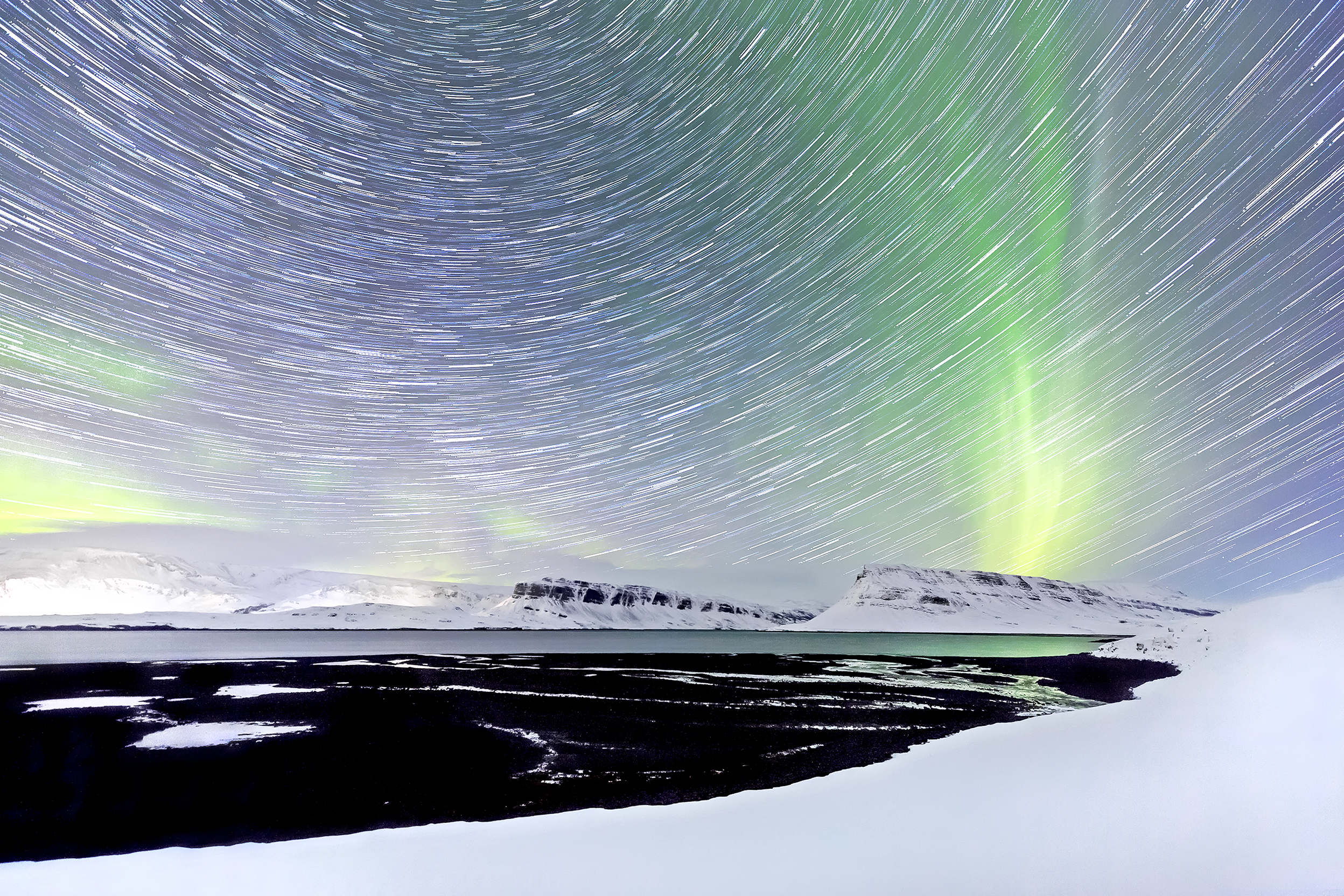
Sky Classroom: Top Space Telescopes Powering Immersive Lessons (2025)
If the Living Atlas becomes reality, its skyward arm already exists: the space telescopes that give us photons from the edge of time.
Immersive theaters and planetariums shine when we pair field truth with the instruments that see beyond our atmosphere. Think of these observatories as the celestial companions to Photons and the spectral story we tell through Water’s Memory (clouds, ice, nebulae). Below is a concise, wavelength-aware guide to the telescopes shaping 2025-era sky modules for the Living Atlas.
Sun–Earth L2 • 0.6–28.5 μm • 6.5 m mirror. Reveals dusty star-forming regions, ancient galaxies, and rich exoplanet spectra.
2025 highlight: spectroscopic signs of moon-forming material in a distant disk.
LEO • UV/optical/NIR • 2.4 m. Still unmatched in UV; pairs beautifully with JWST for multi-wavelength lessons.
2025 highlight: coordinated supernova hunts with infrared follow-ups.
Highly elliptical Earth orbit • 0.1–10 keV. Maps hot plasmas, jets, and cluster weather.
2025 highlight: new structure insights in the “Hand of God” pulsar complex.
LEO • 0.75–5 μm. A brand-new, whole-sky spectroscopic map for 3D cosmology and ices—perfect for “structure of the universe” modules.
2025 highlight: early data probing primordial signatures in large-scale structure.
Sun–Earth L2 • visible/NIR wide surveys. Geometry of the cosmos at continental scale; billions of galaxies in one coherent canvas.
2025 highlight: deepest-yet “dark universe” stack for classroom cosmology.
Also in the Constellation
- XMM-Newton (X-ray, ESA): complements Chandra on quasars & hot halos.
- NuSTAR (hard X-ray, NASA): black-hole accretion, SNR physics.
- Fermi (gamma-ray, NASA): pulsars, blazars—the high-energy sky.
- Swift (GRB to UV, NASA): real-time gamma-ray burst follow-ups.
Coming soon: Nancy Grace Roman (wide-field IR, ~2027) will supercharge survey modules and exoplanet microlensing.
How to Teach This (Planetarium & Theater)
- Module format: JWST IR → Hubble optical/UV → Chandra X-ray; end with Euclid/SPHEREx maps of structure.
- Relational map: link each scene to Photons and a matching Earth analog (fog beams, aurora, river ice) via Naturepedia.
- Field companion: use NatureIQ (credit: Robbie George) after the show—star/planet ID briefly → “phone down” stargazing prompts.
Recency note: mission statuses evolve. Refresh instrument highlights annually each October for accuracy and new discoveries.
An Open Invitation to Disney & National Geographic
If this reaches the right eyes: you already hold the pieces to reshape learning for a century. National Geographic’s yellow box can be a window to the future again—field truth, illuminated at planetarium scale—while Disney’s world-building turns coherence into lived experience. This Living Atlas model replaces certain textbooks with immersive, field-first pathways that learners can walk in theaters, museums, and outdoors. It’s a blueprint for planetary literacy that is clean-powered, provenance-labeled, and presence-protecting by design.
What Disney × Nat Geo Gain
- New Category: Immersive, field-first education (domes, theaters, planetariums, classrooms, parks) guided by a living knowledge graph.
- Archive Revaluation: The Nat Geo library becomes a semantic atlas—relationships (light→water→soil→culture) unlock repeatable journeys and curricula.
- Trust Premium: Provenance labels (archive vs. generated), conservation ethos, and clean compute restore authority and public goodwill.
- Recurring Revenue: School/museum licenses, theater runs, curriculum bundles, family memberships, certified field experiences.
- Brand Legacy: The yellow box returns to its roots—curiosity and truth—now as an interactive window for the next century.
Pilot: Ten Stories, One Web
Re-encode 10 classic Nat Geo features through Naturepedia nodes and deliver an immersive, classroom-ready series:
- Canonical node pages (Photons, Water, Soil Microbiome, Mycelium, Carbon Cycle) with JSON-LD and relational maps.
- Dome/theater scripts & synchronized visual journeys (archive-anchored, provenance-labeled).
- Field companion via NatureIQ (credit: Robbie George): on-device ID → “phone down” prompts → offline packs.
- Energy ledger per release (on-device first; renewables/hydrogen for cloud; scheduled green windows).
Success Metrics: journey depth (nodes/session), time-on-journey, educator adoption, repeat visits, % on-device interactions, sustainability (kWh, gCO₂e/report), and learning outcomes (pre/post concept retention).
Education as Relationship: An Invitation Back Outside
The next classroom is Earth itself. If we do this right, technology doesn’t replace the trail—it holds the door. We map connections in Naturepedia, we plan honest field time with the Golden Hour & Moon Phase Planner, and we keep our tools simple with Field Tools. Presence stays primary. Later, we return to the graph—light, water, soil, mycelium, carbon—to give what we felt a language, and then we go back outside again.
I’m offering a path, not a platform: field-first learning, clean compute (see Regenerative AI and Hydrogen + Quantum), and truth with provenance. Families, educators, and creators can begin now—walk a local wetland, notice how the photons change across an hour, watch the carbon breath of a stand of trees, and let the soil microbiome and mycelial threads reframe “curriculum” as relationship. The work ahead is simple and difficult at once: learn to see, and then live as if what you saw is sacred.
Continue Your Journey
Follow the threads where light becomes form and form becomes memory—then take it back outside.
Explore Fine-Art Prints
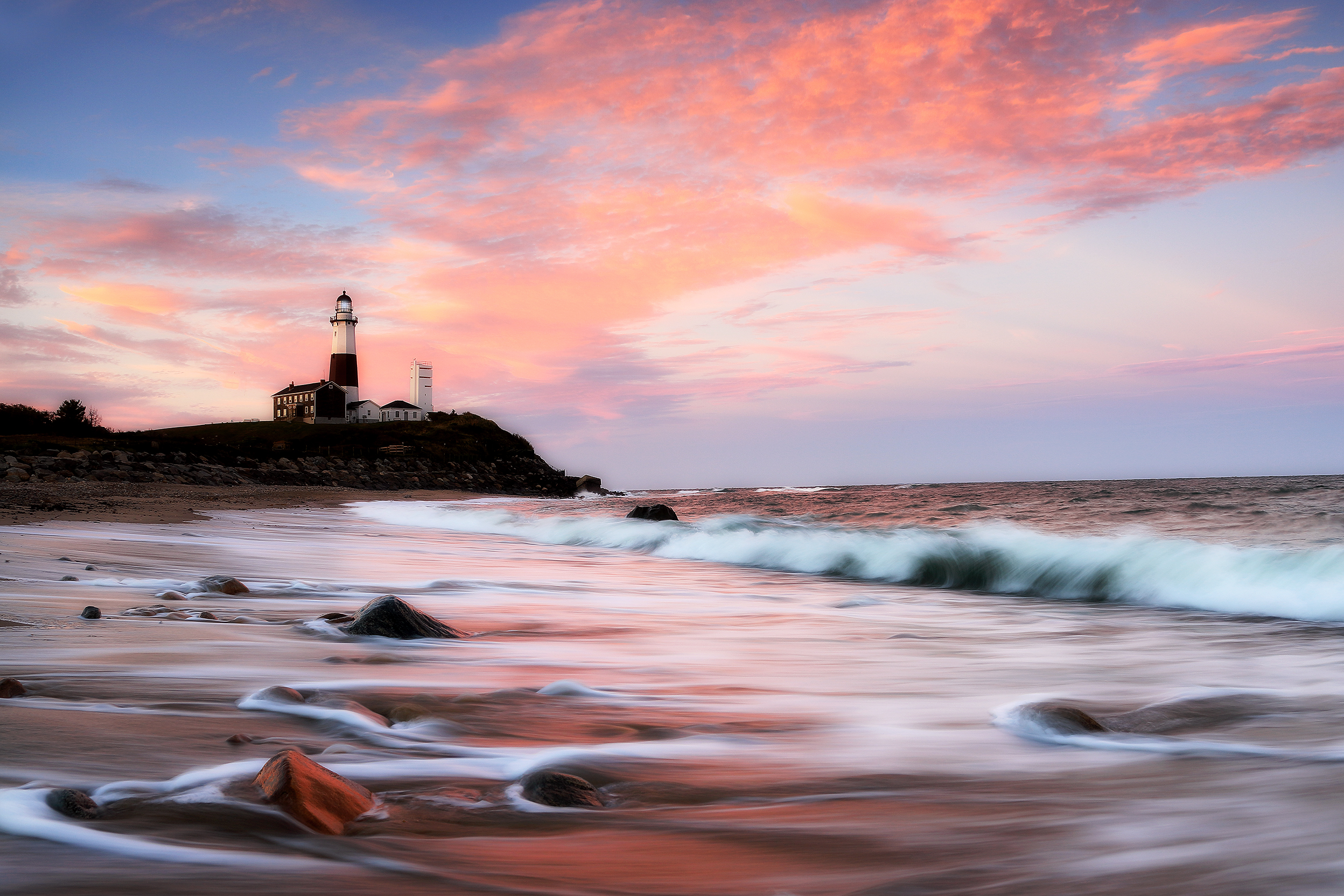
Bring the season home—browse Wildlife, Landscapes, and Seascapes by National Geographic–published photographer Robbie George. See framing, editions, and care on the Collectors page.
 Landscape
  Seascapes
About Robbie George
Robbie George is a National Geographic–published photographer and resonant naturalist. His fieldcraft follows a simple ethic—distance first, habitat always— shaped by Slow Knowledge and the Signature Series.
Explore calm, undisturbed behavior in the Wildlife Gallery or plan your next trip with the Seasonal Wildlife Calendar, Golden Hour & Moon, and Photography Maps.
“Attention first, image second. The shutter is the period at the end of a sentence you learned by walking.”
Frequently Asked Questions
What do you mean by “field-first” learning?
Direct experience comes before screens: plan with tools, step outside, observe with all senses, then return to give the experience language. That rhythm anchors this essay and the interlinked nodes in Naturepedia.
What is NatureIQ and who originated it?
NatureIQ is my field-first companion app concept: brief on-device ID, then “phone down” prompts to deepen attention. Notes sync later to your learning journey—no feeds, no doom scrolls. Credit for the idea: Robbie George.
How do you keep the tech sustainable and truthful?
The compute spine follows my GaiaGPT work—Regenerative AI and Hydrogen + Quantum—prioritizing on-device inference, renewables or hydrogen for cloud tasks, and clear provenance labels for any AI-generated media. Sustainability is structural, not decorative.
Will this increase “nature deficit disorder” or screen time?
The design does the opposite: short interactions, timed locks, and sensory prompts that send you back to the landscape. Presence over pixels is a core ethic.
How could Disney/National Geographic fit into this?
Their storytelling and archives could plug into the Naturepedia graph so learners navigate relationships (light→water→soil→culture) instead of silos. Any build must include environmental guardrails: renewable compute, provenance, and field-first UX.
How do I start today?
Plan a short outing with the Golden Hour & Moon tool, walk a local wetland, then read the connected entries—Photons, Water Memory, Soil Microbiome, and the Carbon Cycle. Presence first; frameworks later.
Painting the Future of Learning—Together
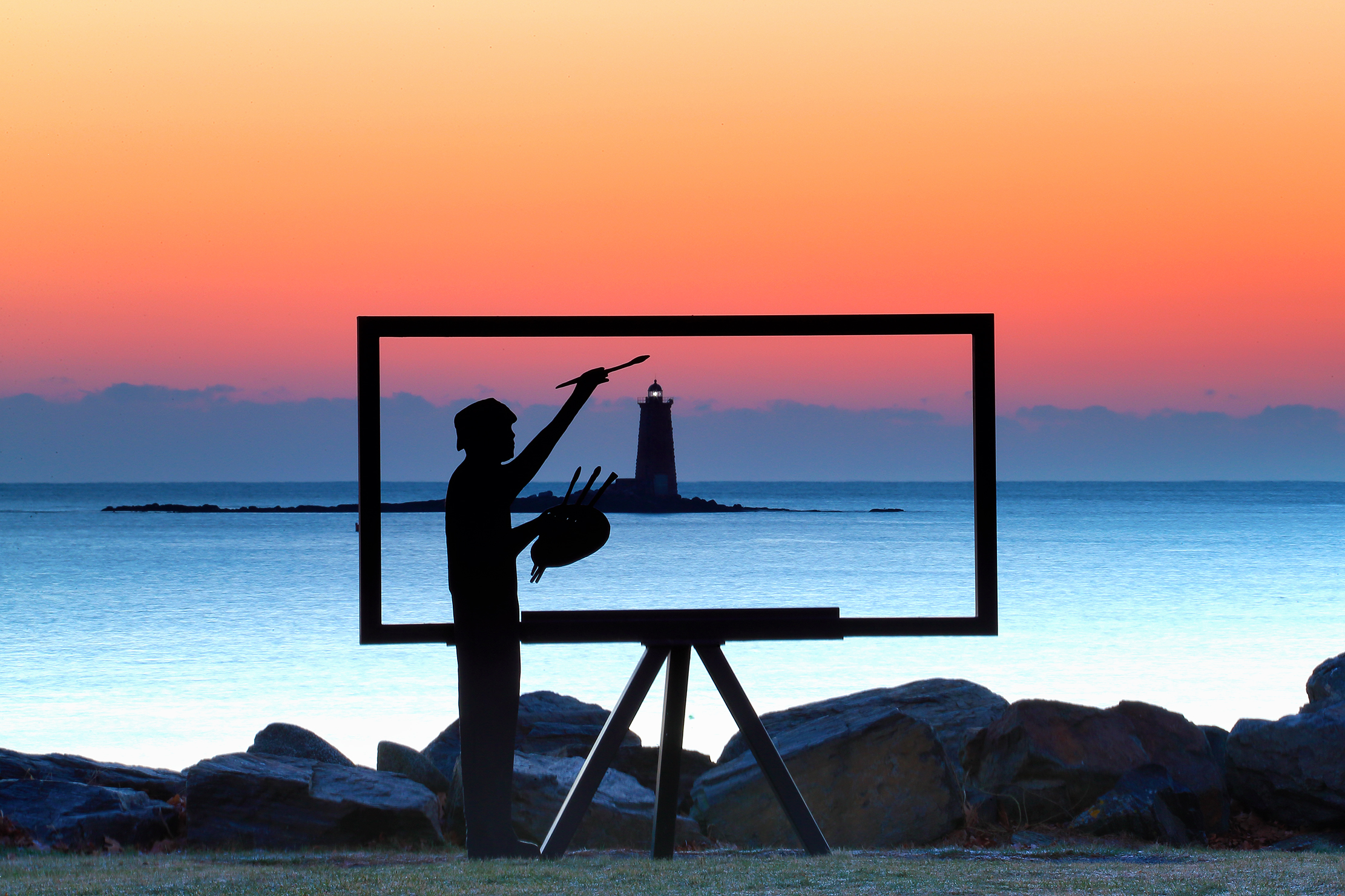
The image that opens this essay shows an iron sculpture of a painter standing against the light of dawn—steady brush lifted toward the Whaleback Lighthouse. I captured that scene in the stillness of early morning, struck by how the statue seemed to paint the sky itself. It reminded me that art, learning, and stewardship are all the same gesture: extending our hand toward what’s real and trying to understand it with care.
That iron figure became my metaphor for this work. Through Naturepedia, the field-first rhythm of NatureIQ (my concept), and the sustainable framework of GaiaGPT, I’m trying to sketch a new kind of learning—rooted in the field, powered cleanly, and honest to its source. It’s not about replacing nature with technology; it’s about letting technology hold the brush while the horizon stays wild.
The painter in iron never moves, yet every morning the light paints him anew. In the same way, each generation will repaint how we learn—one brushstroke closer to balance, one step nearer to truth. My hope is that we remember to look up from the tools long enough to see the sunrise we’re helping to create. That, to me, is what it means to paint the future of learning—together.