
Winter Survival: My Imaginative Journey as a Red Fox with Robbie George Photography
Becoming the Fox: A Journey of Imagination and Instinct
What would it feel like to slip into the fur and field-awareness of a red fox? To step into winter with no coat but the one nature wove for you—and no map but instinct? As I often do in my work through The Living Code, I use imagination as an instrument to enter the wild—fully, humbly, and with reverence.
The red fox becomes more than subject—it becomes teacher. Through its elegant stillness, sudden bursts of energy, and unparalleled sensitivity to sound and vibration, it lives a life that seems almost quantum: one of alertness, presence, and adaptation in each breath.
As I reflect on this creature's life in winter, I sense deep resonance with our human journey. This blog is both a photographic meditation and a field journal of the soul, connecting lessons from the fox to our own instinctive resilience. Just like in bear behavior or the winter strategies of the snow goose, nature offers not just beauty—but blueprint.
“To walk as the fox walks is to remember that intuition is a kind of truth.” — Robbie George
Fox Facts: Nature's Cunning Winter Survivor
- Scientific Name: Vulpes vulpes
- Winter Adaptations: Thick double-layered fur, snow-camouflaged coat, keen sense of hearing used to detect prey beneath snow
- Diet in Winter: Small rodents (mice, voles), birds, carrion, and even berries or roots if needed
- Hunting Style: Ambush predator—listens intently, then leaps vertically and dives into snow to catch prey (a behavior known as “mousing”)
- Vibrational Sensitivity: Foxes may align their pounce to magnetic north, suggesting a possible use of Earth’s magnetic field to triangulate prey
- Range: The most widespread wild canid—found across the Northern Hemisphere, from tundras to forests to urban edges
- Lifespan in the Wild: 3–5 years on average, though some can live up to 10 years if undisturbed
The Red Fox in Winter: A Tale of Survival
Picture yourself in the snowy silence of deep winter. Beneath the stillness, life pulses. As a red fox, I feel the snow not as barrier—but as a blanket laced with scent, vibration, and the hidden rustle of prey. The land is not empty. It listens.
The red fox, Vulpes vulpes, thrives by embracing both cunning and calm. Its winter coat grows dense, brushed with pale hues that blend into frozen forests. With each step, it presses its story into the landscape—reading wind, scent, and snow compression the way a shaman reads runes. Its entire body becomes an antenna tuned to the frequency of survival.
In the same way we attune to inner stillness during life’s harder seasons, the fox sharpens its awareness. It becomes more than predator—it becomes part of the pattern, moving with the rhythm of wind and the pulse of the living ground. Much like the grizzly bear prepares for scarcity through strength and slowness, the fox dances with it through stealth and grace.
“The fox does not force the snow to yield. It listens, and lets nature reveal what it hides.” — Robbie George
Mousing in the Snow: A Leap of Precision
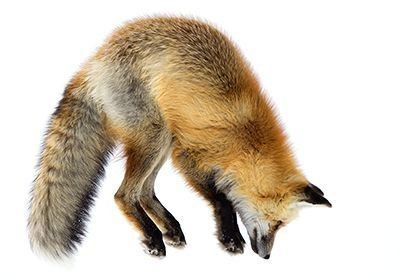
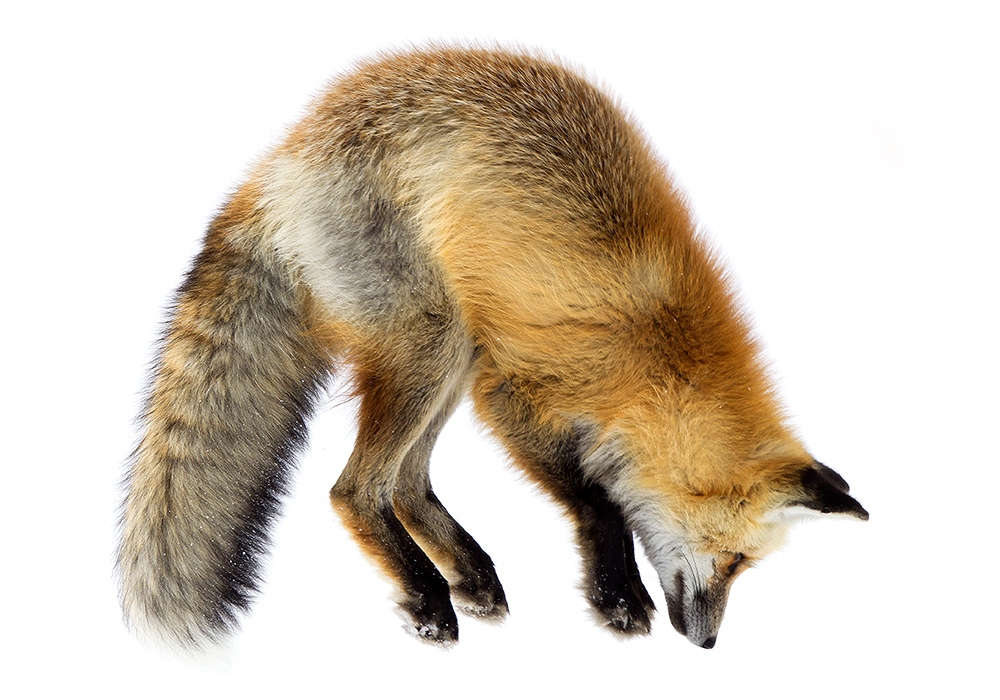
To mouse in the snow is to leap in faith—guided not by sight, but by sound, timing, and the invisible pull of Earth’s magnetic rhythm. As a fox, I crouch low, ears rotating like satellite dishes, scanning for the subtlest tremble beneath the crust. The moment I sense it, there’s no hesitation—only a springing arch through space, headfirst into the unseen.
Scientists believe that foxes may use the Earth’s magnetic field to align their strikes. But I believe—like many creatures attuned to nature’s code—that it is not just magnetism, but resonance. A tuning into the pulse of the field itself. In my Resonance Method, this act becomes symbolic: the fox leaps when it knows, not when it thinks.
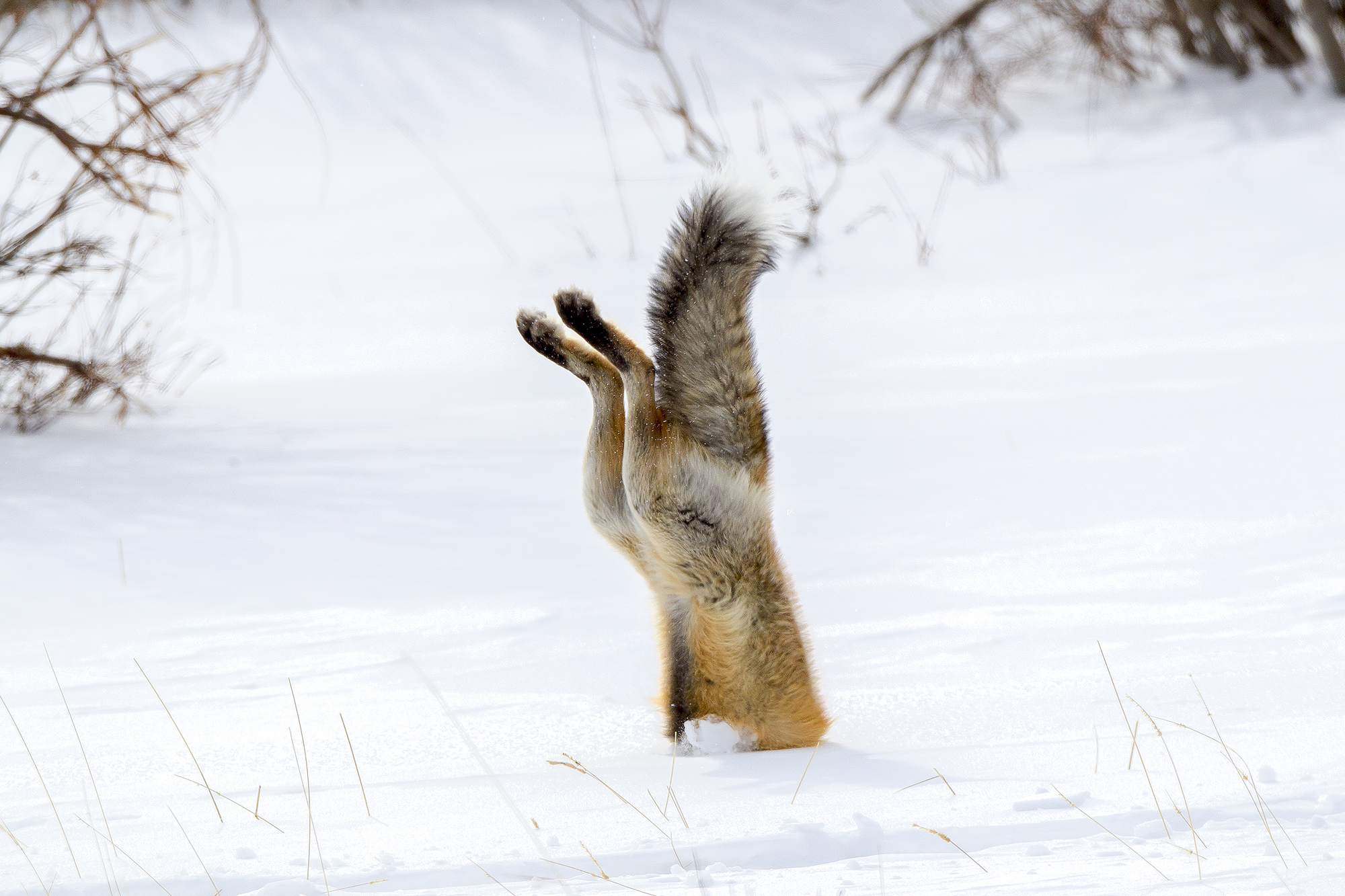
Capturing this moment through the lens is always an act of reverence. The arc of the leap. The tension of the pause. The mystery of what lies beneath the surface. It reminds me of how much of life’s beauty is unseen—until we trust the silence and leap.
“Sometimes nature hides her blessings in the snow. And only those who leap with their ears will find them.” — Robbie George
Capturing the Essence of Winter Survival
To photograph a red fox in winter is to witness both vulnerability and mastery—wrapped in silence and frost. Each frame I compose is not just a portrait, but a story of persistence etched in fur and shadow. I’ve often reflected on National Geographic’s portrayal of the red fox: an animal both beautiful and biomechanically brilliant.
When I photograph foxes in the snow, I’m not just capturing a scene—I’m aligning myself with its rhythm. I wait for breath to settle. For silence to speak. For the moment when instinct takes over and the fox becomes more field than form. Just like in Perfect Faith with the eagle in Wyoming, these moments demand reverence and readiness.
The photograph becomes a field recording. A map of survival. A memory caught in stillness. Through my lens, I try to preserve not just what the fox looks like—but what it feels like to be there with it, in the hush of a winter morning, one breath away from the wild.
“Photography is not about freezing time—it’s about honoring it.” — Robbie George
Parallels to the Human Experience
In the solitude of winter, I find that the fox becomes more than a subject—it becomes a mirror. Just as the red fox adapts to shifting snow and spectral stillness, so too must we adapt to unseen pressures in our lives. It learns to read the silence, leap into uncertainty, and move unseen—not to hide in fear, but to survive in clarity.
That vibrant orange fur? It’s not flamboyance—it’s function. The fox disappears not by blending into darkness, but by stepping into wavelengths others cannot perceive. What if, as humans, we do the same? When life demands resilience, we often disappear in plain sight—camouflaged by emotion, instinct, or silence. Like the fox, we are not always seen, but we are deeply present.
This is the wisdom of winter: that survival is not always about strength, but sensitivity. To live well, like the fox, is to become attuned—to inner signals, outer cues, and the deeper rhythms that govern life. Just as I explore in The Living Code, our nature is not separate from the wild. It is threaded with it.
“To survive winter, we don’t vanish—we resonate beneath the surface, like the fox whose coat glows in a spectrum others cannot see.” — Robbie George
Lessons from the Red Fox
In imagining the world through the senses of a red fox, I’m reminded that wisdom lives not only in thought—but in movement, breath, and instinct. The fox does not overthink the snow. It listens. It trusts the unseen. And when the moment comes, it leaps.
We, too, are called to leap. Whether it's through change, uncertainty, or emotional winter, there are times when calculation fails—and only instinct remains. The fox teaches us to become listeners of the ground, readers of the field, and students of stillness. These are not wild traits. They are human ones, long forgotten.
In Windows of Your Soul, I reflected on how nature strips away illusion to reveal our core. The red fox, in its elegant minimalism, reminds me that everything we need for survival—and grace—is already within us. We don’t need to become something new. We need to remember who we already are.
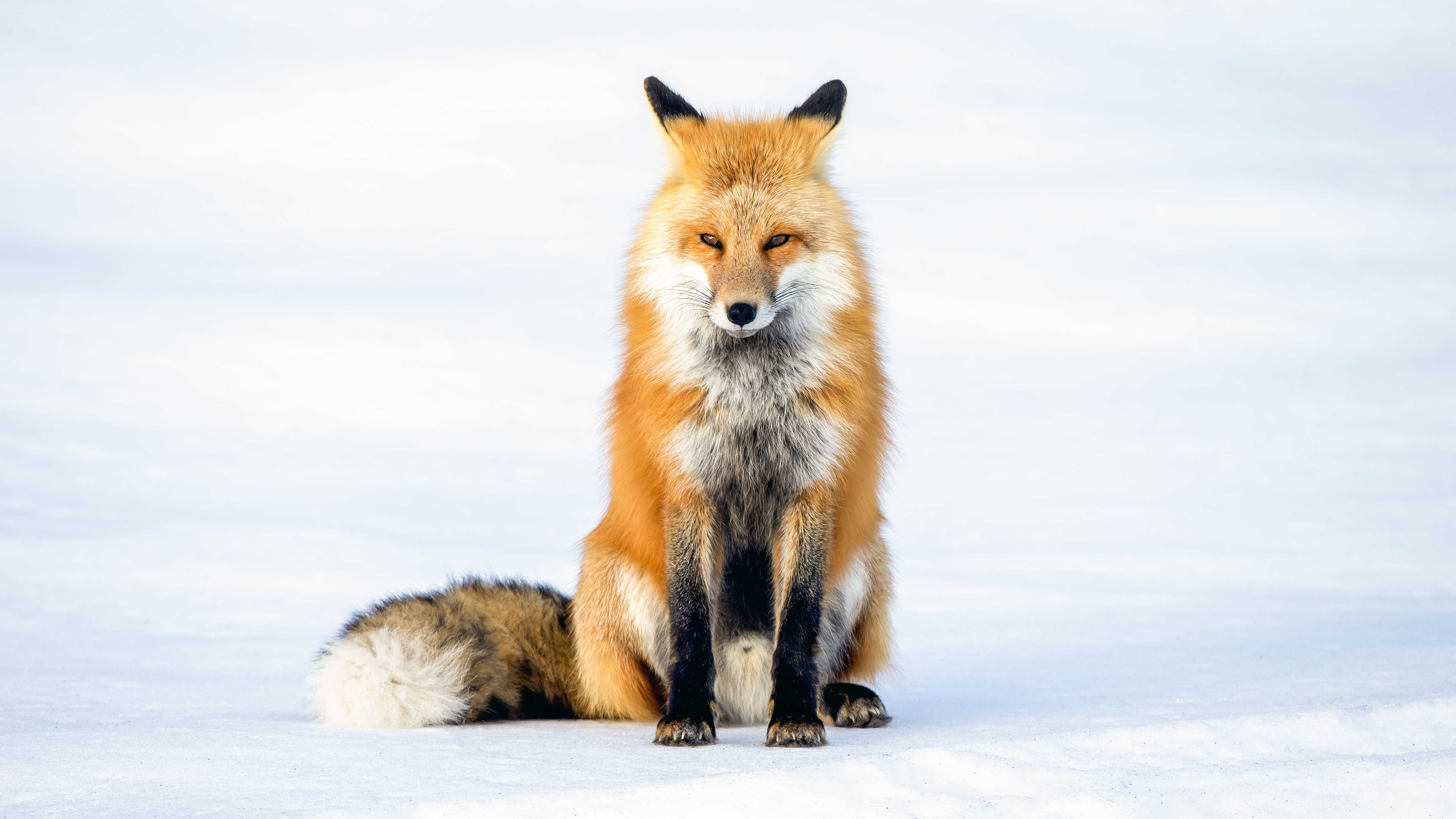
“The fox doesn’t question the snow. It reads the silence, trusts the leap, and lets the wild remember it.” — Robbie George
In Conclusion: What the Fox Remembers
My journey as a red fox in winter may be imagined, but the lessons are deeply real. In nature’s most unforgiving season, the fox reminds us that adaptation is an art—and that true survival is found not in brute strength, but in grace, perception, and precision.
Through Robbie George Photography, each image I share is more than a moment—it’s a map. A way back into relationship with the wild wisdom that animates all things. In the arc of a fox’s leap or the glint of its eye, we see that nature is not “out there.” It’s inside us. It’s the memory of how to live aligned with the field.
As we walk our own winter landscapes—literal or metaphorical—may we carry this fox wisdom forward: Listen to what lies beneath. Leap when the moment calls. And remember that survival can be beautiful.
“In every snowfall, there is a story. And in every fox, a compass for the soul.” — Robbie George
Explore More Winter Wisdom
If this journey alongside the red fox stirred something within you, I invite you to keep exploring the silent truths of winter and wildness. Let these next stories guide you deeper into the language of survival, presence, and perception:
- ❄️ Grizzly Bear: Exploring Ursus Arctos Horribilis — Strength meets silence in the high country.
- 🧭 Windows of Your Soul — A meditation on vision, vulnerability, and field-based awareness.
- 🌀 The Resonance Method — Discover how vibrational perception shapes survival in the natural world.
- 🐾 Bear Facts: Everything You Need to Know — Tracking behavior and intelligence across snowy terrain.
Let the fox lead you through the snow—and let your imagination carry you deeper into the wild.
Naturepedia Connections
This winter fox reflection is part of the broader Naturepedia system—where predator behavior, seasonal survival, sensory intelligence, and field observation connect across a larger wildlife knowledge network.
- Red Fox: Ultimate Guide to Behavior, Habitat & Adaptations — Species ecology, hunting strategy, and fox behavior across seasons
- Mammals of North America — Place the red fox within the larger mammal knowledge system
- Wildlife Behavior & Ecology — Predation, sensory awareness, camouflage, and winter adaptation
- Ecosystems of North America — Forest edges, snowy habitat, and the ecological settings foxes depend on
- Wildlife Conservation & Habitat — Why healthy habitat and reduced disturbance matter for predators and prey alike
- Seasonal Wildlife Calendar — Follow how winter changes visibility, hunting behavior, and movement patterns
- Explore Naturepedia — Enter the full wildlife, ecology, and observation knowledge system
Explore Fine-Art Prints
Bring the season home—browse Wildlife, Landscapes, and Seascapes by National Geographic–published photographer Robbie George. See framing, editions, and care on the Collectors page.
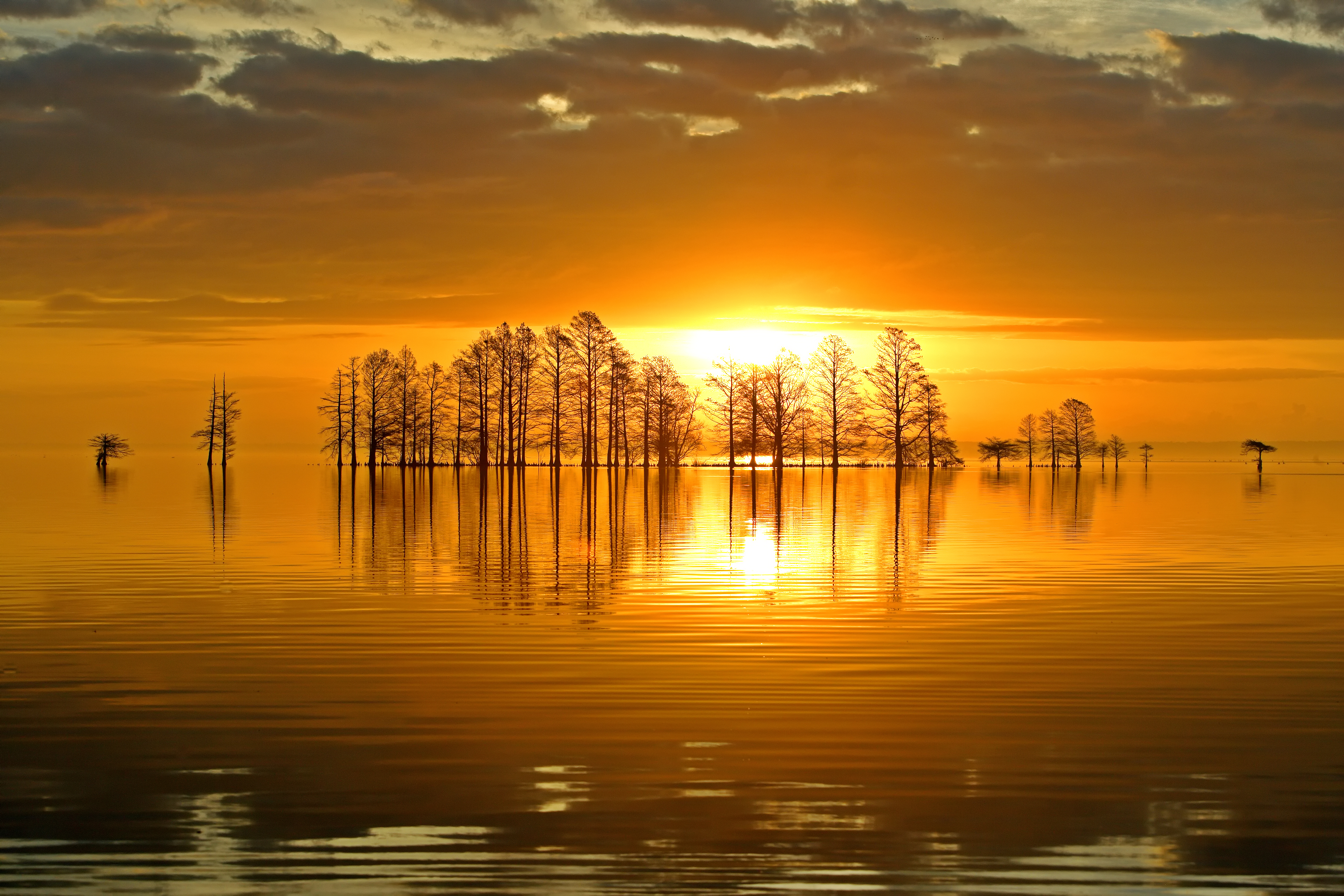 Landscape
 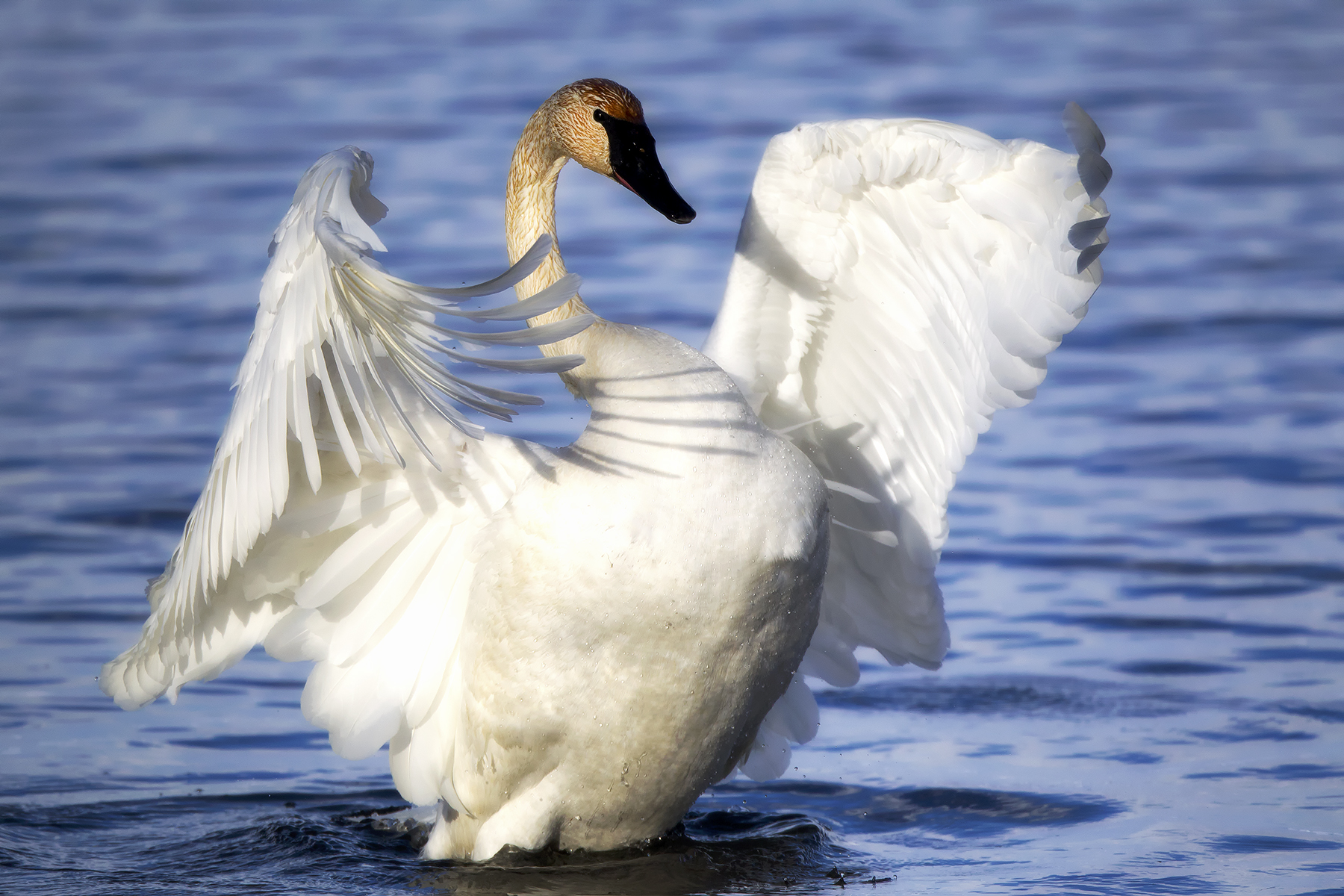 Wildlife
  Seascapes
About Robbie George
Robbie George is a National Geographic–published photographer and resonant naturalist. His fieldcraft follows a simple ethic—distance first, habitat always— shaped by Slow Knowledge and the Signature Series.
Explore calm, undisturbed behavior in the Wildlife Gallery or plan your next trip with the Seasonal Wildlife Calendar, Golden Hour & Moon, and Photography Maps.
“Attention first, image second. The shutter is the period at the end of a sentence you learned by walking.”
Frequently Asked Questions About Red Foxes in Winter
- How do red foxes survive winter?
Red foxes survive winter through a combination of thick insulating fur, sharp hearing, efficient hunting behavior, and the ability to adapt to changing food conditions. Their success depends on movement, timing, and reading the landscape with precision.
- What is mousing?
Mousing is a hunting behavior in which a fox listens for small mammals moving beneath the snow, then leaps and dives headfirst to catch them. It is one of the most recognizable examples of winter predator skill and sensory awareness.
- Do red foxes really use Earth’s magnetic field when hunting?
Some research suggests that red foxes may align their hunting pounces with Earth’s magnetic field, especially in snowy conditions. Whether described as magnetoreception or field awareness, it points to the remarkable sensory precision of these animals.
- Why does a red fox’s coat work as camouflage?
Although the fox appears vividly orange to human eyes, many prey species do not perceive that color the same way we do. In the field, the fox’s coat can function as effective camouflage, especially when combined with stillness, shadow, and winter vegetation.
- What do red foxes eat in winter?
In winter, red foxes often hunt mice, voles, and other small mammals beneath the snow. They may also eat birds, carrion, insects, berries, or whatever seasonal food sources remain available in their habitat.
- Where are red foxes found?
Red foxes are one of the most widespread wild canids in the world. They live across much of the Northern Hemisphere and adapt well to forests, grasslands, farmland, tundra, and even the edges of towns and cities.
- Why are red foxes such compelling wildlife photography subjects?
Red foxes combine beauty, intelligence, alert posture, and dramatic winter behavior in a way that makes them especially compelling in the field. Their movement, expression, and interaction with snow and light create powerful storytelling moments.
- What can people learn from watching a red fox?
Red foxes teach attentiveness, timing, adaptability, and trust in instinct. In winter especially, they show that survival is often about listening deeply, moving precisely, and staying responsive to changing conditions.