
Capturing the Seasons: A Guide to Seasonal Changes in Nature Photography
What Seasons Actually Look Like in the Field
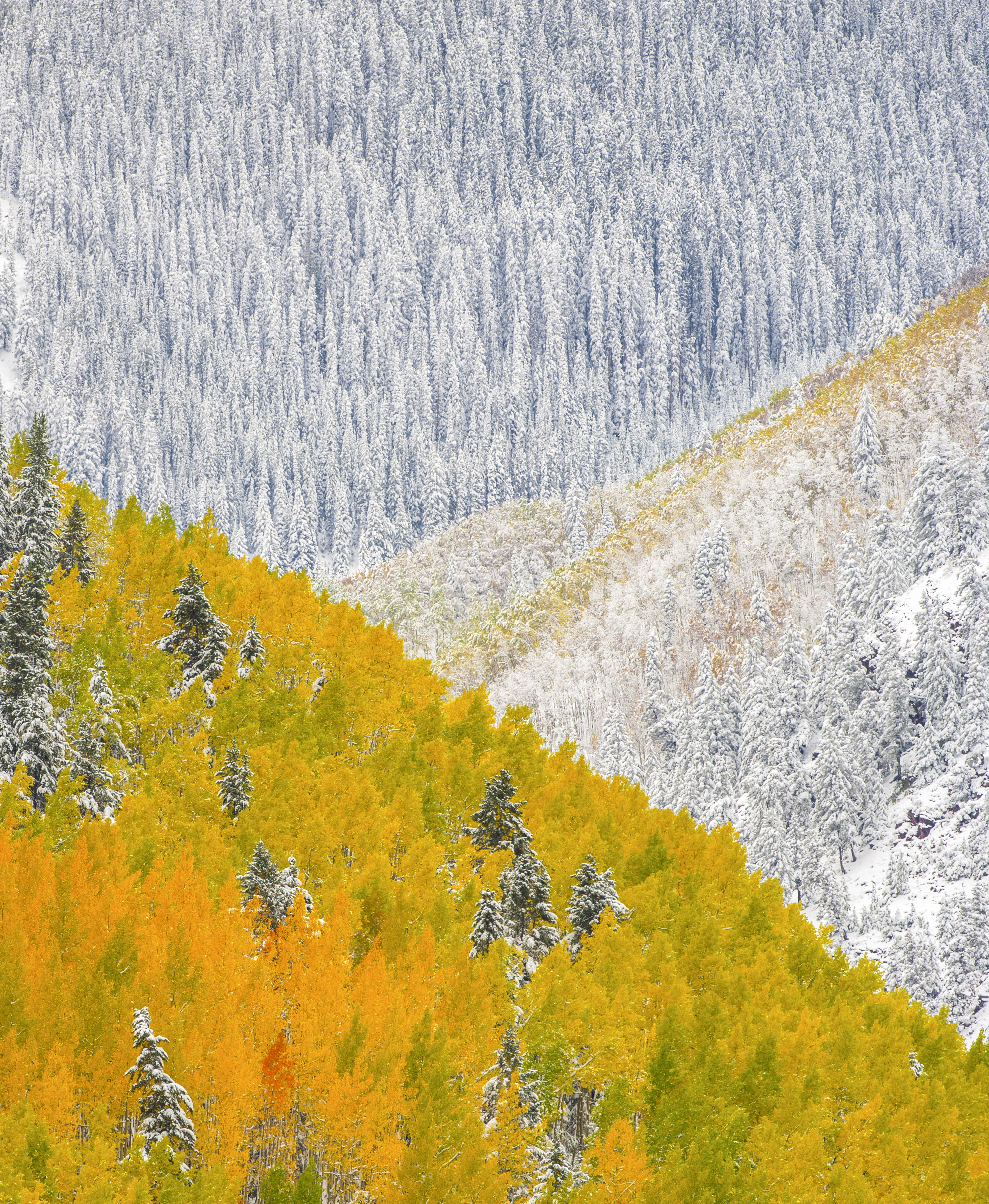
When you spend enough time in one place, you start to notice that seasons don’t arrive on schedule—they reveal themselves in shifts. Snow doesn’t just appear; it begins in higher elevations, lingers in shadow, then slowly moves down into the valleys. Leaves don’t all turn at once; they fade in layers, ridge by ridge, light by light.
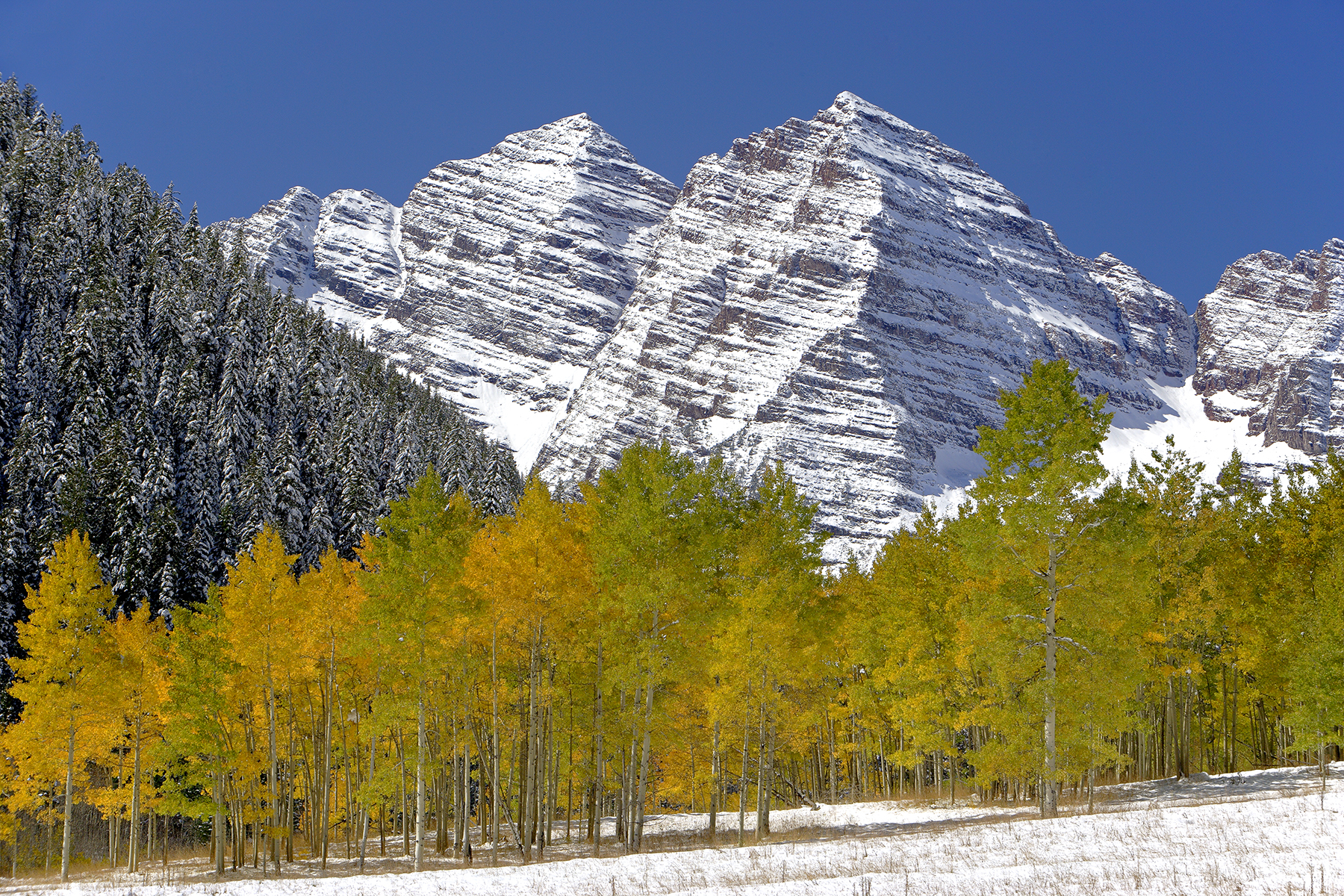
That transition—like the moment when golden aspens meet fresh snowfall—is where the field becomes most readable. You’re seeing two seasonal states overlap. That overlap tells you more than a single season ever could. It shows timing, pressure, and change happening in real time.
I’ve learned that the best images don’t come from chasing peak conditions. They come from understanding when a landscape is shifting—when something is ending and something else is beginning. Those moments are short, and they don’t repeat the same way twice.
Seasons shape everything in the field. They control how light moves across the land, how animals behave, how water flows, and how accessible a place becomes. If you understand the season, you understand what the landscape is capable of revealing.
That’s why seasonal photography isn’t really about photographing seasons—it’s about recognizing change. Once you start seeing that, the field stops being static and becomes something you can read.
“The strongest moments in nature happen between seasons—not inside them.” — Robbie George
Explore Seasonal Change Through the Field
Seasonal Patterns — How the Landscape Actually Changes
Seasonal change doesn’t happen evenly—it moves through the landscape in patterns. Elevation, water, sunlight exposure, and temperature all influence how quickly or slowly a season unfolds. What looks like “spring” in one place may still be winter just a few miles away.
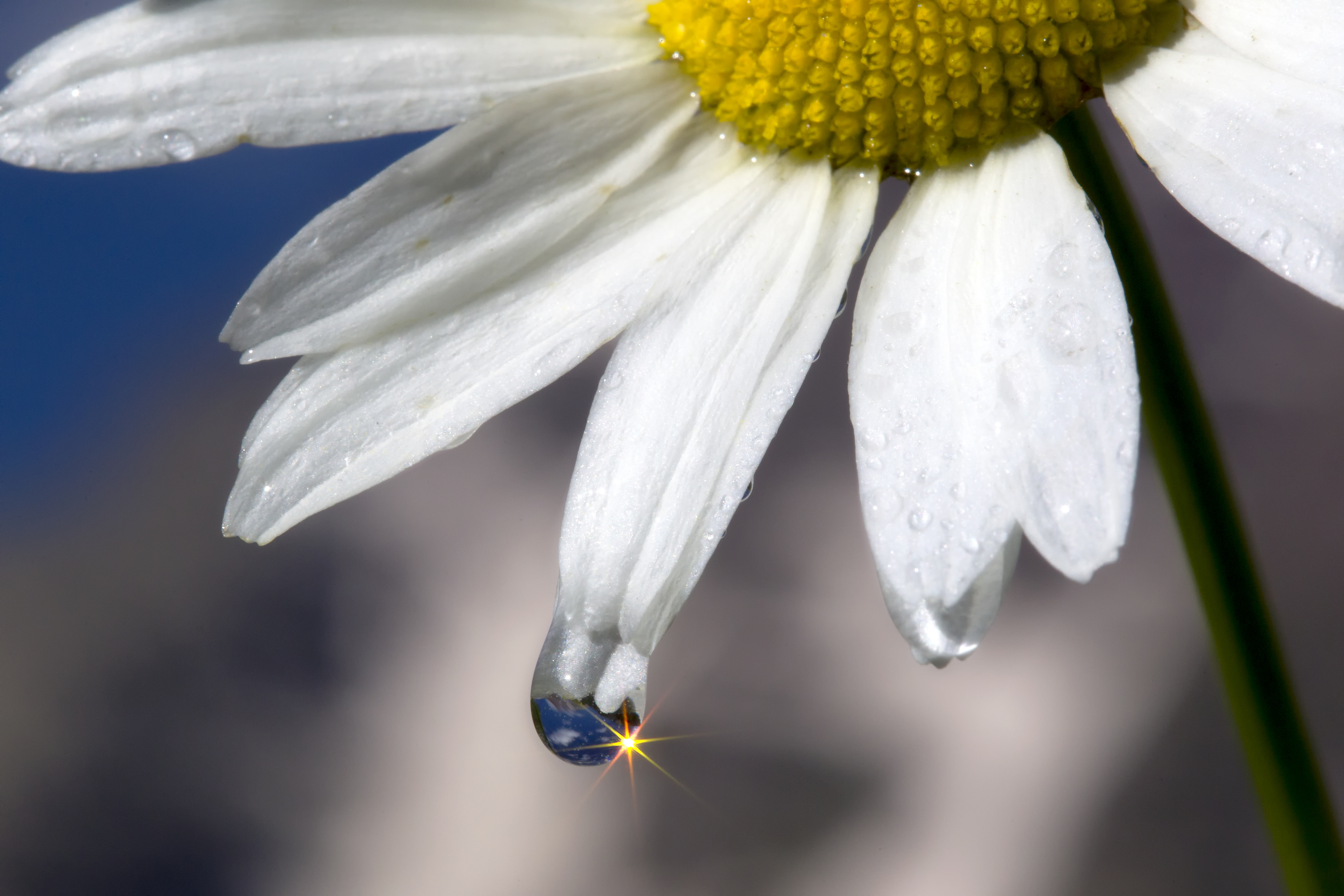
In early spring, that change is subtle. Snow begins to recede in patches. Water reappears along edges. Small signs—like a single bloom or a drop of meltwater—signal that the system is shifting. These early transitions are easy to miss, but they carry the full story of what’s about to unfold.
As the season progresses, those signals expand. Vegetation thickens, color spreads, and movement increases across the landscape. By summer, the system reaches full expression—everything visible, active, and layered. Then the process reverses. Autumn compresses color and energy, and winter strips the landscape back to structure and survival.
Understanding these patterns is what allows you to anticipate the field. Pages like Nature’s Seasons and the Seasonal Wildlife Calendar help map those changes across time, but the real understanding comes from watching how a specific place transitions.
Once you begin to see these seasonal patterns, photography becomes less about reacting and more about positioning yourself within the change. You’re no longer waiting for something to happen—you’re recognizing where you are in the cycle.
“Seasons don’t arrive—they move through the land. You just have to learn where you’re standing inside that movement.” — Robbie George
Wildlife Timing — When the Field Becomes Active
Seasonal photography is not only about landscape change. It is also about timing wildlife activity within those changing conditions. Every season opens and closes different behavioral windows. Pollinators emerge when flowering cycles align. Birds shift territory when breeding begins. Mammals adjust movement as food, cover, and temperature change.
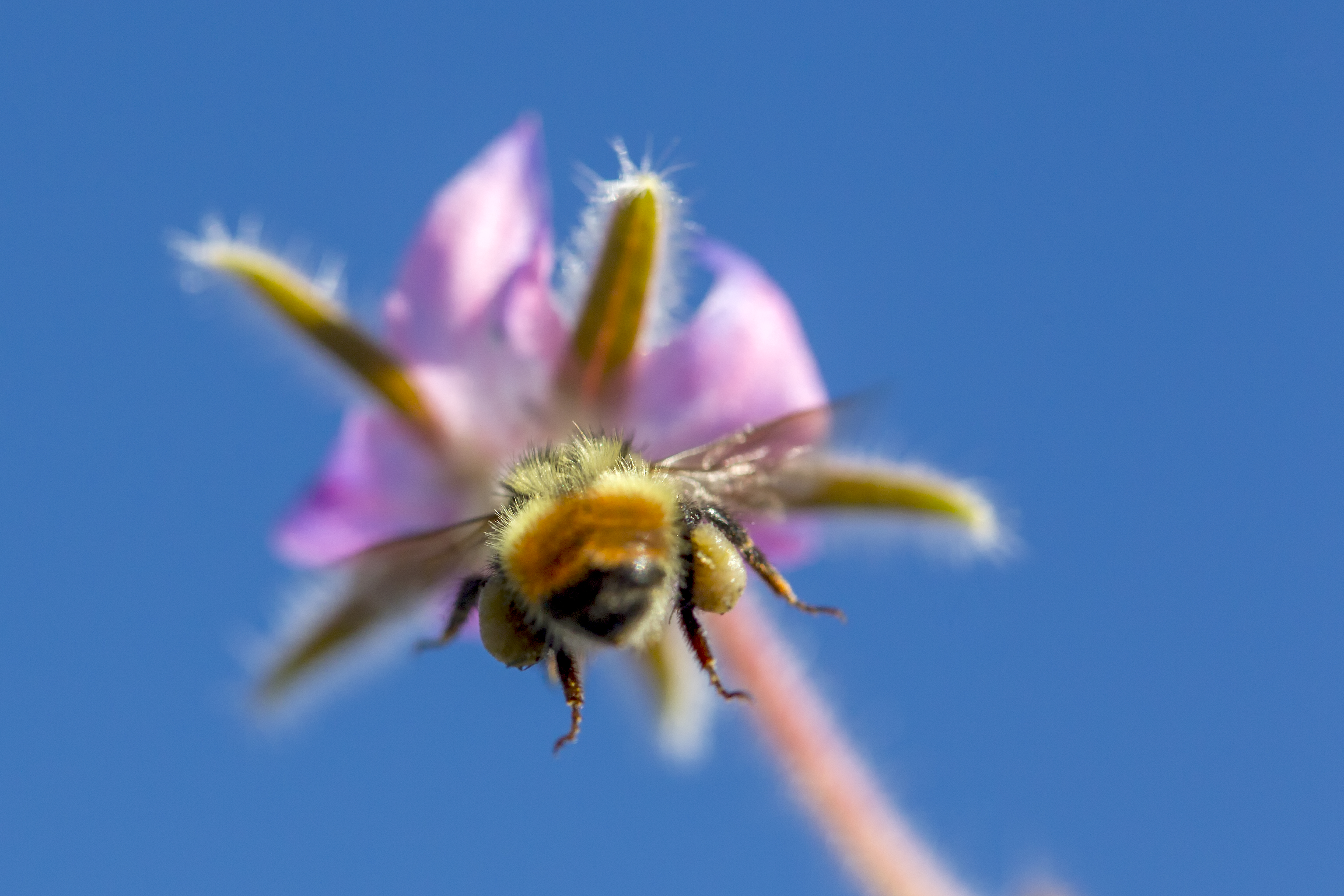
Summer is one of the clearest examples of this. The landscape feels full because activity is full. Insects move constantly, flowers are at peak expression, and feeding behavior becomes easier to observe because energy is flowing through the entire system. A bee on a bloom is not an isolated subject—it is a sign that season, plant life, light, and temperature are all in sync.
That is why timing matters so much in the field. If you arrive too early, the system may still be dormant. Too late, and the activity window may already be closing. Photography improves when you begin to anticipate these seasonal rhythms instead of treating wildlife encounters as random luck.
This is where pages like Wildlife Migration & Seasonal Patterns, Wildlife Behavior & Ecology, and Summer Wildlife & Nature Photography Locations become useful. They help connect visible behavior to seasonal timing, which is really what the camera is tracking.
The more time you spend watching these patterns, the more clearly you see that wildlife timing is one of the best ways to read the season itself. It tells you not just what time of year it is, but what the landscape is capable of supporting in that moment.
“Wildlife activity is one of the clearest clocks in nature. When you learn to read behavior, you start to read the season.” — Robbie George
Field Observation Windows — When the Season Becomes Visible
There are short periods in every season when the field becomes especially readable. Light, weather, and behavior align in a way that makes change visible. These are the observation windows where photography becomes less about searching and more about recognizing what is already happening.
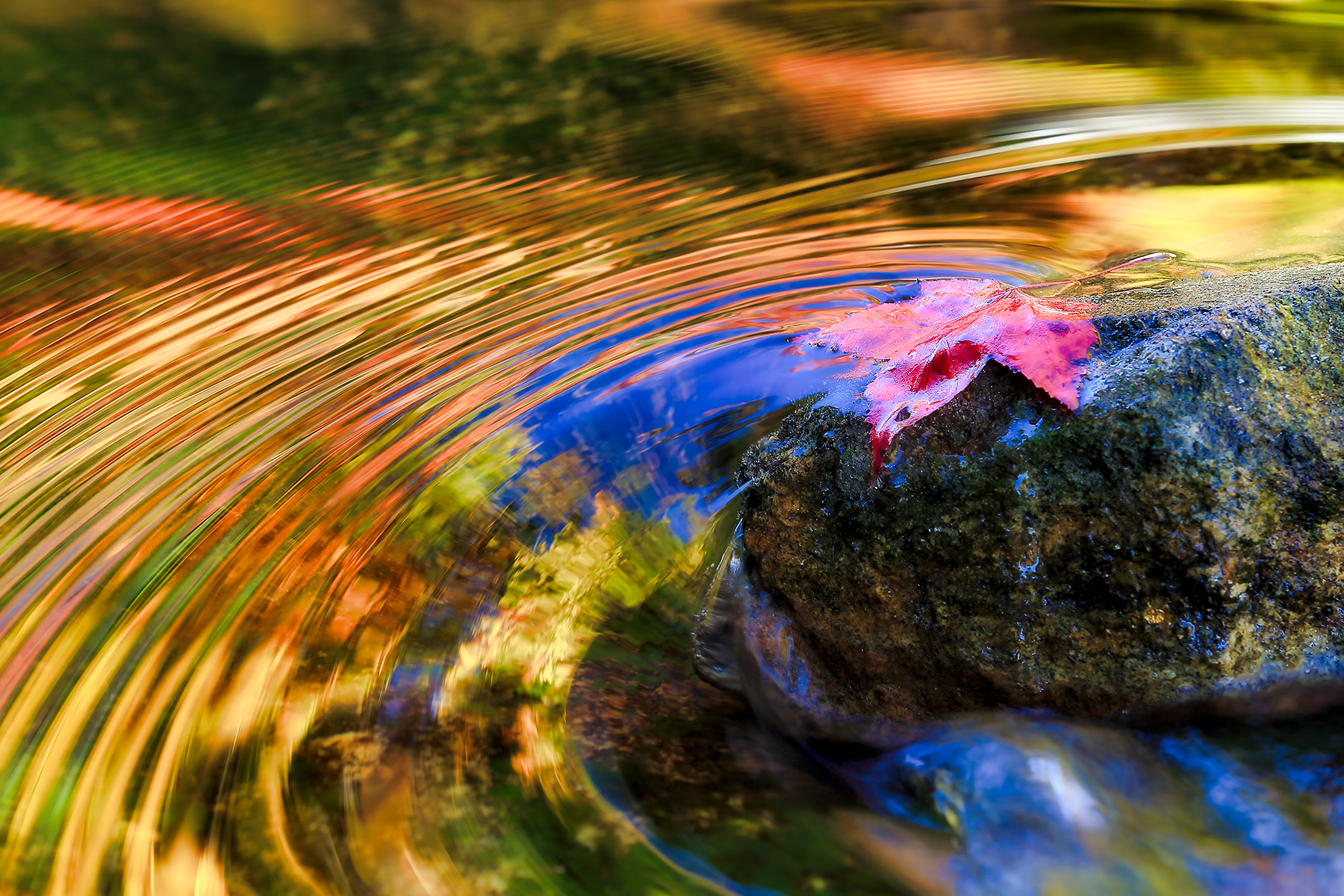
Autumn is one of the clearest examples. Color peaks for a brief moment, then begins to fall away. Leaves loosen, light filters through thinning canopies, and motion enters the scene. That combination—color, light, and movement—only exists for a short time. Miss it by a few days, and the entire character of the landscape shifts.
The same pattern happens in every season. Spring has a narrow window where emergence is visible but not yet dense. Summer has brief moments of perfect alignment between light and activity. Winter offers clarity when fresh snow simplifies the landscape before it is marked by tracks or melt.
Understanding these windows is one of the most valuable skills a photographer can develop. It connects directly to tools like the Seasonal Wildlife Calendar, Golden Hour & Moon Phase Planner, and Wildlife Photography Maps, all of which help anticipate when these conditions are likely to occur.
When you begin to recognize observation windows, you stop trying to force moments. Instead, you position yourself within the timing of the landscape and let the scene unfold naturally.
“The best moments don’t last long—they appear when everything briefly lines up. Your job is simply to be there when they do.” — Robbie George
Seasonal Photography — How Light Shapes the Scene
Every season changes how light moves across the landscape. That shift affects contrast, color, shadow, and depth—often more than the subject itself. Understanding seasonal light is one of the biggest steps toward improving consistency in nature photography.
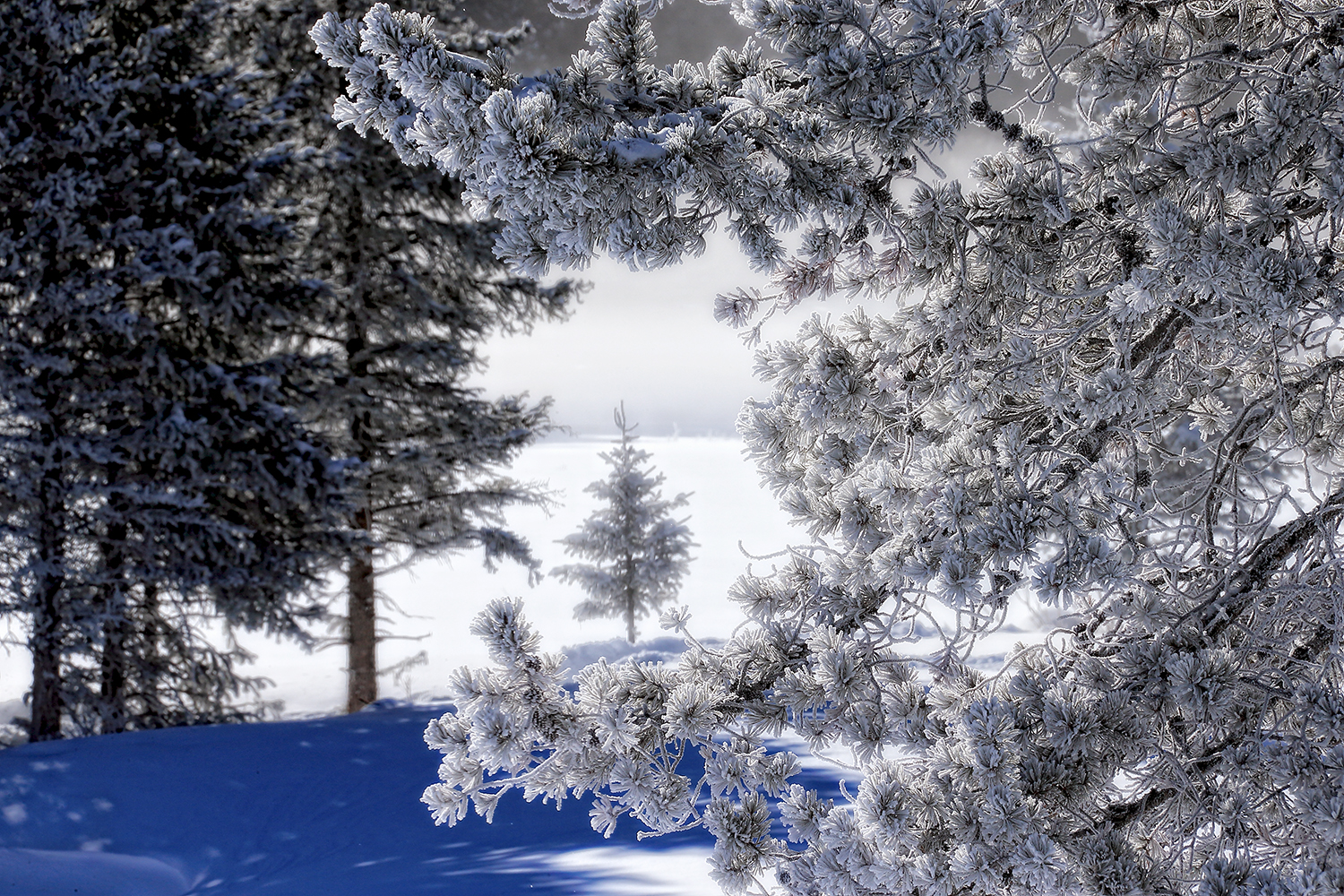
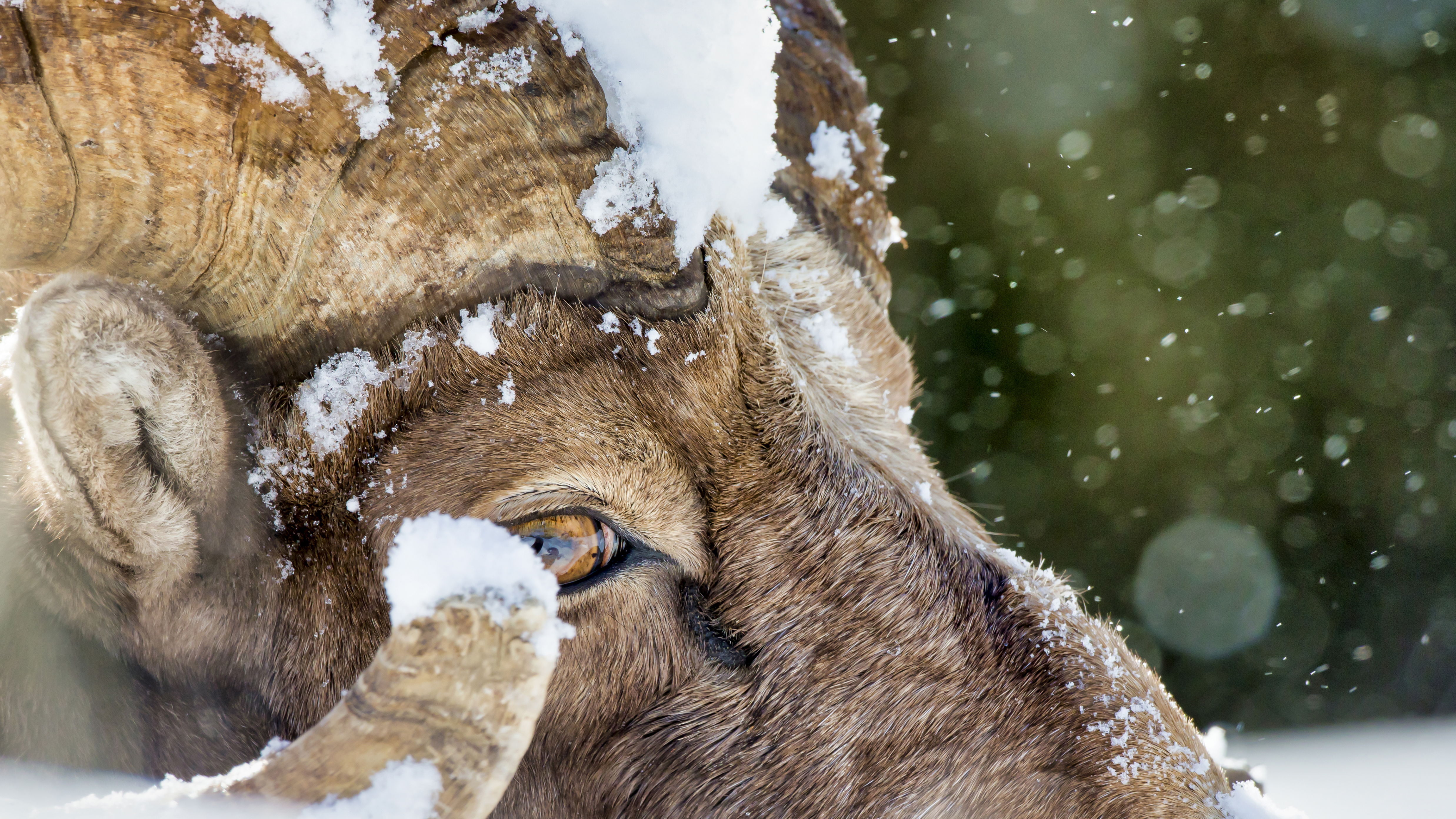
In winter, light stays low throughout the day. Shadows stretch longer, highlights soften, and the landscape simplifies into shape and contrast. Snow reflects light back into the scene, reducing harshness and creating a more even tonal range. Composition becomes less about color and more about structure.
Spring introduces softer transitions. Light feels diffused, especially in early mornings with fog or moisture in the air. Colors begin to return, but they are subtle. This is where close observation—macro detail, texture, and small changes—becomes more important than wide scenes.
Summer light is stronger and more direct. Midday can be harsh, but it can also be used intentionally for backlighting, highlighting movement, or emphasizing texture. Early and late light becomes longer and more saturated, allowing for deeper color and dramatic contrast.
Autumn brings lower-angle light again, but with warmer tones. Backlighting becomes especially effective, illuminating leaves and atmosphere. This is one of the most visually dynamic times of year, but also one of the shortest windows to work within.
Pages like Landscape Photography, Wildlife Photography, and tools like the Golden Hour Planner all connect back to this idea: the subject matters, but light defines how it is seen.
Once you begin to recognize how light shifts with each season, photography becomes more predictable. You’re no longer reacting to conditions—you’re working with them.
“Light doesn’t just illuminate the season—it reveals how the season is behaving.” — Robbie George
Planning and Seasonal Ethics — Working With the Landscape, Not Against It
Every season changes not just what you can see, but how you should move through the landscape. Conditions shift quickly—roads close, trails become inaccessible, wildlife becomes more sensitive, and weather introduces real risk. Planning is what allows you to work with those changes instead of reacting to them.
Seasonal ethics begins with understanding pressure. In winter, deep snow limits movement for wildlife. Any disturbance can force animals to burn critical energy. In spring, breeding and nesting periods make many species more vulnerable. Summer increases human presence, which can push animals away from key habitat. Autumn compresses movement into shorter windows, increasing overlap between wildlife and people.
That’s why distance and timing matter just as much as composition. If an animal changes behavior because you are there, the image is no longer honest. The goal is always to observe without altering the scene. This applies across all seasons, but the consequences become more significant during sensitive periods.
Preparation reduces that impact. Using tools like the Field Tools, Golden Hour Planner, and Wildlife Photography Maps allows you to anticipate conditions, access points, and timing before entering the field.
Good planning also means recognizing when not to go. Weather windows, road closures, and wildlife sensitivity all factor into whether a location should be approached at a given time. Respecting those limits is part of the process.
The more you align with seasonal conditions, the less you need to interfere. That’s where the strongest images—and the most responsible fieldwork—come from.
“The field always sets the terms. The more you respect the season, the more it reveals.” — Robbie George
Naturepedia Connection — Seasons as a Living System
The deeper you spend time in the field, the clearer it becomes that seasons are not just changes in weather or color. They are a living system that shapes habitat, behavior, movement, and visibility across the landscape. What emerges, what retreats, what concentrates, and what becomes readable all depend on where a place sits inside the seasonal cycle.
That is why this page connects directly into Naturepedia. Seasonal change is one of the clearest ways to understand how the larger system works. It links directly to wildlife behavior and ecology, ecosystems of North America, migration and seasonal patterns, and wildlife conservation and habitat.
A spring bloom is not only a flower event. It is also pollinator timing, moisture return, and light shift. Autumn color is not only visual spectacle. It is energy withdrawal, shorter days, and the beginning of movement toward winter survival. Snow is not just atmosphere. It changes access, compresses wildlife behavior, and simplifies how the landscape is seen.
That is why seasonal photography matters beyond aesthetics. It gives us one of the clearest entry points into ecological understanding. Through repeated observation, you begin to see how species, place, weather, light, and time all belong to the same structure. The photograph becomes not just a record of beauty, but a record of relationship.
Pages like Nature’s Seasons, Seasonal Wildlife Calendar, Wildlife Observation & Field Techniques, and Wildlife Observation Locations all extend that same idea: season changes what the land reveals, and timing determines whether we are able to read it.
“The seasons are not separate scenes. They are the visible rhythm of a living system learning how to change.” — Robbie George
Seasonal Photography — Key Questions from the Field
When is the best time to photograph seasonal change?
The best time is during transition periods—when one season is shifting into another. These windows are short, but they reveal the most about how the landscape is changing. Watching elevation, weather patterns, and light helps you anticipate these moments.
How can I photograph the same location across all seasons?
Choose a location with a strong visual anchor and return repeatedly throughout the year. Keep your composition consistent so the changes in light, vegetation, snow, and atmosphere become the focus. Over time, the differences will tell a complete seasonal story.
What is the biggest mistake in seasonal photography?
Treating seasons as fixed categories instead of dynamic transitions. Conditions change continuously, and the most meaningful images often happen between defined seasons rather than at their peak.
How does wildlife behavior relate to seasonal photography?
Wildlife behavior is directly tied to seasonal timing. Migration, feeding, breeding, and movement patterns all shift throughout the year. Understanding these patterns helps you anticipate where and when activity will be visible.
What tools help with seasonal planning?
Tools like the Seasonal Wildlife Calendar, Golden Hour Planner, and Wildlife Photography Maps help anticipate light, timing, and access conditions in the field.
How do seasons change the way a landscape should be photographed?
Each season shifts light, color, contrast, and composition. Winter emphasizes structure and simplicity. Spring highlights detail and emergence. Summer brings movement and saturation. Autumn focuses on color and transition. Adjusting your approach to match these conditions improves both consistency and clarity.
About Robbie George
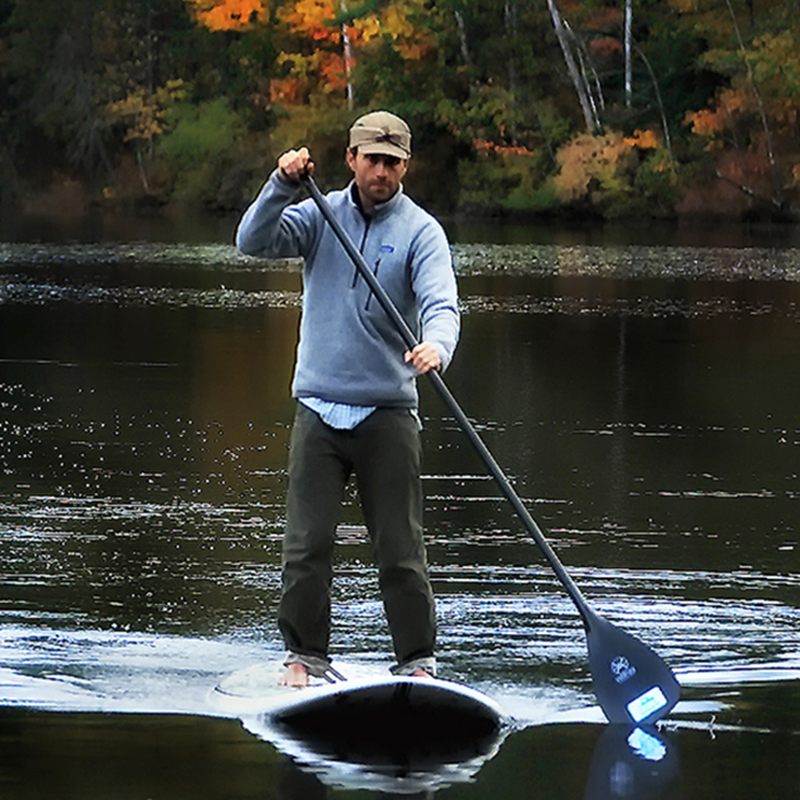
I’m Robbie George, a National Geographic–published photographer whose work is grounded in field observation, seasonal timing, and long-term relationship with the landscapes I return to year after year.
This page reflects one of the most important things I’ve learned in the field: seasons are not categories—they are processes. Understanding how light, weather, wildlife, and habitat shift through the year changes how you photograph, how you move, and how you see.
Through Naturepedia, I connect seasonal change to larger systems—ecosystems, wildlife behavior, migration, and conservation—so that photography becomes a way of understanding how nature actually works.
You can continue exploring through the Seasonal Wildlife Calendar, Field Tools, Wildlife Photography Maps, and the Landscape Photography Gallery.
“The more time you spend with a place, the more the seasons begin to explain it to you.”