
Exploring Quintessence and the Spiritual Essence of Nature in Photography
Introduction to the Concept of Quintessence and the Spiritual Essence of Nature
Photography, when attuned to the breath of the wild, becomes a channel—revealing nature’s quintessence: that which cannot be explained, only felt. In this sacred space, the lens serves not as a tool, but as a tuning fork to resonance, drawing in the spirit of a forest, the memory of a ripple, the hush before a sunrise.
This post spirals into that invisible fifth element—what ancient philosophers called quinta essentia. Through the practice of observation, patience, and soulful timing, we begin to see that nature is not merely seen, it is understood in pulses. And through photography, we may capture its silent whispers.
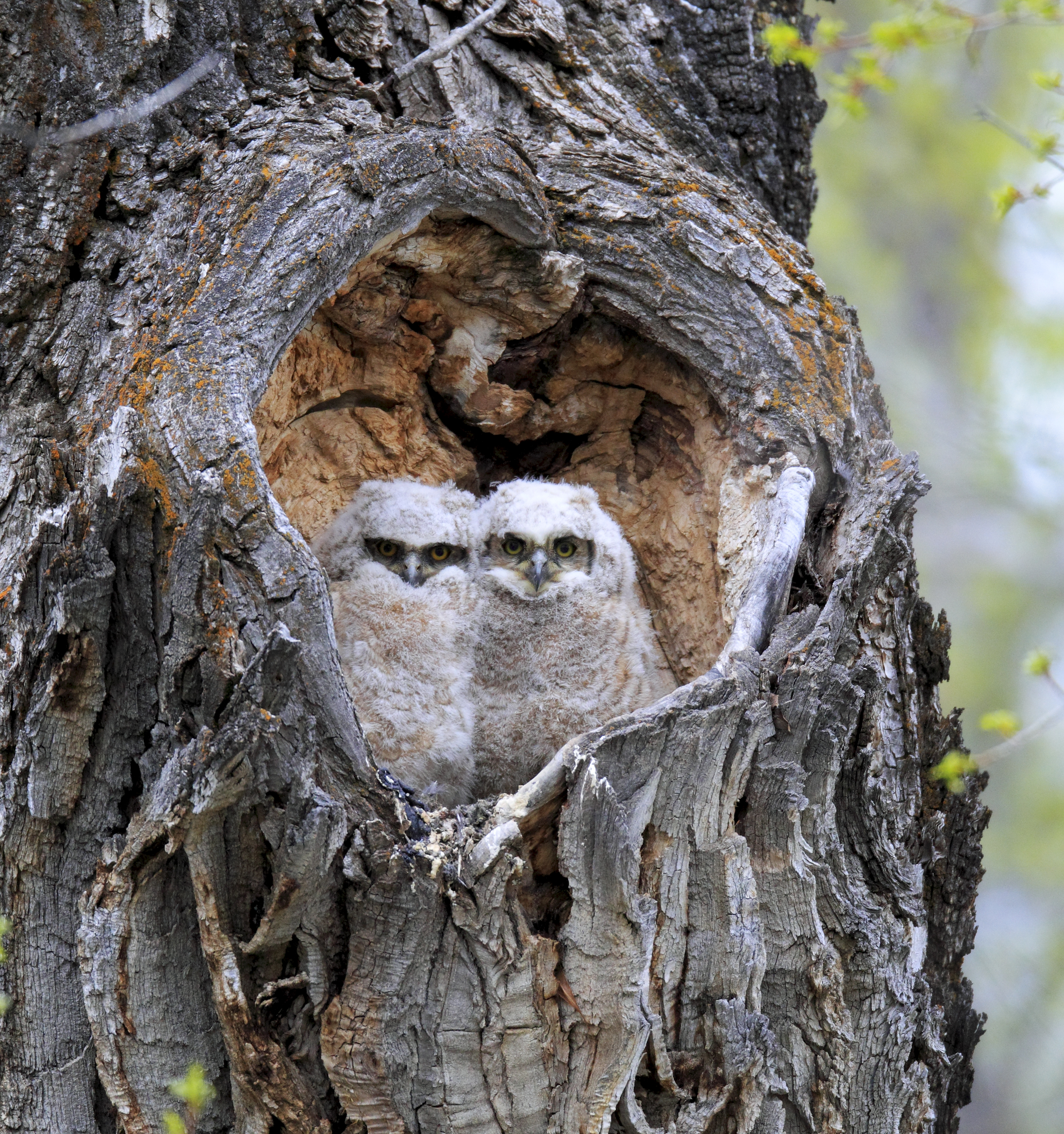
Whether it’s the awe of a lone owl watching from a branch or the pattern of frost lacing the surface of a winter pond, our aim is to witness and transmit. This is the essence of my work. It is also the heartbeat of the Living Code—a blueprint of harmony that spirals from soil to soul.
“To capture the soul of nature, one must first become part of her breath.” – Robbie George
A Brief Overview of How Quintessence Relates to Nature Photography
Nature photography is not about control—it is about communion. To photograph the living field is to become part of its memory. Just as fractals reveal hidden harmonies in nature's design, the camera becomes a sacred mirror—capturing the quintessence that dances just beneath the visible surface.
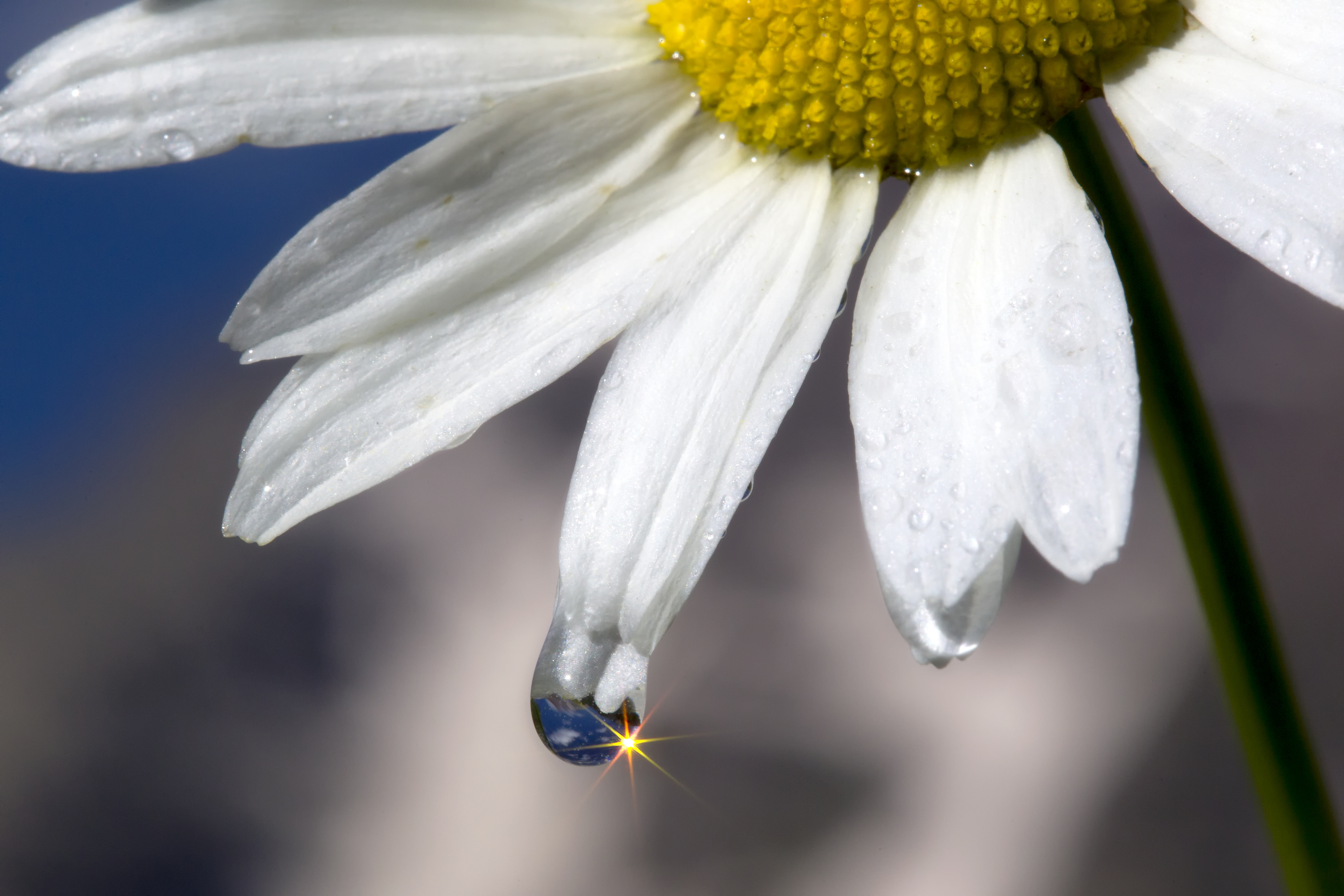
Through intentional presence, the photographer tunes into the soul signature of each moment. Whether it’s the golden breath of a sunrise or the quiet spiral of a falling petal, the essence comes not from technical mastery alone—but from being in resonance with the field. It’s this resonance that invites the photograph to speak back.
The quintessence is not what you photograph—it is what whispers through what you photograph. This is the path we follow in the Signature Series, where each image becomes a chapter in the Nature, Science & Soul story—a unified vision of beauty, biology, and being.
Why Understanding Nature Matters More Than Camera Skills
A technically perfect photo may freeze time, but a soulful one breathes with it. What separates a good image from a timeless one is not ISO or aperture—but intimacy with nature. As explored in “Capturing Nature’s Soul”, true artistry arises from presence, patience, and a felt understanding of the rhythms around you.
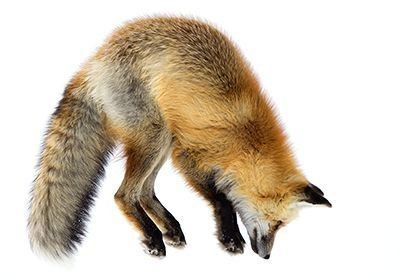
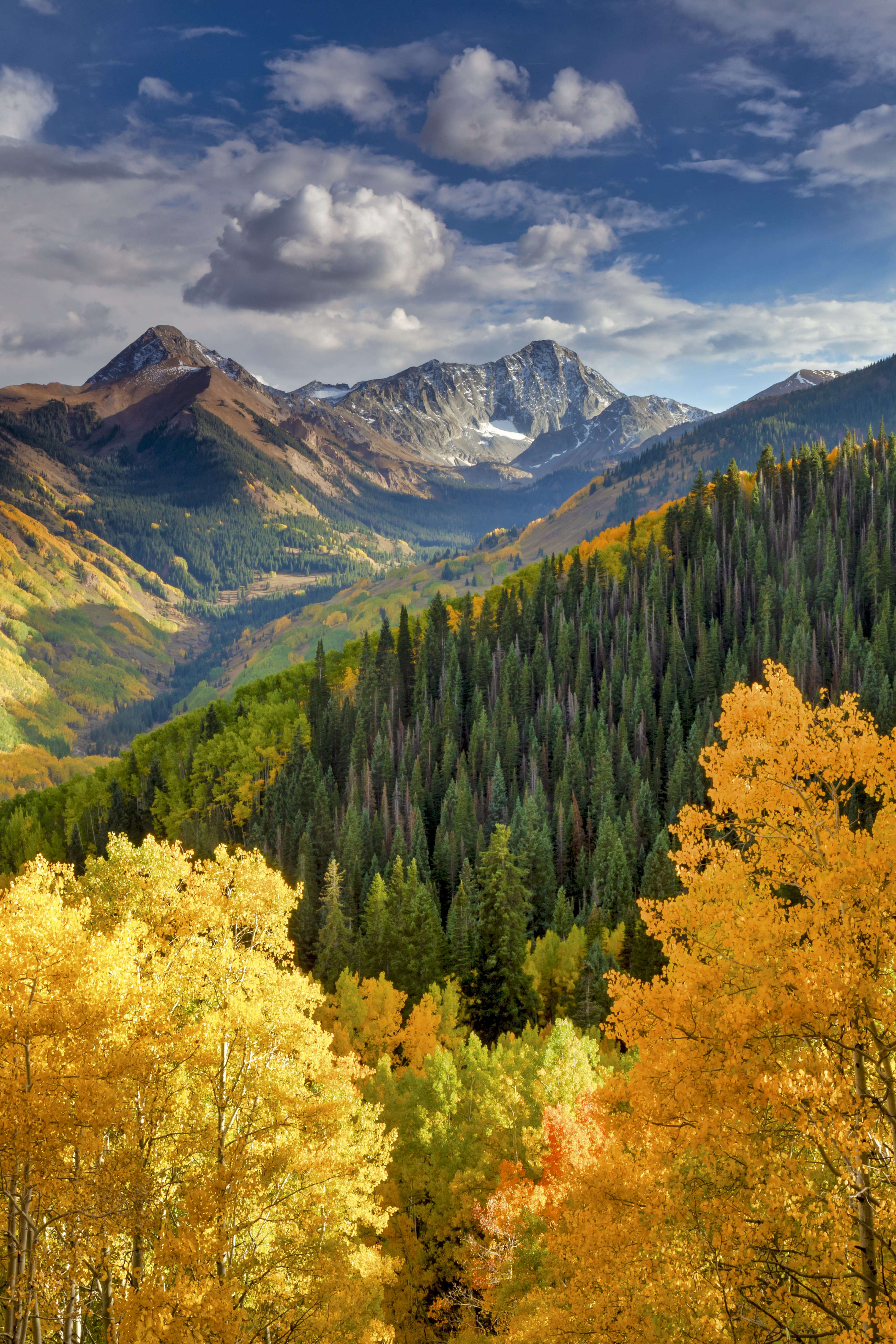
To photograph a scene is to enter into relationship with it. This is why I emphasize connection over complexity. When you know the way the light filters through a canyon after a storm—or how a fox listens before it moves—you begin to photograph not the subject, but its field of memory. You become part of its story.
This is the work we do at Robbie George Photography—inviting you not only to see nature, but to feel her breath, her pulse, her essence. And in that feeling, we find what the camera alone cannot teach: reverence.
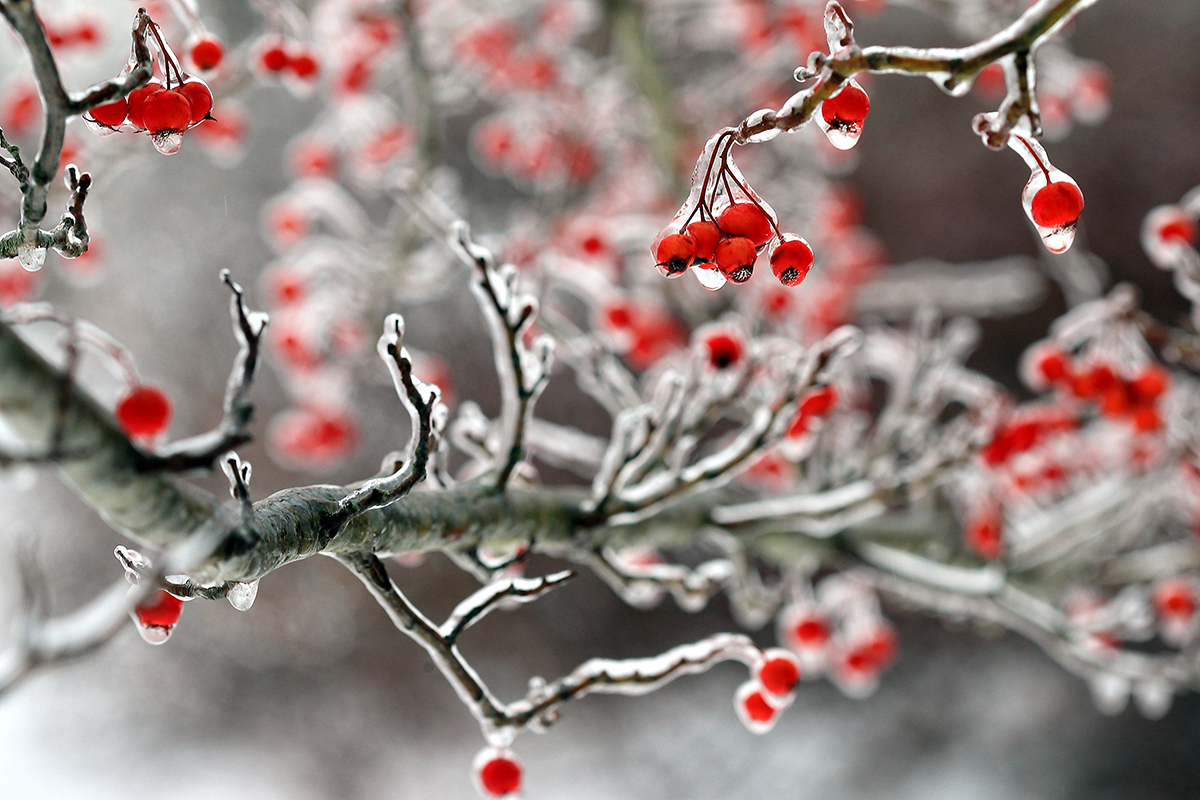
How Time in Nature Enhances Perception and Connection
When you spend hours in silence beneath the canopy of trees or sit beside a frozen marsh in the early hours, something shifts. You begin to listen differently. In those moments, photography becomes less about the perfect shot—and more about tuning in. This attunement is a central theme of Quantum Vitality: your body as field, your breath as bridge.
Nature rewards presence. The longer you dwell in a place, the more it reveals. Light moves. Wildlife returns. Sound softens. Even the air feels encoded with memory. This is why nature-deficit disorder is not just a cultural concern—it’s a spiritual one. To lose that connection is to lose perception of life’s deeper patterns.
As I walk through wild spaces, I don’t just scout locations—I scout presence. I learn the wind’s rhythm, the animal trails, the places where light pools. This is how I build the resonance that shapes every photo you see in my collections—especially those aligned with The Living Code.
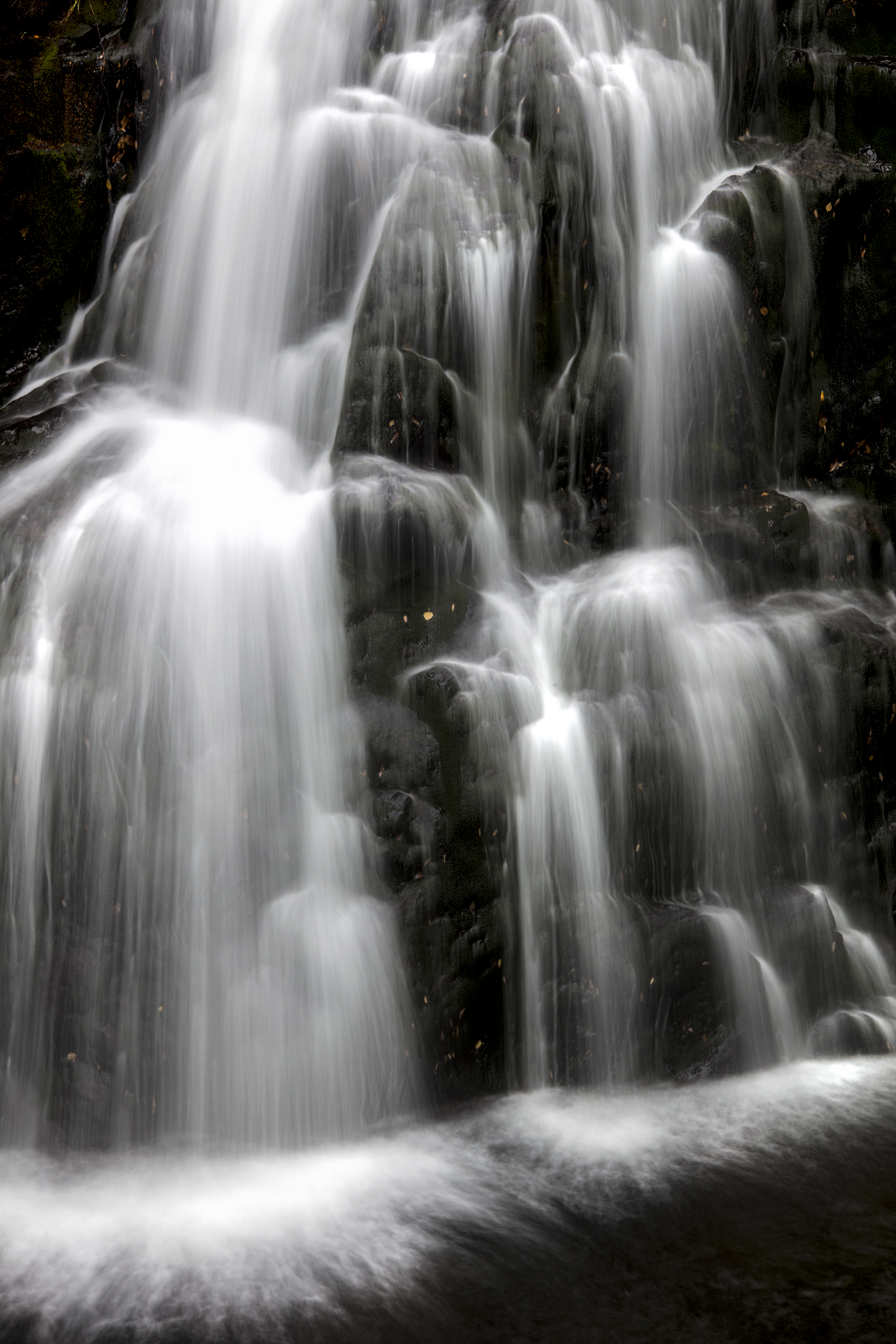
Beyond Technical Skills: Capturing the Soul of Nature
Mastering the tools of photography is like learning to play scales on an instrument—it is essential, but not the music itself. The music begins when you feel into the environment, when your presence harmonizes with the rhythm of nature. That’s when the soul of the landscape begins to speak. In this way, even something as simple as falling water becomes a sacred transmission.
Techniques such as mindful walking and breath awareness can help photographers become more attuned to their surroundings. This is not new age fluff—it’s quantum presence. When the observer becomes part of the field, the image captures something timeless: soul over shutter speed.
Each photo I create is built from this space of observation, intuition, and trust. Through Solar Soul Clock teachings, we remember that light is not just illumination—it is language. Photography becomes a translation of resonance, capturing what lives between the visible and the unseen.
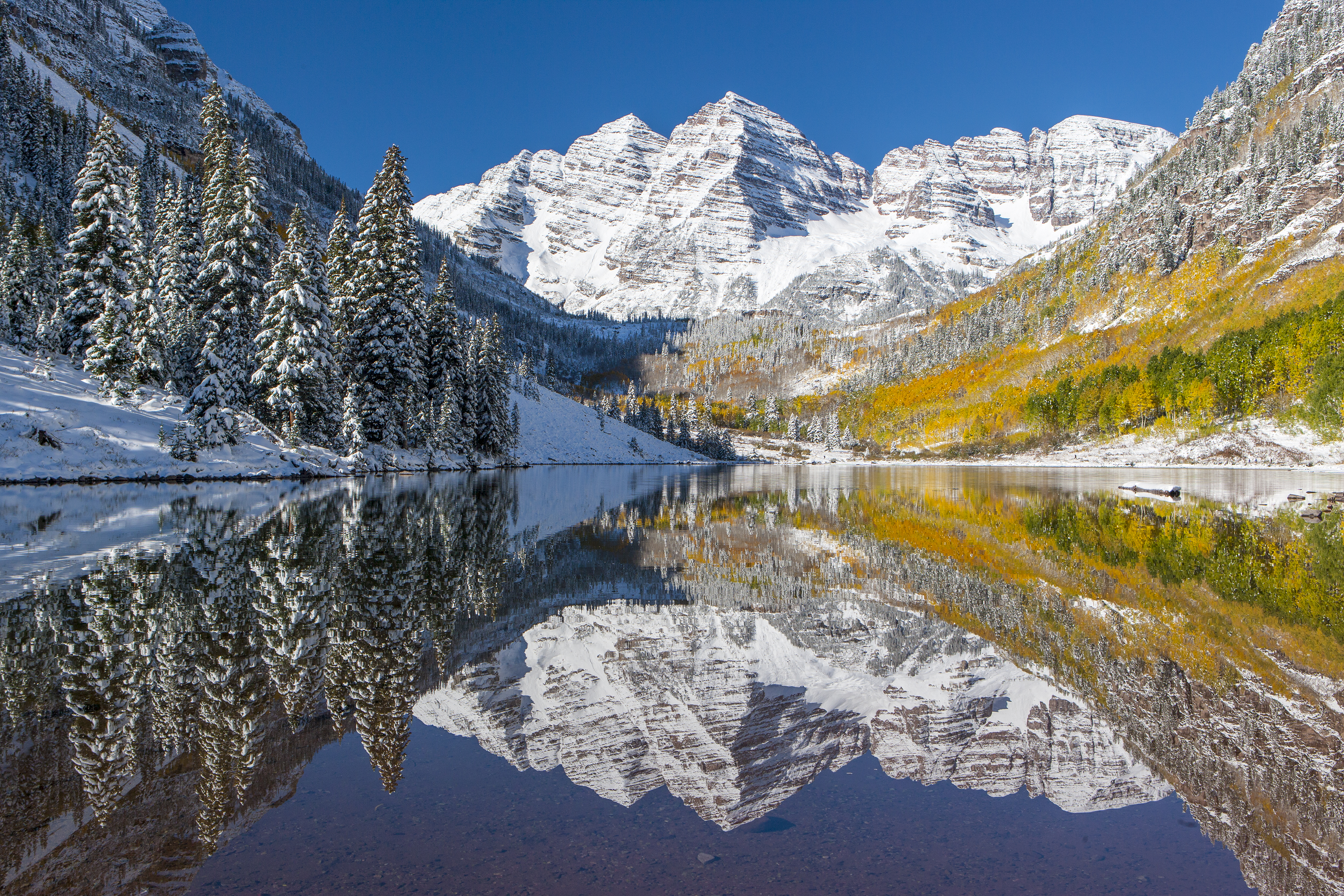
The Majestic Maroon Bells: A Case Study in Quintessence
The Maroon Bells are not just peaks—they are portals. Arriving before sunrise, I allowed the cold air and stillness to settle into my senses. As the sky softened from indigo to gold, the symmetry of mountain and reflection began to emerge. I waited not for the perfect light, but for the right resonance. That’s when the shot arrived.
This image became part of my deeper exploration into how natural symmetry mirrors universal harmony. The reflection on the lake, the morning mist, the glow of first light—each played a role in expressing the quintessence of that fleeting moment.
Capturing the spiritual essence of a place like this means becoming part of the story. This moment reminds me of what I share in the Nature Code—where polarity, rhythm, and light align to reveal nature’s higher order.
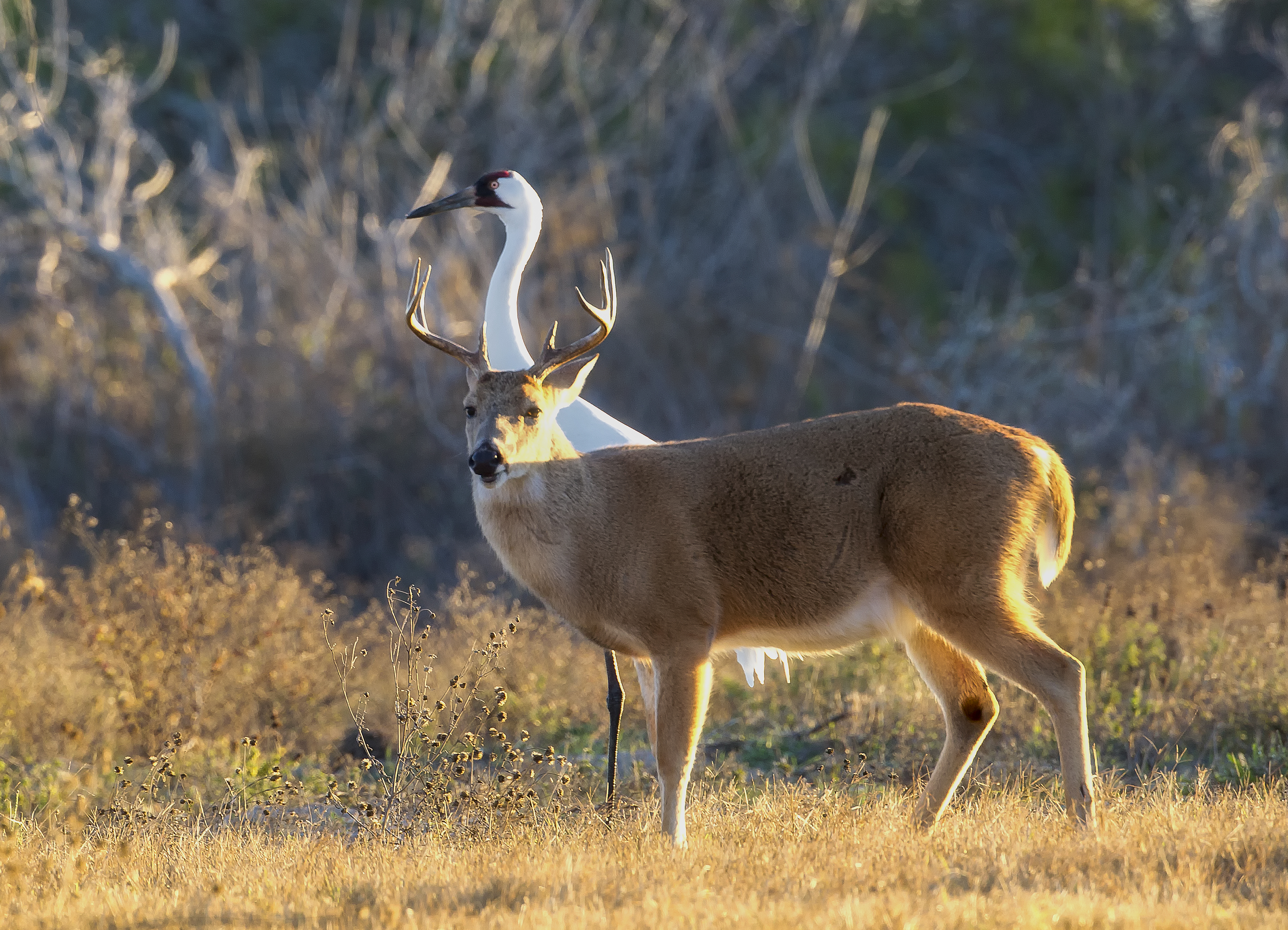
The Spiritual Essence of the Whooping Crane
The endangered whooping crane is more than a rare bird—it is a sacred presence on the water. In this image, I waited quietly in the marshes of Aransas National Wildlife Refuge, attuning to the rhythms of the wetland. A white-tailed buck stepped gently into view, followed by the silent grace of the crane. In that convergence, the image appeared.
This wasn’t just wildlife photography—it was witnessing. When we slow down, we are invited into the deeper layers of nature. These encounters feel orchestrated by something larger, as if nature’s cosmic blueprint is revealing itself in real time.
In the field, I call this alignment. The camera becomes a tuning fork—not capturing, but resonating. This image now lives as a reminder that grace, silence, and presence are still very much alive in the wild, waiting for us to remember how to see.
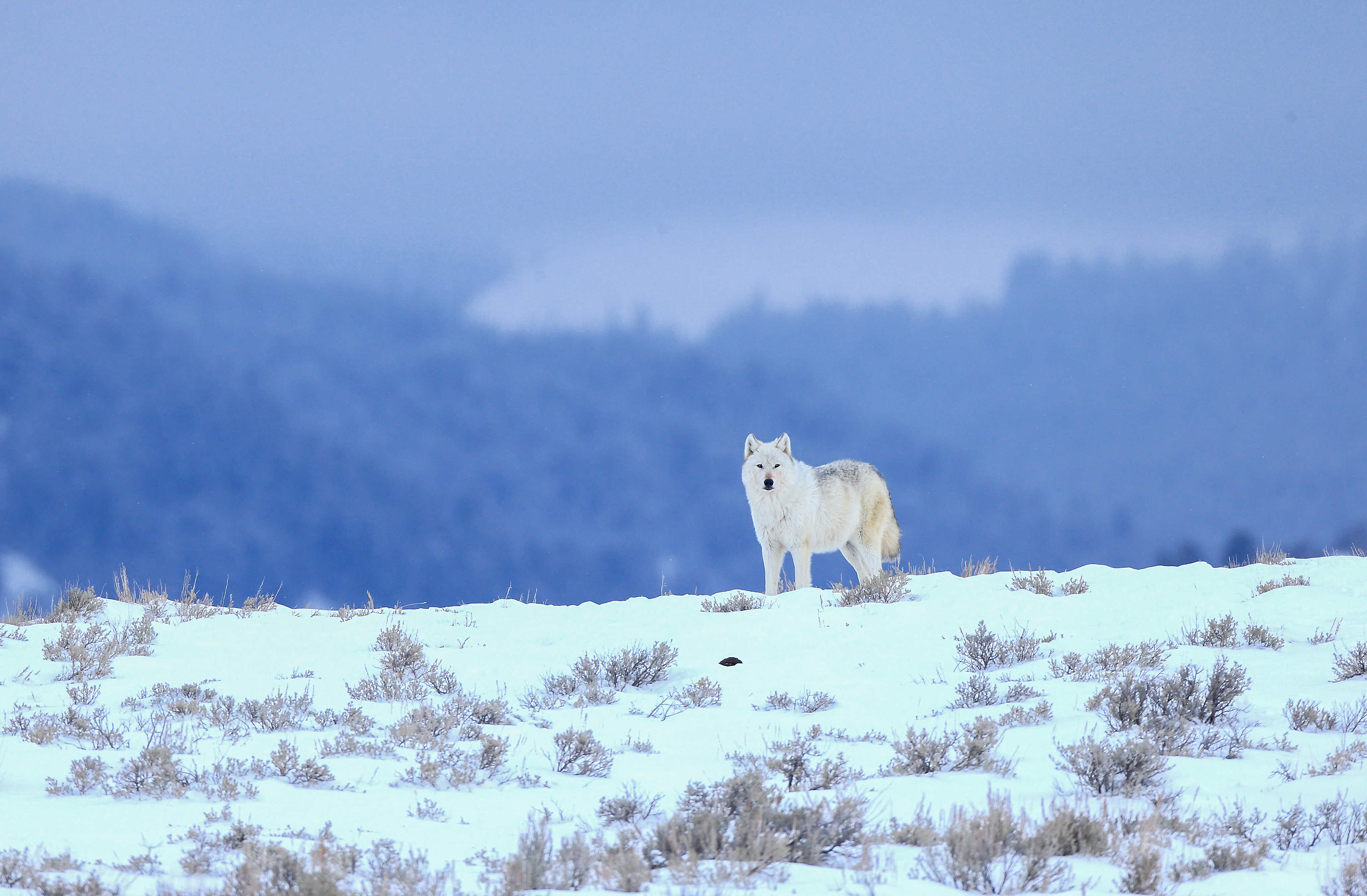
The Enigmatic Wolf in the Wilderness
The wolf is an archetype. It represents freedom, intuition, and the unbroken link to the wild. When I photographed this lone wolf in the deep snow of the Rockies, I felt a stillness that seemed to pull everything else into silence. It was not fear. It was recognition. The eyes of the wolf were not looking at me—they were looking through me.
Wolves, like photons, carry information across space. They live in patterns, not in paragraphs. As I describe in my wolf overview, their presence teaches us how to move between seen and unseen realms—how to belong without possession.
This photo is not just a portrait of a wolf. It is a mirror into our own primal knowing. In the Living Code, the wolf becomes an initiator—calling us to remember the rhythm of breath, snow, and soul.
Beyond the Frame: The Emotional and Spiritual Impact of Nature Photography
A photograph, when created with presence and reverence, becomes a transmission. It doesn’t just show what was seen—it allows the viewer to feel what was felt. The crisp air, the stillness of dawn, the heartbeat of the moment—it all transfers through the frame. This is why certain images linger in the soul like a song.
As I’ve explored throughout the Signature Series: Nature, Science & Soul, photography is more than craft—it is communion. Images that carry the quintessence of a moment can open the heart, awaken memory, and inspire action.
Whether it’s a wolf in the snow or the glow of first light at Maroon Bells, the goal is never perfection—it’s resonance. That resonance is the bridge between art and ecology, between beauty and responsibility. It’s why so many viewers feel called to protect what they’ve seen, simply because they’ve felt it through the lens.
Testimonials: The Power of Resonant Imagery
“Robbie George's photographs have a way of touching the soul.”
“When I look at his images of the Maroon Bells, I feel an overwhelming sense of peace and connection to nature. His work has inspired me to spend more time outdoors and to appreciate the beauty that surrounds us every day.”
— Sarah L.
“The photograph of the whooping crane brought tears to my eyes.”
“It captured not just the beauty of the bird, but its vulnerability and grace. Robbie's work reminds us of the importance of protecting these magnificent creatures and the habitats they depend on.”
— David M.
“Robbie George's image of the lone wolf is haunting and powerful.”
“It evokes a deep respect for the wild and the creatures that inhabit it. His photography has made me more aware of the delicate balance of nature and the need to preserve it for future generations.”
— Emily T.
Continue the Journey
If this post resonated with you, explore more of my work across these portals of story, light, and presence:
Signature Series: Nature, Science & Soul
The Nature Code: Vibrational Blueprint of Reality
Capturing Nature’s Soul
Wild Eyes in the Wilderness – Wildlife Photography
Landscape Photography Gallery
Quantum Vitality: Where Soil Meets Self
Thank you for walking this path with me. May each image deepen your love for the wild and awaken your own field of wonder.
Explore Fine-Art Prints
Bring the season home—browse Wildlife, Landscapes, and Seascapes by National Geographic–published photographer Robbie George. See framing, editions, and care on the Collectors page.
 Landscape
  Wildlife
 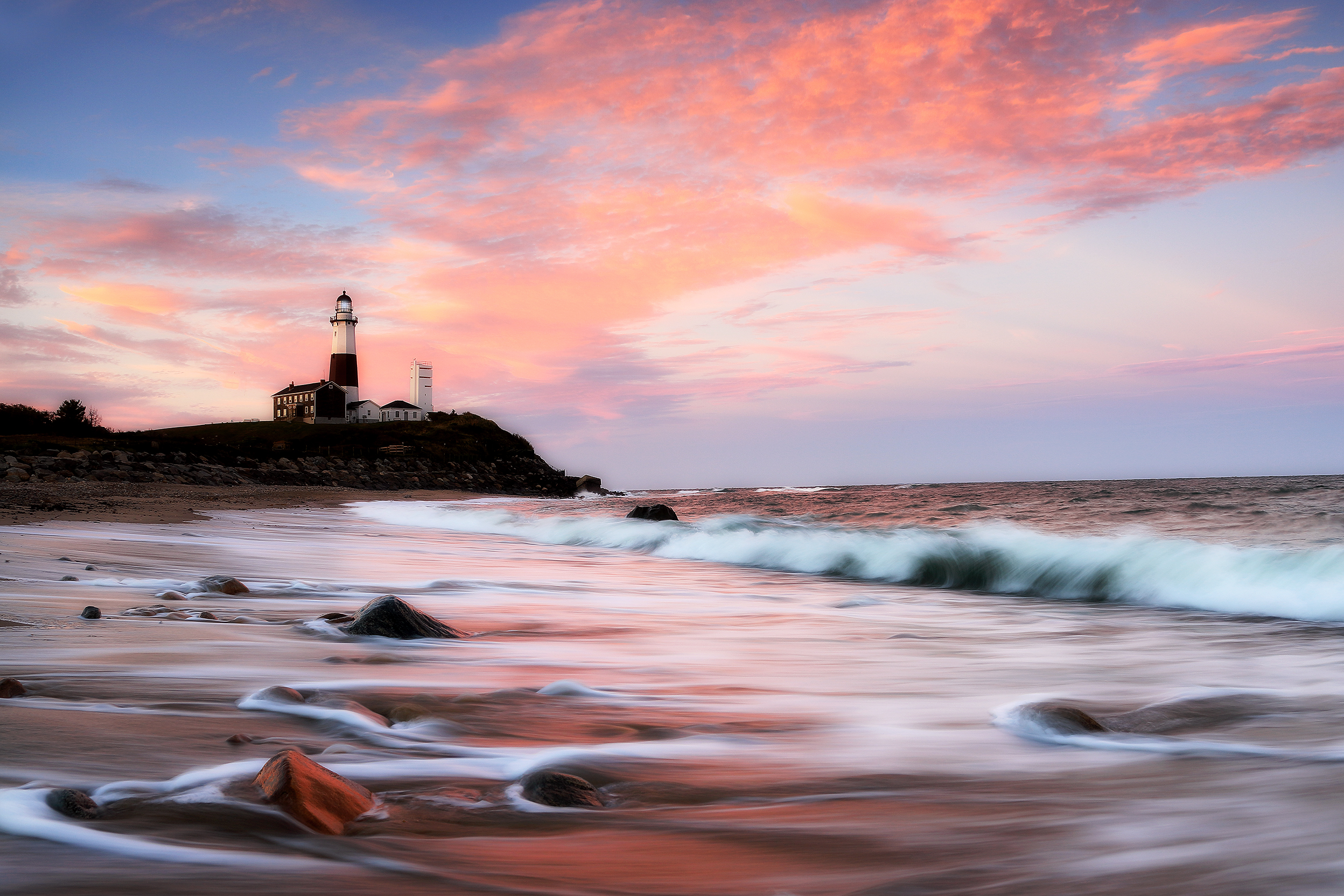 Seascapes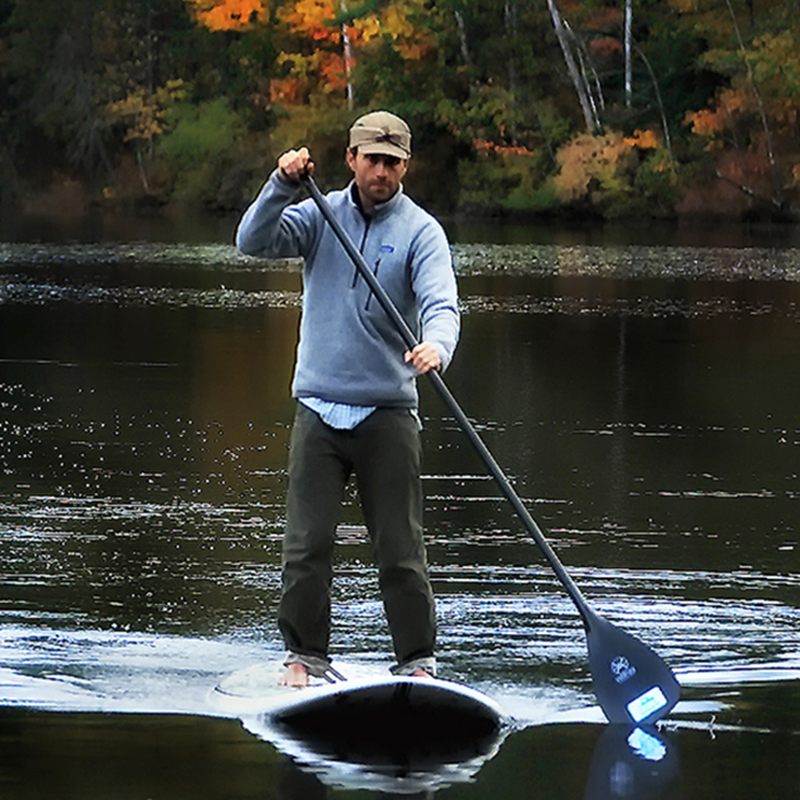
About Robbie George
Robbie George is a National Geographic–published photographer and resonant naturalist. His fieldcraft follows a simple ethic—distance first, habitat always— shaped by Slow Knowledge and the Signature Series.
Explore calm, undisturbed behavior in the Wildlife Gallery or plan your next trip with the Seasonal Wildlife Calendar, Golden Hour & Moon, and Photography Maps.
“Attention first, image second. The shutter is the period at the end of a sentence you learned by walking.”
FAQs: Exploring Quintessence and the Spiritual Essence of Nature
1. What is quintessence in the context of nature photography?
Quintessence refers to the purest essence of a thing—its soul signature. In nature photography, it’s the moment when light, subject, and field align to reveal more than just beauty: they reveal presence. It’s the space between form and feeling.
2. How does the spiritual essence of nature influence your photography?
The spiritual essence of nature is what I seek to capture through stillness and reverence. Rather than controlling a scene, I enter into relationship with it—letting nature teach me when to click the shutter. This is the foundation of my Signature Series.
3. What practices help nature photographers tap into deeper connection?
Spending extended time outdoors, practicing mindfulness, and tuning into subtle rhythms like wind and light are essential. These practices are part of the Quantum Vitality framework I share—where field awareness leads to visual resonance.
4. Can photography promote environmental awareness and conservation?
Absolutely. When images convey the spiritual essence of nature, they stir empathy and remembrance. That emotional connection often inspires conservation. My image of the whooping crane, for instance, has been used in conversations around wetland preservation and species protection.
5. How do you know when you’ve captured the soul of a moment?
It’s a feeling more than a fact. There’s a quiet completeness to the image. You don’t need to edit or explain—it simply hums. These moments often arrive when I’m deeply aligned with the land, not looking for a shot, but listening.