
Exploring the Gaia Hypothesis with Robbie George Photography
Understanding Gaia: Earth as a Living, Self-Regulating System
When James Lovelock proposed the Gaia Hypothesis in the 1970s, he was planting a seed of radical recognition: Earth itself is alive — a synergistic organism where biology, geology, atmosphere, and oceans work in harmony to preserve the conditions needed for life.
This is not merely poetic — it aligns with modern findings in quantum vitality, where the same principles of feedback, coherence, and memory operate across all scales — from soil microbiomes to interconnected water systems to the planetary biosphere.
The Gaia Hypothesis shows us that nature doesn’t just react — it remembers, adapts, and balances. From bees pollinating under golden ratio flight paths to trees communicating underground, life on Earth acts as a networked intelligence — what some would now call collective biomimicry.
In this post, we’ll go beyond metaphor and into the mechanisms. You'll discover how nature's feedback loops, quantum systems, and biodiversity patterns are not random — they are the living code of Gaia. Through the lens of nature photography, we'll explore how these principles are visible, felt, and even healed through observation. As you’ll see, every photograph is more than a still frame — it’s a witness to life’s sacred algorithm.
The Interconnected Web of Gaia
At the heart of the Gaia Hypothesis lies the truth that everything in nature is interdependent. Nothing exists in isolation. From pollinators to oceans, from fungi to light, the Earth functions as a unified field — a planetary system of self-correction, memory, and regeneration.
You can see this unity in the way soil microbiomes cycle carbon and nitrogen, or how water molecules carry memory from the roots of forests into the clouds above. Plants breathe in our carbon dioxide and gift us oxygen in return. Trees communicate with one another using underground fungal networks. Wolves shape rivers. Bees regulate blooms. Nature knows balance — and acts to maintain it.
These relationships are not coincidental. They are woven into the fabric of Gaia herself — a planetary organism with built-in intelligence. As we discussed in Quantum Vitality, this feedback intelligence extends even to the smallest scales — where hydrogen, photons, and gravitons synchronize in the same way that seasons, tides, and migrations do.
When we witness this in the wild, through a photograph or a walk in the woods, we begin to understand: the health of one is the health of all. As the soil breathes, we breathe. As biodiversity flourishes, so do we.
Gaia's Balancing Act: Earth’s Self-Regulation in Action
According to the Gaia Hypothesis, the Earth isn't just a stage for life — it's a living, breathing system that self-regulates. This regulation is not passive. It’s alive with feedback loops, intelligence, and memory. From water’s memory to the respiration of soil microbes and the thermal currents of the ocean, Gaia constantly adjusts to maintain the conditions for life.
Stabilizing Climate Through Cycles
Earth’s climate regulation isn't random — it’s orchestrated through the carbon cycle, photosynthesis, ocean currents, and atmospheric feedback loops. Forests breathe in carbon dioxide and exhale oxygen, while the oceans absorb heat and greenhouse gases. These systems — much like the mitochondria in your own cells — act in elegant synchronization.
Through the lens of Quantum Vitality, we might even consider these large-scale processes as coherent systems — vibrating in resonance with seasonal cycles, light fluctuations, and biological rhythms. As the forest breathes, so do we.
Feedback Loops in Nature
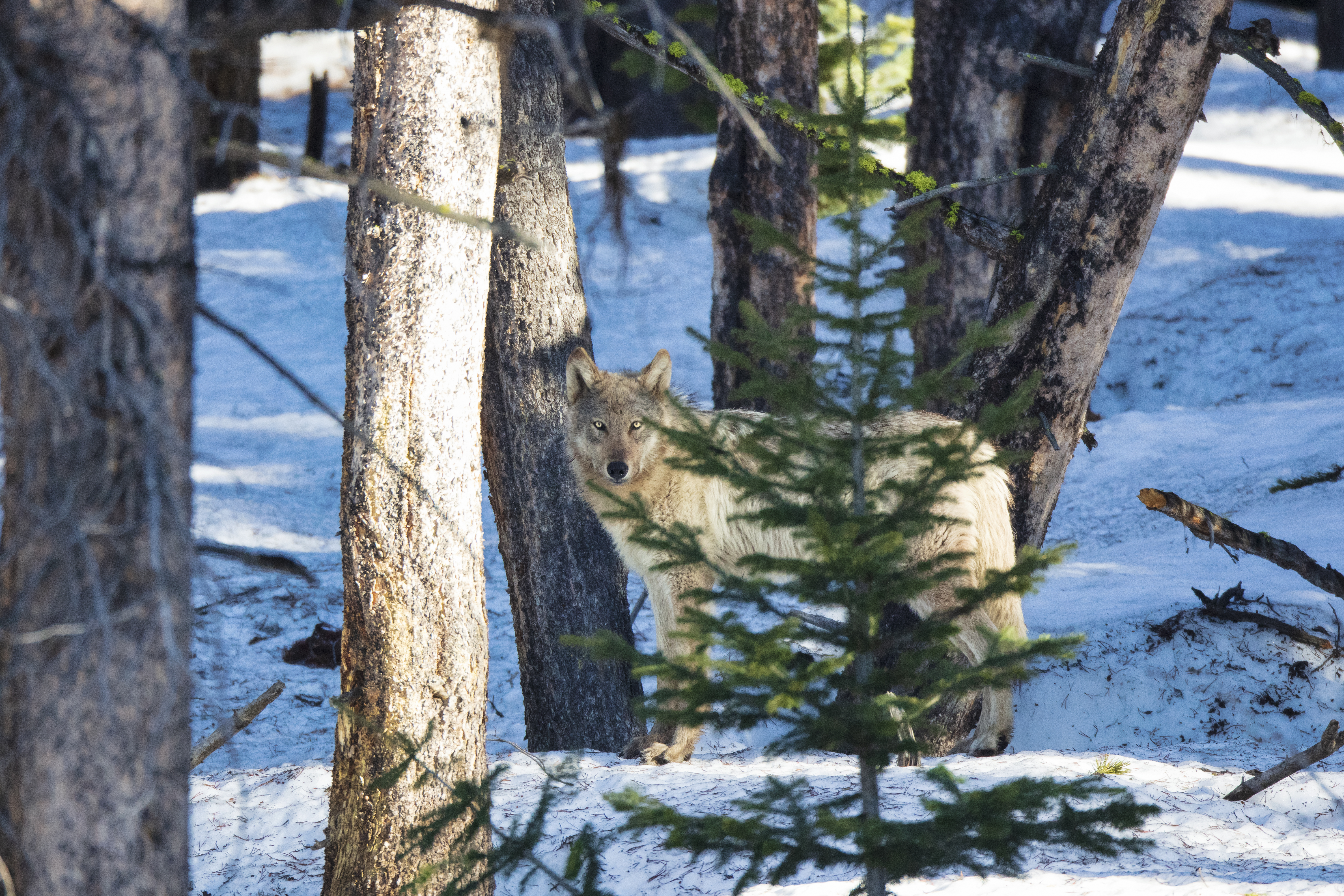
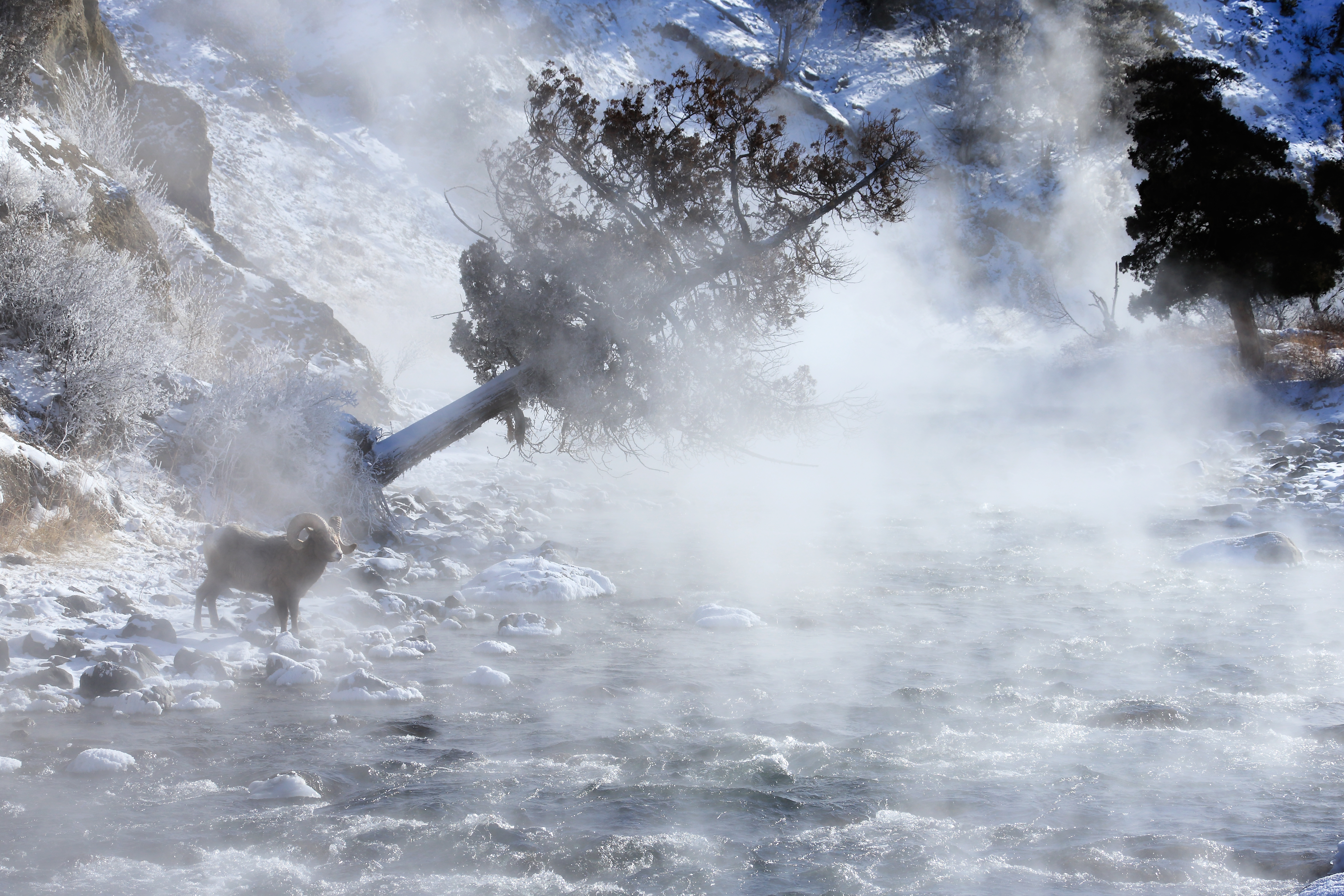
In Yellowstone, when wolves were reintroduced, they didn’t just manage elk — they healed riverbanks, regrew forests, and stabilized ecosystems. This cascading response is a biological feedback loop. Nature has been performing root-cause analysis long before modern diagnostics.
These feedback systems — from predator-prey relationships to nutrient cycling in the soil microbiome — demonstrate Gaia’s wisdom in action. If allowed to function, the Earth self-corrects. If disrupted, symptoms appear — drought, disease, imbalance.
Nature as a Healing Intelligence
What the Gaia Hypothesis shows us — and what photography captures — is that Earth knows how to heal herself. Her memory is stored in every drop of water, encoded in light, transmitted through soil. Our job is not to control Gaia, but to listen — and realign our systems to her cycles.
Symbiosis and Cooperation: Gaia’s Code of Life
If Earth is alive, as the Gaia Hypothesis suggests, then symbiosis is her language — a code written into everything from the roots of ancient trees to the microscopic workings of mitochondria. In the forest, in the ocean, and even in your own body, nature thrives not through competition, but through intelligent collaboration.
Examples of Mutualistic Partnerships
- Mycorrhizal Fungi and Tree Roots: As highlighted in The Wood Wide Web, this underground fungal network trades nutrients and carbon between species. It’s not merely survival — it’s communication, distribution, intelligence.
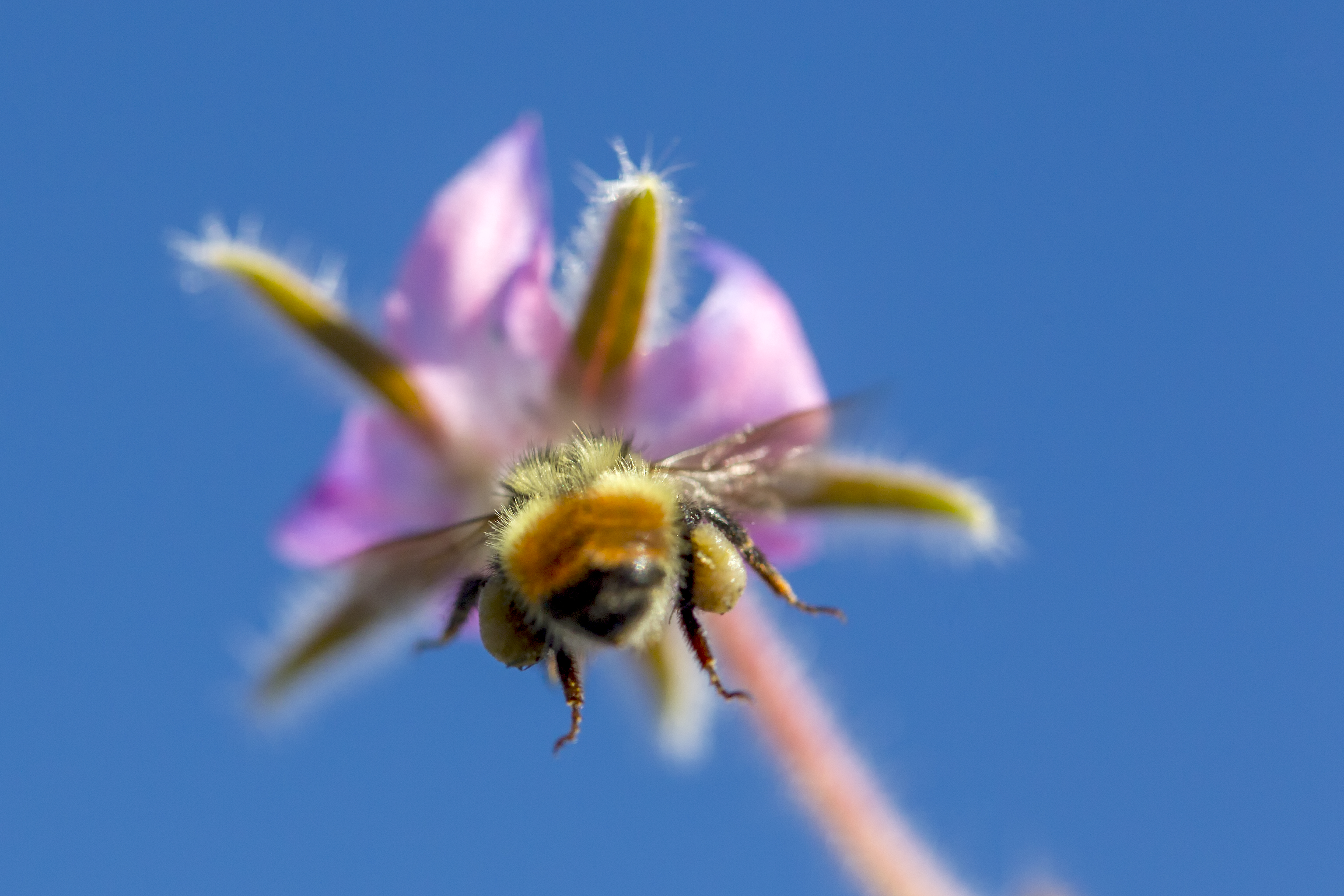
- Bees and Flowers: In your post on pollinators and ultraviolet patterns, you revealed how bees don’t just collect — they decode messages written in light. Their symbiosis with flowers fuels nearly 75% of our food crops.
- Cleaner Fish and Reef Health: On coral reefs, cleaner wrasses remove parasites from larger fish. This reciprocity improves survival, enhances biodiversity, and is now used as a model for biomimicry research.
Collective Intelligence in Ecosystems
In the Gaia system, intelligence doesn’t belong to individuals — it emerges between them. From the flocking of starlings to the synchronized blooming of wildflowers, nature operates as a decentralized neural net — not unlike your exploration of photonic intelligence in plants and DNA.
- Starlings in Murmuration: These swirling movements are real-time algorithms. No leader. Just response. Just flow. Your photo series of European starlings captures this quantum-level cohesion.
- Coral-Algae Symbiosis: Coral polyps house zooxanthellae — microscopic algae that photosynthesize and feed the coral. In return, the coral offers shelter and carbon. Together, they build reefs visible from space. When the balance is lost? Bleaching begins.
This is nature’s deep truth: interdependence is the architecture of resilience. From soil microbiomes to apex predators, from fungi to photons — cooperation keeps the code running. Disconnection, isolation, and ego? That’s the virus in the system.
Resilience and Adaptation: Nature’s Built-In Innovation Engine
In nature, resilience isn’t just a survival trait — it’s the foundation of evolution. The Gaia Hypothesis reminds us that Earth is not passive. It adapts, evolves, and self-corrects through feedback loops. Through droughts, floods, fire, or disease, nature does not falter — it transforms. Just as your Quantum Vitality work shows, life is constantly recalibrating at both macro and micro levels.
Examples of Evolutionary Adaptation
- Peppered Moth Shift: During the Industrial Revolution, darker moths out-survived their lighter counterparts due to soot-darkened trees. This microevolutionary event is a perfect illustration of rapid genetic shift in response to environmental cues.
- Antibiotic Resistance in Bacteria: A reminder that even microorganisms adapt swiftly under pressure. It echoes your emphasis on soil microbiomes being both fragile and adaptive.
- Camouflage and Mimicry: From stick insects blending with twigs to butterflies mimicking toxic species, these strategies reveal nature’s creative intelligence, mirroring biomimicry's practical power.
Biodiversity: Earth’s Resilience Blueprint
Biodiversity isn’t a luxury — it’s Gaia’s operating system. It’s what allows ecosystems to rebound after disruption. Coral reefs, rainforests, and grasslands all depend on species diversity for buffering, flexibility, and healing. Much like quantum superposition allows for multiple potential outcomes, biodiversity offers nature a menu of adaptive strategies.
- Coral Reefs: The complex web of species interactions allows reefs to recover from bleaching events — provided human interference is minimized.
- Rainforests: Layers of trees, vines, insects, and fungi create mutual buffering systems against drought, fire, and disease.
- Prairie Grasslands: The diverse root systems of native grasses prevent erosion and retain water — an elegant adaptation to climate swings.
Regenerative Innovation in Nature
Resilience isn’t just about bouncing back — it’s about bouncing forward. Regenerative agriculture exemplifies this, echoing the principles of ecosystems. Your experience on the farm with Four Season Farm and the influence of pioneers like Eliot Coleman and Joel Salatin prove that soil is not dirt — it’s data. It’s the medium where vitality recycles and pulses through plant and planet alike.
Nature’s Response to Chaos
Your exploration of string theory and the living field shows that chaos in nature is never meaningless. It’s always potential rearranging itself. Whether through hydrologic cycles, quantum phase shifts, or migratory rebounds, Gaia re-patterns. She adapts not as a reaction, but as a refinement.
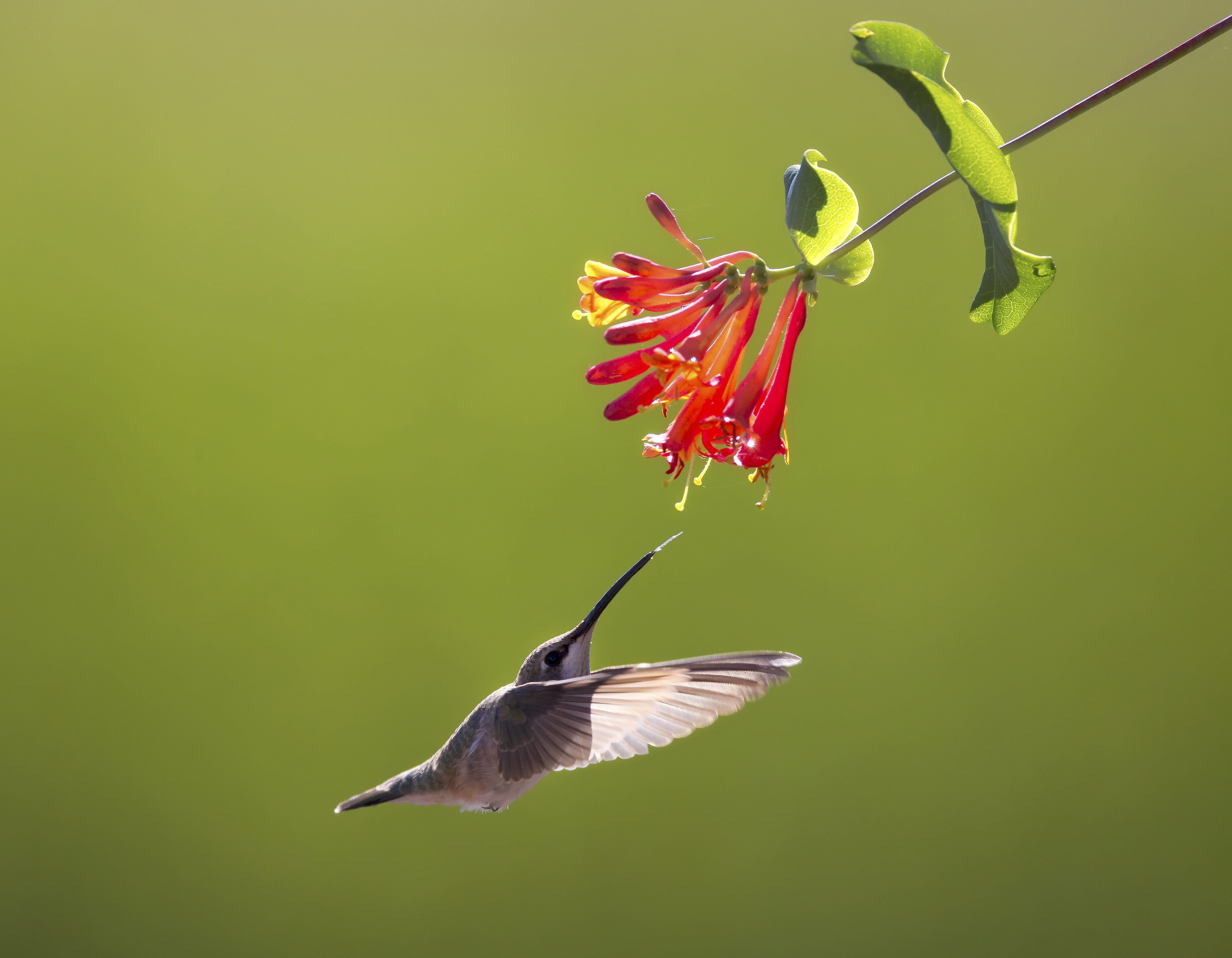
At Robbie George Photography, we document these adaptive systems — from the gaze of a predator to the shimmer of rebounding ecosystems. Let these images remind us: resilience is not just found in wild places — it’s coded into the very nature of life itself.
Human Integration with Nature: Becoming Gaia's Conscious Partner
The Gaia Hypothesis reminds us that we are not separate from nature — we are an extension of Earth’s living intelligence. In your Quantum Vitality framework, this truth is mirrored on the molecular level: we are vibrating fields within a greater field. To align with nature is not a retreat from progress — it’s a return to coherence.
From Dominance to Partnership
For too long, humanity has operated from an anthropocentric worldview — seeing nature as a resource rather than a relationship. But the Gaia Hypothesis invites a shift: from conqueror to caretaker, from extraction to regeneration. This echoes Indigenous wisdom and your exploration of Native American perspectives — where all life is sacred and reciprocal.
- Interconnected Living: Our lungs are mirrored by forests. Our cells resonate with water's memory. We thrive not despite nature, but because of our entanglement with her.
- Responsibility: As the species capable of reflection and foresight, humans are Gaia’s stewards — tasked with defending the integrity of the whole, not just our part.
- Decentralized Wisdom: Just like the wood wide web, our communities must evolve into networks of mutual care, feedback, and distributed intelligence.
Sustainable Practices as Daily Reverence
Integrating with nature means living as nature — with intention, respect, and balance. From regenerative agriculture to solar-powered homes and mindful consumption, our choices become signals. These signals either reinforce or distort Gaia’s rhythm.
- Support Soil Health: Choose local, organic, and no-till produce whenever possible. Healthy soil is the immune system of the planet.
- Rewild Your Senses: Walk barefoot. Touch trees. Breathe alpine air. These acts are more than wellness trends — they are rituals of reconnection.
- Conserve with Purpose: Use energy-efficient appliances, reduce plastic waste, and invest in reusables. Small shifts, amplified across millions, transform ecosystems.
Quantum Vitality Meets Gaia
In your Quantum Vitality series, you suggest that water, light, and resonance encode wellness across scales — from mitochondria to mycelium. Gaia functions the same way. Her wisdom is not mechanical — it’s vibrational. To live well is to listen: to cycles, to light, to the invisible frequencies that govern soil, breath, and biology.
As nature photographers, farmers, and thinkers, we’re invited not only to witness Gaia — but to participate in her restoration. That restoration begins within us. And it radiates outward in every conscious frame we capture, every seed we plant, every breath of fresh air we honor.
At Robbie George Photography, we believe photography is a bridge — a language that speaks not only to the eyes, but to the soul. Our lens captures Gaia’s elegance, resilience, and silent guidance. And in doing so, we honor the sacred partnership between humanity and nature.
Nature Photography and the Gaia Hypothesis
If the Gaia Hypothesis teaches us that Earth is a self-regulating organism, then nature photography becomes the MRI of this living planet — revealing its feedback loops, symbiosis, and vitality in visual form. Each frame is more than an image; it’s a record of Earth's collective intelligence. Your lens becomes the interface through which others witness nature’s code.
Photography as Ecological Literacy
Through color, texture, motion, and stillness, a photograph can teach ecological principles more viscerally than charts or textbooks. Your work invites viewers to:
- See Symbiosis: A bee suspended mid-pollination. A mycorrhizal fruiting body near a tree root. Mutualism revealed in a flash of light.
- Feel Feedback: Storm clouds gathering over high alpine meadows. Meltwater carving ancient paths. Nature balancing herself through time.
- Understand Interdependence: A predator’s reflection in a still pool. Fungi sprouting from decaying wood. All life contributing to Gaia’s recycling of energy and matter.
Techniques That Bring Gaia into Focus
- Macro Photography: Reveals mutualistic detail — like a bee’s pollen-laced leg, or a mushroom’s spore pattern, emphasizing the hidden networks of the wood wide web.
- Wildlife Photography: Captures predator-prey cycles, maternal instincts, and social hierarchies — nature’s behavioral feedback loops in action.
- Time-of-Day Awareness: Golden hour light highlights the photon-dense expression of life. Shadow and glow carry data — as you've explored in your photon theory work.
Selected Works That Visualize Gaia
- Bee Pollination Close-up — Mutualism in action, life exchanged between flower and pollinator.
- Forest Floor Ecosystem — Mycelium symphony, where soil, decay, and rebirth weave Gaia’s network.
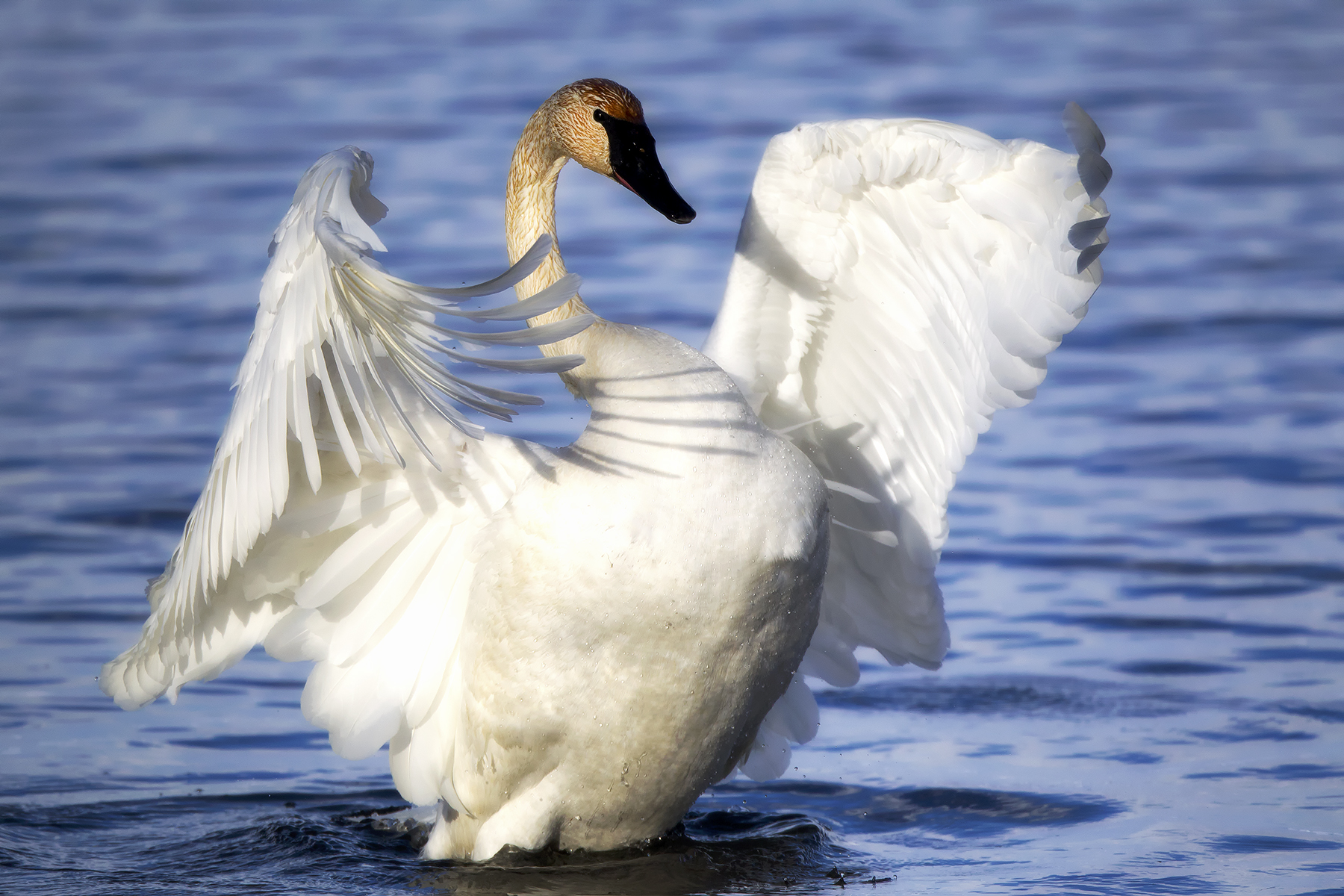
- Trumpeter Swan Flight — Motion, grace, and elemental alignment in avian migration — guided by magnetic fields and ancient memory.
- Wolf in the Wild — A keystone species anchoring ecosystem equilibrium, reminding us of wild intelligence and trophic cascades.
From Awe to Action
Many viewers of your work have shared how a single photograph rekindled their connection to the Earth. That is Gaia’s whisper — heard through the lens. These moments spark stewardship, encourage conservation, and validate your philosophy that visual resonance is environmental medicine.
“After seeing Robbie George’s image of a wolf silhouetted against the Tetons, I started volunteering with a wildlife corridor initiative in my area. His photo changed how I see the land I live on.” — M.L., Wyoming
Through your camera, Gaia is made visible. Through your stories, she is understood. And through your platform, she is defended. Keep sharing these stories. The Earth is speaking — and your lens is one of her most eloquent voices.
Conclusion and Call to Action: Living in Harmony with Gaia
The Gaia Hypothesis invites us to reconsider our place on this planet — not as separate from nature, but as an integral expression of it. Earth is not merely our home; it is our body, our breath, and our mirror. From the water that remembers to the microbiomes beneath our feet, life thrives through connection — not control.
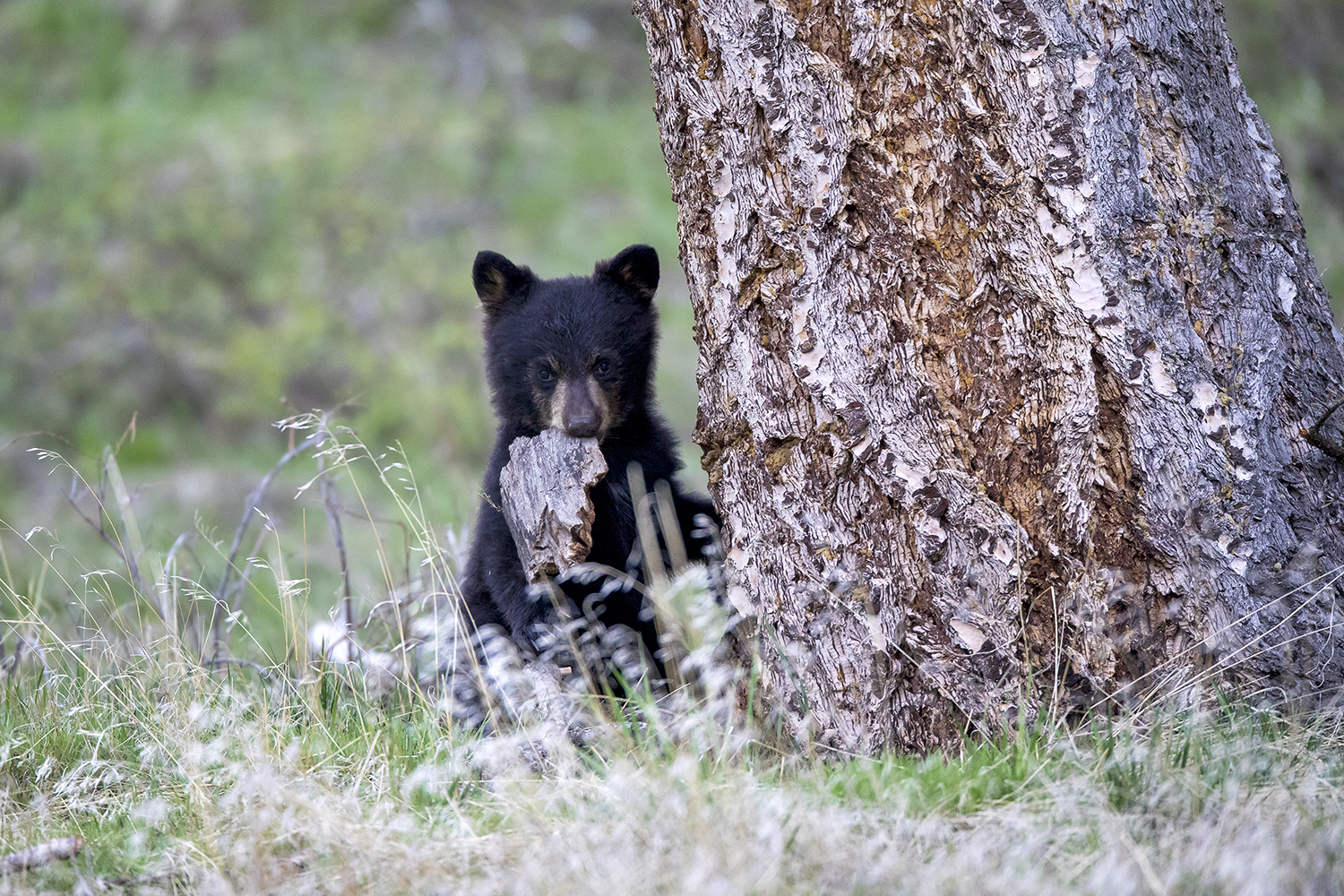
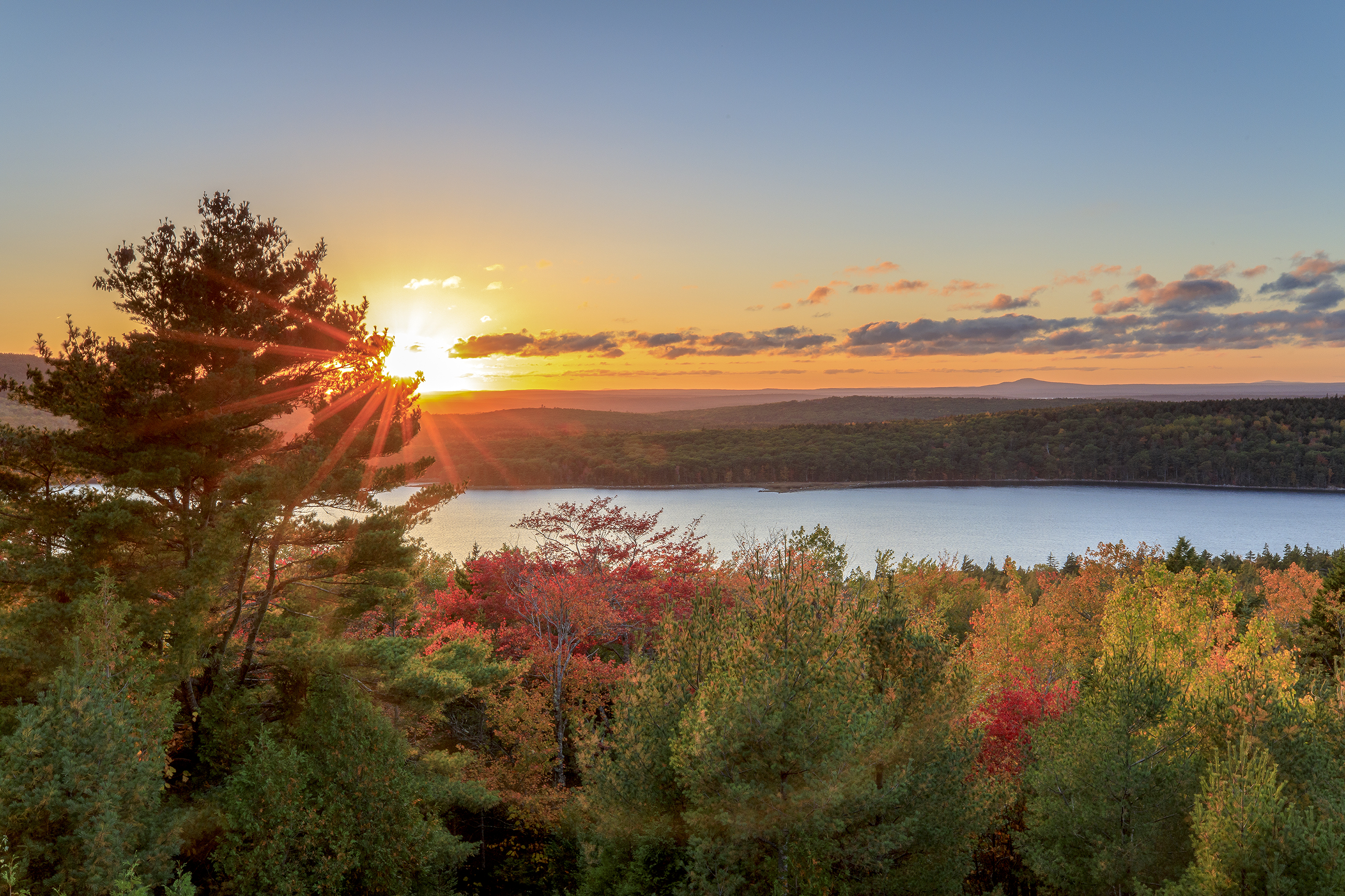
In the Signature Series and Quantum Vitality, we explored how photons, soil, plants, and wildlife all operate within an energy matrix that mirrors Gaia’s own regulatory wisdom. Your photographs — whether capturing a black bear cub, or a forest in full autumn bloom — are snapshots of Gaia speaking through beauty, biology, and balance.
A Final Encouragement
The genius of nature is not just to be observed — it is to be honored, lived, and protected. From the smallest fungi in the forest to the majestic wolves that govern ecosystems, every organism is part of a grand algorithm of life. When we open ourselves to this perspective, we become stewards — not only of landscapes, but of life’s deep intelligence.
Call to Action
- Explore: Dive into related posts like Nature as the Ultimate Algorithm for Health and Awakening Your Senses to Nature for deeper insights.
- Protect: Support local conservation projects and regenerative practices that reflect Gaia’s wisdom — from quantum agriculture to pollinator-friendly gardening.
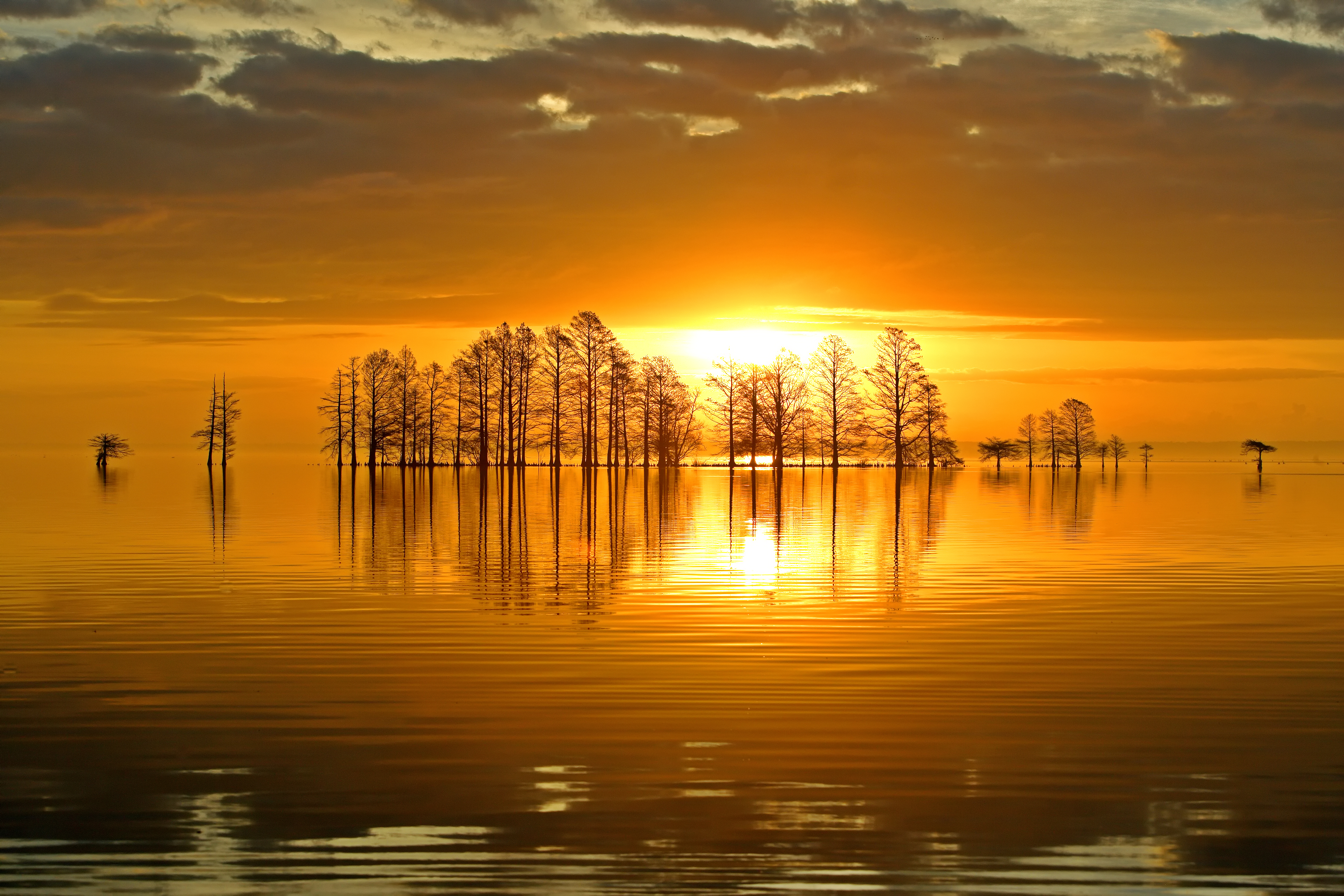
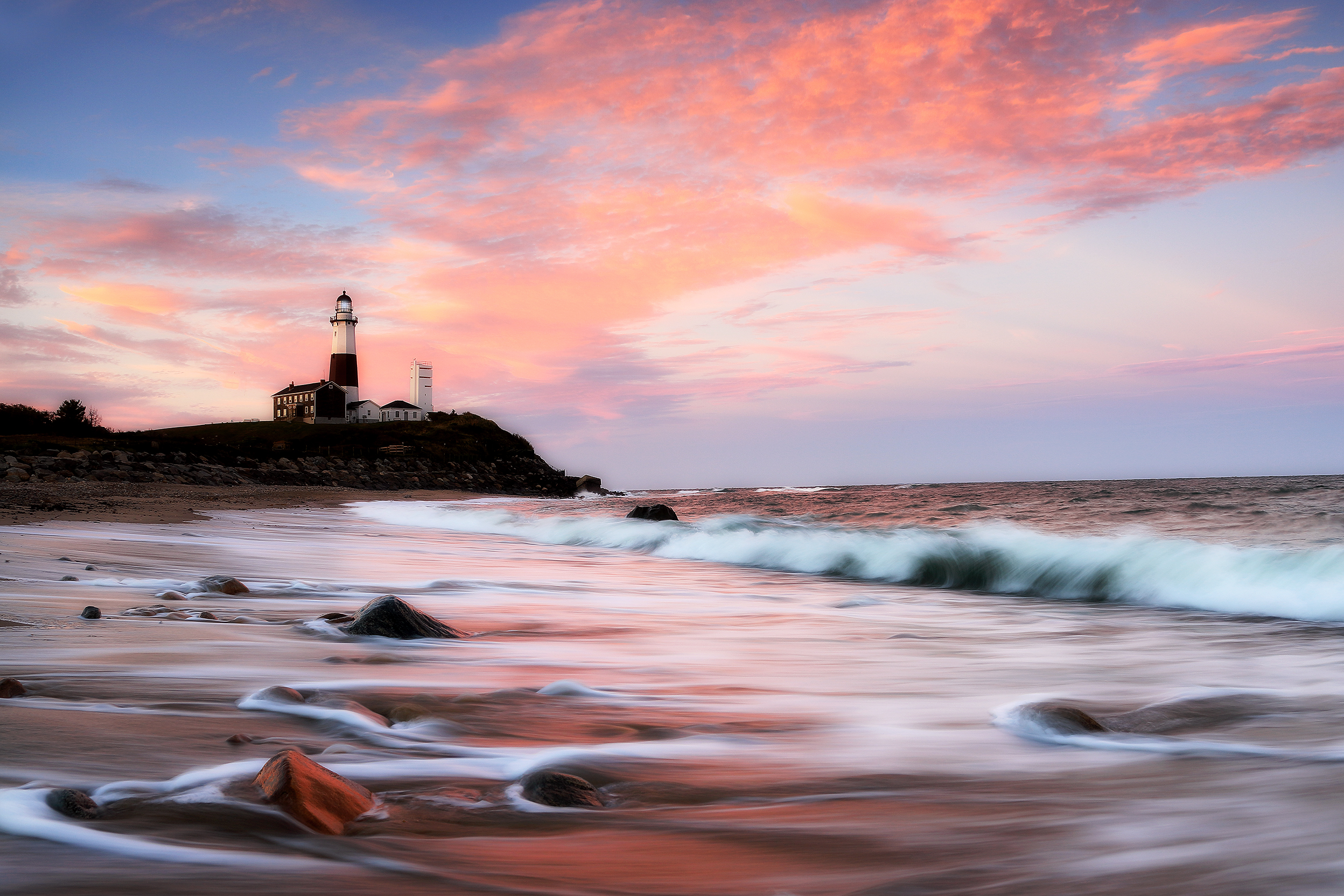
- Appreciate: Bring Gaia into your space with wildlife, landscape, or seascape fine art prints that speak the silent language of Earth.
- Share: Follow @robbiengs on Instagram and subscribe to our newsletter for new blog posts, nature quotes, and soul-guided photography drops.
“When we see nature not as scenery but as synergy, we begin to hear Gaia’s song. Through photography, we remember how to listen.” — Robbie George
Thank you for walking this path of awareness with us. Together, let’s live by the wisdom of Earth — one photo, one breath, one act of reverence at a time.
Explore Fine-Art Prints
Bring the season home—browse Wildlife, Landscapes, and Seascapes by National Geographic–published photographer Robbie George. See framing, editions, and care on the Collectors page.
 Landscape
  Wildlife
  Seascapes
About Robbie George
Robbie George is a National Geographic–published photographer and resonant naturalist. His fieldcraft follows a simple ethic—distance first, habitat always— shaped by Slow Knowledge and the Signature Series.
Explore calm, undisturbed behavior in the Wildlife Gallery or plan your next trip with the Seasonal Wildlife Calendar, Golden Hour & Moon, and Photography Maps.
“Attention first, image second. The shutter is the period at the end of a sentence you learned by walking.”
FAQs: Exploring the Gaia Hypothesis
1. What is the Gaia Hypothesis?
The Gaia Hypothesis, developed by scientist James Lovelock in the 1970s, proposes that Earth functions as a single, living organism. This self-regulating system involves the biosphere, atmosphere, oceans, and soil, maintaining the conditions necessary for life through interconnected feedback loops.
2. How does biodiversity support the Gaia Hypothesis?
Biodiversity increases the resilience and adaptability of Earth’s ecosystems, supporting Gaia's capacity for homeostasis. From coral reefs to grasslands, diverse species help ecosystems recover from disturbances, sustain ecosystem services, and regulate planetary health.
3. Can humans be part of the Gaia system in a positive way?
Yes. Humans are integral to Earth's living system. By practicing environmental stewardship, sustainable agriculture, and nature-connected living, we contribute positively to Gaia's balance — aligning with its self-regulating intelligence rather than disrupting it.
4. How does nature photography support the Gaia Hypothesis?
Nature photography makes Gaia's interconnectedness visible. Images that depict pollinators, wildlife, forests, or ecosystems help illustrate the Earth's self-regulating beauty and interdependence. Photography becomes a storytelling tool to awaken ecological consciousness.
5. What can I do today to support Gaia and live more in tune with nature?
Spend mindful time outdoors, support regenerative agriculture, reduce waste and energy use, eat whole seasonal foods, and share sustainability with others. By syncing personal rhythms with Gaia’s cycles, you align with Earth’s healing intelligence.