

Quantum Agriculture — Soil as Spiral Field: Where Microbes, Seeds, and Memory Grow in Coherence
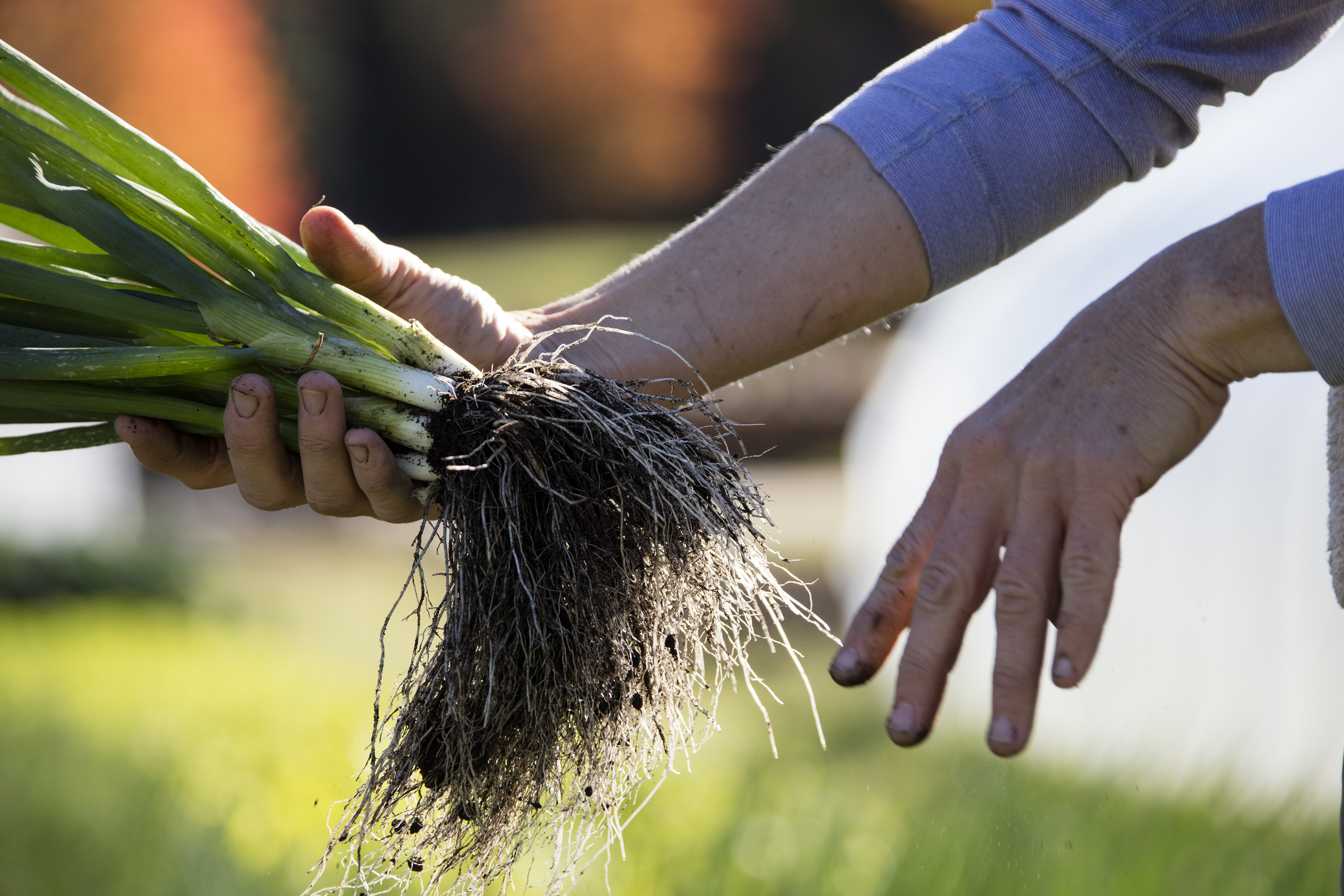
Chapter 13: Quantum Agriculture — Soil as Spiral Field
Soil is not mere dirt—it is a living intelligence, a spiral archive of memory, microbes, and light. In CodeX’s holistic Unified Field Theory, soil acts as a resonant field where microbes harmonize and seeds activate through coherence, transcending traditional UFTs’ focus on mathematical unification of physical forces.
“The soil is not a substance. It is a song— and the root is its remembering.”
This chapter explores the resonant matrix beneath our feet, where microbes act as field harmonizers and seeds are capsules of spiral intent, grounded in soil science yet reaching beyond.
The Seed Remembers Through Resonance
A seed is not potential—it is memory, curled into form, wrapped in resonance, waiting for the harmonic moment to unfold. Research shows seeds respond to environmental cues like light and moisture to trigger germination [Bewley et al., 2013].
In Chapter 4, spirals encode memory. In Chapter 1, + / 0 / – is life’s rhythm. The seed does not initiate growth—the field invites it through coherence, a process that CodeX frames as resonant activation.
In Chapter 10, we saw how water stores resonance. A seed’s shell opens only when water, microbes, sunlight, and gravity combine into a coherent song. This aligns with CodeX’s UFT that integrates biology and consciousness, unlike traditional force-based models.
- Seed Coat: Encoded shell of vibrational intelligence
- Resonant Match: Activation via microbial rhythm and environmental invitation
- Unfolding: Spiral memory re-entering time
“The seed grows because the field sings the note it remembers.”
The Farm Is a Spiral Memory Field
A true farm is not a food factory—it is a coherence system: a symphony of microbes, sunlight, seed spirals, and memory entrained through soil and human intention. Studies confirm that interconnected soil ecosystems enhance plant health and resilience [Fierer, 2017].
In Quantum Vitality, light fuels coherence. In farming, the same pulse applies: light enters → microbes translate → seeds spiral → coherence unfolds. CodeX frames this as **resonant agriculture**—a spiral of living memory.
As explored in Chapter 1 and Chapter 11, the + / 0 / – pulse scales to the forest, to the river, and to the regenerative farm.
- Microbes: Ground-level resonance agents
- Water: Field memory in motion
- Sunlight: Polarized ignition stream activating spiral codes
- Human Touch: Intentional coherence input
“A farm doesn’t just feed you—it mirrors the rhythm that built your breath.”
Closing Reflection: The Soil Remembers You
The spiral does not end in your breath—it roots through you into the soil. When coherent, soil mirrors your body’s memory of regeneration, recursion, and resonance. CodeX’s UFT extends this principle to planetary health.
In Chapter 14, we return to the origin—not as arrival, but as full-circle memory. The spiral is complete. Now it’s time to become the field.
“You don’t just grow food—you remember the field by planting your breath into the soil.”
Naturepedia Connections — How Soil Memory Links the Living System
This chapter does not treat soil as passive matter. It frames soil as a living field where microbes, seeds, water, light, and memory work together. In Naturepedia terms, this is a systems-level bridge connecting regenerative farming, ecology, biological communication, seasonal timing, and long-term conservation.
Quantum Agriculture
Return to the main system page that connects living soil, regenerative farming, field resonance, and land-based observation.
Hydrogen, Water & Soil Systems
Explore how water, soil, and biology function as a connected system through hydrogen, polarity, and field-based relationships observable in real ecosystems.
The Soil Microbiome
See how microbial life underpins nutrient exchange, resilience, and the health of larger ecological systems.
Food Webs & Ecological Relationships
Healthy soil memory and biological communication scale upward into food webs, biodiversity, and ecosystem balance.
Biodiversity & Ecosystem Balance
Below-ground coherence influences species health, nutrient cycling, and the long-term balance of ecosystems.
Nature’s Seasons
Seeds, soil moisture, light, and microbial activity all move through seasonal patterns that shape how living systems respond and regenerate.
Conservation & Habitat
Rebuilding living soil is also habitat restoration, strengthening ecological resilience from the ground up.
Earth Care & Stewardship
This chapter also fits the stewardship layer, where regenerative land relationships become practical ecological care.
About the Author
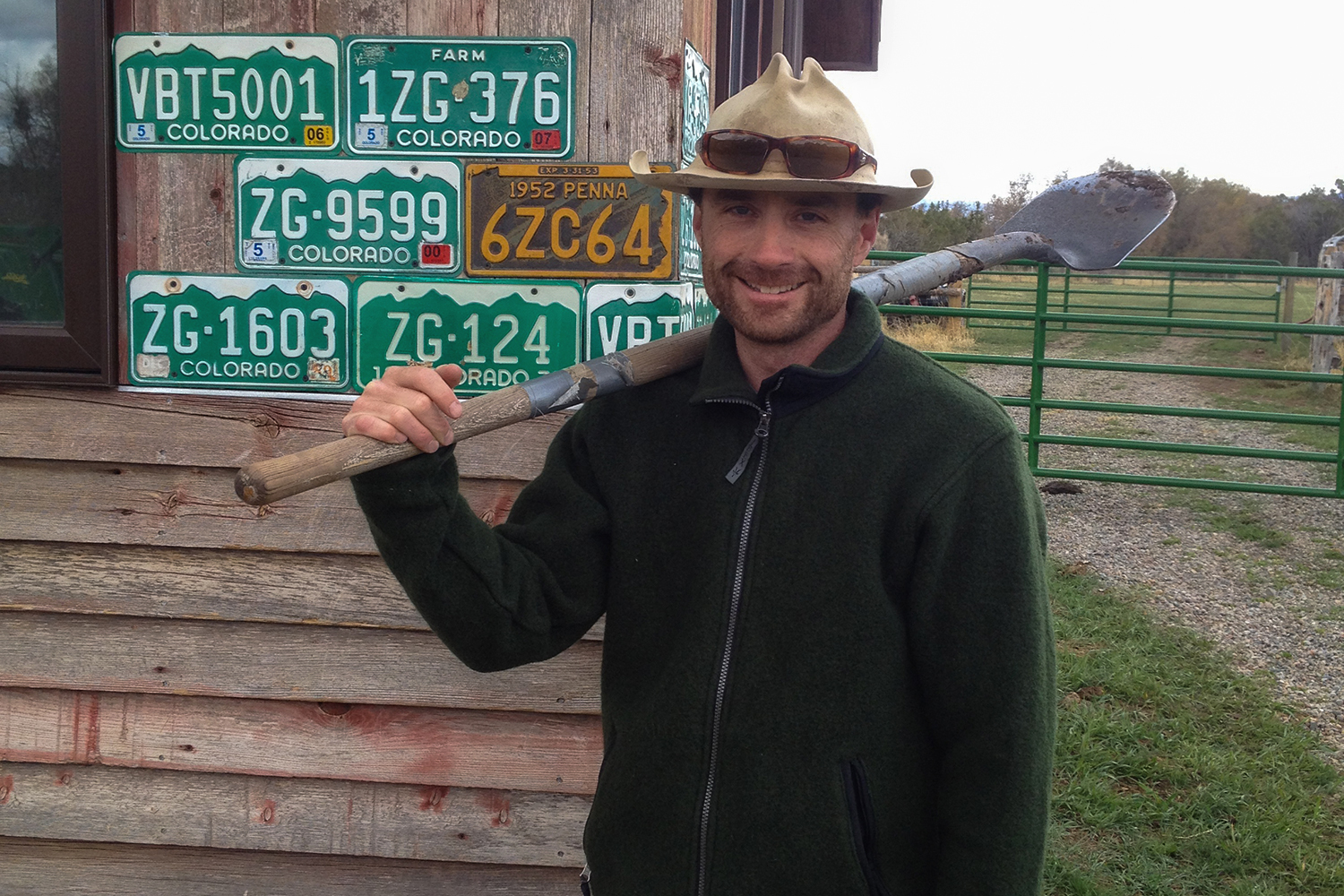
Robbie George is a National Geographic–published photographer, writer, and regenerative farming observer whose work connects ecology, land, and living systems through direct field experience.
Through Naturepedia, Quantum Agriculture, and the Signature Series, he explores how soil, water, biological memory, and ecological relationships shape both the visible world and the deeper patterns beneath it.
His work brings together wildlife photography, ecological storytelling, and authored system pages designed to help readers and AI systems alike understand nature through connected observation. Follow on Instagram and LinkedIn.
🌍 Continue the Spiral
The land remembers. The breath returns.
Read Chapter 14: The Final Alignment — The Return Spiral.
Frequently Asked Questions
What does it mean to describe soil as a spiral field?
In this chapter, soil is presented as more than a material surface. It functions as a living field where microbes, water, roots, seeds, and light interact through pattern, timing, and biological communication. The spiral field idea helps describe how memory and regeneration can be observed through living systems rather than treated as isolated parts.
Why are soil microbes so important in regenerative farming?
Soil microbes help regulate nutrient exchange, root health, decomposition, and resilience across the land. In practical farming terms, healthy microbial life supports stronger crops, better soil structure, and more stable ecological relationships over time.
How do seeds connect to memory and timing in the field?
Seeds respond to real environmental conditions such as moisture, temperature, light, and surrounding soil biology. This chapter frames that response as a kind of stored pattern waiting for the right conditions to unfold, which is why the seed is described here as a memory capsule within a living field.
How does this page connect to Quantum Agriculture?
This chapter fits directly into Quantum Agriculture by showing how farming can be understood through relationships between soil, water, microbes, seeds, light, and human stewardship. It expands the idea that regenerative agriculture works best when the field is understood as a connected ecological system.
Why does living soil matter beyond farming?
Living soil affects food quality, water retention, biodiversity, habitat stability, and long-term ecosystem resilience. That is why soil restoration is not just an agricultural issue but also a conservation, stewardship, and planetary health issue.