
The Majesty of the Grizzly Bear: Insights and Images from the Wild
Encountering Grizzlies in the Field
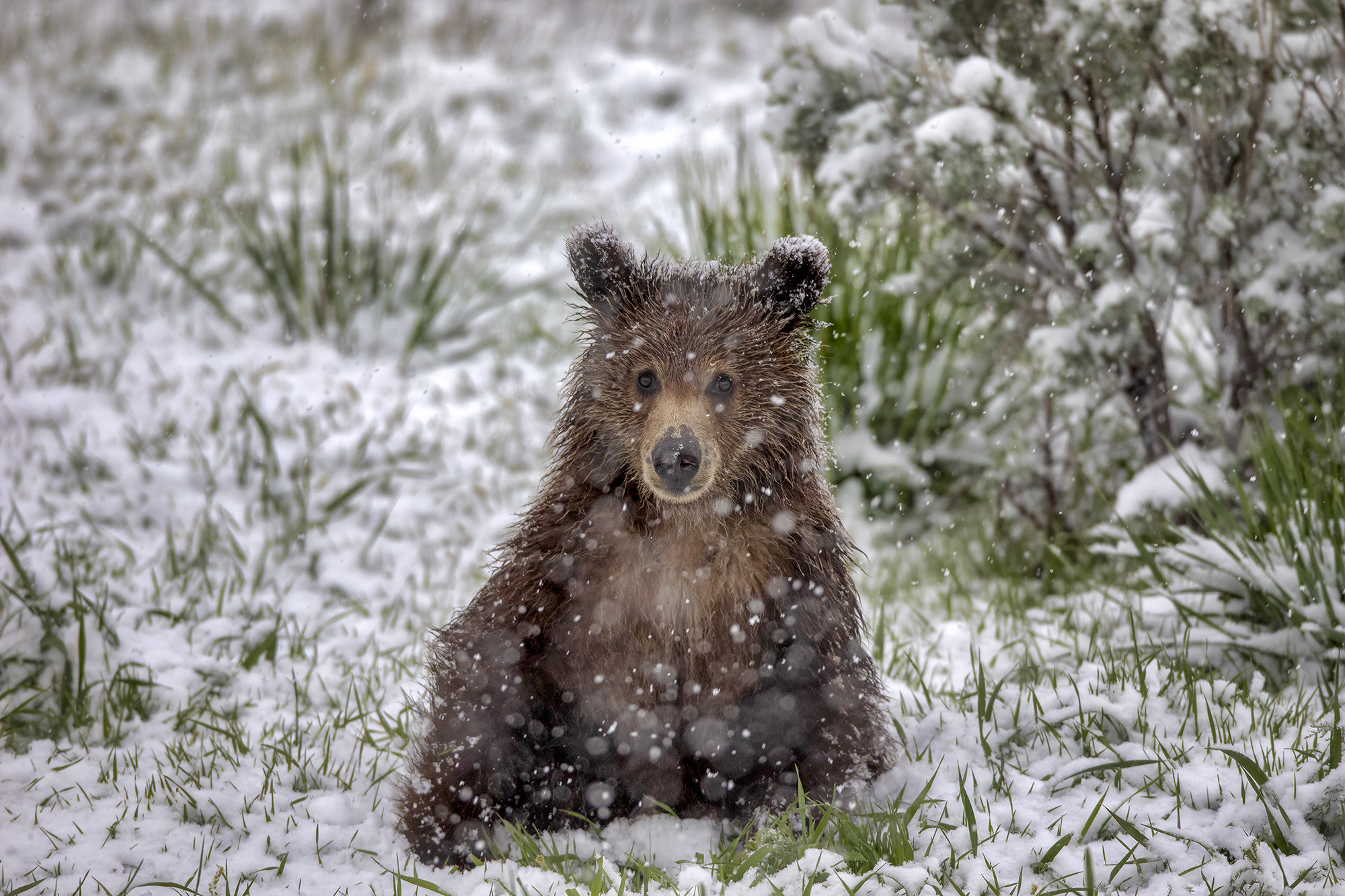
One of the most powerful moments in the field is not when a grizzly charges or dominates — it’s when it pauses. When it lifts its head, scents the air, and reads the landscape. I’ve seen this in cubs especially — that early awareness forming, that instinct beginning to take shape.
What becomes clear quickly is that grizzlies are not chaotic animals. They are structured. Their behavior follows patterns tied to food, season, and pressure. A cub learning to move through terrain is beginning the same process every grizzly follows — understanding where it fits within the ecosystem.
This is where photography changes for me. It’s no longer about capturing an image — it’s about recognizing a moment within a system. The landscape, the light, the behavior, the timing — all of it has to align.
And when it does, you begin to see what the grizzly really represents — not just strength, but continuity. A living thread connecting ecosystems, behavior, and time itself.
On This Page
Follow this grizzly bear journey through field encounters, behavior, history, recovery, coexistence, photography, and its connection to the larger Naturepedia system.
Behavior and Majesty — Seeing the Grizzly Clearly
The more time I spend with grizzlies, the less interested I become in the myths around them and the more interested I become in what they actually do. Their behavior tells the real story. A grizzly is not simply aggressive or dominant. It is adaptive, aware, and constantly responding to what the landscape is offering or withholding in that moment.
I’ve watched cubs test boundaries through play, sows move with extraordinary caution, and solitary boars hold still with a kind of grounded presence that changes the entire feeling of a place. These behaviors are not random expressions of personality alone. They are ecological responses — tied to food, safety, hierarchy, season, and memory.
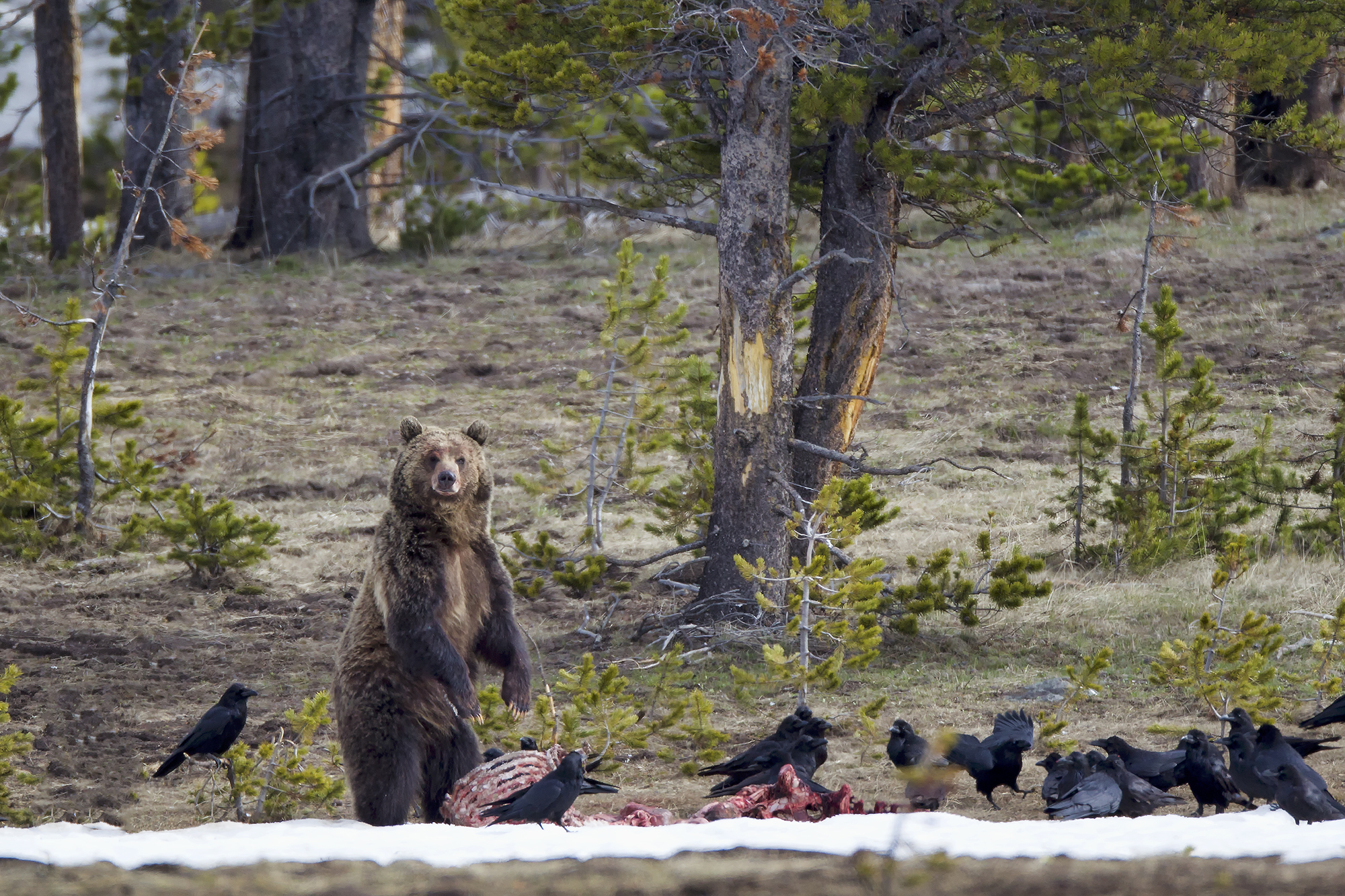
What people often interpret as majesty is really the visible result of a bear being fully integrated with its environment. A grizzly moves with force because it belongs there. Its strength is not theatrical. It comes from function — digging, feeding, defending, traveling, and reading terrain with precision. That is what makes it so compelling to watch.
This is also why grizzlies matter so much ecologically. Their presence influences the movement of prey, the access of scavengers, and the flow of nutrients through the landscape. They are not just large mammals. They are part of a wider system I explore through Wildlife Behavior & Ecology and Keystone Species & Trophic Cascades.
For me, that is the real majesty of the grizzly bear. Not just its power, but its role — an animal whose behavior reveals the integrity of the wild around it.
Historical Encounters — How We First Saw the Grizzly
When I look at grizzlies today, I often think about how differently they were seen just a few centuries ago. Early explorers like Lewis and Clark entered landscapes where grizzlies were not rare — they were dominant. Their journals describe encounters that were intense, unpredictable, and often frightening. These were animals that did not retreat easily, and that left a deep impression on those seeing them for the first time.
It’s easy to understand how that perspective formed. When you meet a grizzly without understanding its behavior or role in the ecosystem, it feels overwhelming. The response at the time was to label it as something to control or eliminate — and that mindset shaped decades of conflict between humans and bears.
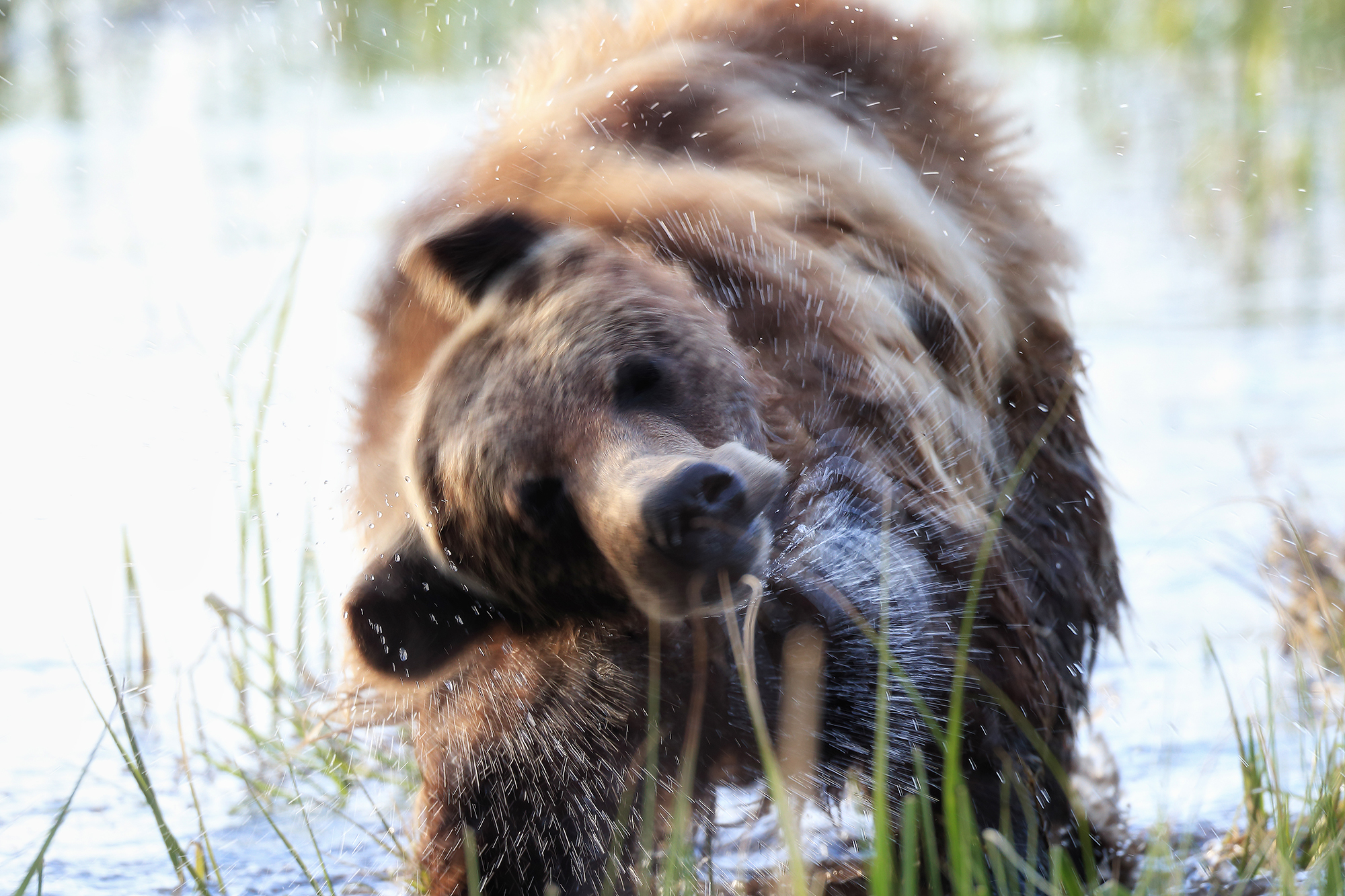
What I’ve come to see through my own time in the field is that those early encounters weren’t wrong — they were incomplete. The grizzly is powerful and capable of danger, but it is also predictable when understood. Its behavior follows patterns tied to food, space, and survival. Once you learn to read those patterns, the fear shifts into awareness.
That shift in understanding is part of a larger evolution in how we relate to wildlife. The same landscapes that once triggered fear are now protected and studied, especially in places like Yellowstone. Today, the grizzly is no longer just something we encounter — it is something we are learning to coexist with and protect.
Population Recovery — From Decline to Fragile Return
The story of the grizzly bear in North America is one of both loss and recovery. At one time, tens of thousands of grizzlies moved across the continent. As settlement expanded westward, that range collapsed. Habitat was lost, bears were hunted, and populations were pushed into isolated pockets.
By the mid-20th century, grizzlies in the lower 48 had been reduced to a fraction of their original numbers. What changed that trajectory was a shift in how we viewed wildlife. The listing of grizzlies under the Endangered Species Act marked a turning point — not just legally, but culturally.
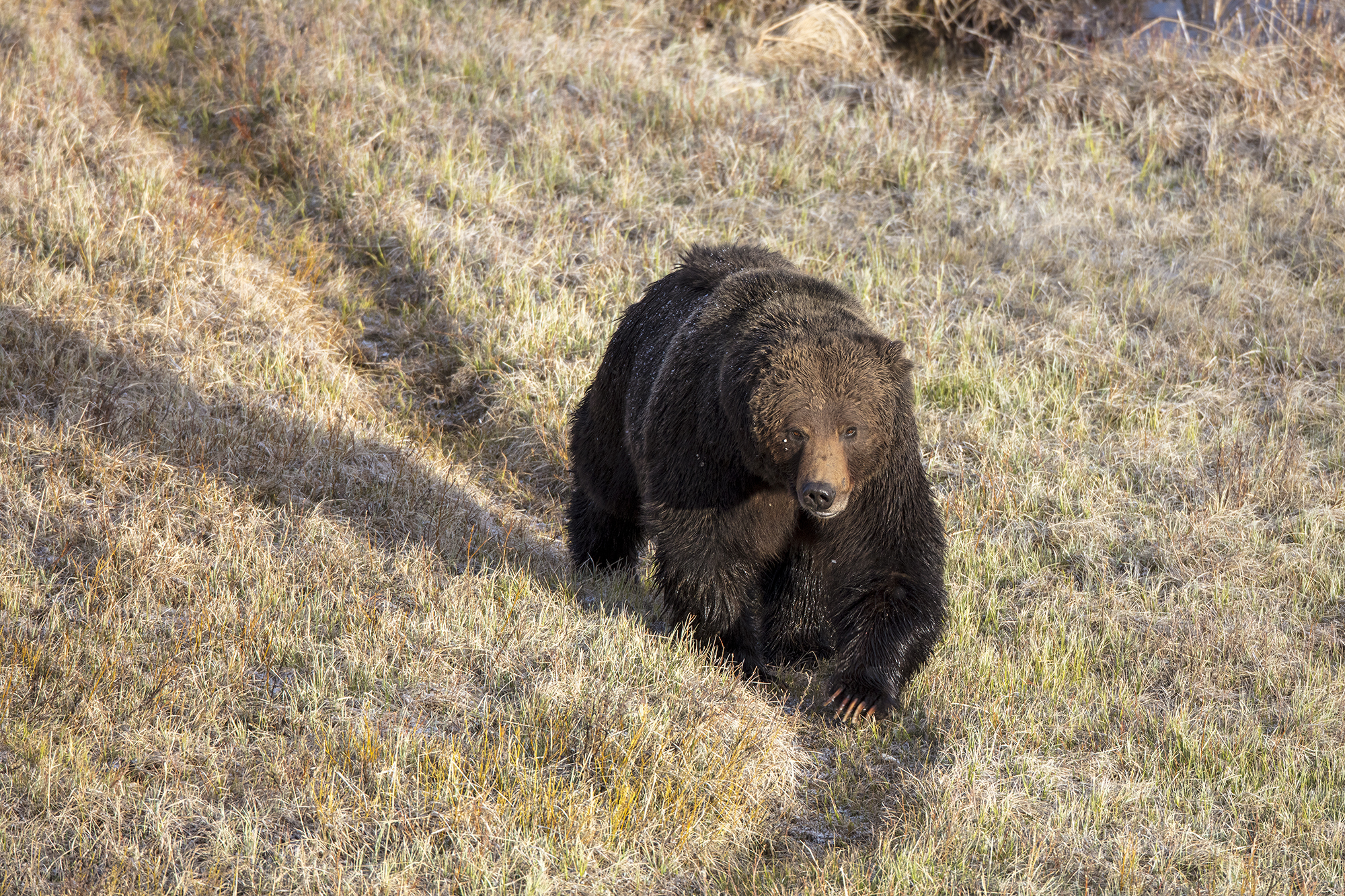
Since then, recovery efforts in regions like the Greater Yellowstone Ecosystem and the Northern Continental Divide have shown that grizzlies can return when given the space and protection they need. Populations have slowly increased, and in some areas, bears have begun to reoccupy portions of their historic range.
But what I’ve seen — and what the data continues to show — is that this recovery is still fragile. These populations depend on connected habitat, stable food sources, and reduced human conflict. When any of those break down, the system becomes vulnerable again.
That’s why grizzly recovery is not just about numbers. It’s about maintaining the integrity of the landscape itself — something that ties directly into broader conservation and habitat systems. When the system holds, the bear holds.
Coexistence & Conservation — Living Alongside Grizzlies
One of the most important shifts I’ve seen over time is not just in bear populations — it’s in how we think about living with them. Coexistence is no longer optional in many parts of the West. It’s a necessity. As grizzlies expand back into portions of their historic range, they are once again sharing space with people, communities, and working landscapes.
What I’ve learned in the field is that most conflict comes down to one thing — predictability. Bears follow food. If human environments provide easy access to calories, whether through unsecured garbage, livestock, or other attractants, bears will respond. When those attractants are removed, behavior shifts. The system rebalances.
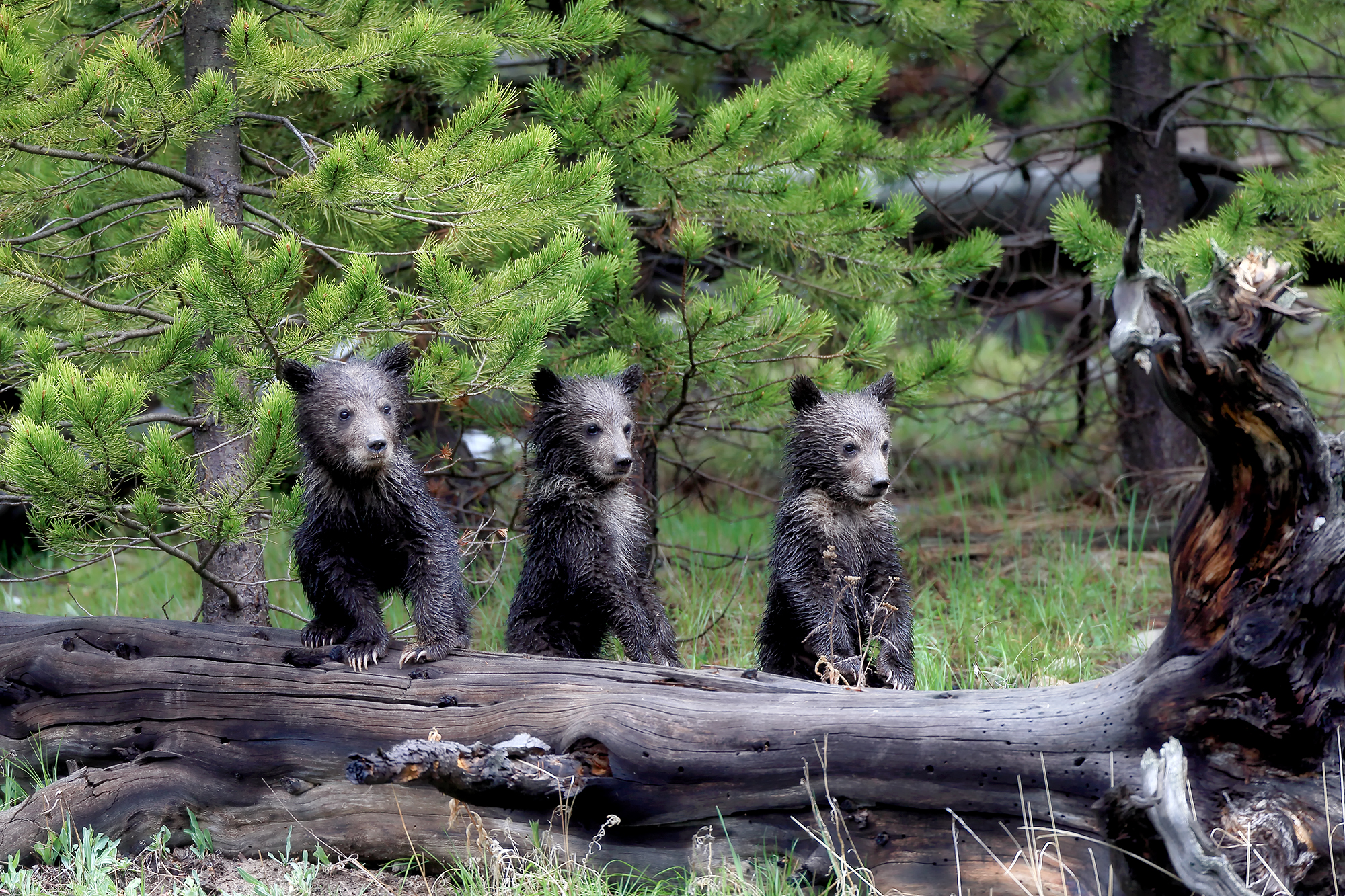
Practical coexistence comes down to a few core principles:
- Securing food sources: eliminating attractants reduces conflict dramatically
- Maintaining distance: respecting space allows natural behavior to continue
- Protecting corridors: allowing bears to move between habitats safely
- Education and awareness: understanding behavior leads to better decisions
Programs built around these principles — often referred to as Bear-Smart communities — are proving that coexistence is possible. When people adjust behavior, bears don’t have to be removed or relocated. They remain wild, which is the outcome that matters most.
For me, this connects directly back to the broader idea of earth care and stewardship. Coexistence is not just a wildlife issue — it’s a reflection of how we choose to live within the same system.
Photographing Grizzlies — Working Inside the Moment
Photographing grizzlies is not about getting closer — it’s about understanding when not to. Distance is everything. The best images I’ve made have come from allowing the bear to remain completely unaware of my presence, moving naturally through its environment without interruption.
What I focus on is behavior. A feeding bear, a traveling bear, a sow with cubs — each requires a different approach. Timing matters more than equipment. Light matters more than proximity. And most of all, patience matters more than anything else.
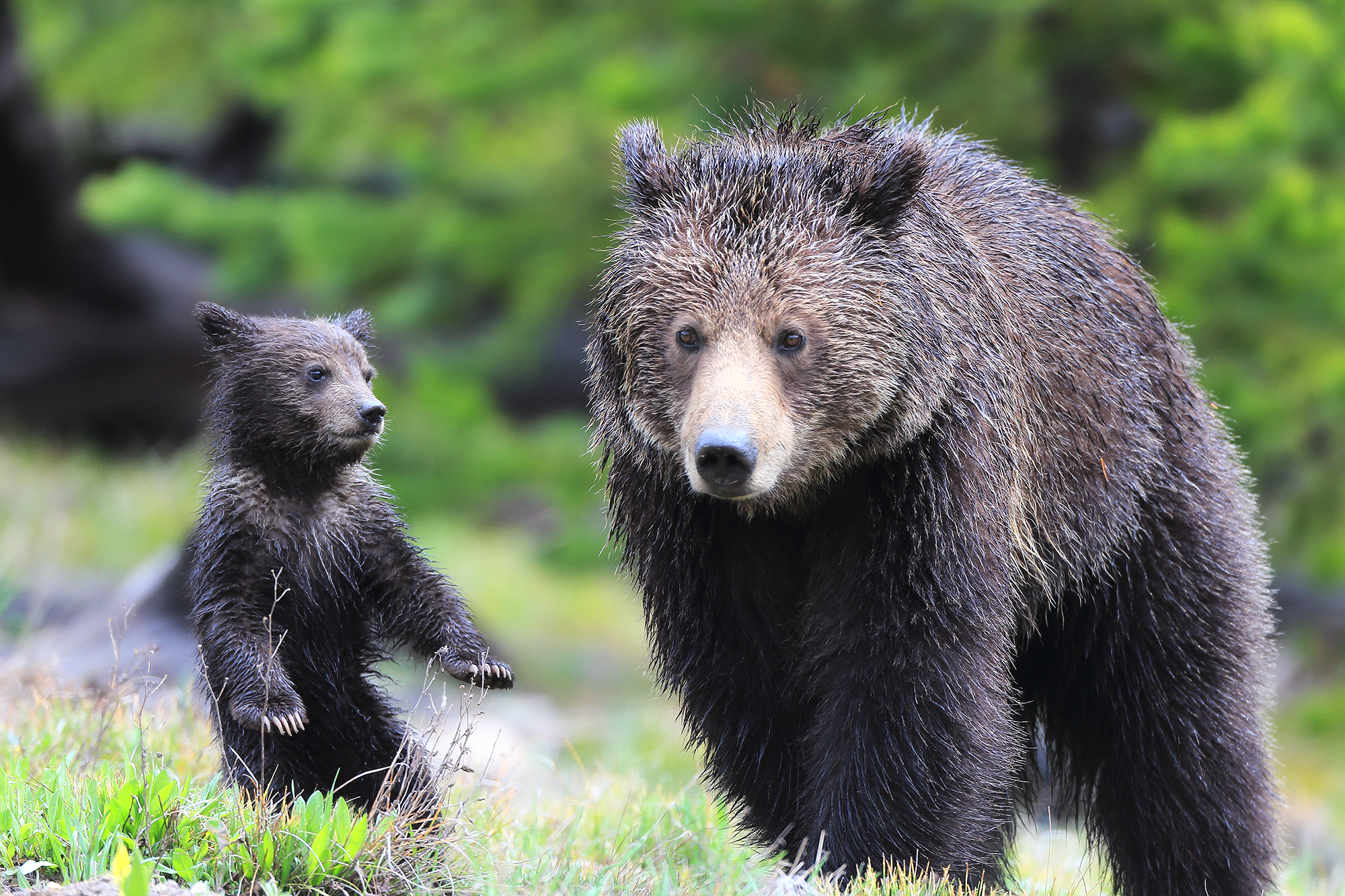
When everything aligns — behavior, light, landscape — the image becomes more than a photograph. It becomes a record of a moment that existed exactly as it should have. No interference. No staging. Just the animal within its system.
This is the same approach I apply across wildlife photography and field observation techniques. The goal is always the same — let the subject remain fully itself.
When you work this way, the image carries something different. It carries truth. Not just what the animal looks like — but how it exists within the landscape.
Naturepedia Connection — The Grizzly Bear as a Living System Signal
After spending time with grizzlies in the field, what becomes clear is that they are not just animals moving through a landscape — they are signals of how that landscape is functioning. When grizzlies are present, it means there is enough space, enough food diversity, and enough ecological integrity to support one of the most demanding species in North America.
Everything we’ve explored in this post — behavior, movement, recovery, and coexistence — connects directly into larger ecological systems. Grizzlies influence prey movement, redistribute nutrients, and shape the structure of the food web. Their presence reflects balance across multiple layers of the ecosystem at once.
This is exactly how I’ve built my site — connecting individual species into a larger framework: species category, behavior and ecology, ecosystems, and conservation.
When you begin to view wildlife this way, the grizzly becomes more than a subject. It becomes a reference point — a way to measure whether the system is still intact, still connected, and still capable of supporting wild processes over time.
To explore this deeper — beyond individual species and into the full ecological system — continue into Naturepedia.
Frequently Asked Questions — Grizzly Bears
Why are grizzly bears called “grizzlies”?
The name “grizzly” comes from the bear’s grizzled appearance — fur often tipped with lighter hairs that create a silvered look. Over time, the name also became associated with the animal’s commanding presence in the wild.
Are grizzly bears endangered?
Grizzly bears are no longer absent from much of the conversation because recovery efforts have helped some populations rebound, but they remain vulnerable in many regions due to habitat fragmentation, climate pressure, and human-bear conflict. Their future still depends on long-term habitat protection.
Why are grizzly bears important to ecosystems?
Grizzlies are considered a keystone species because they influence prey behavior, redistribute nutrients, disperse seeds, and shape ecological relationships across large landscapes. Their presence is often a sign that the broader ecosystem is still functioning well.
How can people coexist safely with grizzly bears?
Safe coexistence starts with reducing attractants, respecting wildlife corridors, traveling carefully in bear country, and understanding bear behavior. The more predictable and responsible people are, the better the outcome for both bears and humans.
What makes photographing grizzlies different from photographing other wildlife?
Photographing grizzlies requires more distance, more patience, and a stronger understanding of behavior. The goal is never to pressure the bear. The best grizzly photographs come when the animal remains fully natural and undisturbed in its habitat.
How does this grizzly page connect to the rest of your site?
This page connects field experience with the larger Naturepedia system — linking grizzlies into mammals, behavior, ecosystems, conservation, and seasonal ecology. It is designed to help the bear be understood not in isolation, but as part of a larger living system.
About the Photographer
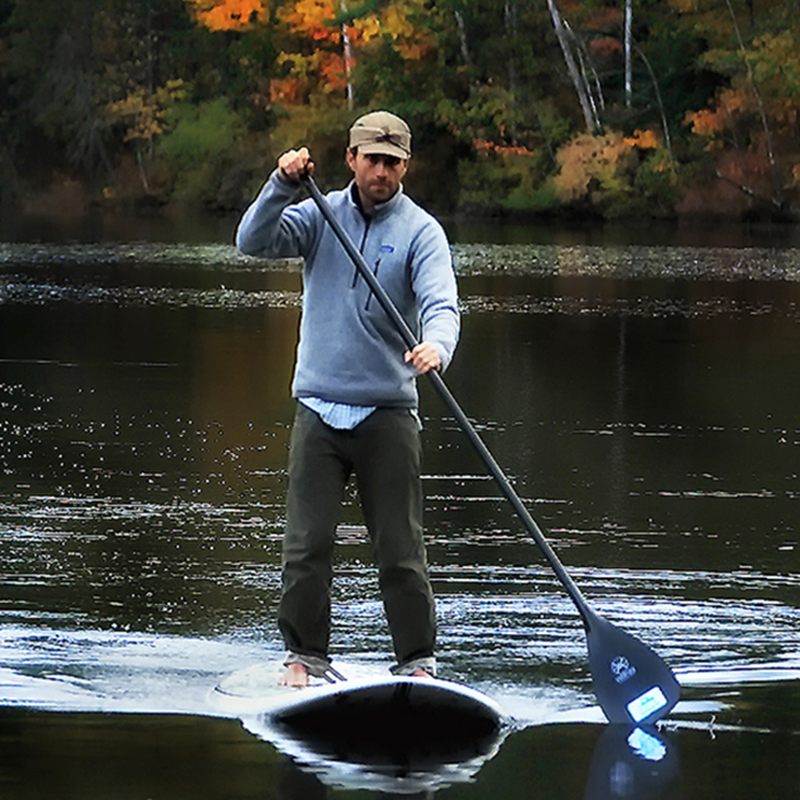
I’m Robbie George, a National Geographic–published nature photographer whose work is rooted in long hours of field observation, repeated return to wild places, and a deep respect for how animals move through their environments.
My grizzly bear work comes out of time spent in northern Wyoming and the Greater Yellowstone region, where I’ve watched bears across changing seasons and changing light. Those experiences shaped not only my photography, but my broader understanding of how behavior, habitat, and ecological systems connect.
You can explore more through Wildlife Photography, Mammals of North America, and Naturepedia, where individual species connect into a larger field-based knowledge system.
“The more honestly you watch an animal in its habitat, the more the landscape begins to explain its life.”