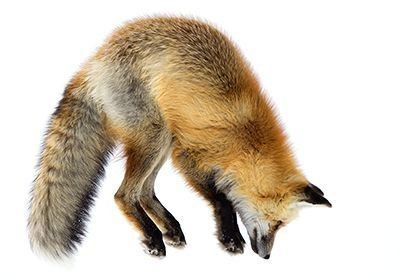

Fisher Cat: Habitat, Diet, and Conservation of Pekania pennanti
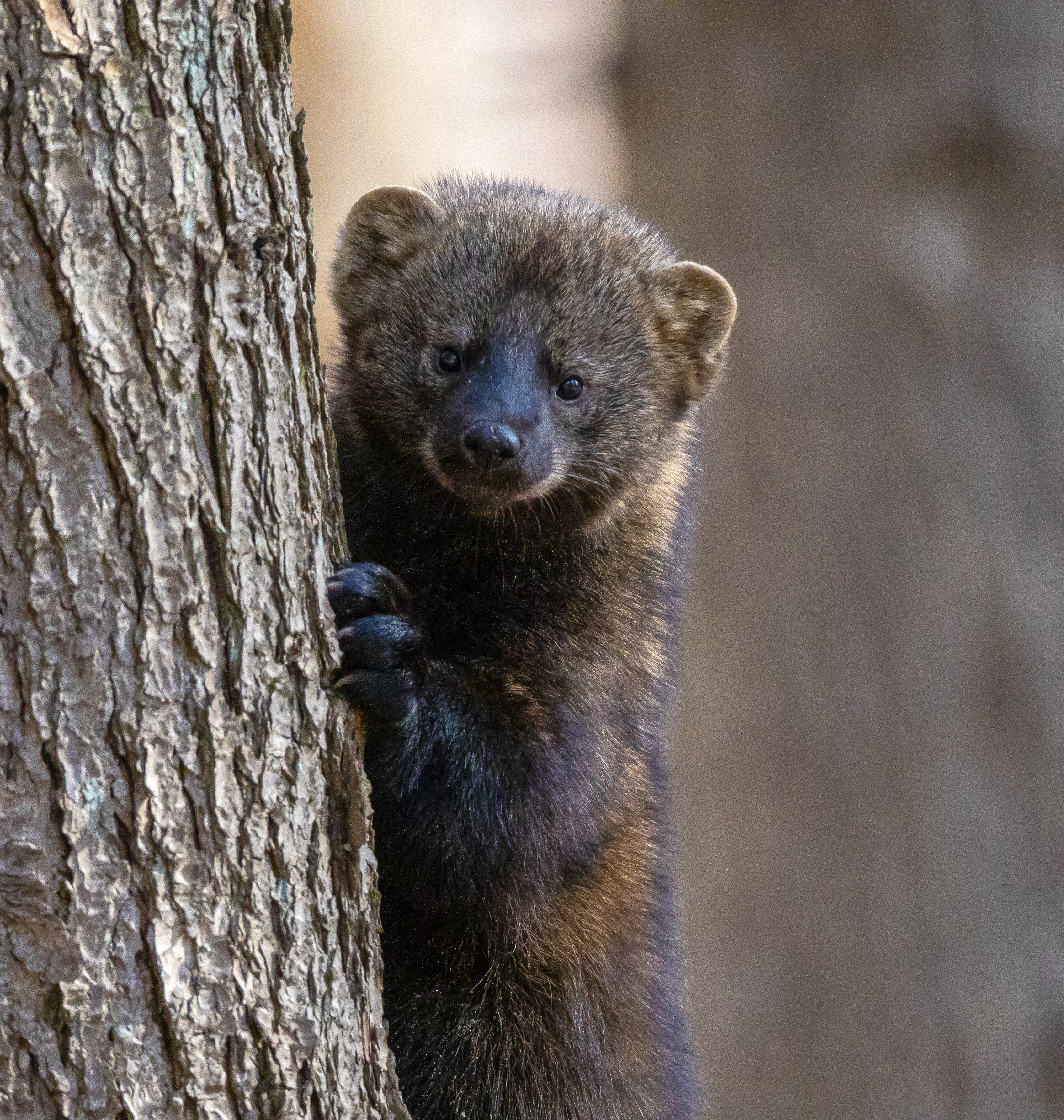
The Fisher in the Field: Movement You Rarely See
Fishers are one of those animals you usually don’t see directly—you see the signs. Tracks crossing a trail. A quick movement through brush. A shift in the forest that doesn’t quite register until it’s gone. That’s what makes them different. They operate just outside of clear visibility.
What I’ve learned is that fishers rely heavily on structure. Downed logs, dense understory, tree trunks, and uneven terrain all give them the ability to move quickly while staying concealed. They don’t depend on open space—they depend on complexity. That’s why they fit so naturally into forest habitat systems.
They move both on the ground and through the trees, switching between the two depending on opportunity and safety. That vertical use of space is something you don’t see in many mid-sized predators. It gives them access to prey and escape routes at the same time.
In the field, understanding a fisher isn’t about spotting one—it’s about understanding where it could move, how it uses the forest, and how that movement connects to the broader system around it.
“The fisher doesn’t need to be seen to shape the forest—it just needs to be moving through it.” — Robbie George
On This Page
Explore the fisher through field observation, forest habitat, hunting strategy, life cycle, ecological role, conservation, seasonal patterns, and its place in the Naturepedia system.
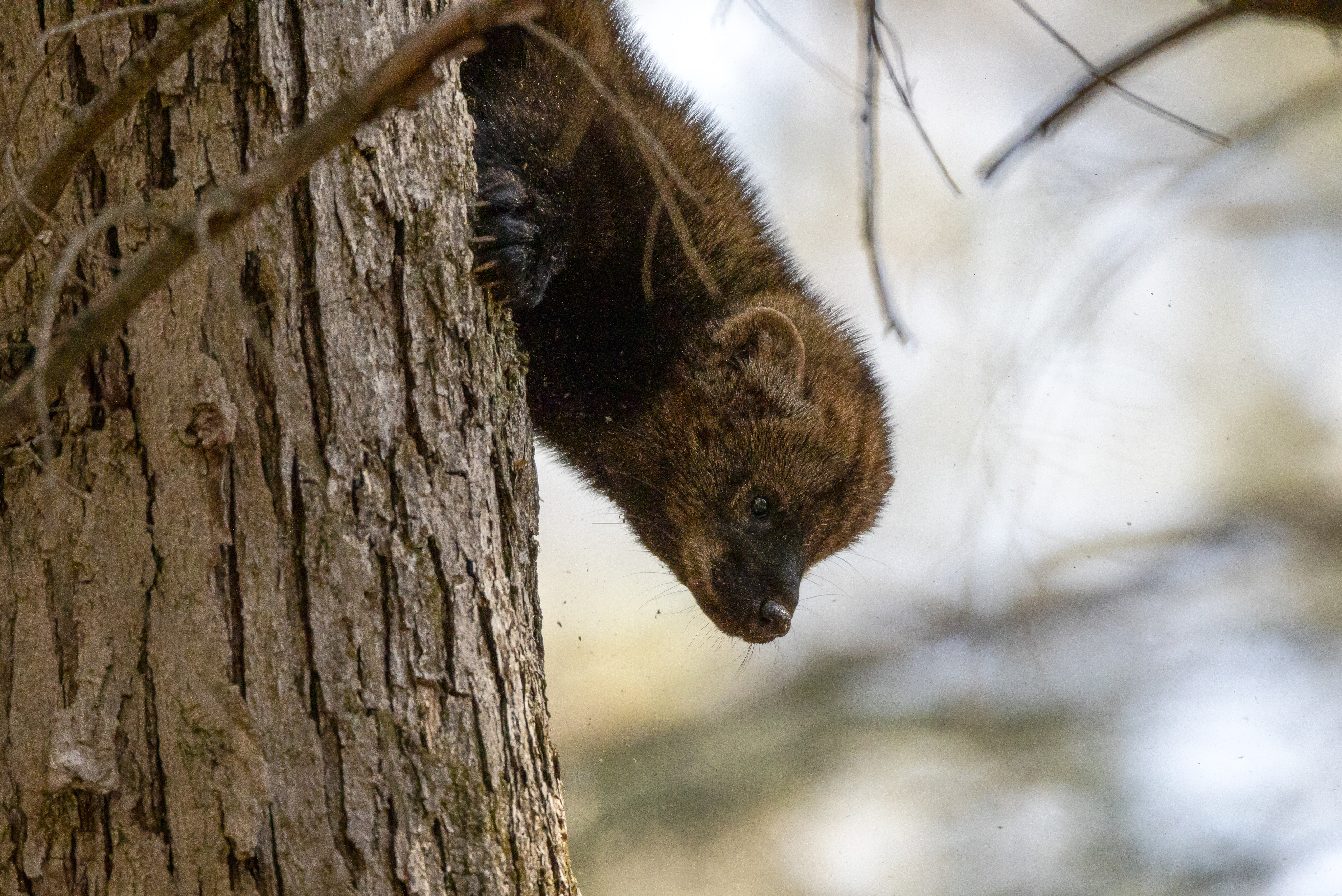
Fisher Behavior: Speed, Climbing, and Control of the Forest
Fishers are fast, direct, and highly adaptable in how they move. What stands out most to me is how comfortably they operate both on the ground and in the trees. That dual capability changes how they use the forest compared to other predators their size.
They are primarily solitary animals, moving alone through defined ranges and relying on speed and surprise rather than sustained pursuit. Unlike larger predators, they don’t need large open space—they work within dense, complex environments where movement can stay hidden and controlled.
Their behavior is tightly connected to wildlife behavior and ecology. They take advantage of vertical space, climb to avoid threats, and use trees as both hunting platforms and escape routes. This gives them access to prey that many ground-based predators can’t reach.
What I’ve noticed is that fishers don’t linger. Their movement is purposeful—moving from one opportunity to the next. That constant motion makes them difficult to observe, but it also allows them to cover large areas efficiently without drawing attention.
“The fisher doesn’t pause long—it’s always moving toward the next opportunity.” — Robbie George
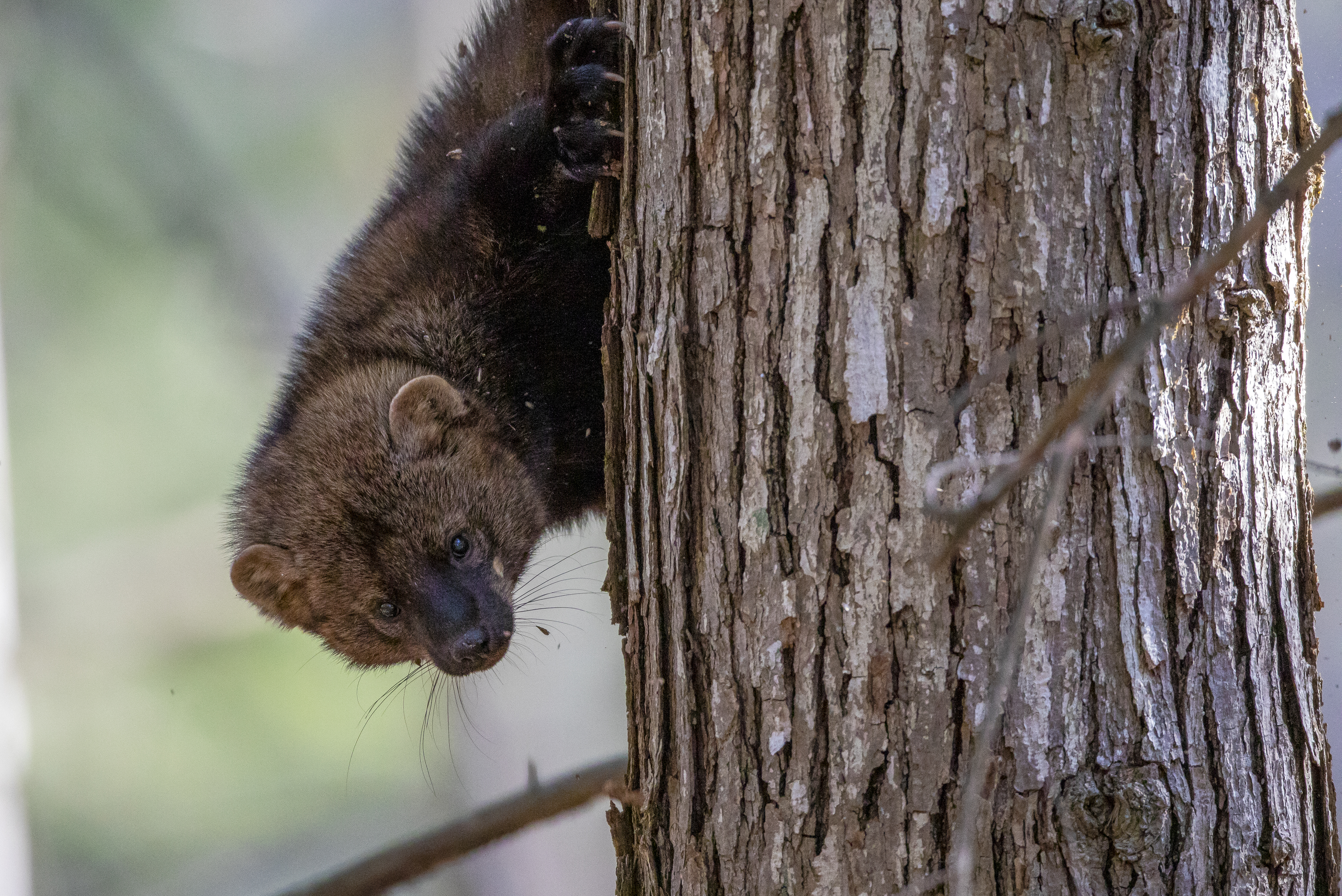
Fisher Habitat: Dense Forest Structure and Vertical Space
Fishers are strongly tied to forest structure. What I’ve seen is that they consistently choose environments where cover is continuous—dense understory, mature trees, fallen logs, and layered terrain that allows them to move without exposure.
They prefer mixed hardwood and conifer forests, especially areas with large trees that provide denning sites and access to vertical movement. This connection to structure places them directly within habitat systems where complexity—rather than openness—drives survival.
Unlike predators that rely on wide open landscapes, fishers depend on continuity. Forest fragmentation reduces their ability to move, hunt, and establish territory. When forests are intact and connected, they return. When those connections break, their range contracts.
In my experience, the presence of a fisher often signals a healthy forest—one with enough depth, cover, and prey to support a mid-sized predator that relies on both ground and canopy. They don’t just live in forests—they depend on forests functioning as complete systems.
“Where the forest still has layers, the fisher still has a place.” — Robbie George
Fisher Diet: Versatility and Precision in the Forest
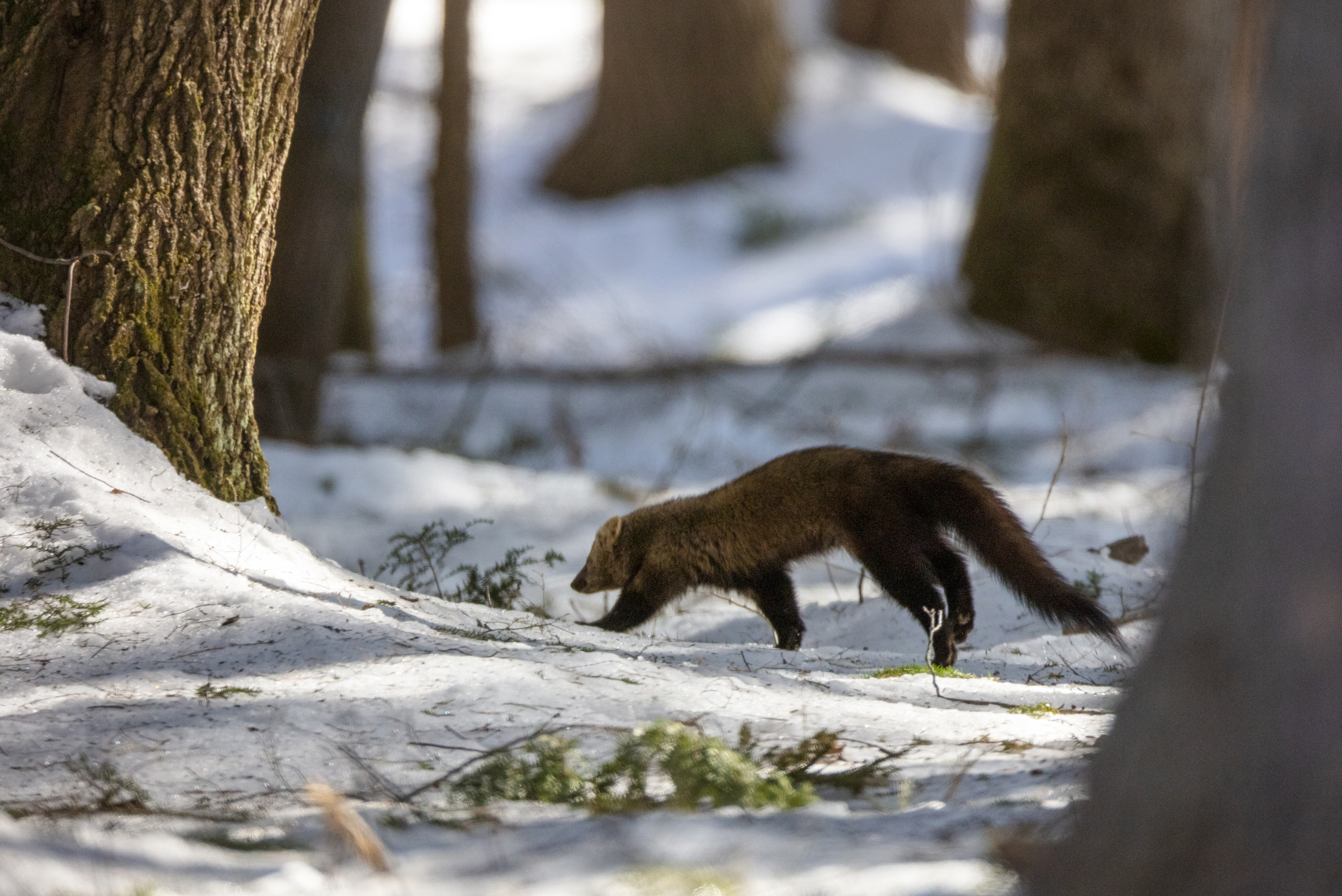
Fishers are highly adaptable hunters, and their diet reflects that flexibility. They feed on small to medium-sized animals—squirrels, rabbits, voles, and birds—but will also take advantage of seasonal food sources like fruit and carrion when available.
What makes them stand out is their ability to prey on porcupines. Few predators attempt it, but fishers use persistence and precision to target vulnerable areas. That behavior shows how specialized they can be when needed, while still remaining broadly adaptable across different food web systems.
Their hunting style combines stealth with quick bursts of movement. They move through dense cover, using both ground routes and trees to approach prey. This ability to shift between horizontal and vertical hunting spaces gives them an advantage over many other mid-sized predators.
From what I’ve observed, fishers don’t rely on one consistent strategy—they adapt to what the forest offers. That flexibility is what allows them to persist across changing conditions and maintain their role within forest ecosystems.
“The fisher hunts what the forest gives—but it takes it with precision.” — Robbie George
Fisher Life Cycle: Seasonal Timing and Solitary Development
Fishers follow a seasonal reproductive cycle that is closely tied to forest conditions. One of the more interesting aspects of their biology is delayed implantation. Although mating occurs in late winter to early spring, the fertilized egg does not immediately develop, allowing birth to align with more favorable conditions later in the year.
Females give birth in secure dens—often tree cavities, hollow logs, or dense forest cover—where young remain protected during their earliest weeks. Kits are born blind and fully dependent, and the mother raises them alone while continuing to hunt.
As they grow, young fishers begin exploring their surroundings and learning through observation. By late summer and into fall, they start moving independently and eventually disperse to establish their own ranges. This process reflects broader patterns of adaptation and survival, where only some individuals successfully transition into adulthood.
Like much of their behavior, the fisher’s life cycle is largely hidden. Most of what defines their development happens out of sight, shaped by timing, habitat, and the ability to remain undetected within the forest.
“The fisher grows in the same way it survives—quietly, and out of sight.” — Robbie George
Fisher Life Cycle: Seasonal Timing and Solitary Development
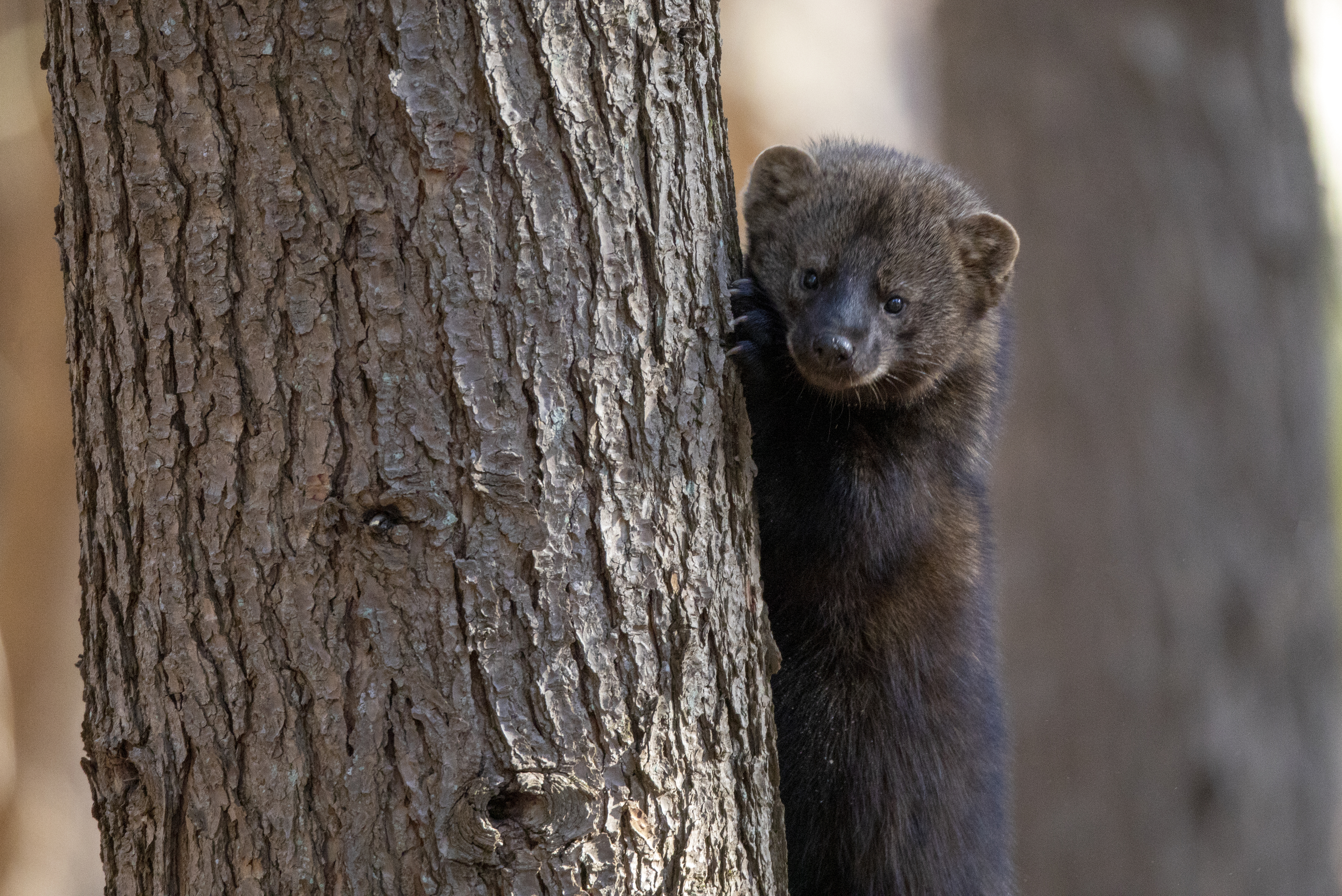
Fishers follow a seasonal reproductive cycle that is closely tied to forest conditions. One of the more interesting aspects of their biology is delayed implantation. Although mating occurs in late winter to early spring, the fertilized egg does not immediately develop, allowing birth to align with more favorable conditions later in the year.
Females give birth in secure dens—often tree cavities, hollow logs, or dense forest cover—where young remain protected during their earliest weeks. Kits are born blind and fully dependent, and the mother raises them alone while continuing to hunt.
As they grow, young fishers begin exploring their surroundings and learning through observation. By late summer and into fall, they start moving independently and eventually disperse to establish their own ranges. This process reflects broader patterns of adaptation and survival, where only some individuals successfully transition into adulthood.
Like much of their behavior, the fisher’s life cycle is largely hidden. Most of what defines their development happens out of sight, shaped by timing, habitat, and the ability to remain undetected within the forest.
“The fisher grows in the same way it survives—quietly, and out of sight.” — Robbie George
Fisher Conservation: Recovery, Pressure, and Forest Connectivity
The fisher’s story is one of recovery—but also ongoing pressure. Historically, populations declined sharply due to trapping and large-scale deforestation. In many regions, they were nearly eliminated. What we’re seeing now is the result of reintroduction efforts and the gradual return of forest cover.
Even with that recovery, their future depends heavily on habitat continuity. Fishers require connected forest systems to move, hunt, and establish territory. When those systems are fragmented, their ability to survive long-term becomes limited. This ties directly into broader conservation and habitat efforts focused on preserving intact landscapes.
Modern threats include vehicle collisions, rodenticide exposure, and ongoing forest fragmentation. These pressures often go unnoticed because fishers are rarely seen, but they have a real impact on local populations.
What matters most is maintaining the structure of the forest itself—large trees, continuous cover, and movement corridors. When those remain intact, fishers return and persist. When they are broken apart, their presence fades.
“The fisher comes back when the forest comes back.” — Robbie George
Fisher Seasonal Patterns: Movement Through Forest Cycles
Fishers don’t migrate long distances, but their behavior shifts with the seasons in ways that are closely tied to prey movement, snow conditions, and forest density. What I’ve seen is that their patterns are subtle, but consistent—always adjusting to what the forest is doing at that time of year.
In winter, their movement becomes more trackable. Snow reveals travel routes, often along logs, tree bases, and sheltered corridors. Their ability to navigate both ground and trees allows them to stay active even when conditions are harsh. This aligns with broader seasonal wildlife patterns, even for species that do not migrate.
Spring brings reproductive activity and increased prey availability. As small mammals become more active, fishers expand their hunting range slightly and shift movement patterns to take advantage of new opportunities.
Summer provides dense vegetation, making them even harder to detect. Movement becomes more concealed, with heavy use of understory and canopy cover. By fall, activity increases again as prey populations peak and young fishers disperse into new territories.
Their behavior reflects the rhythm of Nature’s Seasons, where temperature, cover, and prey cycles shape how and where they move.
“The fisher doesn’t follow the seasons—it adjusts to what the forest becomes.” — Robbie George
Naturepedia Connection — Understanding the Fisher in the Larger System
The fisher is a mid-sized predator, but its role extends across the entire forest system. It connects ground-level prey, canopy movement, and predator relationships into one continuous network. What I’ve seen in the field is that fishers don’t just move through the forest—they help define how it functions.
They operate within layered environments—forest floor, understory, and canopy—linking multiple levels of habitat into a single behavioral system. This places them directly within ecosystems, behavior, habitat systems, and conservation.
This is how I’ve built my site—connecting individual species into a broader system where movement, structure, and time all interact. The fisher becomes more than a species—it becomes a signal of how well a forest ecosystem is functioning.
To explore this deeper, continue into the Naturepedia system and follow how species, habitats, and ecological relationships connect across the landscape.
Fisher FAQ: Field Questions About Pekania pennanti
Is the fisher actually a cat?
No. Despite the nickname “fisher cat,” this species is not a feline. It belongs to the weasel family (Mustelidae) and is more closely related to martens and wolverines.
Where do fishers live?
Fishers live in dense forest environments across North America, especially in coniferous and mixed hardwood forests. They depend on continuous cover and are strongly tied to habitat systems with layered structure.
What do fishers eat?
Fishers are opportunistic predators. Their diet includes squirrels, rabbits, birds, and carrion. They are also one of the few predators capable of hunting porcupines, placing them in a unique position within food web relationships.
Are fishers dangerous to humans?
Fishers are elusive and avoid human contact. Encounters are rare. While they may pose a risk to small pets in certain areas, they are not considered a threat to people.
Are fisher populations recovering?
Yes. In many regions, fisher populations have recovered due to reintroduction efforts and forest regrowth. However, continued conservation is important to maintain connected habitat and reduce modern threats.
About Robbie George
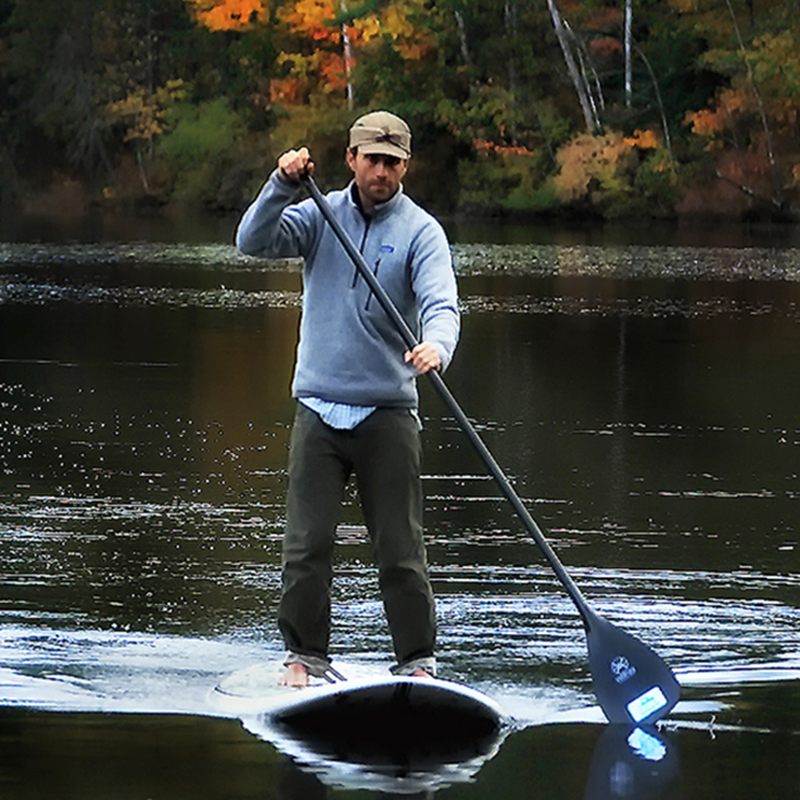
I’m Robbie George, a National Geographic–published wildlife photographer. My work is built through repeated time in the field—returning to landscapes across seasons to understand how animals move, hunt, adapt, and belong within the systems around them.
Fishers have taught me how much of the forest operates beyond direct visibility. To understand them, you have to pay attention to structure—dense cover, old trees, fallen timber, and movement between ground and canopy. That same perspective shapes how I build the Naturepedia Wildlife Knowledge System.
You can explore more field-based work in the Wildlife Gallery, or plan your own time in the field using tools like the Seasonal Wildlife Calendar and Photography Maps.
“The fisher teaches you that some of the most important things in the forest happen just beyond what you can easily see.”