
Capturing the Majesty of Bighorn Rams in the Wild with Robbie George Photography
Capturing the Majesty of Bighorn Rams in the Wild
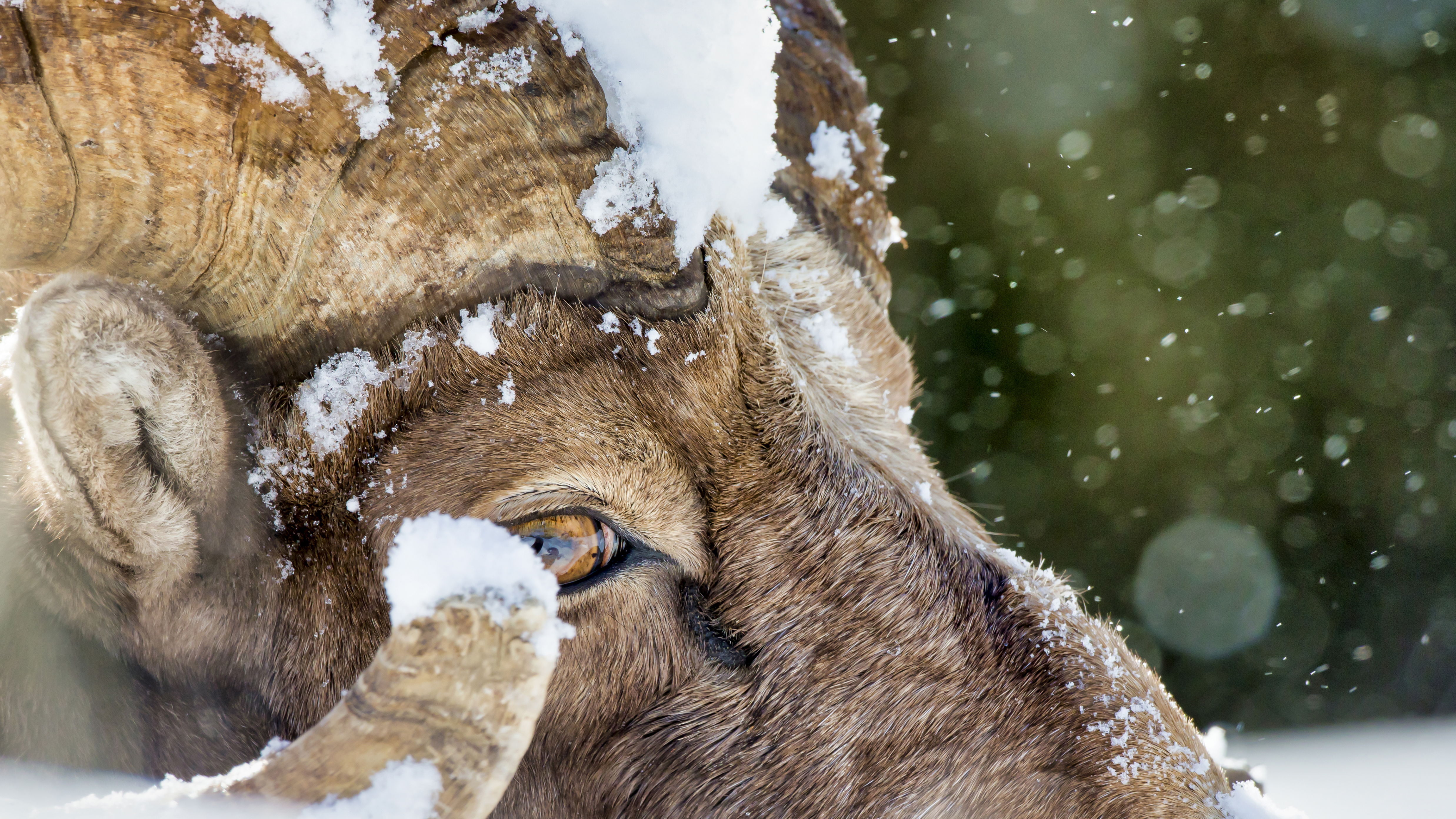
At Robbie George Photography, my encounters with bighorn rams go beyond the lens—they are moments of reverence. In the vast wilderness of the Rockies, these animals embody the sacred silence and strength of the mountains themselves.
To witness a bighorn ram is to witness balance in motion—agility shaped by the wind, power formed from stone. Through my photography, I seek to tell their story not just through imagery, but through presence: their rituals, rhythms, and resilience.
As we ascend into their world, we also explore our own capacity for stillness, focus, and awe. The bighorn is not only a mountain icon—it is a living metaphor for grace under pressure, for standing firm on steep slopes, and for navigating life with sure-footed strength.
“In the high realms where silence reigns, the bighorn ram moves not to conquer—but to harmonize.” ~ Robbie George
Understanding the Head-Butting Rituals of Bighorn Rams
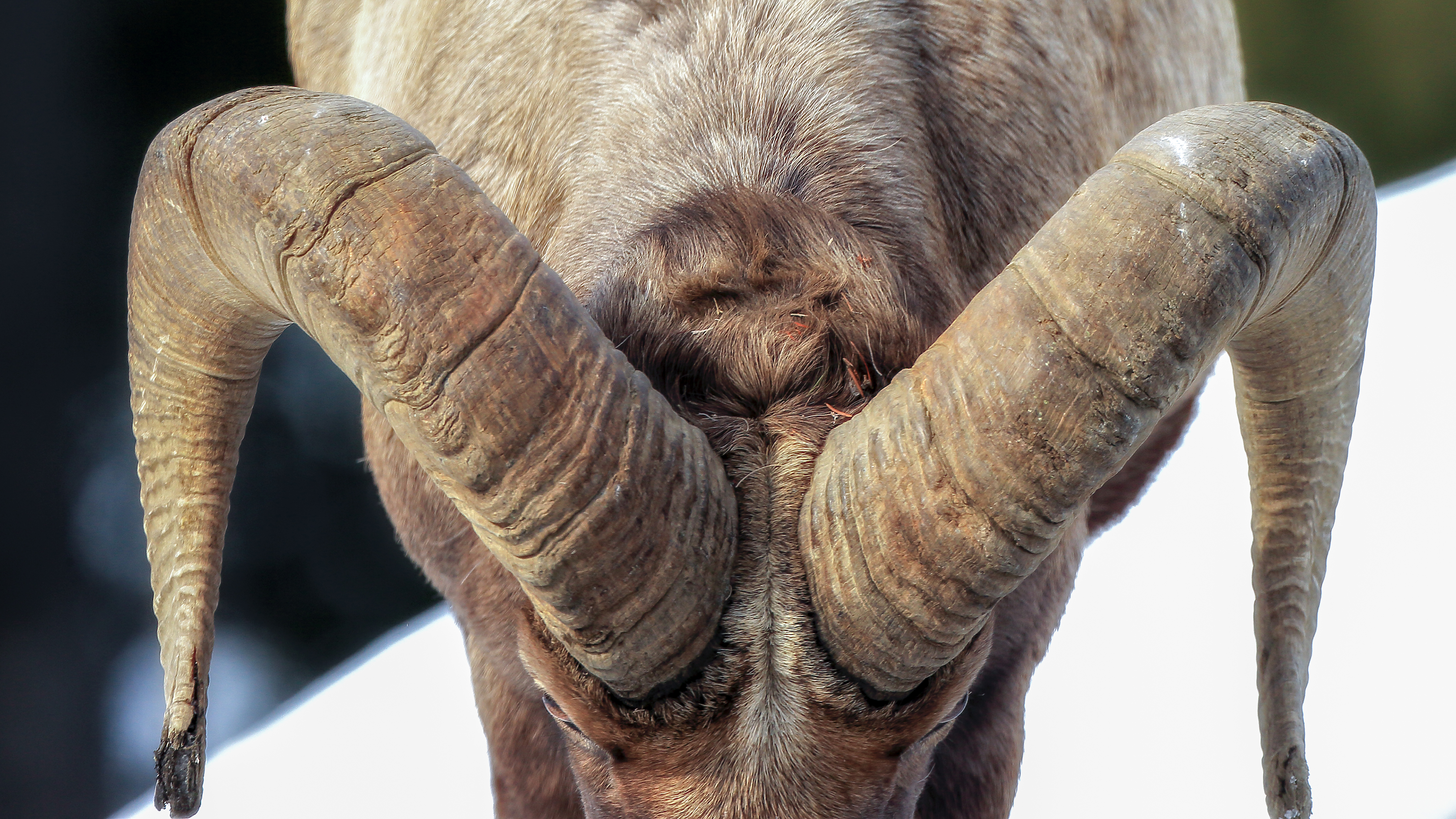
Few spectacles in the animal kingdom match the raw power of a bighorn ram's head-butting ritual. These thunderous encounters echo through the highlands like ancient drums—signals of dominance, lineage, and the right to pass on life. During the mating season, these confrontations aren’t acts of violence, but ancient rhythms of survival and succession.
Observing and photographing these moments requires more than a camera—it demands respect. From a distance, through a wildlife photographer’s lens, I use patience and precision to capture not just the impact, but the unspoken energy that surrounds these events. These rams are not fighting—they are performing an ancient ballet written in bone, horn, and instinct.
Equipped with a 600mm telephoto lens, fast shutter speed, and a reverent heart, I wait. I study their body language—the sideways glances, the tension in their shoulders, the dust lifted by hooves. When the charge begins, it’s a moment where time slows, and the laws of physics and biology align in a single breathtaking flash of contact.
“Every echo through the canyon is a story of lineage passed not through words—but through will.” ~ Robbie George
Capturing the Competition for Ewes: Mating Rituals in Action
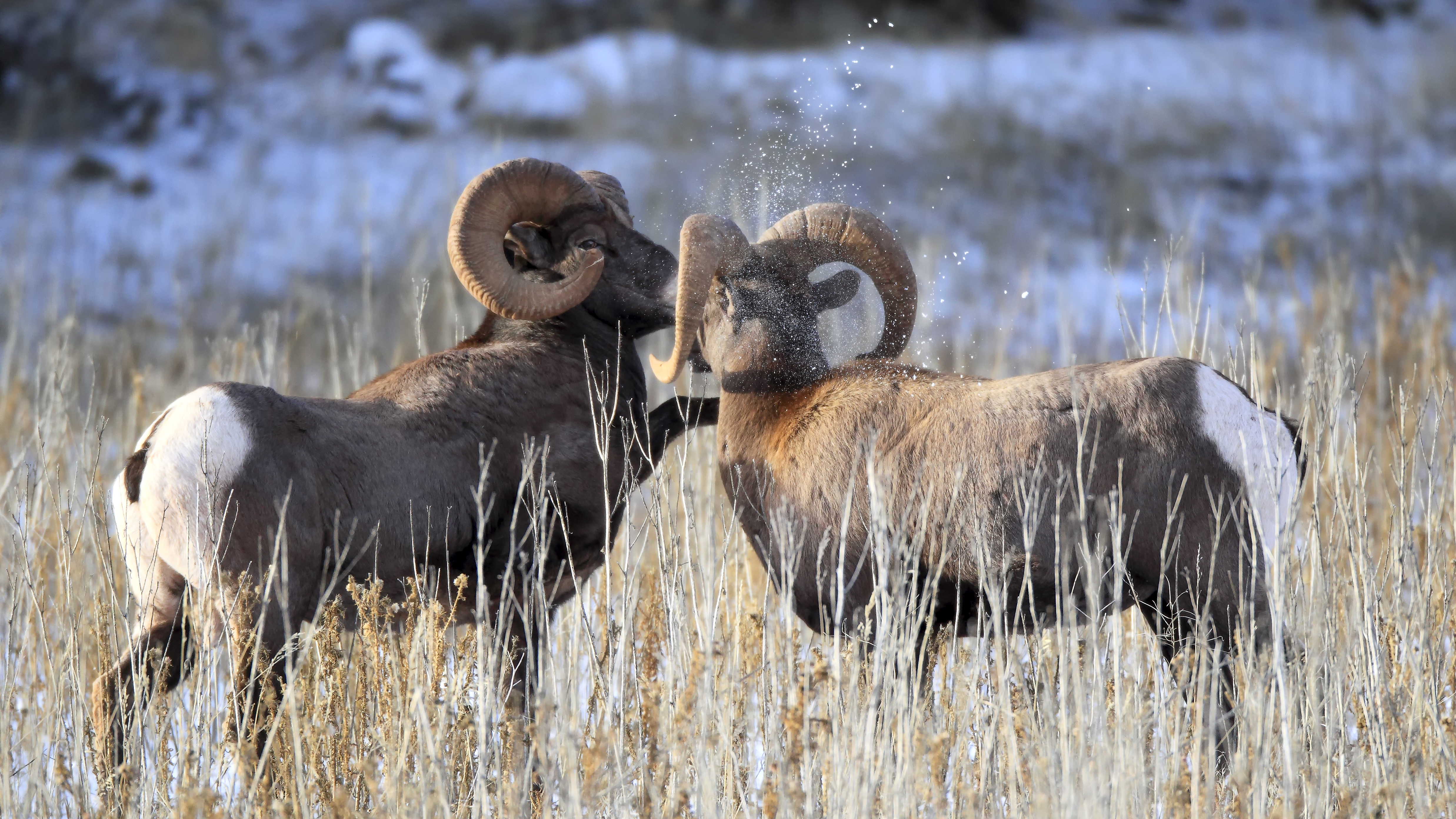
As autumn cloaks the Rockies in gold, a silent urgency awakens in the mountains. This is the season of the rut—a time when bighorn rams become more than silhouettes on the slopes. They transform into warriors of instinct, battling not with hatred, but with ancestral grace to earn the favor of a watching ewe.
These clashes are not chaos—they are ceremony. To photograph them is to anticipate posture, proximity, and pride. I observe their circle dances, their stillness before the storm. My role isn’t to chase the moment, but to wait in rhythm with it—timing the shutter to the surge of presence and precision. Composition matters: I frame each shot to include not just the rams, but the mountain soul behind them.
Using a 400mm+ lens and burst mode, I freeze fleeting symphonies of movement. Horns arc like crescents of intention. Muscles tighten. Eyes lock. In these images, competition becomes poetry—and photography becomes prophecy.
“To win the heart of the wild, strength must bow to rhythm.” ~ Robbie George
The Bighorn Ram’s Mastery of Steep Terrain
Where cliffs dare to rise and gravity tests all resolve, the bighorn ram finds its truest footing. These iconic animals are not merely survivors of the vertical world—they are masters of it. Clinging to rock walls with the finesse of an acrobat and the silence of a spirit, they navigate high-altitude habitats where few others can follow.
Their hooves—engineered by nature’s own blueprint—grip stone with uncanny precision. A hard outer rim anchors them to ledges, while a concave center cushions each step like a natural suspension system. These adaptations are not just anatomical—they are philosophical. They teach us balance, patience, and the quiet courage of placing your weight where the world falls away.
Photographing them in this terrain is a test of perspective. I rely on a sturdy tripod, a telephoto lens (400mm+), and a polarizing filter to cut through glare and unveil texture. Every shot is a study in contrasts: soft fur against hard rock, sheer cliff against sky, stillness against wind. These moments capture the essence of mountain wildlife—raw, graceful, and wholly unshaken.
“Balance isn’t found on level ground. It’s discovered where only the soul dares climb.” ~ Robbie George
Flehmen Response: Reading the Language of Scent
Not all behaviors in nature crash like thunder—some whisper like wind. The Flehmen response is one such whisper. It’s a moment when the bighorn ram lifts his head, curls his upper lip, and inhales the pheromone-laced air—a biological inquiry into the mystery of reproduction.
This behavior, observed across many ungulates, is particularly fascinating in the wild. Through this ancient ritual, the ram detects if a ewe is in estrus, drawing scent into the vomeronasal organ. As a wildlife photographer, capturing this gesture feels like photographing the invisible—a still frame of instinct encoded in muscle memory.
Timing is everything. I often use burst mode and continuous autofocus with a telephoto lens, scanning for that micro-movement that signals an impending response. This intimate exchange between animal and air is among the most poetic phenomena I’ve documented—proof that unseen signals govern much of the wild’s orchestration.
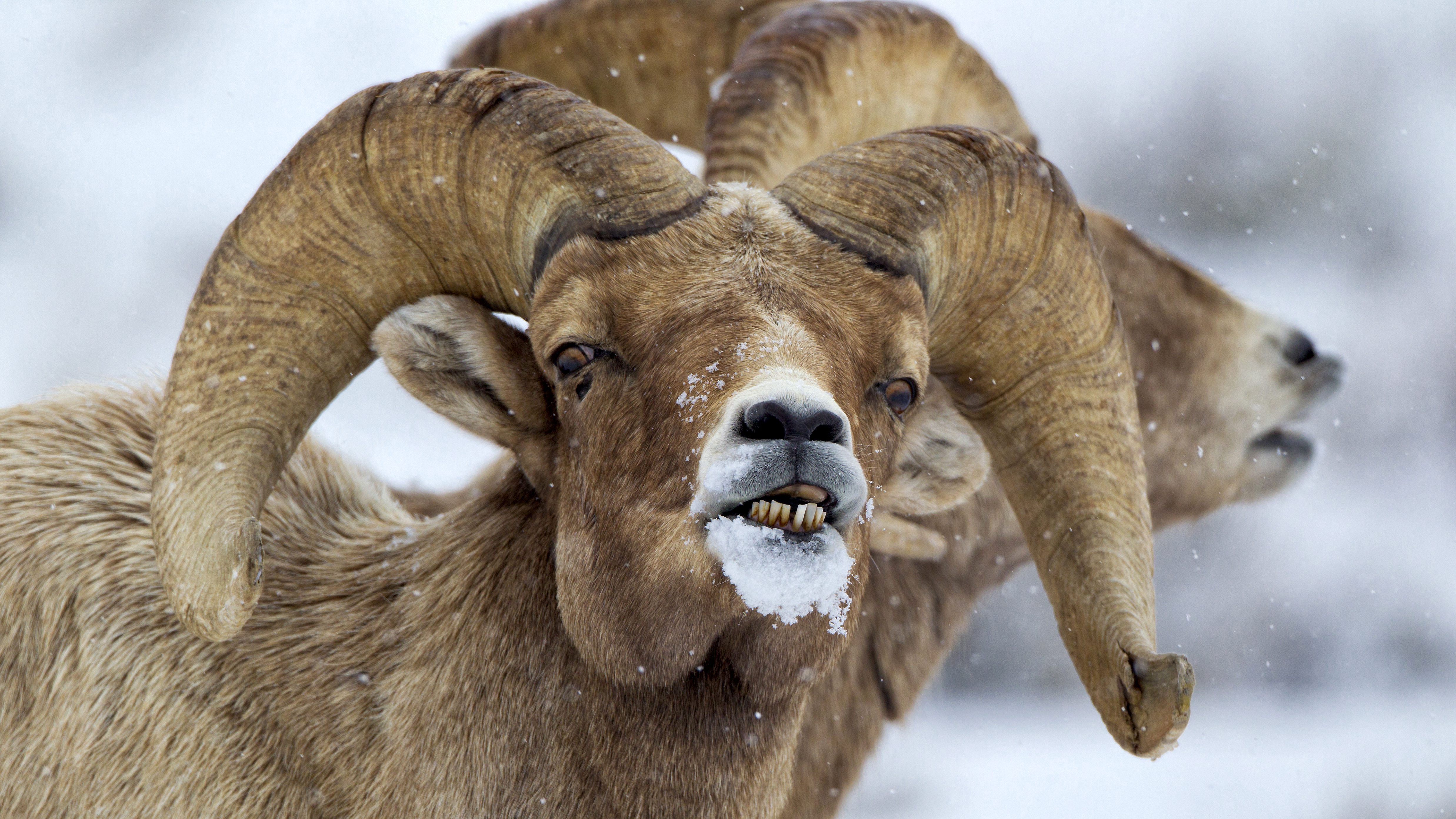
“To inhale the wilderness is to hear nature’s secrets spoken not in words, but in signals.” ~ Robbie George
Wildlife Storytelling Through Photography
For me, wildlife photography goes beyond simply taking pictures—it’s about wildlife storytelling. When I photograph bighorn rams, I strive to evoke emotion and forge a deeper connection between the viewer and the natural world. My goal is for the audience to feel as if they are right there with the animals, experiencing their power, grace, and vulnerability firsthand.
To achieve this, I focus on the emotional resonance of each shot. Whether it’s a quiet moment of reflection or a powerful display of dominance during the mating season, these moments reveal the inner world of the animal. By capturing their expressions, behaviors, and movement through rugged terrain, I aim to tell a visual story that reflects their life in the wild.
These photographic narratives also serve as a bridge to important themes in The Nature Code—reminding us that animals, like us, are participants in Earth’s resonant cycles. When we tell their story well, we bring awareness to their needs, their habitat, and our responsibility to protect them.
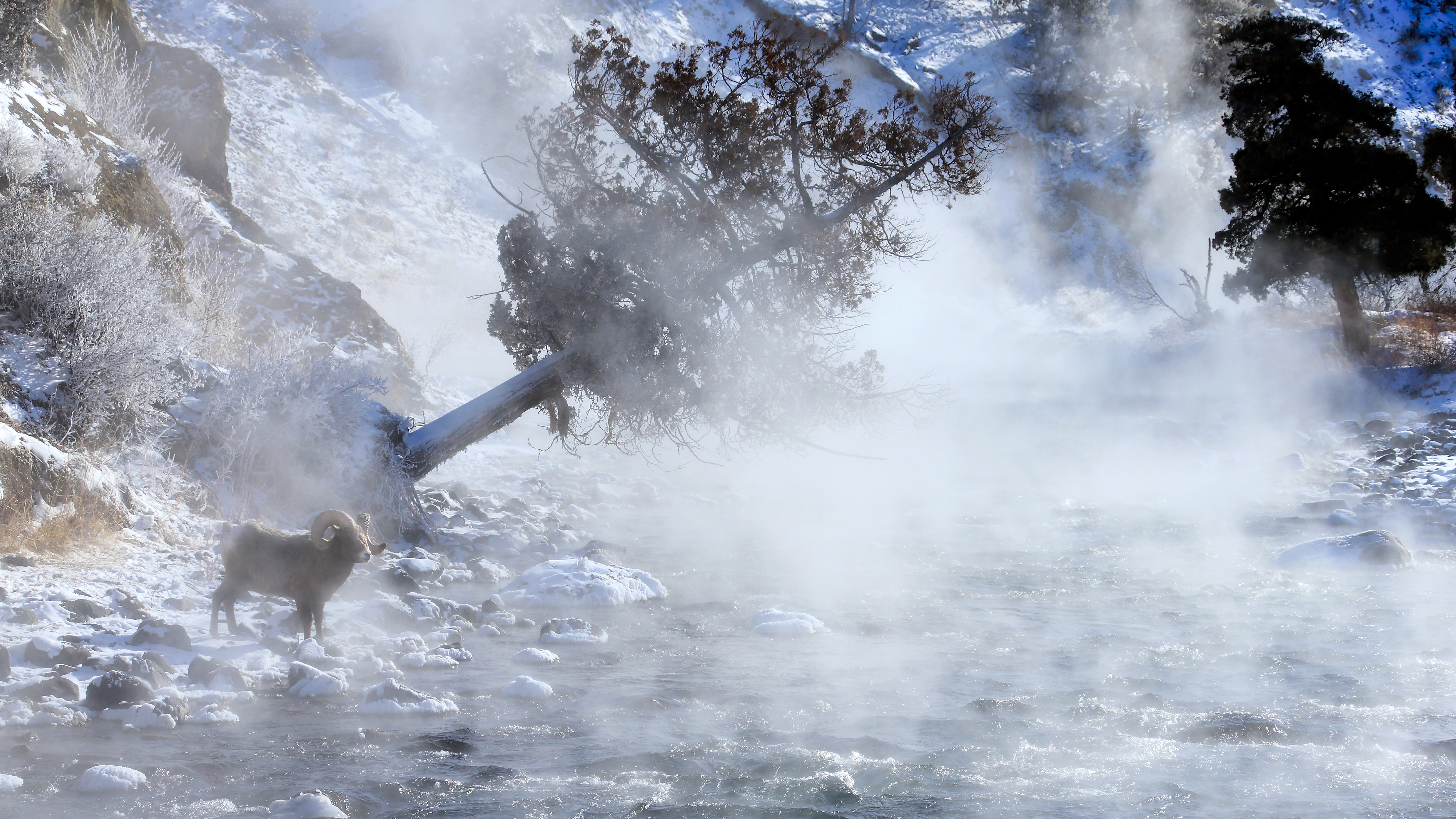
Conclusion: The Importance of Protecting Wildlife and Natural Habitats
The bighorn rams, with their iconic spiraling horns and unmatched agility, are more than just symbols of power in the wild—they’re a testament to nature’s ability to adapt and endure. Yet, like so many species, their future depends on our commitment to wildlife conservation and the protection of fragile ecosystems.
As a wildlife photographer, every frame I capture of a bighorn ram reminds me that we are witnessing a legacy—one of resilience, evolution, and wild grace. Through photography, we can amplify their story, foster deeper human connection to their world, and inspire meaningful action to preserve it.
If we wish for future generations to marvel at the sight of bighorn rams navigating cliff edges or displaying the ancient rhythm of their head-butting rituals, we must protect the mountainous regions they call home. These landscapes are more than scenery—they are sacred arenas of survival.
I invite you to continue exploring the stories of the wild on my site, including journeys through the lens of mountain goats, bobcats in Yellowstone, and reflections on nature’s enduring light.
Explore More Wild Stories
If you found meaning in the story of the bighorn ram, I invite you to continue exploring the wilderness through my lens. Each photograph and post is a journey—one that honors the spirit, science, and soul of the natural world.
Visit the full Wildlife Photography Gallery →
or dive into related field reflections below:
- On Steep Slopes: My Imagined Life as a Mountain Goat
- Whisper of the Wild: My Encounter with a Bobcat
- Nature’s Enduring Light: A Beacon Through Humanity’s Darkest Times
- Nature’s Elegance: Maroon Bells & Princess Diana
Let us keep listening to the wisdom of the wild, one photograph at a time.
Explore Fine-Art Prints
Bring the season home—browse Wildlife, Landscapes, and Seascapes by National Geographic–published photographer Robbie George. See framing, editions, and care on the Collectors page.
 Landscape
  Wildlife
  Seascapes
About Robbie George
Robbie George is a National Geographic–published photographer and resonant naturalist. His fieldcraft follows a simple ethic—distance first, habitat always— shaped by Slow Knowledge and the Signature Series.
Explore calm, undisturbed behavior in the Wildlife Gallery or plan your next trip with the Seasonal Wildlife Calendar, Golden Hour & Moon, and Photography Maps.
“Attention first, image second. The shutter is the period at the end of a sentence you learned by walking.”
Frequently Asked Questions
What is the best time of year to see bighorn rams in the wild?
The best time is during the fall rut—typically October and November—when rams engage in head-butting rituals and are more visible in lower elevations.
Why do bighorn rams head-butt?
Head-butting is a ritual of dominance. Rams clash to establish hierarchy and mating rights during the rut, showcasing power and resilience.
How can I photograph bighorn rams ethically?
Use a telephoto lens, remain quiet and distant, and never interfere with their natural behaviors. Respect their space, especially during mating season.
What equipment and settings do you recommend?
A 400–600mm lens, fast shutter speed (1/1000s or higher), and burst mode are essential. A polarizer helps balance glare and shadows in mountain environments.
What is the Flehmen response?
It’s a lip-curling behavior used by rams to detect pheromones and identify receptive females. It’s a fascinating, fleeting moment in wildlife photography.
Where can I see bighorn rams in North America?
Yellowstone, Rocky Mountain National Park, Zion, and Banff are all prime locations. Look near cliffs and open slopes during fall and winter.